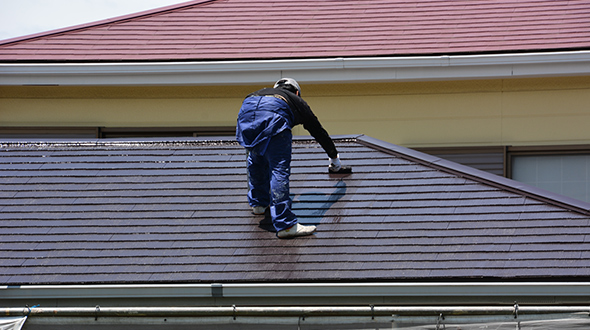
Many property owners wonder whether painting their roof is a viable way to refresh its appearance without the expense of a full replacement. The short answer: yes. You can paint roof shingles, but only under the right conditions and with the correct materials. This ACRC guide walks you through when painting makes sense, what products to use, and the risks you need to understand before starting.
Key Takeaways
- Most asphalt shingles can be painted if they’re in good condition (roughly 5–15 years old with minimal granule loss), but painting is a cosmetic fix lasting 3–7 years, not a long-term solution.
- Use 100% acrylic latex paint or elastomeric roof coatings designed for exterior use on shingles, never standard latex paint or oil-based formulas meant for walls.
- Painting may void manufacturer warranties and affect insurance coverage; check both in writing before any paint job.
- Prep work—inspection, cleaning, priming, and repairs—determines longevity more than the painting itself.
- Damaged shingles, roofs near end of life, or those with active leaks should be repaired or replaced rather than painted.
Can Roof Shingles Be Painted? (Short, Direct Answer)
Asphalt roof shingles can be painted using specialized acrylic latex or elastomeric coatings designed for roofing, but it’s not the best solution for every situation. Paint adheres best to mid-life asphalt shingles that are flat, intact, and show minimal granule loss.
Key points to understand:
- Painting does not fix leaks, curling, or structural problems—those require repairs first
- Many shingle manufacturers warn that non-approved coatings can void warranty coverage
- This is a bridge strategy, not a substitute for replacing a failing shingle roof
- Climate matters: harsh freeze-thaw cycles or intense UV rays shorten painted roof longevity significantly
When Does Painting Roof Shingles Make Sense?
Painting your roof is primarily a cosmetic or budget-driven choice rather than a durability upgrade. It works best as a short-term fix when replacing the entire roof isn’t practical yet.
Situations where painting can be reasonable:
- Slightly faded but structurally sound roofs installed within the last 10–12 years
- Mismatched shingle colors after a new addition
- Quick curb appeal boost before selling (homes with refreshed roofs sell faster per realtor data)
- Switching from dark to light colors to improve energy efficiency in hot summer climates, which can reduce roof temperatures
Remember: painting extends aesthetic life but doesn’t reset your roof’s actual service life. It’s a bridge, not a fix.
When You Should Not Paint Roof Shingles
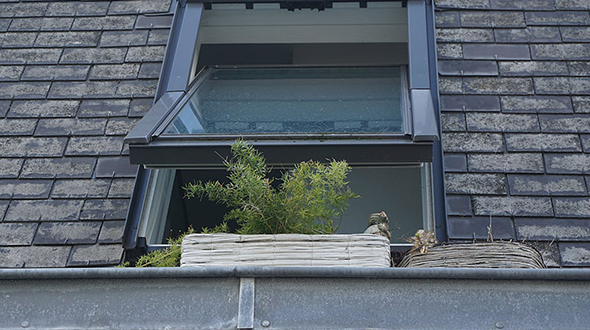
Painting a failing asphalt shingle roof wastes money and can hide problems until they become expensive to repair. Don’t mask issues that need professional attention.
Avoid painting when shingles show:
- Brittleness, cracking, or curling at edges
- Heavy granule loss (exposing the underlying felt)
- Missing sections or lifting tabs
- Roofs approaching 18–25 years of age
Climate considerations also matter. In areas of extreme weather, painted shingles peel and fade faster. Roofs with a history of ongoing leaks, soft decking, or active mold in the attic need repairs or full replacement, not paint.
What Type of Paint Should Be Used on Roof Shingles?
Using the correct asphalt shingle paint is critical for adhesion, flexibility, and moisture control.
The preferred choice is 100% acrylic latex roof paint or elastomeric roof coating specifically labeled for asphalt shingles and outdoor use. Here’s why:
- Breathable formulas allow moisture vapor to escape
- Flexibility prevents cracking during temperature swings
- UV-resistant pigments slow fading compared to standard exterior paints
Look for multi-surface roof coatings from major retailers. Avoid oil-based paints and generic interior formulas—these trap moisture, crack easily, and accelerate shingle failure. Products should explicitly state they’re suitable for roofing or high-exposure exterior applications.
Do You Need to Prime Roof Shingles Before Painting?

Priming is strongly recommended for most asphalt shingle roofs. An exterior-grade bonding primer designed for masonry or roofing surfaces provides better grip for the topcoat.
Benefits of priming:
- Evens out porous or sun-faded surfaces for uniform color
- Reduces topcoat material needed
- Improves adhesion considerably in bond strength tests
Skipping primer often leads to patchy coverage, early peeling, and shorter coating life—especially on older or heavily sun-exposed roofs. Always check that both primer and shingle paint labels confirm suitability for roofing materials.
Safety, Inspections, and Prep Work Before Painting
Roof work carries a serious fall risk. Many roofs should only be accessed by trained professionals with proper equipment.
Safety essentials:
- Extension ladders, roof brackets, harnesses, and non-slip footwear
- Avoid wet, icy, or very steep roofs
- Multi-story homes typically require professional access
Before painting, get a professional inspection to check for leaks, loose shingles, soft decking, flashing problems, and ventilation issues. Complete all repairs first. Also, verify local building codes and HOA restrictions on roof color changes.
Step-by-Step: How to Prepare and Paint Roof Shingles
Proper preparation often takes longer than painting, but it largely determines how long your painted roof will last.
Prep sequence:
- Remove loose debris with gentle brushing (avoid dislodging granules)
- Clean using low-pressure soft-wash with an appropriate solution for moss, algae growing, and mildew
- Allow complete drying – typically 24–48 hours
- Mask nearby surfaces with protective covering
- Apply primer at the manufacturer-recommended coverage
- Apply 1–2 topcoats using a sprayer or roller, allowing full drying between coats
Avoid high-pressure washing above 300 psi, which can strip the protective granules. Several coats may be needed for significant color changes.
Pros of Painting Asphalt Roof Shingles
Understanding the benefits helps you decide if painting fits your situation.
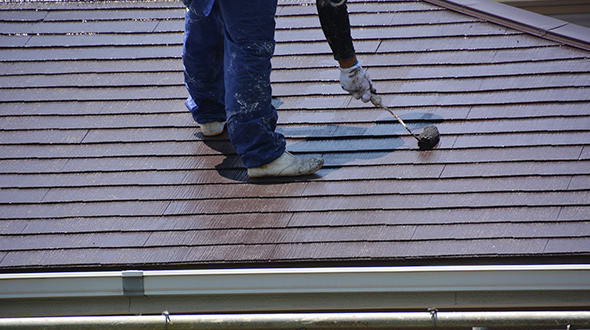
Cosmetic benefits:
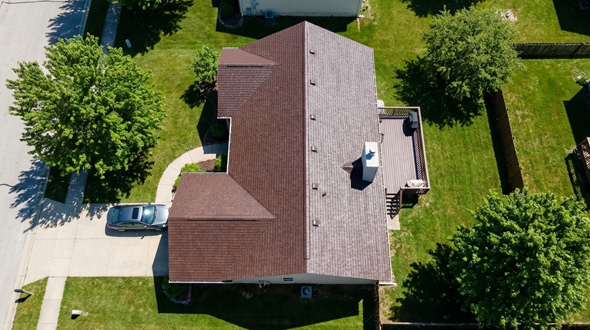
- Restores uniform color to sun-faded or patchy roofs
- Coordinates additions with the original house
- Boosts curb appeal before listing for sale
Functional benefits:
- Additional layer of UV protection
- Modest temperature reduction with lighter colors
- Some extra surface weathering protection
Cost advantage: Professional painting is considerably less than the cost of new roofing materials. For homeowners needing just a few more years before replacement, the savings can be significant.
Cons and Risks of Painting Roof Shingles
The downsides can outweigh the benefits, particularly on older roofs or in harsh climates.
Key concerns:
- Paint can peel, crack, or fade within 3–5 years in demanding conditions
- Wrong products or poor ventilation can trap moisture, leading to mold growth and wood rot
- Major manufacturers (GAF, Owens Corning, CertainTeed) state that non-approved coatings may void warranties
- Insurance or fire ratings could be affected—confirm with your insurer before painting
- Ongoing maintenance, including annual inspections and touch-ups, becomes your responsibility
A bad idea becomes expensive when chipping or peeling reveals you’ve delayed necessary replacement.
Cost, Longevity, and Maintenance Expectations
| Factor | Painting | Full Replacement |
|---|---|---|
| Cost per sq ft | $1.50–4 | $4–8+ |
| Typical longevity | 3–7 years | 20–30 years |
| Warranty | Often voided | New manufacturer warranty |
| Maintenance | Annual inspections, touch-ups | Minimal |
A well-prepped painted asphalt shingle roof may look good for 3–7 years in moderate climates. Harsh weather shortens that window. Plan visual checks each year to look for peeling, cracking, algae regrowth, and dirt accumulation.
Homeowners planning to stay 10–20 years typically see greater long-term value from timely replacement than from repeated paint jobs.
Alternatives to Painting Roof Shingles
Some homeowners can solve appearance issues without full paint coverage:
- Targeted shingle replacement: Replace small mismatched or damaged areas when matching materials are available
- Professional roof cleaning: Soft-wash methods remove stains, algae, and mildew—often making roofs look dramatically better
- Reflective coatings: Some low-slope systems accept specialized sealants (verify compatibility)
- Full replacement: For widespread wear, end-of-life shingles, or repeated leak history, a new roof provides durability and warranty protection
When your roof is structurally sound but just needs cleaning, replacing a few sections, or waiting a couple more years, painting isn’t always necessary.
FAQ
Will painting my roof shingles void the manufacturer’s warranty?
Many asphalt shingle manufacturers explicitly state that applying non-approved coatings voids some or all warranty coverage. Check your written warranty for your specific shingle model and contact the manufacturer directly before painting. Get confirmation in writing if you want to protect any remaining coverage.
How long does painted shingle color typically last before it fades?
With quality acrylic latex roof paint and proper prep, noticeable fading typically begins between 3–7 years in moderate climates. Intense sun, coastal conditions, hail, or dramatic temperature swings accelerate fading toward the lower end.
Can I change a very dark shingle roof to white or a very light color?
Yes, but expect careful priming and multiple coats for full coverage. High-contrast changes make any missed spots or wear more visible. Light-reflective roofs can improve your home’s energy efficiency in hot regions, but check HOA rules on color restrictions.
Is painting roof shingles a DIY project or should I hire a professional?
While some experienced DIYers attempt it, roof work involves fall hazards and product choices most homeowners aren’t prepared for. Steep roofs or multi-story homes should be handled by licensed, insured professionals. At a minimum, get a professional inspection before starting any project with a paintbrush or sprayer.
Does painting shingles affect roof ventilation or energy efficiency?
Paint itself doesn’t replace proper ventilation, but non-breathable coatings can slow moisture escape. Choosing lighter, reflective colors can modestly reduce rooftop temperatures and ease summer cooling loads. Consider your entire roof system—shingles, underlayment, vents, and insulation—when deciding whether painting is the right move for your house.
(404) 220-9288
The post Can Roof Shingles Be Painted? appeared first on atlantacommercialroofingcontractors.com


No comments:
Post a Comment
Note: Only a member of this blog may post a comment.