Showing posts with label Roofing. Show all posts

Tuesday, April 14, 2026

Can Roof Shingles Be Painted?

Many property owners wonder whether painting their roof is a viable way to refresh its appearance without the expense of a full replacement. The short answer: yes. You can paint roof shingles, but only under the right conditions and with the correct materials. This ACRC guide walks you through when painting makes sense, what products to use, and the risks you need to understand before starting.
can roof shingles be painted

Key Takeaways

  • Most asphalt shingles can be painted if they’re in good condition (roughly 5–15 years old with minimal granule loss), but painting is a cosmetic fix lasting 3–7 years, not a long-term solution.
  • Use 100% acrylic latex paint or elastomeric roof coatings designed for exterior use on shingles, never standard latex paint or oil-based formulas meant for walls.
  • Painting may void manufacturer warranties and affect insurance coverage; check both in writing before any paint job.
  • Prep work—inspection, cleaning, priming, and repairs—determines longevity more than the painting itself.
  • Damaged shingles, roofs near end of life, or those with active leaks should be repaired or replaced rather than painted.

Can Roof Shingles Be Painted? (Short, Direct Answer)

Asphalt roof shingles can be painted using specialized acrylic latex or elastomeric coatings designed for roofing, but it’s not the best solution for every situation. Paint adheres best to mid-life asphalt shingles that are flat, intact, and show minimal granule loss.

Key points to understand:

  • Painting does not fix leaks, curling, or structural problems—those require repairs first
  • Many shingle manufacturers warn that non-approved coatings can void warranty coverage
  • This is a bridge strategy, not a substitute for replacing a failing shingle roof
  • Climate matters: harsh freeze-thaw cycles or intense UV rays shorten painted roof longevity significantly

When Does Painting Roof Shingles Make Sense?

Painting your roof is primarily a cosmetic or budget-driven choice rather than a durability upgrade. It works best as a short-term fix when replacing the entire roof isn’t practical yet.

Situations where painting can be reasonable:

  • Slightly faded but structurally sound roofs installed within the last 10–12 years
  • Mismatched shingle colors after a new addition
  • Quick curb appeal boost before selling (homes with refreshed roofs sell faster per realtor data)
  • Switching from dark to light colors to improve energy efficiency in hot summer climates, which can reduce roof temperatures

Remember: painting extends aesthetic life but doesn’t reset your roof’s actual service life. It’s a bridge, not a fix.

When You Should Not Paint Roof Shingles
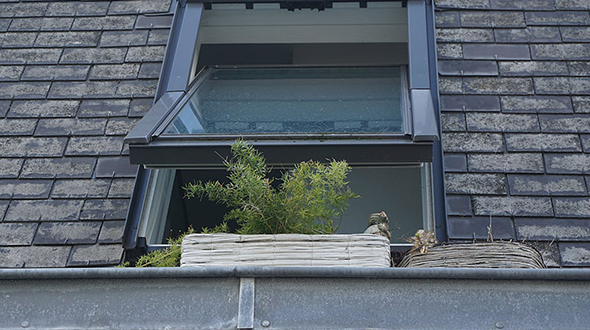
do not paint damaged roof shingles granule loss

Painting a failing asphalt shingle roof wastes money and can hide problems until they become expensive to repair. Don’t mask issues that need professional attention.

Avoid painting when shingles show:

  • Brittleness, cracking, or curling at edges
  • Heavy granule loss (exposing the underlying felt)
  • Missing sections or lifting tabs
  • Roofs approaching 18–25 years of age

Climate considerations also matter. In areas of extreme weather, painted shingles peel and fade faster. Roofs with a history of ongoing leaks, soft decking, or active mold in the attic need repairs or full replacement, not paint.

What Type of Paint Should Be Used on Roof Shingles?

Using the correct asphalt shingle paint is critical for adhesion, flexibility, and moisture control.

The preferred choice is 100% acrylic latex roof paint or elastomeric roof coating specifically labeled for asphalt shingles and outdoor use. Here’s why:

  • Breathable formulas allow moisture vapor to escape
  • Flexibility prevents cracking during temperature swings
  • UV-resistant pigments slow fading compared to standard exterior paints

Look for multi-surface roof coatings from major retailers. Avoid oil-based paints and generic interior formulas—these trap moisture, crack easily, and accelerate shingle failure. Products should explicitly state they’re suitable for roofing or high-exposure exterior applications.

Do You Need to Prime Roof Shingles Before Painting?

roof primer done by roofer

Priming is strongly recommended for most asphalt shingle roofs. An exterior-grade bonding primer designed for masonry or roofing surfaces provides better grip for the topcoat.

Benefits of priming:

  • Evens out porous or sun-faded surfaces for uniform color
  • Reduces topcoat material needed
  • Improves adhesion considerably in bond strength tests

Skipping primer often leads to patchy coverage, early peeling, and shorter coating life—especially on older or heavily sun-exposed roofs. Always check that both primer and shingle paint labels confirm suitability for roofing materials.

Safety, Inspections, and Prep Work Before Painting

Roof work carries a serious fall risk. Many roofs should only be accessed by trained professionals with proper equipment.

Safety essentials:

  • Extension ladders, roof brackets, harnesses, and non-slip footwear
  • Avoid wet, icy, or very steep roofs
  • Multi-story homes typically require professional access

Before painting, get a professional inspection to check for leaks, loose shingles, soft decking, flashing problems, and ventilation issues. Complete all repairs first. Also, verify local building codes and HOA restrictions on roof color changes.

Step-by-Step: How to Prepare and Paint Roof Shingles

Proper preparation often takes longer than painting, but it largely determines how long your painted roof will last.

Prep sequence:

  1. Remove loose debris with gentle brushing (avoid dislodging granules)
  2. Clean using low-pressure soft-wash with an appropriate solution for moss, algae growing, and mildew
  3. Allow complete drying – typically 24–48 hours
  4. Mask nearby surfaces with protective covering
  5. Apply primer at the manufacturer-recommended coverage
  6. Apply 1–2 topcoats using a sprayer or roller, allowing full drying between coats

Avoid high-pressure washing above 300 psi, which can strip the protective granules. Several coats may be needed for significant color changes.

Pros of Painting Asphalt Roof Shingles

Understanding the benefits helps you decide if painting fits your situation.
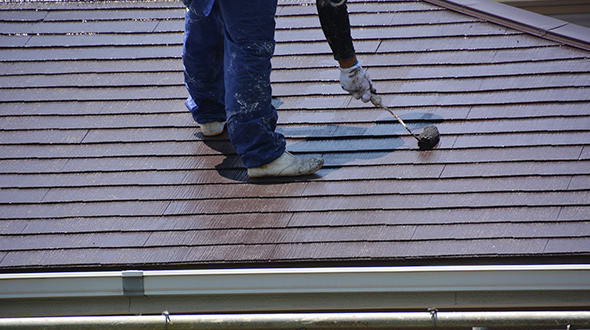
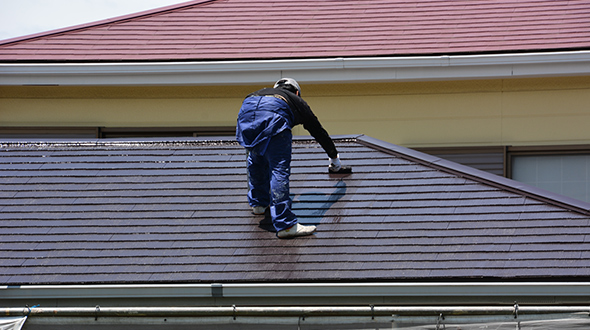
roofer applying acrylic latex paint on an asphalt shingle roof

Cosmetic benefits:

  • Restores uniform color to sun-faded or patchy roofs
  • Coordinates additions with the original house
  • Boosts curb appeal before listing for sale

Functional benefits:

  • Additional layer of UV protection
  • Modest temperature reduction with lighter colors
  • Some extra surface weathering protection

Cost advantage: Professional painting is considerably less than the cost of new roofing materials. For homeowners needing just a few more years before replacement, the savings can be significant.

Cons and Risks of Painting Roof Shingles

The downsides can outweigh the benefits, particularly on older roofs or in harsh climates.

Key concerns:

  • Paint can peel, crack, or fade within 3–5 years in demanding conditions
  • Wrong products or poor ventilation can trap moisture, leading to mold growth and wood rot
  • Major manufacturers (GAF, Owens Corning, CertainTeed) state that non-approved coatings may void warranties
  • Insurance or fire ratings could be affected—confirm with your insurer before painting
  • Ongoing maintenance, including annual inspections and touch-ups, becomes your responsibility

A bad idea becomes expensive when chipping or peeling reveals you’ve delayed necessary replacement.

Cost, Longevity, and Maintenance Expectations

Factor Painting Full Replacement
Cost per sq ft $1.50–4 $4–8+
Typical longevity 3–7 years 20–30 years
Warranty Often voided New manufacturer warranty
Maintenance Annual inspections, touch-ups Minimal

A well-prepped painted asphalt shingle roof may look good for 3–7 years in moderate climates. Harsh weather shortens that window. Plan visual checks each year to look for peeling, cracking, algae regrowth, and dirt accumulation.

Homeowners planning to stay 10–20 years typically see greater long-term value from timely replacement than from repeated paint jobs.

Alternatives to Painting Roof Shingles

Some homeowners can solve appearance issues without full paint coverage:

  • Targeted shingle replacement: Replace small mismatched or damaged areas when matching materials are available
  • Professional roof cleaning: Soft-wash methods remove stains, algae, and mildew—often making roofs look dramatically better
  • Reflective coatings: Some low-slope systems accept specialized sealants (verify compatibility)
  • Full replacement: For widespread wear, end-of-life shingles, or repeated leak history, a new roof provides durability and warranty protection

When your roof is structurally sound but just needs cleaning, replacing a few sections, or waiting a couple more years, painting isn’t always necessary.

FAQ
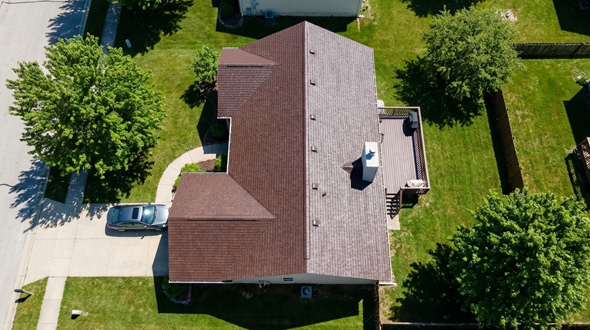
painted roof shingles

Will painting my roof shingles void the manufacturer’s warranty?

Many asphalt shingle manufacturers explicitly state that applying non-approved coatings voids some or all warranty coverage. Check your written warranty for your specific shingle model and contact the manufacturer directly before painting. Get confirmation in writing if you want to protect any remaining coverage.

How long does painted shingle color typically last before it fades?

With quality acrylic latex roof paint and proper prep, noticeable fading typically begins between 3–7 years in moderate climates. Intense sun, coastal conditions, hail, or dramatic temperature swings accelerate fading toward the lower end.

Can I change a very dark shingle roof to white or a very light color?

Yes, but expect careful priming and multiple coats for full coverage. High-contrast changes make any missed spots or wear more visible. Light-reflective roofs can improve your home’s energy efficiency in hot regions, but check HOA rules on color restrictions.

Is painting roof shingles a DIY project or should I hire a professional?

While some experienced DIYers attempt it, roof work involves fall hazards and product choices most homeowners aren’t prepared for. Steep roofs or multi-story homes should be handled by licensed, insured professionals. At a minimum, get a professional inspection before starting any project with a paintbrush or sprayer.

Does painting shingles affect roof ventilation or energy efficiency?

Paint itself doesn’t replace proper ventilation, but non-breathable coatings can slow moisture escape. Choosing lighter, reflective colors can modestly reduce rooftop temperatures and ease summer cooling loads. Consider your entire roof system—shingles, underlayment, vents, and insulation—when deciding whether painting is the right move for your house.

Atlanta Commercial Roofing Contractors

Atlanta, GA
(404) 220-9288

The post Can Roof Shingles Be Painted? appeared first on atlantacommercialroofingcontractors.com

Friday, July 25, 2025

Top 7 Eco-Friendly Sustainable Roofing Materials

Sustainable roofing refers to roofing materials that minimize environmental impact through the use of recycled or renewable resources. Homeowners looking for eco-friendly roofing options can choose from a variety of materials, including metal roofs, cool roofs, solar roofs, green roofs, wood shingles, clay tiles, and recycled shingles. This article explores the benefits and features of each material to help you make an informed, sustainable choice for your home.

sustainable roofing options including green roofs and solar panel rooftops

Key Takeaways

  • Sustainable roofing materials reduce environmental impact by utilizing recycled or renewable resources, enhancing energy efficiency, and offering long-term cost savings.
  • Metal roofs, cool roofs, solar roofing, and green roofs are among the top eco-friendly options, providing durability, energy savings, and improved indoor air quality.
  • Regular maintenance of sustainable roofing systems extends their lifespan and supports overall performance, emphasizing the importance of responsible roof care for eco-conscious homeowners.

Understanding Sustainable Roofing

Sustainable roofing minimizes environmental harm by using recycled or renewable raw materials and maintaining a lower carbon footprint. These roofing materials play a crucial role in architecture by reducing the overall environmental impact, making them a responsible choice for eco-conscious homeowners. Sustainable roofing solutions are designed to be energy-efficient, improve indoor air quality, and provide potential long-term cost savings.

Opting for sustainably sourced roofing materials conserves resources and lessens environmental impact. Well-insulated roofs maintain indoor temperatures, enhancing energy efficiency and reducing heating and cooling costs. Consequently, the roof plays a vital role in minimizing the carbon footprint. Moreover, cool roofs can make homeowners eligible for energy savings rebates from utility companies, encouraging eco-friendly decisions.

Regular maintenance of sustainable roofing systems extends their lifespan and optimizes performance. This practice not only keeps the roofing system effective but also supports long-term sustainability by reducing the need for frequent replacements and repairs. Emphasizing eco-friendliness, energy efficiency, and long-term environmental impact, sustainable roofing choices provide a comprehensive approach to building a greener future.

Metal Roofs: Durable and Recyclable

a durable metal roof with a focus on texture and finish

Metal roofs are renowned for:

  • Durability, often lasting between 40 and 80 years, significantly outlasts traditional asphalt roofs over their entire lifetime and contributes to a long life
  • High resistance to severe weather conditions, including strong winds and heavy snowfall
  • Being non-combustible and earning a top fire rating, making them advantageous in wildfire-prone areas

One of the most compelling aspects of metal roofing is its sustainability. Key benefits include:

  • Often made from new or recycled metal, making efficient use of materials and supporting environmental conservation.
  • Promotes the use of eco-friendly roofing solutions while reducing overall construction waste.
  • Can be installed over existing roofing, streamlining the installation process and minimizing material disposal.
  • Helps reduce landfill waste.

Metal roofs offer several benefits for homeowners:

  • Durability
  • Recyclability
  • Significant energy expense reduction by around 40%, making them cost-effective
  • Long lifespan
  • Weather resistance
  • Sustainable features

These qualities make metal roofs an optimal option for eco-friendly homes.

Cool Roofs: Reflecting Sunlight for Energy Savings

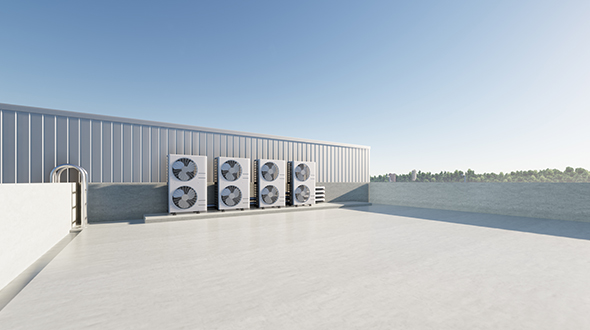
a commercial cool roof reflecting sunlight - energy-efficiency

Cool roofs are designed to reflect more sunlight and absorb less heat than standard roofs, which can significantly reduce energy consumption by lowering indoor cooling needs and providing additional cooling. These roofs can maintain temperatures up to 50°F cooler than conventional roofs under direct sunlight, making them highly effective in hot climates. By reflecting more of the sun’s rays, a cool roof reduces the overall energy costs for cooling buildings, which is a substantial benefit for both homeowners and the environment.

The materials used in cool roofs are specifically chosen for their reflective properties. For instance, cool roofs can be made from materials such as white glue and gravel, which enhance their ability to reflect sunlight. This reduces heat penetration, making buildings cooler and more comfortable during the hottest months. The effectiveness of cool roofs in various weather conditions also makes them a versatile and reliable choice for different climates.

In urban areas, cool roofs can help mitigate the urban heat island effect, where cities become significantly warmer than their rural surroundings due to human activities. By reducing the need for air conditioning, cool roofs can lower electricity bills and decrease the strain on power grids during peak usage times. This not only benefits individual homeowners but also contributes to broader energy efficiency goals and urban sustainability.

Solar Roofing: Harnessing the Power of the Sun

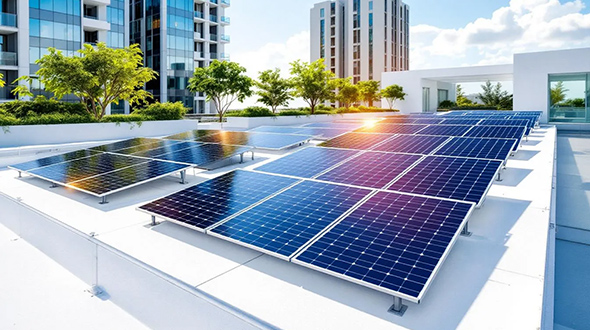
a commercial rooftop equipped with solar panels - solar energy

Solar roofing technology absorbs sunlight and the sun’s rays, converting them into usable electricity through photovoltaic (PV) panels, making it a powerful tool for promoting renewable energy use. Integrating solar panels on roofs can significantly lower electricity bills and contribute to overall sustainability by reducing reliance on non-renewable energy sources. This makes solar power roofing an attractive option for eco-conscious homeowners looking to make a positive environmental impact.

Solar panel installation costs have significantly decreased in recent years, making them more accessible to a broader range of homeowners. Although the initial expenses can be high, the long-term savings on energy bills and potential renewable energy incentives can offset these costs over time. Solar energy systems perform effectively in various climates, even with limited sunlight, and a reflective coating can further enhance their efficiency.

Solar roofing can be integrated with materials like metal or asphalt shingles to create a hybrid system that maximizes energy efficiency and durability. This flexibility allows homeowners to customize their roofing options for commercial roofing to meet specific needs, ensuring homes are both eco-friendly and cost-effective.

Green Roofs (Living Roofs): Gardens on Your Rooftop

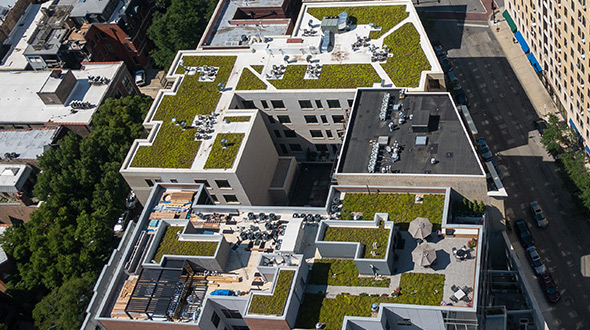
sustainable green roofs and living roof

Green roofs, also known as living roofs, offer a unique and environmentally friendly roofing option that enhances thermal performance of your property. These rooftop gardens offer numerous benefits beyond just being an eco-friendly roofing option:

  • They contribute to enhanced air quality.
  • They help manage stormwater runoff.
  • Rooftop gardens improve building aesthetics.
  • They support biodiversity by providing habitats for various plant and animal species. These features make green roofs a valuable addition to any urban environment.

A green roof significantly lowers indoor temperatures and energy demands due to its insulating properties, reducing the need for artificial cooling and helping to maintain a stable indoor environment. The aesthetic appeal of living roofs can enhance mental health and overall well-being by introducing nature into urban settings, providing a refreshing escape from the concrete jungle.

Green roofs are generally lightweight and require minimal additional structural support, making them a practical option for many buildings designed with sustainable practices. They are typically covered with grass, small plants, and native species, which contribute to urban biodiversity and improve stormwater management by reducing runoff during light rainfall events.

These roofs do come with regular maintenance requirements to ensure they remain healthy and effective, including:

  • Watering
  • Feeding
  • Weeding
  • Replacing dead plants

Green roof installation costs can vary, with extensive roofs generally being more affordable than intensive ones, which require more structural support. However, the long-term costs and benefits, including improved thermal performance, energy savings, and enhanced aesthetic appeal, make living roofs a worthwhile investment. For property owners seeking to integrate nature into their living spaces, living roofs offer a sustainable and visually appealing solution.

By transforming otherwise unused rooftop spaces into vibrant gardens, living roofs contribute to urban biodiversity, reduce stormwater runoff, and improve air quality. This innovative roofing option not only benefits the environment but also enhances the quality of life for residential residents, making it a perfect choice for eco-conscious homeowners.

Wood Shingles: A Classic and Eco-friendly Option

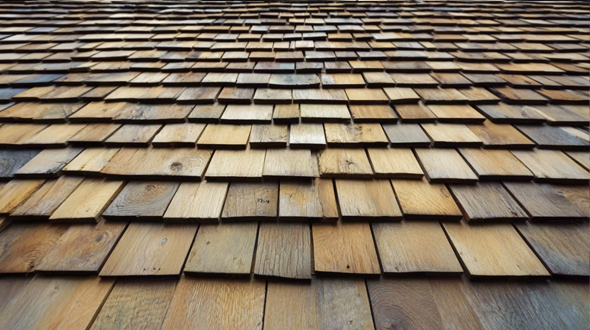
wood shingle on rooftop

Wood shingles offer a classic and aesthetically pleasing look while being an eco-friendly roofing option. Their benefits include:

  • Can be recycled into reclaimed wood products, reducing waste and ensuring sustainable use of resources
  • Using reclaimed wood for roofing saves production energy
  • Reduces pollution
  • Lowers greenhouse gas emissions compared to manufacturing asphalt-based roofing materials

Wood shingles act as natural insulators, which can eliminate the need for additional insulation and enhance energy efficiency. Their insulation properties help maintain indoor temperatures, contributing to reduced energy consumption for heating and cooling. This makes wood shingles not only a visually attractive choice but also a practical one for energy-conscious homeowners.

However, wood shingles have some drawbacks, including a relatively shorter lifespan and increased maintenance requirements. Despite these challenges, their biodegradable properties and reduced manufacturing energy consumption make them a sustainable choice for those seeking to combine tradition with eco-friendliness and shingle options.

Clay Tiles: Traditional and Energy Efficient

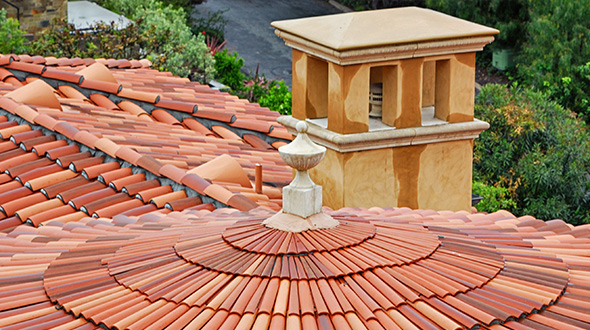
clay tile roofing

Clay tiles are a traditional roofing material known for their durability and energy efficiency. Made from locally sourced materials, clay tiles are resistant to decay, making them a sustainable roofing option. Terracotta roofing offers durability, longevity, appealing aesthetics, and is cost-effective in the long run, providing excellent value for homeowners.

Clay tiles help regulate heat transfer, which reduces heating and cooling loads, leading to lower energy costs. Their low absorption rate helps them maintain thermal properties, enhancing overall energy efficiency. This makes clay tiles an excellent choice for those looking to reduce their energy consumption without sacrificing style or durability.

One consideration with clay tiles is their weight, requiring the building structure to support them. However, their low maintenance and ease of replacement make them a practical and long-lasting roofing option. With the ability to endure harsh weather conditions and provide substantial energy savings, clay tiles remain a timeless and eco-friendly roofing choice in roof construction.

Recycled Shingles: Reducing Landfill Waste

recycled shingle rooftop

Recycled shingles are an excellent way to reduce landfill waste and promote sustainability. These shingles are commonly made from recycled plastic, rubber, or wood fibers, making them a versatile and eco-friendly roofing material. Asphalt shingles, which include recycled materials, offer durability and longevity, contributing to a longer roof life and reducing the frequency of roof replacements.

A significant benefit of recycled shingles is their ability to keep homes cooler, reducing reliance on HVAC systems and lowering energy costs. Additionally, at the end of their lifespan, asphalt shingles can be repurposed for paving pathways, driveways, and parking lots, further reducing landfill waste. This end-of-life repurposing adds to their sustainability, making recycled shingles a smart choice for environmentally conscious homeowners.

Recycled shingles are generally budget-friendly, weather-resistant, easy to maintain, and customizable, offering a range of options to suit different aesthetic preferences. By using roofing materials with at least 25% recycled content, homeowners can significantly reduce their carbon footprint and contribute to a more sustainable future.

Sustainable Roofing Summary

In conclusion, the choice of roofing materials plays a crucial role in promoting sustainability and reducing environmental impact. From the durability and recyclability of metal roofs to the energy-saving benefits of cool roofs and the renewable energy potential of solar roofing, each option offers unique advantages. Green roofs and living roofs enhance biodiversity and air quality, while wood shingles and clay tiles provide classic, eco-friendly alternatives. Recycled shingles further contribute to reducing landfill waste and promoting sustainability. By choosing eco-friendly roofing materials, homeowners can make a significant positive impact on the environment while enjoying long-term benefits and cost savings. Embrace these sustainable roofing options and contribute to a greener future, one roof at a time.

Sustainable Roofing Frequently Asked Questions

What are the main benefits of sustainable roofing materials?

Sustainable roofing materials significantly minimize environmental impact, enhance energy efficiency, improve indoor air quality, and can lead to cost savings over time. Adopting these materials is a beneficial choice for both the environment and your finances.

How long do metal roofs typically last?

Metal roofs typically last between 40 and 80 years, making them a durable choice compared to traditional asphalt roofing. Their longevity can provide substantial value and peace of mind for homeowners.

What are cool roofs made of, and how do they work?

Cool roofs are constructed from reflective materials, such as white coatings or gravel, which effectively reflect sunlight and minimize heat absorption. This results in lower building temperatures and reduced energy costs.

Are solar roofing systems effective in all climates?

Solar roofing systems are effective in diverse climates, including those with limited sunlight. Implementing reflective coatings can enhance their efficiency even further.

What are the maintenance requirements for living roofs?

To ensure living roofs remain healthy and effective, they require regular maintenance, including watering, fertilizing, weeding, and replacing any dead plants. This proactive care is essential for optimal performance.

Atlanta Commercial Roofing Contractors

Atlanta, GA
(404) 220-9288

The post Top 7 Eco-Friendly Sustainable Roofing Materials appeared first on atlantacommercialroofingcontractors.com

Friday, June 13, 2025

Types of Roof Vents Explained

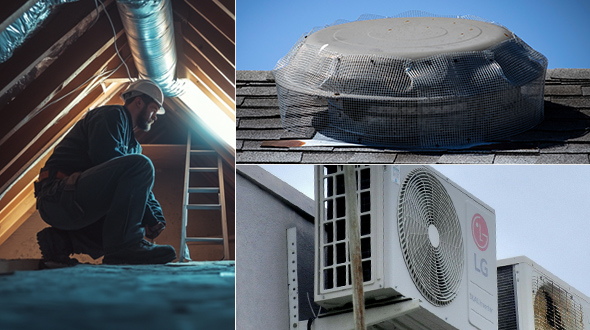
Curious about the different types of roof vents and how each one impacts attic airflow? This Atlanta Commercial Roofing Contractors guide covers everything from active to passive roof vents, helping you make the best choice for your property’s ventilation needs.

types of roof vents

Key Takeaways

  • Proper attic ventilation is essential for preventing mold and mildew, reducing energy costs, and extending the lifespan of the home’s structure.
  • There are two main types of roof vents: active vents, which use mechanical means to promote airflow, and passive vents, which rely on natural forces—each with its own advantages and limitations.
  • A balanced ventilation system, combining adequate intake and exhaust vents, is crucial for maintaining optimal airflow and preventing moisture-related issues in the attic.

Understanding Roof Ventilation Systems

Roof vents help your attic “breathe” by removing stale air and introducing fresh airflow, protecting your home from excess heat and moisture. Without this exchange of air, your attic can become a breeding ground for mildew and mold, potentially compromising the health of your home.

Proper roof ventilation impacts energy costs and the longevity of your home’s structure. Good attic ventilation extends the life of your roof, lowers energy bills, and promotes a healthier home environment.

Attic ventilation systems fall into two main categories: active and passive, which often work together to maintain proper airflow. Active systems utilize fans or other mechanical methods to enhance air circulation in the attic, thereby reducing moisture buildup. In contrast, passive systems rely on natural forces, such as wind and convection, to ventilate the attic. Recognizing how these categories complement each other is key to achieving balanced attic ventilation.

Overview of Active Roof Vents

Active roof vents use mechanical systems to enhance airflow, making them effective in improving attic ventilation, especially where natural airflow is insufficient. The main types of active roof vents include turbine vents, power vents, and solar-powered vents.

Each type of active roof vent has its unique pros and cons. The following sections detail each type to help you choose the right ventilation solution for your home.

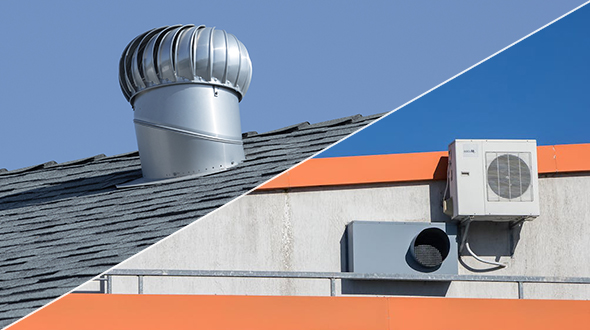
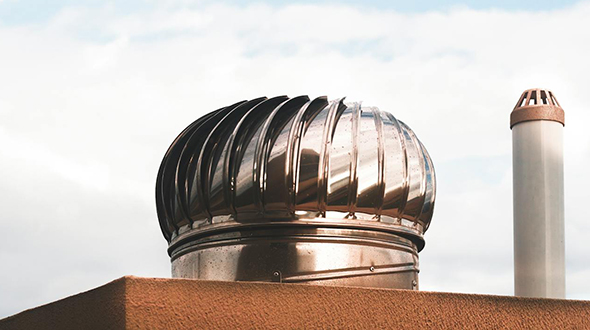
turbine roof ventilation systems including various types of roof vents

Turbine Vents

Turbine vents, also known as whirlybirds, are a popular choice for active ventilation. They rely on wind to turn their blades, creating a vacuum that expels hot, moist air from the attic. These turbine vents have several advantages:

  • Achieve 10-12 air changes per hour, making them quite effective
  • Are eco-friendly
  • Operate silently
  • Require minimal maintenance

These features add to their appeal.

However, turbine vents must be properly installed to prevent weather elements, such as rain or snow, from entering the attic. A common misconception is that these vents can let in rain or insects, but this only happens if they are damaged or improperly installed. Proper installation ensures the turbine vents function effectively and keep out unwanted elements.

Power Vents

Power vents, also known as powered roof vents, use electrical or solar power to enhance air circulation in the attic. Key points about power vents include:

  • They are typically circular in shape.
  • They can be installed in various configurations, such as roof-mounted or gable-mounted.
  • One significant advantage is their ability to increase air circulation significantly.
  • This increased air circulation can lead to potential energy savings.

Many powered exhaust vents come with thermostat control, and some even offer an optional humidistat for better moisture management. However, the motors in power vents can fail, requiring maintenance or replacement. Additionally, if not monitored during colder months, they can lead to attic condensation, which shortens the lifespan of the roof.

Solar Powered Vents

Solar-powered vents utilize sunlight as their power source, making them an eco-friendly option for attic ventilation. These vents operate using solar panels, which can reduce energy costs. However, their performance can diminish during overcast days or if the solar battery is charging, limiting their operational time.

Using traditional, natural ventilation solutions techniques in conjunction with solar-powered vents is recommended to ensure optimal airflow. Sometimes, the fans in solar-powered attic vents can be either too powerful or not powerful enough, resulting in inadequate ventilation.

While environmentally friendly, it’s important to assess if they meet your attic’s specific ventilation needs.

Overview of Passive Roof Vents

Passive roof vents function by allowing warm air to escape naturally through natural convection, without the need for mechanical assistance. These vents rely on wind and convection to facilitate airflow, making them a low-maintenance and efficient ventilation solution. Common types of passive roof vents include ridge vents, box vents, and gable end vents.

Each type of passive roof vent has its strengths and limitations. The following sections explore these types of roofs in detail to help you understand their functionality and suitability for different roofing scenarios.

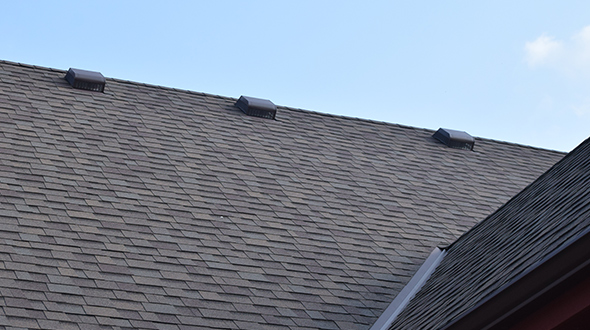
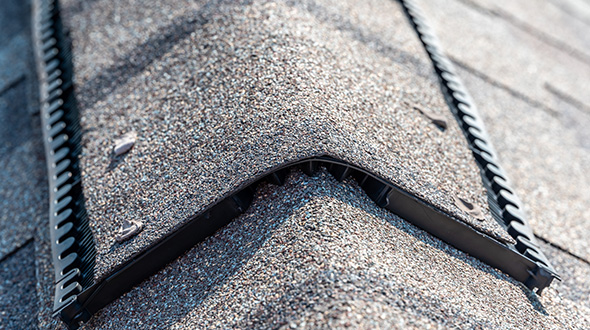
passive roof vents - ridge and box vents

Ridge Vents

Ridge vents are installed along the roof’s ridge, where two sloping portions meet. These vents utilize vertical ventilation to allow hot air to escape from the roof’s peak. The installation process involves cutting a 2-inch gap along the peak of the roof, nailing the vent in place, and covering it with a ridge cap shingle.

Wind blowing over the roof helps ridge vents effectively expel moisture and heated air, ensuring that your attic remains well-ventilated, with air rising through the vents. Ridge vents are particularly effective in maintaining a continuous airflow, making them a popular choice for passive ventilation.

Box Vents

Box vents, also known as static vents, turtle vents, or louver vents, have the following characteristics and recommendations:

  • Allow air to escape as hot air rises in the attic.
  • Typically measure 18 inches by 18 inches.
  • Should be installed in clusters across the roof for optimal efficiency.
  • It is a recommended option for exhaust when a ridge vent cannot be used, including horizontal or cross venting.

Box vents work well on roofs that have many angles and valleys. They can also function as off-ridge vents. While they are less effective than active roof vents and may have aesthetic drawbacks, box roof vents provide a simple and low-maintenance solution for attic ventilation.

Gable End Vents

Gable end vents are installed on the attic’s exterior wall below the roof slopes and serve the following functions:

  • Act as both intake and exhaust vents based on wind conditions
  • Rely on outside wind for horizontal ventilation
  • Allow air to enter from one side and exit from the other

The most common shape for gable vents is a triangular opening, and they are typically made of roofing materials such as wood, vinyl, and metal. While a gable end vent can be very effective, factors such as nearby dormers and structural features like rafter beams can hinder its efficiency. Pairing gable end vents with ridge vents can enhance overall ventilation.

Key Intake Vents for Your Attic

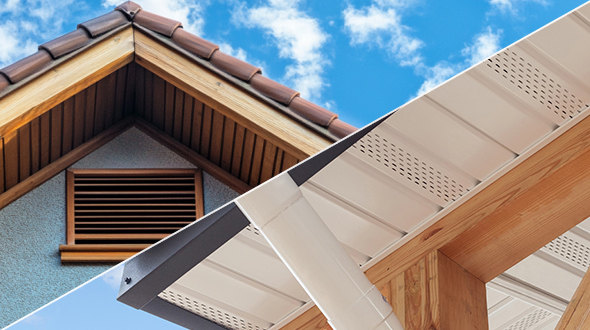
key intake vents for attics - soffit and roof intake vents

Intake vents bring fresh air into the attic, a crucial step for effective ventilation. The two main types are soffit vents and rooftop intake vents, both of which allow cool air in. Intake vents are typically placed under the eaves of the roof, and their effectiveness depends on having sufficient exhaust vents.

Cupola vents can also serve as both air intake and exhaust, providing additional ventilation benefits. Adequate intake ventilation is key to maintaining a balanced attic ventilation system.

Soffit Vents

Soffit vents provide soffit ventilation by allowing fresh air into the attic. Key points about soffit vents include:

  • They are the most popular intake vent form of roof intake venting.
  • They are recommended for air intake in most homes due to their effectiveness.
  • They are typically installed under the roof line on eaves.

Continuous soffit vents can be installed around the eaves for maximum air intake efficiency. Styles of soffit vents include individual soffit vents, continuous strips, and ventilated soffit panels. Continuous soffit vents are typically made of vinyl and feature perforations for airflow.

Maintaining proper airflow to soffit vents is important. Blown-in insulation should not obstruct it.

Roof Intake Vents

Roof intake vents are essential when soffit vents are not feasible due to architectural constraints. Over fascia vents serve as a practical alternative to soffit vents for air intake when large eaves are not present. These vents usually feature a low-profile design that blends seamlessly into the roofline to maintain aesthetic appeal.

In the absence of soffits, roof-mounted intake vents are vital for achieving balanced airflow and maintaining attic ventilation. Adequate intake ventilation is key to maintaining a balanced attic ventilation system.

Choosing the Right Exhaust Vents

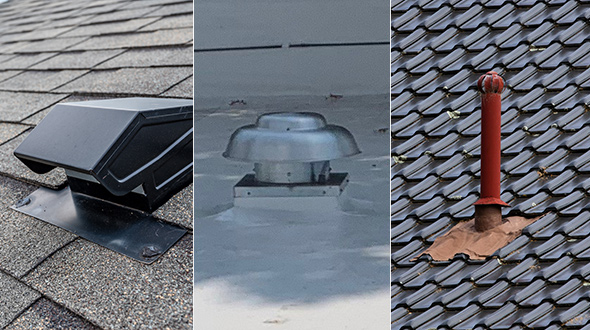
choosing the right exhaust vents

Choosing the right exhaust vents is crucial for maintaining a well-ventilated attic and improving energy efficiency. Common types of exhaust vents include:

  • Static vents
  • Powered vents
  • Mechanical vents

When selecting the best option, consider factors such as:

  • The property’s design aesthetics
  • Specific ventilation needs

Box vents are particularly suitable for roofs with complex designs featuring many angles. These vents can be installed in clusters to improve air circulation across the roof area. For proper airflow in an attic, it is crucial not to mix different types of exhaust vents. The most efficient installation point for exhaust vents is at or near the highest point of the roof.

Static Roof Vents

Static roof vents, also known as roof louvers, are designed to allow air to escape the attic using natural ventilation. These vents are often referred to as dormer vents in the western U.S. The presence of gable vents can hinder the efficiency of vertical ventilation strategies and may disrupt airflow.

Mechanical Exhaust Vents

Mechanical exhaust vents use wind power to expel heat and humid air from the attic. These vents rely on turbines that spin with the wind to pull air, heat, and humidity out of the attic, enhancing exhaust ventilation. An exhaust vent helps improve this process.

While effective in removing heat and moisture, mechanical exhaust vents may not perform optimally without wind.

Powered Roof Vents

Powered roof vents use mechanical means, such as electricity or solar power, to enhance air circulation in attics. These vents actively expel hot air, making them more energy-efficient compared to traditional methods. Solar-powered vents utilize solar energy to operate, making them an eco-friendly option.

Adequate intake ventilation is essential for the effective function of powered roof vents to ensure that fresh air circulates properly in the attic. Using powered roof vents should be complemented by a balanced ventilation system to reduce attic temperatures and prevent moisture accumulation, ensuring proper ventilation and adequate ventilation.

Importance of Balanced Attic Ventilation

balanced attic ventilation system showcasing intake and exhaust vents

Balancing intake and exhaust vents is crucial for optimal attic ventilation. This ensures warm, moist air is removed and replaced with fresh, dry air. This balance maintains a healthy indoor environment and prevents issues such as insulation and structural deterioration caused by trapped moisture.

Improper ventilation can lead to pressure problems if there is an uneven amount of intake and exhaust vents. Ventilation calculations often suggest 1 square foot of venting for every 300 square feet of attic floor area, distributing intake and exhaust evenly.

Adequate attic ventilation enhances your home’s efficiency and protects it from potential damage.

Types of Roof Vents Summary

Throughout this exploration of roof vents, we’ve seen how crucial proper attic ventilation is in maintaining a healthy, energy-efficient home. From understanding the basics of roof ventilation systems to exploring the specifics of active and passive roof vents, it’s clear that a proper ventilation strategy can significantly impact your home’s longevity and comfort. Active roof vents, such as turbine vents, power vents, and solar-powered vents, offer mechanical solutions to enhance airflow, whereas passive vents, including ridge vents, box vents, and gable end vents, rely on natural forces.

Choosing the right combination of intake and exhaust vents, such as soffit vents and roof intake vents, along with suitable exhaust solutions, is crucial to achieving a well-balanced attic ventilation system. By ensuring proper airflow and preventing moisture buildup, you can protect your home from heat damage, reduce energy costs, and create a healthier living environment. Remember, the right ventilation solution is not just about installing vents, but also about understanding how they work together to maintain optimal attic conditions.

Roof Vent Types Frequently Asked Questions

Why is attic ventilation important for my home?

Attic ventilation is crucial as it prevents heat and moisture buildup, protecting your home from mold growth, structural damage, and excessive energy costs. Ensuring proper ventilation promotes a healthier living environment and extends the lifespan of your home.

What are the main types of roof vents?

The main types of roof vents are active vents, such as turbine, power, and solar-powered vents, and passive vents, which include ridge, box, and gable end vents. Choosing the appropriate type depends on your specific ventilation needs.

How do I choose the proper exhaust vents for my attic?

To select the ideal exhaust vents for your attic, consider your home’s design and ventilation requirements. Consider options like static, powered, and mechanical vents to find the best fit for your space.

What are the advantages of solar-powered vents?

Solar-powered vents offer eco-friendliness and reduced energy costs by utilizing sunlight for operation. Their efficiency, however, may be impacted by weather conditions and charging times.

How can I ensure balanced attic ventilation?

To ensure balanced attic ventilation, maintain an equal ratio of intake and exhaust vents, which helps prevent moisture buildup and protects your home’s integrity. Proper airflow is essential for the efficiency and longevity of your structure.

Atlanta Commercial Roofing Contractors

Atlanta, GA
(404) 220-9288

The post Types of Roof Vents Explained appeared first on atlantacommercialroofingcontractors.com
Wednesday, September 25, 2024

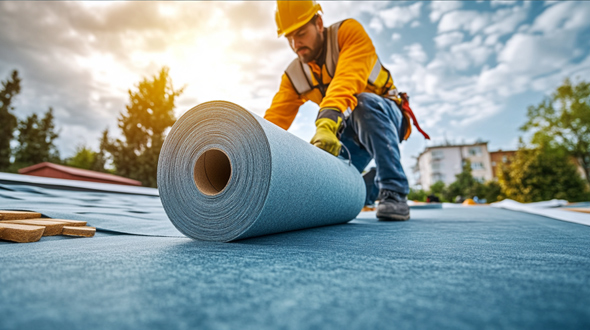
5 Problems with Synthetic Roof Underlayment

When considering synthetic roof underlayment, it’s essential to know the potential problems that come with this roof underlayment type. This Atlanta Commercial Roofing article highlights five main issues with synthetic roof underlayment: higher initial costs, potential slip risks, moisture traps, UV vulnerabilities, and compatibility challenges. Let’s dive into the issues with synthetic roof underlayment.

problems with synthetic roof underlayment

Key Takeaways

  • Synthetic roof underlayment has higher initial costs but offers long-term savings through durability and reduced maintenance needs.
  • Safety risks, such as increased slipperiness when wet and potential moisture trapping issues, highlight the importance of proper installation and ventilation.
  • Vulnerability to UV exposure and compatibility with roofing materials are critical factors to consider when selecting synthetic underlayment to ensure system effectiveness.

Higher Initial Costs

One of the primary concerns for homeowners considering synthetic roof underlayment is the higher initial cost. Synthetic underlayment ranges from 15 to 25 cents per square foot, significantly higher than traditional felt, which costs about 5 to 10 cents per square foot. This price difference can add up quickly, especially for larger roofing projects.

Despite the higher upfront expense, there is a silver lining. Synthetic underlayments often require fewer repairs over their lifespan than felt underlayments, which can offset the initial cost. Synthetic underlayments require fewer repairs due to their superior performance, including better water resistance and durability against harsh weather conditions.

The advanced manufacturing processes that create these synthetic materials contribute to their higher cost. However, these processes ensure optimal performance and longevity, which traditional felt underlayments cannot match. The superior durability of synthetic underlayment means they can last longer and perform better under extreme conditions.

For many homeowners, the long-term benefits justify the initial expense. Investing in a high-quality synthetic underlayment can lead to fewer repairs and maintenance issues over time, providing excellent performance and peace of mind. Over time, this translates to cost savings and less hassle with roofing maintenance, highlighting synthetic underlayment’s value.

Although the higher initial costs might deter some, weighing them against potential long-term savings and superior performance is important. An informed choice can result in a durable roofing system, ensuring long-lasting protection for your home.

Slippery Roof Surface Risks

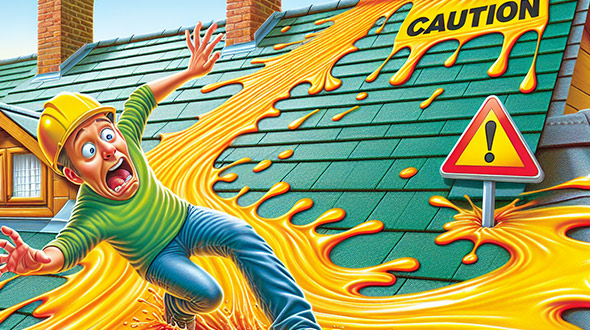
slippery roof surface safety hazards with synthetic roofing materials

Safety is a paramount concern when working on any roofing project, and synthetic underlayments pose unique challenges in this regard. One of the notable problems with synthetic underlayments is that they become extremely slippery when wet, which is a safety hazard for roofing contractors. These risks arise during both installation and maintenance.

Imagine a situation where a sudden rain shower leaves the roof slick and hazardous. The risk of slips and falls increases dramatically, which can lead to severe injuries or even fatalities. This serious risk is something that contractors and homeowners must consider when choosing roofing materials.

Proper safety precautions and optimal weather conditions are vital for mitigating these risks. Selecting synthetic underlayments with better abrasion resistance can reduce accident risks, though they still become slippery when wet.

Potential Moisture Trapping

Moisture trapping is another significant issue with synthetic roof underlayments. When incorrectly installed or roof ventilation is inadequate, synthetic underlayments can trap moisture beneath them. This trapped moisture can lead to serious problems with synthetic roofs, like mold growth and wood rot, compromising the integrity of the roofing system. Conversely, using felt roof underlayment can help mitigate some of these potential issues.

Adequate ventilation is necessary to prevent moisture buildup; without it, even the best synthetic underlayment can become problematic. Moisture trapped beneath the underlayment can weaken the roof structure over time, leading to costly repairs and potential health hazards due to mold.

The installation process plays a vital role in preventing moisture issues. Improper installation can leave gaps or overlaps where moisture can accumulate, exacerbating the problem. Proper installation of the underlayment and adequate drainage systems can eliminate these risks.

Additionally, using a fuzzy top layer or synthetic polymers can enhance tear and water resistance. Still, these features alone are not enough if the moisture cannot escape. Considering the entire roofing system, including ventilation and drainage, is crucial to avoid moisture-related problems.

In conclusion, while synthetic underlayments offer many benefits, it’s crucial to ensure that they are properly installed and that the roof has adequate ventilation to prevent moisture trapping. Addressing these issues early on can save homeowners from future headaches.

UV Exposure Vulnerability

roof exposed to UV rays - damage to synthetic roofing materials

One of the lesser-known issues with synthetic underlayments is their vulnerability to UV exposure. Prolonged exposure to UV rays can cause synthetic underlayments to degrade, leading to brittleness and reduced effectiveness. This degradation can compromise the underlayment’s ability to protect the roof over time.

UV rays can significantly reduce the durability of synthetic roofing underlayments, making them more susceptible to damage from extreme temperatures and weather conditions. Covering the synthetic underlayment with roofing materials promptly after installation prevents UV damage.

The quality of the synthetic material also plays a role in its ability to withstand UV exposure. High-quality synthetic underlayments are designed to offer better resistance, but even they are not immune to the effects of prolonged UV rays. Thus, timely installation of the final roofing material protects the underlayment.

It’s important to consider the climate and installation conditions when choosing your roof underlayment. In regions with high UV exposure, the risk of damage is greater, making it even more critical to follow manufacturer guidelines and ensure timely coverage.

In summary, despite their advantages, synthetic underlayments’ vulnerability to UV exposure remains a notable drawback. Timely coverage and proper installation help mitigate these risks, ensuring the roofing system’s longevity and effectiveness.

Compatibility Issues with Roofing Materials

compatibility issues between different roofing materials

Compatibility with various roofing materials is another critical consideration when choosing synthetic roofing underlayment. Different types of synthetic underlayments may not adhere well to all roofing materials, which can lead to problems with the overall roofing system. Adhesion issues can arise when the underlayment does not match the roofing material used correctly.

Incompatible synthetic underlayments can reduce the roofing system’s effectiveness and cause potential warranty issues. Homeowners need to verify the compatibility of the underlayment with their chosen roofing materials to avoid these problems.

Building codes in certain regions may specify compatible roofing underlayment types for various roofing materials, adding another layer of complexity to the decision-making process. Compliance with these regulations is necessary to avoid legal and financial repercussions.

Professional roofers can provide valuable guidance in selecting the right underlayment and ensuring proper installation when installing roof underlayment. Their expertise can help avoid compatibility issues and ensure the roofing system performs as intended.

In conclusion, compatibility issues with roofing materials can significantly impact the performance and longevity of synthetic underlayments. With professional guidance, selecting and installing underlayments correctly ensures a durable and effective roofing system.

Synthetic Underlayment Summary

To sum up, while synthetic roof underlayments offer superior performance and durability, they come with their own set of challenges. Higher initial costs, slippery surface risks, potential moisture trapping, UV exposure vulnerability, and compatibility issues with roofing materials are significant factors to consider.

Understanding these problems and taking proactive measures can help ensure that your roofing project is successful and long-lasting. By weighing the pros and cons, you can make an informed decision that best suits your needs and circumstances.

Frequently Asked Questions

Are synthetic underlayments worth the higher initial cost?

Yes, synthetic underlayments are worth the higher initial cost due to their enhanced durability and reduced maintenance needs, ultimately saving you money in the long run.

How can I prevent slipping on synthetic underlayments?

To prevent slipping on synthetic underlayments, work in dry conditions and opt for underlayments with higher abrasion resistance. This will significantly reduce your risk of slipping during installation.

What can I do to avoid moisture trapping under synthetic underlayments?

To avoid moisture trapping under synthetic underlayments, ensure proper installation and maintain adequate ventilation. This will help prevent issues like mold and wood rot.

How vulnerable are synthetic underlayments to UV damage?

Synthetic underlayments are vulnerable to UV damage and can degrade with prolonged exposure. Therefore, it’s crucial to cover them quickly with roofing materials to ensure their effectiveness.

How can I ensure compatibility between synthetic underlayments and roofing materials?

Verify the compatibility between synthetic underlayments and roofing materials through manufacturer guidelines and consult professional roofers to ensure their compatibility. This proactive approach will help you avoid adhesion issues and protect your warranty.

Atlanta Commercial Roofing Contractors

Atlanta, GA
(404) 220-9288

The post 5 Problems with Synthetic Roof Underlayment appeared first on atlantacommercialroofingcontractors.com
Thursday, August 29, 2024

Commercial Roof Warranty Explained

A commercial roof warranty is your safeguard against unexpected roofing issues and protection for your investment. It typically covers material defects and installation errors, ensuring your roof lasts as expected. This article will explore what these warranties cover, their benefits and types, and how to select the right one for your building.

commercial roof warranty

Key Takeaways

  • Commercial roof warranties protect building owners against defects and installation errors, saving them from significant repair costs.
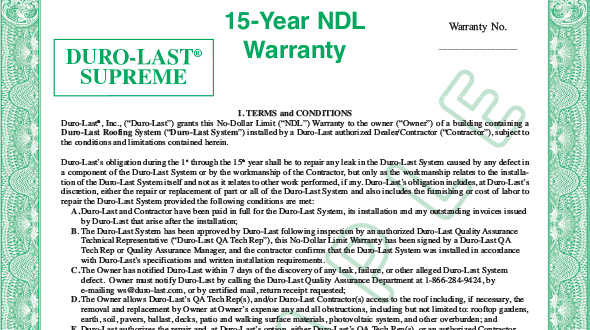
  • Different types of warranties, such as manufacturer’s, contractor’s, and No Dollar Limit (NDL) warranties, offer varying levels of coverage for materials and workmanship.
  • Not voiding a commercial roof warranty requires regular maintenance inspections, proper documentation, and adherence to manufacturer specifications to avoid voiding coverage.

Understanding Commercial Roof Warranties

Understanding commercial roof warranties is about knowing what they cover and appreciating their importance. These warranties are designed to protect building owners against defects and installation errors, ensuring that the roofing system performs as expected.

They can be the difference between a minor hiccup and a major financial burden.

Definition and Purpose

A commercial roof warranty is essentially a pledge guaranteeing the performance and quality of the roof. This warranty serves as a commitment from the contractor or manufacturer to ensure the roof’s longevity and reliability over time. Knowing the specifics of these warranties allows property owners to safeguard their roofing investments effectively.

A commercial roof warranty is designed to protect building owners from defects and installation errors. These warranties provide a safety net, ensuring that any issues related to materials or workmanship are addressed without additional out-of-pocket expenses.

Key Benefits

A commercial roof warranty offers several key benefits, including covering complete repair costs for leak-related issues caused by material failure or workmanship faults. It typically covers deterioration from normal weathering over a defined time period, manufacturing defects, and workmanship application, providing peace of mind to building owners.

A roofing contractor’s warranty is valuable as it covers both defective workmanship and defective products. This comprehensive coverage ensures that building owners are financially protected, allowing them to focus on their core business without worrying about future potential roofing problems.

Types of Commercial Roof Warranties

types of commercial roof warranties

Commercial roof warranties come in various forms, each designed to address specific needs and concerns. The main types include:

  • Manufacturer’s warranties
  • Contractor’s warranties
  • Labor and Materials warranties
  • No Dollar Limit (NDL) warranties

Grasping these different types allows you to choose the most suitable warranty for your building.

Manufacturer’s Warranty

A manufacturer warranty typically covers defects in materials and lasts between 5 to 30 years, with an average duration of around 20 years. This type of warranty ensures that any material defects are addressed within the specified warranty period, providing significant protection against manufacturer’s warranties.

However, a material warranty only covers defects in the materials themselves and excludes labor or installation errors. This limitation means that while the materials may be replaced, the cost of labor to install these materials might not be covered under this type of warranty.

Contractor’s Warranty

A Contractor’s warranty, on the other hand, focuses on workmanship and installation. Typically, these warranties last between 1 and 5 years. The average duration is around two years. This type of warranty covers issues like leaks, improper flashing, and incorrect slope, all related to the installation process.

Contractors are responsible for labor or installation-related repairs during the warranty period, addressing any installation problems promptly without additional costs to the building owner.

Labor and Materials Warranty

Labor and Materials warranties provide comprehensive coverage for both the performance of materials and the quality of workmanship. These warranties, also known as system warranties, typically encompass both manufacturing defects and installation mistakes, ensuring complete protection for the building owner.

No Dollar Limit (NDL) Warranty

No Dollar Limit (NDL) warranties offer extensive benefits by providing full coverage for labor and material costs without depreciation over time. This type of warranty ensures that all expenses related to repair or replacement are covered, offering comprehensive protection for the building owner during the warranty period.

Although NDL warranties come with a higher initial cost compared to material-only options, the robust safety net they provide can justify the investment, particularly for those seeking maximum protection and peace of mind.

What Is Covered by a Commercial Roof Warranty?

commercial roof warranty coverage

Knowing what is covered by a commercial roof warranty helps manage expectations and avoid surprises. These warranties typically cover the cost of repairs related to leak issues and protect against errors and defects caused by the manufacturer or installer.

Material Defects (Manufacturer)

Material defects coverage in a commercial roof warranty usually includes failures caused by manufacturing flaws in the roofing materials. This means that deficiencies in roofing materials, such as leaks directly caused by these defects, are typically included under material defect coverage.

This ensures that any issues related to the roofing materials’ quality are addressed promptly, preventing further damage and maintaining the roof’s integrity.

Workmanship Errors (Contractor)

Workmanship warranties cover problems arising from mistakes made during the installation process. These warranties include protection against issues caused by inadequate installation practices, such as leaks or structural failures.

The original installing contractor’s workmanship warranty typically covers problems during the first two years, ensuring that any errors in the installation are corrected without additional costs to the building owner.

System Failures (Manufacturer & Contractor)

System warranties cover a range of potential failures, including manufacturing defects and installation errors. This comprehensive coverage ensures that both materials and workmanship issues are addressed, providing robust protection for the building owner.

By encompassing both material defects and improper installation, system warranties offer a thorough safety net, ensuring that any problems with the roofing system are resolved efficiently and effectively.

Common Exclusions and Limitations

severe weather to a commercial roof

While commercial roof warranties provide significant protection, they also come with exclusions and limitations that building owners must be aware of. Common exclusions include damage from severe weather events, lack of maintenance, and unauthorized modifications, including those that may affect the roofing warranty.

Understanding these limitations is crucial to avoid unexpected repair costs.

Weather Damage

Most warranties explicitly exclude coverage for damage resulting from severe weather conditions. This means that damage from severe wind, hail, or other extreme weather events is typically not covered.

Building owners should thoroughly review warranty terms to recognize these limitations and plan accordingly to avoid unexpected repair costs after severe weather events.

Maintenance Neglect

Regular maintenance, including routine inspections, is key to ensuring your commercial roof warranty remains valid. Failure to perform these routine inspections can lead to denial of warranty claims for any damage that occurs.

Regular maintenance ensures that warranty coverage remains intact and avoids potential neglect-related issues.

Unauthorized Modifications

Making unauthorized modifications to the roof can invalidate the warranty completely. This includes any changes or repairs made without prior authorization from the manufacturer or contractor.

Building owners should seek approval before making any modifications to avoid voiding the warranty.

How to Choose the Right Commercial Roof Warranty

choosing the right commercial roof warranty

Selecting the right commercial roof warranty involves evaluating your specific needs and understanding the available options. Commercial roof warranties differ in duration, conditions, and coverage details, making it essential to choose one that aligns with your building’s requirements.

Evaluating Warranty Terms

It is crucial to read and understand the coverage of a commercial roof warranty after purchasing it. Pay attention to specific terms, conditions, and limitations before relying on the warranty. Understanding the terms of your warranty helps determine your responsibilities for repairs and ensures that you are aware of any requirements to maintain the warranty validity.

Assessing Coverage Needs

It is vital to choose the right roofing system for your needs. Post-installation maintenance, such as removing debris, securing flashing, patching punctures, and applying sealant, should be part of the coverage assessment for commercial roofing.

Understanding your coverage needs allows you to choose a warranty that provides adequate protection for your situation.

Considering Warranty Costs

The cost of a No Dollar Limit warranty is primarily determined by the roof’s square footage and the warranty length. Balancing initial expenses with potential long-term benefits is essential when evaluating a commercial roof warranty.

A comprehensive warranty can lead to significant savings in repairs and replacements over time, justifying higher upfront costs.

Maintaining Your Commercial Roof Warranty

commercial roofing contractor performing regular maintenance on a commercial roof

Maintaining your commercial roof warranty ensures its validity. Regular upkeep prevents the voiding of the warranty due to non-compliance with maintenance conditions.

Proper documentation and prompt action after damage are key for successful reimbursement claims.

Regular Inspections

Professional inspections, often required biannually, ensure compliance with warranty terms. Keeping inspections and maintenance work records is crucial for maintaining a commercial roof warranty.

Documenting Maintenance

Thorough documentation of all roof maintenance activities is essential for warranty claims and compliance verification. Prompt action after documenting damage aids in quicker assessment and potential repairs under warranty.

Following the Manufacturer’s Specifications

Adhering to the roofing manufacturer’s specifications preserves the validity of your warranty. Failure to follow these guidelines can void the warranty, leaving the owner liable for repairs.

The Warranty Claim Process

Navigating the warranty claim process can save you time and money. Contact your homeowner’s insurance representative promptly upon discovering roof damage.

This section outlines the steps to ensure your claim is processed smoothly and efficiently.

Contacting the Claims Department

Act quickly upon noticing any damage to your commercial roof. First, contact the claims department. Have all necessary documentation and evidence ready when you make your initial contact.

Promptly reaching out ensures your claim is logged and allows you to begin the repair process without delay.

Inspection and Repair

After filing a claim, the claims department will send a roofing contractor to inspect the roof and assess the damage. Using a certified or approved commercial roofing contractor is crucial as they are familiar with specific warranty requirements and installation techniques.

This ensures repairs align with warranty requirements and maintains the warranty’s validity.

Documentation and Reimbursement

Accurate documentation of all services, repairs, maintenance, and inspections is vital for successful reimbursement claims. Proper documentation verifies compliance with warranty conditions and supports your claim during the warranty process.

Transferring a Commercial Roof Warranty

Transferring a commercial roof warranty enhances property value and provides peace of mind for new owners.

Transferability terms dictate whether a warranty can be passed to a new owner and may require the current owner to notify the manufacturer.

Transferability Terms

Not all warranties are transferable, with workmanship warranties frequently being non-transferable. Some warranties impose a time limit for transfer requests, often requiring submission within 60 days of the sale.

Understanding these terms ensures the warranty remains valid during ownership transitions.

Required Documentation

When transferring a warranty, carefully read the manufacturer’s warranty to ensure coverage. Required documentation typically includes written requests, proof of ownership, and potential transfer fees.

Knowing the necessary paperwork related to the roof warranty is crucial when purchasing a commercial building.

Emergency Repairs and Your Warranty

emergency roof repairs and tarping

Act quickly during emergency repairs while ensuring you maintain your warranty coverage. Promptly assess the situation and mitigate further damage by securing the area.

Using certified contractors for emergency repairs ensures compliant repairs and maintains your warranty.

Immediate Actions

Contact the contractor who installed the roof immediately upon discovering the damage. Using a tarp to cover exposed areas temporarily helps mitigate damage until professional repairs are made.

Prompt repairs prevent further damage and potential health hazards.

Working with Approved Contractors

Certified contractors are crucial for warranty work as they are trained in proper product installation techniques. The professional roofing contractor who installed the roof can assist with emergency repairs under warranty, ensuring repairs align with warranty requirements.

Commercial Warranty Summary

Commercial roof warranties are an essential investment for protecting your building from unexpected repair costs. Understanding the different types of warranties, what they cover, and how to maintain them can save you time and money in the long run. Regular inspections, proper documentation, and following manufacturer specifications are key to ensuring your warranty remains valid.

Selecting the right warranty involves evaluating your specific needs, assessing coverage options, and considering the costs involved. Doing so lets you choose a warranty that provides the best protection for your commercial roof.

In conclusion, a well-chosen and properly maintained commercial roof warranty offers invaluable peace of mind, allowing building owners to focus on their core business operations without worrying about potential roofing problems.

Frequently Asked Questions

What is the primary purpose of a commercial roof warranty?

The primary purpose of a commercial roof warranty is to safeguard building owners from defects and installation errors, ensuring the roofing system operates effectively and minimizing unexpected repair expenses.

What are the different types of commercial roof warranties?

The different types of commercial roof warranties include manufacturer’s warranties, contractor’s warranties, Labor and Materials warranties, and No Dollar Limit (NDL) warranties. Understanding these options is crucial for protecting your investment.

What is typically covered by a commercial roof warranty?

A commercial roof warranty generally covers repairs for leaks, material defects, workmanship errors, and significant system failures. It’s essential to review specific warranty details, as coverage can vary.

What are common exclusions in commercial roof warranties?

Common exclusions in commercial roof warranties typically involve damage from severe weather, poor maintenance, and unauthorized alterations. It’s crucial to review your warranty details to understand these limitations fully.

How can I maintain my commercial roof warranty?

To maintain your commercial roof warranty, ensure you conduct regular inspections, keep thorough documentation of all maintenance activities, and strictly adhere to the manufacturer’s specifications. This diligence will help protect your investment and ensure compliance with warranty requirements.

Atlanta Commercial Roofing Contractors

Atlanta, GA
(404) 220-9288

The post Commercial Roof Warranty Explained appeared first on atlantacommercialroofingcontractors.com
Wednesday, June 26, 2024

Roofing for Low Slope Roofs

When addressing roofing for low-slope structures, selecting the right materials and installation techniques is not just a choice—it’s a necessity. This article provides the essential knowledge you need on effective low-slope roofing, ensuring your building stays protected and performs well over time. Expect a focused look at the best practices for choosing and maintaining a low-slope roof.

roofing for low slope roofs

Key Takeaways

  • Low slope roofs, with a pitch below 2:12, require specific materials like TPO, PVC, EPDM, modified bitumen, or metal roofing systems for durability and to prevent water damage.
  • Proper installation techniques, such as fully adhered systems, mechanically fastened solutions, and heat-welded seams, are critical to the longevity and functionality of low-slope roofs.
  • When selecting a low-slope roofing system, important considerations include climate compatibility, roof traffic, durability, cost versus life expectancy, and innovations like modular systems and cool roofing technologies.

Understanding Low-Slope Roofing

When it comes to low-slope roofs, understanding the basics is akin to laying a strong foundation for your house. Imagine a roof with a gentle incline—that is the essence of a low-slope roof, characterized by a pitch below 2:12. This architectural choice has significant implications for material selection and installation, as it demands a keen eye and experience to prevent water damage and ensure longevity.

The Basics of Roof Slope

Diving deeper into the concept, roof pitch is the measurement that dictates how steep a roof is. Like a silent guardian, it influences everything from aesthetic appeal to the practicality of water runoff. Defined by its rise over a 12-inch span, roof pitch/slope is a critical factor in choosing the right roofing materials.

Roof pitch ratio (ex. 2:12) is a way to measure the steepness of a roof. Here’s how it works:

  • The first number (2 in this case) tells you how many inches the roof rises (goes up) for every 12 inches it runs (goes across).
  • The second number (12) is always the same and represents the horizontal distance of one linear foot.

So, a 2:12 pitch means that for every 12 inches you go horizontally (across), the roof goes up 2 inches.

Why Roof Pitch Matters

Here’s where it gets real: the pitch of your roof isn’t just about looks; it’s about protecting your property from the elements. A low-slope roof requires materials that can endure prolonged exposure to water, fend off UV rays, and withstand debris accumulation. It’s a delicate balance of functionality and design that ensures a roofing system can weather the storm.

Essential Materials for Low-Slope Roofs

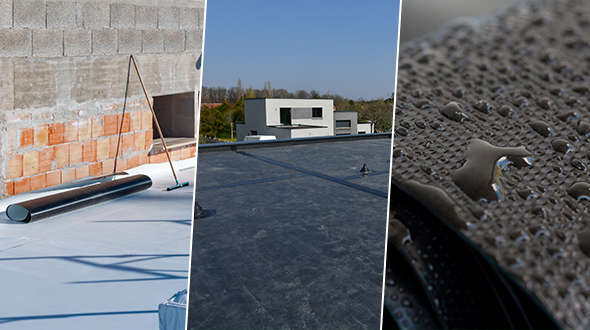
low slope roof mateirlas TPO, PVC, and EPDM roofing membranes

When selecting materials for low-slope roofs, it’s not just about picking the toughest material but choosing the right ally for the battle against the elements. Membrane roofing, modified bitumen, and metal roofing systems lead the charge with their durability and weather resistance, making them the stalwarts of low-slope roofing.

Membrane Marvels: TPO, PVC, and EPDM

In the world of membrane roofing, TPO, PVC roofs, and EPDM stand tall as the trinity of protection, offering longevity and resilience to rooftop traffic. With lifespans stretching up to 40 years and heat-reflective surfaces to boot, these membranes are not just covers but shields against the harshest of climates.

Modified Bitumen: The Modern Twist on Asphalt

Modified bitumen systems offer the following benefits for modified bitumen roofs:

  • Flexibility and waterproofing prowess needed for low-slope roofs
  • Modern-day armor for buildings, combining traditional familiarity with innovative resilience
  • Available in variations like APP (plastic asphalt) and SBS (elastic asphalt) for tailored performance

Metal Roofing Mastery

For those seeking the zenith of longevity and aesthetics, standing seam metal roofing is the crown jewel. Flaunting up to 50 years of life, this premium choice for low-slope roofs marries function and form with concealed fasteners and a palette of colors to accentuate any building’s silhouette with a standing seam metal roof.

standing seam metal roofing system

Installation Techniques for Peak Performance

Even the finest roofing materials are only as good as their installation. Techniques such as fully adhered systems, mechanically fastened solutions, and heat-welded seams are the key to ensuring your low-slope roof stands tall against time and nature.

Fully Adhered Systems (Adhesive)

These are single-ply roofs secured using exceptionally strong adhesive. Roofers apply the adhesive uniformly across the entire membrane, anchoring it firmly to the underlying layer. This comprehensive adhesion is the reason these roofs are termed “fully” adhered.

Fully adhered systems offer the following benefits:

  • Seamless look
  • Added noise dampening
  • Minimal maintenance
  • Fortification against wind uplift and water infiltration

With fewer seams and opportunities for leaks, this method not only beautifies the structure but also enhances its functionality.

Mechanically Fastened Solutions (Fasteners)

Mechanically fastened roofs are secured using specialized fasteners. For single-ply mechanically fastened roofs, these fasteners are generally screws, but their material, length, and other specifics are determined by the roof’s substrate. Different substrates like steel, concrete, wood, and lightweight gypsum decks each necessitate unique fastener types. Roofers also use plates with the fasteners to distribute the force applied to the membrane, ensuring a more secure and durable attachment.

In the face of high winds, uplift forces and demanding weather conditions, mechanically fastened solutions stand firm, anchoring the roof with reliability. Precision in sealing penetrations is the name of the game here, ensuring that leaks are kept at bay for a steadfast roofing system.

Heat-Welded Seams for Superior Seal

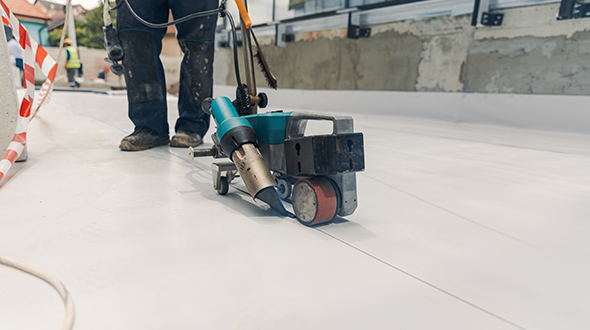
heat-welded single-ply tpo roofing seams

Heat-welded seams are the artisans of roofing, meticulously crafting an impenetrable barrier that locks out moisture and safeguards the roof’s integrity. With specialized equipment, roofers create bonds that are not only robust but also crucial in preventing the roof’s degradation over time.

Critical Considerations for Low-Slope Roofing

Certain elements are non-negotiable in the grand scheme of roofing. Climate, foot traffic, and the delicate dance of cost versus life expectancy are considerations that can make or break the success of a low-slope roofing system.

Climate Compatibility

The climate’s whims can test the mettle of roofing materials, which is why it is imperative to choose ones that can withstand the local weather patterns. From the sun-absorbing prowess of EPDM to the uplift resistance of fully adhered systems, climate compatibility is a cornerstone of roofing choice.

Foot Traffic and Durability

Commercial and industrial low-slope roofs, also known as flat roofs, are battlegrounds for durability. Materials must endure foot traffic and environmental stresses alike. It’s about choosing a roofing system that maintains structural integrity despite constant commercial activity.

Cost vs. Life Expectancy

The alchemy of cost-effectiveness in roofing involves balancing upfront investments with long-term benefits. Life expectancy and warranties play a pivotal role in determining whether a roofing system is a wise economic move or a penny-wise but pound-foolish decision.

Innovations in Low-Slope Roofing Systems

As the roofing industry marches forward, innovations such as prefabricated modular systems, cutting-edge materials, and the bur roofing system redefine what’s possible. These advancements not only streamline installation but also push the boundaries of energy efficiency and structural integrity.

Green Roofing Systems

green roofing system

Green roofing systems are a testament to the harmonious blend of nature and architecture. Offering a plethora of benefits like:

  • insulation
  • urban heat reduction
  • stormwater management
  • improved air quality
  • increased biodiversity

These living roofs are not only visually stunning but also environmentally sound, albeit with the caveat of higher maintenance needs.

Cool Roofing Technologies

Cool roofing technologies are the unsung heroes in the fight against urban heat, employing reflective coatings and pigments that turn roofs into shields against the sun’s heat. With materials like PVC and TPO leading the charge, cool roofs are a smart choice for those looking to improve energy efficiency while mitigating their ecological footprint.

Preventing Common Low-Slope Roof Issues

A low-slope roof, also known as a flat roof, has one major enemy: stagnation—of water. Preventing common issues such as leaks and water accumulation is paramount for the roof’s health and the safety of those beneath it.

Ensuring Proper Drainage

A roof’s drainage system is its lifeline, ensuring that water is swiftly escorted away, thus averting the risks of structural overload. Regular maintenance and strategic design choices like additional drainage lines and tapered insulation crickets are essential for a dry and durable roof.

Mitigating Leak Risks

To keep leaks at bay, entrusting the installation to skilled roofers is a must. From flood testing to selecting fully adhered TPO roofing for its watertight seam, every step taken is a step towards securing a leak-free future for low-slope roofs.

The Selection Process: Finding Your Ideal Low-Slope Roof

commercial roofer discussing low slope roof replacement

Embarking on the quest for the perfect low-slope roof is not a solo journey. It’s about partnering with the right commercial roofer, considering the building’s aesthetics, and understanding the intricacies of the roofing materials market. It’s a strategic process that balances personal preferences with practicality and expertise.

Assessing Your Roof’s Requirements

The first step in selecting a roofing material is understanding your roof’s unique needs. By measuring its pitch and considering the building’s design, you can narrow down the materials that will provide the durability and flexibility required for your specific situation.

Consulting with Roofing Professionals

Roofing professionals are the sage advisors in the world of roofing, offering thorough evaluations and tailored solutions. Their specialized inspections can reveal issues before they escalate, ensuring that your low-slope roofing project is not only successful but also enduring.

Low Slope Roofing Summary

As we reach the pinnacle of our roofing expedition, it becomes clear that the path to a resilient and efficient low-slope roof is paved with knowledge and precision. From understanding the basics of roof pitch to embracing innovative technologies, every step is crucial in crafting a roofing system that stands the test of time. Let this guide be your compass, leading you to a roofing solution that not only protects but also elevates your property.

Roofing for Low Slope Frequently Asked Questions

What are the best materials for a low-slope roof?

For their durability and weather resistance, membrane roofing options like TPO, PVC, and EPDM, as well as modified bitumen and metal roofing systems, are the best materials for a low-slope roof. Choose one of these materials based on your specific needs.

How does roof pitch affect roofing material selection?

Roof pitch significantly impacts the ability of roofing materials to shed water and resist water penetration, especially for low-slope roofs. The pitch determines the efficiency of water shedding and overall water resistance.

Are there any innovative roofing systems for low-slope roofs?

Indeed, there are various innovative options for low-slope roofing, such as green roofing systems, cool roofing technologies, and prefabricated modular systems, which are constantly evolving to provide more choices.

How can I prevent leaks in my low-slope roof?

To prevent leaks in your low slope roof, it’s essential to hire skilled roofers for proper installation, conduct thorough inspections, and choose materials with superior sealing properties, like fully adhered TPO roofing. This will help maintain the integrity of your roof and minimize the risk of leaks.

How do I start the process of selecting the right low-slope roofing material?

Start by consulting with roofing professionals to assess your roof’s specifications and requirements. Their expert advice will help guide you in selecting the ideal material for your low-slope roof.

Atlanta Commercial Roofing Contractors

Atlanta, GA
(404) 220-9288

The post Roofing for Low Slope Roofs appeared first on atlantacommercialroofingcontractors.com
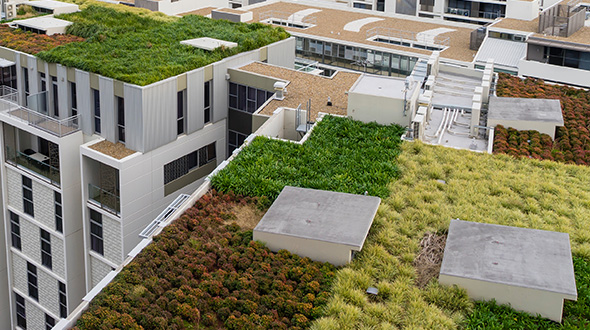
Can Roof Shingles Be Painted?

Many property owners wonder whether painting their roof is a viable way to refresh its appearance without the expense of a full replacement....