When considering synthetic roof underlayment, it’s essential to know the potential problems that come with this roof underlayment type. This Atlanta Commercial Roofing article highlights five main issues with synthetic roof underlayment: higher initial costs, potential slip risks, moisture traps, UV vulnerabilities, and compatibility challenges. Let’s dive into the issues with synthetic roof underlayment.
Key Takeaways
- Synthetic roof underlayment has higher initial costs but offers long-term savings through durability and reduced maintenance needs.
- Safety risks, such as increased slipperiness when wet and potential moisture trapping issues, highlight the importance of proper installation and ventilation.
- Vulnerability to UV exposure and compatibility with roofing materials are critical factors to consider when selecting synthetic underlayment to ensure system effectiveness.
Higher Initial Costs
One of the primary concerns for homeowners considering synthetic roof underlayment is the higher initial cost. Synthetic underlayment ranges from 15 to 25 cents per square foot, significantly higher than traditional felt, which costs about 5 to 10 cents per square foot. This price difference can add up quickly, especially for larger roofing projects.
Despite the higher upfront expense, there is a silver lining. Synthetic underlayments often require fewer repairs over their lifespan than felt underlayments, which can offset the initial cost. Synthetic underlayments require fewer repairs due to their superior performance, including better water resistance and durability against harsh weather conditions.
The advanced manufacturing processes that create these synthetic materials contribute to their higher cost. However, these processes ensure optimal performance and longevity, which traditional felt underlayments cannot match. The superior durability of synthetic underlayment means they can last longer and perform better under extreme conditions.
For many homeowners, the long-term benefits justify the initial expense. Investing in a high-quality synthetic underlayment can lead to fewer repairs and maintenance issues over time, providing excellent performance and peace of mind. Over time, this translates to cost savings and less hassle with roofing maintenance, highlighting synthetic underlayment’s value.
Although the higher initial costs might deter some, weighing them against potential long-term savings and superior performance is important. An informed choice can result in a durable roofing system, ensuring long-lasting protection for your home.
Slippery Roof Surface Risks
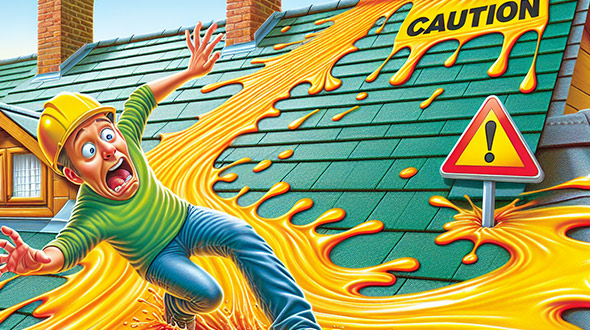
Safety is a paramount concern when working on any roofing project, and synthetic underlayments pose unique challenges in this regard. One of the notable problems with synthetic underlayments is that they become extremely slippery when wet, which is a safety hazard for roofing contractors. These risks arise during both installation and maintenance.
Imagine a situation where a sudden rain shower leaves the roof slick and hazardous. The risk of slips and falls increases dramatically, which can lead to severe injuries or even fatalities. This serious risk is something that contractors and homeowners must consider when choosing roofing materials.
Proper safety precautions and optimal weather conditions are vital for mitigating these risks. Selecting synthetic underlayments with better abrasion resistance can reduce accident risks, though they still become slippery when wet.
Potential Moisture Trapping
Moisture trapping is another significant issue with synthetic roof underlayments. When incorrectly installed or roof ventilation is inadequate, synthetic underlayments can trap moisture beneath them. This trapped moisture can lead to serious problems with synthetic roofs, like mold growth and wood rot, compromising the integrity of the roofing system. Conversely, using felt roof underlayment can help mitigate some of these potential issues.
Adequate ventilation is necessary to prevent moisture buildup; without it, even the best synthetic underlayment can become problematic. Moisture trapped beneath the underlayment can weaken the roof structure over time, leading to costly repairs and potential health hazards due to mold.
The installation process plays a vital role in preventing moisture issues. Improper installation can leave gaps or overlaps where moisture can accumulate, exacerbating the problem. Proper installation of the underlayment and adequate drainage systems can eliminate these risks.
Additionally, using a fuzzy top layer or synthetic polymers can enhance tear and water resistance. Still, these features alone are not enough if the moisture cannot escape. Considering the entire roofing system, including ventilation and drainage, is crucial to avoid moisture-related problems.
In conclusion, while synthetic underlayments offer many benefits, it’s crucial to ensure that they are properly installed and that the roof has adequate ventilation to prevent moisture trapping. Addressing these issues early on can save homeowners from future headaches.
UV Exposure Vulnerability
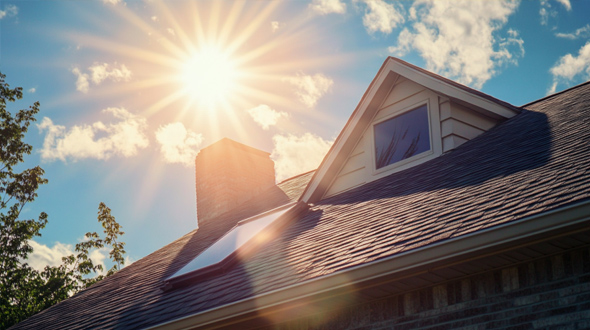
One of the lesser-known issues with synthetic underlayments is their vulnerability to UV exposure. Prolonged exposure to UV rays can cause synthetic underlayments to degrade, leading to brittleness and reduced effectiveness. This degradation can compromise the underlayment’s ability to protect the roof over time.
UV rays can significantly reduce the durability of synthetic roofing underlayments, making them more susceptible to damage from extreme temperatures and weather conditions. Covering the synthetic underlayment with roofing materials promptly after installation prevents UV damage.
The quality of the synthetic material also plays a role in its ability to withstand UV exposure. High-quality synthetic underlayments are designed to offer better resistance, but even they are not immune to the effects of prolonged UV rays. Thus, timely installation of the final roofing material protects the underlayment.
It’s important to consider the climate and installation conditions when choosing your roof underlayment. In regions with high UV exposure, the risk of damage is greater, making it even more critical to follow manufacturer guidelines and ensure timely coverage.
In summary, despite their advantages, synthetic underlayments’ vulnerability to UV exposure remains a notable drawback. Timely coverage and proper installation help mitigate these risks, ensuring the roofing system’s longevity and effectiveness.
Compatibility Issues with Roofing Materials
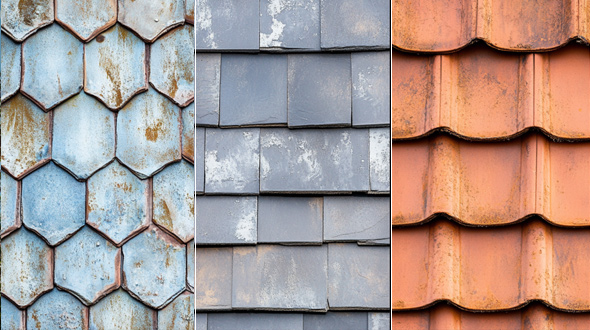
Compatibility with various roofing materials is another critical consideration when choosing synthetic roofing underlayment. Different types of synthetic underlayments may not adhere well to all roofing materials, which can lead to problems with the overall roofing system. Adhesion issues can arise when the underlayment does not match the roofing material used correctly.
Incompatible synthetic underlayments can reduce the roofing system’s effectiveness and cause potential warranty issues. Homeowners need to verify the compatibility of the underlayment with their chosen roofing materials to avoid these problems.
Building codes in certain regions may specify compatible roofing underlayment types for various roofing materials, adding another layer of complexity to the decision-making process. Compliance with these regulations is necessary to avoid legal and financial repercussions.
Professional roofers can provide valuable guidance in selecting the right underlayment and ensuring proper installation when installing roof underlayment. Their expertise can help avoid compatibility issues and ensure the roofing system performs as intended.
In conclusion, compatibility issues with roofing materials can significantly impact the performance and longevity of synthetic underlayments. With professional guidance, selecting and installing underlayments correctly ensures a durable and effective roofing system.
Synthetic Underlayment Summary
To sum up, while synthetic roof underlayments offer superior performance and durability, they come with their own set of challenges. Higher initial costs, slippery surface risks, potential moisture trapping, UV exposure vulnerability, and compatibility issues with roofing materials are significant factors to consider.
Understanding these problems and taking proactive measures can help ensure that your roofing project is successful and long-lasting. By weighing the pros and cons, you can make an informed decision that best suits your needs and circumstances.
Frequently Asked Questions
Are synthetic underlayments worth the higher initial cost?
Yes, synthetic underlayments are worth the higher initial cost due to their enhanced durability and reduced maintenance needs, ultimately saving you money in the long run.
How can I prevent slipping on synthetic underlayments?
To prevent slipping on synthetic underlayments, work in dry conditions and opt for underlayments with higher abrasion resistance. This will significantly reduce your risk of slipping during installation.
What can I do to avoid moisture trapping under synthetic underlayments?
To avoid moisture trapping under synthetic underlayments, ensure proper installation and maintain adequate ventilation. This will help prevent issues like mold and wood rot.
How vulnerable are synthetic underlayments to UV damage?
Synthetic underlayments are vulnerable to UV damage and can degrade with prolonged exposure. Therefore, it’s crucial to cover them quickly with roofing materials to ensure their effectiveness.
How can I ensure compatibility between synthetic underlayments and roofing materials?
Verify the compatibility between synthetic underlayments and roofing materials through manufacturer guidelines and consult professional roofers to ensure their compatibility. This proactive approach will help you avoid adhesion issues and protect your warranty.
(404) 220-9288
The post 5 Problems with Synthetic Roof Underlayment appeared first on atlantacommercialroofingcontractors.com