Showing posts with label Atlanta Commercial Roofing. Show all posts

Wednesday, September 25, 2024

5 Problems with Synthetic Roof Underlayment

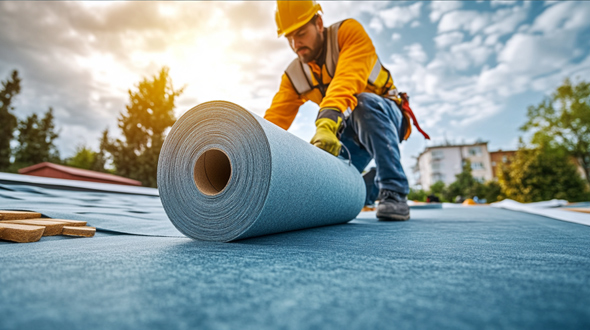
When considering synthetic roof underlayment, it’s essential to know the potential problems that come with this roof underlayment type. This Atlanta Commercial Roofing article highlights five main issues with synthetic roof underlayment: higher initial costs, potential slip risks, moisture traps, UV vulnerabilities, and compatibility challenges. Let’s dive into the issues with synthetic roof underlayment.
problems with synthetic roof underlayment

Key Takeaways

  • Synthetic roof underlayment has higher initial costs but offers long-term savings through durability and reduced maintenance needs.
  • Safety risks, such as increased slipperiness when wet and potential moisture trapping issues, highlight the importance of proper installation and ventilation.
  • Vulnerability to UV exposure and compatibility with roofing materials are critical factors to consider when selecting synthetic underlayment to ensure system effectiveness.

Higher Initial Costs

One of the primary concerns for homeowners considering synthetic roof underlayment is the higher initial cost. Synthetic underlayment ranges from 15 to 25 cents per square foot, significantly higher than traditional felt, which costs about 5 to 10 cents per square foot. This price difference can add up quickly, especially for larger roofing projects.

Despite the higher upfront expense, there is a silver lining. Synthetic underlayments often require fewer repairs over their lifespan than felt underlayments, which can offset the initial cost. Synthetic underlayments require fewer repairs due to their superior performance, including better water resistance and durability against harsh weather conditions.

The advanced manufacturing processes that create these synthetic materials contribute to their higher cost. However, these processes ensure optimal performance and longevity, which traditional felt underlayments cannot match. The superior durability of synthetic underlayment means they can last longer and perform better under extreme conditions.

For many homeowners, the long-term benefits justify the initial expense. Investing in a high-quality synthetic underlayment can lead to fewer repairs and maintenance issues over time, providing excellent performance and peace of mind. Over time, this translates to cost savings and less hassle with roofing maintenance, highlighting synthetic underlayment’s value.

Although the higher initial costs might deter some, weighing them against potential long-term savings and superior performance is important. An informed choice can result in a durable roofing system, ensuring long-lasting protection for your home.

Slippery Roof Surface Risks
slippery roof surface safety hazards with synthetic roofing materials

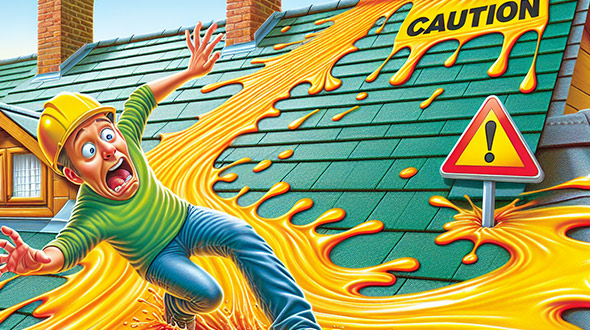
Safety is a paramount concern when working on any roofing project, and synthetic underlayments pose unique challenges in this regard. One of the notable problems with synthetic underlayments is that they become extremely slippery when wet, which is a safety hazard for roofing contractors. These risks arise during both installation and maintenance.

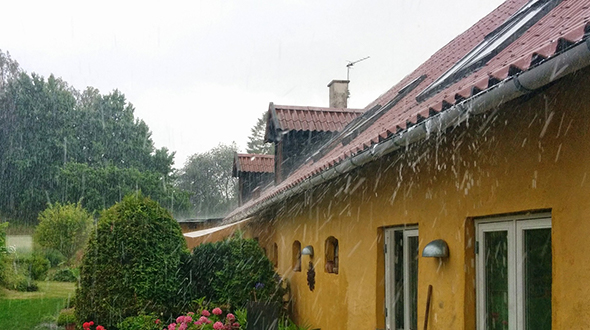
Imagine a situation where a sudden rain shower leaves the roof slick and hazardous. The risk of slips and falls increases dramatically, which can lead to severe injuries or even fatalities. This serious risk is something that contractors and homeowners must consider when choosing roofing materials.

Proper safety precautions and optimal weather conditions are vital for mitigating these risks. Selecting synthetic underlayments with better abrasion resistance can reduce accident risks, though they still become slippery when wet.

Potential Moisture Trapping

Moisture trapping is another significant issue with synthetic roof underlayments. When incorrectly installed or roof ventilation is inadequate, synthetic underlayments can trap moisture beneath them. This trapped moisture can lead to serious problems with synthetic roofs, like mold growth and wood rot, compromising the integrity of the roofing system. Conversely, using felt roof underlayment can help mitigate some of these potential issues.

Adequate ventilation is necessary to prevent moisture buildup; without it, even the best synthetic underlayment can become problematic. Moisture trapped beneath the underlayment can weaken the roof structure over time, leading to costly repairs and potential health hazards due to mold.

The installation process plays a vital role in preventing moisture issues. Improper installation can leave gaps or overlaps where moisture can accumulate, exacerbating the problem. Proper installation of the underlayment and adequate drainage systems can eliminate these risks.

Additionally, using a fuzzy top layer or synthetic polymers can enhance tear and water resistance. Still, these features alone are not enough if the moisture cannot escape. Considering the entire roofing system, including ventilation and drainage, is crucial to avoid moisture-related problems.

In conclusion, while synthetic underlayments offer many benefits, it’s crucial to ensure that they are properly installed and that the roof has adequate ventilation to prevent moisture trapping. Addressing these issues early on can save homeowners from future headaches.

UV Exposure Vulnerability
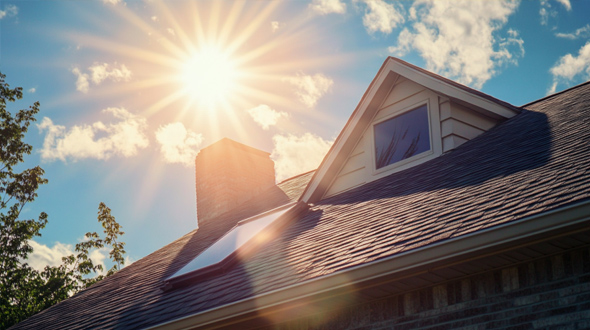
roof exposed to UV rays - damage to synthetic roofing materials

One of the lesser-known issues with synthetic underlayments is their vulnerability to UV exposure. Prolonged exposure to UV rays can cause synthetic underlayments to degrade, leading to brittleness and reduced effectiveness. This degradation can compromise the underlayment’s ability to protect the roof over time.

UV rays can significantly reduce the durability of synthetic roofing underlayments, making them more susceptible to damage from extreme temperatures and weather conditions. Covering the synthetic underlayment with roofing materials promptly after installation prevents UV damage.

The quality of the synthetic material also plays a role in its ability to withstand UV exposure. High-quality synthetic underlayments are designed to offer better resistance, but even they are not immune to the effects of prolonged UV rays. Thus, timely installation of the final roofing material protects the underlayment.

It’s important to consider the climate and installation conditions when choosing your roof underlayment. In regions with high UV exposure, the risk of damage is greater, making it even more critical to follow manufacturer guidelines and ensure timely coverage.

In summary, despite their advantages, synthetic underlayments’ vulnerability to UV exposure remains a notable drawback. Timely coverage and proper installation help mitigate these risks, ensuring the roofing system’s longevity and effectiveness.

Compatibility Issues with Roofing Materials
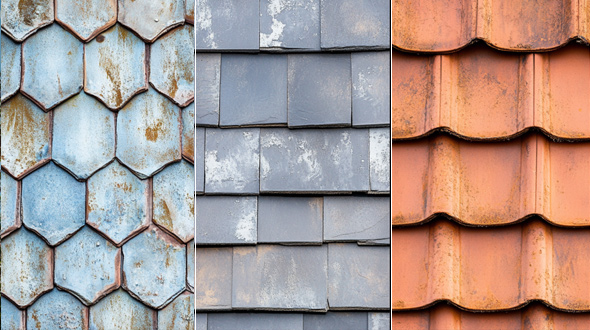
compatibility issues between different roofing materials

Compatibility with various roofing materials is another critical consideration when choosing synthetic roofing underlayment. Different types of synthetic underlayments may not adhere well to all roofing materials, which can lead to problems with the overall roofing system. Adhesion issues can arise when the underlayment does not match the roofing material used correctly.

Incompatible synthetic underlayments can reduce the roofing system’s effectiveness and cause potential warranty issues. Homeowners need to verify the compatibility of the underlayment with their chosen roofing materials to avoid these problems.

Building codes in certain regions may specify compatible roofing underlayment types for various roofing materials, adding another layer of complexity to the decision-making process. Compliance with these regulations is necessary to avoid legal and financial repercussions.

Professional roofers can provide valuable guidance in selecting the right underlayment and ensuring proper installation when installing roof underlayment. Their expertise can help avoid compatibility issues and ensure the roofing system performs as intended.

In conclusion, compatibility issues with roofing materials can significantly impact the performance and longevity of synthetic underlayments. With professional guidance, selecting and installing underlayments correctly ensures a durable and effective roofing system.

Synthetic Underlayment Summary

To sum up, while synthetic roof underlayments offer superior performance and durability, they come with their own set of challenges. Higher initial costs, slippery surface risks, potential moisture trapping, UV exposure vulnerability, and compatibility issues with roofing materials are significant factors to consider.

Understanding these problems and taking proactive measures can help ensure that your roofing project is successful and long-lasting. By weighing the pros and cons, you can make an informed decision that best suits your needs and circumstances.

Frequently Asked Questions

Are synthetic underlayments worth the higher initial cost?

Yes, synthetic underlayments are worth the higher initial cost due to their enhanced durability and reduced maintenance needs, ultimately saving you money in the long run.

How can I prevent slipping on synthetic underlayments?

To prevent slipping on synthetic underlayments, work in dry conditions and opt for underlayments with higher abrasion resistance. This will significantly reduce your risk of slipping during installation.

What can I do to avoid moisture trapping under synthetic underlayments?

To avoid moisture trapping under synthetic underlayments, ensure proper installation and maintain adequate ventilation. This will help prevent issues like mold and wood rot.

How vulnerable are synthetic underlayments to UV damage?

Synthetic underlayments are vulnerable to UV damage and can degrade with prolonged exposure. Therefore, it’s crucial to cover them quickly with roofing materials to ensure their effectiveness.

How can I ensure compatibility between synthetic underlayments and roofing materials?

Verify the compatibility between synthetic underlayments and roofing materials through manufacturer guidelines and consult professional roofers to ensure their compatibility. This proactive approach will help you avoid adhesion issues and protect your warranty.

Atlanta Commercial Roofing Contractors

Atlanta, GA
(404) 220-9288

The post 5 Problems with Synthetic Roof Underlayment appeared first on atlantacommercialroofingcontractors.com

Thursday, August 29, 2024

Commercial Roof Warranty Explained

A commercial roof warranty is your safeguard against unexpected roofing issues and protection for your investment. It typically covers material defects and installation errors, ensuring your roof lasts as expected. This article will explore what these warranties cover, their benefits and types, and how to select the right one for your building.

commercial roof warranty

Key Takeaways

  • Commercial roof warranties protect building owners against defects and installation errors, saving them from significant repair costs.
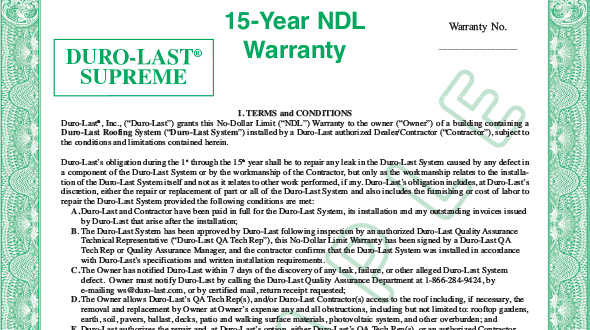
  • Different types of warranties, such as manufacturer’s, contractor’s, and No Dollar Limit (NDL) warranties, offer varying levels of coverage for materials and workmanship.
  • Not voiding a commercial roof warranty requires regular maintenance inspections, proper documentation, and adherence to manufacturer specifications to avoid voiding coverage.

Understanding Commercial Roof Warranties

Understanding commercial roof warranties is about knowing what they cover and appreciating their importance. These warranties are designed to protect building owners against defects and installation errors, ensuring that the roofing system performs as expected.

They can be the difference between a minor hiccup and a major financial burden.

Definition and Purpose

A commercial roof warranty is essentially a pledge guaranteeing the performance and quality of the roof. This warranty serves as a commitment from the contractor or manufacturer to ensure the roof’s longevity and reliability over time. Knowing the specifics of these warranties allows property owners to safeguard their roofing investments effectively.

A commercial roof warranty is designed to protect building owners from defects and installation errors. These warranties provide a safety net, ensuring that any issues related to materials or workmanship are addressed without additional out-of-pocket expenses.

Key Benefits

A commercial roof warranty offers several key benefits, including covering complete repair costs for leak-related issues caused by material failure or workmanship faults. It typically covers deterioration from normal weathering over a defined time period, manufacturing defects, and workmanship application, providing peace of mind to building owners.

A roofing contractor’s warranty is valuable as it covers both defective workmanship and defective products. This comprehensive coverage ensures that building owners are financially protected, allowing them to focus on their core business without worrying about future potential roofing problems.

Types of Commercial Roof Warranties

types of commercial roof warranties

Commercial roof warranties come in various forms, each designed to address specific needs and concerns. The main types include:

  • Manufacturer’s warranties
  • Contractor’s warranties
  • Labor and Materials warranties
  • No Dollar Limit (NDL) warranties

Grasping these different types allows you to choose the most suitable warranty for your building.

Manufacturer’s Warranty

A manufacturer warranty typically covers defects in materials and lasts between 5 to 30 years, with an average duration of around 20 years. This type of warranty ensures that any material defects are addressed within the specified warranty period, providing significant protection against manufacturer’s warranties.

However, a material warranty only covers defects in the materials themselves and excludes labor or installation errors. This limitation means that while the materials may be replaced, the cost of labor to install these materials might not be covered under this type of warranty.

Contractor’s Warranty

A Contractor’s warranty, on the other hand, focuses on workmanship and installation. Typically, these warranties last between 1 and 5 years. The average duration is around two years. This type of warranty covers issues like leaks, improper flashing, and incorrect slope, all related to the installation process.

Contractors are responsible for labor or installation-related repairs during the warranty period, addressing any installation problems promptly without additional costs to the building owner.

Labor and Materials Warranty

Labor and Materials warranties provide comprehensive coverage for both the performance of materials and the quality of workmanship. These warranties, also known as system warranties, typically encompass both manufacturing defects and installation mistakes, ensuring complete protection for the building owner.

No Dollar Limit (NDL) Warranty

No Dollar Limit (NDL) warranties offer extensive benefits by providing full coverage for labor and material costs without depreciation over time. This type of warranty ensures that all expenses related to repair or replacement are covered, offering comprehensive protection for the building owner during the warranty period.

Although NDL warranties come with a higher initial cost compared to material-only options, the robust safety net they provide can justify the investment, particularly for those seeking maximum protection and peace of mind.

What Is Covered by a Commercial Roof Warranty?

commercial roof warranty coverage

Knowing what is covered by a commercial roof warranty helps manage expectations and avoid surprises. These warranties typically cover the cost of repairs related to leak issues and protect against errors and defects caused by the manufacturer or installer.

Material Defects (Manufacturer)

Material defects coverage in a commercial roof warranty usually includes failures caused by manufacturing flaws in the roofing materials. This means that deficiencies in roofing materials, such as leaks directly caused by these defects, are typically included under material defect coverage.

This ensures that any issues related to the roofing materials’ quality are addressed promptly, preventing further damage and maintaining the roof’s integrity.

Workmanship Errors (Contractor)

Workmanship warranties cover problems arising from mistakes made during the installation process. These warranties include protection against issues caused by inadequate installation practices, such as leaks or structural failures.

The original installing contractor’s workmanship warranty typically covers problems during the first two years, ensuring that any errors in the installation are corrected without additional costs to the building owner.

System Failures (Manufacturer & Contractor)

System warranties cover a range of potential failures, including manufacturing defects and installation errors. This comprehensive coverage ensures that both materials and workmanship issues are addressed, providing robust protection for the building owner.

By encompassing both material defects and improper installation, system warranties offer a thorough safety net, ensuring that any problems with the roofing system are resolved efficiently and effectively.

Common Exclusions and Limitations

severe weather to a commercial roof

While commercial roof warranties provide significant protection, they also come with exclusions and limitations that building owners must be aware of. Common exclusions include damage from severe weather events, lack of maintenance, and unauthorized modifications, including those that may affect the roofing warranty.

Understanding these limitations is crucial to avoid unexpected repair costs.

Weather Damage

Most warranties explicitly exclude coverage for damage resulting from severe weather conditions. This means that damage from severe wind, hail, or other extreme weather events is typically not covered.

Building owners should thoroughly review warranty terms to recognize these limitations and plan accordingly to avoid unexpected repair costs after severe weather events.

Maintenance Neglect

Regular maintenance, including routine inspections, is key to ensuring your commercial roof warranty remains valid. Failure to perform these routine inspections can lead to denial of warranty claims for any damage that occurs.

Regular maintenance ensures that warranty coverage remains intact and avoids potential neglect-related issues.

Unauthorized Modifications

Making unauthorized modifications to the roof can invalidate the warranty completely. This includes any changes or repairs made without prior authorization from the manufacturer or contractor.

Building owners should seek approval before making any modifications to avoid voiding the warranty.

How to Choose the Right Commercial Roof Warranty

choosing the right commercial roof warranty

Selecting the right commercial roof warranty involves evaluating your specific needs and understanding the available options. Commercial roof warranties differ in duration, conditions, and coverage details, making it essential to choose one that aligns with your building’s requirements.

Evaluating Warranty Terms

It is crucial to read and understand the coverage of a commercial roof warranty after purchasing it. Pay attention to specific terms, conditions, and limitations before relying on the warranty. Understanding the terms of your warranty helps determine your responsibilities for repairs and ensures that you are aware of any requirements to maintain the warranty validity.

Assessing Coverage Needs

It is vital to choose the right roofing system for your needs. Post-installation maintenance, such as removing debris, securing flashing, patching punctures, and applying sealant, should be part of the coverage assessment for commercial roofing.

Understanding your coverage needs allows you to choose a warranty that provides adequate protection for your situation.

Considering Warranty Costs

The cost of a No Dollar Limit warranty is primarily determined by the roof’s square footage and the warranty length. Balancing initial expenses with potential long-term benefits is essential when evaluating a commercial roof warranty.

A comprehensive warranty can lead to significant savings in repairs and replacements over time, justifying higher upfront costs.

Maintaining Your Commercial Roof Warranty

commercial roofing contractor performing regular maintenance on a commercial roof

Maintaining your commercial roof warranty ensures its validity. Regular upkeep prevents the voiding of the warranty due to non-compliance with maintenance conditions.

Proper documentation and prompt action after damage are key for successful reimbursement claims.

Regular Inspections

Professional inspections, often required biannually, ensure compliance with warranty terms. Keeping inspections and maintenance work records is crucial for maintaining a commercial roof warranty.

Documenting Maintenance

Thorough documentation of all roof maintenance activities is essential for warranty claims and compliance verification. Prompt action after documenting damage aids in quicker assessment and potential repairs under warranty.

Following the Manufacturer’s Specifications

Adhering to the roofing manufacturer’s specifications preserves the validity of your warranty. Failure to follow these guidelines can void the warranty, leaving the owner liable for repairs.

The Warranty Claim Process

Navigating the warranty claim process can save you time and money. Contact your homeowner’s insurance representative promptly upon discovering roof damage.

This section outlines the steps to ensure your claim is processed smoothly and efficiently.

Contacting the Claims Department

Act quickly upon noticing any damage to your commercial roof. First, contact the claims department. Have all necessary documentation and evidence ready when you make your initial contact.

Promptly reaching out ensures your claim is logged and allows you to begin the repair process without delay.

Inspection and Repair

After filing a claim, the claims department will send a roofing contractor to inspect the roof and assess the damage. Using a certified or approved commercial roofing contractor is crucial as they are familiar with specific warranty requirements and installation techniques.

This ensures repairs align with warranty requirements and maintains the warranty’s validity.

Documentation and Reimbursement

Accurate documentation of all services, repairs, maintenance, and inspections is vital for successful reimbursement claims. Proper documentation verifies compliance with warranty conditions and supports your claim during the warranty process.

Transferring a Commercial Roof Warranty

Transferring a commercial roof warranty enhances property value and provides peace of mind for new owners.

Transferability terms dictate whether a warranty can be passed to a new owner and may require the current owner to notify the manufacturer.

Transferability Terms

Not all warranties are transferable, with workmanship warranties frequently being non-transferable. Some warranties impose a time limit for transfer requests, often requiring submission within 60 days of the sale.

Understanding these terms ensures the warranty remains valid during ownership transitions.

Required Documentation

When transferring a warranty, carefully read the manufacturer’s warranty to ensure coverage. Required documentation typically includes written requests, proof of ownership, and potential transfer fees.

Knowing the necessary paperwork related to the roof warranty is crucial when purchasing a commercial building.

Emergency Repairs and Your Warranty

emergency roof repairs and tarping

Act quickly during emergency repairs while ensuring you maintain your warranty coverage. Promptly assess the situation and mitigate further damage by securing the area.

Using certified contractors for emergency repairs ensures compliant repairs and maintains your warranty.

Immediate Actions

Contact the contractor who installed the roof immediately upon discovering the damage. Using a tarp to cover exposed areas temporarily helps mitigate damage until professional repairs are made.

Prompt repairs prevent further damage and potential health hazards.

Working with Approved Contractors

Certified contractors are crucial for warranty work as they are trained in proper product installation techniques. The professional roofing contractor who installed the roof can assist with emergency repairs under warranty, ensuring repairs align with warranty requirements.

Commercial Warranty Summary

Commercial roof warranties are an essential investment for protecting your building from unexpected repair costs. Understanding the different types of warranties, what they cover, and how to maintain them can save you time and money in the long run. Regular inspections, proper documentation, and following manufacturer specifications are key to ensuring your warranty remains valid.

Selecting the right warranty involves evaluating your specific needs, assessing coverage options, and considering the costs involved. Doing so lets you choose a warranty that provides the best protection for your commercial roof.

In conclusion, a well-chosen and properly maintained commercial roof warranty offers invaluable peace of mind, allowing building owners to focus on their core business operations without worrying about potential roofing problems.

Frequently Asked Questions

What is the primary purpose of a commercial roof warranty?

The primary purpose of a commercial roof warranty is to safeguard building owners from defects and installation errors, ensuring the roofing system operates effectively and minimizing unexpected repair expenses.

What are the different types of commercial roof warranties?

The different types of commercial roof warranties include manufacturer’s warranties, contractor’s warranties, Labor and Materials warranties, and No Dollar Limit (NDL) warranties. Understanding these options is crucial for protecting your investment.

What is typically covered by a commercial roof warranty?

A commercial roof warranty generally covers repairs for leaks, material defects, workmanship errors, and significant system failures. It’s essential to review specific warranty details, as coverage can vary.

What are common exclusions in commercial roof warranties?

Common exclusions in commercial roof warranties typically involve damage from severe weather, poor maintenance, and unauthorized alterations. It’s crucial to review your warranty details to understand these limitations fully.

How can I maintain my commercial roof warranty?

To maintain your commercial roof warranty, ensure you conduct regular inspections, keep thorough documentation of all maintenance activities, and strictly adhere to the manufacturer’s specifications. This diligence will help protect your investment and ensure compliance with warranty requirements.

Atlanta Commercial Roofing Contractors

Atlanta, GA
(404) 220-9288

The post Commercial Roof Warranty Explained appeared first on atlantacommercialroofingcontractors.com

Wednesday, June 26, 2024

Roofing for Low Slope Roofs

When addressing roofing for low-slope structures, selecting the right materials and installation techniques is not just a choice—it’s a necessity. This article provides the essential knowledge you need on effective low-slope roofing, ensuring your building stays protected and performs well over time. Expect a focused look at the best practices for choosing and maintaining a low-slope roof.

roofing for low slope roofs

Key Takeaways

  • Low slope roofs, with a pitch below 2:12, require specific materials like TPO, PVC, EPDM, modified bitumen, or metal roofing systems for durability and to prevent water damage.
  • Proper installation techniques, such as fully adhered systems, mechanically fastened solutions, and heat-welded seams, are critical to the longevity and functionality of low-slope roofs.
  • When selecting a low-slope roofing system, important considerations include climate compatibility, roof traffic, durability, cost versus life expectancy, and innovations like modular systems and cool roofing technologies.

Understanding Low-Slope Roofing

When it comes to low-slope roofs, understanding the basics is akin to laying a strong foundation for your house. Imagine a roof with a gentle incline—that is the essence of a low-slope roof, characterized by a pitch below 2:12. This architectural choice has significant implications for material selection and installation, as it demands a keen eye and experience to prevent water damage and ensure longevity.

The Basics of Roof Slope

Diving deeper into the concept, roof pitch is the measurement that dictates how steep a roof is. Like a silent guardian, it influences everything from aesthetic appeal to the practicality of water runoff. Defined by its rise over a 12-inch span, roof pitch/slope is a critical factor in choosing the right roofing materials.

Roof pitch ratio (ex. 2:12) is a way to measure the steepness of a roof. Here’s how it works:

  • The first number (2 in this case) tells you how many inches the roof rises (goes up) for every 12 inches it runs (goes across).
  • The second number (12) is always the same and represents the horizontal distance of one linear foot.

So, a 2:12 pitch means that for every 12 inches you go horizontally (across), the roof goes up 2 inches.

Why Roof Pitch Matters

Here’s where it gets real: the pitch of your roof isn’t just about looks; it’s about protecting your property from the elements. A low-slope roof requires materials that can endure prolonged exposure to water, fend off UV rays, and withstand debris accumulation. It’s a delicate balance of functionality and design that ensures a roofing system can weather the storm.

Essential Materials for Low-Slope Roofs

low slope roof mateirlas TPO, PVC, and EPDM roofing membranes

When selecting materials for low-slope roofs, it’s not just about picking the toughest material but choosing the right ally for the battle against the elements. Membrane roofing, modified bitumen, and metal roofing systems lead the charge with their durability and weather resistance, making them the stalwarts of low-slope roofing.

Membrane Marvels: TPO, PVC, and EPDM

In the world of membrane roofing, TPO, PVC roofs, and EPDM stand tall as the trinity of protection, offering longevity and resilience to rooftop traffic. With lifespans stretching up to 40 years and heat-reflective surfaces to boot, these membranes are not just covers but shields against the harshest of climates.

Modified Bitumen: The Modern Twist on Asphalt

Modified bitumen systems offer the following benefits for modified bitumen roofs:

  • Flexibility and waterproofing prowess needed for low-slope roofs
  • Modern-day armor for buildings, combining traditional familiarity with innovative resilience
  • Available in variations like APP (plastic asphalt) and SBS (elastic asphalt) for tailored performance

Metal Roofing Mastery

For those seeking the zenith of longevity and aesthetics, standing seam metal roofing is the crown jewel. Flaunting up to 50 years of life, this premium choice for low-slope roofs marries function and form with concealed fasteners and a palette of colors to accentuate any building’s silhouette with a standing seam metal roof.

standing seam metal roofing system

Installation Techniques for Peak Performance

Even the finest roofing materials are only as good as their installation. Techniques such as fully adhered systems, mechanically fastened solutions, and heat-welded seams are the key to ensuring your low-slope roof stands tall against time and nature.

Fully Adhered Systems (Adhesive)

These are single-ply roofs secured using exceptionally strong adhesive. Roofers apply the adhesive uniformly across the entire membrane, anchoring it firmly to the underlying layer. This comprehensive adhesion is the reason these roofs are termed “fully” adhered.

Fully adhered systems offer the following benefits:

  • Seamless look
  • Added noise dampening
  • Minimal maintenance
  • Fortification against wind uplift and water infiltration

With fewer seams and opportunities for leaks, this method not only beautifies the structure but also enhances its functionality.

Mechanically Fastened Solutions (Fasteners)

Mechanically fastened roofs are secured using specialized fasteners. For single-ply mechanically fastened roofs, these fasteners are generally screws, but their material, length, and other specifics are determined by the roof’s substrate. Different substrates like steel, concrete, wood, and lightweight gypsum decks each necessitate unique fastener types. Roofers also use plates with the fasteners to distribute the force applied to the membrane, ensuring a more secure and durable attachment.

In the face of high winds, uplift forces and demanding weather conditions, mechanically fastened solutions stand firm, anchoring the roof with reliability. Precision in sealing penetrations is the name of the game here, ensuring that leaks are kept at bay for a steadfast roofing system.

Heat-Welded Seams for Superior Seal

heat-welded single-ply tpo roofing seams

Heat-welded seams are the artisans of roofing, meticulously crafting an impenetrable barrier that locks out moisture and safeguards the roof’s integrity. With specialized equipment, roofers create bonds that are not only robust but also crucial in preventing the roof’s degradation over time.

Critical Considerations for Low-Slope Roofing

Certain elements are non-negotiable in the grand scheme of roofing. Climate, foot traffic, and the delicate dance of cost versus life expectancy are considerations that can make or break the success of a low-slope roofing system.

Climate Compatibility

The climate’s whims can test the mettle of roofing materials, which is why it is imperative to choose ones that can withstand the local weather patterns. From the sun-absorbing prowess of EPDM to the uplift resistance of fully adhered systems, climate compatibility is a cornerstone of roofing choice.

Foot Traffic and Durability

Commercial and industrial low-slope roofs, also known as flat roofs, are battlegrounds for durability. Materials must endure foot traffic and environmental stresses alike. It’s about choosing a roofing system that maintains structural integrity despite constant commercial activity.

Cost vs. Life Expectancy

The alchemy of cost-effectiveness in roofing involves balancing upfront investments with long-term benefits. Life expectancy and warranties play a pivotal role in determining whether a roofing system is a wise economic move or a penny-wise but pound-foolish decision.

Innovations in Low-Slope Roofing Systems

As the roofing industry marches forward, innovations such as prefabricated modular systems, cutting-edge materials, and the bur roofing system redefine what’s possible. These advancements not only streamline installation but also push the boundaries of energy efficiency and structural integrity.

Green Roofing Systems

green roofing system

Green roofing systems are a testament to the harmonious blend of nature and architecture. Offering a plethora of benefits like:

  • insulation
  • urban heat reduction
  • stormwater management
  • improved air quality
  • increased biodiversity

These living roofs are not only visually stunning but also environmentally sound, albeit with the caveat of higher maintenance needs.

Cool Roofing Technologies

Cool roofing technologies are the unsung heroes in the fight against urban heat, employing reflective coatings and pigments that turn roofs into shields against the sun’s heat. With materials like PVC and TPO leading the charge, cool roofs are a smart choice for those looking to improve energy efficiency while mitigating their ecological footprint.

Preventing Common Low-Slope Roof Issues

A low-slope roof, also known as a flat roof, has one major enemy: stagnation—of water. Preventing common issues such as leaks and water accumulation is paramount for the roof’s health and the safety of those beneath it.

Ensuring Proper Drainage

A roof’s drainage system is its lifeline, ensuring that water is swiftly escorted away, thus averting the risks of structural overload. Regular maintenance and strategic design choices like additional drainage lines and tapered insulation crickets are essential for a dry and durable roof.

Mitigating Leak Risks

To keep leaks at bay, entrusting the installation to skilled roofers is a must. From flood testing to selecting fully adhered TPO roofing for its watertight seam, every step taken is a step towards securing a leak-free future for low-slope roofs.

The Selection Process: Finding Your Ideal Low-Slope Roof

commercial roofer discussing low slope roof replacement

Embarking on the quest for the perfect low-slope roof is not a solo journey. It’s about partnering with the right commercial roofer, considering the building’s aesthetics, and understanding the intricacies of the roofing materials market. It’s a strategic process that balances personal preferences with practicality and expertise.

Assessing Your Roof’s Requirements

The first step in selecting a roofing material is understanding your roof’s unique needs. By measuring its pitch and considering the building’s design, you can narrow down the materials that will provide the durability and flexibility required for your specific situation.

Consulting with Roofing Professionals

Roofing professionals are the sage advisors in the world of roofing, offering thorough evaluations and tailored solutions. Their specialized inspections can reveal issues before they escalate, ensuring that your low-slope roofing project is not only successful but also enduring.

Low Slope Roofing Summary

As we reach the pinnacle of our roofing expedition, it becomes clear that the path to a resilient and efficient low-slope roof is paved with knowledge and precision. From understanding the basics of roof pitch to embracing innovative technologies, every step is crucial in crafting a roofing system that stands the test of time. Let this guide be your compass, leading you to a roofing solution that not only protects but also elevates your property.

Roofing for Low Slope Frequently Asked Questions

What are the best materials for a low-slope roof?

For their durability and weather resistance, membrane roofing options like TPO, PVC, and EPDM, as well as modified bitumen and metal roofing systems, are the best materials for a low-slope roof. Choose one of these materials based on your specific needs.

How does roof pitch affect roofing material selection?

Roof pitch significantly impacts the ability of roofing materials to shed water and resist water penetration, especially for low-slope roofs. The pitch determines the efficiency of water shedding and overall water resistance.

Are there any innovative roofing systems for low-slope roofs?

Indeed, there are various innovative options for low-slope roofing, such as green roofing systems, cool roofing technologies, and prefabricated modular systems, which are constantly evolving to provide more choices.

How can I prevent leaks in my low-slope roof?

To prevent leaks in your low slope roof, it’s essential to hire skilled roofers for proper installation, conduct thorough inspections, and choose materials with superior sealing properties, like fully adhered TPO roofing. This will help maintain the integrity of your roof and minimize the risk of leaks.

How do I start the process of selecting the right low-slope roofing material?

Start by consulting with roofing professionals to assess your roof’s specifications and requirements. Their expert advice will help guide you in selecting the ideal material for your low-slope roof.

Atlanta Commercial Roofing Contractors

Atlanta, GA
(404) 220-9288

The post Roofing for Low Slope Roofs appeared first on atlantacommercialroofingcontractors.com
Wednesday, December 14, 2022

Common Roofing Problems in Winter

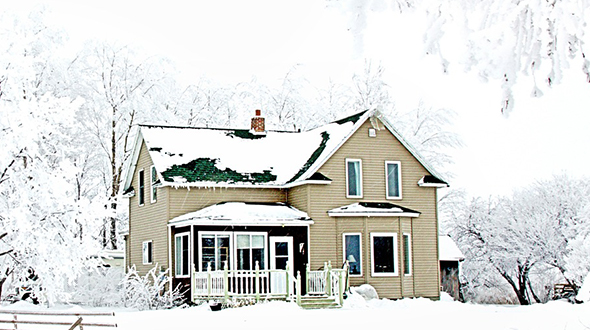
Winter roofing problems include snow and ice buildup

Prevent the harsh winter season from causing roof damages and costly problems. Knowing what challenges your roofing system can endure during the coldest months will help you take action to avoid them.

atlantacommercialroofingcontractors.com gathered information about some of the most common winter roofing problems and how to prevent them.
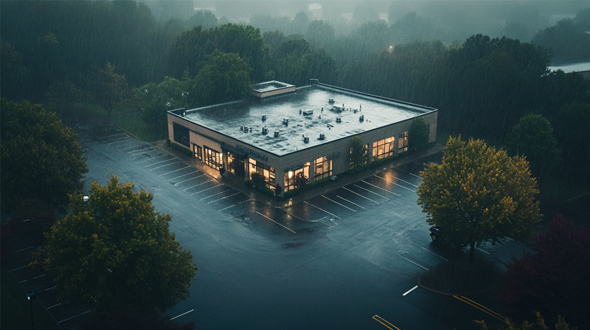
Roof Problems in Winter

To keep your home in its best condition through this and upcoming winter seasons, be mindful of the following winter roof problems and how to prevent them:

Condensation – Condensation occurs when water droplets form as warm air hits a cold surface. This typically happens in poorly insulated attics where the roof is colder than the air inside. Condensation causes damaging dampness and mold, leading to severe damage and dangerous weakness in the roof.

Prevention: Keep your attic well-ventilated and well-insulated to reduce the risk of condensation accumulation. 

Ice Dams – Ice dams are among the biggest dangers to your roof’s structural integrity due to their weight and typically leaking into your walls. These dams sit along the edge of your roofing system and its gutters, accumulating immense weight and pressure on the area. 

Ice dams are caused when snow melts at the top of your roof and runs down to the edge, where it refreezes. Poor attic insulation is often the cause as heat escapes through the roof’s top. 

Prevention: Keep your attic well insulated. You can also limit ice dam formation by removing accumulated snow from your roof and keeping your gutters unobstructed. 

Winter roofing problems include ice buildup

Icicles – Like ice dams, icicles occur when water thaws, runs down your roof, and refreezes as it moves over cooler lower sections. Water should run into gutters, but when they are obstructed, overflowing, or frozen, icicles can quickly form on their edges, posing a threat to anyone walking below.

Prevention: Make sure your attic space is well insulated and keep your gutters clean and functioning.

Leaking Flashing – Flashing can separate from a roof’s edge or around a chimney for many reasons (storm damage, ice accumulation, etc.). When your roof’s flashing isn’t watertight, water and ice can find their way into the roofing materials and your structure.

Prevention: Inspect the flashing’s condition in the fall and periodically throughout the winter. This way, you can spot any potential trouble or damage before it becomes a leak.

Wildlife Damage – Animals can cause incalculable damage if they get inside your house. Small holes in the roof or attic can grant rats, squirrels, and birds access. Once in your attic, these creatures may establish a nesting area and severely damage the interior or significantly widen entry points.

Prevention: Keep small animals out by frequently inspecting your attic and roofing system for small holes. Seal gaps and ensure tree branches are pruned at least six feet away from your roof.

Tree Damage – Winter storms and severe weather can critically damage any trees near your home, causing hazards like falling branches and trees falling entirely; it’s crucial to inspect trees for decline, disease, infestations, and potential weakness. 

Prevention: Have a professional tree service inspect your trees and take preventative actions (pruning or removal) to reduce the risk of catastrophic roof damage. 

Debris in Gutters – Dirty or blocked gutters stop rainwater from flowing off your roof and down the drain, and can be attributed to several of the items we’ve discussed in this article.

Prevention: Keep your gutters cleaned and debris free throughout the year and in winter.

Winter Storm Damage

Winter roofing problems include damage from hail storms

Roofs can suffer the worst conditions with strong winds, heavy snow, and hail (common in winter storms). Establish a maintenance contract with your roofing company that includes seasonal inspections, minor repair work, and emergency evaluations to ensure your roof will stay strong in winter storms.

Note: Snow might look innocent enough, but when it builds up, it carries tremendous weight. For weakened or leaking roofs, heavy snow puts your home at risk of significant damage. 

If your home is old, it might be time to check if you need a new roof altogether. To keep your roof stable throughout winter, it’s best to remove heavy snow as quickly as possible. 

What temperature is too cold for a roof?

A properly installed roofing system can easily withstand prolonged periods of sub-zero temperatures. However, roof installation or repair should only be done when temperatures are 40° F (4° C) or above. Adhesives used in most modern roofing materials require warmer temperatures to properly activate.

How Many Years Should a Roof Last?

The average lifespan of a roofing system typically ranges between 25 to 50 years. However, a roof’s life expectancy depends on the following:

  • The quality, durability, and type of roofing material
  • The quality of its installation
  • The frequency of inspections, seasonal maintenance, and repairs

Tip: A well-maintained roofing system can outlive its life expectancy by decades.

Cold Weather Roofing Problems

In this article, you discovered information and tips on some of the most common winter roofing problems and what you can do to prevent them.

Being proactive with your roofing maintenance and repairs will help you get through the winter months without incurring severe cold-related damages to your structure’s roofing system.

Ignoring the need to take preventative measures with your roofing system can result in costly and avoidable damages and potentially lead to catastrophic roof failure.

Sources:
bct.eco.umass.edu/publications/articles/preventing-ice-dams/
sites.psu.edu/socialtrends/2022/11/16/is-your-roof-properly-maintained/
extn.msu.montana.edu/magazine/articles/4450
cpb-us-e1.wpmucdn.com/blogs.cornell.edu/dist/9/8787/files/2019/07/Attic-condensation.pdf
extension.psu.edu/winter-damage-to-trees-and-shrubs

Atlanta Commercial Roofing Contractors

Atlanta, GA
(404) 220-9288

The post Common Roofing Problems in Winter appeared first on atlantacommercialroofingcontractors.com

Friday, November 11, 2022

9 Common Roofing Problems and Solutions

Roofing problems can include leaks and bad repair jobs

Avoid overlooking roofing issues that can be resolved and leaving yourself vulnerable to roofers preying on your ignorance. Knowing the more common roofing problems and how to fix them will help you get the repairs you need.

atlantacommercialroofingcontractors.com gathered the following information about 9 of the most common roofing problems and how to repair them.

1. Roof Leaks

A roof leak is typically a sign of a more substantial problem. Danger and the probability of structural erosion increase if the leak is left unaddressed. Regular inspections are the most effective defense against a leaking roof. Be vigilant, search for leaks (and signs of leaks), and regularly communicate with your contractor about your concerns and the roof’s condition.

Solution – Typically, roof leaks are detected only after they have caused moderate or considerable damage to a home. This is one factor that makes roof leaks among the costliest roofing issues for property owners. Act preventively and be proactive in keeping your roof in good shape by scheduling regular inspections by your trusted roofing professional.

2. Chimney Crickets

Crickets are crucial to your chimney and roof’s integrity and longevity. They efficiently channel water and debris off the roof and into your gutters. Due to their stature, chimneys naturally attract water.

Solution – The cricket is part of your chimney’s flashing system that prevents your roof from leaking. Every chimney has different wall veneers like brick, stone, siding, or stucco, and each must be flashed differently to protect the roof. Proper flashing and a well-installed cricket are required to prevent leaks and cause the roof decking wood to rot from repeated water intrusion.

Find further reading on chimneys at atlantacommercialroofingcontractors.com/chimney-leak-repair/

3. Poor Roof Installation

Roofing problems can include poor installation and repair

A properly installed roofing system will uniformly weather. With an improperly installed roof, you’ll see different colored shingles, missing drip edges, or vents that were reused instead of replaced. You’ll also detect a stark difference in how some areas of the roof age compared to others.

Solution – Make sure the roofing contractors you hire have an excellent track record and will provide you with top-quality roof installation. To avoid being left with a bad roof installation, thoroughly vet the roofing company you choose to hire.

4. Tree Impact

When a tree falls and lands on your roof, it will cause structural roof and building damage. However, as minutes pass, your roof’s structural integrity can weaken and fail, causing the roof to eventually cave in, resulting in further structural damage and potentially life-threatening injury to you and your loved ones.

Roofing problems can include fallen trees

Solution – Act as quickly as possible to prevent any further damage from occurring (putting a tarp over the damaged roof and boarding up any shattered windows, etc.). Use a tarp or other waterproof covering to temporarily cover any openings. Your failure to mitigate further damage may negatively affect your insurance claim.

Tip: Call your insurance company immediately for instructions. This will help you preserve your insurance policy and coverage.

5. Freeze Damage

Snow and ice damage your roofing system by repeatedly thawing and refreezing as temperatures fluctuate. When snow and ice melt, water infiltrates small holes or gaps in your roof. When temperatures dip and that water refreezes, it expands, widening those holes and allowing more water through.

Solution – Getting rid of “ice dams” for good is relatively easy. You must maintain the roof at the same temperature as the eaves. You can do this by increasing attic ventilation, adding insulation, and having your roofing system inspected for air leaks that may unevenly warm the underside of the roof.

6. Pooling Water (Ponding)

Even the slightest ponding can have serious repercussions on your roofing system. The water’s excess weight may cause severe structural damage to the building, especially if the added weight exceeds the safe weight the structure can carry. Even if it does not, increased weight can stress roof trusses and other crucial building components.

Solution – The easiest way to prevent water from ponding is to routinely clean the roof’s drains, rain gutters, and downspouts. Removing debris like leaves, sticks, and branches allows water to flow freely from the roof. If you do not personally want to clean your roof, get a roofing maintenance program service to do so for you.

Tip: Regular roof and gutter cleanings are a great time for a routine inspection. If the cleaning is done by your roofing contractor, they can check and prevent small issues from becoming costly problems.

7. Roof Flashing

Flashing protects the most vulnerable parts of your roof, and any damage to this flashing is concerning. When flashing cracks, fails, or is bent upward, moisture can run inside the roof seams. This poses a significant problem during severe weather.

Solution – Typically, professional roofers will replace all step flashing on a new roof. Your roofer should not layer any new flashing on top of old flashing (this should have been removed and discarded). There should only be one layer of flashing on a roof at a time.

8. Broken or Missing Shingles

If your roof has one or more “seams” exposed to the elements, they may let in water. Other critical roof components include valleys or areas where two low parts of the roof’s structure meet. Losing a shingle at a low point can result in water and debris collecting, significantly increasing opportunities for leaks.

Solution – If a shingle is cracked or torn, you don’t necessarily have to replace it; repair it. Apply a thick bead of roofing sealant under the crack, press the shingle down and apply another bead of sealant on top of the crack. Then evenly spread the sealant with a putty knife.

Note: If your roof only needs a few shingles replaced or minor patches made, you can do it yourself or schedule a roofer to make those minor repairs for you.

9. Membrane Tears and Punctures

Roofing problems can include membrane punctures

The most frequent problems with single-ply membrane roofing systems include punctures, tears, and seam failures. Single-ply membranes can eventually shrink, become brittle, and lose their elasticity; these factors apply irregular stress on the membrane’s seams, resulting in failure.

Solution – Any hole or seam separation in a single-ply membrane can be quickly located and patched or resealed by a certified roofer.

Commercial and Residential Roofing Problems

In this article, you discovered nine of the most common roofing problems and how to get them quickly fixed.

The more you know about how roofs can malfunction and how they can be repaired will help you prevent more severe damages and potentially extend your roofing system’s lifespan.

Not knowing how your roof can be damaged and fixed, can leave you vulnerable, and paying for repairs and a replacement that may have been avoided.

Sources:
ccpia.org/why-low-slope-roofs-fail/
floridapace.gov/6-signs-of-roof-damage/

Atlanta Commercial Roofing Contractors

Atlanta, GA
(404) 220-9288

The post 9 Common Roofing Problems and Solutions appeared first on atlantacommercialroofingcontractors.com
Tuesday, May 17, 2022

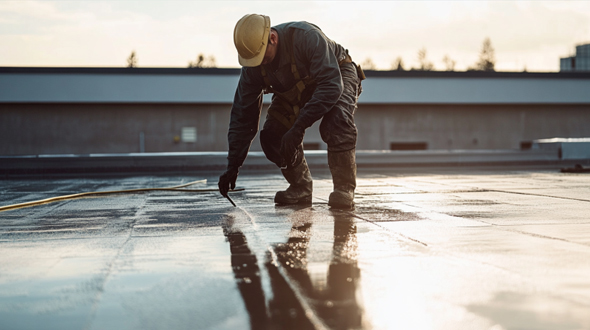
How To Find and Fix a Roof Leak

Some roof leaks can be easily repaired but others will need a professional roofer

Prevent costly structural damages and messy repairs due to a leaking roof. Knowing how to find and fix a roof leak can save you considerable money and avoid unnecessary angst.

atlantacommercialroofingcontractors.com gathered the following information about how to pinpoint leaking areas in your roofing system and promptly repair them.
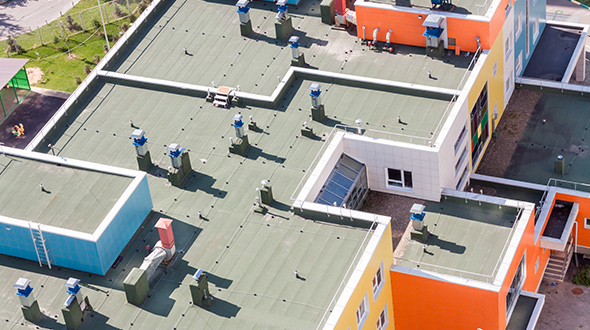
Leaking Roofing Systems

Whether you have a sloped residential roof, an industrial metal roof, or a commercial flat “membrane” roof, they have one thing in common: they all use gravity, slopes, and drainage systems to move water away from the roof.

A roofing system can fail when any of the following occur:

  • Membrane seals separate
  • Fasteners corrode
  • Roofing components suffer storm damage
  • Wind-driven objects perforate the roofing system
  • Falling tree impacts the roof and structure.
  • Wildlife interrupts the roof’s drainage system
  • Gutters and downspouts are clogged by falling leaves
  • Hail, snow, or ice buildup damage the roof
  • The roofing system was poorly installed
  • Annual inspections are ignored
  • Minor repairs are put off
  • Water begins pooling
  • Fire damage

Roofing systems are engineered to protect the structure they cover. However, with time, water can find ways to circumvent your roofing system and leak into your structure. Here’s how to find and fix a leak in your roofing system:

Leak Detection

Sometimes, roof leaks are blatantly obvious, leaving watermarks and stained ceiling tiles in their wake. However, roof leaks can start off unnoticeable and suddenly turn into a severe flooding situation. Here are some effective ways to detect roofing system leaks:

  • Drips
  • Ceiling tile stains
  • Water-stained/damaged wall
  • Excessive dampness/humidity

Tip: Most roofing system problems and leaks can be prevented by acquiring a maintenance program from your roofer.

How Do I Find a Leak in My Roof?

Once you have determined that your roofing system has a problem, head outside and visually inspect your roof:

  • Start with parts of the roof higher than the location of internal indications or stains
  • Look for any signs of roof penetrations
  • Inspect the roof’s flashing for damages
  • Examine roof vents

If you see any damaged areas on your roof, tiles, corrugated iron sheets, membrane, or shingles, this could be the leak’s origin. If your roofing system has multiple layers like built-up roofing (BUR) or modified bitumen (Mod-Bit), sneaky leaks can travel across your roofing system using gravity which keeps water moving downward and transpiration or evaporation to move it upward or horizontally.

Note: Water leaks can be highly elusive when they trace along rafters, support columns, or follow erratic paths before emerging as leaks. If you have trouble finding the source of your leak, call a professional roofer to help.

Tip: Membrane roofing systems (EPDM, TPO, etc.) typically have long-running seams where sheets overlap and are sealed together. Leaks can occur when these seams separate.

How Do I Fix a Leak in My Roof?

Roofing systems can leak from broken panels ruptured membranes or dislodged tiles

There are infinite ways your roofing system can start leaking and just as many methods to fix them. The following are quick fixes that can buy you time until a professional roofer can evaluate and repair the roofing system:

Fix Step Flashing – If your roof flashing rusts through or comes loose, water will run behind it and into the structure. Rusted, slipped, or damaged flashing needs to be replaced. That involves removing shingles, prying siding loose, then removing and replacing the step flashing.

Repair Small Holes – Tiny holes in roofing systems are sneaky because they can cause rot, a leaky roof, and other minimal damage for years before you even detect the signs of an active leak. You might find holes left over from a satellite dish base or antenna mounting bracket, or just about anything previously fastened to the roof.

Note: Any exposed or misplaced roofing repair nails or mounted fastening nails should be removed and the holes patched.

Tip: Small holes are simple to fix. However, the fix isn’t to just inject caulk into the hole. This leaky roof problem will be corrected with flashing.

Repair Leaks around Chimneys – Flashing around chimneys can rust through and cause horrendous damage to the chimney and the building’s structure. A quick and short-term fix is to slip new flashing under the old rusted flashing material.

Replace or Patch Shingles, Membranes, and Asphalt – Provided you have the necessary material to match, patch, or replace a part of your roofing system, you may be able to temporarily halt small roof leaks.

Note: For shingle roofs, once fastening nails are removed, the damaged shingle should slide out. Scrape away any residue cement and level or remove any protruding nails. Once the new shingle is in position, lift the corners of the overlapping shingles and fasten the top of the new replacement in each corner. Cover the nail heads with roofing cement and smooth the overlapping shingle edges.

Tip: If you do not have extra roofing material or components to repair your damaged roofing system, call a professional roofer to handle the repair and preserve the roofing system’s warranty.

How Long Can You Ignore a Leaking Roof?

There is no definitive answer to how long you can ignore a leaking roof before causing severe and sometimes irreparable structural damage. Multiple variables can contribute to roofing leaks, structural damages, and roofing system failure. It is always recommended to play it safe and repair or get your roof leak fixed immediately.

DIY Roof Repair

In this article, you discovered how to detect and locate the source of a leaking roof and how to immediately fix it or get it fixed.

By promptly fixing leaks in your roofing system, you are preventing structural damages and helping your roof properly function up to and beyond its life expectancy.

Ignoring roof leaks of any size can result in costly structural damages, roofing system failure, and loss of business when your structure must be closed for repair.

Sources:
mit.edu/parmstr/Public/NRCan/CanBldgDigests/cbd179_e.html
kenosha.extension.wisc.edu/files/2010/06/Leaky_roofs.pdf
sites.udel.edu/csweeny/2021/08/16/roof-restorations-and-replacement-is-it-time/

The post How To Find and Fix a Roof Leak appeared first on atlantacommercialroofingcontractors.com
Thursday, March 17, 2022

9 Easy Ways to Increase Your Home’s Curb Appeal

Increase curb appeal by upgrading your homes appearance

Avoid losing money on your most valuable investment by not knowing how to increase its curb appeal. Knowing how to raise your home’s curb appeal will help you take it to market and get the value you deserve.

atlantacommercialroofingcontractors.com gathered the following information about easy ways to raise your home’s curb appeal and its overall value.
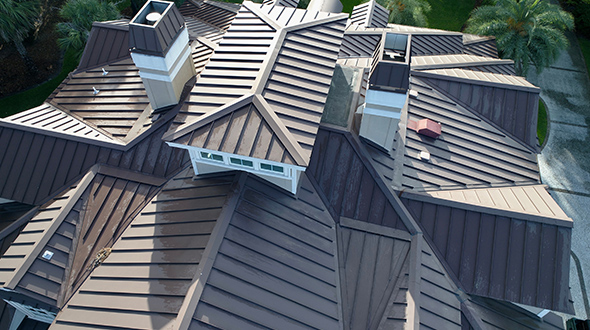
1. Install Outdoor Lighting

Besides being a deterrent to wannabe thieves and vandals, installing walkway and garden lighting highlights your front yard’s features and makes your home a more welcoming place.

2. Replace Your Home’s Hardware

You can sharpen the image of your home by replacing or updating its hardware. Some of the items you can replace include:

  • Porchlight fixtures
  • Door handles
  • Locks
  • Mailbox
  • Street numbers

Tip: Make sure the features you replace match. This gives an image that the appearance of your home was planned and not haphazardly thrown together.

3. Shutters and Accent Trim

Increase curb appeal by matching shutters and trim

A fast way to add definition to your home and highlight its features is to install shutters for your windows and run accent trim around the features you want to draw attention to.

Tip: Use contrasting colors for trim and shutters to give them a more significant impact.

4. Replace Gutters and Downspouts

Nothing screams “rundown home” more than dented or peeling gutters and downspouts. Quickly perk up the appearance of your home and guarantee the diversion of rainwater from your roofing system with updated gutters and downspouts.

5. Repair or Replace Your Roofing System

Increase curb appeal by installing a new roofing system

A home’s roofing system is typically one of the deciding factors when closing its sale. Prospective buyers tend to run away from homes in need of significant or expensive roof repairs.

A leaking roofing system is often responsible for causing extensive structural damages requiring costly repairs.

Ultimately, a new or repaired roofing system not only looks good and increases its curb appeal but adds a sense of security to your home.

Note: Your roofing system carries considerable weight when your home is being evaluated for its market value.

Tip: The value of an existing or new roofing system is considered hard equity and can be added to the value of the home.

6. Repaint Your Home

One of the fastest ways to clean up the appearance of a home is to give it a fresh coat of paint. Painting gives you the opportunity to:

  • Find and fix exterior damages or flaws
  • Update the home’s appearance
  • Change its color scheme
  • Highlight exterior features
  • Thoroughly clean up its exterior

Note: Small structural defects or flaws are often only detected when repainting.

Tip: Repainting your home can have the most significant impact on its curb appeal.

7. Renew Your Landscape

Your home’s landscaping can be a significant attraction or deterrent to potential buyers. Some of the following are common ways to update your landscape:

  • Install or plant a hardy lawn/turf
  • Plant trees, shrubs, and plants
  • Install a pathway
  • Install lighting (see #1)
  • Add a water feature to your garden or lawn
  • Replace your cracked driveway
  • Install edging or barriers along pathways and sidewalks
  • Highlight your garden with flowering shrubs and plants

Tip: In regions with water restrictions, consider installing a southwestern style landscape with gravel, rocks, and drought-tolerant plants like cactus.

8. Install Window Boxes

Increase curb appeal by installing window boxes

Installing window boxes is an incredible way to increase your home’s garden space while increasing its curb appeal. The following flowering plant species look good and are highly desirable for use in window boxes:

  • Marigolds (Tagetes)
  • Tulips (Tulipa)
  • Daisies (Bellis perennis)
  • Gerbera Daisies (Gerbera)
  • Snapdragons (Antirrhinum)
  • Lilacs (Syringa)
  • Gardenias (Gardenia)

Tip: Match the color of your window boxes with your home’s shutters and accent trim to provide a sense of continuity to the home’s exterior.

9. Make Your Garden Stand Out

Increase curb appeal by planting a blooming garden

A lush, healthy, vibrant, and flowering garden can make even a mediocre home look good. Consider the following to sharpen your garden’s appearance:

  • Enrich the garden’s soil
  • Adjust the soil’s pH to help plants thrive
  • Ensure proper draining for excess water
  • Mulch your garden
  • Install a small fountain or water feature
  • Use stones, bricks, or barriers to define garden space
  • Plant flowering shrub and plant species
  • Plant a small or dwarf specimen tree

Tip: Use flowering evergreen shrubs to outline your garden, driveway, and pathway.

Increased Curb Appeal

In this article, you discovered simple ways to increase your home’s value by making it significantly more attractive, thus increasing its curb appeal.

By taking steps to increase your home’s curb appeal, you are likely simultaneously growing its overall market value.

Ignoring your home’s appearance and maintenance needs can cause its market value to plummet, leaving you with significant losses on your most important financial investment.

Sources:
newswire.caes.uga.edu/story/5761/curb-appeal.html
gardeningsolutions.ifas.ufl.edu/design/outdoor-living/curb-appeal.html
ucanr.edu/blogs/blogcore/postdetail.cfm?postnum=38557
pdxscholar.library.pdx.edu/cgi/viewcontent.cgi?article=1044&context=busadmin_fac

The post 9 Easy Ways to Increase Your Home’s Curb Appeal appeared first on atlantacommercialroofingcontractors.com
Monday, February 21, 2022

Reroofing vs. Roof Replacement Pros and Cons

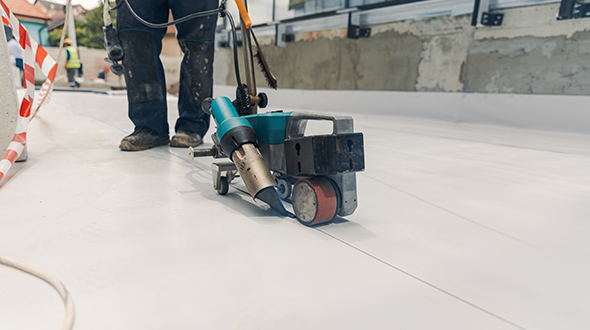
Commercial flat reroofing in progress

Prevent unscrupulous roofers from talking you into something more expensive that you may not need. Knowing the differences between reroofing and roof replacement can help you make informed decisions and better communicate with your roofer.

atlantacommercialroofingcontractors.com gathered the following information about the differences between reroofing and roof replacement and some of the pros and cons with each one.
Reroofing vs. Roof Replacement

When the time comes to fix your commercial or residential roof (structurally or cosmetically), you will often face the choice to have either a reroof or a roof replacement. Consider the following information about each one:

What Is Reroofing?

Commercial flat reroofing job

Reroofing is the process of layering one roofing material over an existing one. This process can only be done once, so if there are two layers of roofing already in place, reroofing is not an option for you.

Because there is no tear-off, reroofing can go much faster and be much less expensive than a complete roof replacement.

Reroofing Pros

Here are some of the advantages of reroofing:

Stronger Support – Since you’re adding a second protective layer, it’s also adding strength to your roof. The extra material strengthens the roof and makes it more difficult for water to get into your house or structure.

Less Expensive – Unlike a full roof replacement, reroofing does not involve the same labor, materials, and time (making it a less expensive option).

Faster Process – Reroofing does not require removing your original roofing material, making this process the fastest way to restore your roof. Reroofing is quick and easy to do. 

Cosmetic Improvement – Many roofing systems end up discolored or dirty over the years. Reroofing can give your structure a total roof “makeover” without fully replacing it.

Reroofing Cons

Here are some of the disadvantages of reroofing:

Hidden Damages – Reroofing only works to cover the current roofing material. A roofer would be hard-pressed to know or detect any existing damages underneath, like sagging or rotting in the substrate. A new layer of shingles will not fix potentially significant issues. 

Two Layer Limit – If you already have two layers of roofing material on your roof, you are prohibited in most municipalities from adding a third layer.

Metal Roofing – If you have a metal roofing system, reroofing is not recommended.

Roof Lifespan – Reroofing may not last as long as completely replacing the roof (existing problems can go unnoticed and cause premature roof failure).

Note: Roofing systems come engineered to support the weight of two layers of roofing. However, they are not typically constructed to support a third layer, and for this, there is a two-layer limit.

What is Roof Replacement?

Completed roof replacement

Roof replacement involves tearing off everything down to the deck then installing new insulation and roofing. Unlike reroofing, a roof replacement can be done no matter how many layers of roofing material are already on the roof, so a replacement can be done even when reroofing is not an option. Because of the extra labor involved, it can be significantly more expensive than reroofing.

Roof Replacement Pros

Here are some of the advantages of a roof replacement:

No Layer Limit – Roof replacements can be done no matter how many layers of roofing are on the substrate.

Early Problem Detection – A replacement enables you to identify early signs of trouble like rot and sagging from water damages to the deck, which can eventually allow water to leak and drip down inside walls where it can cause significant structural damage resulting in costly repairs.

Roofing System Lifespan – Completely replacing the roof makes it last longer than reroofing.

Safer Alternative – Unlike reroofing that may cover up any issues with the deck, like rot, which can eventually cause catastrophic roof failure, a fully revamped roof addresses all issues for a safer and sturdier roofing system.

Roof Replacement Cons

Here is the primary disadvantage of a roof replacement:

Cost – Entirely replacing a roofing system requires more materials, time, and labor than reroofing. It is a significantly more costly project.

Reroof and Roof Replacement Cost Differences

Damaged roof waiting for reroofing or replacement

The same cost factors of reroofing apply to roof replacement, but the average cost to replace a roof is significantly higher than reroofing. This is due to the extra labor to remove all of the old roofing system, as well as prepare the substrate for a new roofing system installation. These tasks significantly increase your costs.

Reroof or Replace

In this article, you discovered the differences between reroofing and roof replacements and their pros and cons.

Knowing what is involved with a reroof and a roof replacement will allow you to have eye-to-eye conversations with your roofer when it comes time to make decisions about your roofing needs.

Ignoring the differences between reroofing and roof replacement can leave you vulnerable to sneaky roofers out to make a fast buck with minimal effort.

Sources:
manufactureredhousing.org/what-is-a-complete-roof-replacement
sites.udel.edu/csweeny/2021/08/16/roof-restorations-and-replacement-is-it-time/

The post Reroofing vs. Roof Replacement Pros and Cons appeared first on atlantacommercialroofingcontractors.com
Wednesday, December 15, 2021

Metal Roof Leaks – Causes and Repairs

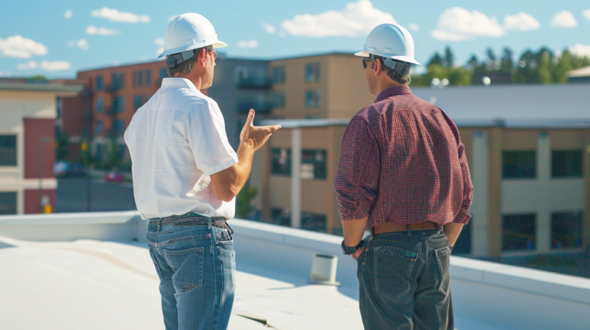
Metal roofs are long lived but will develop leaks over time

Prevent equipment damage, electrical issues, or property damage when your metal roof starts leaking. Knowing how to identify the causes of a leaking metal roof will help you promptly get it repaired.

atlantacommercialroofingcontractors.com gathered the following information about why commercial metal roofing may start to leak and how to get it repaired.
What Causes a Metal Roof to Leak?

When correctly installed, a commercial metal roof can last 40 to 70 years if properly maintained. The following are potential reasons your commercial metal roofing system has sprung a leak and how to fix it:

1. Your Roof is Aging

Over time your roof may leak due to the relentless contracting and expansion from temperature fluctuations, and damages can occur from severe weather events. Such damages may include:

  • Lifted or contorted roofing panels
  • Damage from debris blown onto the roof
  • Improper foot traffic

As time goes by, such problems will arise. While metal roofing systems are built to resist wear, they still become vulnerable as they age.

Your roofing system should be inspected (ideally) twice per year – once in spring and again in late fall. These inspections help you detect damages from blisteringly hot summer and freezing cold winter weather.

Performing these inspections will undoubtedly extend your roofing system’s lifespan. They will also give you far advance notice of when you should begin planning its replacement. Read more about repair and replacement options at atlantacommercialroofingcontractors.com/repair-or-replace/

2. Metal Roofing Screws

Metal roof screws are exposed to the elements

The screws used to install metal roofs are unique in that they are secured by a rubber gasket just under the screw’s head. This gasket forms a water-tight seal between the roofing panel and the screw. It’s a simple design that does a great job at keeping water from penetrating your metal roofing system.

There are many ways roofing screws can fail. This is why it’s so vital to contract the most qualified roofing experts when installing or repairing your roofing system. Common roofing screw failures may include:

  • Misaligned screws (creates a hole beneath the screw with no pressure to form a seal)
  • Under-driven screws (leaves no pressure to form a water-tight seal with the gasket)
  • Over-driven screws (applies too much pressure causing damage to the panel and renders the gasket ineffective)

The only way to accurately identify leaky roofing screws is by performing a detailed visual inspection. Even if your metal roofing screws were driven correctly, it’s still wise to have them inspected every few years, as they can loosen with time from wind, vibrations, shifting, and contractions.

This issue perfectly underscores the absolute necessity of maintaining a maintenance agreement with a reputable commercial roofing company. Read more about commercial roofing maintenance programs at atlantacommercialroofingcontractors.com/maintenance-programs-services/

3. Flashing Damage/Degradation

Your metal roofing system is most vulnerable wherever flashing is used to seal overlaps, penetrations, and transitions. This results from the material used to create the seal being damaged by the constant moving, vibrations, or expanding and contracting of the metal roof panels.

To prevent this sort of leak, a sealant or butyl tape is recommended to seal joints, penetrations, and overlaps. Only a sealant or tape product designed specifically for metal roofs should be used. Typical silicone caulking (frequently utilized as a sealant in other types of roofing systems) won’t always adhere to metal roof surfaces and likely will not maintain its seal.

4. Curb Flashing Challenges

On commercial metal roofing systems, you will find HVAC units usually sitting on curbs. Installing metal roof panels is a relatively straightforward process, but it’s the flashing that will present a challenge to your roofer. HVAC systems offer little to no room for mistakes or poor installment when applying this flashing and ultimately keeping a curb dry.

The uphill side of curbs and the two upper corners of the curb flashing are the more challenging areas, especially on more massive HVAC units. Water often gets trapped behind the unit and pools behind the flashing, eventually eroding sealants and causing leaks to begin.

This issue is most often treated by resealing the area or applying more tape. The more efficient way to solve this type of malfunction is to remove the affected panels and start over.

5. Seam and Overlap Leaks

Seams created where 2 sheets of metal roofing overlap one another will often leak due to a condition referred to as capillary draw. Capillary Draw happens when water can incredibly travel uphill in the small space between two tightly joined metal sheets.

An appropriate sealant or butyl tape between the two metal sheets can interrupt the capillary draw condition. However, if not used correctly, the sealant or tape may make leaks worse than before.

Restrict Access to Your Roofing System

A word of caution – Do not walk on your metal roof unless you know where you are stepping and what you are doing.

You can do more damage to your metal roof by walking on it without knowing what you are doing than any good you might do by checking the roof’s condition.

Metal roofing systems can be extremely slippery when damp, moist, or wet causing a severe slip hazard. And debris on your shoes can severely scratch/damage the finish and integrity of your metal roof. It’s better to leave that all to your roofing professionals.

Metal roofs can leak when people walk on them

Commercial Metal Roof Leaks and Repairs

In this article, you discovered multiple reasons a commercial metal roofing system may be leaking, common flashing challenges, and how to stop these leaks.

Knowing how to identify, stop, and prevent roof leaks in your metal roofing system will help you extend its lifespan potentially by decades.

Allowing your metal roof to fall into disrepair may cause costly structural damages, company equipment damage, and catastrophic roof failure.

Sources:
nasdonline.org/static_content/documents/2030/d001498.pdf
apps.floridadisaster.org/hrg/downloads/metal_roof_checklist.pdf
ssrma.org/resources/managerresources/resourcesmaintenance/common-metal-repair-procedures/

The post Metal Roof Leaks – Causes and Repairs appeared first on atlantacommercialroofingcontractors.com
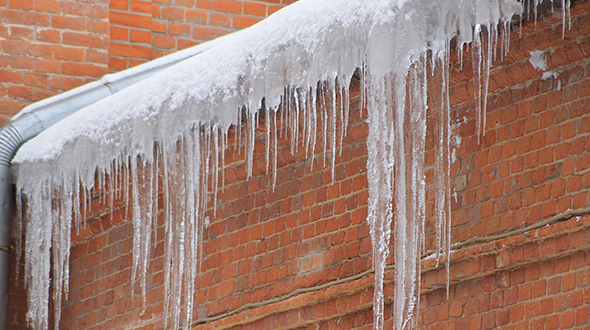
Can Roof Shingles Be Painted?

Many property owners wonder whether painting their roof is a viable way to refresh its appearance without the expense of a full replacement....