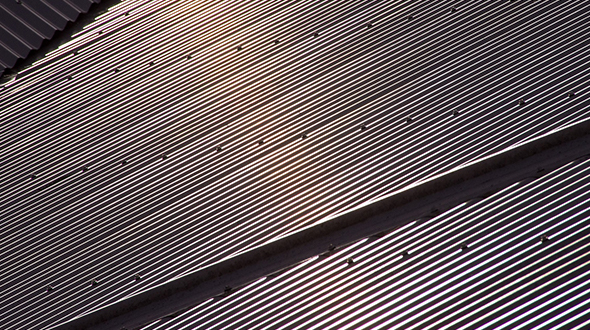
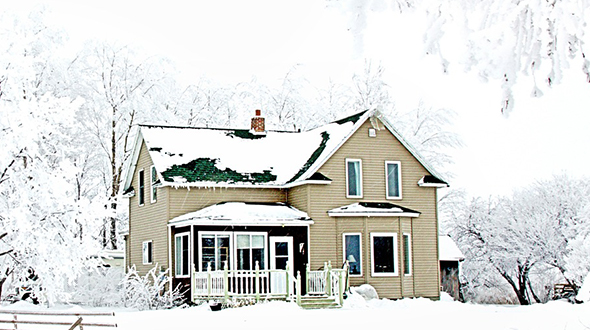
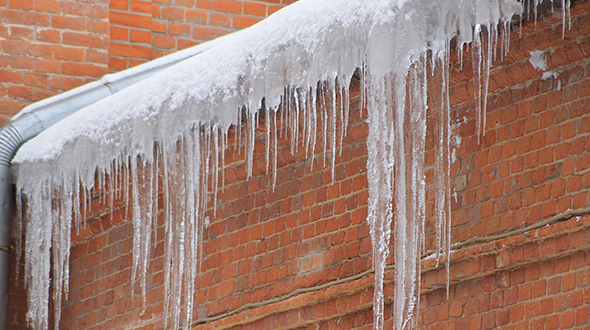
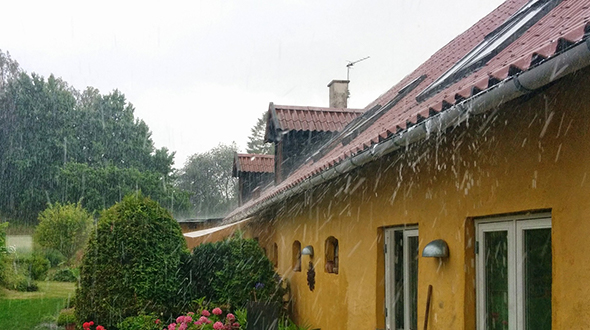
Showing posts with label Commercial Roofing Atlanta. Show all posts

Saturday, December 13, 2025

What is Commercial Roofing?

When you walk into a sprawling warehouse, shop at a retail center, or work in a modern office building, you’re protected by sophisticated roofing systems that operate on an entirely different scale than residential homes. Commercial roofing represents a specialized field that encompasses far more than simple weather protection—it’s about safeguarding business operations, managing energy costs, and maintaining critical infrastructure that keeps commerce running smoothly.

what is commercial roofing

Understanding what commercial roofing entails is essential if you’re responsible for a commercial property. From the materials used to the installation process, maintenance requirements, and long-term costs, commercial roofing systems differ dramatically from residential roofs in ways that directly impact your bottom line and operational continuity.

Definition of Commercial Roofing

Commercial roofing covers the installation, repair, and maintenance of roofing systems on commercial buildings, warehouses, factories, retail stores, and office complexes. These sophisticated systems protect commercial properties typically exceeding 10,000 square feet and must handle significantly heavier loads than residential roofs ever encounter.

Unlike residential roofs, which primarily focus on aesthetic appeal and basic weather protection, commercial roofs must support substantial HVAC equipment, industrial machinery, and frequent foot traffic from maintenance personnel. A typical commercial building might have multiple rooftop units weighing thousands of pounds, solar panel installations, cooling towers, and regular access for maintenance teams—demands that residential roofs aren’t designed to handle.

The primary purpose extends beyond protecting the structure itself. These roofing systems safeguard business operations, inventory valued at potentially millions of dollars, employees, and customers from weather elements such as rain, snow, hail, and wind. When a commercial roof fails, the consequences ripple through every aspect of business operations, making reliability and durability paramount concerns.

Commercial properties encompass a vast range of building types, from small retail buildings covering 5,000 square feet to massive distribution centers spanning over 500,000 square feet. Each requires a carefully engineered roofing system designed to meet specific performance criteria, building codes, and operational requirements that vary significantly based on the building’s intended use.

How Commercial Roofing Differs from Residential Roofing

The differences between commercial and residential roofing systems extend far beyond simple size considerations, encompassing fundamental design philosophies, structural requirements, and performance expectations that reflect the distinct needs of business versus residential environments.

Design and Structure

Commercial roofs are typically flat or low-slope, with pitches less than 3:12, compared to residential roofs, which feature steep pitches ranging from 4:12 to 12:12. This fundamental difference stems from functional requirements—commercial buildings prioritize maximizing interior space utilization and accommodating rooftop equipment, while residential buildings emphasize aesthetic appeal and efficient water runoff.
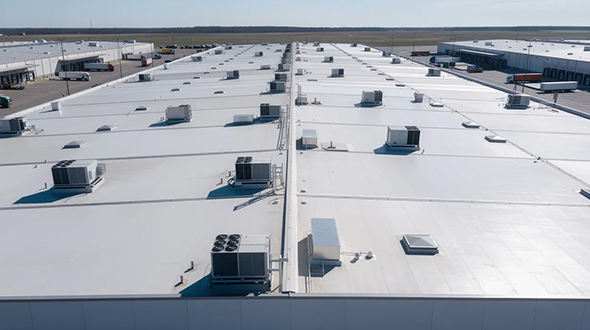
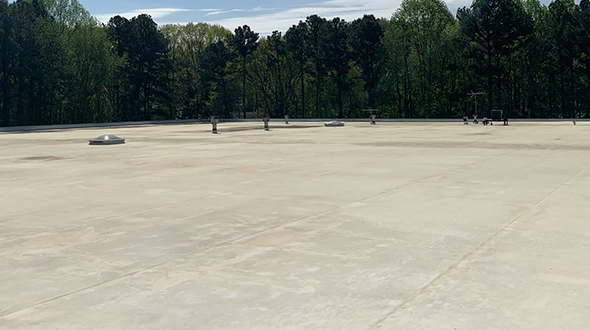
large warehouse featuring a flat commercial roof with visible HVAC equipment

Commercial structures span much larger areas, often covering 50,000 to 500,000 square feet, compared to residential roofs, which average 1,500 to 3,000 square feet. This massive scale creates unique engineering challenges, particularly regarding thermal expansion and contraction across vast roof surfaces, structural load distribution, and effective water management systems.

Flat commercial roofs require sophisticated drainage systems, including internal drains, scuppers, and specialized gutters, to prevent water pooling—a critical concern, as standing water can compromise membrane integrity and create structural problems. These drainage systems must handle substantial water volumes during intense storms while preventing backup that could flood interior spaces.

Commercial roofs must support rooftop equipment weighing thousands of pounds, including chillers, cooling towers, exhaust fans, and increasingly common solar panel arrays. This equipment placement requires careful structural analysis and reinforcement, along with accessible maintenance pathways that don’t compromise the roofing system’s waterproof integrity.

Materials Used

Commercial roofs utilize fundamentally different materials designed for durability, performance, and large-scale application rather than aesthetic appeal. Single-ply membranes like TPO (Thermoplastic Polyolefin), PVC (Polyvinyl Chloride), and EPDM (Ethylene Propylene Diene Monomer) dominate commercial applications due to their ability to cover large areas seamlessly and provide long-term weather resistance.

Modified bitumen systems and built-up roofing (BUR) with multiple asphalt and reinforcement layers remain common for commercial applications where extreme durability and puncture resistance are priorities. These multi-layer systems provide redundancy that single-ply systems cannot match, making them ideal for high-traffic commercial environments.

Metal roofing systems, including standing seam steel and aluminum panels, are designed for large spans and can support substantial loads while providing decades of service life. These systems often incorporate specialized coatings and insulation configurations optimized for energy efficiency in large buildings.

In contrast, residential roofs primarily use asphalt shingles, clay tiles, slate, or cedar shakes chosen for aesthetic appeal and weather protection rather than load-bearing capacity or large-scale performance. While some overlap exists in materials like metal roofing, the specifications, installation methods, and performance requirements differ substantially between residential and commercial applications.

Types of Commercial Roofing Systems

Commercial roofing encompasses several distinct system types, each engineered to address specific performance requirements, building characteristics, and operational needs. Understanding these systems helps property owners make informed decisions about new installations, replacements, and maintenance strategies.

Single-Ply Membrane Roofing
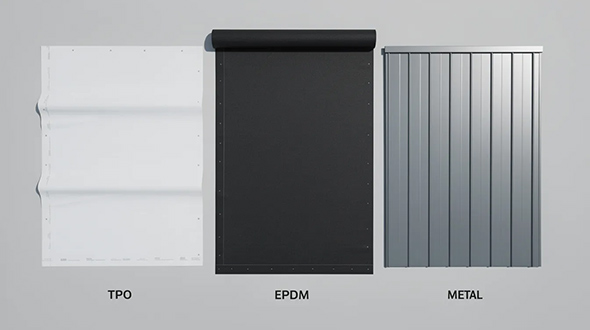
single ply commercial roofing membranes TPO, EPDM, and metal roofing

Single-ply membranes are the most widely used commercial roofing materials for flat roofs, offering efficient installation, proven performance, and energy-efficiency benefits that align with modern building requirements and environmental regulations.

TPO roofing has gained significant market share due to its energy efficiency benefits, featuring white reflective surfaces that can reduce cooling costs by 15-20% in hot climates. These thermoplastic membranes are heat-welded at seams, creating monolithic waterproof barriers that resist wind uplift, chemicals, and UV degradation. TPO systems typically provide a 20-25-year service life with proper maintenance.

PVC roofing membranes offer superior chemical resistance, making them ideal for restaurants, food processing facilities, and industrial properties that are exposed to grease or chemicals. These membranes resist many oils, greases, and chemicals that can degrade other roofing materials, while offering excellent fire resistance and energy efficiency. PVC systems provide exceptional durability in challenging environments.

EPDM roofing delivers outstanding weather resistance and flexibility, maintaining performance characteristics across extreme temperature ranges. Black EPDM absorbs heat, which can benefit heating costs in cold climates but may increase cooling loads in warmer regions. White EPDM formulations address energy efficiency concerns while maintaining the material’s proven durability. EPDM systems can last 25-30 years with proper maintenance.

Installation of single-ply membranes involves mechanically fastening, fully adhering, or ballasting membranes to create watertight seals. Mechanical attachment uses fasteners through insulation into the roof deck, while fully adhered systems use specialized adhesives for complete bonding. Ballasted systems place loose stone over membranes, providing wind resistance through weight rather than attachment.

Built-Up and Modified Bitumen Roofing

Built-up roofing (BUR) systems use alternating layers of bitumen and reinforcement fabric, creating robust multi-ply membranes topped with gravel or mineral cap sheets. These time-tested systems provide excellent redundancy—if one layer develops issues, underlying layers continue protecting the building while repairs are planned and executed.

The installation process involves applying hot asphalt or coal tar between reinforcing plies, building up waterproof membranes in multiple layers. Surface treatments typically include gravel embedment for UV protection and fire resistance, though smooth-surfaced systems with mineral cap sheets are also common. BUR systems excel in high-traffic areas and can withstand heavy equipment installation better than single-ply alternatives.

Modified bitumen systems combine traditional asphalt technology with modern polymer science, incorporating rubber or plastic modifiers that enhance flexibility and durability. SBS (styrene-butadiene-styrene) modified systems remain flexible at low temperatures, while APP (atactic polypropylene) modified systems provide enhanced high-temperature performance and UV resistance.

These systems can be installed using torch application, hot mopping, cold adhesives, or self-adhering methods, depending on specific product formulations and project requirements. Multi-ply configurations typically involve a base sheet adhered to the substrate, followed by one or more intermediate plies, and finished with a mineral-surfaced cap sheet.
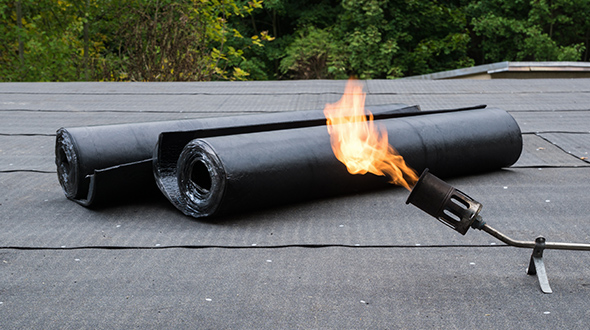
modified bitumen roofing system installation

Both BUR and modified bitumen systems typically provide service lives of 20-25 years, depending on climate conditions, maintenance quality, and installation workmanship. These systems cost $6-12 per square foot installed, reflecting their labor-intensive installation requirements and robust material specifications.

Metal Commercial Roofing

Metal roofing systems, particularly standing seam systems, offer exceptional longevity and performance for commercial applications. Standing seam systems use interlocking panels that run continuously from eave to ridge, with raised seams that accommodate thermal movement while concealing all fasteners beneath the seams.

Galvanized steel represents the most common metal roofing material, providing excellent strength-to-weight ratios and corrosion resistance when properly coated. Aluminum systems offer superior corrosion resistance and lighter weight, making them ideal for coastal environments or buildings with limited structural capacity. Both materials can support significant snow loads and equipment installations while maintaining structural integrity.

Cool metal roofing incorporates specialized reflective coatings that can reduce energy costs by up to 25% compared to traditional roofing materials. These coatings reflect solar radiation while maintaining high thermal emittance, keeping roof surfaces cooler and reducing air conditioning demands in commercial buildings.

Metal roofing systems provide 40-60 year lifespans with minimal maintenance requirements, making them attractive for long-term ownership scenarios despite higher initial costs. The systems excel in areas with severe weather conditions, providing excellent wind resistance, fire protection, and hail damage resistance.

Installation requires specialized expertise in metal fabrication, thermal movement accommodation, and weather sealing details. Proper installation ensures seams remain watertight throughout decades of thermal cycling while allowing for the substantial movement that occurs across large metal roof surfaces.

Commercial Roofing Installation and Maintenance

Commercial roofing projects involve complex coordination, specialized equipment, and strict adherence to safety protocols that distinguish them from residential installations. The scale, complexity, and performance requirements of commercial properties demand professional expertise and comprehensive planning throughout the project lifecycle.

Installation Process
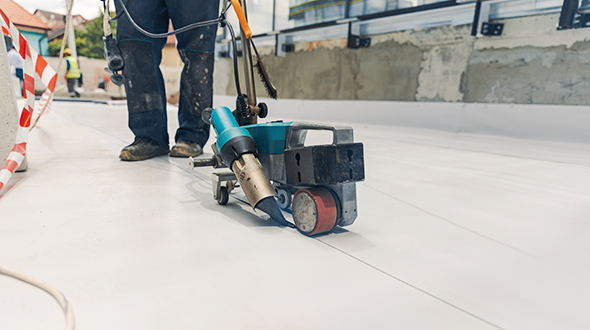
commercial roofing crew installing TPO membrane installation

Commercial roof installations require specialized equipment, including cranes, hot air welders, material hoists, and safety systems designed for large-scale operations. Projects typically require 1-4 weeks, depending on building size, weather conditions, and system complexity, with detailed scheduling to minimize business disruption during installation.

The installation process begins with thorough substrate preparation, including structural assessments, removal of the existing roof when necessary, and deck repairs or modifications to meet current building codes. Insulation installation follows, with commercial buildings typically requiring R-25 to R-30 insulation values in most climate zones to meet energy efficiency requirements.

Installation must comply with stringent building codes, fire ratings, and wind uplift requirements specific to commercial structures. These requirements often exceed residential standards significantly, particularly regarding fire resistance classifications and wind uplift ratings that can exceed 90 pounds per square foot in high-wind zones.

Quality control throughout installation involves multiple inspections, testing of membrane seams, verification of fastener patterns, and documentation of all system components. Many commercial roofing projects require third-party inspections and testing to validate warranty compliance and building code conformance.

Weather coordination becomes critical for commercial installations due to project scale and exposure duration. Contractors must have contingency plans for precipitation protection, wind limitations for crane operations, and temperature requirements for membrane installations and adhesive applications.

Maintenance Requirements

Commercial roofs require professional inspections twice annually—typically in spring and fall—to identify potential issues before they develop into costly problems. These comprehensive inspections examine membrane surfaces, seams, flashings, drainage systems, and rooftop equipment interfaces for signs of deterioration or damage.

Regular maintenance includes cleaning debris from drains and gutters, inspecting membrane seams for separation, checking flashing around penetrations, and ensuring rooftop equipment hasn’t compromised membrane integrity through vibration or improper installation practices. Drainage system maintenance is particularly critical, as clogged drains can cause ponding water that accelerates membrane aging and creates structural concerns.

Preventive maintenance programs can extend roof service life by 50% while preventing approximately 85% of potential leaks when properly implemented. These programs include scheduled inspections, minor repairs, resealing of flashings, and proactive replacement of deteriorating components before failure occurs.

preventive roof maintenance program

Emergency repairs must be addressed within 24-48 hours to prevent interior damage and business disruption. Commercial roofing contractors maintain emergency response capabilities, including temporary waterproofing systems that can protect interior spaces while permanent repairs are planned and executed.

Documentation of all maintenance activities, repairs, and inspections is essential for warranty compliance and asset management planning. Many commercial property owners maintain detailed roof condition databases that track performance trends, maintenance costs, and replacement timing for budgeting purposes.

Why Specialized Commercial Roofers Are Necessary

The complexity and specialized nature of commercial roofing systems demand contractors with specific training, experience, and capabilities that extend far beyond general construction or residential roofing expertise. These requirements reflect the critical nature of commercial roofing systems and their impact on business operations.

Commercial roofers require extensive training in fall protection systems, OSHA safety protocols, and safe working procedures around industrial equipment and occupied buildings. Working on commercial properties often involves complex safety coordination with ongoing business operations, requiring contractors who understand how to minimize disruption while maintaining strict safety standards.

Understanding building codes, fire ratings, and structural load requirements for commercial applications requires specialized knowledge that general contractors typically don’t possess. Commercial buildings must meet stringent performance standards for wind uplift resistance, fire classification, and energy efficiency that demand expertise in system design and installation methods.

Commercial roofing contractors carry substantially higher insurance coverage—typically $2-5 million in liability protection—due to project complexity, property values, and potential business interruption costs. This insurance reflects the higher risks associated with commercial work and provides property owners with protection against potential failures in installations or materials.

Experience with specialized techniques like membrane welding, modified bitumen installation, and complex flashing details is essential for quality workmanship. These skills require extensive training and practice that residential roofers typically don’t develop, as the techniques and materials are specific to commercial applications.

Commercial contractors also maintain relationships with specialized manufacturers and suppliers, ensuring access to commercial-grade materials and technical support throughout project execution. These relationships often include manufacturer training certifications that validate installer qualifications for warranty compliance.

Commercial Roofing Costs and Considerations

Commercial roofing represents a significant capital investment that requires careful financial planning and analysis of long-term costs versus benefits. Understanding the factors that influence costs helps property owners make informed decisions about system selection, contractor choice, and timing of replacement projects.

Commercial roofing costs range, depending on materials, building height, accessibility, and project complexity. This broad range reflects the substantial differences between basic single-ply installations and complex multi-story projects with extensive rooftop equipment and challenging access requirements.

TPO and EPDM roofing systems are popular choices for cost-conscious property owners who need reliable performance without premium pricing. These systems provide good value through proven durability, energy efficiency benefits, and relatively straightforward maintenance requirements.

Metal roofing systems have a higher material costs and specialized installation requirements. However, metal systems often provide superior long-term value through extended service lives, minimal maintenance requirements, and excellent energy efficiency, which can offset higher initial costs.

Several factors significantly impact project costs beyond basic material selection. Roof accessibility affects labor costs and equipment requirements, with high-rise buildings or complex roof configurations requiring specialized equipment and additional safety measures. Existing roof removal adds to project costs when complete tear-offs are necessary.

Insulation upgrades often accompany commercial roof replacements, particularly when buildings need to meet current energy codes. Insulation costs range depending on thickness and material selection, but energy savings often justify these investments through reduced utility costs over the roof’s service life.
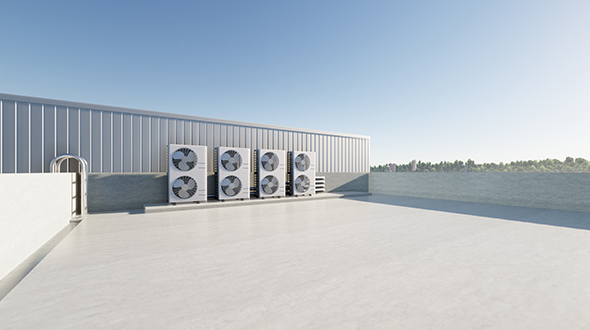
commercial roofing

Commercial roofing projects represent major investments ranging from $50,000 for small retail buildings to over $500,000 for large distribution centers or office complexes. This investment scale requires careful contractor selection, thorough contract review, and comprehensive warranty evaluation to protect the property owner’s interests.

Financing considerations often influence project timing and scope, with many property owners coordinating roof replacements with other building improvements to maximize efficiency and minimize business disruption. Lifecycle cost analysis becomes critical when comparing system options, as seemingly expensive systems may provide superior value over 20-30 year analysis periods.

Selecting a professional roofing contractor with commercial expertise, proper licensing, insurance coverage, and manufacturer certifications is essential to protecting this substantial investment. Quality installation directly impacts system performance, longevity, and warranty compliance, making contractor selection as important as material choice for long-term success.

When evaluating commercial roofing options for your property, consider working with experienced commercial roofing contractors who can provide detailed proposals, lifecycle cost analysis, and comprehensive warranty coverage. The complexity and investment level of commercial roofing systems make professional expertise essential for achieving optimal results that protect your business operations for decades to come.

Atlanta Commercial Roofing Contractors

Atlanta, GA
(404) 220-9288

The post What is Commercial Roofing? appeared first on atlantacommercialroofingcontractors.com

Monday, April 24, 2023

What is a Parapet Wall – Definition and Purpose

Parapet walls are vertical treated or flashed extensions of a roofing system

Need help understanding why there is a wall around your structure’s roof? Knowing why parapet walls are necessary and what they do will help you better appreciate their cost and maintenance.

atlantacommercialroofingcontractors.com gathered essential information about what a parapet wall is, the types of parapet walls, why they are built around a roofing system, and how they drain water from a roof.
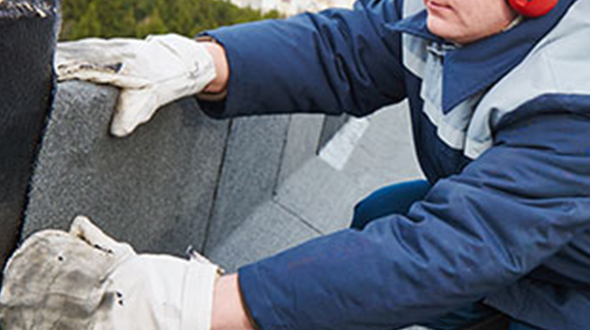
What is a Parapet Wall

Parapet walls are typically short and thin walls constructed at the edges of a building’s roof, preferably around its perimeter. A parapet wall can be constructed as a balustrade or other architectural shapes. Parapets can also be found in houses, bridges, walkways, balconies, and other elevated surfaces.

Parapet walls are principally found on flat roofs, extending the vertical wall at the side of a house or building past the roofline. They’re usually required when you want the roof to double as a terrace, balcony, facilities area, or walkway, helping to keep the area as safe and protected as possible.

Types of Parapet Walls

Parapet walls can be paneled sloped embattled plain or perforated

A parapet wall can be constructed using materials like reinforced cement concrete, brick, steel, aluminum, glass, etc. Consider the following:

Plain Parapet Walls – These are nothing more than a vertical extension of the wall at the edge of a roofing system. It is a general type of parapet wall specifically designed and constructed for safety concerns.

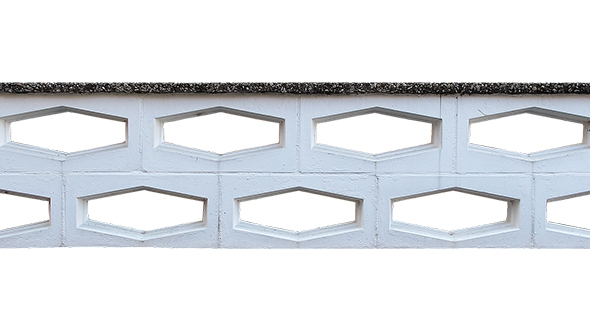
Perforated Parapet Walls – A perforated parapet wall is also an extension of the wall like a plain parapet, but the extended wall portion is perforated with different-sized and shaped openings complimenting the aesthetic appearance of the structure.

Embattled Parapet Walls – These parapets harken back to the olden days, especially used for castles, forts, etc. Alternative low and raised portions and strategic perforations are provided in the parapet. Archers typically used these perforations to shoot arrows through in a castle’s defense.

Note: Their beautiful appearance and uniqueness have them being constructed around modern structures to enhance their aesthetic appeal.

Paneled Parapet Walls – These parapet walls are similar to plain parapets but are ornamented with panel designs on the outside of the parapet wall.

Sloped Parapet Wall – Sloped parapet walls are used for sloped roof structures like industrial constructions, trussed structures, etc.

Stepped Parapet Wall – These parapet walls are also used for inclined roofing systems. The parapet wall is typically built in a staircase-type (step) design.

Flat Parapet Wall – Flat parapet walls are typically recommended for flat roofs.

Arched Parapet Wall – Curved or arched parapet walls are recommended for flat and inclined roofs.

Parapet walls have multiple significant purposes, including the following:

  • To prevent dust and debris from collecting on the rooftop or getting into the HVAC system.
  • To prevent any gathered debris on the rooftop from falling.
  • To avoid high wind loads from severely impacting or damaging the enclosed roofing system.
  • To provide an aesthetic look to a structure, typically increasing its curb appeal.
  • Sufficiently tall parapet walls provide permanent safety protection for people when on a rooftop (inspections, maintenance, and equipment servicing) and on bridges to keep vehicles from falling or driving off the bridge.
  • To hide and prevent any equipment or machinery from ruining the structure’s aesthetics or falling off the rooftop.
Parapet walls protect people from plummeting off a roof

Note: Parapet walls are typically part of a structure’s original design.

How Do Parapet Walls Drain?

Scuppers. Roof scuppers are rectangular outlets in a parapet wall at a roof’s edge that function as a drainage device. Scuppers allow water to freely drain through an opening in a roof’s edge and are one of the most common and effective ways flat roofs drain.

Note: Scuppers are typically used in conjunction with gutters and downspouts to divert water to a desired location.

Parapet Wall

In this article, you discovered what a parapet wall is, different types of parapet walls, and how they protect a roofing system and people.

Understanding why your roof requires a parapet wall will help you better appreciate the associated construction cost and maintenance.

Improperly installed and maintained parapet walls can create a severe hazard for anyone on your roof, permit extensive wind and storm damage, and prevent your roof from properly shedding water.

Sources:
cdc.gov/niosh/docs/2014-108/pdfs/2014-108.pdf
osha.asu.edu/Resources/Documents/NIOSH2014-108.pdf
ehss.vt.edu/programs/FAL_general.php
copper.org/applications/architecture/arch_dhb/arch-details/gutters_downspouts/scuppers.html

Atlanta Commercial Roofing Contractors

Atlanta, GA
(404) 220-9288

The post What is a Parapet Wall – Definition and Purpose appeared first on atlantacommercialroofingcontractors.com
Friday, March 17, 2023

Slate Roofing Advantages and Disadvantages

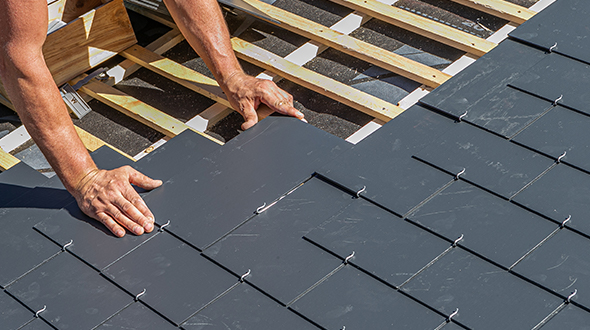
Slate roofing system

Need help determining if a slate roofing system is a suitable choice for your structure? Understanding the advantages and disadvantages of installing a slate roof will help you select the right roof for your structure and circumstances.

atlantacommercialroofingcontractors.com gathered essential information about slate roofing systems, their advantages, and disadvantages and answered some frequently asked questions.
What is Slate Roofing?

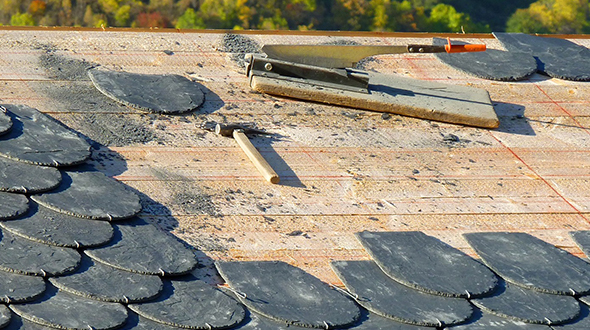
A slate roof is a premium roofing system made from natural slate tiles and other slate roofing components (slate is a fine-grained, metamorphic rock derived from a shale-type of sedimentary rock composed of clay and volcanic ash). Slate is among the most beautiful and long-lasting roofing systems available on today’s market. Because of its aesthetics, shingle manufacturers make asphalt or composite shingles to mimic the appearance of a slate roof.

Slate Roof Advantages

There are many excellent reasons for selecting a slate roofing system for your structure. Consider the following advantages:

Fire Resistance – As a stone product, slate is entirely fire resistant, unlike asphalt or composite shingles and other roofing materials. A slate roof naturally resists intense heat and fire. Slate roofing systems are ideal if wildfires and bushfires are a significant concern near your structure.

Multiple Color Availability – Slate comes in a variety of colors. The more common are grey, black, various green shades, deep purple, brick red, and other shades. The presence of carbonaceous matter (decaying marine organisms on ancient sea floors produces black-colored slate). Iron compounds generate red, purple, and green hues.

Low Maintenance – Beyond inspecting for broken or loose tiles and cleaning valleys and gutters, a slate roof requires no other significant maintenance.

Long Lifespan – With proper installation, care, and maintenance, a slate roof can last over 100 years; some roofs can exceed 150 years. In contrast, asphalt shingle roofs must be replaced every 20 to 30 years, wood shingles may only last 15 to 25 years, and even most metal roofs will not last over 50 years.

Minimal Waste – When a slate roof must be replaced, the slates can often be re-used. Rather than discarding them, they may be recycled on another roofing project, used in flooring, building garden pathways or driveways.

Slate roofing system removal

Energy-Efficient – Slate is a naturally energy-efficient material. It is very dense and can keep your structure cooler in the summer (prevents hot air from invading the attic space. The heavy, dense slate material in winter prevents warm air from escaping. Slate helps you save on your heating and cooling bills throughout the year.

Note: According to energy.gov, light-colored polymer slate shingles are considered a “cool” roofing option. Slate (metamorphic rock) tiles are not typically considered cool.

Cost Effective – A slate roof installation or replacement is expensive. However, the material superiority and craftsmanship will provide years (potentially generations) of continued service. Over the long term, natural slate tends to be a significantly better investment because several roofing systems (using other materials) will have to be installed during the lifespan of a single natural slate roof.

Slate Roof Disadvantages

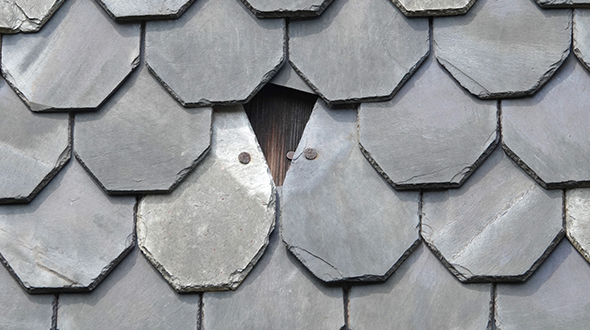
Damaged slate roofing system

While slate roofing systems are superior to other roofs in several ways, some drawbacks must be taken into account, including the following:

Roof Weight – Slate shingles weigh approximately 650 to 1,800 pounds per square (1 square equals 100 square feet). Lighter-weight asphalt shingles typically weigh only about 200 pounds per square. Slate’s increased weight means some structures may require significant reinforcement before a slate roofing system can be installed, which increases project costs.

Foot Traffic – While slate is exceptionally durable, it does not hold up well to foot traffic. This means someone hired to service your external A/C unit or clean out your gutters walking on your roof can cause extensive damage to tiles.

Note: Professional roofers use hook ladders, jacks, and planks on slate roofing, allowing them to walk on the roofing system without damaging it.

Installation Requires Specialized Roofers – Typically, the average roofing contractor is not qualified to install a slate roofing system. Slate roofs require specialized installation from master slaters. Hiring a specialized roofing contractor means you’ll pay significantly more for your roof.

High Cost – Slate is among the most expensive roof material. That doesn’t mean it’s not a good investment. While it’s significantly more costly than other roofing materials, slate will easily last 100 years or more, making it a more equitable investment over its lifespan.

Note: The elevated up-front cost of a slate roof may make it too costly for some property owners, particularly those who will occupy the structure for a brief period.

What is the biggest problem with slate roofs?

The biggest problem with slate roofing systems is their excessively heavy weight. Except for clay tiles, no other “conventional” roofing product is as heavy. Per roofing square (or 100 square feet), slate weighs from 650 to 1,800 pounds.

Do you need to vent a slate roof?

Providing adequate attic ventilation is fundamental for all roofing systems, even when using a breathable underlay.

Can You Walk on a Slate Roof

No. While slate is durable, it can crack under direct pressure. Professional roofing technicians use hook ladders, jacks, and planks for weight distribution on slate roofing. Even when properly installed, foot traffic, falling tree branches, or sudden impacts can cause slate roof tiles to crack. Damaged slate tiles can result in leaks and costly repairs.

Slate Roof

In this article, you discovered what a slate roofing system is, its advantages and disadvantages, and answers to several frequently asked questions.

Knowing the pros and cons of a slate roofing system will help you select the most appropriate roofing system for your structure.

Your failure to understand the benefits and potential consequences of installing a slate roofing system can result in structural damages or personal injury.

Sources:
nps.gov/articles/should-i-replace-my-slate-roof-with-a-synthetic.htm
energy.gov/energysaver/cool-roofs
usenaturalstone.org/installing-a-slate-roof/

Atlanta Commercial Roofing Contractors

Atlanta, GA
(404) 220-9288

The post Slate Roofing Advantages and Disadvantages appeared first on atlantacommercialroofingcontractors.com
Monday, February 20, 2023

Everything You Need to Know about Roof Ventilation

Roof or attic vents are essential to removing hot air from the roofing system

Need help figuring out if your roof or attic has anything to do with why your home overheats during sunny, hot days? Understanding why your roof’s ventilation is crucial to its lifespan and your home’s comfort will help ensure it is properly ventilated.

atlantacommercialroofingcontractors.com gathered essential information about roof ventilation, what it is, and why it is a necessary component of your roofing system.
What is Roofing Ventilation?

Roof ventilation is a combined system of intake and exhaust vents providing air circulation to keep the atmosphere inside a home comfortable. Without adequate in and out passages in roof ventilation, hot air gets trapped within your home, causing multiple problems for your property (especially its roofing system).

How to Ventilate a Roof

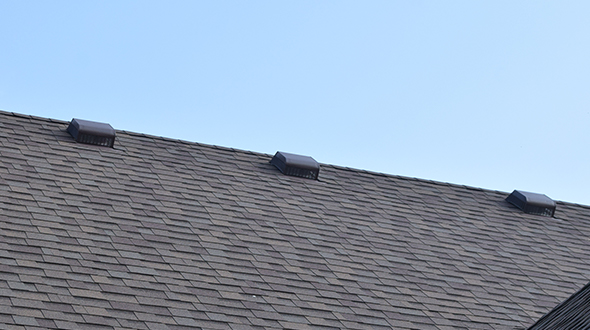
Roof vents are typically installed at a roof’s peak, where the internal air rises naturally. Adding roof vents to your attic ensures warm, moist air can escape, preventing heat buildup and condensation. Like other roof components, you should periodically check your roof vents to ensure they are debris free.

How Many Roof Vents Should a House Have?

Roof or attic vents are typically spaced to accomplish sufficient ventilation

As a general guideline, your roof needs one square foot of vent for every 300 square feet of ceiling space (if your roof has a vapor barrier). If not, your roof should have one square foot of vent for every 150 square feet of ceiling space.

What Happens When a Roof is Not Ventilated?

Poor or non-existent roof or attic ventilation can cause attic temperatures to reach or exceed 150 degrees in summer. These high temperatures can lead to damaged shingles and other roofing materials, a buildup of condensation, and mold or mildew development. Some signs that your roof is improperly ventilated include the following:

  • Excessive moisture in the attic
  • Excessive temperatures inside your home
  • Visible (often premature) roof damage from moisture
  • Ice dams form in the winter months
  • Visible damage from moisture inside the home
  • Dry rot of roofing components

A maintenance program, including periodic roof inspections, can help you detect these issues early or prevent them altogether.

Tip: Contract a professional roofer to ensure that your roof’s ventilation is installed properly and is functioning as it should.

Should I Cover Roof Vents in the Winter?

No. You should leave your roof vents open during the winter months. During the winter, roof ventilation works to keep temperatures even. Closing your roof’s vents makes the attic space too warm and dry – dangerous conditions favoring mold and pests.

Can Rain Come in Through Roof Vents?

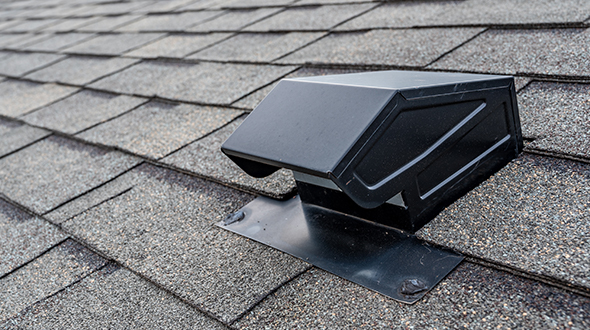
Yes. Some roof vents sit flat to the roof, with a “mushroom” hood and unprotected sides. On occasion, hard driving rain with strong wind will cause roof vents to leak. If your roof vent leaks during severe rainy weather, the rain may be wind-driven under the hood and into the vent.

Are Powered Roof Vents Worth the Investment?

Yes and no. While powered attic ventilators can offer some relief in the summer, how they do it is often not ideal or cost-effective. They can steal air from the home’s conditioned space, forcing air conditioning units to work harder, use more energy, and significantly increase utility bills.

Roof Vent Types

Metal roof vents are essential to cooling a structures attic space

The best roof ventilation systems extend the life of your roof and help lower your home’s energy bills. Different roof vents are more effective than others, but each type of vent has the essential task of either removing air from your attic (exhaust) or bringing fresh air in (intake). Consider the following roof vent types:

  • Ridge vents (most common exhaust)
  • Soffit vents (most popular for intake)
  • Off ridge vents
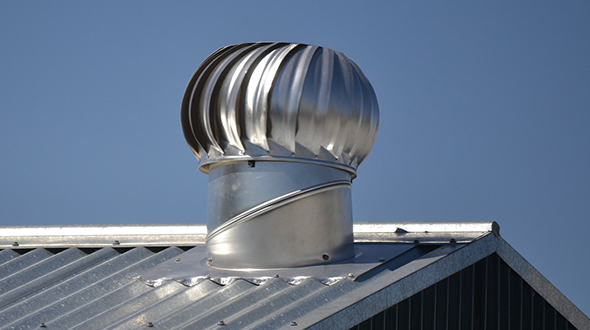
  • Roof turbines (whirlybird ventilation)
  • Box vents (louver vents)
  • Gable vents
  • Hard-wired (powered vents)
  • Solar-powered vents
  • Cupola vents

Roof vents are typically classified as exhaust or intake vents. Consider the following:

Exhaust Vents – Because hot air rises, exhaust vents are typically placed towards the roof line’s top. The most common exhaust vents used for modern roofing systems are ridge vents.

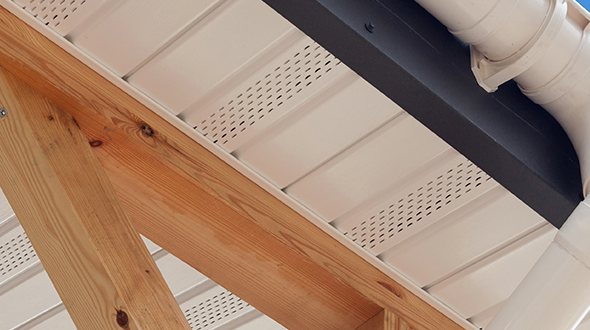
Intake Vents – Cooler air comes into your attic through intake vents placed lower on the roof line than its exhaust vents. Because cooler air enters underneath hot air (and because hot air rises), intake ventilation helps push hot air out of the attic.

Soffit vents are used to allow cooler air to enter attic space

How Much Does Roof Vent Installation Cost?

Roof vent installation costs can range from $300 to $1,000 (labor and materials). Prices may vary depending on the type of vent and if it is installed during or post-roof installation.

Tip: As material pricing is subject to supply and demand, inflation, etc., consult your professional roofer for the most current material and labor pricing.

Roof Ventilation

In this article, you discovered essential information on roofing ventilation and why it is necessary for your roofing system’s longevity and ability to maintain cool temperatures in your home.

Knowing why roof ventilation is so crucial will help you ensure it is installed correctly, extending your roof’s lifespan and causing less demand on your air conditioning system.

Allowing your roof to go improperly ventilated will result in damaged roofing material, a buildup of condensation in your attic, and intolerable temperatures in your home.

Sources:
energystar.gov/campaign/seal_insulate/do_it_yourself_guide/about_attic_ventilation
fema.gov/sites/default/files/documents/fema_p-737-vents-technical-fact-sheet-8.pdf
advancedenergy.org/2019/10/01/are-power-attic-ventilators-smart-to-use/
iibec.org/attic-ventilation-101/

Atlanta Commercial Roofing Contractors

Atlanta, GA
(404) 220-9288

The post Everything You Need to Know about Roof Ventilation appeared first on atlantacommercialroofingcontractors.com
Thursday, January 12, 2023

Environmentally Friendly Roofing Systems

Environmentally friendly roofing systems

Need help determining which environmentally friendly roofing system to install on your building? Knowing what eco-friendly roofing options you have will help you avoid installing an inefficient roof that is harmful to the environment.

atlantacommercialroofingcontractors.com gathered essential information about several environmentally friendly roofing systems and their pros and cons.
What is Environmentally Friendly Roofing?

Eco-friendly, environmentally friendly, or sustainable roofing provides superior resistance to heat gains and losses, significantly lowering a home’s energy costs. They also provide excellent durability, reducing expenses for repairs and replacement. Some sustainable roofs are painted white to reflect the Sun’s energy, have gardens that promote further insulation and environmental friendliness, or have solar panels that produce clean energy. Some roofing systems are specially designed to capture rainwater for recycling or reuse. Consider the following environmentally friendly roofing systems and their pros and cons:

1. Slate and Clay Tiles

Environmentally friendly slate roofing

Slate makes a highly durable roof tile that can last hundreds of years. Several companies offer slate tiles, and some suppliers offer warranties lasting 80 to 100 years, which will likely outlast most of us.

Mining slate and transporting it to market is an energy-intensive process, but several slate roof tile manufacturers offer salvaged slate and clay roof tiles. Clay tiles also are a highly durable roofing material, although they won’t last as long as slate.

Pros: Durability and Lifespan
Cons: Intensive mining and transportation

2. Cool (White) Roofing Systems

Environmentally friendly cool roofing system

Cool roofs (among the fastest-growing segments of the commercial, industrial, and residential roofing industry) are a white gravel and white glue combination. The mixture efficiently reflects the Sun’s energy, reducing the heat penetrating the structure and decreasing air conditioning needs (reducing electricity demands produced by coal-fired power plants). This reduces toxic mercury, acid gases, and atmospheric metal emissions.

However, cool roof installation costs are elevated. Also, cool roofs only provide these benefits in regions with elevated sunlight and heat. In high temperature and humid regions, mold can develop on cool roofing systems, potentially damaging the roofing system’s appearance and performance.

Pros: Significantly reduces a structure’s energy costs
Cons: Requires installation in regions with specific climate conditions

3. Rubber Roofing Material

Environmentally friendly rubber roofing

Reinforced rubber shingles are a popular recycled material made from used or discarded steel-belted radial tires. The recycled material is coated with ground slate, providing a unique texture, and can be produced in multiple colors. A striking advantage of this material is its long lifespan (typically 50+ years). Before quoting installation, you should first verify with your local code enforcement department that “rubber roofs” are permitted.

Pros: Durability and extended lifespan
Cons: May not be permitted in your region

4. Recycled Roofing Shingles

Perhaps the “greenest” of roofing products are shingles made from reclaimed waste materials, like plastic, rubber, or wood fiber. Various products are made from “clean” post-consumer waste, while others are from post-industrial waste. Recycled-material shingles are highly durable and have a good appearance.

Recycled-material roof shingles help divert waste from landfills and reduce the need to extract and process raw materials (lowering energy consumption and reducing pollution). Some of these products are fully recyclable, and many come with extended warranties. Some reclaimed products carry fire ratings that may reduce insurance rates.

Pros: Material production reduces waste in landfills and is highly durable
Cons: Elevated cost is the most significant concern for property owners

5. Solar Roofing

Environmentally friendly solar roofing

Solar roofing can be installed in multiple techniques, including:

  • Solar panels (solar panels require a reinforced roof to rest on)
  • Solar tiles are equipped with solar cells embedded into shingles and metal

Solar roofing absorbs sunlight, efficiently converting that energy into usable electricity. It is an eco-friendly roofing option that can significantly reduce energy bills. Since solar roofing relies on sunshine for energy generation, it does not contribute to air pollution.

Solar roofing’s elevated cost often deters property owners from installing it (it can take 20+ years to recover installation and maintenance costs).

Pros: Highly eco-friendly, reduces energy bills
Cons: Elevated cost and this technology relies on sunlight, making it only viable in areas with sufficient sun exposure

Read more about why it’s a good time to consider installing solar roofing systems at energy.gov/eere/solar/articles/replacing-your-roof-its-great-time-add-solar

6. Living (Green) Roofs

Environmentally friendly green roofing system

Living roofs convert rooftops into gardens, offering property owners an eco-friendly roofing option. These roofing systems moderate heat and clean the air in the area while reducing rainwater runoff. Green roofs are costly and require significant maintenance. The property’s substructure will need additional support to handle the system’s added weight.

Pros: Heat moderation, cleaner air
Cons: Elevated installation and substrate reinforcement cost

7. Standing Seam (Metal) Roof

Environmentally friendly metal roofing

Metal roofs are an excellent eco-friendly option for reducing your structure’s temperature due to their inherent reflective nature. Metal roofs are incredibly durable and can withstand the most severe natural elements. Like rubber roofs, metal roofs can last 50+ years and will require minimum maintenance over their lifespan.

Tip: You can make metal roofing even more eco-friendly by selecting a manufacturer that uses reclaimed material to produce metal roofing systems.

Pros: Durability, extended lifespan, and low-maintenance
Cons: Elevated installation and material costs, denting, and noise

Eco-Friendly Roofing

In this article, you discovered crucial information to help you decide which environmentally friendly roofing system to install on your commercial or residential structure.

A better understanding of eco-friendly roofing alternatives will help you protect your structure with the most environmentally appropriate and efficient roofing system.

Don’t miss out on the benefits, state and federal monetary incentives, and contributions to the planet with an eco-friendly roofing solution.

Sources:
nps.gov/articles/roofing-shingles.htm
energy.gov/energysaver/cool-roofs
epa.gov/heatislands/using-green-roofs-reduce-heat-islands
ideaexchange.uakron.edu/cgi/viewcontent.cgi?article=2877&context=honors_research_projects

Atlanta Commercial Roofing Contractors

Atlanta, GA
(404) 220-9288

The post Environmentally Friendly Roofing Systems appeared first on atlantacommercialroofingcontractors.com
Wednesday, December 14, 2022

Common Roofing Problems in Winter

Winter roofing problems include snow and ice buildup

Prevent the harsh winter season from causing roof damages and costly problems. Knowing what challenges your roofing system can endure during the coldest months will help you take action to avoid them.

atlantacommercialroofingcontractors.com gathered information about some of the most common winter roofing problems and how to prevent them.
Roof Problems in Winter

To keep your home in its best condition through this and upcoming winter seasons, be mindful of the following winter roof problems and how to prevent them:

Condensation – Condensation occurs when water droplets form as warm air hits a cold surface. This typically happens in poorly insulated attics where the roof is colder than the air inside. Condensation causes damaging dampness and mold, leading to severe damage and dangerous weakness in the roof.

Prevention: Keep your attic well-ventilated and well-insulated to reduce the risk of condensation accumulation. 

Ice Dams – Ice dams are among the biggest dangers to your roof’s structural integrity due to their weight and typically leaking into your walls. These dams sit along the edge of your roofing system and its gutters, accumulating immense weight and pressure on the area. 

Ice dams are caused when snow melts at the top of your roof and runs down to the edge, where it refreezes. Poor attic insulation is often the cause as heat escapes through the roof’s top. 

Prevention: Keep your attic well insulated. You can also limit ice dam formation by removing accumulated snow from your roof and keeping your gutters unobstructed. 

Winter roofing problems include ice buildup

Icicles – Like ice dams, icicles occur when water thaws, runs down your roof, and refreezes as it moves over cooler lower sections. Water should run into gutters, but when they are obstructed, overflowing, or frozen, icicles can quickly form on their edges, posing a threat to anyone walking below.

Prevention: Make sure your attic space is well insulated and keep your gutters clean and functioning.

Leaking Flashing – Flashing can separate from a roof’s edge or around a chimney for many reasons (storm damage, ice accumulation, etc.). When your roof’s flashing isn’t watertight, water and ice can find their way into the roofing materials and your structure.

Prevention: Inspect the flashing’s condition in the fall and periodically throughout the winter. This way, you can spot any potential trouble or damage before it becomes a leak.

Wildlife Damage – Animals can cause incalculable damage if they get inside your house. Small holes in the roof or attic can grant rats, squirrels, and birds access. Once in your attic, these creatures may establish a nesting area and severely damage the interior or significantly widen entry points.

Prevention: Keep small animals out by frequently inspecting your attic and roofing system for small holes. Seal gaps and ensure tree branches are pruned at least six feet away from your roof.

Tree Damage – Winter storms and severe weather can critically damage any trees near your home, causing hazards like falling branches and trees falling entirely; it’s crucial to inspect trees for decline, disease, infestations, and potential weakness. 

Prevention: Have a professional tree service inspect your trees and take preventative actions (pruning or removal) to reduce the risk of catastrophic roof damage. 

Debris in Gutters – Dirty or blocked gutters stop rainwater from flowing off your roof and down the drain, and can be attributed to several of the items we’ve discussed in this article.

Prevention: Keep your gutters cleaned and debris free throughout the year and in winter.

Winter Storm Damage

Winter roofing problems include damage from hail storms

Roofs can suffer the worst conditions with strong winds, heavy snow, and hail (common in winter storms). Establish a maintenance contract with your roofing company that includes seasonal inspections, minor repair work, and emergency evaluations to ensure your roof will stay strong in winter storms.

Note: Snow might look innocent enough, but when it builds up, it carries tremendous weight. For weakened or leaking roofs, heavy snow puts your home at risk of significant damage. 

If your home is old, it might be time to check if you need a new roof altogether. To keep your roof stable throughout winter, it’s best to remove heavy snow as quickly as possible. 

What temperature is too cold for a roof?

A properly installed roofing system can easily withstand prolonged periods of sub-zero temperatures. However, roof installation or repair should only be done when temperatures are 40° F (4° C) or above. Adhesives used in most modern roofing materials require warmer temperatures to properly activate.

How Many Years Should a Roof Last?

The average lifespan of a roofing system typically ranges between 25 to 50 years. However, a roof’s life expectancy depends on the following:

  • The quality, durability, and type of roofing material
  • The quality of its installation
  • The frequency of inspections, seasonal maintenance, and repairs

Tip: A well-maintained roofing system can outlive its life expectancy by decades.

Cold Weather Roofing Problems

In this article, you discovered information and tips on some of the most common winter roofing problems and what you can do to prevent them.

Being proactive with your roofing maintenance and repairs will help you get through the winter months without incurring severe cold-related damages to your structure’s roofing system.

Ignoring the need to take preventative measures with your roofing system can result in costly and avoidable damages and potentially lead to catastrophic roof failure.

Sources:
bct.eco.umass.edu/publications/articles/preventing-ice-dams/
sites.psu.edu/socialtrends/2022/11/16/is-your-roof-properly-maintained/
extn.msu.montana.edu/magazine/articles/4450
cpb-us-e1.wpmucdn.com/blogs.cornell.edu/dist/9/8787/files/2019/07/Attic-condensation.pdf
extension.psu.edu/winter-damage-to-trees-and-shrubs

Atlanta Commercial Roofing Contractors

Atlanta, GA
(404) 220-9288

The post Common Roofing Problems in Winter appeared first on atlantacommercialroofingcontractors.com
Friday, November 11, 2022

9 Common Roofing Problems and Solutions

Roofing problems can include leaks and bad repair jobs

Avoid overlooking roofing issues that can be resolved and leaving yourself vulnerable to roofers preying on your ignorance. Knowing the more common roofing problems and how to fix them will help you get the repairs you need.

atlantacommercialroofingcontractors.com gathered the following information about 9 of the most common roofing problems and how to repair them.
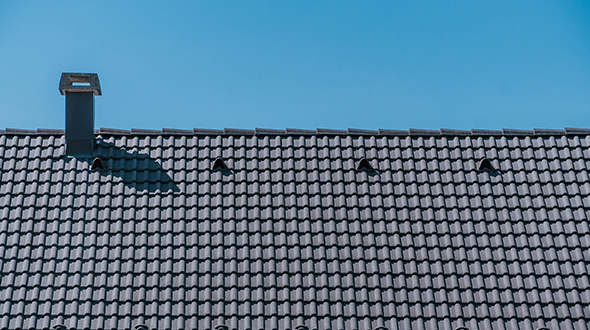
1. Roof Leaks

A roof leak is typically a sign of a more substantial problem. Danger and the probability of structural erosion increase if the leak is left unaddressed. Regular inspections are the most effective defense against a leaking roof. Be vigilant, search for leaks (and signs of leaks), and regularly communicate with your contractor about your concerns and the roof’s condition.

Solution – Typically, roof leaks are detected only after they have caused moderate or considerable damage to a home. This is one factor that makes roof leaks among the costliest roofing issues for property owners. Act preventively and be proactive in keeping your roof in good shape by scheduling regular inspections by your trusted roofing professional.

2. Chimney Crickets

Crickets are crucial to your chimney and roof’s integrity and longevity. They efficiently channel water and debris off the roof and into your gutters. Due to their stature, chimneys naturally attract water.

Solution – The cricket is part of your chimney’s flashing system that prevents your roof from leaking. Every chimney has different wall veneers like brick, stone, siding, or stucco, and each must be flashed differently to protect the roof. Proper flashing and a well-installed cricket are required to prevent leaks and cause the roof decking wood to rot from repeated water intrusion.

Find further reading on chimneys at atlantacommercialroofingcontractors.com/chimney-leak-repair/

3. Poor Roof Installation

Roofing problems can include poor installation and repair

A properly installed roofing system will uniformly weather. With an improperly installed roof, you’ll see different colored shingles, missing drip edges, or vents that were reused instead of replaced. You’ll also detect a stark difference in how some areas of the roof age compared to others.

Solution – Make sure the roofing contractors you hire have an excellent track record and will provide you with top-quality roof installation. To avoid being left with a bad roof installation, thoroughly vet the roofing company you choose to hire.

4. Tree Impact

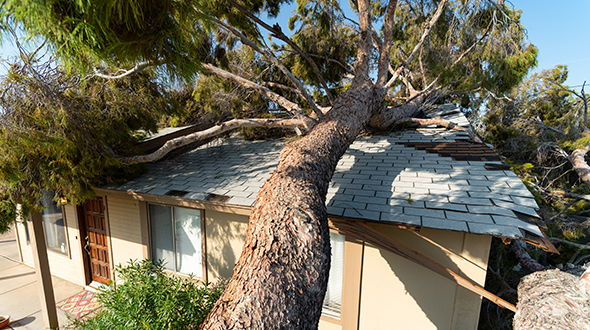
When a tree falls and lands on your roof, it will cause structural roof and building damage. However, as minutes pass, your roof’s structural integrity can weaken and fail, causing the roof to eventually cave in, resulting in further structural damage and potentially life-threatening injury to you and your loved ones.

Roofing problems can include fallen trees

Solution – Act as quickly as possible to prevent any further damage from occurring (putting a tarp over the damaged roof and boarding up any shattered windows, etc.). Use a tarp or other waterproof covering to temporarily cover any openings. Your failure to mitigate further damage may negatively affect your insurance claim.

Tip: Call your insurance company immediately for instructions. This will help you preserve your insurance policy and coverage.

5. Freeze Damage

Snow and ice damage your roofing system by repeatedly thawing and refreezing as temperatures fluctuate. When snow and ice melt, water infiltrates small holes or gaps in your roof. When temperatures dip and that water refreezes, it expands, widening those holes and allowing more water through.

Solution – Getting rid of “ice dams” for good is relatively easy. You must maintain the roof at the same temperature as the eaves. You can do this by increasing attic ventilation, adding insulation, and having your roofing system inspected for air leaks that may unevenly warm the underside of the roof.

6. Pooling Water (Ponding)

Even the slightest ponding can have serious repercussions on your roofing system. The water’s excess weight may cause severe structural damage to the building, especially if the added weight exceeds the safe weight the structure can carry. Even if it does not, increased weight can stress roof trusses and other crucial building components.

Solution – The easiest way to prevent water from ponding is to routinely clean the roof’s drains, rain gutters, and downspouts. Removing debris like leaves, sticks, and branches allows water to flow freely from the roof. If you do not personally want to clean your roof, get a roofing maintenance program service to do so for you.

Tip: Regular roof and gutter cleanings are a great time for a routine inspection. If the cleaning is done by your roofing contractor, they can check and prevent small issues from becoming costly problems.

7. Roof Flashing

Flashing protects the most vulnerable parts of your roof, and any damage to this flashing is concerning. When flashing cracks, fails, or is bent upward, moisture can run inside the roof seams. This poses a significant problem during severe weather.

Solution – Typically, professional roofers will replace all step flashing on a new roof. Your roofer should not layer any new flashing on top of old flashing (this should have been removed and discarded). There should only be one layer of flashing on a roof at a time.

8. Broken or Missing Shingles

If your roof has one or more “seams” exposed to the elements, they may let in water. Other critical roof components include valleys or areas where two low parts of the roof’s structure meet. Losing a shingle at a low point can result in water and debris collecting, significantly increasing opportunities for leaks.

Solution – If a shingle is cracked or torn, you don’t necessarily have to replace it; repair it. Apply a thick bead of roofing sealant under the crack, press the shingle down and apply another bead of sealant on top of the crack. Then evenly spread the sealant with a putty knife.

Note: If your roof only needs a few shingles replaced or minor patches made, you can do it yourself or schedule a roofer to make those minor repairs for you.

9. Membrane Tears and Punctures

Roofing problems can include membrane punctures

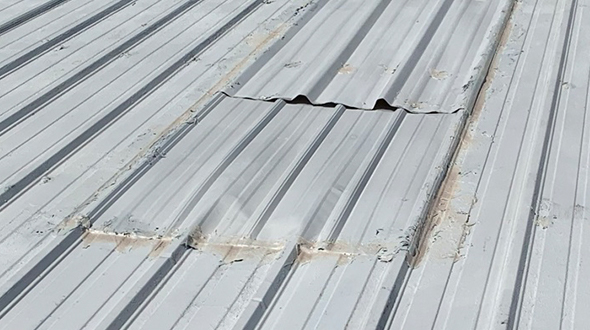
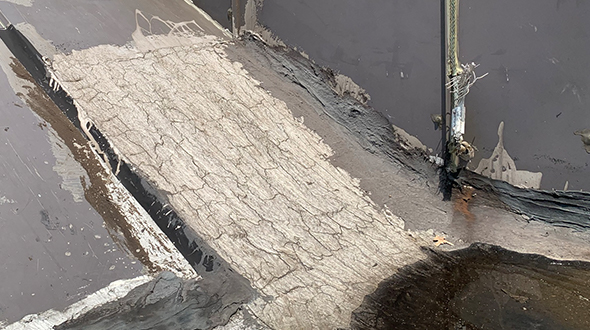
The most frequent problems with single-ply membrane roofing systems include punctures, tears, and seam failures. Single-ply membranes can eventually shrink, become brittle, and lose their elasticity; these factors apply irregular stress on the membrane’s seams, resulting in failure.

Solution – Any hole or seam separation in a single-ply membrane can be quickly located and patched or resealed by a certified roofer.

Commercial and Residential Roofing Problems

In this article, you discovered nine of the most common roofing problems and how to get them quickly fixed.

The more you know about how roofs can malfunction and how they can be repaired will help you prevent more severe damages and potentially extend your roofing system’s lifespan.

Not knowing how your roof can be damaged and fixed, can leave you vulnerable, and paying for repairs and a replacement that may have been avoided.

Sources:
ccpia.org/why-low-slope-roofs-fail/
floridapace.gov/6-signs-of-roof-damage/

Atlanta Commercial Roofing Contractors

Atlanta, GA
(404) 220-9288

The post 9 Common Roofing Problems and Solutions appeared first on atlantacommercialroofingcontractors.com
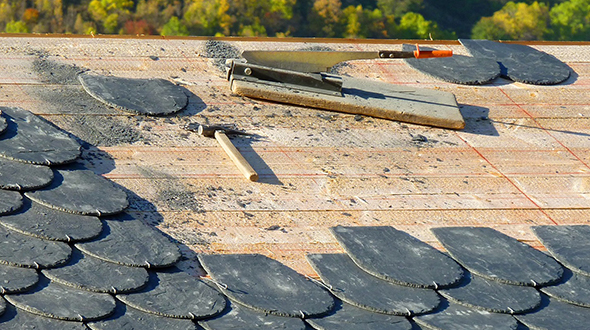
Wednesday, October 12, 2022

Advantages and Disadvantages of a Cool Roof

There are many advantages and disadvantages to installing a coll roofing system like reduced energy bills and extended roof life

Prevent not knowing the pros, cons, and whether a cool roofing system is right for your next roof replacement project. Knowing how cool roofs can benefit your structure will help you determine which roofing system to choose when the time comes.

atlantacommercialroofingcontractors.com gathered the following information about what a cool roofing system is, its advantages, and disadvantages.
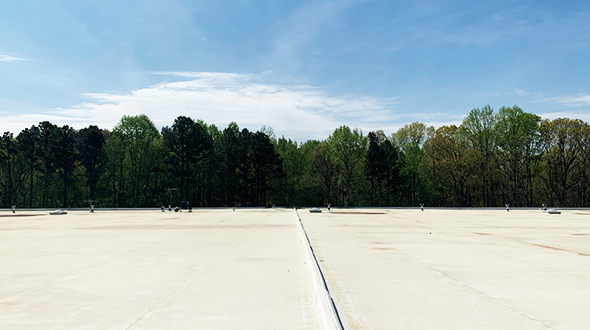
What is a Cool Roof?

A cool roof (made of a material or has a coating that can lower the roof surface temperature) is designed to reflect more sunlight than a conventional roof, absorbing significantly less solar energy. A roofing system with these properties naturally lowers a building’s temperature, just as wearing light-colored clothing can keep you cool on a warm, sunny day. Conventional roofs can reach extreme temperatures of 150°F or more on a summer afternoon, while cool roofs average 50°F less.

Does a Cool Roof Really Work?

Yes. A cool roof reduces summer energy usage, saving you significant money, and will also stabilize the temperatures in your unconditioned spaces (garage or spare room). Installing a cool roof is most beneficial in warm climates, where the winters are mild, and structures rely less on the inherent heat gain traditional roofing systems provide.

Cool Roofing Systems Vs. Global Warming

Cool roof reflective surfaces can deliver high solar reflectance and high thermal emittance. On a global scale, reflective surfaces are essential to daytime cooling, which has been proposed as a partial solution to global warming. The most well-known type of reflective surfaces in construction are those of cool roofs.

However, recent research observed the net global warming for light-colored surfaces rather than the effect on a single building or small area. This analysis discovered that white or reflective roofs contribute to global warming rather than reducing it.

That’s because such surfaces initiate a chain reaction that increases the amount of sun a city receives. The reflective surfaces reduce the vertical transport of moisture to the atmosphere, restricting cloud coverage. That translates to less rain and an increase in surrounding drought conditions.

Advantages of Installing a Cool Roof

Cool roofs typically cost the same as other comparable roofing materials. For cool roofs that may cost slightly more, the difference can be quickly recovered in savings from lower energy consumption, rebates, incentives, HVAC equipment downsizing, and extended roof lifespan. Consider the following advantages and benefits of cool roofs:

  • Reduced energy bills by 10%-30%
  • Improved comfort for indoor spaces without air conditioning
  • Lower maintenance costs
  • Extended roof life

And consider the following environmental benefits:

  • Less peak electricity demand (helps prevent power outages)
  • Reduced urban heat island effect (occurs when an urban environment is hotter than surrounding rural areas due to black surfaces)
  • Alleviated air pollution and global warming concerns by lowering CO2 and other HVAC-related emissions

Note: Building owners must consider the region’s climate. Cool roofs achieve the greatest cooling savings in hot climates but may not decrease energy usage and costs in cooler climates.

Disadvantages of Installing a Cool Roof

Even cool roof opponents must acknowledge that cool roofs significantly reduce air conditioning loads. According to the US Department of Energy, roofs can reach 150°F on the hottest days, whereas installing a cool roof reduces those surface temperatures by as much as 50°F. However, there are potential drawbacks like:

  • High retrofitting costs. Converting an existing roof can be costly, especially when you factor in repair work, recoating, and cleaning costs.
  • Potential for algae or mold growth
  • Lighter roofing system colors may appear dirtier
  • Increases winter heating demand

Cool roofs work best for hotter climates, where the cooling season is more extended, and air conditioning is in high demand. In colder regions, these roofs may have the opposite effect, driving up heating costs in the winter.

Installing a Cool Roof

When deciding whether to install a cool roofing system, you need to determine if the energy savings and other benefits can justify the cost. How much energy you save depends on several factors like your structure’s climate and surroundings, the roof assembly’s insulation, the roof type, and the efficiency of your building’s HVAC system.

When building a new structure, you can decide during the planning phase what roof type to install and whether or not it should be a cool roof.

Cost and Energy Savings

There are many advantages and disadvantages to installing a coll roofing system like lower maintenance costs

A cool roof does not necessarily cost more than a conventional roof, especially if you are installing a new roof or replacing an existing one. However, converting a standard roofing system that’s in good condition into a cool roof can be costly. 

Cool Roof Rating Council

The Cool Roof Rating Council (CRRC) (created in 1998) develops accurate and credible methods for evaluating and labeling solar reflectance and thermal emittance (radiative properties) of roofing products and disseminating that information to all interested parties. For more information on cool roof structures, components, and ratings, visit the Cool Roof Rating Council at coolroofs.org

Cool Roofing Systems

In this article, you discovered crucial information on the definition, advantages, and disadvantages of installing a cool roofing system on your residential or commercial structure.

Knowing how a cool roof can benefit your structure and the environment will help you come to an informed decision when you need to install or replace your roof.

Ignoring the disadvantages of a cool roof system can leave you with increased utility bills due to your HVAC system struggling during colder weather.

Sources:
energy.gov/energysaver/cool-roofs
energystar.gov/products/roof_products/cool_roofs_emissivity
epa.gov/heatislands/using-cool-roofs-reduce-heat-islands

The post Advantages and Disadvantages of a Cool Roof appeared first on atlantacommercialroofingcontractors.com
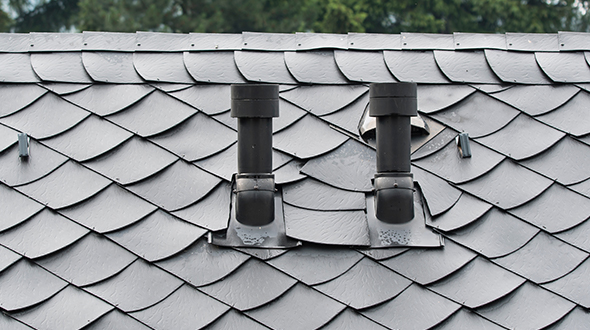
Thursday, September 22, 2022

How to Tornado-Proof a House

Typical home construction is vulnerable to tornado damage

Avoid losing your life or home when a tornado rips through your neighborhood. Knowing how to protect yourself and your home from the destructive forces unleashed by a tornado will help you prevent life-threatening injuries and the loss of your home.

atlantacommercialroofingcontractors.com gathered the following information and tips on how to build or upgrade your home to withstand the intense winds and debris clouds generated by a tornado.
How a Tornado Destroys a Home

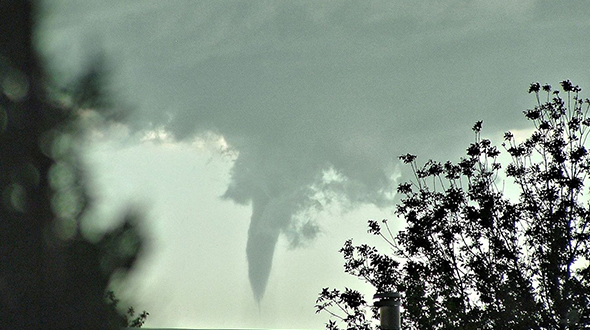
EF-2 and EF-3 tornadoes with 111 mph-165 mph winds can obliterate your home in four seconds. Flying debris can shatter windows and create other openings in exterior walls. Once such an opening is made, air enters the home and pressurizes it like over-inflating a balloon, potentially blowing off the roof and collapsing the remaining structure.

Few, if any, above-ground structures can survive an EF-4 or EF-5 tornado with 166 mph and greater winds. Underground shelters are designed and advised for this scale of destructive force.

Ways to Tornado-Proof Your Home

What steps can you take to protect your home from tornadoes? The following precautions, upgrades, and tips (some mandated by building codes in high-risk areas) are similar to those you would take in preparation for hurricane season:

1. Install Impact-Resistant Windows

Install impact-resistant windows. Such windows are considerably more expensive to buy but can be customized to the space and provide better protection than ordinary windows. Depending on where your house is located, these windows may be required by local building codes.

If impact-resistant windows are not an option, you can install hurricane shutters, which can also be completely customized (sizes, materials, and colors) to fit any residence.

Note: Some people believe they should open their windows and doors to normalize interior and exterior pressure during a tornado, but that’s the wrong thing to do. Doing so makes the inside of the house pressurized, like inflating a balloon until it pops. The air pushes off the roof or a wall and causes the structure to collapse or be blown away.

Roofing materials should be rated to resist high winds, and the system should be secured to the structure using hurricane clips, which create a stronger (more stable) connection between the roof and the house.

Hurricane clips are required by building codes in hurricane-prone regions. When repairing, upgrading, or replacing your roof, ensure all roof and wall framings are secured with hurricane framing clips. All other materials should be wind-rated and impact resistant.

Upgrades and reinforcements are necessary for a home to survive a tornado

3. Secure the Home’s Doors

Ensure that entry doors have a two-inch deadbolt lock mechanism and three hinges, with screws long enough to secure the door and frame to the wall framing. A door secured in this fashion is more likely to resist intense winds and wind-driven debris impacts.

Note: Your garage door, the largest potential opening in your home, is another vulnerable component. If the garage door fails, is left open, or is taken out, it compromises the structure of your home. Install wood or metal reinforcements for added structural support.

4. Install a Storm Shelter

When deciding where to locate or construct a home storm shelter, consider the envelope of the structure. The basement is the safest location, followed by the center of the home (anywhere with little potential for compromised doors and windows).

Note: A tornado’s duration and aftermath are entirely unpredictable. Prepare your home shelter by stocking it with essentials like a battery-powered radio, a flashlight, spare batteries, water, and ready-to-eat food like energy bars (anything you don’t have to cook).

Tip: Be sure to safely store a few hundred dollars in cash. ATM machines may not work if there is a power failure along with the tornado.

What is the EF Scale?

The Enhanced Fujita Scale or EF Scale, used since February 1, 2007, is used to assign a tornado a ‘rating’ based on its estimated wind speeds and damage.

When tornado-related damage is surveyed, it is compared to several Damage Indicators (DIs) and Degrees of Damage (DoD) which help better define the range of wind speeds the tornado likely produced. From that, a rating (from EF0 to EF5) is assigned.

SCALE

CLASS

WIND SPEED MPH

DESCRIPTION

EF-0

weak

65-85

Gale

EF-1

weak

86-110

Moderate

EF-2

strong

111-135

Significant

EF-3

strong

136-165

Severe

EF-4

violent

166-200

Devastating

EF-5

violent

> 200

Incredible


Note:
Dr. T. Theodore Fujita first introduced The Fujita Scale in the Satellite and Mesometeorology Research Project (SMRP) Research Paper, #91, published in February 1971 and titled, “Proposed Characterization of Tornadoes and Hurricanes by Area and Intensity.”

Tornado-Proof House

In this article, you discovered life-saving information and tips on how to build or upgrade your home to resist the destructive forces of tornadoes.

Investing in your home’s infrastructure and preparing for severe weather events like tornadoes can keep you and your loved ones out of harm’s way and sheltered in a safe location.

Ignoring the potential of a deadly hurricane strike in your neighborhood will leave you unprepared and vulnerable to life-threatening weather conditions and injuries.

Sources:
weather.gov/tae/ef_scale
depts.ttu.edu/nwi/Pubs/FScale/Fujita01.php
basc.pnnl.gov/information/design-windstorm-and-tornado-protection
ready.gov/sites/default/files/2020-04/tornado-protection_selecting-refuge-area-in-buildings.pdf

The post How to Tornado-Proof a House appeared first on atlantacommercialroofingcontractors.com
Can Roof Shingles Be Painted?

Many property owners wonder whether painting their roof is a viable way to refresh its appearance without the expense of a full replacement....