Showing posts with label TPO. Show all posts

Saturday, December 13, 2025

What is Commercial Roofing?

When you walk into a sprawling warehouse, shop at a retail center, or work in a modern office building, you’re protected by sophisticated roofing systems that operate on an entirely different scale than residential homes. Commercial roofing represents a specialized field that encompasses far more than simple weather protection—it’s about safeguarding business operations, managing energy costs, and maintaining critical infrastructure that keeps commerce running smoothly.

what is commercial roofing

Understanding what commercial roofing entails is essential if you’re responsible for a commercial property. From the materials used to the installation process, maintenance requirements, and long-term costs, commercial roofing systems differ dramatically from residential roofs in ways that directly impact your bottom line and operational continuity.

Definition of Commercial Roofing

Commercial roofing covers the installation, repair, and maintenance of roofing systems on commercial buildings, warehouses, factories, retail stores, and office complexes. These sophisticated systems protect commercial properties typically exceeding 10,000 square feet and must handle significantly heavier loads than residential roofs ever encounter.

Unlike residential roofs, which primarily focus on aesthetic appeal and basic weather protection, commercial roofs must support substantial HVAC equipment, industrial machinery, and frequent foot traffic from maintenance personnel. A typical commercial building might have multiple rooftop units weighing thousands of pounds, solar panel installations, cooling towers, and regular access for maintenance teams—demands that residential roofs aren’t designed to handle.

The primary purpose extends beyond protecting the structure itself. These roofing systems safeguard business operations, inventory valued at potentially millions of dollars, employees, and customers from weather elements such as rain, snow, hail, and wind. When a commercial roof fails, the consequences ripple through every aspect of business operations, making reliability and durability paramount concerns.

Commercial properties encompass a vast range of building types, from small retail buildings covering 5,000 square feet to massive distribution centers spanning over 500,000 square feet. Each requires a carefully engineered roofing system designed to meet specific performance criteria, building codes, and operational requirements that vary significantly based on the building’s intended use.

How Commercial Roofing Differs from Residential Roofing

The differences between commercial and residential roofing systems extend far beyond simple size considerations, encompassing fundamental design philosophies, structural requirements, and performance expectations that reflect the distinct needs of business versus residential environments.

Design and Structure

Commercial roofs are typically flat or low-slope, with pitches less than 3:12, compared to residential roofs, which feature steep pitches ranging from 4:12 to 12:12. This fundamental difference stems from functional requirements—commercial buildings prioritize maximizing interior space utilization and accommodating rooftop equipment, while residential buildings emphasize aesthetic appeal and efficient water runoff.
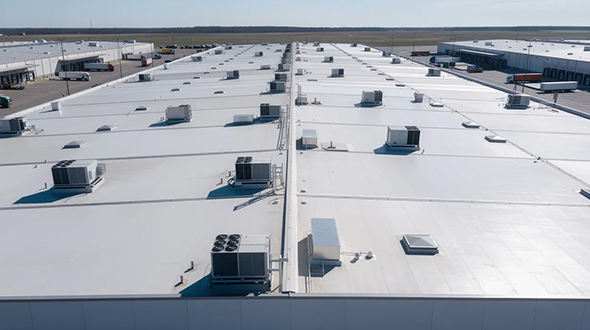
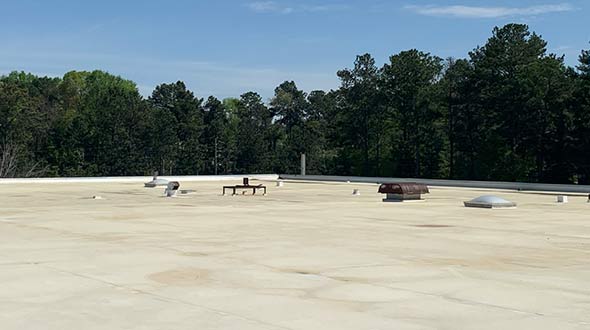
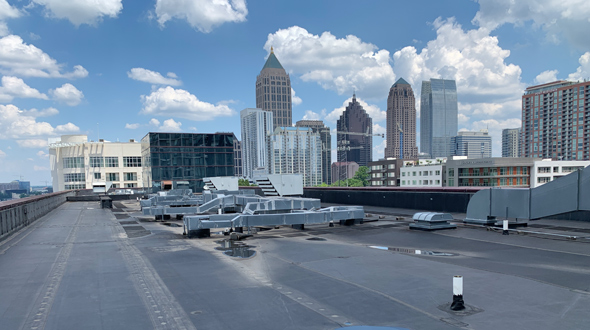
large warehouse featuring a flat commercial roof with visible HVAC equipment

Commercial structures span much larger areas, often covering 50,000 to 500,000 square feet, compared to residential roofs, which average 1,500 to 3,000 square feet. This massive scale creates unique engineering challenges, particularly regarding thermal expansion and contraction across vast roof surfaces, structural load distribution, and effective water management systems.

Flat commercial roofs require sophisticated drainage systems, including internal drains, scuppers, and specialized gutters, to prevent water pooling—a critical concern, as standing water can compromise membrane integrity and create structural problems. These drainage systems must handle substantial water volumes during intense storms while preventing backup that could flood interior spaces.

Commercial roofs must support rooftop equipment weighing thousands of pounds, including chillers, cooling towers, exhaust fans, and increasingly common solar panel arrays. This equipment placement requires careful structural analysis and reinforcement, along with accessible maintenance pathways that don’t compromise the roofing system’s waterproof integrity.

Materials Used

Commercial roofs utilize fundamentally different materials designed for durability, performance, and large-scale application rather than aesthetic appeal. Single-ply membranes like TPO (Thermoplastic Polyolefin), PVC (Polyvinyl Chloride), and EPDM (Ethylene Propylene Diene Monomer) dominate commercial applications due to their ability to cover large areas seamlessly and provide long-term weather resistance.

Modified bitumen systems and built-up roofing (BUR) with multiple asphalt and reinforcement layers remain common for commercial applications where extreme durability and puncture resistance are priorities. These multi-layer systems provide redundancy that single-ply systems cannot match, making them ideal for high-traffic commercial environments.

Metal roofing systems, including standing seam steel and aluminum panels, are designed for large spans and can support substantial loads while providing decades of service life. These systems often incorporate specialized coatings and insulation configurations optimized for energy efficiency in large buildings.

In contrast, residential roofs primarily use asphalt shingles, clay tiles, slate, or cedar shakes chosen for aesthetic appeal and weather protection rather than load-bearing capacity or large-scale performance. While some overlap exists in materials like metal roofing, the specifications, installation methods, and performance requirements differ substantially between residential and commercial applications.

Types of Commercial Roofing Systems

Commercial roofing encompasses several distinct system types, each engineered to address specific performance requirements, building characteristics, and operational needs. Understanding these systems helps property owners make informed decisions about new installations, replacements, and maintenance strategies.

Single-Ply Membrane Roofing
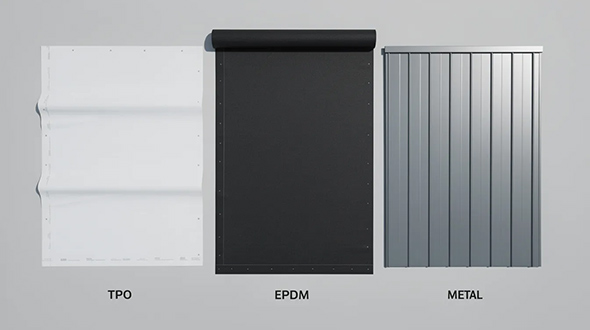
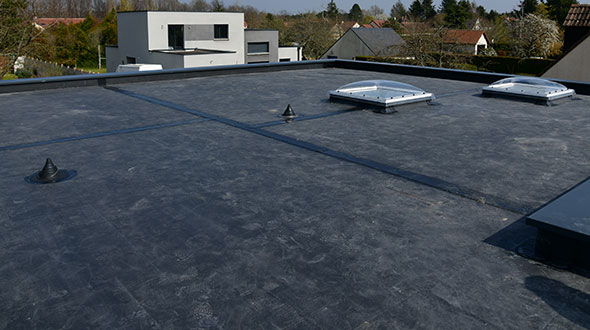
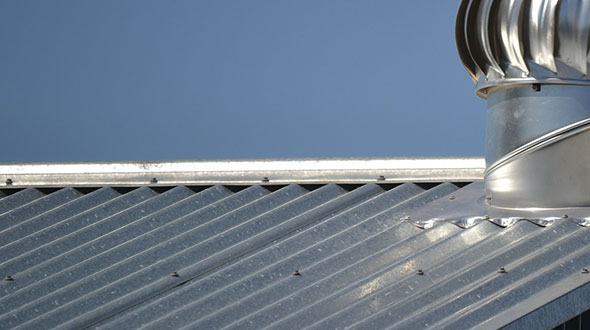
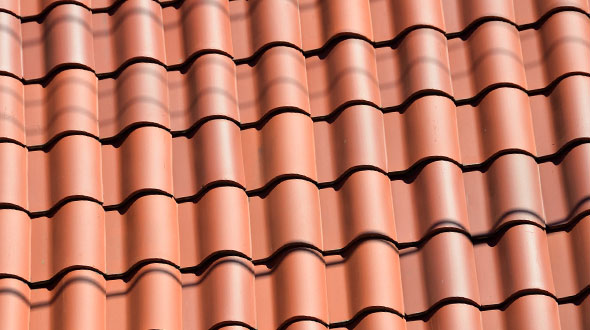
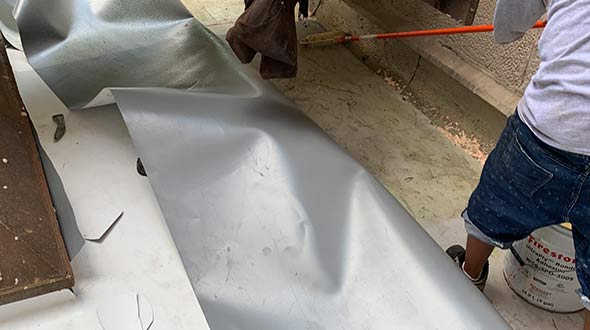
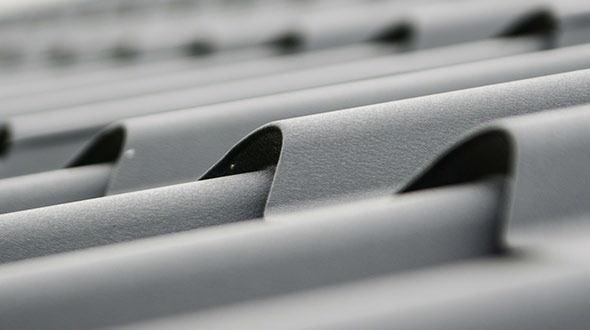
single ply commercial roofing membranes TPO, EPDM, and metal roofing

Single-ply membranes are the most widely used commercial roofing materials for flat roofs, offering efficient installation, proven performance, and energy-efficiency benefits that align with modern building requirements and environmental regulations.

TPO roofing has gained significant market share due to its energy efficiency benefits, featuring white reflective surfaces that can reduce cooling costs by 15-20% in hot climates. These thermoplastic membranes are heat-welded at seams, creating monolithic waterproof barriers that resist wind uplift, chemicals, and UV degradation. TPO systems typically provide a 20-25-year service life with proper maintenance.

PVC roofing membranes offer superior chemical resistance, making them ideal for restaurants, food processing facilities, and industrial properties that are exposed to grease or chemicals. These membranes resist many oils, greases, and chemicals that can degrade other roofing materials, while offering excellent fire resistance and energy efficiency. PVC systems provide exceptional durability in challenging environments.

EPDM roofing delivers outstanding weather resistance and flexibility, maintaining performance characteristics across extreme temperature ranges. Black EPDM absorbs heat, which can benefit heating costs in cold climates but may increase cooling loads in warmer regions. White EPDM formulations address energy efficiency concerns while maintaining the material’s proven durability. EPDM systems can last 25-30 years with proper maintenance.

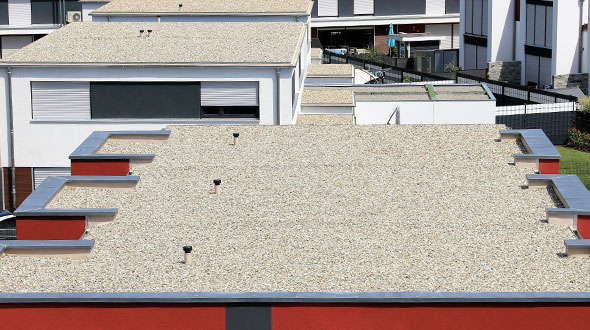
Installation of single-ply membranes involves mechanically fastening, fully adhering, or ballasting membranes to create watertight seals. Mechanical attachment uses fasteners through insulation into the roof deck, while fully adhered systems use specialized adhesives for complete bonding. Ballasted systems place loose stone over membranes, providing wind resistance through weight rather than attachment.

Built-Up and Modified Bitumen Roofing

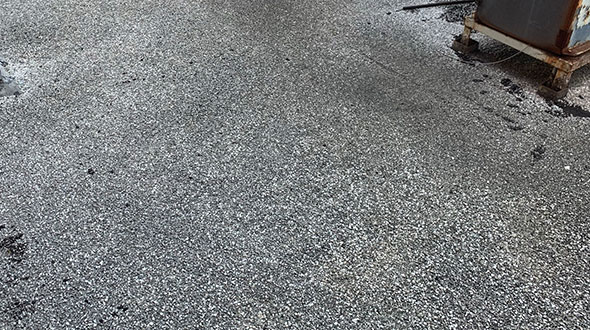
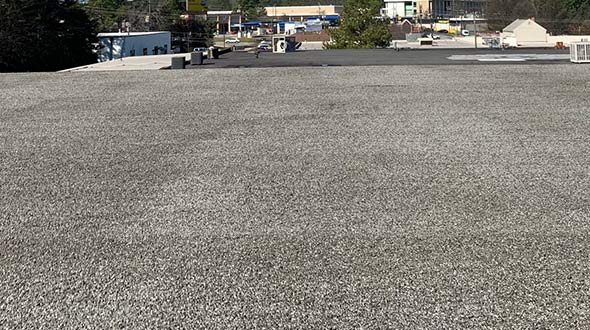
Built-up roofing (BUR) systems use alternating layers of bitumen and reinforcement fabric, creating robust multi-ply membranes topped with gravel or mineral cap sheets. These time-tested systems provide excellent redundancy—if one layer develops issues, underlying layers continue protecting the building while repairs are planned and executed.

The installation process involves applying hot asphalt or coal tar between reinforcing plies, building up waterproof membranes in multiple layers. Surface treatments typically include gravel embedment for UV protection and fire resistance, though smooth-surfaced systems with mineral cap sheets are also common. BUR systems excel in high-traffic areas and can withstand heavy equipment installation better than single-ply alternatives.

Modified bitumen systems combine traditional asphalt technology with modern polymer science, incorporating rubber or plastic modifiers that enhance flexibility and durability. SBS (styrene-butadiene-styrene) modified systems remain flexible at low temperatures, while APP (atactic polypropylene) modified systems provide enhanced high-temperature performance and UV resistance.

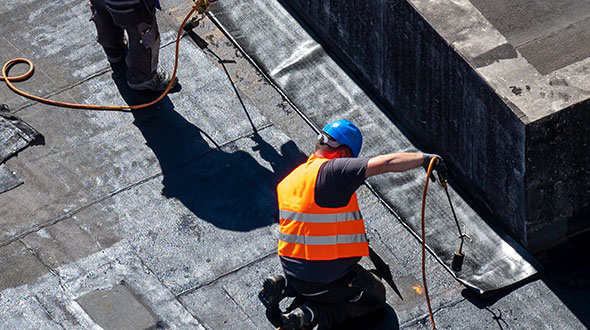
These systems can be installed using torch application, hot mopping, cold adhesives, or self-adhering methods, depending on specific product formulations and project requirements. Multi-ply configurations typically involve a base sheet adhered to the substrate, followed by one or more intermediate plies, and finished with a mineral-surfaced cap sheet.
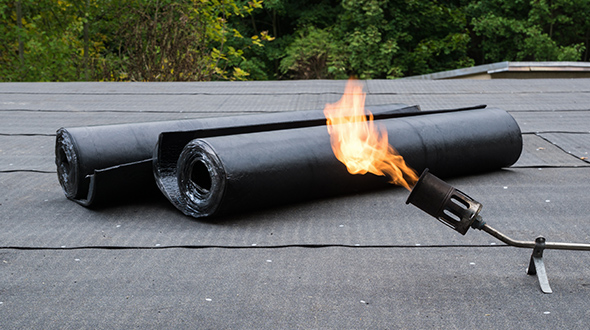
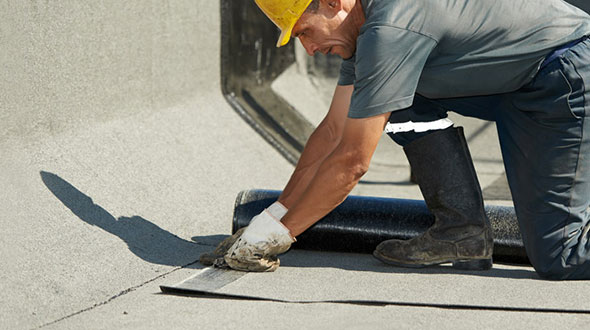
modified bitumen roofing system installation

Both BUR and modified bitumen systems typically provide service lives of 20-25 years, depending on climate conditions, maintenance quality, and installation workmanship. These systems cost $6-12 per square foot installed, reflecting their labor-intensive installation requirements and robust material specifications.

Metal Commercial Roofing

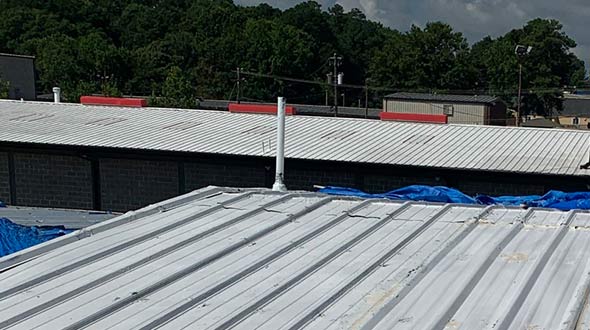
Metal roofing systems, particularly standing seam systems, offer exceptional longevity and performance for commercial applications. Standing seam systems use interlocking panels that run continuously from eave to ridge, with raised seams that accommodate thermal movement while concealing all fasteners beneath the seams.

Galvanized steel represents the most common metal roofing material, providing excellent strength-to-weight ratios and corrosion resistance when properly coated. Aluminum systems offer superior corrosion resistance and lighter weight, making them ideal for coastal environments or buildings with limited structural capacity. Both materials can support significant snow loads and equipment installations while maintaining structural integrity.

Cool metal roofing incorporates specialized reflective coatings that can reduce energy costs by up to 25% compared to traditional roofing materials. These coatings reflect solar radiation while maintaining high thermal emittance, keeping roof surfaces cooler and reducing air conditioning demands in commercial buildings.

Metal roofing systems provide 40-60 year lifespans with minimal maintenance requirements, making them attractive for long-term ownership scenarios despite higher initial costs. The systems excel in areas with severe weather conditions, providing excellent wind resistance, fire protection, and hail damage resistance.

Installation requires specialized expertise in metal fabrication, thermal movement accommodation, and weather sealing details. Proper installation ensures seams remain watertight throughout decades of thermal cycling while allowing for the substantial movement that occurs across large metal roof surfaces.

Commercial Roofing Installation and Maintenance

Commercial roofing projects involve complex coordination, specialized equipment, and strict adherence to safety protocols that distinguish them from residential installations. The scale, complexity, and performance requirements of commercial properties demand professional expertise and comprehensive planning throughout the project lifecycle.

Installation Process
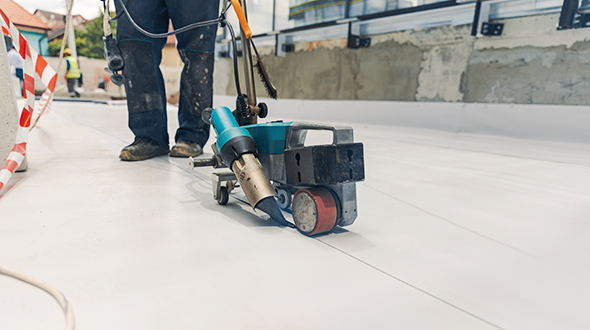
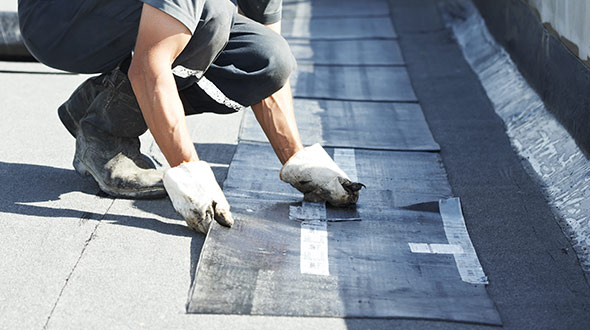
commercial roofing crew installing TPO membrane installation

Commercial roof installations require specialized equipment, including cranes, hot air welders, material hoists, and safety systems designed for large-scale operations. Projects typically require 1-4 weeks, depending on building size, weather conditions, and system complexity, with detailed scheduling to minimize business disruption during installation.

The installation process begins with thorough substrate preparation, including structural assessments, removal of the existing roof when necessary, and deck repairs or modifications to meet current building codes. Insulation installation follows, with commercial buildings typically requiring R-25 to R-30 insulation values in most climate zones to meet energy efficiency requirements.

Installation must comply with stringent building codes, fire ratings, and wind uplift requirements specific to commercial structures. These requirements often exceed residential standards significantly, particularly regarding fire resistance classifications and wind uplift ratings that can exceed 90 pounds per square foot in high-wind zones.

Quality control throughout installation involves multiple inspections, testing of membrane seams, verification of fastener patterns, and documentation of all system components. Many commercial roofing projects require third-party inspections and testing to validate warranty compliance and building code conformance.

Weather coordination becomes critical for commercial installations due to project scale and exposure duration. Contractors must have contingency plans for precipitation protection, wind limitations for crane operations, and temperature requirements for membrane installations and adhesive applications.

Maintenance Requirements

Commercial roofs require professional inspections twice annually—typically in spring and fall—to identify potential issues before they develop into costly problems. These comprehensive inspections examine membrane surfaces, seams, flashings, drainage systems, and rooftop equipment interfaces for signs of deterioration or damage.

Regular maintenance includes cleaning debris from drains and gutters, inspecting membrane seams for separation, checking flashing around penetrations, and ensuring rooftop equipment hasn’t compromised membrane integrity through vibration or improper installation practices. Drainage system maintenance is particularly critical, as clogged drains can cause ponding water that accelerates membrane aging and creates structural concerns.

Preventive maintenance programs can extend roof service life by 50% while preventing approximately 85% of potential leaks when properly implemented. These programs include scheduled inspections, minor repairs, resealing of flashings, and proactive replacement of deteriorating components before failure occurs.

preventive roof maintenance program

Emergency repairs must be addressed within 24-48 hours to prevent interior damage and business disruption. Commercial roofing contractors maintain emergency response capabilities, including temporary waterproofing systems that can protect interior spaces while permanent repairs are planned and executed.

Documentation of all maintenance activities, repairs, and inspections is essential for warranty compliance and asset management planning. Many commercial property owners maintain detailed roof condition databases that track performance trends, maintenance costs, and replacement timing for budgeting purposes.

Why Specialized Commercial Roofers Are Necessary

The complexity and specialized nature of commercial roofing systems demand contractors with specific training, experience, and capabilities that extend far beyond general construction or residential roofing expertise. These requirements reflect the critical nature of commercial roofing systems and their impact on business operations.

Commercial roofers require extensive training in fall protection systems, OSHA safety protocols, and safe working procedures around industrial equipment and occupied buildings. Working on commercial properties often involves complex safety coordination with ongoing business operations, requiring contractors who understand how to minimize disruption while maintaining strict safety standards.

Understanding building codes, fire ratings, and structural load requirements for commercial applications requires specialized knowledge that general contractors typically don’t possess. Commercial buildings must meet stringent performance standards for wind uplift resistance, fire classification, and energy efficiency that demand expertise in system design and installation methods.

Commercial roofing contractors carry substantially higher insurance coverage—typically $2-5 million in liability protection—due to project complexity, property values, and potential business interruption costs. This insurance reflects the higher risks associated with commercial work and provides property owners with protection against potential failures in installations or materials.

Experience with specialized techniques like membrane welding, modified bitumen installation, and complex flashing details is essential for quality workmanship. These skills require extensive training and practice that residential roofers typically don’t develop, as the techniques and materials are specific to commercial applications.

Commercial contractors also maintain relationships with specialized manufacturers and suppliers, ensuring access to commercial-grade materials and technical support throughout project execution. These relationships often include manufacturer training certifications that validate installer qualifications for warranty compliance.

Commercial Roofing Costs and Considerations

Commercial roofing represents a significant capital investment that requires careful financial planning and analysis of long-term costs versus benefits. Understanding the factors that influence costs helps property owners make informed decisions about system selection, contractor choice, and timing of replacement projects.

Commercial roofing costs range, depending on materials, building height, accessibility, and project complexity. This broad range reflects the substantial differences between basic single-ply installations and complex multi-story projects with extensive rooftop equipment and challenging access requirements.

TPO and EPDM roofing systems are popular choices for cost-conscious property owners who need reliable performance without premium pricing. These systems provide good value through proven durability, energy efficiency benefits, and relatively straightforward maintenance requirements.

Metal roofing systems have a higher material costs and specialized installation requirements. However, metal systems often provide superior long-term value through extended service lives, minimal maintenance requirements, and excellent energy efficiency, which can offset higher initial costs.

Several factors significantly impact project costs beyond basic material selection. Roof accessibility affects labor costs and equipment requirements, with high-rise buildings or complex roof configurations requiring specialized equipment and additional safety measures. Existing roof removal adds to project costs when complete tear-offs are necessary.

Insulation upgrades often accompany commercial roof replacements, particularly when buildings need to meet current energy codes. Insulation costs range depending on thickness and material selection, but energy savings often justify these investments through reduced utility costs over the roof’s service life.
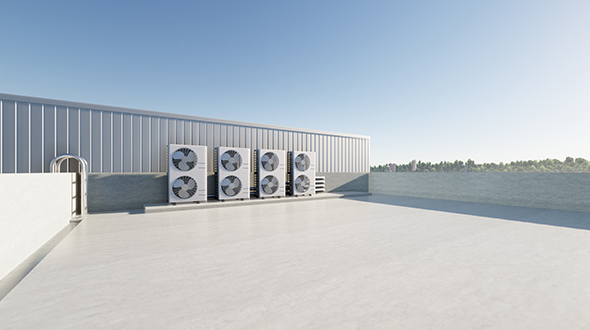
commercial roofing

Commercial roofing projects represent major investments ranging from $50,000 for small retail buildings to over $500,000 for large distribution centers or office complexes. This investment scale requires careful contractor selection, thorough contract review, and comprehensive warranty evaluation to protect the property owner’s interests.

Financing considerations often influence project timing and scope, with many property owners coordinating roof replacements with other building improvements to maximize efficiency and minimize business disruption. Lifecycle cost analysis becomes critical when comparing system options, as seemingly expensive systems may provide superior value over 20-30 year analysis periods.

Selecting a professional roofing contractor with commercial expertise, proper licensing, insurance coverage, and manufacturer certifications is essential to protecting this substantial investment. Quality installation directly impacts system performance, longevity, and warranty compliance, making contractor selection as important as material choice for long-term success.

When evaluating commercial roofing options for your property, consider working with experienced commercial roofing contractors who can provide detailed proposals, lifecycle cost analysis, and comprehensive warranty coverage. The complexity and investment level of commercial roofing systems make professional expertise essential for achieving optimal results that protect your business operations for decades to come.

Atlanta Commercial Roofing Contractors

Atlanta, GA
(404) 220-9288

The post What is Commercial Roofing? appeared first on atlantacommercialroofingcontractors.com

Friday, October 25, 2024

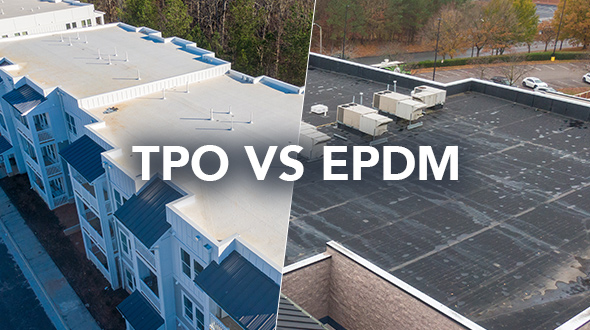
TPO vs EPDM Roofing

Deciding between TPO vs EPDM roofing? We’ll compare their costs, durability, and energy efficiency to help you make the right choice for your building.

tpo vs epdm roofing systems

Key Takeaways

  • TPO roofing offers superior energy efficiency and is lightweight, featuring hot-air welded seams for enhanced durability, puncture, and leak protection.
  • EPDM roofing is more cost-effective in the long run due to its longevity, typically lasting over 30 years with proper maintenance.
  • Both TPO and EPDM are environmentally friendly options, with TPO being fully recyclable and having lower chemical emissions, while EPDM also boasts good insulating properties.

Understanding TPO and EPDM Roofing Systems

TPO stands for Thermoplastic Polyolefin. It is a single-ply reflective membrane commonly used in flat-top and semi-flat commercial buildings. It comprises a single layer of synthetics and a reinforced scrim, making it lightweight and easy to install. TPO roofing is known for its energy-efficient properties and substantially reduced cooling costs. The TPO membrane is a popular choice for many roofing applications.

EPDM roofing, short for Ethylene Propylene Diene Monomer, is a synthetic rubber roof membrane celebrated for its flexibility and economical nature. The EPDM roofing membrane, composed of ethylene, propylene, and carbon black, is renowned for its resistance to heat aging, ozone, and hail, making it a reliable option for various weather conditions.

Designed for low-slope roofs, both TPO and EPDM are ideal for many commercial buildings. With years of satisfactory performance, ease of installation, and economical aspects, these roofing materials have become staples in the roofing industry.

Advantages of EPDM Roofing Systems

Cost-effectiveness makes EPDM roofing systems a practical choice for budget-conscious projects. Despite the lower initial investment, EPDM roofs offer remarkable longevity, often exceeding 30 years with proper maintenance. This long lifespan translates into significant cost savings over time, as fewer replacements and repairs are needed.

advantages of EPDM roofing system

Energy efficiency is another significant advantage of EPDM roofing membranes. These roofs help reduce heating and cooling expenses due to their excellent insulating properties, which contribute to overall energy efficiency. EPDM roofing systems offer versatile installation options, enabling customized applications to fit specific project needs.

Advantages of TPO Roofing Systems

TPO roofing systems stand out for their reflective properties, making them an ideal choice for energy-efficient commercial applications. The lighter color of TPO roofs reflects UV light, reducing cooling costs and enhancing energy efficiency. This makes TPO an attractive option for businesses looking to lower their energy bills.

Besides being energy-efficient, TPO roofing is lightweight and available in wide sheets, simplifying installation. TPO membranes are highly resistant to ozone and UV exposure compared to other materials, enhancing their longevity and performance. The seams of TPO roofing are hot-air welded, enhancing leak protection and ensuring durability under various weather conditions when properly installed.

Comparative Analysis: EPDM vs. TPO

When deciding between EPDM and TPO roofing systems, several factors come into play, including cost, longevity, durability, and energy efficiency.

Let’s break down these aspects to provide a clearer comparison.

Cost Comparison

Cost often plays a primary role in choosing a roofing system. EPDM tends to be less expensive than TPO in terms of initial installation costs. The cost of EPDM roofing is approximately $8-$22 per square foot, making it compelling to budget projects and a cost-effective option for many projects.

TPO costs range between $10-$30 per square foot, and its’ reflective properties can lower long-term energy costs by reducing cooling expenses.

While EPDM may have a higher upfront cost, its long lifespan and minimal maintenance requirements make it an economical choice in the long run. Considering initial costs, maintenance requirements, and long-term energy savings are the critical factors when comparing these roofing systems.

Longevity and Durability

Selecting a roofing system requires considering longevity and durability. EPDM roofs exposed to limited impact generally last longer than TPO roofs – often exceeding 30 years with proper maintenance. This longevity makes EPDM a reliable choice at their price point. Susceptibility to leaks at its seams is the one drawback of EPDM. Lastly, EPDM is known for its resistance to environmental stressors such as freezing temperatures, hail, and UV radiation, which enhances its durability appeal.

TPO roofing systems, on the other hand, have an estimated lifespan ranging from 20 to 30 years. TPO roofs provide greater puncture resistance than EPDM, offering up to three times the puncture resistance. TPO shines in the durability department, which makes it ideal for high-traffic and rugged environments. However, as TPO ages, it can lose flexibility and become prone to cracking, which can decrease its durability over time.

Energy Efficiency

Energy efficiency is another critical consideration. TPO’s reflective white surface helps reduce cooling costs by reflecting solar energy, making it an energy-efficient choice for flat and semi-flat commercial buildings. This heat-reflective property is especially beneficial in warmer climates, where reducing cooling costs is a priority.

While not as reflective as TPO, EPDM still offers excellent insulating properties, which can help reduce heating costs in colder climates. When choosing between EPDM and TPO, consider the specific energy efficiency needs of your building and the climate in which it is located.

Installation Considerations

Proper installation significantly affects the performance and longevity of both EPDM and TPO roofing systems. Three methods can be used to install EPDM roofing: fully adhered, mechanically attached, and ballasted. This flexibility enables customized installations tailored to the project’s specific needs.

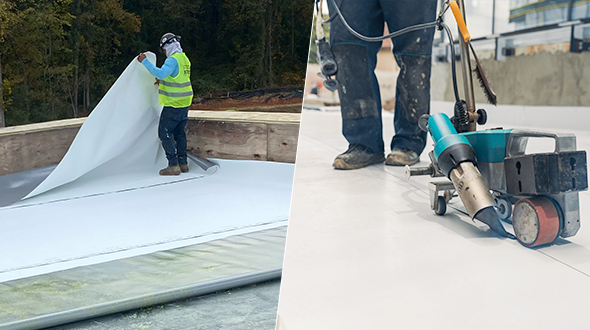
TPO roofing can be installed mechanically attached or fully adhered, with heat welding used to join the seams. TPO’s thermoplastic material facilitates easy heat welding and pliable working, making it ideal for quick and efficient installation projects.

membrane TPO roofing system installation

EPDM is lightweight, negating the need for extra support, and can be quickly and easily installed without requiring an electrical source. Hiring an experienced commercial roofing contractor ensures proper installation and warranty coverage for both EPDM and TPO roofing systems.

Maintenance and Repair

Maintenance and repair play essential roles in any roofing system. EPDM roofing systems have low maintenance needs, requiring infrequent inspections and repairs. However, a primary weakness of EPDM roofing systems is their susceptibility to leaks at seams, which can require attentive maintenance.

TPO roofing systems resist mildew and algae growth, reducing maintenance efforts. TPO is very puncture-resistant, but seams improperly welded can be an issue. Routine inspections and timely repairs ensure long-term performance and durability for both types.

Environmental Impact

Environmental considerations are gaining importance in the roofing industry. TPO roofing is entirely recyclable, bolstering its environmentally friendly reputation. It does not contain chlorine, making it a safer choice for the environment, and tends to emit fewer chemicals compared to other materials such as PVC.

EPDM roofing is also fully recyclable, ensuring the material can be repurposed rather than ending up in landfills. Both TPO and EPDM offer environmentally friendly options, but TPO’s lower chemical emissions give it a slight edge in this regard.

Choosing the Right Roofing System for Your Project

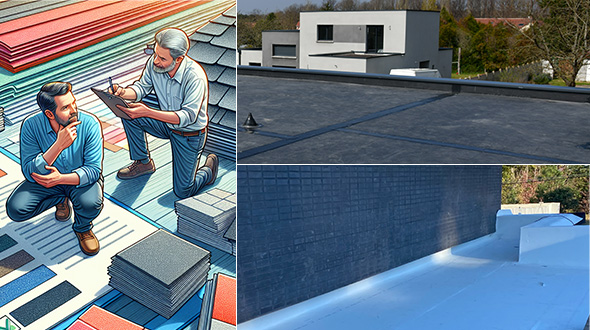
Selecting the right roofing system for your project involves considering factors like climate, budget, and building design. Geographic location, building usage, and external factors such as solar panel installation can also influence the decision between EPDM and TPO roofing systems.

selecting the right roofing system for a project

For flat-top buildings, consider the type of material, warranty, and financial cost. Selecting the right roofing system for flat roofs will ensure long-term performance and your ultimate satisfaction.

TPO vs EPDM Summary

In summary, both EPDM and TPO roofing systems offer unique benefits. EPDM is known for its cost-effectiveness, longevity, and versatility, making it a solid choice for budget-conscious projects. TPO stands out for its energy efficiency, puncture resistance, ease of installation, and environmental benefits.

Choosing between EPDM and TPO ultimately depends on your specific project needs, including climate, budget, and building design. By understanding each roofing system’s key differences and benefits, you can make an informed decision that will serve your building well for years to come.

TPO vs EPDM Frequently Asked Questions

What are the main differences between TPO and EPDM roofing systems?

The main differences between TPO and EPDM roofing systems lie in their properties: TPO offers superior energy efficiency and reflective capability, whereas EPDM is valued for its combined durability and cost-effectiveness. Additionally, TPO installation is generally easier and provides enhanced puncture resistance.

Which roofing system is more cost-effective in the long run?

EPDM roofing is more cost-effective in the long run because of its longer lifespan and low maintenance needs, making it a smart investment despite a higher initial expense.

How does the installation process differ between TPO and EPDM?

The installation process for TPO involves mechanical fasteners and heat welding, whereas EPDM can be installed using fully adhered, mechanically attached, or ballasted methods. This difference in installation techniques allows for varying flexibility depending on project needs.

Are both TPO and EPDM roofing systems environmentally friendly?

Both TPO and EPDM roofing systems are environmentally friendly, as they are both recyclable, with TPO also emitting fewer chemicals than PVC. This makes them suitable choices for sustainable roofing solutions.

What factors should I consider when choosing between TPO and EPDM for my building?

When choosing between TPO and EPDM for your building, consider your local climate, budget constraints, design preferences, energy efficiency requirements, and long-term maintenance needs. It’s crucial also to evaluate the environmental impact of each option.

Atlanta Commercial Roofing Contractors

Atlanta, GA
(404) 220-9288

The post TPO vs EPDM Roofing appeared first on atlantacommercialroofingcontractors.com
Wednesday, March 24, 2021

When Does a Roof Need To Be Replaced?

Roofing system rreplacement

Prevent catastrophic damages and injuries from a failed roofing system. Knowing how long different roofing systems are supposed to last will help you get it evaluated and replaced when the time is right.

atlantacommercialroofingcontractors.com gathered the following information to help you determine when your damaged or aging roofing system needs to be replaced.
What Impacts How Long a Roof Lasts?

Each type of roofing system has a projected lifespan. What determines a roofing system’s longevity includes:

  • Bi-annual inspections (spring and fall) under a maintenance program
  • Early detection of hidden problems/defects in the roofing system
  • Material quality
  • Installation quality (workmanship)
  • Weather patterns (severe weather events like hail, tornadoes, hurricanes, etc.)

A well-installed roofing system with continuous maintenance, care, and eventual repairs can last from 20 to 100 years, depending on the roofing material. Consider the following roofing systems:

Composition Shingles 15 – 40 Years

Composition shingle roofing system repair and replacement

Composition shingles are a composite product made from a fiberglass or cellulose mat, asphalt, and mineral granules. Composition shingle roofing systems are also environmentally friendly. Most composite roof materials are made with a paper backing and produced using recycled materials.

This durable roofing system can last an average of 15 to 20 years with minimal maintenance and care. When properly installed and maintained, this roofing system can last up to 40 years.

Signs that a composition shingle roof replacement may be necessary include:

  • Visible signs of roof or shingle aging
  • Multiple leaks
  • Missing mineral granules
  • Shingle curling (most common along edges)
  • Missing shingles
  • Moss growth on shingles
  • Algae growth (dark stains running down the roof slope)

Severe weather events are common factors in roofing system damages and failures. After such events, your roofing system should be inspected and repaired if possible.

Note 1: A typically hidden problem with shingle roofing systems is bad shingle adhesion. Contributing factors often include manufacturing inconsistencies, poor installation practices, advanced aging and shingle deterioration, cold weather installations, lack of attic ventilation, and repeated thermal expansion and contraction.

Note 2: Another, often hidden, issue occurs when gaps or openings are left in a roofing system's eaves, soffit, or fascia. These openings allow small animals/wildlife to enter attic space, destroying insulation or compromising a roofing system's integrity from the inside out.

Asphalt Shingles 10 – 20 Years

Asphalt shingle roofing system repair and replacement

Asphalt shingles are not made solely of asphalt. They consist of either a fiberglass or felt paper base coated with a waterproof layer of asphalt and topped with mineral or ceramic granules. Over the past four decades, fiberglass-based shingles have been the more requested product.

This roofing system can last an average of 10 to 15 years with minimal maintenance and care. When properly installed and maintained, this roofing system can last up to 20 years.

Similar to composition shingles, signs that an asphalt shingle roof replacement may be necessary include:

  • Visible signs of roof or shingle aging
  • Multiple leaks
  • Missing mineral granules
  • Shingle curling (most common along edges)
  • Missing shingles
  • Moss growth on shingles
  • Algae growth (dark stains running down the roof slope)

Note: Shingle roofing systems often hide water damage from failed flashing in valleys, around chimneys, and in poorly constructed chimney crickets or saddles. This type of failure can lead to multiple leaks, deck rotting, and eventual roof failure.

Severe weather events are common factors in roofing system damages and failures. Again, after such events, your shingle roofing system should be inspected and repaired if possible.

Wood Shingles Up to 30 Years

Wood shingle roofing system repair and replacement

Wood shake roofing and a wood shingle system are both typically made from cedar, cypress, redwood, or pine. While these wood products have similarities, they're produced differently. Wood shingles are usually machine cut on both sides, and wood shake material is created by splitting rectangles from a log.

Being rot and insect resistant, a wood shingle roofing system can last up to 30 years with diligent annual upkeep.

Signs that wood shingle or wood shake roof replacement may be necessary include:

  • Visible signs of aging or damage in multiple areas of the roof
  • Multiple leaks
  • Cracking, splitting, or warping shingles
  • Missing shingles

Often, these signs will be confined to a section of the roof, which may mean only a repair is needed.

Note: A commonly hidden problem with wood shingle roofing systems is a poorly ventilated attic. Moisture that cannot escape the attic is forced upward through the roof structure causing shingles to curl and buckle. This uneven warping traps water, exacerbating the roof's deformation and rapid decay of its framework.

Single-ply Membrane (TPO & PVC 15-30 Years, EPDM 30-50 Years)

Single-ply membrane roofing systems require fewer seams than asphalt roofing systems and don't require torches or hot asphalt for installation. Single-ply systems come with prefabricated finishing accessories that make installation easy. Consider the following:

TPO – TPO (thermoplastic polyolefin) is a single-ply membrane and is one of the fastest-growing commercial and residential roofing systems. TPO roofing systems are made of a single layer of synthetics and a reinforcing scrim used to cover flat roof substrates.

TPO roofing system repair and replacement

Because TPO is relatively new in the roofing industry, its full lifespan has yet to be determined. This roofing system can last an average of 15 to 20 years with minimal maintenance and care. When properly installed and maintained, this roofing system can last up to 30 years before replacement.

To learn the benefits, cost, and problems related to a TPO roofing system, read the TPO Roofing System Explained article.

Signs that a TPO roof replacement may be necessary include:

  • Visible signs of aging or damage in multiple areas of the roof
  • Multiple leaks
  • Chronic ponding
  • Severe alligatoring (shrinkage and cracking)

Note 1: Often overlooked and elusive are damages caused by a parapet wall's failed metal coping. This roofing system malfunction allows water to collect between the TPO membrane and roof substrate, ultimately resulting in leaks, membrane deterioration, and structural damages to the building.

Note 2: Another hidden problem for flat or low-sloped roofing systems occurs when internal drainage (drainage routed through the structure) becomes clogged. A blocked drainage system can lead to ponding and severe water damage requiring costly structural repairs and roofing system replacement.

Detected early, these issues can be halted with repairs. When the roofing system becomes compromised in multiple locations, replacement may be the only option.

PVC – PVC (polyvinyl chloride) roofing is a single-ply roofing system used on commercial, industrial, and residential flat or low-sloped roofs. PVC is among the world’s most widely produced synthetic plastic polymer.

PVC roofing system repair and replacement

Like TPO, this roofing system can last an average of 15 to 20 years with minimal maintenance and attention. When properly installed and maintained, a PVC roofing system can last up to 30 years before replacement.

Like TPO, signs that a PVC roof replacement may be necessary include:

  • Visible signs of aging or damage in multiple areas of the roof
  • Long tears or rips
  • Multiple leaks
  • Chronic ponding
  • Severe alligatoring (shrinkage and cracking)

Note 1: Improperly welded or damaged seams can allow water infiltration, often remaining undetected until extensive damages have occurred to the roofing membrane and substrate, requiring the roofing system's replacement.

Note 2: Foot traffic to and from electrical equipment and other rooftop installations can result in membrane tears and roofing system damage that can also go undetected until such damages require extensive repairs or roofing system replacement. This type of damage can be prevented by installing reinforced walkways or paths wherever foot traffic may be required.

Detected early, these issues can be halted with repairs.

PVC is somewhat similar when compared to TPO, but there are some unique advantages and we suggest knowing The Difference Between PVC and TPO Roofing Systems.

EPDM – EPDM (ethylene propylene diene polymethylene) is a durable synthetic rubber roofing membrane produced using two primary ingredients, ethylene and propylene, derived from oil and natural gas.

EPDM roofing system repair and replacement

Utilized worldwide in the roofing industry, EPDM membranes exhibit a high level of stability as they age. This roofing system can last an average of 30 years with minimal maintenance and care. However, when properly installed and maintained, an EPDM roofing system can last up to 50 years before requiring replacement.

Signs that an EPDM roof replacement may be necessary include:

  • Visible signs of aging or damage in multiple areas of the roof
  • Long tears or rips
  • Multiple leaks
  • Chronic ponding
  • Severe alligatoring (shrinkage and cracking)
  • Use of improper repair materials, including asphalt and roofing cements

Note: One of the more elusive complications for this and all other flat roofing systems is an incorrect slope (these roofing systems are often referred to as low-slope roofing systems). If the slope is too low, ponding can occur with heavy precipitation or even the slightest drainage obstruction. Ponding or water pooling leads to rapid deterioration of all roofing system components and will likely result in the need for a complete roofing system replacement.

To learn more of the benefits, installation process, cost, warranty, and problems with an EPDM roofing system, read EPDM Roofing System Explained.

Built-up Roofing (BUR) 30+ Years

BUR roofing system repair and replacement

Built-up roofing systems consist of multiple layers of asphalt alternated with felt sheets applied over the roof deck (substrate), vapor retarder, and insulation that is attached to the roof decking. The system is then covered with a reflective membrane (cap sheet) or coating system.

Depending on the climate and materials used, a built-up roofing system has an average lifespan of 20 years. Well-installed and maintained BUR systems have been known to last 30+ years.

Signs that a BUR roof replacement may be necessary include:

  • Multiple leaks (especially after having been repaired)
  • Chronic ponding
  • Severe weather or impact damage

Note: Leaks occurring in a built-up roofing system are often elusive, remaining hidden until severe damage has occurred to the roofing system and building structure. When a layered roofing system such as this develops multiple leaks, the likely course of action is to replace the system entirely.

To learn more of the installation process, benefits, cost, warranty, and potential problems with a Built-up roofing system, read the Built-up Roofing System (BUR) Explained article.

Modified Bitumen (ModBit) 15 – 25 Years

Modified bitumen roofing system repair and replacement

Modified Bitumen (ModBit) roofing is an asphalt-based roofing system similar to Built-up-Roof (BUR) and is designed for structures with low-slope or flat roof structures. Its five layers of protection make this roofing system one of the most trusted in the industry today.

Location, maintenance, and roof design are influencing factors on this system’s longevity. This roofing system can last an average of 15 years with minimal maintenance and care. When properly installed and maintained, a ModBit system can last up to 25 years before needing replacement.

Very similar to BUR, signs that a ModBit roof replacement may be necessary include:

  • Multiple leaks
  • Chronic ponding
  • Severe weather or impact damage

Note 1:When this or other flat roofing systems are ballasted with gravel or stone, repairs will often require the removal of that gravel or stone. This process may ultimately require the partial or complete replacement of the roofing system.

Note 2: A common and barely noticeable problem with ModBit roofing systems involves vibrations from mechanical equipment causing mechanical fasteners to loosen and back out, leaving holes in the membrane. As this condition progresses, severe water damage including rusted components, substrate or decking deterioration, leaks, and costly structural damages occur and can remain virtually unnoticed until a partial or total failure of the roofing system.

Note 3: Roof coatings are commonly applied to aging roofing systems to extend their lifespan. In doing so, a roof coating may fail, allowing slow leaks to develop and remain undetected until severe structural damages occur. These damages become evident as interior leaks, sagging areas in the roof, severe ponding, and roofing system failure if left to develop.

To learn more about the modified bitumen product, benefits, warranty, cost, and potential problems with this roofing system, see this Modified Bitumen Roofing System Explained article.

Metal Roofing Up to 70 Years

Metal roofing system repair and replacement

Metal or tin roofing is a popular roofing system around the United States and in Canada. The term “tin” is used interchangeably with metal, steel, or galvanized steel roofing. However, tin is an incredibly rare element and unused for roofing.

This incredibly durable roofing system can last an average of 25 to 40 years with minimal maintenance and care. When properly installed and maintained, a metal roofing system can last up to 70 years before requiring replacement.

Signs that a metal roof replacement may be necessary include:

  • Multiple leaks
  • Rusting components
  • Multiple damaged panels
  • extensive weather or impact damage

Note: Due to the expansion and contraction of metal roofing, fastening and anchoring systems can weaken and fail over time. This problem can result in complete roofing system failure and is often only detected during routine maintenance visits.

To learn whether this type of roof suits your needs, read Metal Roofing Advantages and Disadvantages.

Clay Tiles 50 – 75 Years

Clay tile roofing system repair and replacement

In use since the 17th century, clay tiles are made by baking molded clay. Tile density is determined by heating time and at what temperature. Known for their ability to withstand high winds, hail, and fire, these tiles are produced in white, yellow, orange, and brown shades.

A clay tile roofing system can last an average of 50 years. With proper installation and maintenance, a clay tile roofing system can reach 75 years before replacement is needed. In rare cases clay tile roofing can even reach a whopping 100 years.

Signs that a clay tile roof replacement may be necessary include:

  • Multiple cracked, damaged, or missing tiles
  • Roofing system sagging
  • Severe weather or impact damage

Note: While clay tile roofing systems can be long-lived, flashing failures (corrosion or cracking), and fastener failures (rusting) often result in water damage to the roof's decking and multiple leaks in the structure below. This type of damage can remain dangerously elusive, only appearing during a maintenance inspection or when the roofing system partially or completely fails.

When damages are minimal or confined to a small area, clay tile roofing systems can be easily repaired. More extensive damages will likely require partial or full replacement.

Roofing Maintenance Program

Roofing system maintenance repair and replacement

Roof maintenance plans are provided by commercial and residential roofing contractors, in which they agree to perform scheduled inspections, cleaning, debris removal, and scheduled or recommended preventative roof maintenance.

Acquiring a roofing maintenance program from a licensed roofing contractor allows property owners to protect the roof’s warranty provisions, extend the roof’s lifespan, and ultimately save money by preventing significant damages and costly repairs.

Most roof warranties require a minimum of one roof inspection per year performed by an authorized contractor. These inspections allow early detection of problems and their timely repair before developing into catastrophic problems, leading to a roof’s replacement.

Commercial Roofing Maintenance Programs and Services can greatly extend the life expectancy of your roofing system. If you are beyond repair and in need of a new roof, consider starting a maintenance plan after its replacement; a preventative service will add years to the life of your roof, and considerable savings to your investment.

Commercial And Residential Roof Replacement

In this article, you discovered information about roofing system longevity to help you determine when your roof should be repaired or replaced.

When you know your roof’s projected lifespan, the durability of its materials, and have diligently provided for its care and maintenance, it is likely that your roof will far outlive its life expectancy.

Ignoring your roof and its maintenance needs will sharply abbreviate its lifespan, potentially leaving you with costly repair bills, significant leak damage, and in need of an emergency replacement when it suddenly fails.

Sources:
epdmroofs.org/what-is-epdm/
asphaltroofing.org/bur-multi-ply-built-up-roofing/
energy.gov/energysaver/design/energy-efficient-home-design/cool-roofs

The post When Does a Roof Need To Be Replaced? appeared first on atlantacommercialroofingcontractors.com
Tuesday, July 28, 2020

Commercial Roof Replacement

Commercial roof replacement process and roof types

Avoid unexpected, expensive surprises when you replace your worn out commercial roof. By knowing the variable costs in a commercial roofing system replacement, you can ask the right questions to get a more accurate idea of the project cost.

atlantacommercialroofingcontractors.com gathered information about commercial roof replacement, what aspects of the project are variable in cost, what you can expect to spend on a new roofing system, and some of the available commercial roofing types.
Commercial Roofing System Replacement

The replacement of a commercial roofing system is a rare event for building owners and managers. When a roof is installed and maintained correctly, it can last for decades before needing replacement.

The following information will help you reach an informed decision about how to project roof replacement cost variables, and which type of roofing system to install:

Commercial Roof Accessibility

When replacing your commercial roof, access to your property and the roof can impact project costs as much as the roof type. Consider the following:

Commercial Building Height – Roof replacement for a 2-story commercial building will be much less costly than a 10-story commercial building. This is due, in part, to the need for cranes to remove old roofing material and lift new material to the work area.

Access to Building Property – Property access also has an impact on the project. The ability to freely move equipment to the property near the building will influence the logistics and project cost.

Material Storage Areas – Material storage is also a determining factor. Large “lay down” areas near the building facilitate the logistics of the roofing project and can lower its cost.

Building Occupant Safety – Building occupancy can pose a series of challenges to the roofing project. The safety and productivity of the building’s occupants must be considered at all times. If this requires roof replacement activities to occur after regular business hours, additional costs will likely be added to the project.

The easier it is to access your roof, execute the removal of the old roof, and install the new commercial roofing system, the less costly the project will be.

Commercial Roof Substrate Condition

Roof replacement costs can be heavily influenced by the condition of the substrate material. A commercial roof substrate may be composed of:

  • A concrete, wood, or metal deck
  • Plywood or cover board
  • Insulation

Damages to the substrate must be repaired before roof replacement. This cost is a variable, as even the most experienced roofers with the best detection technology may not identify substrate damages until the old roofing materials are removed.

Commercial roofing substrate preparation

Local, Regional, and State Commercial Roofing Code Requirements

The location of your commercial building may make your roofing system subject to code requirements, including more robust fasteners at more frequent intervals, insulation, substrate, ventilation, and/or slope requirements.

An example of this would be commercial structures along the coast of Florida. Codes in these areas require commercial roofing systems to be designed to withstand higher wind loads. For these roofing systems, more durable fasteners at closer intervals would be required, increasing the cost of the roof replacement project.

Commercial Roof Load-Bearing Capacity

Another crucial factor in determining the cost of replacing your commercial roofing system is the calculation of its dead, live, and transient load capacity.

Calculating your roof load capacity is one of, if not the most crucial aspect when determining the construct of the roof’s substrate and selection of a roofing system. Your roof must be able to support its projected dead load (HVAC units, ducts, vents, exhaust units, etc.), live load (installers, repairmen, and technicians), and transient load (rain, wind, and snow).

Read more about commercial roof loads at atlantacommercialroofingcontractors.com/what-is-commercial-roof-load-why-you-need-to-know/

Commercial Roofing Types

No two roofs are the same. Thus, there are several commercial roofing systems to choose from. The following are some of the more popular commercial roofing types, installation information, and typical price range:

TPO, PVC, and EPDM Single-Ply Membrane Systems Can Cost from $3.50 to $8 per square foot

TPO, PVC, and EPDM are all known as single-ply roofing systems, they require fewer installation steps and are installed with a straightforward process:

  • The old roofing system is removed
  • The substrate is cleared of anything that may damage the selected membrane
  • The membrane is rolled out onto the roof
  • The membrane is then adhered to the roof using tape, glue, or heat (for thermoplastic material)
  • The membrane is also adhered to itself where its edges overlap
  • Protrusions are sealed
Commercial roofing single ply system

The time it takes to install a membrane, or single-ply roofing system also depends on the width of the membrane. The wider it is, the fewer seams there are to seal in the roofing system, which also leaves fewer opportunities for leaks and eventual substrate damage.

A BUR/Asphalt System Can Cost from $5 to $9 per square foot

Built-up roofing systems are among the oldest in modern times. BUR systems are durable and effective at resisting leaks while repelling water. The installation process occurs in the following steps:

  • The old roofing system is removed
  • Base sheets are laid down and attached to the roofing deck
  • Felt is then glued to the base sheets using an adhesive, concrete, asphalt, or tar
  • Gravel or cap sheets are installed over the felt
  • A top layer of asphalt completes the installation
Commercial roofing built up system

A BUR system creates a robust roof, able to keep severe weather and the elements from entering the building it protects.

A Metal Roofing System Can Cost from $5 to $14 per square foot

One of the most long-lived roofing options (forty + years), metal roofing is also one of the more expensive options. The following details how a metal roofing system is installed:

  • The existing roof is removed
  • The roof deck is built/prepped (framework and insulation installation)
  • The flashing and eaves are installed
  • Metal panels are laid out and fastened to the roof deck (fastening depends on which material the panels are composed of; aluminum, copper, steel, etc.)
Commercial roofing metal panel roof

Metal roofing comes in panels or steel shingles. Steel shingles are installed in the same manner as slate, clay, or concrete shingles.

A Modified Bitumen System Can Cost from $4 to $8 per square foot

Modified bitumen is a result of the evolution of asphalt roofing. It is a form of membrane flat roofing. The system is durable and can sustain substantial foot traffic without wear. The following is the installation processes of a “torch-down” modified bitumen roofing system:

  • The existing roof is removed
  • The substrate is cleared of any debris
  • Heavy roofing felt is rolled out and nailed down
  • Flashings and primer are installed
  • The first sheet is rolled out along the edge of the roof for trimming and fitting
  • The sheet is then rolled back up
  • A torch is used to slightly melt the bitumen as the first sheet is rolled back out
  • Overlapping sheets are then applied in the same manner until the roof is covered and sealed
Commercial roofing modified bitumen system

Before selecting modified bitumen, verify that the existing substrate is compatible. Improper adhesion can lead to leaks and likely failure of the new modified bitumen system.

Disclaimer: The preceding price ranges are for comparative purposes only and should not be considered a part of any bid or quote for roofing installation, repair, or replacement.

Replacing Your Commercial Roofing System

In this article, you discovered information about replacing a commercial roofing system, the variables involved in calculating the cost, and commercial roofing types with their price ranges.

By knowing what to look for in a commercial roofing replacement estimate, you can avoid surprises by asking informed questions about installation variables.

When you choose to rely solely on a contractor’s bid or estimate, you may be in for a surprise when unforeseen damages and difficulties cause your roofing project to go quickly over budget.

Sources:
asphaltroofing.org/bur-multi-ply-built-up-roofing/
roofcalc.org/metal-roofing-prices/
nrc.gov/docs/ML1214/ML12146A122.pdf

The post Commercial Roof Replacement appeared first on atlantacommercialroofingcontractors.com
Sunday, May 31, 2020

Commercial Roof Installation

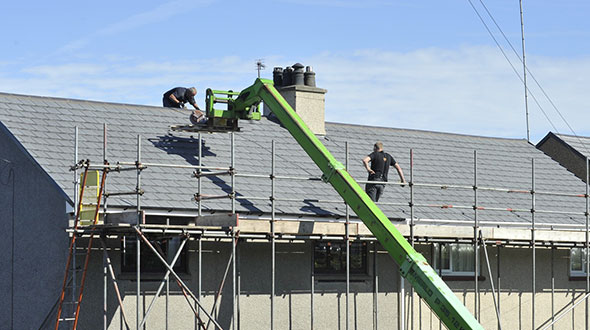
Commercial roofing system installation

Don’t let the wrong roofing system or a poorly installed one cripple your business. Knowing what goes into installing or replacing a commercial roof will help you make informed decisions when it is time to act.

atlantacommercialroofingcontractors.com gathered information about commercial roof installation, replacement, and answers some common commercial roofing FAQs.
Commercial Roofing System Installation

Installing a roof on a new commercial building or replacing an old one may seem procedurally simple enough. However, some roofing system installation differences should be addressed.

TPO, PVC, and EPDM Membrane System Installation

Also known as single-ply roofing systems, these systems require fewer steps and are installed with a relatively straightforward process:

  1. The roof is cleared of any material that may damage the membrane
  2. The membrane is rolled out onto the roof (single-ply roofing material typically comes in rolls)
  3. The membrane is then adhered to the roof using tape, glue, or heat (for thermoplastic material)
  4. The membrane is also adhered to itself where its edges overlap
  5. Protrusions are sealed

The time it takes to install a membrane or single-ply roofing system will also depend on the width of the material. The wider the material is, the fewer seams in the roofing system, which also translates to fewer opportunities for leaks and roof failure.

Elastomeric Coatings and Spray Polyurethane Foam (SPF) System Installation

Both Mesh Reinforced Elastomeric Coatings (MREC) and SPF coatng systems are intended to extend the life (up to 20 years) of an existing roofing system. Their installation includes:

Mesh Reinforced Elastomeric Coatings (MREC) – Composed of acrylic, elastomeric, and polyester reinforcing mats, MREC mats are applied in multiple layers until the desired thickness is reached.

Sprayed Polyurethane Foam (SPF) – SPF coatings may be acrylic, polyurethane, silicone, aggregate, or mineral granules. SPF coatings are sprayed onto a roof and should be applied by skilled workers.

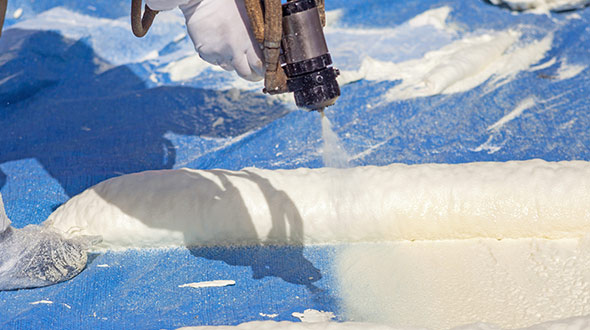
Commercial roof sprayed polyurethane foam installation
  • SPF can be applied directly to the roof deck or existing roofing system
  • An SPF membrane is created by spraying a two-part liquid material onto the substrate
  • The mixture expands and solidifies creating a waterproof polyurethane foam

Besides the protective nature of SPF coatings, the thickness and slope of the roof can be controlled during application.

BUR/Asphalt System Installation

Built-up roofing systems are among the oldest roofing processes in modern times. BUR systems are durable, they look nice, and are effective at resisting leaks and repelling water. The installation process occurs in four steps:

  1. Base sheets are laid down and attached to the roofing deck
  2. Felt is glued to the base sheets using adhesive, concrete, asphalt, or tar
  3. Gravel or cap sheets are then installed over the felt
  4. A final layer of asphalt completes the installation process

A properly installed BUR system creates a virtually impenetrable roof, able to keep severe weather and the elements from getting into the building it protects.

Modified Bitumen System Installation

Modified bitumen is an evolution of asphalt roofing that is a form of membrane flat roofing. The roofing system can sustain substantial foot traffic without wear. The following are the installation processes of torch-down and peel-and-stick modified bitumen roofing systems:

Torch-Down Modified Bitumen

  1. The roof is cleared of debris
  2. Heavy roofing felt is installed and nailed down
  3. Flashing and primer are installed
  4. The first sheet is rolled out along the edge of the roof (trimmed and fitted)
  5. The sheet is rolled back up
  6. A torch is used to slightly melt the bitumen as the sheet is rolled back out
  7. Overlapping sheets are applied in the same manner until the roof is covered and sealed
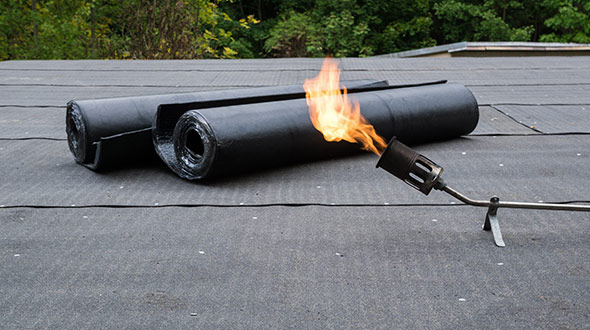
Commercial roof torch down modified bitumen installation

Peel-and-Stick

  1. The roof is cleared of debris
  2. Heavy roofing felt is installed and nailed down
  3. Flashing and primer are installed
  4. The first sheet is rolled out along the edge of the roof (trimmed and fitted)
  5. The sheet is rolled back up
  6. The protective film is removed to expose the adhesive and rolled into place
  7. Sheets are overlapped by about six inches until covering the entire roof
  8. The system is pressed into place using a weighted roller
  9. The roof edges are sealed with roofing cement and rolled again to seal the layers together

Before installing modified bitumen, verify that the existing material on the roof is compatible (previous systems using rubber can be eaten away, causing weaknesses and potential failure of the new modified bitumen system).

Metal Panel Roofing System Installation

One of the most durable roofing options (up to forty years), metal roofing is also one of the more expensive options. The following detail how a metal roofing system is installed:

  1. The existing roof may need to be removed (depending on municipal codes and/or roof load capacity)
  2. The roof deck is prepared (framework and insulation installation)
  3. Flashing and eaves are installed
  4. Metal panels are laid out and fastened to the roof (how they are fastened depends on which material the panels are composed of; aluminum, copper, steel, etc.)

Metal roofing can be installed using panels or steel shingles. Steel shingles are installed the same way as slate, clay, or concrete shingles.

Commercial metal roofing system installation

New Commercial Building Roofing System Installation

A commercial building’s roof is its primary defense against damaging weather and natural hazards. Architects, builders, and building owners decide early in the designing stages which roofing system will be installed. Some of the factors that lead to a decision are:

  • What equipment will be installed on the roof
  • What is the needed roof load
  • What type and how many protrusions will be needed (vents, exhaust pipes, skylights, drains, etc.)
  • How and where will the roof shed water
  • What is the expected foot traffic on the roof (walkways and reinforcements may be required)
  • What is the anticipated lifespan of the roofing system
  • Which commercial roofing system offers the best performance for future building activities (the roof used for an office building may not serve that used for a restaurant)
  • Regional weather patterns (wind, rain, snow, hail, ice, and heat)
  • Natural disasters (tornadoes, hurricanes, wildfires, earthquakes, etc.)

Many regions across the country experience one sort or another of natural disasters or recurring weather events. In many cases, these regions have developed laws or ordinances that require specific materials to be used when installing a new commercial roofing system.

Read more about what a commercial roof load is at atlantacommercialroofingcontractors.com/what-is-commercial-roof-load-why-you-need-to-know/

Replacing A Commercial Roofing System

For building managers, replacing a commercial roofing system is a rare event to see in one’s career. A well-installed and maintained roofing system can last decades before needing replacement.

When it comes time to replace the roof on your commercial building, the following steps will help you hire the right contractor to install the right roof for your building’s needs.

Bidding Process: Request bids from at least 3 contractors. By doing so, you can compare their prices, suggestions, more importantly, their work history, quality, and online reviews.

Roofing System Selection: The roofing system you select should accommodate the structure and purpose of your commercial building. An honest, professional roofer will help you determine which roofing system will serve your building best and advise you whether or not replacement is necessary.

Selecting a roofing system for your commercial building will require you to determine the best fit for your building, which system fits within your budget, which one offers the best protection and durability, and which maintenance program makes the most sense.

Roofing System Tear Off: If your current roof has reached the end of its life, it must be removed before installing a new one. This process exposes any flaws or defects in the roofing deck, which must be addressed before installing a new roof.

Roofing System Installation: Since every roofing installation is unique, a definitive installation timeline is difficult to project. The following should be taken into consideration when determining how long your installation will take:

  • Roof deck repair (if required)
  • The type of commercial roofing system
  • The size of the roof (the larger the roof, the longer it will take)
  • Unexpected weather events

Sometimes, when a permit is required to replace your roof, there may be stipulations that affect how and when the work can be done. To avoid delays, fines, and further punitive measures, permit requirements must be adhered to at all times.

Roofing System Guarantees, Warranties, and Maintenance Programs: Once your roofing system installation is complete, you should receive a:

  • Guarantee covering the installation of your roof
  • Warranty covering parts and materials
  • Maintenance program proposal from your roofer to periodically perform inspections and minor repairs

Read more about what goes into a commercial roofing maintenance program at atlantacommercialroofingcontractors.com/maintenance-programs-services/

Commercial Roofing System FAQs

The following are answers to common FAQs based on general roofing information. Since no two commercial roofing systems are exactly alike, your specific situation may require further investigation for a more accurate response.

Question: How long will a commercial roofing system last?

Answer: A well-installed and maintained commercial roofing system can last from 30 years to the life of the structure it protects. The longevity of a roof depends mostly on the quality of its materials, installation, and maintenance program.

Question: My roof is leaking, what should I do?

Answer: Immediately contact your roofer. Whether you have a maintenance program or not, leaks must be addressed immediately to prevent structural damage to the roofing system and building.

Commercial building roof leak evaluation for replacement

Question: What is the difference between a commercial and residential roof?

Answer: Similar roofing systems can be applied to both commercial and residential structures. However, most commercial roofs will require a higher roof load to support HVAC and other equipment. They may appear very similar but are structurally different.

Read more about why you need to know your commercial roof load at atlantacommercialroofingcontractors.com/what-is-commercial-roof-load-why-you-need-to-know/

Commercial Roofing System Installation Process

In this article, you discovered information about new commercial building roof installation, commercial roofing replacement, and answers to common roofing questions.

By knowing what is involved in the commercial roofing installation or replacement process, you can make informed decisions when it’s time to select a roofing contractor and the best roofing system for your commercial building.

Not knowing what to do when you need a new roof can lead to the wrong roof installed, possible municipal code violations, expensive fines, and continuous roofing maintenance problems.

Sources:
wbdg.org/guides-specifications/building-envelope-design-guide/roofing-systems
buildings.com/article-details/articleid/4937/title/the-basics-of-roof-maintenance
asphaltroofing.org/bur-multi-ply-built-up-roofing/
whysprayfoam.org/spray-foam/roofing-systems/
amtrustfinancial.com/getmedia/7d774cf7-d8f4-455f-8b0d-a0d03a1c23fb/IBHS-Commercial-Roof-Best-Practices-Guide.pdf

The post Commercial Roof Installation appeared first on atlantacommercialroofingcontractors.com
Friday, April 26, 2019

Types and Purpose of Commercial Roof Flashing

Commercial roofing system weatherproof  flashing

Don’t let wet spots on your ceiling or streaks down your wall make your property look ugly and worth less money. Your leaky roof is often times the result of a failure in the roofing system’s flashing.

Without sufficient flashing, a roofing system cannot repel the elements, will ultimately fail and begin to leak. When installing a new roof or repairing a current one, it is essential that the flashing be compatible with the roofing system and be installed properly.

atlantacommercialroofingcontractors.com examines the purpose, types, and application of flashing used in commercial roofing systems.
What Is Flashing?

Flashing is a layer of waterproof material that keeps water from penetrating your roofing system at joints, vents, exhausts or appliance connection points. While caulk is used to fill small gaps around doors and windows, it has an entirely different purpose, and shouldn’t be confused with flashing.

Waterproof flashing on a commercial roofing system

Water naturally runs downhill to the lowest point of gravity. For flashing to work correctly, all seams must be installed facing downhill. Properly installed, the upper edge of flashing should be covered or protected by tarpaper, TPO, or whichever membrane or material is used in the roofing system.

Flashing Material

Numerous materials can be applied as flashing. The two criteria commonly used when determining which material to use are:

1 – The material won’t degrade from being in contact with other incompatible material.

2 – The material is impermeable to water.

The following materials are commonly used as flashing in both commercial and residential roofing systems:

Plastic and Rubber – While primarily used as caulk, plastic and rubber are excellent water-repellants when applied as flashing.

Commercial roofing system caulked rubber waterproof flashing

PVC and TPO – Both PVC and TPO are popular types of roofing systems, and the same material can be used as incredibly effective and durable flashing.

Roofing Felt – Asphalt-saturated roofing felt can be used as flashing, but is not as durable as other options.

Aluminum – Durable, easy to form, and somewhat inexpensive. When left in contact with alkaline material like concrete, or treated lumber, aluminum flashing will corrode.

Galvanized Steel – Not as durable as other options, but it is very inexpensive.

Copper and Lead-Coated Copper – More difficult to bend and form than aluminum, but much more durable. Copper flashing is typically used during the installation of solar panel piping, wiring and sensor connections.

Lead – Because of its super-flexibility and durability, lead is a popular choice in the roofing industry (a favorite of masons for chimney flashing). There are potential health risks, but the use of lead flashing continues, and when properly installed can last for up to 200 years.

While most flashing is sold in rolls that vary in thicknesses and can be cut, bent, and shaped at the job site. Pre-molded flashings are also available for standard-sized exhaust pipes, vents, and fittings.

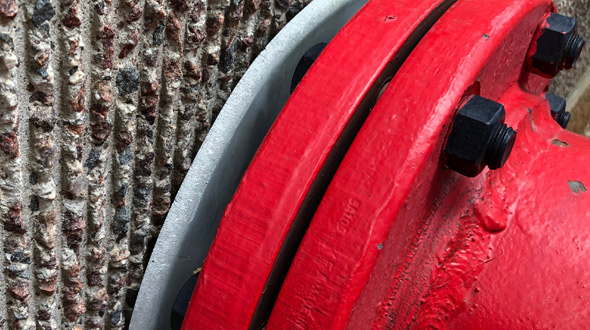
Commercial roofing pre molded flashing for water main entry

Flashing Types for Roofing Systems

The following are the names and descriptions of different types of flashing used in commercial and residential roofing systems:

Ridge Flashing – This flashing is applied at the “peak” of a dually sloped roof.

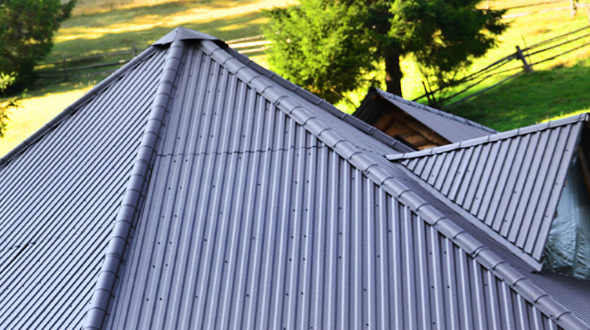
Commercial roofing system ridge flashing

Bargeboard – This is the flashing along sloped roof edges.

Wall Abutment – This is where roof edges meet walls.

Corner Flashing – This flashing is used where walls meet, and it runs from roof to floor.

Inverted Corner Flashing – This flashing is used when the corner of a structure meets a wall. Instead of wrapping around the corner as in “corner flashing,” it is applied to the structure and the wall in an “inverted corner” from roof to floor.

Eaves Flashing – This flashing runs along the length of flat edges of a roofing system.

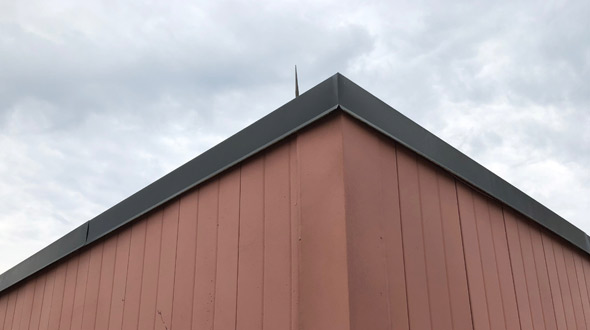
Commercial roofing system metal eaves flashing

Drip Cill Flashing – This is the flashing which runs along the lower perimeter (at the foundation).

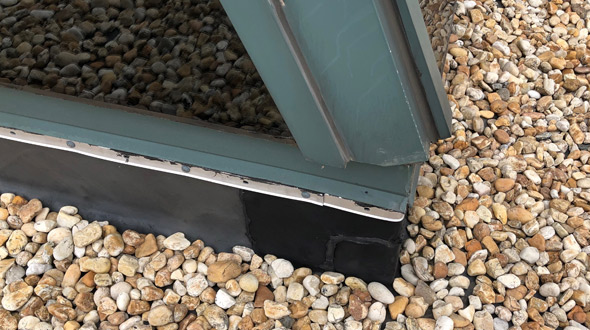
Commercial roofing system pvc drip cill flashing

Valley Flashing – The point where two downward slopes meet is where valley flashing is applied.

Commercial roofing system valley flashing

Step Flashing – Commonly used in place of wall abutments or chimney and skylight flashing (on slopes), step flashing is the downward overlapping alternate layering of roofing and flashing material.

Metal Edge Flashing – Also known as “drip edge flashing,” this is installed around the perimeter of a roofing system to direct the flow of water off of it without entering the structure . To learn more about commercial edge flashing and coping visit disastersafety.org/ibhs/commercial-roofs-flashing-coping/

Saddle Flashing – This is the flashing used where joists meet walls or other support structures, wrapping around connection points to form a water-tight seal.

Vent Pipe/Exhaust Flashing – This flashing provides a water-tight seal at the point where vent or exhaust pipes protrude through a roof.

Commercial roofing system vent pipe and exhaust flashing

Cap Flashing – This flashing is usually composed of metal and is used to shield the upper edges of membrane base flashing along the top of a wall or column.

As you can see, flashing is a critical element in a roofing system. There are a few more essential components that comprise a complete roofing system. To learn these, and for more commercial roofing information and tips, visit atlantacommercialroofingcontractors.com/info/

Roof Flashing Weatherproofs Your Structure

Don’t let your building unnecessarily look run-down and develop water damage from preventable water infiltration and leaks. Keeping the elements outside is what a successful roofing system does, and it dramatically relies on properly applied flashing.

In this article, you discovered what roofing system flashing is, what it is used for, the different types, and its application.

The use of the wrong flashing material on a roofing system may lead to leaks and its ultimate failure. Save money and avoid unexpected interruptions of your business by having the appropriate flashing material properly installed in your commercial roofing system.

Sources:
http://web.mit.edu/parmstr/Public/NRCan/CanBldgDigests/cbd069_e.html
https://www.nachi.org/flashing-part1-12.htm

The post Types and Purpose of Commercial Roof Flashing appeared first on atlantacommercialroofingcontractors.com
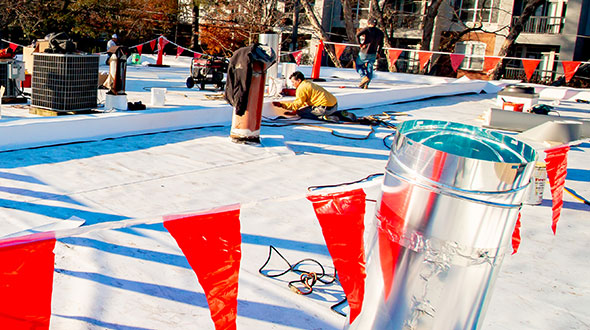
Can Roof Shingles Be Painted?

Many property owners wonder whether painting their roof is a viable way to refresh its appearance without the expense of a full replacement....