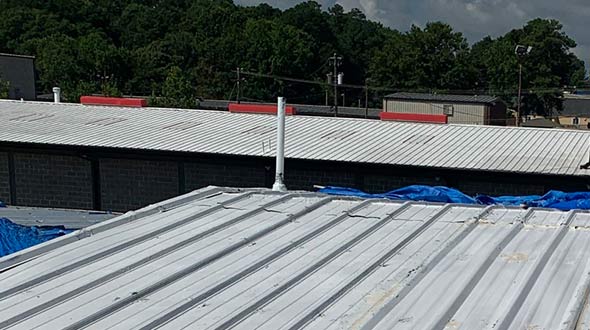
Showing posts with label Commercial Roof Repair in Atlanta Ga. Show all posts

Wednesday, April 20, 2022

Flat Roof Drainage Systems Explained

Commercial roofing drain system

Avoid structural damage to your building due to your flat roof drainage system failing to do its job. Knowing how flat roofing systems drain will help you determine a course of action when yours stops working.

atlantacommercialroofingcontractors.com gathered the following information about flat roof drainage systems, their pros, and their cons.

How Do Flat Roofs Drain?

Flat roofs don’t benefit from sloped roofing systems and gravity to assist them with water removal. They require a drainage system to help remove and channel the water. There are three flat roof drainage systems that work in perfect harmony with flat roofs, and each one has its pros and cons:

Scuppers
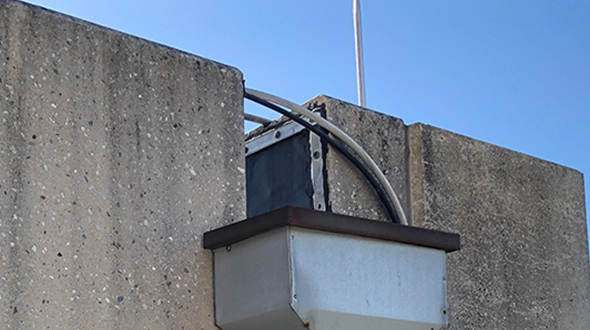
Commercial flat roofing scupper drainage system

Scuppers are found on many commercial and residential flat roofs. Scupper drains are equally effective and important as other drain systems. Special attention should be given to their location and installation on flat roofs.

What is a scupper? Scuppers are drain openings placed in low-lying areas on the side of a roof for water drainage. A scupper can be installed through a side wall or a parapet wall.

Scupper Pros:

  • No leaf or debris build-up, everything washes away from or blows off the roof
  • Water shoots away from the building instead of down the side
  • Can add architectural/curb appeal to the roofline with custom-built or molded scuppers
  • Minimal cost
  • Easy to almost no maintenance required
  • No clogging issues if the scupper is large or wide enough

Scupper Cons:

  • If downspouts are installed below your scuppers, they will need to be checked and cleaned regularly since they can easily clog.
  • Scuppers may not be as effective in severe downpours and seasonal snowmelt.

Scuppers can be easily installed and maintained by your roofing company.

Gutters
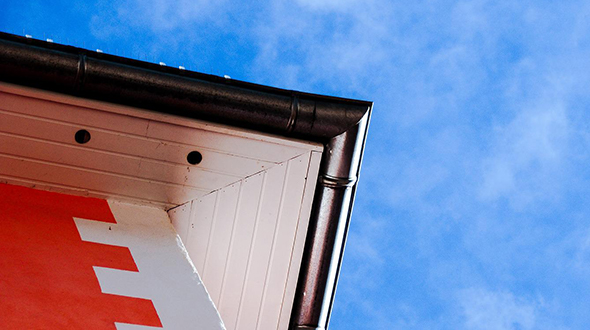
Commercial flat roofing gutter drainage system

The majority of roofing systems are installed with a gutter system for water drainage. This is the most popular drainage system with the goal of draining water from the roof, moving it to the ground, and ejecting it away from the structure’s foundation.

Don’t be misled to think that gutters are not effective for a flat roofing system. Though flat roofs are nearly level in comparison with pitched roofing systems, they are not entirely flat.

They do possess very low slopes that help them drain water. Gutters can collect the water that naturally falls off your roof into an open gutter system. They then channel the water off and away from the home or commercial building. Gutter systems are by far the most cost-effective drainage solution for flat roofs, but they require regular cleanings and periodic maintenance for the best results.

Gutter Pros:

  • Inexpensive and common, gutters are the easiest drainage system to find, customize, and install.
  • This system helps divert water from inconveniently pouring off the roof in heavier rains, protecting walls, doorways, and windows.
  • Gutters, with their downspouts, work wonders in keeping water away from the structure, preventing severe water damage.

Gutter Cons:

  • Gutters typically pull away from fascia boards with time.
  • Gutters are highly susceptible to debilitating damage from ice, heavy debris, and severe weather.

Gutter drainage systems should be maintained and cleaned multiple times per year (especially prior to and after the rainy season in your region).

Interior Drains
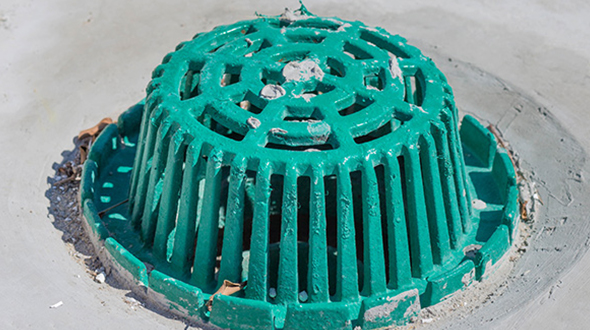
Commercial flat roofing drainage system

This type of drainage system is often found on the roofs of large buildings, but it may also be used for residential homes. These drain systems are typically built into the structure before the roofing system is installed on it. In this respect, they are like a sink or shower drain. They use an interior system of pipes, are typically found below the roof, and carry water away from the home’s foundation. These drains are commonly located in the center of the roof.

Interior Drain Pros:

  • The pipe system is protected by the roof and walls of the building. This minimizes risks of pipe bursts, failure, cracking, or freezing.
  • This flat roof drainage system effectively protects your walls and foundation from suffering any severe water damage.
  • This drain system is somewhat customizable and can easily boost your curb appeal with custom fittings.

Interior Drain Cons:

  • Interior drain installation is the costliest of all flat roof drainage systems.
  • While these drains are less susceptible to damage or clogging, you will need to have a professional roofing technician or a certified plumber make any repairs to damage that may occur.
  • You’ll need to remain cautious since debris can easily clog up the system. Installing strainers/filters and routinely checking the system can help prevent blockages. If ignored, you may have to deal with standing water on your roof.

The Right Drainage System for Your Flat Roof

Any of these systems can effectively divert water from your flat roof, provided it is correctly installed and properly maintained. It’s important to strongly consider each drainage system’s strengths and weaknesses before making your decision, including cost, durability, and maintenance requirements. When in doubt, consult your roofer and consider your building type and location to help you come up with the best drainage system for your flat roofing system.

Flat Roof Drainage

In this article, you discovered three of the ways flat roofing systems efficiently drain and expel rainwater and snowmelt.

Knowing how your roofing system drains water away can help you determine when your roof may need maintenance, cleaning, and even repairs.

Ignoring your roofing system’s drains can lead to severe structural problems and costly repairs when they stop functioning correctly.

Sources:
web.mit.edu/parmstr/Public/NRCan/CanBldgDigests/cbd151_e.html
digitalcommons.calpoly.edu/cgi/viewcontent.cgi?referer=&httpsredir=1&article=1069&context=aen_fac
extension.psu.edu/rainwater-cisterns-design-construction-and-treatment

The post Flat Roof Drainage Systems Explained appeared first on atlantacommercialroofingcontractors.com

Monday, November 22, 2021

18 Parts of a Roof and What They Do

Numerous residential roofing components work together to fully protect a home

Without knowing the basic components when having your roof repaired or replaced, an unscrupulous roofer can take advantage and charge you more money than necessary. Knowing the various parts that compose a roofing system will help you understand the work being done, and ensure you are treated fairly.

atlantacommercialroofingcontractors.com gathered the following information to help you gain a deeper understanding of the complexity and needed parts of your home’s roofing system.

Parts of a Roof

The following are 18 parts of a shingle roofing system and their purpose:

1 – Ridge Board

This is the wooden or metal board that runs along the peak of the roof. Rafters and trusses connect to the ridge board, creating a cohesive framework for the roof.

2 – Collar Beam

A collar beam is a horizontal beam that connects two rafters that intersect at the ridge.

3 – Solid Decking

This decking is composed of solid materials, is strong and stable for bearing potentially heavy loads.

4 – Rafter

Rafters connect to the ridge board and support the roof deck and its load

One of the multiple diagonal members of the truss that meet at the apex to support the roof deck and its load.

5 – Felt Underlayment

This layer of material is a waterproofing layer made of regular felt. It is stacked above the solid decking board and then covered by shingles or preferred roofing materials.

6 – Shingles

Shingles are the roof covering typically flat and cut or molded into rectangular shapes. Shingles can be made of multiple materials like slate, wood, stone, plastic, metal, and composite materials.

Suppliers can offer shingles in a wide variety of shapes, sizes, and colors.

7 – Chimney

A chimney and its flashing work together to remove dangerous gases from your home and prevent leaks from rainwater

The vertical structure penetrating through the roof that is responsible for safely ventilating smoke and combustion or residual gases from a fireplace, boiler, or stove (wood-burning or gas equipped) to the outside environment.

8 – Chimney Flashing

A waterproofing seal installed at the penetration point of the chimney through the roof and used to prevent moisture infiltration.

A small structure called a cricket may also be installed on the raised side of the chimney to prevent moisture and debris from gathering and damaging the roof or chimney.

9 – Vent Pipe Flashing

This installation is weaved or layered into the shingle pattern preventing damage from water seepage into the roofing system.

10 – Spaced Sheathing

Spaced sheathing, also called skipped decking, refers to the type of decking identified by boards running horizontal to the rafters with a 4”- 6” space between them.

11 – Valley Underlayment

This waterproofing layer protects roof valleys from ice and water damage.

12 – Valley Flashing

Valley flashing is a waterproofing seal installed along valley lines.

13 – Lookout

A lookout, lookout rafter, or roof outlooker is a joist that extends in cantilever out from the exterior wall (or wall plate) of a structure, supporting the roof sheathing and providing a nailing surface for fascia boards. When not exposed, it can serve to fasten the finish materials of the eaves.

14 – Fascia

The fascia is the often attractive board along the side of the overhang and the roof that helps your roof have a completed appearance. Your gutters will sit atop your facia board. The fascia is sometimes called a “transition trim” between the home and the roofline.

15 – Rake

A rake board covers the top edge of siding where it meets the roof or soffit if there is an overhang on the gable end. A rake prevents rain from running behind it.

16 – Gutter

Gutters channel rain and melting snow away from the roof and building.

Gutters are the horizontal metal (typically aluminum) part of the water drainage system that are usually installed along the eave edges of your roofing system, or along roof features like dormers. Gutters are open at the top to collect rainwater flowing off the roof, then directing it into the downspouts.

17 – Down Spout

The primary job of gutters and downspouts is to collect water from the roofing system during rainstorms (or from melting snow) and safely divert it away from the foundation of the structure.

18 – Splash Block

Splash blocks are rectangular pieces of plastic or concrete located beneath the end of downspouts. Splash blocks are used to direct water as far away from a structure as possible while preventing soil erosion, eventually causing foundation issues.

While there are many more components that compose a roofing system, knowing the 18 listed above will give you sufficient dialog to properly address and negotiate eventual roof repairs or replacement.

Understanding What Makes a Roof

In this article, you discovered 18 roofing components that are fundamental to the proper functioning of a sloped, shingle roofing system.

The ability to address your roofing system issues directly with your roofer in clear and concise vocabulary will help you get the work done that you need.

Not knowing how to communicate your roofing system issues clearly can result in expensive, unneeded repairs, compounding existing problems, or the risk of being taken advantage of and overspending.

Sources:
goconstruct.org/why-choose-construction/whats-happening-in-construction/what-are-the-different-parts-of-a-roof-and-what-do-they-do/
checkbook.org/v2/docs/roofers/all-areas-roofers-parts-of-a-roof.pdf
asphaltroofing.org/asphalt-roofing-systems-components/

The post 18 Parts of a Roof and What They Do appeared first on atlantacommercialroofingcontractors.com

Thursday, June 24, 2021

Asbestos Roofing Removal

Asbestos roofing system removal

Avoid dangerous exposure to carcinogens when your asbestos roofing system needs replacing. Knowing what to look for, then how to test and safely remove a residential or commercial roofing system that contains asbestos will offer an enormous peace of mind, and reduce your risk or liability.

atlantacommercialroofingcontractors.com gathered the following information about what to do when your roofing system containing asbestos gets damaged or fails, the dangers of asbestos exposure, and resources to help you protect your personal and/or workplace safety.

How Do I Know If My Roofing System Contains Asbestos

The most reliable way to tell if some material contains asbestos is to have a certified asbestos inspector collect samples of suspect asbestos-containing roofing materials and submit them to an analytical laboratory for analysis. Remember, all layers and parts of a roof should be sampled. Asbestos may be in one layer or part and not in another.

Tip: The older your roofing system is, the more likely for asbestos to be present.

What is Asbestos

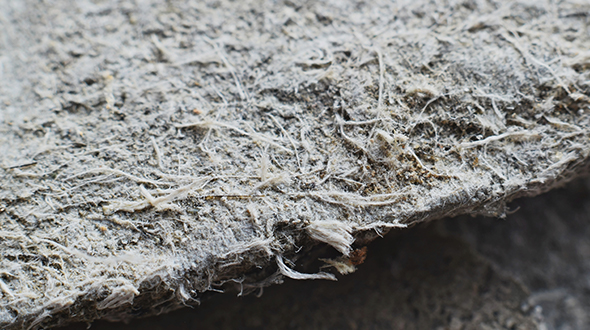
Asbestos materials used in roofing systems

Asbestos is made up of groups of mineral fibers naturally occurring in rocks and soil. Known for its strength, durability, and resistance to fire and water, asbestos was used commonly in various construction applications for the greater part of the 20th century. Asbestos is a thermal and acoustic insulator. It was used to make combustible objects flame retardant. Asbestos fibers are flexible and elastic, long-lasting, and can be spun or woven.

Asbestos Testing

Before starting any demolition, restoration, or repair work on material suspect of being treated or contaminated with asbestos, testing will help you determine how to proceed. Testing can be accomplished by:

  • Using a commercially available asbestos testing kit
  • Hire a professional, certified asbestos inspector

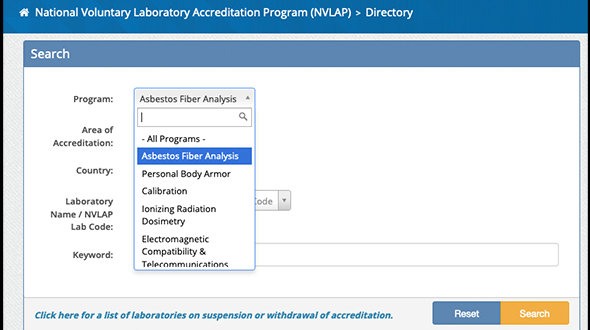
Tip: The National Voluntary Laboratory Accreditation Program (NVLAP) has an online tool to help you locate an accredited local testing laboratory; access the tool for a local testing lab

Asbestos national voluntary laboratory accredation program online portal

What Roofing Materials May Contain Asbestos?

Before public awareness of asbestos hazards and Federal regulations/restrictions, asbestos was added during the production of roofing materials to strengthen them, increase their durability, and provide some insulation and fireproofing. The use of asbestos in roofing has declined rapidly since the early 1980s.

The following common roofing products may contain asbestos:

  • Adhesives
  • Coatings
  • Decking
  • Felts
  • Shingles (asphalt and concrete)
  • Underlayment
  • Vapor retardants
  • Flashing
  • Mastics
  • Sealants

Why Remove Asbestos Roofing

Several decades ago, asbestos came with a number of construction “conveniences” before awareness of its dangers; it is now accompanied by feelings of concern and terror, as People exposed to the toxin having developed lung cancer, malignant mesothelioma, asbestosis, and other lung diseases and issues.

Why Is Asbestos Bad for My Health

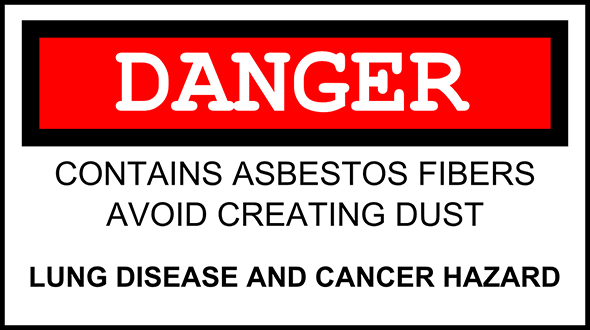
Warning sign asbestos present

The risk of asbestos depends on the type of product in which it has been incorporated and its state of degradation. Asbestos can be hazardous to human health because microscopic particles persist long after being introduced and can be inhaled when released into the air. Asbestos exposure is linked to higher rates of cancer and incurable asbestos-related illnesses.

Asbestos is released into the air in the form of tiny fibers and lodges itself in the lungs. Its indestructible nature makes it difficult or impossible to expel. Lethal diseases, like asbestosis, lung cancer, or mesothelioma (pleural cancer) can develop. The most harmful effects of asbestos and all its symptoms on the human body sometimes do not manifest for 20 years or more after exposure. Asbestos is one of the leading occupational causes of death.

How Can I Be Exposed to Asbestos

Asbestos fibers may be released into the air by the damage or disturbance of asbestos-containing material during product use, demolition work, building or home maintenance, repair, and remodeling. In general, exposure may occur only when the asbestos-containing material is disturbed or damaged in some way that releases particles and fibers into the air.

Adverse Health Effects from Asbestos Exposure

Exposure to asbestos increases your risk of developing terminal lung disease. That risk is exacerbated by smoking. In general, the greater the exposure to asbestos, the greater the chance of developing harmful health effects.

Asbestos-related medical conditions may be challenging to identify. Healthcare providers usually identify the possibility of asbestos exposure and related health conditions like lung disease by thoroughly evaluating one’s background. This includes looking at the person’s medical, work, cultural, and environmental history.

If a doctor suspects an asbestos-related condition, he or she can use multiple tools to help make a more accurate or pinpointed diagnosis. Some of these tools may be a physical examination, chest x-ray, and pulmonary function exams. Your doctor may also refer you to a specialist who treats diseases caused by asbestos.

Three of the significant health effects associated with asbestos exposure are:

  • Lung cancer
  • Mesothelioma, a rare form of cancer that is found in the thin lining of the lung, chest, the Abdomen, and heart
  • Asbestosis, a severe progressive, long-term, non-cancer disease of the lungs

Note: Asbestos treatment specialists may include surgeons, oncologists, and other experts who specialize in treating pleural or peritoneal mesothelioma.
Asbestos Safety Resources

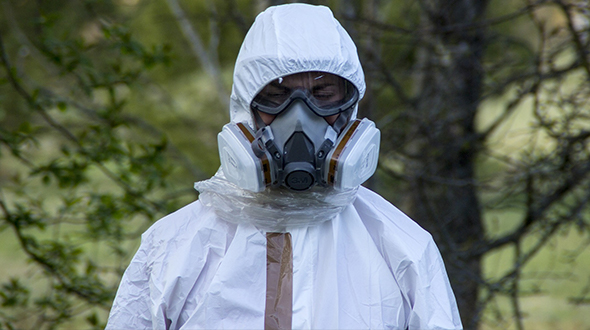
Asbestos requires the use of protective equipment

The following federal resources can help you further understand and adhere to accepted asbestos safety protocols:

Asbestos Roofing Material

In this article, you discovered critical information about how to deal with a damaged or failing roofing system containing asbestos.

Taking swift action to remove or contain damaged asbestos materials will help you protect the health of your visitors, tenants, or neighbors within close proximity.

Neglecting the hazard of damaged asbestos in your roofing system can lead to the inhalation of asbestos fibers and the eventual development of life-threatening respiratory illnesses and/or cancer.

Sources:
epa.gov/asbestos
scdhec.gov/disaster-preparedness/hurricanes-floods/asbestos-removal-safety-homeowners-businesses-after-severe
ehs.msu.edu/enviro/asbestos/asbestos-factsheet.html
ehs.oregonstate.edu/asb-when
cedars-sinai.org/health-library/diseases-and-conditions/m/mesothelioma.html

The post Asbestos Roofing Removal appeared first on atlantacommercialroofingcontractors.com

Wednesday, May 26, 2021

What Is a Soffit – Why You Need It

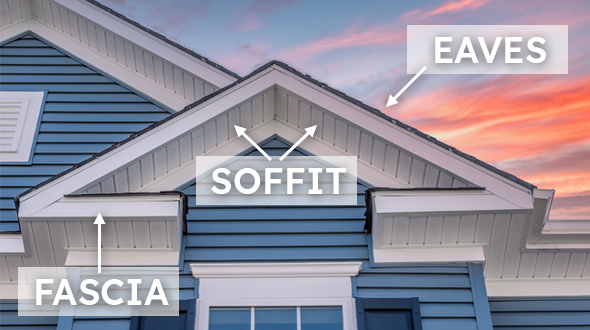
Soffit fascia and eaves work together to ventilate and protect the attic space under a sloped roofing system

A soffit is a critical component to prevent decay and eventual roof failure due to excess moisture accumulating in your attic. Discover what else your soffit does to help your roofing system meet its intended life expectancy.

atlantacommercialroofingcontractors.com gathered the following information about what a soffit is, its purpose, and why it is essential to your roofing system’s success.

What Is a Soffit?

When a sloped roof descends from the peak to the exterior walls of a structure, the roof will overhang the structure by 1 to 2 feet. Where you have tiles, shingles, or metal roofing on the topside, the soffit is the component underneath the overhang that protects the rafters, attic space, and roof substrate or decking from excess moisture, severe weather infiltration, potential mold growth and helps your roofing system last for the duration of its intended lifespan.

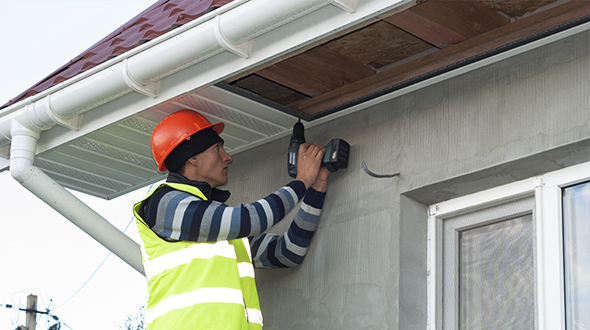
Soffit installation and repair work

What Is The Difference Between Soffits and Fascia?

Soffits and fascia are installed together, forming a barrier between external elements and the attic space created by your sloping roofing system. Looking at a structure at street level, you may say the trim around the foot of the roof looks well-done. This “trim” is the fascia. With the soffit underneath the overhang and the fascia closing the gap between the soffit and the roof, the barrier, as mentioned earlier, is formed. These roofing components:

  • Deter bee, hornet, and other insect infestations
  • Stop wildlife (squirrels, raccoons, cats, etc.) from nesting in your attic
  • Prevent water (wind-driven rain) from getting in your attic
  • Keep your attic ventilated, preventing a buildup of moist/humid air that could lead to mold, mildew, and rotting problems
  • Prevent premature aging of your roofing system

Soffits and fascia, when well-installed, can add to the visual “completeness” of the structure. Thus, adding curb appeal and potentially increasing the property’s overall value.

Note: Gutter systems installed around the foot of a sloped roofing system are typically affixed to the fascia. This is done in a manner that guides water runoff away from the roofing system, doorways, windows, and other vulnerable areas.

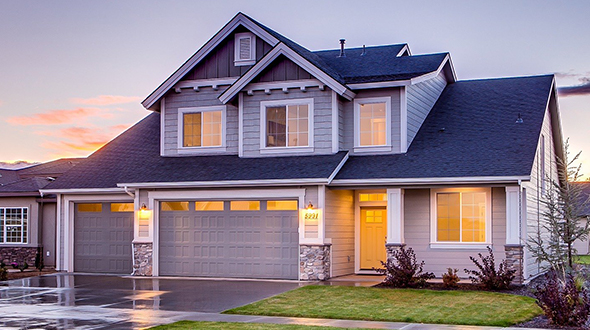
Soffit and fascia along a home with gutters and curb appeal

Soffit and Fascia Materials

To complement the construction of your home or type of roofing system, you can find soffit panels and fascia boards made from many different materials and finished in a wide variety of colors and textures.

Soffits and fascia are typically made from materials like:

Aluminum – Lasts 20+ years with colors and texture baked in to prevent fading.
Wood – Depending on the wood and maintenance, lasts 5 to 15 years.
UPVC (Unplasticised Polyvinyl Chloride) – Lasts 10 to 20 years and comes in multiple colors and textures but may fade or become brittle over time.
Vinyl – Similar to uPVC, lasts 10 to 20 years, is available in multiple colors and textures, and can become faded and/or brittle over time.
Steel – Lasts 25+ years with multiple colors and textures that resist fading.
Fibre Cement Board – Lasts 30+ years when properly installed and will never peel, chip, or rot.

Note: As with all roofing materials, the durability of the above-mentioned fluctuates with the quality, thoroughness, and frequency of your maintenance program.

Watch this video to see soffit and fascia trim installation.

Soffit and Fascia Installation and Repair Costs

Generally speaking, you will rarely need to replace all of your soffits and/or fascia. This will usually occur only when your roofing system is replaced.

In cases of roof replacement, soffit and fascia installation (labor and materials) will likely be included in your overall estimate or bid. You can ask for these as detailed line items in your estimate.

Soffit and/or fascia installation or repair will run in the $5 to $25 per linear foot range.

Note: Supply and demand will significantly impact the prices of materials considered commodities (wood materials).

Why Your Home Needs Soffits

In this article, you discovered what soffits are, what they do, and how they contribute to the success and longevity of your roofing system.

Keeping your soffits well-maintained allows them to properly ventilate your home’s attic while keeping moisture, severe weather, and destructive animal or insect infestations from taking years off the life of your roofing system.

Allowing your soffits to deteriorate or go without proper maintenance will lead to severe weather events, animals, insects, and humidity causing sere and costly damage to your roofing system and building structure.

Sources:
energy.ces.ncsu.edu/soffit-defined/
ucanr.edu/sites/Wildfire/Vents/
uvm.edu/~cferreir/131Eave%20Details.pdf

The post What Is a Soffit – Why You Need It appeared first on atlantacommercialroofingcontractors.com

Monday, December 21, 2020

Chimney Leak Repair

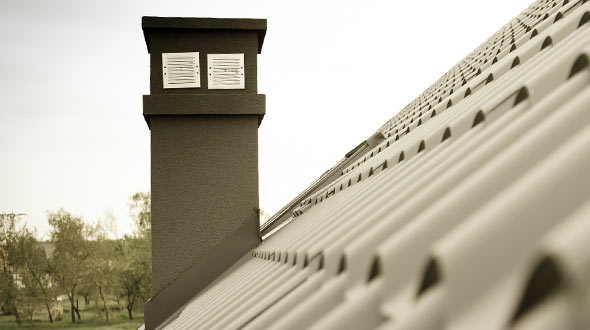
Chimney leaks can be avoided with a proper maintenance contract

Prevent your leaking chimney from causing costly damage to your property. Knowing how to detect and repair a leaking chimney will help you keep your structure dry and safe.

atlantacommercialroofingcontractors.com gathered information on how to identify leaks in your chimney, what causes them, and how to repair them.

Chimney Leaks

Every functioning chimney has one feature in common, a hole in your property. When the engineering of your chimney fails, it can allow water in, sometimes unnoticed. Here’s how to identify a chimney leak:

  • Pooling water near and/or around your fireplace or stove
  • Wet spots or streaks running down the wall near your chimney
  • Wet spots on the ceiling around your chimney
  • Wet framework around your chimney in your attic
  • Water or condensation in the firebox
  • Sound of dripping or trickling water in the chimney
  • Cracked or spalled masonry (internal or external)
  • Musty or moldy odors after a rainstorm

Note: While leaks can pop up at any time, most will develop and become evident in the spring and summer after severe, rainy weather events.

Watch this video to see what brick and mortar problems look like on a chimney.

Chimney Leak Causes

Once you suspect that you have a leaking chimney, such leaks can be traced back to one of the following six installation or material defects:

1. Missing or Poorly Installed Chimney Cap – If your chimney is not covered by a chimney cap, it is poorly installed, or it is too small, rain can enter your flue and fall down the chimney, soaking masonry and brick.

2. Damaged Chimney Crown – The chimney crown is a cement cover atop your chimney that protects flue tiles and chimney liner. When the chimney crown is damaged or cracked, water can cause moisture damage throughout the flue system, fireplace, and damper.

Chimney leaks are common when the chimney is missing its crown and cap

3. Cracked or Missing Chimney Liner – A chimney liner directs combustion byproducts away from your property while protecting the inside of the flue and the chimney’s masonry material from getting soaked by condensation when chimney temperatures cool down.

4. Faulty or Poorly Installed Flashing – Flashing is the material used to seal a chimney’s penetration through a roof. This flashing is supposed to divert rainwater from coming through the roof, eventually damaging your chimney and property.

Chimney leaks happen when the flashing deteriorates cracks or peels

5. Brick and Mortar Damage – The exterior portion of your chimney is exposed to all weather conditions, all of the time. Brick and mortar damage can occur from weathering, poor construction, and/or impacts from uncontrolled vehicles or falling trees.

6. Missing or Damaged Chimney Cricket – Another common cause for chimney leaks is ponding water on the penetration’s uphill side. This ponding water can deteriorate flashing, damage brick and mortar, and result in significant roofing system damage. A properly installed chimney cricket creates a sloped high point to divert water that would otherwise pond against the chimney.

Now that you have located the source of your chimney leak, repairs should begin immediately to prevent further damage to your chimney or property.

Repairing Chimney Leaks

Some chimney leaks can be repaired by the property owner, while other repairs may require professional assistance. Consider the following:

1. Installing or Replacing a Chimney Cap – If you can safely get on your roof (only perform this work with proper fall protection), the following steps will help you properly install a chimney cap:

  • Measure the flue at the chimney top
  • Purchase an appropriately sized chimney cap (the bonnet or roof of the cap should be twice as large as the flue opening)
  • Read the instructions and gather the tools you will need
  • Install the chimney cap according to the manufacturer’s instructions
  • Make sure all fasteners are tightly secured, and the cap is securely in place
Chimney leaks are common when the cap is defective or missing

Tip: Stainless steel caps are generally higher quality and more durable.

2. Repairing or Replacing a Chimney Crown – This repair can be done as a temporary or permanent fix. Consider the following:

  • (Temporary) Seal a cracked chimney crown with silicone caulking, an elastomeric coating, or other sealants as a temporary fix.
  • (Permanent) Remove the damaged crown, build a wooden form (to hold the cement in place until fully cured), add rebar (to strengthen the crown), and pour a good quality cement mixture into the form and over the rebar.

Note: The temporary fix above will likely last two or three years before failing.

3. Installing a Chimney Liner – Installing or replacing a chimney liner is an easy project for property owners that enjoy DIY projects. (The following configuration will connect to a stove pipe. There are multiple configurations for different chimneys and/or appliances.) The following steps will help you install a new chimney liner:

Step 1 – Gather the tools you will need:

  • Cutting or razor knife
  • Flathead screwdriver
  • Caulk gun
  • Protective work gloves
  • Safety glasses
  • Hacksaw or Electric grinder
  • Power drill

Make sure your tools and equipment are in good working condition.

Step 2 – Assemble the chimney liner kit:

  • Stainless steel chimney liner
  • Connector (some installations may require a two-part tee connection)
  • Top plate
  • Rain cap

Note: Chimney liner kits can be customized to fit any chimney and/or appliance/fireplace.

Chimney leaks can be avoided by replacing the flue liner

Step 3 – Remove the plastic wrap the liner is coiled in. Straighten the liner, making sure to avoid puncturing it. Straighten the liner out as well as you can.

Step 4 – Connect the tee to one end of the chimney liner. Use a tee with a looping hose clamp to avoid drilling screws through the liner.

Step 5 – Insert the liner and tee (tee first) down the chimney flue. Lower the liner until you reach the thimble (the thimble is the hole on the side of the chimney where a stovepipe is attached).

Step 6 – Complete the tee connection installation:

  • Insert the horizontal part of the tee (hose clamp end first) into the thimble.
  • Work the vertical part of the tee through the horizontal hose clamp until the edges of the tee are inside the horizontal section. 
  • There is a worm screw inside the horizontal part of the tee. Tighten the worm screw until the two parts of the tee contact each other.

Step 7 – Connect the stovepipe. Stovepipes typically come with three screws per connection joint. Drive the screws into the horizontal part of the tee and through the stove’s exhaust collar.

Chimney leaks are common when stovepipes are incorrectly installed or connected

Step 8 – Install the top plate:

  • Run a bead of silicone sealant along the top edge of the flue
  • Run the chimney liner through the top plate and place the top plate squarely atop the flue
  • Center the top plate on the flue and secure the top plate by screwing in the locking bolts to the sides of the flue.
  • Cut the excess liner, so it is flush with the top edge of the top plate.
  • Once the liner is cut flush with the top plate, tighten the worm screw, so the hose clamp tightens around the liner.
  • Install the cap over the top plate, and tighten the clamp to secure it in place.

Note: When chimney liners are purchased as a kit, all of the pieces requiring assembly should be fitted, only requiring simple fasteners.

4. Repairing Damaged or Installing New Flashing – Over time, flashing can be damaged by severe weather, material decay, or time. Similar to replacing caulking around door or window joints, scrape away the old caulking and reapply with a sealant. You can also find two-part kits containing a reinforcement fabric and elastomeric sealant. Utilizing a fabric with the sealant will increase its life. This repair, however, will only provide a few years of chimney leak relief.

If your chimney flashing is deteriorating, it is likely that your roofing system may be in decline. Read more about flashing and you will understand its purpose and the various types.

5. Repairing Brick and Mortar Damage – This type of repair requires the replacement of the damaged brick and mortar. Short-term solutions like caulking will only last for a matter of months.

If you are not comfortable with masonry, hire a trusted handyman or contractor to remove and replace damaged or cracked bricks and softening mortar.

6. Replacing or Installing a Chimney Cricket – Replacing and/or installing a chimney cricket is considered a major chimney repair. This repair should only be performed by a trusted chimney service or a professional roofing company.

Watch this video to see a well-installed chimney cricket.

Note: If you have any doubts or difficulties regarding any of the chimney leak causes and/or repairs mentioned in this article, contact a professional chimney service or roofing company to perform the needed repairs.

If after reading the article you have ruled out the chimney and think something else may be causing the leak, read this article to learn 3 other roof leak causes and solutions.

Chimney Leaks and Repairs

In this article, you discovered how to identify chimney leaks, their causes, and how they can be repaired.

By taking swift action to halt and repair chimney leaks, you are protecting your property from extensive water damages and costly repairs.

Ignoring the need to repair your chimney can result in catastrophic damages requiring thousands of dollars in professional repairs.

Sources:
csia.org/fireplace_anatomy.html
putnam.cce.cornell.edu/energy/heating-with-wood/wood-stove-safety
uidaho.edu/-/media/UIdaho-Responsive/Files/Extension/topic/forestry/WFS5-Chimneys.pdf
ideals.illinois.edu/bitstream/handle/2142/54670/1206810_F7_0_1945_chimneys_and_fireplaces_opt.pdf?sequence=2&isAllowed=y

The post Chimney Leak Repair appeared first on atlantacommercialroofingcontractors.com

Monday, November 23, 2020

Commercial Roof Inspection Checklist

Commercial flat roof inspection

Prevent roof failure, business interruption or a forced closure of your commercial property. Knowing how to inspect your roof will help you detect issues before they can interrupt operation or cause property damage.

atlantacommercialroofingcontractors.com gathered information on how to inspect your commercial roof, what to look for, and what actions to take when potential problems are detected.

Commercial Roof Inspection

Regular roof inspections, maintenance, and cleaning can minimize costly emergency roof repairs and significantly extend the life of your commercial roof. Commercial roofs should be inspected at least twice a year (late winter and early fall). If your commercial property has been subjected to high winds, severe storms, tornadoes, hail storms, or hurricanes, it is of the utmost urgency to inspect your roof and/or contract a roofer to inspect it for you.

The following are the primary things to look for when inspecting your roof. Print this roof inspection checklist, then mark the center box with a checkmark for “good” or an X for “needs attention or repair”:

1

Dirt and debris on roof or in drains/gutters


Clear debris with a leaf blower or power washer

2

Visible weather or impact damage


Document damage with photos and/or video

3

Pooling water (ponding) or water stains


Clear any obstructions from drains

4

Flashing 


Note damaged or improperly installed sections

5

Penetrations, skylights, and vents


Note damages in the seal around the protrusion

6

Equipment anchoring


Correct any loosening or damaged anchors

7

Vegetation growth


Remove vegetation and note any damages

8

Mold and mildew growth


Remove and treat to prevent regrowth

9

Signs of vandalism


Document damages and report to authorities

10

Color fading or chalking


Call a professional roofer to evaluate the roof

11

Alligatoring or shrinkage


Call a professional roofer for repairs

12

Damaged seams or seals


Call a professional roofer for repairs

13

Animal infestation or damage


Call animal control then a roofer for repairs

14

Sagging or blistering


Call a professional roofer for repairs

15

Corrosion of metal components


Call a professional roofer for repairs

16

Damage from foot traffic


Limit foot traffic and contact a roofer for repairs

17

Firmness/stability


This may indicate a failing deck/support system. Have the roof professionally inspected

18

Downspouts


Clean or replace if clogged or damaged

19

Signs of leaks on external walls


Inspect the edges of the roof

20

Signs of leaks on internal walls and/or ceiling


These indicate the general area of a problem in the roofing system

Note: Repairing damages on your own may void the warranties covering both workmanship and materials. You can avoid such problems by purchasing a commercial roofing maintenance program from a trusted commercial roofing company.

Tip: The notes you take from multiple roof inspections should be shared with your professional roofer. Your notes may provide valuable insight into the issues you are experiencing.

Commercial Flat Roof Inspections

Commercial flat roofs may be composed of TPO, EPDM, Modified Bitumen, or Built-up (BUR) roofing. These roofing systems should be inspected a minimum of twice a year (late winter and early fall). These inspections will help catch developing damages from summer heat and winter freezes.

These roofing systems should also be inspected after significant or severe weather. Strong, sustained wind and heavy rain can exacerbate even the most innocuously appearing damages or defects. Pay special attention to the following:

  • Membrane wear
  • Stretching
  • Ponding
  • Punctures
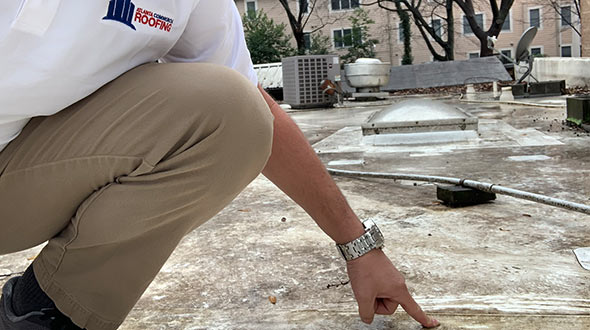
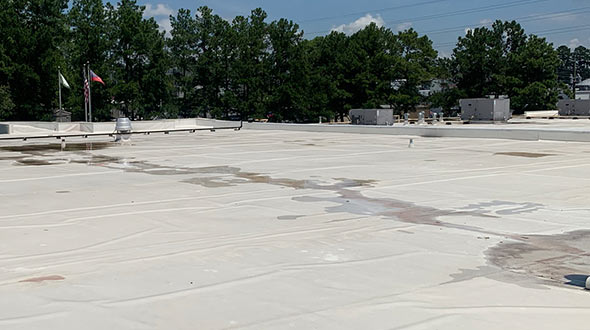
Commercial flat roof inspection of water pooling and penetration damages

Commercial flat roof systems can last for decades with proper installation and continuous care.

Tip: While rare, leaks in a BUR system may be challenging to locate. It is highly recommended to bring in a professional roofer to identify and repair such leaks quickly.

Commercial Metal Roof Inspections

Among the various roofing systems, a commercial metal roof may have the longest lifespan. However, without proper maintenance, these roofing systems can quickly develop serious problems. Watch for the following:

  • Corrosion
  • Damaged Panels
  • Damaged fasteners or washer seals

While extremely durable, metal roofing systems still require periodic inspections and occasional repairs.

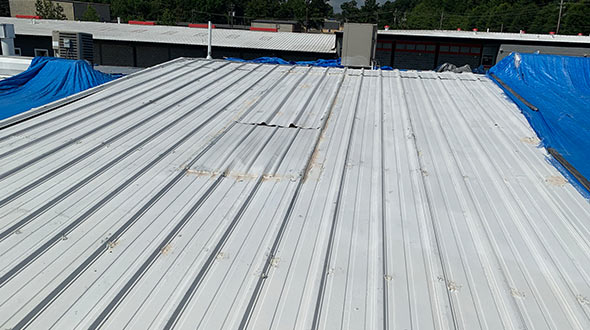
Commercial metal roof with corrosion and damaged seals

Commercial Sloped Roof Inspections

Commercial sloped roofing systems may be composed of slate, metal, tiles, or asphalt shingles. Like other roofing systems, sloped roofs can wear out over time or suffer significant damages from severe weather. For shingled roofs, consider calling a roofer when:

  • Shingles lose grain
  • Shingles start curling

When extensive wear and tear become evident on asphalt shingles, the roofing system may be nearing the end of its lifespan. For tile or slate roofs, pay attention to:

  • Chips and cracks
  • Missing tiles

Tile and slate roofing systems can be hazardous when cracks occur, or other problems arise. Leave these inspections or repairs to a professional roofing company.

Shingles and tiles on a commercial sloped roof

Inspecting a Commercial Roof

In this article, you discovered what to look for during a commercial roof inspection and how to address problems when they arise.

By knowing how to inspect your roof, you can stop minor issues before they develop into expensive problems.

When you neglect taking care of your roof through inspections and a maintenance program, you are risking expensive damages and potential disruption of business activities.

Sources:
inf.gov.nt.ca/sites/inf/files/roof_inspection_checklist.pdf
nachi.org/documents2012/How_to_Perform_Roof_Inspections_THIRD_EDITION-revd-Dec-2013.pdf

The post Commercial Roof Inspection Checklist appeared first on atlantacommercialroofingcontractors.com

Wednesday, October 28, 2020

Built-up Roofing System (BUR) Explained

Gravel used to surface a BUR roofing system

Don’t invest your resources in an inadequate roofing system for your commercial property. Uncovering the benefits and properties of a built-up roofing system can help you make informed decisions when installing a new roof or replacing your existing roofing system.

atlantacommercialroofingcontractors.com gathered the most helpful information about built-up roofing, its installation process, warranty, associated costs, frequently asked questions, and potential problems with built-up roofing systems.

Built-up Roofing – Production Process & Properties

Built-up roofing systems, referred to as BUR, have been in use in the U.S. for over a century. This roofing system is also known as a “tar and gravel” roof. BUR systems are typically composed of alternating layers of bitumen and reinforcing materials that create a membrane.

This roofing system gains its waterproofing and durability from its layered structure, consisting of a “built-up” or layered combination of components, including:

  1. Substrate or Decking
  2. Roof Insulation
  3. Roofing Asphalt
  4. Venting Base Sheet (Cover Board) with Roofing Asphalt
  5. Ply Sheet with Roofing Asphalt
  6. Slag or Gravel in Asphalt or a Modified Bitumen Cap
asphalt and bitumen used in bur roofing systems

Note: When a modified bitumen membrane is used to cap a BUR system, this combination is referred to as a “hybrid” system.

Roofing asphalt (bitumen) commonly used in BUR systems includes:

Asphalt – Asphalt (a petroleum product refined from crude oil) requires heating before application with a mop or spreader

Coal Tar – Coal tar (derived from the distillation of coal) also requires heating before application with a mop or spreader

Cold-Applied Adhesives – These adhesives are solvent-based asphalts that don’t require heating prior to application

Surfacings used on BUR systems may be (or a combination of):

Aggregate – Gravel, slag, crushed stone, and/or mineral granules are common aggregates

Cap Sheets – Commonly made with glass-fiber or mineral surfacing

Asphalt – Hot Asphalt spread or mopped over the entire surface

Alternative Coatings – Aluminum and elastomeric coatings are commonly applied as surfacing for BUR systems

Benefits of Built-up Roofing

In use for over a century in the U.S., properly installed BUR systems provide the following benefits:

  • Well-installed, a BUR system can last more than 30 years
  • Provides excellent waterproofing protection
  • Creates a continuous sealed surface
  • Seams are very well sealed (in some cases, many times over)
  • Provides exceptional UV protection
  • Once installed, the system is extremely low-maintenance
  • Excellent impact resistance
  • Excellent fire resistance

Along with these benefits is traction. Often overlooked, if your roof has foot traffic, a BUR system may be ideal due to gravel providing an excellent grip. This becomes evident during severe weather.

Built-up Roofing Installation and Warranty

The installation of your built-up roofing system, when properly installed, is a moderately fast and non-intrusive process.

Efficient BUR roofing system installation

A built-up roofing system can be installed using hot asphalt or cold adhesives. A standard built-up roof system is a multiple layered system applied in such a way that creates a seamless roof. The following can influence the end result of the roofing system’s installation:

  • Proper roof slope for efficient draining
  • Correct installation and fastening of insulation
  • Correct application of cold adhesives when used in place of hot asphalt
  • Proper placement and overlapping of material
  • Drip edge seamlessly connected around the perimeter of the roof

In addition to high-quality installation, a warranty is valuable when the installation or components of your roof fail. There are two types of warranties to consider when installing or replacing this or any other roofing system:

Contractor’s Warranty – This warranty covers the workmanship and installation of your roofing system by the contractor. The contractor guarantees their work for a set period (3, 5, 10-year period, etc.), or for the lifetime of the roofing system. A contractor’s warranty should include the following:

  • A list of all covered items
  • Actions or events that may void the warranty
  • When/If the warranty expires

The above installation and warranty information underscore the absolute necessity to thoroughly vet contractors before starting a roofing installation or replacement.

Note: There is no established industry standard for the duration of a contractor’s workmanship warranty.

Manufacturer’s Warranty – This warranty covers defects in the roofing material used in your roofing system. Once installed, your contractor should provide you with manufacturer’s warranty certificates.

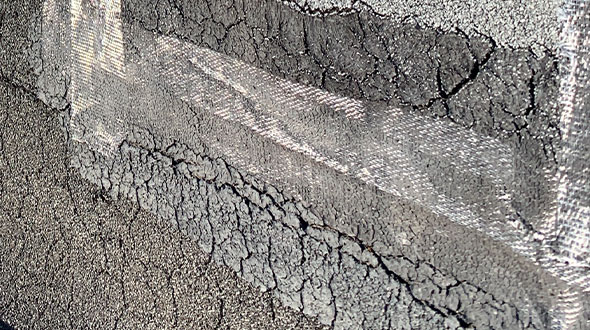
An example of material failure would be premature alligatoring (small cracks in the roofing surface from shrinkage). Unless it is determined to result from poor or improper installation, a claim can be leveraged against the manufacturer’s warranty.

Alligatoring of a BUR roofing system caused by inferior material installation

Built-up Roofing Cost

Collecting estimates for a roofing system can be a tedious experience. There is often a significant disparity from one quote to the next, which reinforces the necessity to collect at least three bids from three reputable roofing contractors.

Prices for installing a built-up roof system may vary with the size/complexity of the roof, time of year, material brand and quality, method of installation, and the amount of labor required taken into consideration. You can expect to see pricing in the following ranges:

Tear-off – Unless your new roof is installed over your current roof, the old one will be removed.

This process can range between $100 and $200 per square (1 square = 100 square feet).

Tip: If this cost gets bundled in material and installation pricing. Request that it be detailed separately in your estimate(s).

BUR Material – will fall between $100 and $175 per square

BUR Installation (Labor) – can range from $300 to $525 per square

Maintenance Contract – Commercial roofing maintenance program prices vary from contractor to contractor

Using the price ranges above, you can expect to see bids, including tear-off, material, and installation for a 1,000 square foot roof between $5,000 and $9,000.

Consumer Tip: In the roofing industry, installations are typically more expensive in late spring and summer months. If possible, schedule your installation for the off-season (early spring and fall).

Disclaimer: The above pricing is in no way intended to represent actual bid values and only serves as an estimated market price range.

Built-up Roofing Problems

With new materials, installation methods, and technology, BUR systems are becoming less popular. That said, a built-up roofing system may still be the best option for your commercial building. Before making any decision, consider the following potential problems sometimes associated with a BUR system:

  • High wind may cause rocks or gravel to be blown off the roof (potentially damaging nearby structures or persons)
  • While leaks are easily repaired, finding them may be a laborious and costly process
  • This roofing system is heavy in comparison to others. Your commercial roof load should be verified before installing a BUR system
  • BUR installation is slower than that of other less complex roofing systems. Increased labor costs can make BUR systems more expensive
Poor installation of a BUR roofing system

You must do your research to see if the pros outweigh the cons of this or any other roofing system. You can check out and compare the alternative options to a built-up roof system to find something better suited for your property’s needs.

People Also Ask

Can built-up roofs be repaired?

Yes. BUR roofing systems are easily and reliably repaired.

How long do built-up roofs last?

A well-installed and maintained built-up roofing system can exceed a 30-year lifespan.

Can built-up roofs handle foot traffic?

Yes. Due to the gravel or slag used in the roof’s finishing, BUR systems are slip-resistant, even in severe weather.

Built-up Roofing Information Revealed

In this article, you discovered essential information on the definition, installation, cost, warranty, and potential problems with built-up roofing systems.

Knowing how BUR systems are installed and maintained will help you make informed decisions on a roofing system for your commercial property.

Allowing yourself to be duped into an inadequate roofing system by an unprofessional roofing company can have very costly repercussions when the roof fails.

Sources:
asphaltroofing.org/bur-multi-ply-built-up-roofing/
everybodyneedsaroof.com/built-up-roof-BUR-membranes
homeadvisor.com/cost/roofing/flat-roof/
porch.com/project-cost/cost-to-install-built-up-roofing

The post Built-up Roofing System (BUR) Explained appeared first on atlantacommercialroofingcontractors.com

Tuesday, July 28, 2020

Commercial Roof Replacement

Commercial roof replacement process and roof types

Avoid unexpected, expensive surprises when you replace your worn out commercial roof. By knowing the variable costs in a commercial roofing system replacement, you can ask the right questions to get a more accurate idea of the project cost.

atlantacommercialroofingcontractors.com gathered information about commercial roof replacement, what aspects of the project are variable in cost, what you can expect to spend on a new roofing system, and some of the available commercial roofing types.

Commercial Roofing System Replacement

The replacement of a commercial roofing system is a rare event for building owners and managers. When a roof is installed and maintained correctly, it can last for decades before needing replacement.

The following information will help you reach an informed decision about how to project roof replacement cost variables, and which type of roofing system to install:

Commercial Roof Accessibility

When replacing your commercial roof, access to your property and the roof can impact project costs as much as the roof type. Consider the following:

Commercial Building Height – Roof replacement for a 2-story commercial building will be much less costly than a 10-story commercial building. This is due, in part, to the need for cranes to remove old roofing material and lift new material to the work area.

Access to Building Property – Property access also has an impact on the project. The ability to freely move equipment to the property near the building will influence the logistics and project cost.

Material Storage Areas – Material storage is also a determining factor. Large “lay down” areas near the building facilitate the logistics of the roofing project and can lower its cost.

Building Occupant Safety – Building occupancy can pose a series of challenges to the roofing project. The safety and productivity of the building’s occupants must be considered at all times. If this requires roof replacement activities to occur after regular business hours, additional costs will likely be added to the project.

The easier it is to access your roof, execute the removal of the old roof, and install the new commercial roofing system, the less costly the project will be.

Commercial Roof Substrate Condition

Roof replacement costs can be heavily influenced by the condition of the substrate material. A commercial roof substrate may be composed of:

  • A concrete, wood, or metal deck
  • Plywood or cover board
  • Insulation

Damages to the substrate must be repaired before roof replacement. This cost is a variable, as even the most experienced roofers with the best detection technology may not identify substrate damages until the old roofing materials are removed.

Commercial roofing substrate preparation

Local, Regional, and State Commercial Roofing Code Requirements

The location of your commercial building may make your roofing system subject to code requirements, including more robust fasteners at more frequent intervals, insulation, substrate, ventilation, and/or slope requirements.

An example of this would be commercial structures along the coast of Florida. Codes in these areas require commercial roofing systems to be designed to withstand higher wind loads. For these roofing systems, more durable fasteners at closer intervals would be required, increasing the cost of the roof replacement project.

Commercial Roof Load-Bearing Capacity

Another crucial factor in determining the cost of replacing your commercial roofing system is the calculation of its dead, live, and transient load capacity.

Calculating your roof load capacity is one of, if not the most crucial aspect when determining the construct of the roof’s substrate and selection of a roofing system. Your roof must be able to support its projected dead load (HVAC units, ducts, vents, exhaust units, etc.), live load (installers, repairmen, and technicians), and transient load (rain, wind, and snow).

Read more about commercial roof loads at atlantacommercialroofingcontractors.com/what-is-commercial-roof-load-why-you-need-to-know/

Commercial Roofing Types

No two roofs are the same. Thus, there are several commercial roofing systems to choose from. The following are some of the more popular commercial roofing types, installation information, and typical price range:

TPO, PVC, and EPDM Single-Ply Membrane Systems Can Cost from $3.50 to $8 per square foot

TPO, PVC, and EPDM are all known as single-ply roofing systems, they require fewer installation steps and are installed with a straightforward process:

  • The old roofing system is removed
  • The substrate is cleared of anything that may damage the selected membrane
  • The membrane is rolled out onto the roof
  • The membrane is then adhered to the roof using tape, glue, or heat (for thermoplastic material)
  • The membrane is also adhered to itself where its edges overlap
  • Protrusions are sealed
Commercial roofing single ply system

The time it takes to install a membrane, or single-ply roofing system also depends on the width of the membrane. The wider it is, the fewer seams there are to seal in the roofing system, which also leaves fewer opportunities for leaks and eventual substrate damage.

A BUR/Asphalt System Can Cost from $5 to $9 per square foot

Built-up roofing systems are among the oldest in modern times. BUR systems are durable and effective at resisting leaks while repelling water. The installation process occurs in the following steps:

  • The old roofing system is removed
  • Base sheets are laid down and attached to the roofing deck
  • Felt is then glued to the base sheets using an adhesive, concrete, asphalt, or tar
  • Gravel or cap sheets are installed over the felt
  • A top layer of asphalt completes the installation
Commercial roofing built up system

A BUR system creates a robust roof, able to keep severe weather and the elements from entering the building it protects.

A Metal Roofing System Can Cost from $5 to $14 per square foot

One of the most long-lived roofing options (forty + years), metal roofing is also one of the more expensive options. The following details how a metal roofing system is installed:

  • The existing roof is removed
  • The roof deck is built/prepped (framework and insulation installation)
  • The flashing and eaves are installed
  • Metal panels are laid out and fastened to the roof deck (fastening depends on which material the panels are composed of; aluminum, copper, steel, etc.)
Commercial roofing metal panel roof

Metal roofing comes in panels or steel shingles. Steel shingles are installed in the same manner as slate, clay, or concrete shingles.

A Modified Bitumen System Can Cost from $4 to $8 per square foot

Modified bitumen is a result of the evolution of asphalt roofing. It is a form of membrane flat roofing. The system is durable and can sustain substantial foot traffic without wear. The following is the installation processes of a “torch-down” modified bitumen roofing system:

  • The existing roof is removed
  • The substrate is cleared of any debris
  • Heavy roofing felt is rolled out and nailed down
  • Flashings and primer are installed
  • The first sheet is rolled out along the edge of the roof for trimming and fitting
  • The sheet is then rolled back up
  • A torch is used to slightly melt the bitumen as the first sheet is rolled back out
  • Overlapping sheets are then applied in the same manner until the roof is covered and sealed
Commercial roofing modified bitumen system

Before selecting modified bitumen, verify that the existing substrate is compatible. Improper adhesion can lead to leaks and likely failure of the new modified bitumen system.

Disclaimer: The preceding price ranges are for comparative purposes only and should not be considered a part of any bid or quote for roofing installation, repair, or replacement.

Replacing Your Commercial Roofing System

In this article, you discovered information about replacing a commercial roofing system, the variables involved in calculating the cost, and commercial roofing types with their price ranges.

By knowing what to look for in a commercial roofing replacement estimate, you can avoid surprises by asking informed questions about installation variables.

When you choose to rely solely on a contractor’s bid or estimate, you may be in for a surprise when unforeseen damages and difficulties cause your roofing project to go quickly over budget.

Sources:
asphaltroofing.org/bur-multi-ply-built-up-roofing/
roofcalc.org/metal-roofing-prices/
nrc.gov/docs/ML1214/ML12146A122.pdf

The post Commercial Roof Replacement appeared first on atlantacommercialroofingcontractors.com

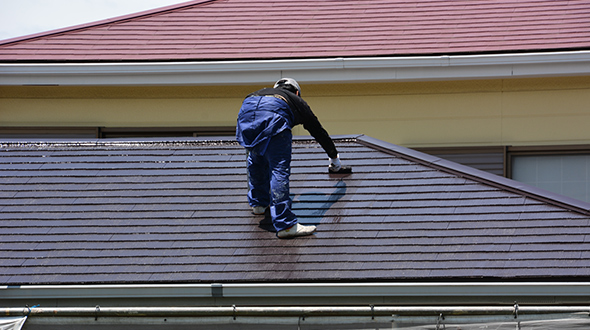
Can Roof Shingles Be Painted?

Many property owners wonder whether painting their roof is a viable way to refresh its appearance without the expense of a full replacement....