Curious about the different types of roof vents and how each one impacts attic airflow? This Atlanta Commercial Roofing Contractors guide covers everything from active to passive roof vents, helping you make the best choice for your property’s ventilation needs.
Key Takeaways
- Proper attic ventilation is essential for preventing mold and mildew, reducing energy costs, and extending the lifespan of the home’s structure.
- There are two main types of roof vents: active vents, which use mechanical means to promote airflow, and passive vents, which rely on natural forces—each with its own advantages and limitations.
- A balanced ventilation system, combining adequate intake and exhaust vents, is crucial for maintaining optimal airflow and preventing moisture-related issues in the attic.
Understanding Roof Ventilation Systems
Roof vents help your attic “breathe” by removing stale air and introducing fresh airflow, protecting your home from excess heat and moisture. Without this exchange of air, your attic can become a breeding ground for mildew and mold, potentially compromising the health of your home.
Proper roof ventilation impacts energy costs and the longevity of your home’s structure. Good attic ventilation extends the life of your roof, lowers energy bills, and promotes a healthier home environment.
Attic ventilation systems fall into two main categories: active and passive, which often work together to maintain proper airflow. Active systems utilize fans or other mechanical methods to enhance air circulation in the attic, thereby reducing moisture buildup. In contrast, passive systems rely on natural forces, such as wind and convection, to ventilate the attic. Recognizing how these categories complement each other is key to achieving balanced attic ventilation.
Overview of Active Roof Vents
Active roof vents use mechanical systems to enhance airflow, making them effective in improving attic ventilation, especially where natural airflow is insufficient. The main types of active roof vents include turbine vents, power vents, and solar-powered vents.
Each type of active roof vent has its unique pros and cons. The following sections detail each type to help you choose the right ventilation solution for your home.
Turbine Vents
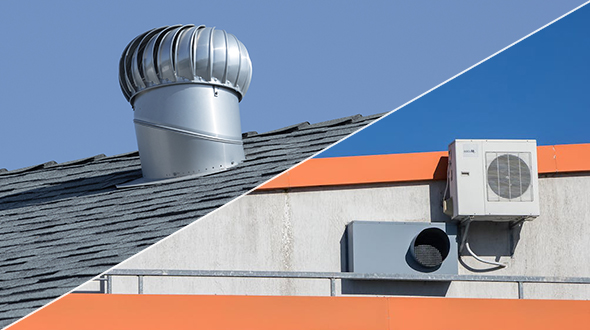
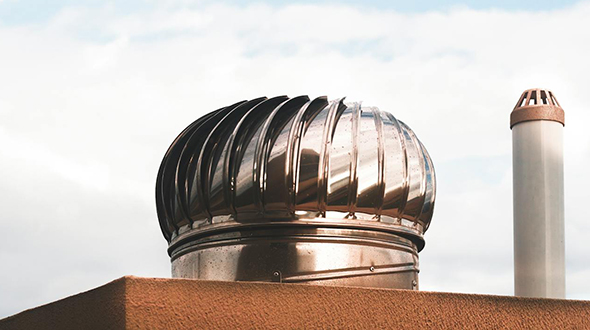
Turbine vents, also known as whirlybirds, are a popular choice for active ventilation. They rely on wind to turn their blades, creating a vacuum that expels hot, moist air from the attic. These turbine vents have several advantages:
- Achieve 10-12 air changes per hour, making them quite effective
- Are eco-friendly
- Operate silently
- Require minimal maintenance
These features add to their appeal.
However, turbine vents must be properly installed to prevent weather elements, such as rain or snow, from entering the attic. A common misconception is that these vents can let in rain or insects, but this only happens if they are damaged or improperly installed. Proper installation ensures the turbine vents function effectively and keep out unwanted elements.
Power Vents
Power vents, also known as powered roof vents, use electrical or solar power to enhance air circulation in the attic. Key points about power vents include:
- They are typically circular in shape.
- They can be installed in various configurations, such as roof-mounted or gable-mounted.
- One significant advantage is their ability to increase air circulation significantly.
- This increased air circulation can lead to potential energy savings.
Many powered exhaust vents come with thermostat control, and some even offer an optional humidistat for better moisture management. However, the motors in power vents can fail, requiring maintenance or replacement. Additionally, if not monitored during colder months, they can lead to attic condensation, which shortens the lifespan of the roof.
Solar Powered Vents
Solar-powered vents utilize sunlight as their power source, making them an eco-friendly option for attic ventilation. These vents operate using solar panels, which can reduce energy costs. However, their performance can diminish during overcast days or if the solar battery is charging, limiting their operational time.
Using traditional, natural ventilation solutions techniques in conjunction with solar-powered vents is recommended to ensure optimal airflow. Sometimes, the fans in solar-powered attic vents can be either too powerful or not powerful enough, resulting in inadequate ventilation.
While environmentally friendly, it’s important to assess if they meet your attic’s specific ventilation needs.
Overview of Passive Roof Vents
Passive roof vents function by allowing warm air to escape naturally through natural convection, without the need for mechanical assistance. These vents rely on wind and convection to facilitate airflow, making them a low-maintenance and efficient ventilation solution. Common types of passive roof vents include ridge vents, box vents, and gable end vents.
Each type of passive roof vent has its strengths and limitations. The following sections explore these types of roofs in detail to help you understand their functionality and suitability for different roofing scenarios.
Ridge Vents
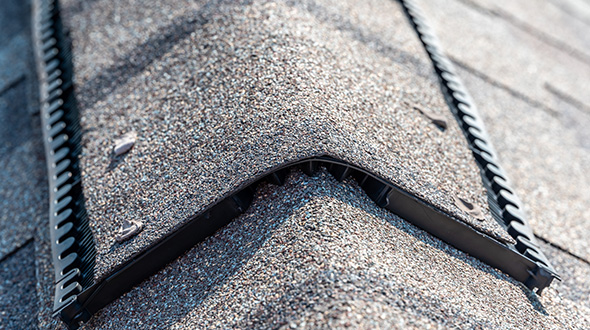
Ridge vents are installed along the roof’s ridge, where two sloping portions meet. These vents utilize vertical ventilation to allow hot air to escape from the roof’s peak. The installation process involves cutting a 2-inch gap along the peak of the roof, nailing the vent in place, and covering it with a ridge cap shingle.
Wind blowing over the roof helps ridge vents effectively expel moisture and heated air, ensuring that your attic remains well-ventilated, with air rising through the vents. Ridge vents are particularly effective in maintaining a continuous airflow, making them a popular choice for passive ventilation.
Box Vents
Box vents, also known as static vents, turtle vents, or louver vents, have the following characteristics and recommendations:
- Allow air to escape as hot air rises in the attic.
- Typically measure 18 inches by 18 inches.
- Should be installed in clusters across the roof for optimal efficiency.
- It is a recommended option for exhaust when a ridge vent cannot be used, including horizontal or cross venting.
Box vents work well on roofs that have many angles and valleys. They can also function as off-ridge vents. While they are less effective than active roof vents and may have aesthetic drawbacks, box roof vents provide a simple and low-maintenance solution for attic ventilation.
Gable End Vents
Gable end vents are installed on the attic’s exterior wall below the roof slopes and serve the following functions:
- Act as both intake and exhaust vents based on wind conditions
- Rely on outside wind for horizontal ventilation
- Allow air to enter from one side and exit from the other
The most common shape for gable vents is a triangular opening, and they are typically made of roofing materials such as wood, vinyl, and metal. While a gable end vent can be very effective, factors such as nearby dormers and structural features like rafter beams can hinder its efficiency. Pairing gable end vents with ridge vents can enhance overall ventilation.
Key Intake Vents for Your Attic
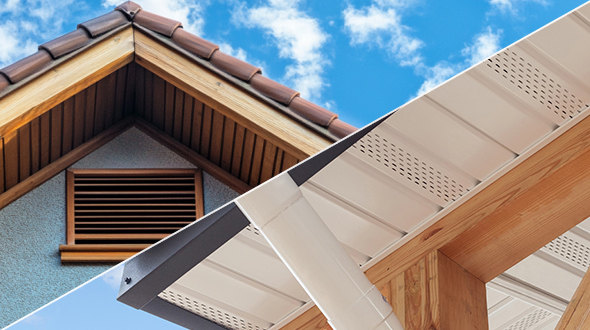
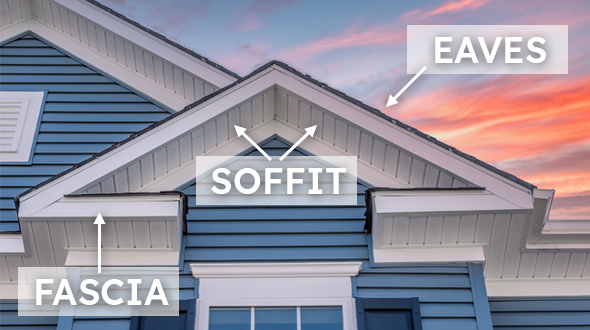
Intake vents bring fresh air into the attic, a crucial step for effective ventilation. The two main types are soffit vents and rooftop intake vents, both of which allow cool air in. Intake vents are typically placed under the eaves of the roof, and their effectiveness depends on having sufficient exhaust vents.
Cupola vents can also serve as both air intake and exhaust, providing additional ventilation benefits. Adequate intake ventilation is key to maintaining a balanced attic ventilation system.
Soffit Vents
Soffit vents provide soffit ventilation by allowing fresh air into the attic. Key points about soffit vents include:
- They are the most popular intake vent form of roof intake venting.
- They are recommended for air intake in most homes due to their effectiveness.
- They are typically installed under the roof line on eaves.
Continuous soffit vents can be installed around the eaves for maximum air intake efficiency. Styles of soffit vents include individual soffit vents, continuous strips, and ventilated soffit panels. Continuous soffit vents are typically made of vinyl and feature perforations for airflow.
Maintaining proper airflow to soffit vents is important. Blown-in insulation should not obstruct it.
Roof Intake Vents
Roof intake vents are essential when soffit vents are not feasible due to architectural constraints. Over fascia vents serve as a practical alternative to soffit vents for air intake when large eaves are not present. These vents usually feature a low-profile design that blends seamlessly into the roofline to maintain aesthetic appeal.
In the absence of soffits, roof-mounted intake vents are vital for achieving balanced airflow and maintaining attic ventilation. Adequate intake ventilation is key to maintaining a balanced attic ventilation system.
Choosing the Right Exhaust Vents
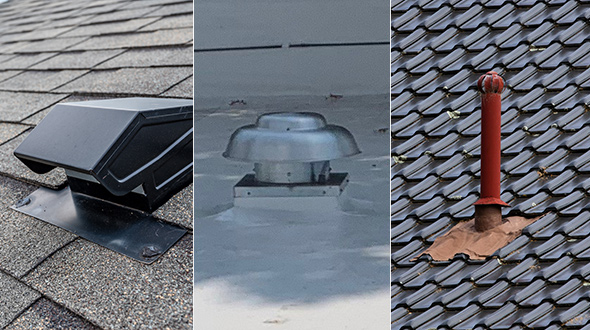
Choosing the right exhaust vents is crucial for maintaining a well-ventilated attic and improving energy efficiency. Common types of exhaust vents include:
- Static vents
- Powered vents
- Mechanical vents
When selecting the best option, consider factors such as:
- The property’s design aesthetics
- Specific ventilation needs
Box vents are particularly suitable for roofs with complex designs featuring many angles. These vents can be installed in clusters to improve air circulation across the roof area. For proper airflow in an attic, it is crucial not to mix different types of exhaust vents. The most efficient installation point for exhaust vents is at or near the highest point of the roof.
Static Roof Vents
Static roof vents, also known as roof louvers, are designed to allow air to escape the attic using natural ventilation. These vents are often referred to as dormer vents in the western U.S. The presence of gable vents can hinder the efficiency of vertical ventilation strategies and may disrupt airflow.
Mechanical Exhaust Vents
Mechanical exhaust vents use wind power to expel heat and humid air from the attic. These vents rely on turbines that spin with the wind to pull air, heat, and humidity out of the attic, enhancing exhaust ventilation. An exhaust vent helps improve this process.
While effective in removing heat and moisture, mechanical exhaust vents may not perform optimally without wind.
Powered Roof Vents
Powered roof vents use mechanical means, such as electricity or solar power, to enhance air circulation in attics. These vents actively expel hot air, making them more energy-efficient compared to traditional methods. Solar-powered vents utilize solar energy to operate, making them an eco-friendly option.
Adequate intake ventilation is essential for the effective function of powered roof vents to ensure that fresh air circulates properly in the attic. Using powered roof vents should be complemented by a balanced ventilation system to reduce attic temperatures and prevent moisture accumulation, ensuring proper ventilation and adequate ventilation.
Importance of Balanced Attic Ventilation
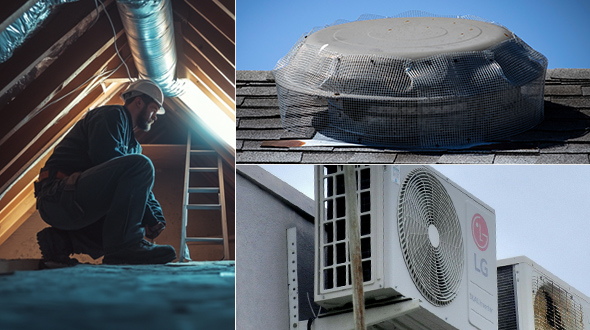
Balancing intake and exhaust vents is crucial for optimal attic ventilation. This ensures warm, moist air is removed and replaced with fresh, dry air. This balance maintains a healthy indoor environment and prevents issues such as insulation and structural deterioration caused by trapped moisture.
Improper ventilation can lead to pressure problems if there is an uneven amount of intake and exhaust vents. Ventilation calculations often suggest 1 square foot of venting for every 300 square feet of attic floor area, distributing intake and exhaust evenly.
Adequate attic ventilation enhances your home’s efficiency and protects it from potential damage.
Types of Roof Vents Summary
Throughout this exploration of roof vents, we’ve seen how crucial proper attic ventilation is in maintaining a healthy, energy-efficient home. From understanding the basics of roof ventilation systems to exploring the specifics of active and passive roof vents, it’s clear that a proper ventilation strategy can significantly impact your home’s longevity and comfort. Active roof vents, such as turbine vents, power vents, and solar-powered vents, offer mechanical solutions to enhance airflow, whereas passive vents, including ridge vents, box vents, and gable end vents, rely on natural forces.
Choosing the right combination of intake and exhaust vents, such as soffit vents and roof intake vents, along with suitable exhaust solutions, is crucial to achieving a well-balanced attic ventilation system. By ensuring proper airflow and preventing moisture buildup, you can protect your home from heat damage, reduce energy costs, and create a healthier living environment. Remember, the right ventilation solution is not just about installing vents, but also about understanding how they work together to maintain optimal attic conditions.
Roof Vent Types Frequently Asked Questions
Why is attic ventilation important for my home?
Attic ventilation is crucial as it prevents heat and moisture buildup, protecting your home from mold growth, structural damage, and excessive energy costs. Ensuring proper ventilation promotes a healthier living environment and extends the lifespan of your home.
What are the main types of roof vents?
The main types of roof vents are active vents, such as turbine, power, and solar-powered vents, and passive vents, which include ridge, box, and gable end vents. Choosing the appropriate type depends on your specific ventilation needs.
How do I choose the proper exhaust vents for my attic?
To select the ideal exhaust vents for your attic, consider your home’s design and ventilation requirements. Consider options like static, powered, and mechanical vents to find the best fit for your space.
What are the advantages of solar-powered vents?
Solar-powered vents offer eco-friendliness and reduced energy costs by utilizing sunlight for operation. Their efficiency, however, may be impacted by weather conditions and charging times.
How can I ensure balanced attic ventilation?
To ensure balanced attic ventilation, maintain an equal ratio of intake and exhaust vents, which helps prevent moisture buildup and protects your home’s integrity. Proper airflow is essential for the efficiency and longevity of your structure.
(404) 220-9288
The post Types of Roof Vents Explained appeared first on atlantacommercialroofingcontractors.com