Tuesday, February 17, 2026

Top Roofing Manufacturers – Brands We Trust as Roofers

As roofers, we’ve installed thousands of roofs across every imaginable condition—scorching summers, brutal winters, hurricane-force winds, and everything in between. Over the years, we’ve learned which roofing manufacturers consistently deliver quality materials that hold up decades after installation. When homeowners ask us, “Who makes the best roofing materials?”, we don’t give a one-size-fits-all answer. Instead, we point them toward a handful of proven brands that we’ve come to trust through hands-on experience.
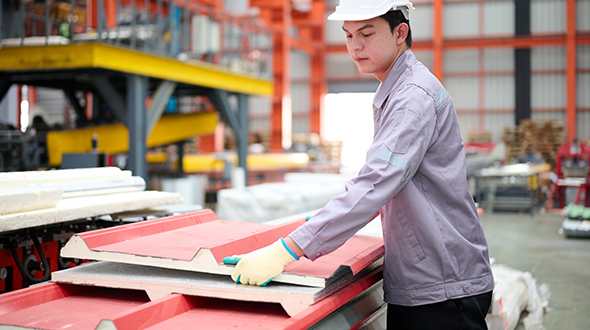
top roofing manufacturers, brands we trust as roofers

Here’s our short list of go-to roofing manufacturers by category:

  • Asphalt Shingles: GAF, Owens Corning, CertainTeed, Malarkey Roofing Products, TAMKO, IKO, Atlas
  • Metal Roofing: McElroy Metal, Englert, ATAS International, Classic Metal Roofing Systems, CertainTeed
  • Flat Roofs/Membranes: Carlisle Construction Materials, Johns Manville, Versico, Holcim Elevate, IB Roof Systems, WeatherBond
  • Slate: New England Slate Company, Buckingham Slate, Glendyne, Penn Big Bed
  • Cedar Shakes: Waldun Forest Products, Imperial Shake Co., Watkins Sawmills

The right choice depends on your roof type, local climate, budget, and how long you plan to stay in your home. For example, a standing seam metal roof makes sense for a homeowner in a wildfire-prone area who wants 50+ years of service. Traditional asphalt shingles work beautifully for most residential applications where cost and curb appeal need to balance. And working with a certified installer is just as important as the shingle brand on your roof—poor installation can undermine even the best roofing materials.

Why manufacturer choice matters:

  • Warranty coverage varies dramatically between brands and product lines
  • Durability depends on material composition, thickness, and quality control
  • Style options range from basic three-tabs to luxury shingles that mimic slate
  • Energy efficiency features like cool-roof coatings can reduce cooling costs significantly

Top Asphalt Shingle Manufacturers

Asphalt shingles cover roughly 70-80% of American homes, and for good reason. They offer an excellent balance of affordability, durability, and aesthetic options. As professional roofers, we recommend established asphalt shingle manufacturers with strong warranties, consistent quality control, and reliable distribution networks.

When we evaluate a shingle brand, we look at several key performance factors:

  • Wind rating (130 MPH or higher for storm-prone regions)
  • Algae resistance (critical in humid climates)
  • Color selection (homeowners want options that complement their siding and neighborhood)
  • Impact resistance (Class 4 ratings for hail-prone areas)
  • Warranty support (non-prorated periods and transferability)

Below, we’ll profile the leading manufacturers we regularly work with: GAF, Owens Corning, CertainTeed, TAMKO, IKO, Malarkey, and Atlas. Each has earned our trust through years of reliable performance on real roofs.
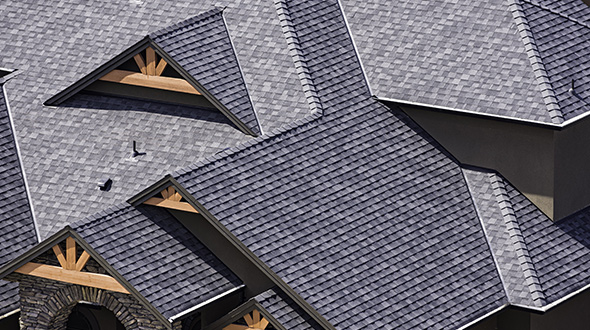
asphalt shingle roofing

GAF

GAF is North America’s largest roofing manufacturer, with a history dating back to 1886. Their products protect approximately 1 in 4 American homes—a testament to their market dominance and widespread contractor trust. When homeowners ask about the best roofing options, GAF is often the first name we mention.

What makes GAF stand out:

  • Timberline HDZ architectural shingles feature a wide StrikeZone nailing area that helps roofers install faster and with greater accuracy
  • Wind ratings up to 130 MPH when installed as a complete roofing system
  • Strong algae-resistant options with a lifetime algae resistance warranty on many lines
  • LayerLock technology creates a mechanical bond that improves wind resistance

GAF roofs really shine when homeowners invest in their full system approach—ice and water shield, synthetic underlayment, ridge vents, and matching accessories. When installed by GAF-certified contractors, these complete systems unlock enhanced warranty coverage that non-certified installations can’t match.

Best for: Homeowners wanting a proven balance of price, curb appeal, and strong warranty support from an industry leader.

Owens Corning

Owens Corning is a Fortune 500 building materials company founded in 1938, and its pink panther mascot has made it one of the most recognized names in home construction. Their roofing division delivers consistent quality across North America, backed by extensive research and development.

Key product highlights:

  • Duration and Oakridge shingle lines offer excellent performance for most residential applications
  • SureNail Technology provides a reinforced nailing zone for improved accuracy and 130 MPH wind resistance on Duration options
  • Energy Star and “cool roof” options available in select colors for hot, sunny climates
  • Industry-leading color blends and online visualization tools help homeowners preview their new roof

From our roofer’s perspective, Owens Corning is a safe recommendation when clients want a widely recognized name backed by solid long-term performance. Their distribution network is excellent, meaning your roofer will rarely face supply delays on jobs.

Best for: Homeowners who value brand recognition, energy efficiency options, and reliable warranties.

CertainTeed

CertainTeed has been manufacturing roofing materials since 1904, building a reputation for premium, heavyweight shingle options that deliver exceptional curb appeal. As a subsidiary of Saint-Gobain, they bring global resources to the American roofing industry.

Product line highlights:

  • Landmark architectural shingles provide an affordable upgrade from builder-grade options
  • Grand Manor and Belmont luxury shingles mimic the look of slate and wood shake for high-end homes
  • The Grand Manor shingle is one of the thickest, most dimensional products that we see
  • ‘SureStart’ protection offers strong early non-prorated coverage if material defects occur

CertainTeed consistently produces some of the most visually striking shingles on the market. When curb appeal is the top priority—especially on custom homes or historic renovations—we often reach for their premium lines. They also offer matching accessories and, in some regions, metal roofing options that coordinate with their shingle colors.

Best for: Homeowners who prioritize curb appeal and are willing to invest in architectural or luxury shingles.

TAMKO

TAMKO has operated as an independent, U.S.-based manufacturer since 1944. They’ve built a loyal following among contractors who appreciate their vivid color blends and storm-focused engineering.

Notable products and features:

  • Heritage architectural shingles deliver solid performance at competitive price points
  • Titan XT line emphasizes enhanced wind performance with ‘Full Start’ non-prorated warranty periods
  • Distinctive color blends that stand out in neighborhoods full of standard grays and browns
  • MetalWorks steel shingles that mimic slate and wood shake (yes, TAMKO makes metal too)

We often recommend TAMKO when homeowners want distinctive colors and reliable performance without the premium price tag of top-shelf luxury shingles. Their quality control is consistent, and their products have held up well throughout our installations.

Best for: Budget-conscious homeowners wanting distinctive aesthetics and solid storm protection.

IKO

IKO began as a Canadian company in 1951 and has expanded to include manufacturing plants across North America and Europe. Their strong export footprint means they’ve proven their products in diverse climates worldwide.

What we like about IKO:

  • Cambridge architectural shingles serve as their flagship line, with excellent dimensional appearance
  • Cambridge Cool Colors line complies with ‘California Title 24’ energy requirements
  • Cool-color technology provides energy efficiency benefits beyond just white shingles—reducing cooling costs in warm climates
  • Competitive pricing in regions with established distribution

From our installer’s perspective, IKO can be a strong value choice where distribution is well-established. Homeowners should check region-specific product availability and warranties, as offerings vary by market. In areas where IKO has a strong presence, it’s absolutely worth considering.

Best for: Value-focused homeowners in regions with strong IKO distribution networks.

Malarkey Roofing Products

Malarkey Roofing Products is a family-owned manufacturer founded in 1956 in Portland, Oregon. Their Pacific Northwest roots have shaped their focus on performance in harsh weather conditions—particularly wet, windy coastal climates.

What sets Malarkey apart:

  • SBS polymer-modified asphalt in many lines provides extra flexibility and impact resistance
  • Recycled rubber and plastics incorporated into shingle construction
  • Vista, Legacy, and Highlander series are designed for demanding climates
  • Smog-reducing granules on certain products demonstrate environmental responsibility
  • Strong emphasis on shingle recycling programs to reduce landfill waste

Malarkey shingles flex rather than crack in cold temperatures, making them ideal for regions with dramatic temperature swings. From our roofer’s standpoint, Malarkey is a smart choice where storms, high winds, or green building priorities are front and center.

Best for: Homeowners in harsh climates or those prioritizing sustainability and impact resistance.

Atlas Roofing

Atlas Roofing entered the market in 1982 and has built a reputation for innovation in algae resistance and storm performance. Their products are particularly popular in the central and southeastern United States.

Standout features:

  • Pinnacle Pristine architectural shingles with Scotchgard Protector prevent black algae streaks in humid regions
  • StormMaster lines (StormMaster Shake, StormMaster Slate) carry Class 4 impact ratings for hail-prone areas
  • Core4 technology in certain products improves flexibility, granule adhesion, and weather resistance
  • Strong focus on rubberized asphalt compounds for enhanced durability

We often recommend Atlas to clients concerned about algae staining or hail damage. If you live in Texas, Oklahoma, or anywhere along the Gulf Coast, or anywhere that sees regular severe weather, Atlas deserves serious consideration.

Best for: Homeowners in humid or hail-prone regions wanting superior algae and impact resistance.

Top Metal Roofing Manufacturers

Metal roofing has surged in popularity as homeowners and commercial property owners discover its remarkable benefits: 40-70 year lifespans, superior fire resistance, excellent energy efficiency, and minimal maintenance requirements. While the upfront cost exceeds that of asphalt, metal roofing often pays for itself through durability and reduced energy bills.

Common metal roof types we install:

  • Standing seam panels (concealed fasteners, clean lines)
  • Through fastened panel systems (exposed fasteners, cost-effective)
  • Stone-coated steel shingles (metal durability, traditional appearance)
  • Stamped metal panels that mimic slate, tile, or wood shake

The following profiles cover the metal roofing manufacturers we trust for residential and commercial projects: McElroy Metal, Classic Metal Roofing Systems, Englert, ATAS International, and CertainTeed’s metal offerings.
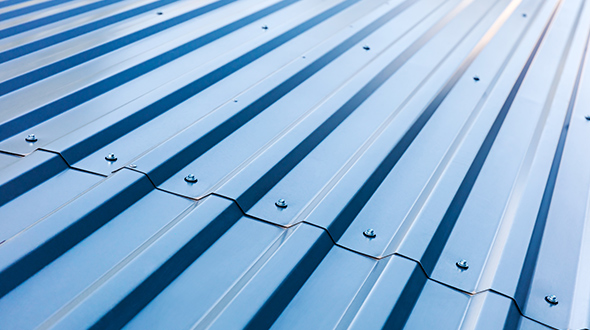
metal roofing materials

McElroy Metal

McElroy Metal has manufactured metal roofing systems since 1963, with multiple production facilities and metal marts strategically located across the United States. This network means reliable distribution and manageable lead times on most projects.

What we appreciate about McElroy:

  • Extensive range of profiles: standing seam, exposed fastener, and stone-coated steel products
  • Both residential and commercial solutions, including retrofit “metal-over-metal” and “metal-over-shingle” systems
  • Consistent panel quality and color matching across production runs
  • Products engineered for heavy snow loads, high winds, and long-term, low-maintenance performance

From our roofer’s perspective, McElroy’s consistent job-to-job performance gives us confidence recommending their products. When a homeowner wants metal roofing materials that will perform for decades with minimal attention, McElroy delivers.

Best for: Homeowners and commercial property owners wanting reliable metal panels with strong distribution support.

Classic Metal Roofing Systems

Classic Metal Roofing Systems has specialized in premium residential metal roofs since approximately 1980. Their focus on aesthetics sets them apart—these are metal roofing systems designed to look beautiful, not industrial.

Product highlights:

  • Aluminum and steel shingles that convincingly mimic cedar shakes, slate, and tile
  • Product lines like Country Manor Shake, Rustic Shingle, and metal tile profiles
  • High recycled content (often 95-99% recycled aluminum in many products)
  • Energy-saving coatings and finishes that reflect solar heat
  • Proven track record in hurricane-force winds and hail conditions

We tend to propose Classic on projects where homeowners want a custom look and plan to stay in their home for decades. The upfront investment pays dividends through durability and durable solutions that outlast the competition.

Best for: Homeowners wanting premium aesthetics with metal’s longevity—ideal for forever homes.

Englert

Englert has been a leading roofing manufacturer of standing seam metal panels and gutter systems since 1966. Their focus on architectural applications makes them a favorite for projects where clean lines and color options matter.

Key strengths:

  • An extensive list of Energy Star-compliant colors and LEED-friendly coatings
  • On-site roll-forming capabilities allow us to deliver long, continuous panels directly to the jobsite
  • Reduced seams mean fewer potential leak points
  • Excellent technical support and detailed installation specifications

From a contractor’s view, Englert’s willingness to support installers with training and documentation makes complex standing seam projects more manageable. Their batten seam and architectural profiles work beautifully on both residential and commercial buildings.

Best for: Architectural projects requiring standing seam panels with extensive color options.

ATAS International

ATAS International is a family-owned metal panel manufacturer founded in 1963. Their broad catalog includes solutions for both roofing and wall applications, making them ideal for integrated designs.

What makes ATAS stand out:

  • Wide array of profiles: standing seam, batten seam, tiles, shingles, and curved/tapered panels
  • Strong reputation for color selection and architectural-grade finishes
  • Products used on both residential homes and commercial buildings
  • Participation in green building programs supporting sustainable project goals

We like ATAS when designs call for unusual shapes, curves, or mixed metal wall/roof systems. Their engineering support helps us execute complex architectural visions that other manufacturers might struggle to deliver.

Best for: Architectural projects with unique design requirements or mixed metal applications.

CertainTeed Metal Roofing

CertainTeed complements its extensive shingle lineup with metal roofing products that mimic slate, wood, and clay tile. These stamped metal systems deliver a premium look without the weight of natural materials.

Benefits of CertainTeed metal:

  • Coordinate colors between shingle and metal sections on complex roofs
  • Premium appearance without structural reinforcement required for real slate
  • Single manufacturer simplifies warranty discussions and accessory selection
  • Excellent option for homeowners who love CertainTeed but want metal’s longevity

From our roofer’s perspective, working with a single manufacturer for mixed-material roofs streamlines the entire project. CertainTeed’s metal lines are particularly attractive for additions or dormers where matching existing shingle colors matters.

Best for: Homeowners wanting to combine CertainTeed shingles with metal accents or transitions.

Top Flat & Single-Ply Membrane Roofing Manufacturers (EPDM, TPO, PVC)

Flat and low-slope roofs require specialized membrane roofing manufacturers who understand the unique challenges of horizontal surfaces. Whether it’s a commercial warehouse, a residential addition with a flat roof, or a rooftop deck, these roofs need waterproof membrane systems that can handle ponding water, UV exposure, and decades of thermal cycling.
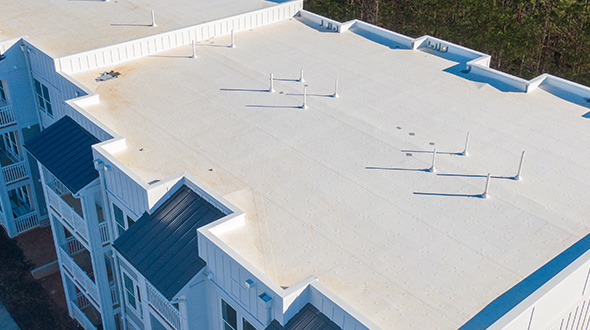
flat single-ply membrane roofing

What we look for in membrane roofing:

  • Long-term weathering performance (25+ years)
  • Seam strength and weldability
  • Ease of installation and detail work
  • Strong manufacturer technical support and training programs

The following profiles cover the membrane roofing manufacturers we trust: Carlisle SynTec, Johns Manville, Versico Roofing Systems, Holcim Elevate, IB Roof Systems, and WeatherBond.

Carlisle SynTec (Carlisle Construction Materials)

Carlisle Construction Materials operates one of the longest-standing single-ply roofing divisions in the industry, with roots stretching back to the mid-20th century. Their reputation for quality has made them a go-to specification on major commercial projects across North America.

What Carlisle offers:

  • Complete range of EPDM, TPO, and PVC membranes
  • Insulation, air barriers, and vapor barriers for complete roof assemblies
  • Extensive contractor training and certification programs
  • Decades of real-world performance data on thousands of installations

We rely on Carlisle’s training programs to stay current on best practices and new products. When building owners want proven roofing systems backed by industry-leading research, Carlisle is our first recommendation.

Best for: Commercial and institutional projects requiring proven, well-documented roof systems.

Johns Manville

Johns Manville traces its history to 1858 and now operates as a Berkshire Hathaway company. Their commercial roofing division offers a comprehensive range of products for flat roofs of all sizes.

Product range:

  • EPDM, TPO, and PVC membranes in various thicknesses and colors
  • Built-up and modified bitumen systems for specific applications
  • Cool-roof membranes that meet energy codes and reduce cooling costs
  • Integrated insulation products for complete thermal performance

We lean toward Johns Manville on projects where the specifications call for a complete, integrated roof assembly from a single manufacturer. Their technical support for design details and installation guidance is excellent.

Best for: Projects requiring comprehensive single-manufacturer solutions with strong warranty support.

Versico Roofing Systems

Versico operates as part of the Carlisle family, focusing heavily on EPDM, TPO, and PVC single-ply roofing for commercial and residential applications. Their products share Carlisle’s quality standards while offering distinct product lines.

Versico advantages:

  • Multiple membrane thicknesses, colors, and attachment methods (fully adhered, mechanically attached, ballasted)
  • Contractor-friendly installation details and documentation
  • Long-term warranties when installed by authorized contractors
  • Strong presence on mid-sized commercial and residential flat roofs

From our roofer’s perspective, Versico hits a sweet spot for projects that don’t require the full scale of Carlisle’s commercial systems but still need premium quality.

Best for: Mid-sized commercial and residential flat roof projects.

Holcim Elevate (formerly Firestone Building Products)

Holcim Elevate represents the rebranded Firestone roofing division, bringing more than 40 years of commercial roofing expertise. Their signature red branding is recognized on warehouses, retail buildings, and industrial facilities worldwide.

Strengths of Elevate:

  • Well-established EPDM, TPO, and PVC product lines
  • Proven durability on large flat roofs across diverse climates
  • Detailed technical manuals and accessory systems that simplify complex details
  • Global brand recognition and extensive performance history

As roofers, we appreciate Elevate’s documentation—their detailed drawings and technical manuals make tricky flashing conditions much more straightforward. For owners wanting a globally recognized brand, Elevate delivers.

Best for: Large commercial and industrial flat roof projects requiring proven systems.

IB Roof Systems

IB Roof Systems has specialized in PVC roofing since 1978, with particular strength in coastal and high-moisture regions where PVC membranes excel. Their focus on quality has earned them a loyal following.

Why IB stands out:

  • 50 mil and thicker PVC membranes that exceed industry durability standards
  • IB White PVC membrane is highly reflective and Energy Star-qualified
  • Excellent performance in hot climates with superior seam strength
  • Extended material warranties (often 25+ years) when installed by approved contractors

From our hands-on experience, IB is a favorite for residential low-slope roofs, condos, and light commercial projects where long warranties and proven performance matter. Their coastal track record is particularly impressive.

Best for: Residential and light commercial flat roofs in hot or coastal climates.

WeatherBond

WeatherBond has operated as a Carlisle subsidiary since 2006, focusing on streamlined single-ply systems for contractors who want simplified ordering without sacrificing quality.

WeatherBond benefits:

  • EPDM, TPO, and PVC systems with straightforward product lines
  • Carlisle quality with streamlined ordering and packaging
  • Limited lifetime material warranties on some residential systems
  • Extended warranties are available through the Recognized Contractor program

We often see WeatherBond specified on residential flat roofs, small commercial buildings, and re-roof projects. Homeowners should confirm their installer is approved for the specific WeatherBond warranty level they want.

Best for: Residential flat roofs and small commercial projects wanting Carlisle quality with simplified options.

Top Slate Roofing Manufacturers

Natural slate represents the pinnacle of roofing longevity and beauty. A properly installed slate roof can last 75-150+ years, outliving multiple generations of homeowners. The material’s natural variation creates stunning visual effects that no manufactured product can truly replicate.

However, slate is heavier and more expensive than other roofing materials. Your home’s structure must support the added weight (typically 800-1,500 pounds per square), and installation requires artisan-level skill. When these conditions are met, slate roofing delivers unmatched value over its service life.

The following slate roof manufacturers have earned our trust for consistent quality and long-term performance.
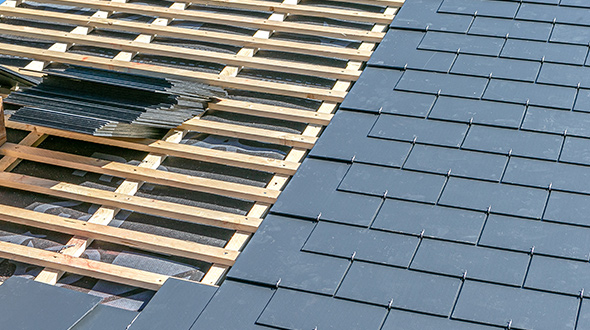
showcasing stone slate roofing material

New England Slate

New England Slate Company has operated in Vermont’s historic slate region since the 1970s, producing some of the finest roofing slate available in North America.

What we value about New England Slate:

  • ASTM S1-rated slates with warranties often exceeding 75 years
  • Color variety, including greens, grays, purples, blacks, and blends
  • Custom sizes, thicknesses, and shapes for complex roofs and historic restorations
  • Vermont’s geological heritage produces exceptional slate density

From our perspective, New England Slate Company is a go-to when clients want authentic Northeast slate with a proven track record. Their willingness to work with us on custom orders makes historic restoration projects much smoother.

Best for: Traditional New England architecture and historic restoration projects.

Buckingham Slate

Buckingham Slate comes from Virginia quarries that have produced dense, unfading blue-black slate since the 19th century. Many consider it the finest American roofing slate available.

Buckingham characteristics:

  • Life expectancy up to 150 years or more
  • Low water absorption and excellent acid resistance
  • Dense composition that resists weathering exceptionally well
  • Often specified on landmark buildings, universities, and high-end custom homes

The cost of Buckingham Slate is premium, but so is its longevity and historic prestige. When clients are building their forever home or restoring a significant property, Buckingham is worth every penny.

Best for: Landmark buildings, prestigious institutions, and ultra-premium custom homes.

Glendyne

Glendyne produces Canadian slate known for its dark gray color with a subtle blue cast. Their quarries focus on consistent quality and modern production standards.

Why we recommend Glendyne:

  • Slate free of pyrite and metal intrusion that prevents rust staining
  • Service life estimates in the 100-year range when installed correctly
  • Consistent sizing and uniform splitting for efficient installation
  • Modern, sophisticated appearance that works well on contemporary architecture

Glendyne’s uniformity and predictable splitting is their advantage. This consistency makes installation more efficient while ensuring a beautiful finished roof.

Best for: Projects requiring consistent, modern-looking slate with excellent durability.

Penn Big Bed Slate

Penn Big Bed Slate has operated in Slatington, Pennsylvania, since the 1930s, continuing the region’s proud “Slate Belt” heritage that dates to the 1800s.

Penn Big Bed offerings:

  • Both clear and “ribbon” slates in various grades
  • Service lives often exceed 150 years
  • Range of sizes and thicknesses for diverse applications
  • Extensive use on historic restorations and traditional new construction

From an installation standpoint, we see Pennsylvania slate as a classic choice for traditional American architecture. England Slate and other Pennsylvania producers have supplied countless iconic buildings, and Penn Big Bed continues that legacy.

Best for: Historic restorations and traditional American architectural styles.

Top Cedar Shake & Wood Roofing Manufacturers

Cedar shakes and shingles offer a natural, high-end roofing option prized for their distinctive texture, excellent insulation properties, and the beautiful silver-gray patina they develop over time. A quality cedar roof can last 30-50 years with proper maintenance.

We insist on mills with tight quality control and proper treatment options to maximize lifespan and fire resistance (where local codes permit wood shake roofing). The following manufacturers produce cedar products that we trust for premium installations.
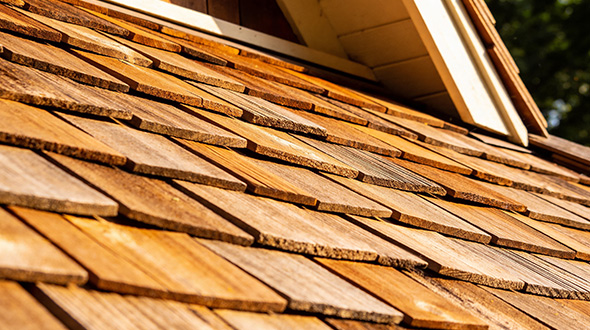
cedar shake and wood roofing

Waldun Forest Products

Waldun Forest Products has been one of the largest and most respected cedar shake and shingle mills in British Columbia since the 1970s. Their products set the industry standard for quality.

What makes Waldun exceptional:

  • Premium production of split, resawn, and tapersawn shakes
  • Available in premium, #1, and standard grades
  • Lengths commonly available in 16, 18, and 24 inches for different roof pitches
  • Extended warranty options on certain products reflect confidence in quality

From our perspective, Waldun’s consistency makes installation smoother and helps the roof weather evenly over time. When clients want the best cedar available, Waldun is a first call.

Best for: Premium residential projects where cedar quality and longevity are paramount.

Watkins Sawmills

Watkins Sawmills has manufactured cedar shakes and shingles in British Columbia since 1947. Their scale and experience make them a reliable source for projects of any size.

Watkins advantages:

  • Wide selection of certified and uncertified cedar products
  • Grades ranging from rustic to select for different aesthetic goals
  • Reliable supply for large, complex roofing projects
  • Long history of consistent production

Pairing Watkins cedar with proper underlayment and ventilation is key to achieving the longest possible service life. When maintained correctly, these roofs develop the beautiful weathered appearance that makes cedar so desirable.

Best for: Large residential projects and commercial applications requiring a consistent cedar supply.

Imperial Shake Co.

Imperial Shake Co. was founded in 1998 in Maple Ridge, B.C., focusing exclusively on high-quality Western Red Cedar shakes. Their attention to quality control from raw log to finished product shows in every bundle.

Imperial Shake features:

  • 18” and 24” lengths are typically available
  • Strict quality control throughout production
  • Products exported internationally for premium projects
  • Consistent grading that makes installation predictable

Based on our experience, Imperial Shake is a strong choice for clients who want top-tier, uniform cedar for custom homes. As with all cedar, local fire and building codes must be verified before selecting wood shake roofing.

Best for: Custom homes where a uniform, premium cedar appearance is desired.

How We Choose the Right Manufacturer for Each Roof

As professional roofers, we don’t believe in a single “best” manufacturer. The right choice depends on your roof type, climate, budget, architectural style, and how long you plan to stay in your home.

Our process starts with a thorough roof inspection and conversation about your priorities. How long do you plan to stay? What weather risks does your area face—hail, hurricanes, heavy snow? What aesthetic style fits your home and neighborhood? What’s your budget for this investment?

Based on these answers, we match homeowners to manufacturers:

  • Asphalt shingles serve most budgets and perform well across diverse climates
  • Metal roofing delivers superior longevity, fire resistance, and energy conservation
  • Natural slate creates legacy roofs for homes meant to last generations
  • Cedar shakes offer unmatched character and natural insulation
  • PVC membranes and other membrane systems protect flat roofs reliably

Key decision factors to discuss with your roofer:

  • Wind and hail ratings appropriate for your region
  • Algae resistance requirements for humid climates
  • Energy efficiency features for reducing cooling costs
  • Warranty terms, including non-prorated periods and transferability
  • Local material availability and lead times
  • Certified installer requirements for enhanced warranties
  • Total investment including proper underlayment, flashing, and ventilation

Mini-checklist for manufacturer discussions:

  • [ ] What wind rating do I need for my area?
  • [ ] Is algae resistance important in my climate?
  • [ ] Do I want energy-efficient options?
  • [ ] How long do I plan to live in this home?
  • [ ] What warranty coverage matters most to me?
  • [ ] Is my installer certified by this manufacturer?

Working with a Professional Roofer vs. Going by Brand Name Alone
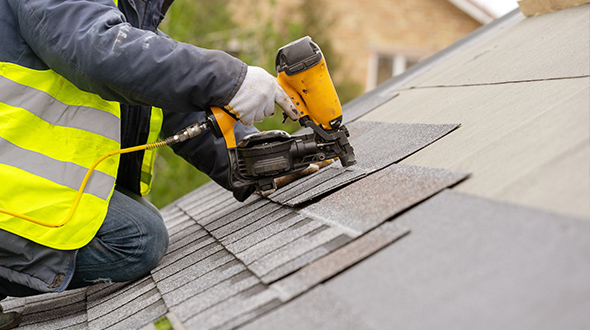
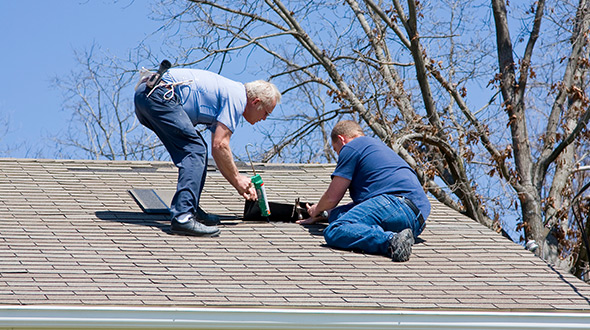
team of roofing contractors is collaborating on a residential roof installation

Even the best manufacturer can’t save a roof from poor installation. We’ve seen premium shingles fail within 5 years due to inadequate ventilation. We’ve replaced “lifetime” roofs that leaked from day one due to improper flashing. The roofing products matter, but installation quality matters just as much.

This is why manufacturer certification programs exist. GAF, Owens Corning, CertainTeed, Malarkey, and other leading manufacturers offer training and certification for roofing contractors who meet their standards. Using a certified installer often unlocks enhanced warranty coverage that non-certified installations simply can’t access.

Our typical installation process includes:

  1. Thorough inspection of the existing roof structure and decking
  2. Product recommendations from several top manufacturers based on your needs
  3. Written proposal detailing materials, labor, timeline, and warranty information
  4. Step-by-step installation, including underlayment, flashings, and ventilation
  5. Final walkthrough and warranty documentation

What to look for in a roofing contractor:

  • Current proof of insurance (liability and workers’ compensation)
  • Valid state and local licensing
  • References from recent projects
  • Manufacturer training badges and certifications
  • Detailed written proposals and warranties
  • Clear communication throughout the project

Brand reputation is a good starting point, but lean on a trusted local roofer to choose the exact product line and complete system that fits your home. A certified installer knows which products perform best in your specific climate and can ensure your new roof is installed correctly for maximum longevity.

Choosing the Top Roofing Manufacturer for Your Roof

The “top” manufacturer is ultimately the one whose roofing products match your roof’s design, your local climate, and your long-term plans—installed by a qualified roofing contractor who follows manufacturer specifications. There’s no universal winner because every roof presents unique requirements.

The brands we’ve covered—GAF, Owens Corning, CertainTeed, Malarkey, McElroy, Englert, Carlisle, New England Slate, Waldun, and the other leading manufacturers—are all names we trust on real jobs. We’ve installed their products through heat waves and ice storms, and they’ve performed as promised. That’s why they’ve earned spots on our go-to list.

When planning your new roof, focus on the complete roofing system rather than just the visible surface. The underlayment, ventilation, flashings, and accessories all work together to protect your home. Cutting corners on any component compromises the entire investment.

If you’re ready to explore your roofing options, we invite you to schedule an inspection with a qualified local roofer. We’ll assess your current roof’s condition, discuss your priorities and budget, and recommend the manufacturer and product line that best suits your specific situation. Your roof protects everything beneath it—choosing proven roofing solutions installed by experienced professionals ensures that protection lasts for decades to come.

Atlanta Commercial Roofing Contractors

Atlanta, GA
(404) 220-9288

The post Top Roofing Manufacturers - Brands We Trust as Roofers appeared first on atlantacommercialroofingcontractors.com
Saturday, December 13, 2025

What is Commercial Roofing?

When you walk into a sprawling warehouse, shop at a retail center, or work in a modern office building, you’re protected by sophisticated roofing systems that operate on an entirely different scale than residential homes. Commercial roofing represents a specialized field that encompasses far more than simple weather protection—it’s about safeguarding business operations, managing energy costs, and maintaining critical infrastructure that keeps commerce running smoothly.

what is commercial roofing

Understanding what commercial roofing entails is essential if you’re responsible for a commercial property. From the materials used to the installation process, maintenance requirements, and long-term costs, commercial roofing systems differ dramatically from residential roofs in ways that directly impact your bottom line and operational continuity.

Definition of Commercial Roofing

Commercial roofing covers the installation, repair, and maintenance of roofing systems on commercial buildings, warehouses, factories, retail stores, and office complexes. These sophisticated systems protect commercial properties typically exceeding 10,000 square feet and must handle significantly heavier loads than residential roofs ever encounter.

Unlike residential roofs, which primarily focus on aesthetic appeal and basic weather protection, commercial roofs must support substantial HVAC equipment, industrial machinery, and frequent foot traffic from maintenance personnel. A typical commercial building might have multiple rooftop units weighing thousands of pounds, solar panel installations, cooling towers, and regular access for maintenance teams—demands that residential roofs aren’t designed to handle.

The primary purpose extends beyond protecting the structure itself. These roofing systems safeguard business operations, inventory valued at potentially millions of dollars, employees, and customers from weather elements such as rain, snow, hail, and wind. When a commercial roof fails, the consequences ripple through every aspect of business operations, making reliability and durability paramount concerns.

Commercial properties encompass a vast range of building types, from small retail buildings covering 5,000 square feet to massive distribution centers spanning over 500,000 square feet. Each requires a carefully engineered roofing system designed to meet specific performance criteria, building codes, and operational requirements that vary significantly based on the building’s intended use.

How Commercial Roofing Differs from Residential Roofing

The differences between commercial and residential roofing systems extend far beyond simple size considerations, encompassing fundamental design philosophies, structural requirements, and performance expectations that reflect the distinct needs of business versus residential environments.

Design and Structure

Commercial roofs are typically flat or low-slope, with pitches less than 3:12, compared to residential roofs, which feature steep pitches ranging from 4:12 to 12:12. This fundamental difference stems from functional requirements—commercial buildings prioritize maximizing interior space utilization and accommodating rooftop equipment, while residential buildings emphasize aesthetic appeal and efficient water runoff.

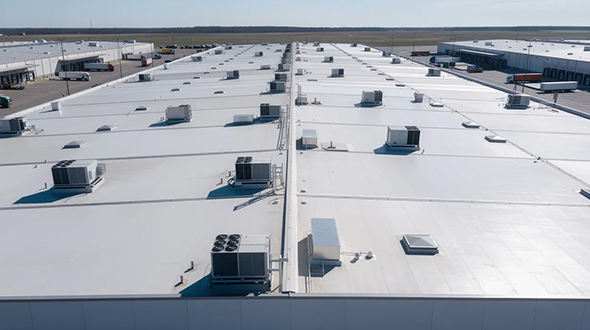
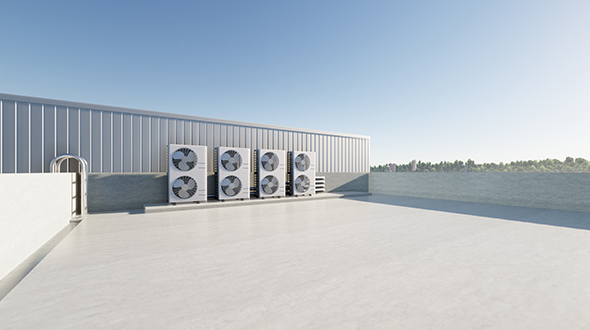
large warehouse featuring a flat commercial roof with visible HVAC equipment

Commercial structures span much larger areas, often covering 50,000 to 500,000 square feet, compared to residential roofs, which average 1,500 to 3,000 square feet. This massive scale creates unique engineering challenges, particularly regarding thermal expansion and contraction across vast roof surfaces, structural load distribution, and effective water management systems.

Flat commercial roofs require sophisticated drainage systems, including internal drains, scuppers, and specialized gutters, to prevent water pooling—a critical concern, as standing water can compromise membrane integrity and create structural problems. These drainage systems must handle substantial water volumes during intense storms while preventing backup that could flood interior spaces.

Commercial roofs must support rooftop equipment weighing thousands of pounds, including chillers, cooling towers, exhaust fans, and increasingly common solar panel arrays. This equipment placement requires careful structural analysis and reinforcement, along with accessible maintenance pathways that don’t compromise the roofing system’s waterproof integrity.

Materials Used

Commercial roofs utilize fundamentally different materials designed for durability, performance, and large-scale application rather than aesthetic appeal. Single-ply membranes like TPO (Thermoplastic Polyolefin), PVC (Polyvinyl Chloride), and EPDM (Ethylene Propylene Diene Monomer) dominate commercial applications due to their ability to cover large areas seamlessly and provide long-term weather resistance.

Modified bitumen systems and built-up roofing (BUR) with multiple asphalt and reinforcement layers remain common for commercial applications where extreme durability and puncture resistance are priorities. These multi-layer systems provide redundancy that single-ply systems cannot match, making them ideal for high-traffic commercial environments.

Metal roofing systems, including standing seam steel and aluminum panels, are designed for large spans and can support substantial loads while providing decades of service life. These systems often incorporate specialized coatings and insulation configurations optimized for energy efficiency in large buildings.

In contrast, residential roofs primarily use asphalt shingles, clay tiles, slate, or cedar shakes chosen for aesthetic appeal and weather protection rather than load-bearing capacity or large-scale performance. While some overlap exists in materials like metal roofing, the specifications, installation methods, and performance requirements differ substantially between residential and commercial applications.

Types of Commercial Roofing Systems

Commercial roofing encompasses several distinct system types, each engineered to address specific performance requirements, building characteristics, and operational needs. Understanding these systems helps property owners make informed decisions about new installations, replacements, and maintenance strategies.

Single-Ply Membrane Roofing

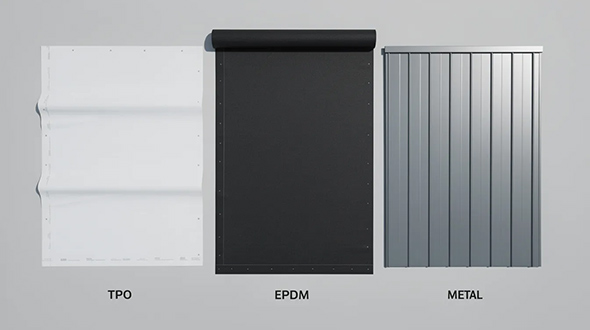
single ply commercial roofing membranes TPO, EPDM, and metal roofing

Single-ply membranes are the most widely used commercial roofing materials for flat roofs, offering efficient installation, proven performance, and energy-efficiency benefits that align with modern building requirements and environmental regulations.

TPO roofing has gained significant market share due to its energy efficiency benefits, featuring white reflective surfaces that can reduce cooling costs by 15-20% in hot climates. These thermoplastic membranes are heat-welded at seams, creating monolithic waterproof barriers that resist wind uplift, chemicals, and UV degradation. TPO systems typically provide a 20-25-year service life with proper maintenance.

PVC roofing membranes offer superior chemical resistance, making them ideal for restaurants, food processing facilities, and industrial properties that are exposed to grease or chemicals. These membranes resist many oils, greases, and chemicals that can degrade other roofing materials, while offering excellent fire resistance and energy efficiency. PVC systems provide exceptional durability in challenging environments.

EPDM roofing delivers outstanding weather resistance and flexibility, maintaining performance characteristics across extreme temperature ranges. Black EPDM absorbs heat, which can benefit heating costs in cold climates but may increase cooling loads in warmer regions. White EPDM formulations address energy efficiency concerns while maintaining the material’s proven durability. EPDM systems can last 25-30 years with proper maintenance.

Installation of single-ply membranes involves mechanically fastening, fully adhering, or ballasting membranes to create watertight seals. Mechanical attachment uses fasteners through insulation into the roof deck, while fully adhered systems use specialized adhesives for complete bonding. Ballasted systems place loose stone over membranes, providing wind resistance through weight rather than attachment.

Built-Up and Modified Bitumen Roofing

Built-up roofing (BUR) systems use alternating layers of bitumen and reinforcement fabric, creating robust multi-ply membranes topped with gravel or mineral cap sheets. These time-tested systems provide excellent redundancy—if one layer develops issues, underlying layers continue protecting the building while repairs are planned and executed.

The installation process involves applying hot asphalt or coal tar between reinforcing plies, building up waterproof membranes in multiple layers. Surface treatments typically include gravel embedment for UV protection and fire resistance, though smooth-surfaced systems with mineral cap sheets are also common. BUR systems excel in high-traffic areas and can withstand heavy equipment installation better than single-ply alternatives.

Modified bitumen systems combine traditional asphalt technology with modern polymer science, incorporating rubber or plastic modifiers that enhance flexibility and durability. SBS (styrene-butadiene-styrene) modified systems remain flexible at low temperatures, while APP (atactic polypropylene) modified systems provide enhanced high-temperature performance and UV resistance.

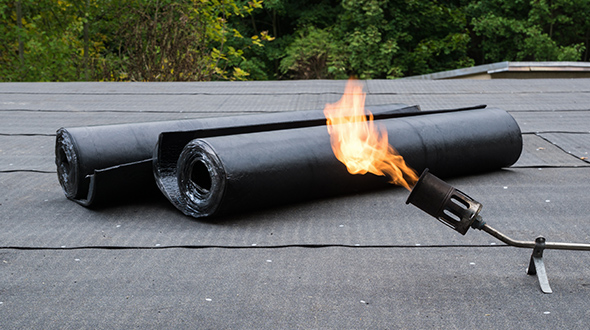
These systems can be installed using torch application, hot mopping, cold adhesives, or self-adhering methods, depending on specific product formulations and project requirements. Multi-ply configurations typically involve a base sheet adhered to the substrate, followed by one or more intermediate plies, and finished with a mineral-surfaced cap sheet.

modified bitumen roofing system installation

Both BUR and modified bitumen systems typically provide service lives of 20-25 years, depending on climate conditions, maintenance quality, and installation workmanship. These systems cost $6-12 per square foot installed, reflecting their labor-intensive installation requirements and robust material specifications.

Metal Commercial Roofing

Metal roofing systems, particularly standing seam systems, offer exceptional longevity and performance for commercial applications. Standing seam systems use interlocking panels that run continuously from eave to ridge, with raised seams that accommodate thermal movement while concealing all fasteners beneath the seams.

Galvanized steel represents the most common metal roofing material, providing excellent strength-to-weight ratios and corrosion resistance when properly coated. Aluminum systems offer superior corrosion resistance and lighter weight, making them ideal for coastal environments or buildings with limited structural capacity. Both materials can support significant snow loads and equipment installations while maintaining structural integrity.

Cool metal roofing incorporates specialized reflective coatings that can reduce energy costs by up to 25% compared to traditional roofing materials. These coatings reflect solar radiation while maintaining high thermal emittance, keeping roof surfaces cooler and reducing air conditioning demands in commercial buildings.

Metal roofing systems provide 40-60 year lifespans with minimal maintenance requirements, making them attractive for long-term ownership scenarios despite higher initial costs. The systems excel in areas with severe weather conditions, providing excellent wind resistance, fire protection, and hail damage resistance.

Installation requires specialized expertise in metal fabrication, thermal movement accommodation, and weather sealing details. Proper installation ensures seams remain watertight throughout decades of thermal cycling while allowing for the substantial movement that occurs across large metal roof surfaces.

Commercial Roofing Installation and Maintenance

Commercial roofing projects involve complex coordination, specialized equipment, and strict adherence to safety protocols that distinguish them from residential installations. The scale, complexity, and performance requirements of commercial properties demand professional expertise and comprehensive planning throughout the project lifecycle.

Installation Process

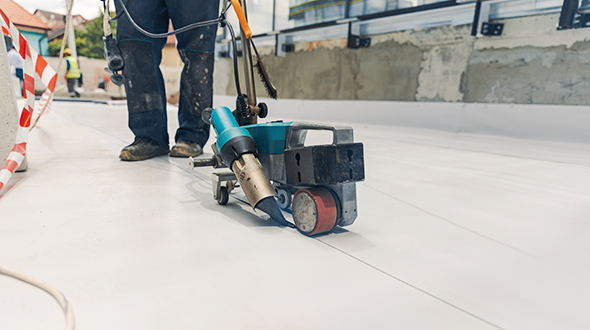
commercial roofing crew installing TPO membrane installation

Commercial roof installations require specialized equipment, including cranes, hot air welders, material hoists, and safety systems designed for large-scale operations. Projects typically require 1-4 weeks, depending on building size, weather conditions, and system complexity, with detailed scheduling to minimize business disruption during installation.

The installation process begins with thorough substrate preparation, including structural assessments, removal of the existing roof when necessary, and deck repairs or modifications to meet current building codes. Insulation installation follows, with commercial buildings typically requiring R-25 to R-30 insulation values in most climate zones to meet energy efficiency requirements.

Installation must comply with stringent building codes, fire ratings, and wind uplift requirements specific to commercial structures. These requirements often exceed residential standards significantly, particularly regarding fire resistance classifications and wind uplift ratings that can exceed 90 pounds per square foot in high-wind zones.

Quality control throughout installation involves multiple inspections, testing of membrane seams, verification of fastener patterns, and documentation of all system components. Many commercial roofing projects require third-party inspections and testing to validate warranty compliance and building code conformance.

Weather coordination becomes critical for commercial installations due to project scale and exposure duration. Contractors must have contingency plans for precipitation protection, wind limitations for crane operations, and temperature requirements for membrane installations and adhesive applications.

Maintenance Requirements

Commercial roofs require professional inspections twice annually—typically in spring and fall—to identify potential issues before they develop into costly problems. These comprehensive inspections examine membrane surfaces, seams, flashings, drainage systems, and rooftop equipment interfaces for signs of deterioration or damage.

Regular maintenance includes cleaning debris from drains and gutters, inspecting membrane seams for separation, checking flashing around penetrations, and ensuring rooftop equipment hasn’t compromised membrane integrity through vibration or improper installation practices. Drainage system maintenance is particularly critical, as clogged drains can cause ponding water that accelerates membrane aging and creates structural concerns.

Preventive maintenance programs can extend roof service life by 50% while preventing approximately 85% of potential leaks when properly implemented. These programs include scheduled inspections, minor repairs, resealing of flashings, and proactive replacement of deteriorating components before failure occurs.

preventive roof maintenance program

Emergency repairs must be addressed within 24-48 hours to prevent interior damage and business disruption. Commercial roofing contractors maintain emergency response capabilities, including temporary waterproofing systems that can protect interior spaces while permanent repairs are planned and executed.

Documentation of all maintenance activities, repairs, and inspections is essential for warranty compliance and asset management planning. Many commercial property owners maintain detailed roof condition databases that track performance trends, maintenance costs, and replacement timing for budgeting purposes.

Why Specialized Commercial Roofers Are Necessary

The complexity and specialized nature of commercial roofing systems demand contractors with specific training, experience, and capabilities that extend far beyond general construction or residential roofing expertise. These requirements reflect the critical nature of commercial roofing systems and their impact on business operations.

Commercial roofers require extensive training in fall protection systems, OSHA safety protocols, and safe working procedures around industrial equipment and occupied buildings. Working on commercial properties often involves complex safety coordination with ongoing business operations, requiring contractors who understand how to minimize disruption while maintaining strict safety standards.

Understanding building codes, fire ratings, and structural load requirements for commercial applications requires specialized knowledge that general contractors typically don’t possess. Commercial buildings must meet stringent performance standards for wind uplift resistance, fire classification, and energy efficiency that demand expertise in system design and installation methods.

Commercial roofing contractors carry substantially higher insurance coverage—typically $2-5 million in liability protection—due to project complexity, property values, and potential business interruption costs. This insurance reflects the higher risks associated with commercial work and provides property owners with protection against potential failures in installations or materials.

Experience with specialized techniques like membrane welding, modified bitumen installation, and complex flashing details is essential for quality workmanship. These skills require extensive training and practice that residential roofers typically don’t develop, as the techniques and materials are specific to commercial applications.

Commercial contractors also maintain relationships with specialized manufacturers and suppliers, ensuring access to commercial-grade materials and technical support throughout project execution. These relationships often include manufacturer training certifications that validate installer qualifications for warranty compliance.

Commercial Roofing Costs and Considerations

Commercial roofing represents a significant capital investment that requires careful financial planning and analysis of long-term costs versus benefits. Understanding the factors that influence costs helps property owners make informed decisions about system selection, contractor choice, and timing of replacement projects.

Commercial roofing costs range, depending on materials, building height, accessibility, and project complexity. This broad range reflects the substantial differences between basic single-ply installations and complex multi-story projects with extensive rooftop equipment and challenging access requirements.

TPO and EPDM roofing systems are popular choices for cost-conscious property owners who need reliable performance without premium pricing. These systems provide good value through proven durability, energy efficiency benefits, and relatively straightforward maintenance requirements.

Metal roofing systems have a higher material costs and specialized installation requirements. However, metal systems often provide superior long-term value through extended service lives, minimal maintenance requirements, and excellent energy efficiency, which can offset higher initial costs.

Several factors significantly impact project costs beyond basic material selection. Roof accessibility affects labor costs and equipment requirements, with high-rise buildings or complex roof configurations requiring specialized equipment and additional safety measures. Existing roof removal adds to project costs when complete tear-offs are necessary.

Insulation upgrades often accompany commercial roof replacements, particularly when buildings need to meet current energy codes. Insulation costs range depending on thickness and material selection, but energy savings often justify these investments through reduced utility costs over the roof’s service life.

commercial roofing

Commercial roofing projects represent major investments ranging from $50,000 for small retail buildings to over $500,000 for large distribution centers or office complexes. This investment scale requires careful contractor selection, thorough contract review, and comprehensive warranty evaluation to protect the property owner’s interests.

Financing considerations often influence project timing and scope, with many property owners coordinating roof replacements with other building improvements to maximize efficiency and minimize business disruption. Lifecycle cost analysis becomes critical when comparing system options, as seemingly expensive systems may provide superior value over 20-30 year analysis periods.

Selecting a professional roofing contractor with commercial expertise, proper licensing, insurance coverage, and manufacturer certifications is essential to protecting this substantial investment. Quality installation directly impacts system performance, longevity, and warranty compliance, making contractor selection as important as material choice for long-term success.

When evaluating commercial roofing options for your property, consider working with experienced commercial roofing contractors who can provide detailed proposals, lifecycle cost analysis, and comprehensive warranty coverage. The complexity and investment level of commercial roofing systems make professional expertise essential for achieving optimal results that protect your business operations for decades to come.

Atlanta Commercial Roofing Contractors

Atlanta, GA
(404) 220-9288

The post What is Commercial Roofing? appeared first on atlantacommercialroofingcontractors.com

Wednesday, November 19, 2025

What Roof Lasts the Longest?

If you’re wondering what type of roof lasts the longest, you’re likely exploring the most durable materials for your property. A roof’s lifespan depends largely on the material, with some options lasting over a century. In this article, we’ll break down the top roofing materials known for their longevity and durability, and highlight what you should know about each one.

what roof lasts the longest

Key Takeaways

  • Roof longevity is primarily influenced by the quality of materials, installation, and maintenance, with metal roofs outlasting asphalt roofs by up to three times.
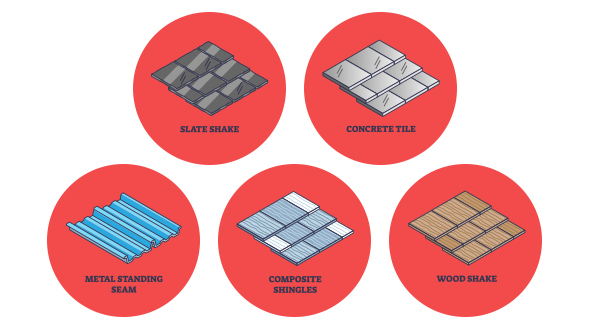
  • The most durable roofing materials include slate, clay and concrete tiles, metal, synthetic options, and wood shingles, each offering unique longevity and maintenance needs.
  • Proper installation and regular maintenance are crucial for maximizing roof lifespan, as environmental factors and material quality can significantly impact durability.

Understanding Roof Longevity

Roof longevity is a topic that should be at the forefront of every homeowner’s mind. Roofing is a significant investment, not only in terms of cost but also in the protection it provides to your property. Several factors, including the quality of the roofing materials, the installation process, and ongoing maintenance, influence the lifespan of a roof. For instance, metal roofs can last three times as long as traditional asphalt roofs, making them a more durable option. Additionally, considering a roof’s longevity can help homeowners make informed decisions about their roofing choices.

The type of roof material you choose will significantly affect how long your roof lasts. High-quality materials, when installed correctly and maintained diligently, can provide exceptional longevity. The average high-quality roof’s life expectancy ranges from 25 to 50 years, but with proper care, even traditional materials like asphalt shingles can reach around 20 years. On the other hand, slate roofs, known for their durability, can last a century with proper upkeep.

It’s essential to understand that every roof will eventually age and require replacement. Cheaper materials may necessitate earlier replacement, potentially leading to higher long-term costs. Diligent maintenance and adherence to local building codes can significantly enhance roof longevity.

Choosing the right materials, along with proper installation and maintenance, maximizes your roof’s life expectancy.

Top Roofing Materials with the Longest Lifespan

top roofing materials with the longest lifespan

Longevity is a key factor when choosing roofing materials, as it greatly influences long-term value and performance. Different materials offer varying lifespans, and selecting the right one can save you both money and maintenance over time. Some of the most durable and longest-lasting roofing materials include:

  • Slate
  • Clay and concrete tiles
  • Metal roofing
  • Synthetic roofing
  • Wood shingles and shakes

Each of these materials has unique properties that contribute to its durability and longevity.

Next, we delve into the specifics of each top-performing roofing material, including the most common roofing material. From the timeless elegance of slate roofs to the innovative designs of synthetic shingles, you’ll see what makes these materials stand out.

Whether you’re planning a new roof installation or a roof replacement, understanding the benefits and drawbacks of each material will help you make an informed decision.

Slate Roofing

Slate roofing is often regarded as the gold standard in roofing materials due to its exceptional durability. A properly maintained slate roof can last between 75 and 100 years, making it one of the longest-lasting roofing materials available. The natural beauty of slate adds a touch of elegance to any home, and its durability ensures that it will stand the test of time.

However, slate roofing is quite heavy and may require additional structural support to be safely installed. This added weight means the roof deck must be strong enough to support it, which can increase the overall installation cost.

Despite these considerations, the longevity and aesthetic appeal of slate roofing make it a popular choice for homeowners seeking a durable and long-lasting roof.

Clay and Concrete Tile Roofing

Clay and concrete tile roofing are renowned for their durability and can last between 50 and 100 years with proper maintenance. These materials are highly resilient to harsh weather conditions and require minimal maintenance, making them an excellent choice for homeowners looking for a long-term roofing solution. The classic look of clay tiles also adds a timeless aesthetic appeal to any home, especially when paired with a tile roof.

Concrete tiles offer similar benefits and are known for their strength and longevity. Both clay and concrete tiles are heavier than traditional roofing materials, so it’s essential to ensure that your roof deck can support their weight. Additionally, concrete tile roofs provide excellent durability and aesthetic appeal.

Despite the initial investment and potential need for additional structural support, the longevity and low maintenance of clay and concrete tiles make them a worthy investment.

Metal Roofing

Metal roofing, including materials like steel, aluminum, and copper, is another top contender for long-lasting roofing solutions. Key points about metal roofs include:

  • They generally last between 40 and 70 years.
  • Copper roofs often exceed 70 years.
  • Their durability is unmatched due to high resistance to corrosion, water damage, and extreme weather conditions, making them a durable roofing material.
  • They are an excellent choice for areas prone to severe weather.

The types of metal roofing materials cater to various needs and preferences. Steel and aluminum are popular for their affordability and durability, while copper and zinc offer a more premium, long-lasting solution. The resistance of metal roofs to high winds, heavy snow loads, and hail further contributes to their longevity.

With minimal maintenance and a long lifespan, metal roofing is a solid investment for most homeowners.

Synthetic Roofing

Synthetic roofing materials have gained popularity for their ability to mimic the appearance of natural materials like slate, cedar shake, and synthetic slate at a lower cost. These materials offer several advantages:

  • Provide the same aesthetic appeal as natural materials
  • Offer increased durability
  • Have a lifespan of over 50 years
  • They are lighter in weight, reducing the need for additional structural support

One of the significant advantages of synthetic roofing is its resistance to common roofing issues like cracking, warping, and moisture damage. These materials are engineered to withstand severe weather, making them a reliable, long-lasting option for homeowners. The combination of durability, aesthetic appeal, and lower cost makes synthetic roofing an attractive choice for many.

Wood Shingles and Shakes

Wood shingles and shakes are valued for their natural beauty and traditional appearance. Typically, these roofing materials last between 30 and 50 years with proper maintenance. Cedar shake shingles, in particular, can last around 30 years, potentially extending to 50 years depending on the climate and maintenance practices. The rustic charm of wood shingles and shakes adds a unique aesthetic appeal to homes.

However, wood roofing requires more maintenance compared to other materials. Regular inspections, cleaning, and treatments are necessary to prevent rot and insect infestation. Despite the higher maintenance needs, the longevity and natural aesthetics of wood shingles and shakes make them a popular choice for those looking to enhance their home’s curb appeal with a wood shingle roof.

Factors Influencing Roof Longevity

factors influencing roof longevity

Several factors influence the longevity of a roof, and understanding these can help you make informed decisions regarding roofing materials. High-quality roofing materials are crucial for ensuring durability, particularly against harsh weather conditions. However, even the best materials can fail if not installed correctly. Proper installation is critical for the durability and reliability of your roof.

Maintenance practices also play a significant role in extending your roof’s lifespan. Regular inspections and timely repairs can prevent minor issues from becoming major problems. Additionally, employing a professional roofing maintenance program or performing regular maintenance yourself can enhance the overall durability of your roof.

Environmental factors, such as pollution and extreme weather, also impact roof longevity. For instance, the following can negatively affect roofing materials:

  • Harsh sunlight
  • High temperatures
  • Freezing cycles

    By considering these factors, you can maximize the life expectancy of your roof and protect your investment.

Climate and Weather Conditions

Climate and weather conditions are among the most significant factors affecting roof longevity. Specific weather patterns influence roof durability in different ways:

  • Extreme weather, such as hail, can cause substantial damage to roofing materials, shortening their lifespan.
  • Harsh sunlight and high temperatures can negatively impact the durability of your roof.
  • Freezing and thawing cycles also affect roof durability.
  • Heat, humidity, and snow affect roofing materials differently.

Certain roofing materials are better suited to withstand severe weather conditions. For example, metal roofing is highly resistant to high winds, heavy snow loads, and hail, making it an excellent choice for areas prone to extreme weather. Additionally, light-colored roofs typically outlast darker ones in warmer climates because they absorb less heat, helping extend the roof’s lifespan.

Installation Quality

The quality of your roof’s installation is critical to its longevity. Even high-quality materials can fail if they are not installed correctly. Proper installation ensures that the roofing materials can withstand the elements and perform as expected. Improper installation can lead to early deterioration, leaks, and structural issues, significantly shortening the roof’s lifespan.

Investing in high-quality materials and experienced roofing professionals is essential to prevent costly repairs and extend the roof’s lifespan. Common signs of poor installation include overlooked details that create vulnerabilities and lead to potential damage. Proper installation and adequate ventilation are critical to ensuring the performance and longevity of any roofing system, including standing-seam metal roofs.

Maintenance Practices

Routine maintenance is key to extending your roof’s lifespan. Effective maintenance practices include:

  • Keeping the roof clean
  • Removing debris
  • Applying sealants when needed

    Regular inspections and debris removal can prevent major repairs and prolong roof life. Regular maintenance significantly extends the lifespan of a roof and prevents costly repairs.

Key maintenance tasks to protect your roof include:

  • Checking and repairing flashing around chimneys to prevent leaks.
  • Inspecting wood roofs regularly and removing debris to prevent rot and infestation.
  • Keeping gutters clean and removing debris to prevent moisture buildup and water damage.
  • Addressing clogged gutters immediately to avoid water damage to the roof, especially from overhanging tree branches.

Tips for Extending Your Roof’s Lifespan

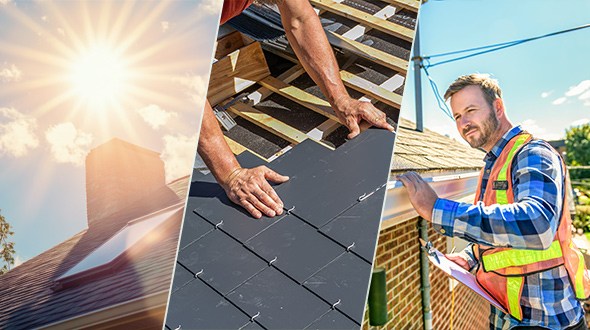
tips to extend roof's lifespan through maintenance inspections

A proactive approach to maintenance and care is key to extending your roof’s lifespan. Regular inspections and maintenance, such as gutter upkeep, help prevent water damage. Proper ventilation also helps maintain consistent attic temperatures and prevents damage from extreme weather.

Next, we explore specific tips for extending your roof’s lifespan, including routine inspections, proper maintenance, and adequate ventilation. Following these tips helps protect your investment and ensures a long-lasting roof.

Conduct Routine Inspections and Perform Proper Maintenance

Routine inspections maintain your roof’s integrity. Hiring a roofing professional ensures a thorough evaluation and identifies any installation issues. Performing routine inspections and regular attic and roof examinations reveals early signs of problems, allowing timely interventions. Additionally, regular inspections provide useful documentation for insurance claims.

The benefits of regular roof inspections include:

  • Maintaining your roof’s integrity
  • Ensuring a thorough evaluation by a professional
  • Identifying any installation issues
  • Revealing early signs of problems through attic and roof examinations
  • Allowing timely interventions
  • Providing useful documentation for insurance claims

Preventing minor issues from becoming major problems requires regular checks and immediate repairs. By conducting routine inspections, you can address potential problems early and extend your roof’s lifespan.

Moreover, proper maintenance extends your roof’s lifespan. Removing debris prevents moisture accumulation and maintains its integrity. Additionally, keeping gutters clean and removing debris is vital to prevent moisture buildup that could lead to water damage.

Ensure Adequate Ventilation

Proper ventilation is crucial for preventing moisture buildup and maintaining appropriate temperature levels in the roofing system. While a few different types of roof vents exist, lack of proper ventilation can result in significant moisture accumulation, leading to mold growth and structural damage.

Improper ventilation can also cause temperature extremes, leading to frost damage in colder climates and overheating in warmer conditions, both of which adversely impact roof integrity. Ensuring adequate ventilation is essential for extending the lifespan of your roof.

Pros and Cons of Long-Lasting Roofing Materials

Long-lasting roofing materials have their own advantages and disadvantages. Understanding these can help you make an informed decision when selecting the right roofing material for your home. Consider the following points:

  • Durable materials like metal roofs and slate roofs offer exceptional longevity.
  • They often come with higher upfront costs.
  • These initial investments can be offset by their extended lifespan.
  • They also have lower maintenance needs.

Additionally, the aesthetic appeal and environmental impact of these materials are also essential factors to consider. Some materials, like slate and clay tiles, not only enhance the visual charm of your home but also have a lower environmental footprint compared to more common roofing materials like asphalt shingles.

Understanding the balance between cost, longevity, aesthetic appeal, and environmental impact will help you select the best roofing material for your needs.

Cost vs. Longevity

roof cost vs lifespan

When considering roofing materials, it’s crucial to weigh the cost against longevity. For example, standing seam metal roofing:

  • Costs range from $10.00 to $20.00 per square foot, resulting in a higher initial investment.
  • It is durable and visually appealing.
  • Requires minimal maintenance, adding to its long-term value.
  • Comes with a material warranty that includes a 30-year paint warranty on Kynar 500 finish, indicating longevity and quality.

On the other hand, wood shingles, while aesthetically pleasing, are generally considered high maintenance and expensive, which can affect overall long-term costs. When investing in roofing, it’s essential to consider both upfront costs and long-term value to make an informed decision.

Aesthetic Appeal

The visual appeal of your roof can significantly influence your home’s overall style and market value. Certain roofing materials, such as slate and clay tiles, enhance a home’s visual appeal and can significantly increase its market value. These materials not only offer durability but also provide unique visual styles that can complement the architectural design of your home.

For instance, slate roofing is known for its timeless elegance and natural beauty, while cedar shakes offer a rustic charm that adds significant curb appeal. By selecting the right roofing material, you can enhance both the durability and aesthetic appeal of your home, making it more attractive to potential buyers.

Environmental Impact

The environmental impact of roofing materials is an increasingly important consideration for many homeowners. Here are some points about common roofing materials:

  • Metal and clay tiles are often more sustainable and have a lower environmental footprint compared to asphalt shingles.
  • Asphalt shingle products contribute significantly to landfill waste.
  • Metal roofing reflects heat, reducing cooling costs and enhancing energy efficiency.

Synthetic roofing materials also offer sustainability and energy efficiency benefits. By choosing eco-friendly roofing options, you can reduce your environmental footprint and promote sustainability. Additionally, many of these materials use recycled components or are fully recyclable, further contributing to environmental conservation.

Choosing the Right Roofing Material for Your Property

Selecting the right roofing material for your property involves considering several factors, including your budget, home style, and local climate. Durable roofing materials like slate and clay tiles may offer substantial longevity but often require specialized structural support and incur higher initial costs. However, their extended lifespan and lower maintenance needs can result in better value over time.

Sustainable roofing options, such as recycled materials, can help reduce the environmental footprint and promote sustainability. Investing in long-lasting roofing may involve higher initial costs, but it often leads to savings over time through reduced repair frequency and lower long-term maintenance costs.

Carefully considering these factors helps you select the right roofing material for your needs and budget.

Longest Lasting Roofs Summary

Understanding the longevity of roofing materials and the factors that influence their lifespan is crucial for making informed decisions about your roof. Long-lasting materials like slate, clay, and concrete tiles; metal; synthetic roofing; and wood shingles and shakes offer unique benefits and challenges. Proper installation, regular maintenance, and consideration of climate and weather conditions are key to maximizing your roof’s lifespan.

By weighing the pros and cons of each material —cost versus longevity, aesthetic appeal, and environmental impact —you can choose the right roofing material for your home. Investing in a durable, long-lasting roof not only protects your home but also enhances its value and curb appeal. Make a thoughtful decision, and your roof will stand the test of time, providing shelter and security for years to come.

Frequently Asked Questions

What are the longest-lasting roofing materials?

Slate, clay, and concrete tiles, metal roofing, and synthetic roofing are among the longest-lasting roofing materials, offering lifespans of 50 to 100 years or more. Choosing these options can provide enduring durability and protection for your property.

How does climate affect roof longevity?

Climate plays a crucial role in determining roof longevity, as extreme weather events such as hail, high winds, and intense sunlight can exacerbate wear and tear on roofing materials. Understanding these impacts can help in choosing the right roofing systems for specific environmental conditions.

Why is proper installation crucial for roof longevity?

Proper installation is crucial for roof longevity because it ensures the materials can endure environmental stresses and function effectively. Inadequate workmanship may result in premature deterioration and significant structural problems.

What maintenance practices can extend the lifespan of my roof?

Regular inspections, prompt debris removal, and proper ventilation are crucial practices that can significantly extend your roof’s lifespan. By adhering to these practices, you can help prevent costly repairs and ensure your roof remains in good condition for years to come.

How do I choose the right roofing material for my home?

To choose the right roofing material for your home, evaluate your budget, your home’s style, local climate conditions, and the long-term value of different materials. Prioritizing durability and sustainability will yield better value in the long run.

Atlanta Commercial Roofing Contractors

Atlanta, GA
(404) 220-9288

The post What Roof Lasts the Longest? appeared first on atlantacommercialroofingcontractors.com
Thursday, October 23, 2025

Can You Paint a Metal Roof?

Yes, you can paint a metal roof. Doing so can protect it from rust, improve its appearance, and extend its life. In this article, we will explore the question: Can you paint a metal roof? We will cover everything you need to know about painting a metal roof.

can you paint a metal roof

Key Takeaways

  • Painting a metal roof can enhance its appearance, protect it from corrosion, and extend its lifespan by 10 to 20 years.
  • Proper preparation, including cleaning, rust removal, and priming, is essential for a successful paint job on a metal roof.
  • Choosing the right paint, applying multiple thin coats, and following safety precautions are key to achieving long-lasting results.

Is It Possible to Paint a Metal Roof?

Yes, you can paint a metal roof — and doing so can give your home a fresh, updated look. While the process comes with certain challenges, such as safety risks and the need for proper preparation, the benefits are well worth the effort. Painting a metal roof not only enhances curb appeal but also helps protect against corrosion and can extend the roof’s lifespan, making it a cost-effective alternative to a full replacement.

Weighing the benefits and challenges is important when considering painting a metal roof. A fresh coat of paint can dramatically improve your home’s curb appeal, providing a new lease of life to an aging roof. Additionally, it acts as a barrier against environmental elements, preventing rust and other damage that can lead to costly repairs.

Approaching the task with careful planning is crucial. Steps include choosing the right paint system, preparing the surface, and, if desired, hiring professional painters for a high-quality finish. A well-planned approach can make painting a metal roof a rewarding project, significantly enhancing your home’s value and longevity.

Benefits of Painting Your Metal Roof

benefits of painting a metal roof

One of the main benefits of painting a metal roof is the significant boost in aesthetic appeal. A well-painted roof can enhance your home’s exterior design, giving it a more modern, polished, and well-maintained appearance. Whether you choose a subtle hue or a bold color, a quality paint job can make your home stand out beautifully in the neighborhood.

Beyond aesthetics, painting metal roofing can also extend its lifespan by 10 to 20 years. The paint acts as a protective layer, shielding the metal from the elements and preventing issues like rust and corrosion. This means fewer repairs and replacements over time, saving you money in the long run.

Painting your metal roof can also improve energy efficiency. Reflective colors like white reduce heat absorption, keeping your home cooler in hot months. This can lead to lower energy bills and a more comfortable living environment.

Overall, a high-quality paint job enhances your metal roof’s look, durability, and energy efficiency.

Assessing Your Metal Roof’s Condition

Assessing the condition of your existing metal roof is a crucial first step before painting. Look for signs such as:

  • Rust
  • Discoloration
  • Fading colors
  • Other abnormalities that might indicate the roof needs attention

Mold or mildew can signal moisture accumulation, which should be addressed before painting to make sense.

Examine the underlayment and fasteners as well:

  • Check for loose or missing fasteners, as they can compromise the roof’s integrity.
  • Inspect the underlayment for damage, which might necessitate repairs before painting.
  • Pay special attention to seams and transitions, as these areas are prone to leaks and need thorough inspection.

Regular inspections help maintain your roof in good condition. Inspect your metal roof at least once a year to catch and address issues early. If you find extensive damage or corrosion, it might be more cost-effective to replace the roof rather than paint it.

Preparing Your Metal Roof for Painting

Proper preparation is essential for a successful paint job on a metal roof. Key steps include:

  • Cleaning the surface
  • Removing rust
  • Applying a primer

    Each of these steps is crucial to ensure the paint adheres well and provides long-lasting protection.

Cleaning the Surface

metal roof being cleaned and prepared for painting

To prepare the surface for a new coating:

  1. Gather the necessary tools, such as a pressure washer and a wire brush.
  2. Clear dirt, debris, mold, and loose paint to ensure proper adhesion.
  3. Use a wire brush to remove mold.
  4. Wash the area with soap and water.
  5. Rinse thoroughly.
  6. Let the area dry completely.

A biodegradable cleaner, when mixed with water, effectively tackles stubborn stains. This solution is effective for challenging cleaning tasks. Pressure washing is recommended for thorough cleaning; ensure the surface is completely dry before proceeding.

Rust Removal and Sanding

Rust removal is critical to prevent uneven paint and peeling. Remove rust spots with sandpaper or a wire brush to ensure a smooth surface for the paint. After sanding, peel away any loose debris to maintain a clean surface and address any rusted areas.

Sanding after cleaning creates a texture that helps the paint grip better. Neglecting rust removal can lead to future peeling and reduced paint durability.

Applying Primer

Priming is a vital step in preparing your metal roof for painting. A high-quality primer improves paint adherence and prevents rust, enhancing the paint job’s longevity. Apply the primer evenly and thinly to avoid drips and ensure thorough coverage.

Let the primer dry completely before painting. Check the manufacturer’s instructions for optimal drying time. For extensive rust, use a rust-inhibiting primer for effective coverage.

Choosing the Right Paint for Metal Roofs

choosing the right paint for a metal roof

Choosing the right paint is crucial for a durable and attractive finish on your metal roof. Both acrylic latex and oil-based alkyd paint are suitable for metal roofing. Still, acrylic latex paint is often recommended because it stretches to prevent cracking and peeling from temperature changes.

Matching the primer with the paint type ensures compatibility and optimal performance. Consider properties like water resistance, fire resistance, and UV protection when choosing paint to enhance durability.

Also, consider the paint color. Reflective colors like white improve energy efficiency by reducing heat absorption, while dark colors offer a dramatic look but could raise indoor temperatures, which makes sense.

Weather Considerations for Painting

Weather significantly affects the success of your paint job. The ideal temperature range for painting a metal roof is 50°F to 85°F. This range ensures proper paint adhesion and longevity.

Avoid painting during high humidity or extreme heat, as these conditions affect paint adhesion and curing. Spring and fall are generally the best times for this project, as the weather is more moderate.

Application Techniques for Best Results

Proper application techniques are essential for a durable and visually appealing paint job on a metal roof. Focus on even coverage, especially around seams and fasteners, to avoid moisture ingress and ensure a long-lasting finish.

Using a Paint Sprayer

A paint sprayer is highly effective for painting a metal roof. It ensures even application, which is crucial for a consistent look and a smooth finish. This method also enhances appearance and makes the process more efficient.

A paint sprayer helps reach difficult areas and ensures thorough coverage, vital for preventing rust and extending the roof’s lifespan.

Focusing on Seams and Fasteners

Seams and fasteners are vulnerable and require special attention during painting. These areas are prone to moisture buildup and need thorough paint coverage. Properly covering standing seam and fasteners prevents corrosion and potential leaks, extending the roof’s service life.

Applying Multiple Coats

Multiple thin coats of paint are more effective than one thick coat. This enhances durability and finish quality, ensuring better paint adhesion and longevity. If surfaces are not properly maintained, they may need to be repainted.

Let each coat dry thoroughly before applying the next to avoid peeling. This step is crucial for a professional-looking and long-lasting paint job.

Safety Precautions During Painting

Safety is a top priority when painting a metal roof. Use a stable ladder on a level surface to prevent accidents. A safety harness is essential, especially on higher sections of the roof.

Wear protective eyewear and non-slip shoes to shield against paint splashes and ensure stability. If unfamiliar with roofing safety protocols, consider hiring professional painters for a safe and effective job.

Maintenance Tips After Painting

Regular roof maintenance is essential to preserve the appearance and integrity of your painted metal roof. Regular cleaning maintains the integrity of the paint system and prevents degradation. Annual cleaning enhances the roof’s aesthetic appeal by removing dirt, leaves, and mold.

Use touch-up paint to repair minor scratches or blemishes, keeping the roof in good condition. Proper attention to seams and fasteners prevents moisture buildup, which is critical to roof longevity.

Hiring a professional commercial roof maintenance cleaning service ensures safe and effective maintenance, extending the paint’s lifespan and keeping your house looking its best.

Painting a Metal Roof Summary

painting a metal roof

Painting a metal roof can be a highly rewarding project, offering benefits such as improved aesthetics, increased durability, and enhanced energy efficiency. By following proper preparation steps, selecting high-quality materials, and applying the paint correctly, you can achieve a long-lasting and visually appealing finish.

Regular maintenance is essential to preserve the paint’s integrity and ensure the roof stays in excellent condition for years to come. With careful planning and attention to detail, painting your metal roof can be a cost-effective way to boost both your home’s appearance and overall value.

Atlanta Commercial Roofing Contractors

Atlanta, GA
(404) 220-9288

The post Can You Paint a Metal Roof? appeared first on atlantacommercialroofingcontractors.com
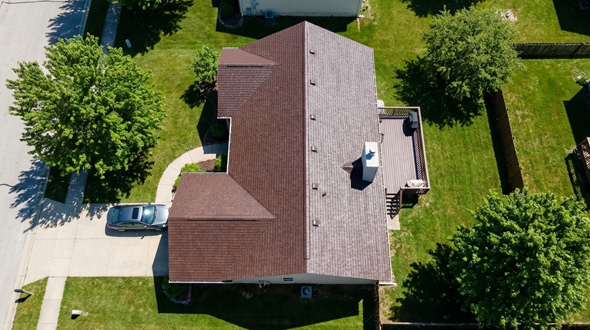
Top Roofing Manufacturers – Brands We Trust as Roofers

As roofers, we’ve installed thousands of roofs across every imaginable condition—scorching summers, brutal winters, hurricane-force winds, a...