Showing posts with label Metal Roof. Show all posts

Thursday, October 23, 2025

Can You Paint a Metal Roof?

Yes, you can paint a metal roof. Doing so can protect it from rust, improve its appearance, and extend its life. In this article, we will explore the question: Can you paint a metal roof? We will cover everything you need to know about painting a metal roof.
can you paint a metal roof

Key Takeaways

  • Painting a metal roof can enhance its appearance, protect it from corrosion, and extend its lifespan by 10 to 20 years.
  • Proper preparation, including cleaning, rust removal, and priming, is essential for a successful paint job on a metal roof.
  • Choosing the right paint, applying multiple thin coats, and following safety precautions are key to achieving long-lasting results.

Is It Possible to Paint a Metal Roof?

Yes, you can paint a metal roof — and doing so can give your home a fresh, updated look. While the process comes with certain challenges, such as safety risks and the need for proper preparation, the benefits are well worth the effort. Painting a metal roof not only enhances curb appeal but also helps protect against corrosion and can extend the roof’s lifespan, making it a cost-effective alternative to a full replacement.

Weighing the benefits and challenges is important when considering painting a metal roof. A fresh coat of paint can dramatically improve your home’s curb appeal, providing a new lease of life to an aging roof. Additionally, it acts as a barrier against environmental elements, preventing rust and other damage that can lead to costly repairs.

Approaching the task with careful planning is crucial. Steps include choosing the right paint system, preparing the surface, and, if desired, hiring professional painters for a high-quality finish. A well-planned approach can make painting a metal roof a rewarding project, significantly enhancing your home’s value and longevity.

Benefits of Painting Your Metal Roof
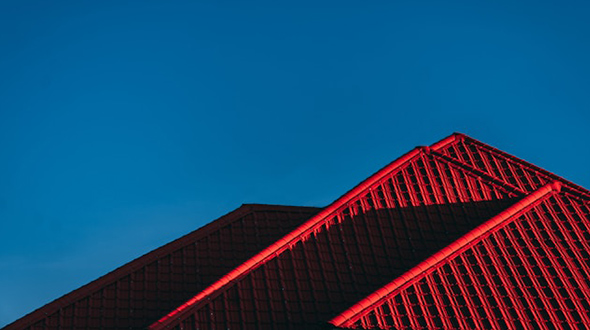
benefits of painting a metal roof

One of the main benefits of painting a metal roof is the significant boost in aesthetic appeal. A well-painted roof can enhance your home’s exterior design, giving it a more modern, polished, and well-maintained appearance. Whether you choose a subtle hue or a bold color, a quality paint job can make your home stand out beautifully in the neighborhood.

Beyond aesthetics, painting metal roofing can also extend its lifespan by 10 to 20 years. The paint acts as a protective layer, shielding the metal from the elements and preventing issues like rust and corrosion. This means fewer repairs and replacements over time, saving you money in the long run.

Painting your metal roof can also improve energy efficiency. Reflective colors like white reduce heat absorption, keeping your home cooler in hot months. This can lead to lower energy bills and a more comfortable living environment.

Overall, a high-quality paint job enhances your metal roof’s look, durability, and energy efficiency.

Assessing Your Metal Roof’s Condition

Assessing the condition of your existing metal roof is a crucial first step before painting. Look for signs such as:

  • Rust
  • Discoloration
  • Fading colors
  • Other abnormalities that might indicate the roof needs attention

Mold or mildew can signal moisture accumulation, which should be addressed before painting to make sense.

Examine the underlayment and fasteners as well:

  • Check for loose or missing fasteners, as they can compromise the roof’s integrity.
  • Inspect the underlayment for damage, which might necessitate repairs before painting.
  • Pay special attention to seams and transitions, as these areas are prone to leaks and need thorough inspection.

Regular inspections help maintain your roof in good condition. Inspect your metal roof at least once a year to catch and address issues early. If you find extensive damage or corrosion, it might be more cost-effective to replace the roof rather than paint it.

Preparing Your Metal Roof for Painting

Proper preparation is essential for a successful paint job on a metal roof. Key steps include:

  • Cleaning the surface
  • Removing rust
  • Applying a primer

    Each of these steps is crucial to ensure the paint adheres well and provides long-lasting protection.

Cleaning the Surface
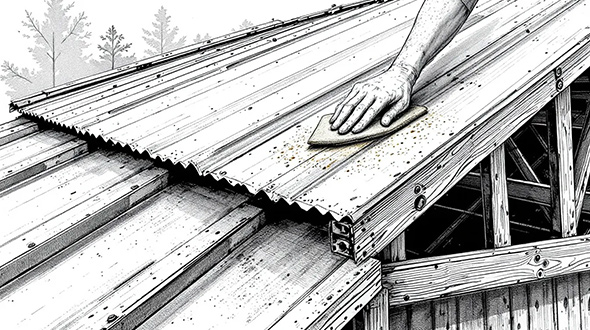
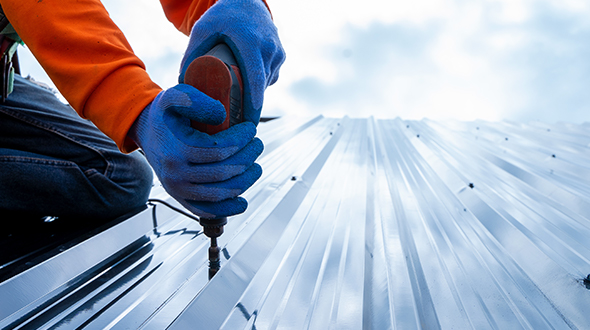
metal roof being cleaned and prepared for painting

To prepare the surface for a new coating:

  1. Gather the necessary tools, such as a pressure washer and a wire brush.
  2. Clear dirt, debris, mold, and loose paint to ensure proper adhesion.
  3. Use a wire brush to remove mold.
  4. Wash the area with soap and water.
  5. Rinse thoroughly.
  6. Let the area dry completely.

A biodegradable cleaner, when mixed with water, effectively tackles stubborn stains. This solution is effective for challenging cleaning tasks. Pressure washing is recommended for thorough cleaning; ensure the surface is completely dry before proceeding.

Rust Removal and Sanding

Rust removal is critical to prevent uneven paint and peeling. Remove rust spots with sandpaper or a wire brush to ensure a smooth surface for the paint. After sanding, peel away any loose debris to maintain a clean surface and address any rusted areas.

Sanding after cleaning creates a texture that helps the paint grip better. Neglecting rust removal can lead to future peeling and reduced paint durability.

Applying Primer

Priming is a vital step in preparing your metal roof for painting. A high-quality primer improves paint adherence and prevents rust, enhancing the paint job’s longevity. Apply the primer evenly and thinly to avoid drips and ensure thorough coverage.

Let the primer dry completely before painting. Check the manufacturer’s instructions for optimal drying time. For extensive rust, use a rust-inhibiting primer for effective coverage.

Choosing the Right Paint for Metal Roofs
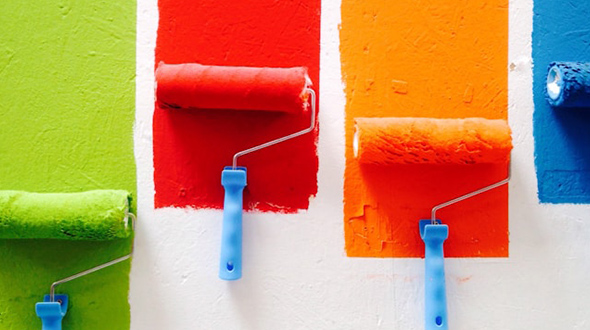
choosing the right paint for a metal roof

Choosing the right paint is crucial for a durable and attractive finish on your metal roof. Both acrylic latex and oil-based alkyd paint are suitable for metal roofing. Still, acrylic latex paint is often recommended because it stretches to prevent cracking and peeling from temperature changes.

Matching the primer with the paint type ensures compatibility and optimal performance. Consider properties like water resistance, fire resistance, and UV protection when choosing paint to enhance durability.

Also, consider the paint color. Reflective colors like white improve energy efficiency by reducing heat absorption, while dark colors offer a dramatic look but could raise indoor temperatures, which makes sense.

Weather Considerations for Painting

Weather significantly affects the success of your paint job. The ideal temperature range for painting a metal roof is 50°F to 85°F. This range ensures proper paint adhesion and longevity.

Avoid painting during high humidity or extreme heat, as these conditions affect paint adhesion and curing. Spring and fall are generally the best times for this project, as the weather is more moderate.

Application Techniques for Best Results

Proper application techniques are essential for a durable and visually appealing paint job on a metal roof. Focus on even coverage, especially around seams and fasteners, to avoid moisture ingress and ensure a long-lasting finish.

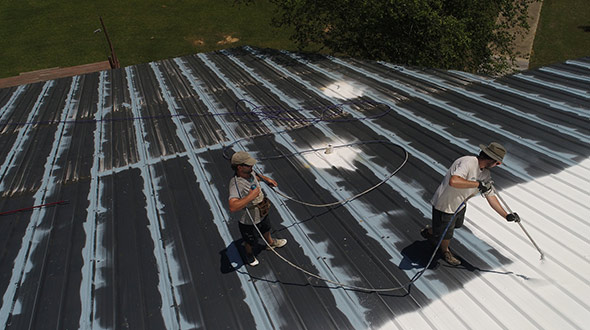
Using a Paint Sprayer

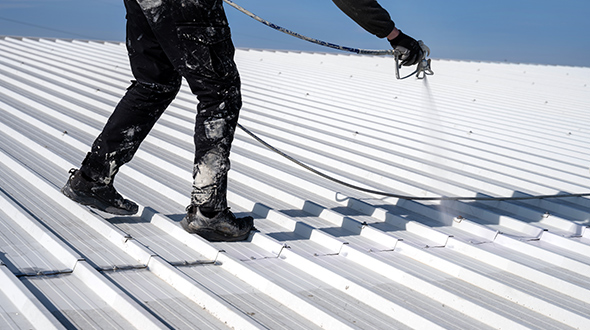
A paint sprayer is highly effective for painting a metal roof. It ensures even application, which is crucial for a consistent look and a smooth finish. This method also enhances appearance and makes the process more efficient.

A paint sprayer helps reach difficult areas and ensures thorough coverage, vital for preventing rust and extending the roof’s lifespan.

Focusing on Seams and Fasteners

Seams and fasteners are vulnerable and require special attention during painting. These areas are prone to moisture buildup and need thorough paint coverage. Properly covering standing seam and fasteners prevents corrosion and potential leaks, extending the roof’s service life.

Applying Multiple Coats

Multiple thin coats of paint are more effective than one thick coat. This enhances durability and finish quality, ensuring better paint adhesion and longevity. If surfaces are not properly maintained, they may need to be repainted.

Let each coat dry thoroughly before applying the next to avoid peeling. This step is crucial for a professional-looking and long-lasting paint job.

Safety Precautions During Painting

Safety is a top priority when painting a metal roof. Use a stable ladder on a level surface to prevent accidents. A safety harness is essential, especially on higher sections of the roof.

Wear protective eyewear and non-slip shoes to shield against paint splashes and ensure stability. If unfamiliar with roofing safety protocols, consider hiring professional painters for a safe and effective job.

Maintenance Tips After Painting

Regular roof maintenance is essential to preserve the appearance and integrity of your painted metal roof. Regular cleaning maintains the integrity of the paint system and prevents degradation. Annual cleaning enhances the roof’s aesthetic appeal by removing dirt, leaves, and mold.

Use touch-up paint to repair minor scratches or blemishes, keeping the roof in good condition. Proper attention to seams and fasteners prevents moisture buildup, which is critical to roof longevity.

Hiring a professional commercial roof maintenance cleaning service ensures safe and effective maintenance, extending the paint’s lifespan and keeping your house looking its best.

Painting a Metal Roof Summary
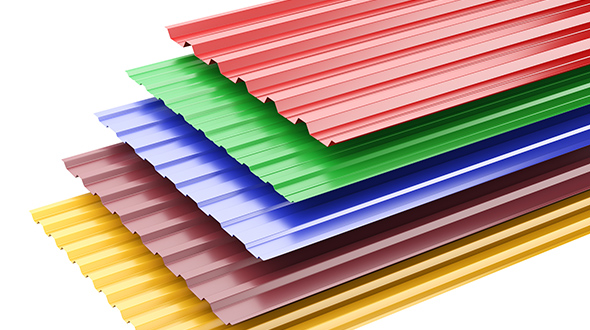
painting a metal roof

Painting a metal roof can be a highly rewarding project, offering benefits such as improved aesthetics, increased durability, and enhanced energy efficiency. By following proper preparation steps, selecting high-quality materials, and applying the paint correctly, you can achieve a long-lasting and visually appealing finish.

Regular maintenance is essential to preserve the paint’s integrity and ensure the roof stays in excellent condition for years to come. With careful planning and attention to detail, painting your metal roof can be a cost-effective way to boost both your home’s appearance and overall value.

Atlanta Commercial Roofing Contractors

Atlanta, GA
(404) 220-9288

The post Can You Paint a Metal Roof? appeared first on atlantacommercialroofingcontractors.com

Monday, February 26, 2024

Metal Roof Damage

Suspecting metal roof damage can be unsettling, given your investment in this long-lasting roofing system. This guide addresses how to spot and respond to damage, from hail impacts to corrosion, and how to prevent these issues actively. With a focus on practical advice, we’ll help you weigh the metal roofing pros and cons and navigate the steps needed to maintain a durable, weather-resistant metal roof.

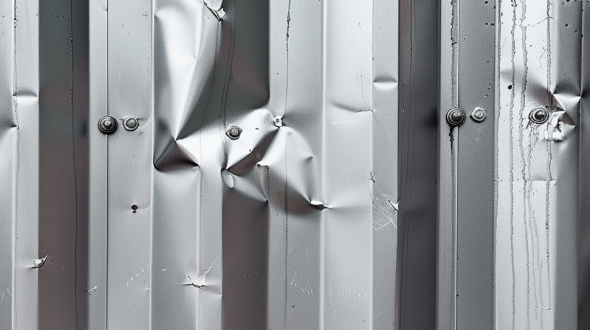
metal roof with hail damage

Metal Roof Damage Key Takeaways

  • Metal roofs can suffer from leaks, dents, and rust due to environmental factors. However, understanding the common signs of damage like discoloration, unusual noise, and wrinkling panels is vital for early detection and repair.
  • Preventative measures such as proper installation, regular maintenance, and protective coatings can significantly extend the life and performance of metal roofs, proving more cost-effective over time compared to post-damage reparations.
  • Repair techniques for metal roof damage include smoothing out dents, sealing punctures, and applying rust-preventative coatings. In contrast, severe damage might require a complete replacement, emphasizing the importance of regular roof inspections and maintenance.

Understanding Metal Roof Damage: Common Causes and Signs

Before diving into prevention and repair strategies, it’s vital to comprehend the potential issues that can occur. Metal roofs, though robust, are not immune to the wrath of nature or the passage of time. Various factors can lead to issues such as leaks, dents, and rust.

These issues often manifest in visible signs such as:

  • Discoloration
  • Unusual noise during windy conditions
  • Wrinkling or waviness in metal panels
  • Roof seams diverging

Each of these signs points to a different type of damage. For example, discoloration often signals corrosion and rust, while unusual noise can highlight loose or missing metal roof panels. Recognizing these indicators is crucial for swift and efficient damage control.

Hailstorms and Metal Roofs

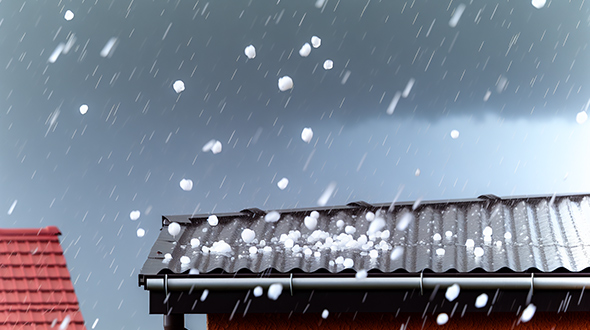
a hailstorm affecting a metal roof

Hailstorms, though brief, can leave a lasting mark on metal roofs. The damage from a hail storm can range from cosmetic dents to functional punctures, with the latter being less common with smaller hailstones. However, even cosmetic damage can lead to more severe problems over time if not addressed promptly.

The slope and underlying structure of a metal roof, along with the thickness and gauge of the metal used, can significantly influence its ability to withstand hail damage. Metal roofs can be assessed for hail impact resistance through the UL 2218 testing standard, which involves dropping steel balls onto the panels to simulate hail. Finishes, such as matte, and features, like embossed metal or stiffening ribs, can help conceal hail-induced dents.

For better hail protection, metal roofing panels with high tensile strength, a suitable gauge like a minimum of 26 gauge steel, and the highest UL Impact resistance rating, such as Class 4, are advisable.

Wind-Related Damage

Wind, though seemingly harmless, can wreak havoc on a metal roof. Expansion and contraction of the metal caused by temperature changes can lead to:

  • Loose or missing fasteners increase the roof’s vulnerability to wind uplift
  • Dislodged or damaged roofing components
  • Flying debris during storms potentially causes punctures or significant structural damage to metal roofs.

Nevertheless, the correct installation and roof deck selection can significantly contribute to wind damage resistance. Some metal roofs can withstand wind gusts up to 140 mph, and certain designs are preferred in hurricane-prone areas. This again emphasizes the need for professional installation and careful selection of roofing materials.

Corrosion and Rust

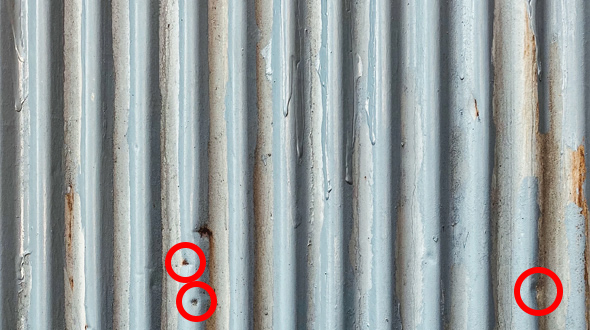
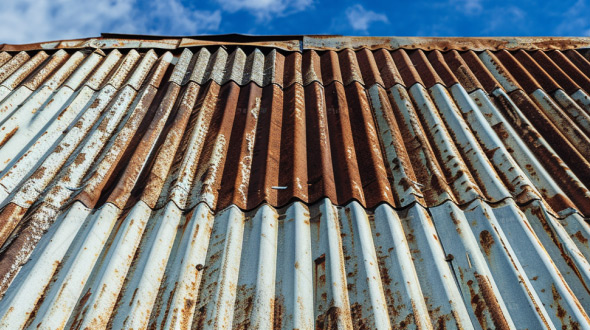
corrosion and rust damage to a metal roof

Corrosion and rust are familiar foes of metal roofs. The primary culprit behind these issues is water, as the presence of oxygen in water and moisture can create iron oxide on any iron mass, such as steel. This process is accelerated by the presence of electrolytes such as acidic rain or salty water, especially prevalent near oceans.

Materials such as aluminum and Galvalume, a combination of aluminum and zinc, are more resistant to the corrosive effects of seawater and rust, making them suitable for environments like coastal areas. Additionally, stucco-embossed metal roofs can help reduce the visibility of corrosion and rust, aiding longevity and aesthetic appearance.

Preventative Measures for Metal Roof Damage

As with any preventive measure, averting damage to a metal roof proves more cost-effective over time than dealing with issues post-occurrence. A properly installed metal roof can last for decades, demonstrating significant long-term cost-effectiveness. Key preventative measures include proper installation, regular maintenance and inspections, and the use of protective coatings and treatments.

These measures all contribute to the longevity of a metal roof:

  • Proper installation ensures secure fasteners and leak prevention
  • Regular maintenance and inspections facilitate the early detection and repair of issues
  • Protective coatings and treatments bolster the roof’s defense against environmental elements

The significance of these preventive measures cannot be emphasized enough.

Proper Installation

Correct installation lays the foundation for a durable metal roof. A properly installed and securely tightened fastener is crucial for reducing the risk of wind uplift and preventing panels from becoming loose or detaching. A meticulous inspection of components such as washers and screws is part of proper installation, ensuring that no fasteners are exposed to avoid leaks or other damage.

proper installation of metal roof

Moreover, a properly installed metal roof can offer the following benefits:

  • Last as long as the house itself, with potential lifespans of 40 to 70 years
  • Less likely to incur damage from falling limbs and projectiles
  • Do not spark or ignite during lightning strikes

Thus, working with a local expert specializing in metal roofing is recommended to ensure the installation is done correctly, maximizing the roof’s lifespan.

Regular Maintenance and Inspections

Consistent maintenance and inspections form the crux of maintaining a sturdy metal roof. Performing regular maintenance and inspections every six months can help detect early signs of problems such as:

  • Wind damage
  • Leaking
  • Denting
  • Scuffing
  • Scratching
  • Corrosion

Proper maintenance ensures the longevity of a standing seam metal roof and extends the lifespan of an asphalt shingle roof.

Structural maintenance should include checking and fixing fasteners, rivets, screws, and seams at least once every two years, while gutters and drains should be cleaned annually to prevent water-related issues; maintenance frequency may increase in extreme climates.

Keeping the roof clear of branches, leaves, and other debris is essential to avoid scuffs or scratches, and regular cleaning of the roof surface helps to extend the roof’s life and maintain its appearance.

Regularly inspecting for punctures from fallen debris and acting promptly at the initial signs of rust is essential to stop further roof degradation. For safety, employing an aerial work platform, using a harness and safety line, or considering a drone for hard-to-reach areas is recommended to avoid accidents.

Protective Coatings and Treatments

Protective coatings and treatments are pivotal in averting damage to metal roofs. These are essential for shielding metal roofs from:

  • Sun
  • Wind
  • Rain
  • Corrosion
  • Rust

High-quality metal roof coatings, such as epoxy and rubber-fortified acrylics, are designed to encapsulate the commercial roof and withstand significant expansion and contraction, making them excellent prepared roof covering materials.

Spray polyurethane foam (SPF) can be installed over metal roofs to increase R-value and provide moisture damage control through closed-cell insulation. Silicone roof coating systems offer a renewed warranty and are a cost-effective repair option for intact or minimally damaged seams. Besides leak prevention, coatings can enhance thermal performance and insulation, which benefits metal roofs in extreme temperatures.

Protective coatings can be customized in color and formulation to meet specific aesthetic preferences and design requirements for metal roofing systems. Periodic maintenance of metal roof coatings can significantly prolong the roof’s lifespan, sometimes extending it to 20 years or more.

Repairing Metal Roof Damage: Solutions and Techniques

Sometimes, despite our best efforts, issues can arise. When they do, knowing how to repair metal roof damage efficiently and effectively is key. This may involve addressing dents and punctures, fixing leaks and seam separation, and treating rust and corrosion. Severe damage may require extensive measures, such as a complete roof system replacement, which can range from $5 to $9 per square foot.

While these costs might seem high, they are often a necessary investment to ensure the longevity of the roof and the safety of the building’s occupants. Complete seam blowouts and excessive saturation over 25% of the roof area are examples of severe damage that may necessitate a full replacement.

Addressing Dents and Punctures

Dents and punctures can be a common sight after a severe storm. Assessing the size and depth of these damages is crucial to determine whether a patch is necessary or if a full panel replacement is needed. Minor dents can often be smoothed out with tools such as a rubber mallet, while more significant depressions may require a body filler to restore the metal’s surface to its original form.

metal roof repair process

For punctures, a metal patch carefully sealed with urethane sealant is typically the best course of action. This helps to maintain the integrity of the roof and prevent future leakage. Remember, it’s crucial to address even minor damages promptly to prevent them from escalating into more severe issues.

Fixing Leaks and Seam Separation

Leaks and seam separations can cause significant damage if left unaddressed. A thorough inspection by a professional roofing contractor is essential for detecting these issues in metal roofing systems. Roof leaks in metal roofs can often be repaired by replacing worn-out or damaged screws and fasteners, which are typically the weak points where water can infiltrate.

In addition to replacing damaged components, installing a roof coating system is an effective method for preventing leaks and contributing to roof restoration. This involves power washing the roof and applying an extra coating over seams and fasteners after preparation. This not only fixes the current leaks but also helps prevent future ones, making it a worthwhile investment in the long run.

Treating Rust and Corrosion

Rust and corrosion, if left unchecked, can seriously compromise the integrity of a metal roof. When rust appears, it signifies the failure of the protective coating and necessitates immediate remedial action. The most common areas for rust to develop are around the fixings or roof screws and at roof sheet overlaps, particularly if the screw heads are damaged during installation.

Small amounts of rust can be treated by:

  1. Scrubbing with a wire brush
  2. Cleaning with hot, soapy water
  3. Thoroughly drying the area
  4. Preparing it for a protective coating

Once the rust has been cleaned off, silicone-based paint should be applied to the metal substrate and screw heads to provide a barrier against future corrosion. This ensures that the roof remains strong and durable, capable of withstanding harsh weather conditions.

Choosing the Right Metal Roofing Material for Your Needs

Choosing the suitable metal roofing material for your needs can significantly impact the longevity and durability of your roof. Different materials come with distinct benefits and drawbacks; what works best for one building might not be suitable for another. Factors such as the type of metal, installation quality, and the local climate where the house is located can all play a role in determining the lifespan of a metal roof.

By assessing your local climate and weather conditions and comparing the properties of different materials, you can ensure that you choose the best metal roofing material for your needs. Whether you live in a hail-prone area or a hot and sunny region, there’s a metal roofing material that’s just right for you.

Assessing Your Climate and Weather Conditions

Consideration of local climate and weather conditions is key when selecting a metal roofing material. For instance, in hail-prone areas, choosing metal roofing with a high UL Impact Rating is crucial, indicating robustness against hail damage. Design features like corrugation can better withstand repeated impacts.

In hot climates, metal roofs are advantageous thanks to their ability to reflect UV rays and heat, which contributes to lowering cooling costs and preventing excessive heat absorption into buildings. It’s also worth considering the use of thermal coatings on metal roofs in extreme temperature environments to improve their insulative properties significantly.

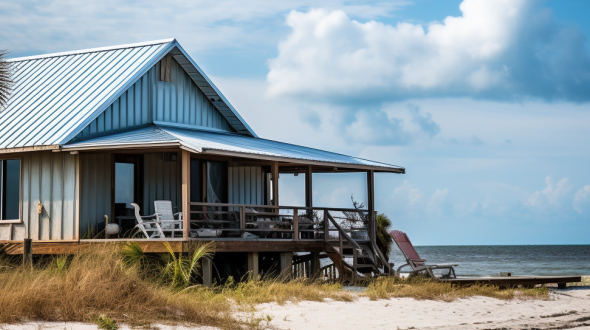
metal roof in coastal region near beach

For buildings in coastal regions, aluminum roofing is often the preferred choice due to its enhanced resistance to seawater corrosion compared to other metal roofing materials like steel.

Comparing Metal Roofing Materials

When comparing metal roofing materials, several factors come into play. Metal roofing materials, such as steel, typically come in varying gauges—24 to 26 gauge—suitable for residential applications, with a lower gauge indicating thicker and potentially more durable material. Higher-grade metal sheets offer improved resistance to rust and corrosion, contributing to the overall longevity and durability of the roofing material.

Materials like steel and aluminum each have their own advantages. Here are some key points to consider:

  • Steel is known for its inherent strength and lower cost.
  • Aluminum is advantageous for certain architectural needs due to its lighter weight and high strength-to-weight ratio.
  • The industry standard UL 2218 assesses the impact resistance of metal roofing materials, aiding in determining their durability against hail and debris.

Consider these factors carefully to make an informed decision that suits your specific requirements.

Insurance Considerations for Metal Roofs

Insurance is a crucial factor to consider in the context of metal roofs. Understanding the coverage provided by your insurance company, including hail damage coverage, potential discounts for impact-resistant roofs, and the difference between actual cash value and replacement cost coverage, can save you a lot of trouble down the line. In fact, a metal roofing system with a Class 4 rating for impact resistance may even lead to reductions in homeowners insurance premiums.

However, being aware of the specific terms related to hail damage coverage for metal roofs is important. Some insurance policies for metal roofs include a wind and hail deductible, often 2% of the home’s value, and may even include a cosmetic damage exclusion for incidents like hail or wind. To avoid any future misunderstandings, engage in detailed discussions with your insurance provider before agreeing to any terms.

Hail Damage and Insurance Claims

metal roof hail damage

Hail damage insurance claims for metal roofs can vary based on the extent and type of damage. Insurance policies may cover damage caused by hail, so it’s crucial to understand the specific terms related to hail damage coverage. The claims can vary based on whether the damage is considered cosmetic, such as dents or structural. In cases where dents lead to cracking paint or substrate perforation, they may be deemed a failure and thus covered by the policy.

However, cosmetic damage exclusions can reduce insurance premiums but exclude coverage for aesthetic damage from hail that does not impair the structural integrity of the metal roof. This can lead to reduced premiums and a lack of coverage for such damage. To avoid misunderstandings about coverage limitations, homeowners must engage in detailed discussions with their insurance providers before agreeing to hail damage waivers.

Potential Discounts for Impact-Resistant Roofs

Opting for an impact-resistant metal roof offers the potential benefit of insurance premium discounts. Metal roofing systems with a Class 4 rating for impact resistance, recognized under the UL 2218 standard, may lead to reductions in homeowners insurance premiums. Homeowners in hail-prone regions could potentially save up to 30% on their insurance premiums by installing a Class 4 impact-resistant metal roof.

Although not mandatory in every state, an increasing number of insurance providers are offering discounts for homes equipped with impact-resistant roofs. To acquire an insurance premium discount, homeowners must verify that their metal roof meets specific UL or FM impact resistance standards and may need to fill out a discount eligibility form. This is another reason why choosing the right metal roofing material can make a significant difference in the long run.

Metal Roof Summary

Whether you’re a homeowner or a business owner, understanding the nuances of metal roof care is crucial to prolonging its lifespan and maintaining its appeal. From understanding the common causes and signs of damage, such as hailstorms, wind, and corrosion, to preventative measures like proper installation, regular maintenance, and protective coatings, each aspect plays a significant role in maintaining the health and longevity of your metal roof.

Choosing the right metal roofing material, understanding your climate and weather conditions, and keeping insurance considerations in mind are equally important. Remember, a well-maintained metal roof isn’t just a cover over your head—it’s a testament to the strength and resilience of your building, capable of withstanding the test of time and the elements. So why not give it the care it deserves?

Metal Roofing Damage FAQ’s

Read ‘An In-Depth Look at Metal Roofing‘ for more insight. But read below for the most common metal roof damage questions we hear:

Do metal roofs damage quickly?

Metal roofs are highly durable, but their unique characteristics can cause significant damage over time if left unaddressed. Regular maintenance is vital in preventing this.

What is considered functional damage to a metal roof?

Functional damage to a metal roof is any damage that affects its ability to shed water or form a barrier to the elements. This includes damage caused by hailstorms.

Does insurance cover metal roofs?

Yes, insurance typically covers metal roofs and may even offer a discount for their installation.

What is the role of protective coatings and treatments in preventing metal roof damage?

Protective coatings and treatments are crucial in preventing metal roof damage by shielding the roof from environmental elements, preventing corrosion and rust, and enhancing thermal performance.

How can I repair dents and punctures in my metal roof?

To repair dents in your metal roof, use a rubber mallet for small dents and a body filler for larger ones. For punctures, use a metal patch sealed with urethane sealant for a lasting fix.

Atlanta Commercial Roofing Contractors
Atlanta, GA
(404) 220-9288

The post Metal Roof Damage appeared first on atlantacommercialroofingcontractors.com
Sunday, January 28, 2024

Metal Roofing Pros and Cons

Metal roofing offers durability and sustainability but presents challenges like higher initial costs and noise. In this exploration of metal roofing pros and cons, we provide clear insights to help guide your roofing choice without unnecessary complexity.

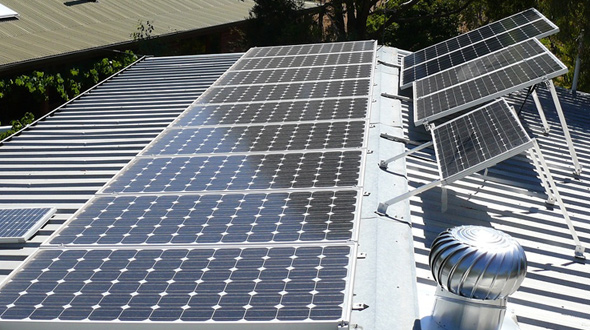
metal roof with solar panels

Key Takeaways

  • Metal roofing offers a long lifespan, strong weather resistance, and adaptability and is made from eco-friendly, recyclable materials – often integrating well with solar panel installations.
  • Metal roofing has certain drawbacks, such as higher upfront costs, louder noise during rain, and susceptibility to denting, which can be mitigated with proper installation and maintenance.
  • Metal roofs provide a range of customization options, from diverse material choices like steel, aluminum, copper, and zinc to a wide color palette and various profile designs suiting different architectural styles.

The Benefits of Metal Roofing

Regarding roofing options, metal roofing stands out for its impressive lifespan, weather resistance, and eco-friendly materials. Let’s delve a bit deeper into these advantages.

1. Impressive Lifespan

Undeniably, metal roofs, including metal shingles, have a remarkable lifespan, outlasting traditional asphalt shingles for several decades. The properties of a metal roof are inclined to resist large volumes of rainwater and the typical resulting rot, mold, and mildew. This longevity reduces the need for frequent replacements, making metal roofs a sound investment for some property owners.

2. Weather and Fire Resistance

metal roof withstanding heavy snow

Despite the severity of weather conditions, metal roofing remains resilient. With the ability to withstand strong winds, hail, and heavy snow, metal roofs offer reliable protection for your property. Some might wonder if metal roofs attract lightning, but this concern is just a myth and should not overshadow the numerous benefits of metal roofing. In addition, metal roofing systems are noncombustible and resist fire. For this reason, properties like restaurants that have frequent open flames may want to consider the benefit of a metal roof.

3. Pitch Adaptable and Weight Efficient

Metal roofs are conducive for low-pitch roofs, whereas conventional shingles will leak when there is a minimum roof pitch. Also, metal roofing is lighter than alternate durable roofing systems, therefore not having an impact or compromising the engineering of the support structure.

4. Eco-Friendly Materials

recycled content in metal roofing materials

With sustainability being paramount in our modern world, metal roofs don’t disappoint. Made from eco-friendly materials, often containing a high percentage of recycled content, energy-efficiency metal roofs are also 100% recyclable at the end of their life. They also provide an ideal surface for solar panels, enhancing their eco-friendly appeal.

The Drawbacks of Metal Roofing

Despite the numerous benefits of metal roofs, there are also some cons of metal to consider. These include a higher initial cost, potential noise, susceptibility to denting, and problems arising from inept installers.

1. Higher Initial Cost

metal roof cost comparison

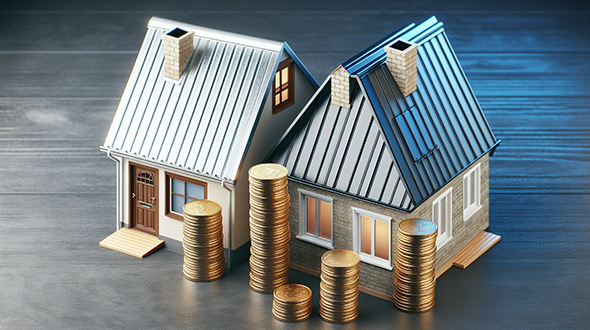
Although metal roofs offer many long-term benefits, they come with a higher upfront cost than asphalt shingles. This is their most significant con; however, their durability and energy efficiency may offset this expense over time if the property remains in possession by the same owner.

2. Noise Concerns

The sound of rain on a metal roof can be a concern but don’t be too quick to dismiss this option. With proper insulation and installation, the noise can be significantly reduced.

3. Denting and Damage

dented and damaged metal roof

Even though metal roofs are durable, they can still sustain dents and damage from hail or falling debris. Also, the necessity to service chimneys, satellite dishes, HVAC units, vent pipes, generators, and other equipment can require technicians on your roof. Property owners with high traffic roofs be aware, however, with proper maintenance and care, this can be minimized.

Tip: In a region prone to violent hail storms, consider a heavier, thicker gauge metal to prevent severe denting and damage during storms.

4. Poor Installation Causes Leaks

Poor workmanship during installation can surely lead to a leaking roof. As the hot and cold weather causes the metal roofing system to expand and contract, causing fasteners to come loose and create space for water to penetrate the structure. Manufacturer’s instructions must be carefully followed, and an experienced and professional roofing contractor will help prevent future headaches and save you money and frustration in the long run.

Tip: A maintenance contract for your metal roof is always suggested, as the better maintained a roof is, the longer it will last.

Material Options for Metal Roofing

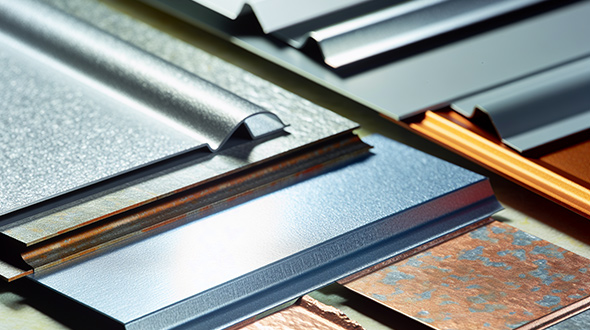
The diversity of metal roofing materials, including metal roofing panels, is another appealing aspect of metal roofing. These roofing material options include steel, aluminum, copper, and zinc, each with its own set of benefits and drawbacks.

Steel Roofing

Steel roofing is a popular choice due to its strength and durability. Plus, options like galvanized and Galvalume steel offer added corrosion resistance, making it an excellent choice for many properties.

Aluminum Roofing

Aluminum roofing, while more expensive than steel, is highly corrosion-resistant, making it an excellent choice for coastal areas. Plus, its lightweight nature makes it easier to install.

Copper and Zinc Roofing

Copper and zinc roofing materials offer a distinctive look for those seeking a more unique aesthetic. While they come with a higher price tag, their exceptional longevity and stunning appearance can make them worth the investment for a certain demographic.

For more insight into the costs of these metal roofing systems, see this in-depth look at metal roofing article.

Customization and Aesthetic Appeal

The broad spectrum of customization possibilities is another notable advantage of metal roofing. From color choices to profile selection, you can achieve the desired look for your property.

variety of metal roofing materials

Color Choices

Metal roofs come in various colors, allowing you to match your roof to your property’s exterior. Whether you prefer a classic black or a vibrant red, there’s a color to suit every taste.

Profile Selection

Beyond color, the profile of your metal roof can significantly impact its overall look. Some popular profiles for metal roofs include:

  • Standing seam
  • Corrugated
  • Ribbed
  • Shingle
  • Tile

From profiles that mimic traditional materials like wood shakes and clay tiles to those with a modern edge, the options are endless.

Installation Considerations and Challenges

Despite the advantages of metal roofing, there are also installation factors and challenges to consider. These include the need for professional expertise, such as hiring metal roofing pros and understanding potential restrictions from homeowners associations. In this context, it’s essential to weigh the roofing pros and cons before making a decision.

Expertise Required

Installing a metal roof is not a DIY project. It requires skilled professionals to ensure the roof is properly installed, preventing issues such as leaks or poor performance.

Potential HOA Restrictions

Before installing a metal roof, it’s important to check with your local homeowners association for any restrictions. This can save you from potential headaches down the road.

Metal Roofing in Coastal Areas

Metal roofing is a viable choice for residents of coastal areas. With corrosion-resistant materials and protective coatings, your roof can withstand the unique challenges of coastal living.

metal roof home in coastal area by the beach

Corrosion Resistance

In coastal environments, salt air can cause rust and deterioration. However, corrosion-resistant materials like aluminum, copper, and zinc can withstand the harsh marine environment, ensuring your roof lasts for years.

Protective Coatings

Protective coatings can be applied to further enhance the corrosion resistance of your metal roof. These coatings provide an extra layer of protection against the elements, ensuring your roof remains durable and long-lasting.

Metal Roof Pros and Cons Summary

To wrap up, metal roofing offers numerous benefits, including durability, energy efficiency, and a wide range of customization options. However, it’s essential to consider potential drawbacks, such as higher initial costs and noise concerns, and to understand the installation requirements and potential HOA restrictions. For those living in coastal areas, corrosion-resistant materials and protective coatings can ensure your roof withstands the elements.

Metal Roof Frequently Asked Questions

These are a few of the most common metal roof FAQ’s:

What are the disadvantages of metal roofing?

Metal roofing can be as much as two or three times more expensive than other roofing materials, be noisy, and show inconsistent color match. It also faces the possibility of oil canning. Keep these factors in mind when considering metal roofing.

Is it worth it to put on a metal roof?

Yes, it’s worth investing in a metal roof due to its durability, longevity, potential energy savings, and increased property resale value.

Do metal roofs leak more than shingles?

No, metal roofs are less prone to leaking than shingles as long as they are installed correctly. This makes them a durable and low-maintenance choice for your roof.

What is the life expectancy of a metal roof?

On average, a metal roof can last between 40-70 years, with some materials like copper roofing lasting even longer. Multiple factors can affect the longevity of the roof.

What are the benefits of metal roofing?

Metal roofing provides durability, energy efficiency, low maintenance, and a long lifespan, making it an excellent choice for long-term protection and cost savings.

Atlanta Commercial Roofing Contractors
Atlanta, GA
(404) 220-9288

The post Metal Roofing Pros and Cons appeared first on atlantacommercialroofingcontractors.com
Friday, December 15, 2023

An In-Depth Look at Metal Roofing

Imagine a roofing solution that not only offers impressive durability and longevity but also contributes to a greener, more energy-efficient property. Metal roofing is that solution, providing property owners and homeowners with an eco-friendly alternative to traditional roofing materials. In this comprehensive article, we’ll explore the ins and outs of metal roofing systems, discussing their benefits, costs, and how they compare to other roofing options.

metal roofing systems on a commercial property

Key Takeaways

  • Metal roofing systems offer exceptional durability, energy efficiency, and long-term cost savings.
  • Popular metal roofing materials include steel, aluminum, copper, and zinc, with unique advantages for each.
  • Metal roofs provide a range of customization options to increase property resale value.

Understanding Metal Roofing Systems

Metal roofing systems have gained popularity in recent years thanks to their numerous advantages over traditional materials like asphalt shingles, clay tiles, and cedar shakes. Made from steel, aluminum, copper, or zinc, most metal roofs offer superior durability, energy efficiency, and return on investment. In fact, a properly installed metal roof can last 50 years or more.

Although initial costs for metal roofing may be steep, property owners with a longer-term horizon often recoup this through long-term energy savings and lower maintenance costs.

Standing Seam Metal Roofs

Standing seam metal roofs are a popular option for property owners seeking a sleek, modern appearance. These roofs feature wide, flat, vertical panels with concealed fasteners, creating a streamlined look. Usually crafted from steel, aluminum, or copper, standing seam roofs offer minimal maintenance and a more aesthetically pleasing appearance than corrugated metal roofing.

Standing seam panels range from $7 to $13 per square foot, depending on the selected material.

Corrugated Metal Roofs

Corrugated metal roofs provide a more traditional appearance, with a pattern of ridges and grooves for added strength and durability. Typically made from aluminum, copper, or steel, a corrugated metal roof is known for its longevity, durability, and cost-effectiveness.

corrugated metal roofing panel, providing durable protection for buildings

Falling within the price range of $4 to $7.50 per square foot, many property owners find these roofs to be a more budget-friendly choice.

Metal Panels

Metal panels are indicative of their name, are aesthetically sleek, and come in varied designs. Metal panels are an excellent choice for those seeking versatility and a wide range of design options. Metal panels can suit any architectural style and are available in various styles, including:

  • Shingles
  • Slate
  • Tile
  • Shakes

Another unique but popular metal panel style is stone-coated metal roofing, which uses steel sheets coated with stone granules to replicate the appearance of traditional materials, such as asphalt shingles or wood shakes. This type of roofing offers the benefits of metal roofing while providing additional design versatility with a familiar residential roof aesthetic.

Popular Metal Roofing Materials

Choosing the correct material for your metal roof involves weighing each option’s unique advantages and disadvantages. Factors such as costs, durability, and aesthetics should guide your selection. The most common materials for metal roofs include:

  • Steel
  • Aluminum
  • Copper
  • Zinc

Consider the specific characteristics of each material before making your decision. The following segments will delve deeper into the specifics of these popular metal roofs and roofing materials.

Steel Roofing

Steel roofing is known for its durability and affordability, making it a popular choice for many property owners. With options such as galvanized, galvalume, or weathering steel, you can find the perfect steel roof for your specific needs.

steel metal roofing materials on a property

Steel roofing is resistant to fire, wind, and impact, making it ideal for areas prone to extreme weather conditions. The metal roofing cost for steel is from $8 to $15 per square foot on average.

Aluminum Roofs

Aluminum roofs offer several advantages.

  • Lightweight
  • Durable
  • Resistant to corrosion
  • Ideal for coastal areas
  • Fire and wind-resistant
  • Superior energy efficiency ratings

However, aluminum is more expensive than steel and has limited color options, so it may not be the best choice for every property owner. The cost of aluminum roofing per square foot ranges from $20 to $40.

Copper Roofing

Copper roofing offers a unique, high-end appearance that can add a touch of luxury to any building, property, or home. Some benefits of copper roofs include:

  • Extremely durable and long-lasting
  • Increases aesthetic and value of your property
  • Resistant to corrosion and weathering
  • Requires minimal maintenance
  • Provides excellent insulation

Investing in a copper roof can be an excellent choice for both aesthetics and longevity.

copper metal roof

However, copper roofing is very costly and can be challenging to install, so it may not be the best option for every property owner. The cost of copper roofing per square foot is estimated to be between $20 and $40.

Zinc Panels

Zinc panels are another option for property owners seeking a durable, low-maintenance roofing material. Known for their long lifespan and resistance to corrosion, zinc panels are an excellent choice for those who want a quality roof that requires minimal upkeep.

However, zinc panels can be more expensive than other metal roofing materials, so weighing the benefits and costs when considering this option is essential. The cost of zinc panels ranges from $700 to $1,000 per roofing square (1 square = 100 square feet).

When comparing different options, considering metal roofing costs is essential for making an informed decision, so refer back to the above for the material cost of each metal roof type.

Energy Efficiency and Environmental Impact

Metal roofs not only offer durability and low maintenance, but they’re also eco-friendly and energy-efficient. The benefits of metal roofs include:

  • Up to 30% savings on energy costs, according to the Metal Roofing Alliance (MRA)
  • Mitigation of the urban heat island effect
  • Decreased air pollution
  • Lessened water runoff

Subsequent sections will further discuss the environmental footprint and energy efficiency of metal roofs, considering factors like cooling costs, compatibility with solar panels, and other eco-friendly advantages.

Cooling Costs

One of the most significant advantages of metal roofs is their ability to reduce cooling costs. Metal roofs can:

  • Reflect sunlight
  • Block heat transfer
  • Help keep your property cooler
  • Reduce your reliance on air conditioning

This can lead to significant savings on energy bills, making metal roofs a cost-effective option.

Cool roofs with a higher solar reflectance can save up to 15% on energy bills when installed on an existing roof.

Solar Panel Compatibility

cooling costs of metal roofs with sun reflecting on solar panels

Consider the installation of solar panels on your roof. Metal roofs are an excellent option for solar panel compatibility. Their benefits include:

  • Durability
  • Long lifespan
  • Perfect match for solar panel systems
  • Ensuring that your roof will last as long as your solar panels.

By deciding to install solar panels, you can optimize the efficiency of your solar energy system, leading to increased energy production and reduced energy costs.

Eco-Friendly Benefits

In addition to their energy efficiency, metal roofs are also eco-friendly. Metal roofing materials are recyclable, meaning they can be repurposed for other uses after their life as a roof has ended. This contributes to a decreased environmental footprint compared to traditional roofing materials like asphalt shingles, which often end up in landfills.

By choosing a metal roof, you’re not only investing in a durable, energy-efficient solution but also making a positive impact on the environment.

Installation and Maintenance Considerations

When it comes to installing and maintaining a metal roof, there are several factors to consider.

  • Location
  • Roof pitch
  • Local building codes
  • Adherence to manufacturer guidelines

installation and maintenance of a commercial metal roof

The following sections will delve deeper into these considerations, focusing on the impacts of roof pitches on installation costs, expense of synthetic underlayment, and maintenance demands.

Roof Pitches and Installation Costs

Roof pitch, or the incline of your roof, can significantly impact the installation costs of your metal roof. Steeper roof pitches may require additional safety measures and materials, leading to higher installation costs.

It’s essential to consider the pitch of your roof when planning your metal roofing project and budget accordingly.

Synthetic Underlayment Costs

Synthetic underlayment is a crucial component of your metal roofing system, providing an extra layer of protection against potential leaks. The cost of synthetic underlayment can vary, ranging from $0.15 to $0.65 cents per square foot, depending on the product and its quality.

Be sure to factor in the cost of synthetic underlayment when calculating your overall metal roofing budget.

Maintenance and Cleaning

One of the many benefits of metal roofs is their low maintenance requirements. Unlike other roofing materials, metal roofs do not require annual inspections, frequent repairs, or costly maintenance.

Basic upkeep, such as cleaning gutters and removing debris from the roof surface, is mostly all that’s needed to keep your metal roof in top shape. The system may infrequently need bolts tightened or a coating, but it pales in comparison to the upkeep of other roofing systems. This low maintenance aspect can result in long-term cost savings for property owners.

Comparing Metal Roofs to Traditional Roofing Materials

comparing metal roofs to traditional roofing materials

Now that we’ve explored the various aspects of metal roofing, let’s compare them to traditional roofing materials. Although metal roofs may have a higher upfront cost, their extended lifespan, durability, and low maintenance requirements make them an attractive and cost-effective choice for some property owners who live in certain geographic regions or plan to keep their property for a long time.

The following sections will compare the durability, lifespan, and costs of metal roofs against traditional roofing materials.

Durability and Life Span

One of the key advantages of metal roofs over traditional roofing materials is their durability and life span. Metal roofs can last up to 50 years or more, while materials like asphalt shingles typically have a life expectancy of 15-20 years.

Metal roofs are also highly resistant to extreme weather events, such as hail, high winds, and heavy storms, making them a more durable option for properties in a region that is more prone to intense weather events.

Cost Comparison

While metal roofs can have a higher initial cost than traditional roofing materials, they can save money in the long run due to their durability, energy efficiency, and low maintenance requirements. With potential savings of up to 25% on energy costs and minimal upkeep, metal roofs are a cost-effective choice for property owners looking for a long-lasting, eco-friendly roofing solution.

Customizing Your Metal Roof

Metal roofing systems offer a wide range of customization options, allowing you to create a roof that perfectly complements your property’s style and aesthetic. Some of the customization options include:

  • Various paint colors
  • Different roof styles
  • Unique finishes
  • Different materials

With these options, you can design a metal roof that performs well and looks great.

Increasing Property Resale Value with Metal Roofs

metal roofing

Investing in a metal roof can also increase your property’s resale value. With their durability, energy efficiency, and aesthetic appeal, metal roofs can boost your property’s value considerably.

If you’re considering selling your property in the future, a metal roof can be a valuable investment that pays off in the long run.

Professional Installation vs. DIY

When deciding whether to hire a professional roofer or take on a DIY metal roofing project, there are several factors to consider. A professional installation is significantly more reliable and efficient but does come with a higher cost. On the other hand, DIY installation can be cost-effective but may require substantial time, effort, and expertise.

Assessing the advantages and drawbacks of both alternatives will help you find the most suitable option for your requirements and financial plan.

Summary of Metal Roofing

In conclusion, metal roofing systems offer numerous benefits over traditional roofing materials, including durability, energy efficiency, and eco-friendliness. With a wide range of materials, styles, and customization options, metal roofs can provide a long-lasting, cost-effective solution for any property.

If you’re considering a new roof for your property or home, consider the advantages of metal roofing. With their impressive performance and aesthetic appeal, metal roofs are an investment that can pay off in terms of energy savings, reduced maintenance, and increased property value. Make the switch to metal roofing and experience the many benefits for yourself.

Frequently Asked Metal Roof Questions

What is the biggest problem with metal roofs?

Metal roofs can be more expensive than other materials and are prone to noise, expansion/contraction issues, color mismatches, and reduced performance over time.

Poor installation, leaks, rust and corrosion, loose/missing fasteners, and poor insulation are also common problems with metal roofs.

Is it cheaper to put a metal roof or shingles?

Generally speaking, asphalt shingles are much cheaper than metal roofs when it comes to material and installation costs.

What are the 2 types of metal roofs?

Two of the most popular types of metal roofing are metal tile roofing and metal shingle roofing, both of which offer durability and a range of stylish options.

Metal shake roofing is another type of metal roofing option.

What is one of the disadvantages of metal roofing?

Metal roofing can be expensive upfront, ranging from $150 to $600 per square, and during heavy rain or hailstorms, it may be louder than other roofing materials.

How is a metal roof installed?

Installing a metal roof requires careful measurements, removal of old materials, and the installation of underlayment, drip edges, flashing panels, closure strips, and ridge caps.

Taking the time to install all components correctly will ensure long-term durability and protection.

Atlanta Commercial Roofing Contractors
Atlanta, GA
(404) 220-9288

The post An In-Depth Look at Metal Roofing appeared first on atlantacommercialroofingcontractors.com
Monday, May 22, 2023

Standing Seam Metal Roof - Everything You Need to Know

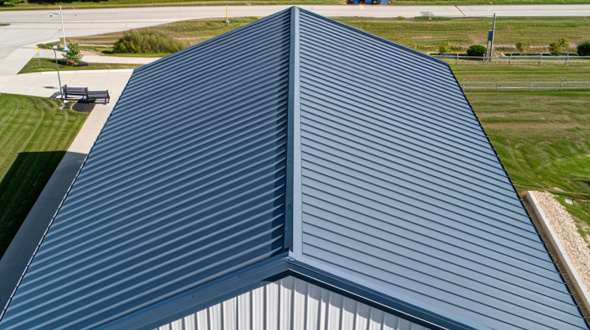
standing seam metal roof system

Wondering if a standing seam metal roofing system is the best roofing system for your property? Knowing how a standing seam metal roof is built, its advantages, disadvantages, and how long it lasts will help you determine whether it's right or not for your project.

atlantacommercialroofingcontractors.com gathered essential information about what a standing seam metal roof is, how one is built, how it differs from a metal roof, and its long lifespan.
What Is a Standing Seam Metal Roof

A standing seam metal roof is a roofing system consisting of metal panels joined together with raised seams. The panels are typically made from steel, aluminum, or copper and come in various colors and finishes.

"Standing seam" refers to the raised seams that run vertically along the length of each metal panel. These seams are raised above the panel surface level and are typically joined together using an interlocking mechanism. When properly installed, this creates a watertight seal that prevents water from penetrating the roof.

Standing seam metal roofing systems are popular because they are extremely durable, long-lasting, and require minimal maintenance. These roofs are energy-efficient, reflecting the sun's rays and helping keep a building’s interior cool in the summer. Additionally, they are fire-resistant and can withstand sustained high winds and other extreme weather conditions.

Components of a Standing Seam Metal Roof

standing seam metal roofing

A typical standing seam metal roof consists of multiple components, including the following:

  • Metal Panels - These are a roof’s main structural element, typically made from steel, aluminum, or copper.
  • Roof Underlayment - This protective layer is installed beneath the metal panels providing additional weather protection and preventing moisture from entering the building.
  • Roof Deck - This is the roof’s foundation and is typically made from wood, metal, or concrete (depending on the structure’s construction).
  • Flashing - This is typically a thin metal strip installed at the edges, penetrations, and roof seams to prevent water from penetrating the roof and causing damage or decay.
  • Fasteners - These are the screws or clips used to attach the metal panels to the roof deck. They are designed to allow for the panel’s thermal movement (expansion and contraction) and prevent damage to the roof.
  • Ridge Caps - These metal pieces covering the roof’s ridge (the roof’s uppermost part) provide additional weather protection.
  • Snow Guards - These are devices installed on the roof to prevent snow and ice from sliding off and causing damage or injury.

Each component plays a crucial role in a standing seam metal roof’s performance and durability. Proper installation and regular maintenance of these components are essential to ensure the roofing system’s longevity and effectiveness.

Standing Seam or Metal Roof - What’s the Difference?

The terms "standing seam" and "metal roof" are frequently used interchangeably, but there is a distinct difference between them. Consider the following:

A metal roof is a roofing system made from metal materials like steel, aluminum, or copper. It can be constructed in various styles, including standing seam, corrugated, and shingle.

However, a standing seam roof is a specific metal roof type featuring raised seams that run vertically along the panels. The seams are raised above the panel surface and are typically joined using a locking mechanism, creating a watertight seal helping prevent water from penetrating the roof.

contractor connecting standing seam metal roof

While standing seam roofs are a type of metal roof, not all metal roofs are standing seam. Other metal roof types may have different profiles, textures, and colors than standing seam roofs.

The principal difference between a standing seam roof and a metal roof is that a “standing seam” roof is a specific metal roof type featuring raised seams, while a “metal roof” refers to any roofing system made from metal components.

Standing Seam Metal Roof Pros and Cons

Standing seam metal roofs offer several advantages and disadvantages compared to other roofing systems. Consider the following pros and cons of standing seam metal roofs:

Advantages:

  • Durability - Standing seam metal roofs are incredibly durable, potentially lasting 50 years or more with proper maintenance.
  • Weather-Resistant - Metal roofs resist weather like high winds, hail, and heavy rain.
  • Energy-Efficient - Standing seam metal roofs are reflective, helping to reduce cooling costs in warmer climates.
  • Low Maintenance - Metal roofing systems require minimal maintenance and are relatively easy to clean.
  • Aesthetically Pleasing - Standing seam metal roofs offer a sleek, modern look complementing various architectural styles (potentially increasing a property’s curb appeal).

Disadvantages:

  • Installation Cost - Standing seam metal roofs can be significantly more expensive than other roofing systems, like asphalt shingles.
  • Noise - Rain, hail, and other precipitation can be extremely noisy on metal roofs, which can be a significant concern and deciding factor for some property owners.
  • Installation - Standing seam metal roof professional installation requires specialized equipment and expertise, which may add to the roof’s installation cost.
  • Expansion & Contraction - Metal roofs expand and contract with temperature changes, which may cause fasteners to loosen or back out over time, potentially leading to leaks.
  • Potential for Dents - Metal roofs are prone to denting when hit by large hail or other projectiles.

Standing seam metal roofs offer multiple benefits and are a popular choice for homeowners and commercial property owners wanting a durable, energy-efficient, and low-maintenance roofing solution. However, they may not be the ideal option for every roofing situation, and it's essential to weigh the advantages and disadvantages carefully before making a decision.

Standing Seam Metal Roofing System

In this article, you discovered what a standing seam metal roofing system is, its components, its lifespan, how it differs from a metal roofing system, and whether it is worth the investment.

Understanding the composition and installation of a standing seam metal roof will help you make informed decisions about replacing your current failing roof.

Misunderstanding the construction and lifespan of a standing seam metal roof will leave you potentially installing the wrong roof on your building.

Sources:
ncbi.nlm.nih.gov/pmc/articles/PMC5469659/
emilms.fema.gov/is_0285/groups/151.html
gccds.msstate.edu/research/altconstruction/roof/roof.pdf
ibhs.org/wp-content/uploads/member_docs/Performance-of-Metal-Roofing-to-Realistic-Wind-Loads_ICWE_IBHS.pdf

Atlanta Commercial Roofing Contractors
Atlanta, GA
(404) 220-9288

The post Standing Seam Metal Roof - Everything You Need to Know appeared first on atlantacommercialroofingcontractors.com
Wednesday, December 15, 2021

Metal Roof Leaks – Causes and Repairs

Metal roofs are long lived but will develop leaks over time

Prevent equipment damage, electrical issues, or property damage when your metal roof starts leaking. Knowing how to identify the causes of a leaking metal roof will help you promptly get it repaired.

atlantacommercialroofingcontractors.com gathered the following information about why commercial metal roofing may start to leak and how to get it repaired.
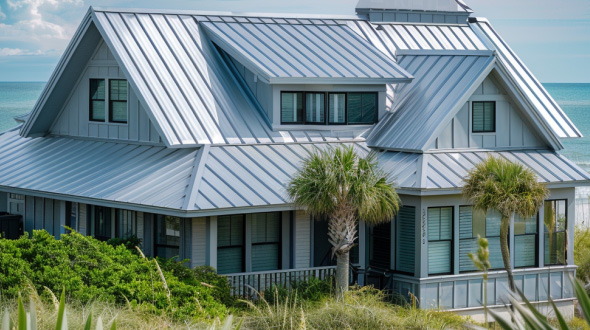
What Causes a Metal Roof to Leak?

When correctly installed, a commercial metal roof can last 40 to 70 years if properly maintained. The following are potential reasons your commercial metal roofing system has sprung a leak and how to fix it:

1. Your Roof is Aging

Over time your roof may leak due to the relentless contracting and expansion from temperature fluctuations, and damages can occur from severe weather events. Such damages may include:

  • Lifted or contorted roofing panels
  • Damage from debris blown onto the roof
  • Improper foot traffic

As time goes by, such problems will arise. While metal roofing systems are built to resist wear, they still become vulnerable as they age.

Your roofing system should be inspected (ideally) twice per year – once in spring and again in late fall. These inspections help you detect damages from blisteringly hot summer and freezing cold winter weather.

Performing these inspections will undoubtedly extend your roofing system’s lifespan. They will also give you far advance notice of when you should begin planning its replacement. Read more about repair and replacement options at atlantacommercialroofingcontractors.com/repair-or-replace/

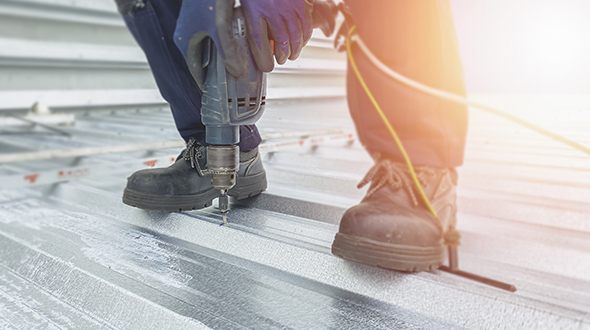
2. Metal Roofing Screws

Metal roof screws are exposed to the elements

The screws used to install metal roofs are unique in that they are secured by a rubber gasket just under the screw’s head. This gasket forms a water-tight seal between the roofing panel and the screw. It’s a simple design that does a great job at keeping water from penetrating your metal roofing system.

There are many ways roofing screws can fail. This is why it’s so vital to contract the most qualified roofing experts when installing or repairing your roofing system. Common roofing screw failures may include:

  • Misaligned screws (creates a hole beneath the screw with no pressure to form a seal)
  • Under-driven screws (leaves no pressure to form a water-tight seal with the gasket)
  • Over-driven screws (applies too much pressure causing damage to the panel and renders the gasket ineffective)

The only way to accurately identify leaky roofing screws is by performing a detailed visual inspection. Even if your metal roofing screws were driven correctly, it’s still wise to have them inspected every few years, as they can loosen with time from wind, vibrations, shifting, and contractions.

This issue perfectly underscores the absolute necessity of maintaining a maintenance agreement with a reputable commercial roofing company. Read more about commercial roofing maintenance programs at atlantacommercialroofingcontractors.com/maintenance-programs-services/

3. Flashing Damage/Degradation

Your metal roofing system is most vulnerable wherever flashing is used to seal overlaps, penetrations, and transitions. This results from the material used to create the seal being damaged by the constant moving, vibrations, or expanding and contracting of the metal roof panels.

To prevent this sort of leak, a sealant or butyl tape is recommended to seal joints, penetrations, and overlaps. Only a sealant or tape product designed specifically for metal roofs should be used. Typical silicone caulking (frequently utilized as a sealant in other types of roofing systems) won’t always adhere to metal roof surfaces and likely will not maintain its seal.

4. Curb Flashing Challenges

On commercial metal roofing systems, you will find HVAC units usually sitting on curbs. Installing metal roof panels is a relatively straightforward process, but it’s the flashing that will present a challenge to your roofer. HVAC systems offer little to no room for mistakes or poor installment when applying this flashing and ultimately keeping a curb dry.

The uphill side of curbs and the two upper corners of the curb flashing are the more challenging areas, especially on more massive HVAC units. Water often gets trapped behind the unit and pools behind the flashing, eventually eroding sealants and causing leaks to begin.

This issue is most often treated by resealing the area or applying more tape. The more efficient way to solve this type of malfunction is to remove the affected panels and start over.

5. Seam and Overlap Leaks

Seams created where 2 sheets of metal roofing overlap one another will often leak due to a condition referred to as capillary draw. Capillary Draw happens when water can incredibly travel uphill in the small space between two tightly joined metal sheets.

An appropriate sealant or butyl tape between the two metal sheets can interrupt the capillary draw condition. However, if not used correctly, the sealant or tape may make leaks worse than before.

Restrict Access to Your Roofing System

A word of caution – Do not walk on your metal roof unless you know where you are stepping and what you are doing.

You can do more damage to your metal roof by walking on it without knowing what you are doing than any good you might do by checking the roof’s condition.

Metal roofing systems can be extremely slippery when damp, moist, or wet causing a severe slip hazard. And debris on your shoes can severely scratch/damage the finish and integrity of your metal roof. It’s better to leave that all to your roofing professionals.

Metal roofs can leak when people walk on them

Commercial Metal Roof Leaks and Repairs

In this article, you discovered multiple reasons a commercial metal roofing system may be leaking, common flashing challenges, and how to stop these leaks.

Knowing how to identify, stop, and prevent roof leaks in your metal roofing system will help you extend its lifespan potentially by decades.

Allowing your metal roof to fall into disrepair may cause costly structural damages, company equipment damage, and catastrophic roof failure.

Sources:
nasdonline.org/static_content/documents/2030/d001498.pdf
apps.floridadisaster.org/hrg/downloads/metal_roof_checklist.pdf
ssrma.org/resources/managerresources/resourcesmaintenance/common-metal-repair-procedures/

The post Metal Roof Leaks – Causes and Repairs appeared first on atlantacommercialroofingcontractors.com
Wednesday, September 25, 2019

Pros and Cons for 3 Types of Commercial Roofing Systems

Metal roofing installation for Commercial building

Avoid investing your money in the wrong roofing system. Each roofing system has advantages and disadvantages you should be aware of before making this capital investment.

atlantacommercialroofingcontractors.com gathered detailed information about three of the common commercial roofing systems, and their benefits and disadvantages.
Metal Roofing System Pros and Cons

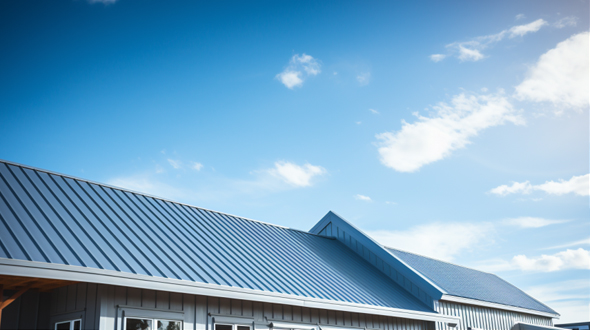
Metal roofing systems are built to last, and depending on your region and property type, could be the only roofing system your commercial building may ever need. Here are some of the pros and cons to consider before committing to a metal roof.

Metal roofing system pros:

Longevity – Correctly installed and maintained, metal roofing can last as long as the building it covers (70 years or more).

Weather Resistant – Metal roofing It is highly resistant to rainwater, rot, mold, mildew, and can withstand immense pressure from accumulated snowfall.

Product Warranty – While warranties may vary, some companies will cover a metal roof installation for up to 50 years.

Fire Resistant – Metal roofing materials are noncombustible and resist fire.

Metal commercial roofing system

Some metal roofing cons include:

Cost – Probably the most significant disadvantage, a metal roofing system can cost anywhere from $900 – $1,200 per 100 sq. feet.*

When the durability and longevity of metal roofing are factored in, the investment is more than justified. As previously stated, a properly installed and maintained metal roofing system can last as long as the structure below it.

Denting – When the necessity arises to service chimneys, satellite dishes, HVAC units, or generators, the serviceman or technician may dent your roof.

Likewise, if the gauge (thickness) of the roofing is too low in a region prone to hail storms, severe denting can occur during violent hail storms.

Noise – Metal roofing systems without sufficient insulation can get loud during rain or hail storms.

If you’re leaning towards a metal roof, read Metal Roofing Advantages and Disadvantages for a more in-depth article.

Built-Up Roofing System Pros and Cons

For more than a century, built-up roofing (BUR) systems have been a popular choice in the U.S. for commercial roofing systems.

This system is comprised of alternating layers of tar or asphalt and support materials layered on the roof, with the final one consisting of stone or gravel.

Built-up roofing system pros:

Longevity – A BUR system can last 30 to 40 years when properly installed and maintained.

Waterproof – There are no joints or seams; the roofing system is one continuous surface.

Low-Maintenance – After installation, minimal attention and servicing are required, as BUR systems are installed in large sheets with a low profile as compared to other roofing systems.

Cost – Installation and material costs can range between $500 to $800 per 100 sq. feet* or more depending on the number of layers and materials you choose.

UV Protection – BUR systems provide excellent ultra-violet protection, which reduces roof temperatures and prevents extreme temperature fluctuations within the building. UV protection also prevents the drying out and break down of roofing system materials.

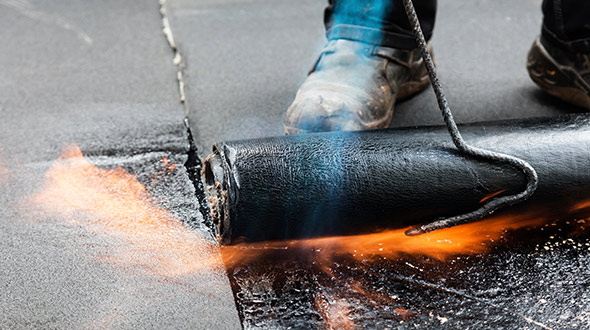
Commercial roofing BUR built up roof

Some built-up roofing cons include:

Safety – During installation, hazardous fumes and vapors are present.

Weight – BUR systems add significant weight to a building’s structure.

Learn more about commercial roof load-bearing capacity by reading atlantacommercialroofingcontractors.com/what-is-commercial-roof-load-why-you-need-to-know/

TPO Roofing System Pros and Cons

Thermoplastic Polyolefin (TPO) is a single-ply roofing system fully adhered and mechanically attached or ballasted to a roof.

TPO roofing system pros:

Longevity – TPO roofing has a (current) life expectancy of about 30 years. However, this roofing system has only been available for 30 years, and with significant improvements over the decades, TPO may last much longer.

Wind Resistant – When properly installed, TPO roofing systems receive high wind ratings.

Installation – TPO roofing system installation, when completed by an experienced roofing company, is fast, clean, and practically nonintrusive.

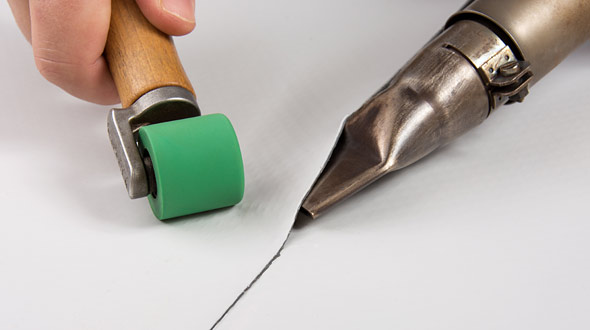
TPO roofing system proper seam welding technique

TPO roofing cons include:

Pooling Water – When the roof slope is too low, water may pool and cause an acceleration of the material’s degradation.

Cost – Installation and material costs can range between $600 to $1,400 per 100 sq. feet* or more depending on tear-off costs and selected materials.

Seam Separation – Poor seam welding can result in seam separation, allowing water into the structure.

Read more about TPO roofing systems at atlantacommercialroofingcontractors.com/tpo-roofing-system-explained/

Commercial Roofing Types

Before committing thousands of dollars for a new roof, take the time to familiarize yourself with different types of available roofing systems for your building.

In this article, you discovered information about 3 commercial roofing system options, their durability, price ranges, and other essential pros and cons.

Avoid making a poor decision when selecting a roofing system for your commercial building. Learn as much as you can about available commercial roofing systems in your area, and your local roofers,

*Costs related to roofing materials, tear-offs, and installations mentioned in this article are approximations NOT QUOTES. Visit atlantacommercialroofingcontractors.com for further information.
Sources:
everybodyneedsaroof.com/thermoplastic-membranes
asphaltroofing.org/bur-multi-ply-built-up-roofing/
cchrc.org/sites/default/files/docs/metal_roofing.pdf

The post Pros and Cons for 3 Types of Commercial Roofing Systems appeared first on atlantacommercialroofingcontractors.com
Can Roof Shingles Be Painted?

Many property owners wonder whether painting their roof is a viable way to refresh its appearance without the expense of a full replacement....