Showing posts with label Commercial Roofer. Show all posts

Thursday, March 20, 2025

What Is a Commercial Building?

A commercial building is a structure where business activities, such as offices, retail stores, and restaurants, occur. These buildings differ from residential or industrial properties. In this Atlanta Commercial Roofing Contractors article, we’ll explore what defines a commercial building, what commercial building types are, and why they are vital for the economy. Understanding what is a commercial building can help clarify its significance in real estate investing, urban development, and economic growth.
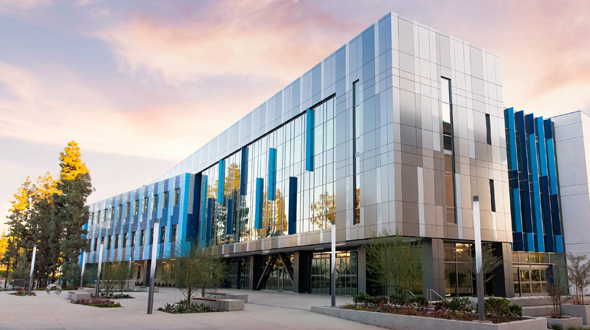
what is a commercial building

Key Takeaways

  • Commercial buildings are defined as structures that house business operations, supporting various functions such as retail, offices, and industrial activities.
  • Investing in commercial real estate offers substantial benefits, including higher returns, job creation, and enhanced property maintenance through professional landlord-tenant relationships.
  • Key factors in selecting commercial properties include location, infrastructure, and suitable zoning regulations, ensuring alignment with business needs and operational efficiency.

Defining Commercial Buildings

Commercial buildings are defined as structures where commercial activities occur, setting them apart from properties that might generate income without active commerce. The primary purpose of these buildings is to house business operations and generate income through activities such as retail, offices, and restaurants. This makes them distinct from residential or purely industrial properties.

The variety of commercial buildings is vast, ranging from single-story retail stores to towering office skyscrapers. They support various commercial functions, including office spaces, retail establishments, warehouses, and multi-business venues. Each type is designed to cater to specific business needs, ensuring optimal functionality and efficiency.

Knowing what defines a commercial building benefits real estate developers, business owners, and investors. This knowledge aids in planning, development, and regulatory compliance, ensuring these structures support business activities and boost economic growth.

Importance of Commercial Buildings

importance of commercial buildings in urban development and business economics

Commercial buildings are the backbone of the economy, providing spaces where business operations can thrive. They contribute significantly to local and national economies by creating employment opportunities and generating substantial revenue. High-quality commercial properties attract new businesses, driving direct investments and job creation.

These properties also foster innovation by offering flexible spaces that cater to startups and entrepreneurial ventures. For instance, modern office buildings often come equipped with co-working spaces and shared amenities, encouraging collaboration and creativity among commercial tenants. This adaptability makes them ideal for fostering new ideas and business growth.

Beyond their economic contributions, commercial buildings enhance the quality of life in communities. They create vibrant business areas that promote social interaction and activities. Urban centers with a concentration of commercial properties tend to attract more investments, aiding city growth and development.

Recognizing the importance of commercial buildings is vital for those in business planning, real estate, or urban development.

Types of Commercial Properties
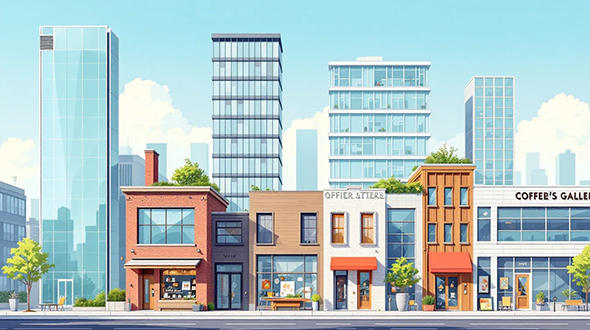
various types of commercial properties, including office and retail spaces

Commercial properties encompass a diverse range of types, each serving different business needs. The main categories include:

  • Office buildings
  • Retail spaces
  • Industrial facilities
  • Multi-use properties

This diversity allows for various business types to find suitable spaces that meet their specific requirements.

Each type of commercial property has its unique characteristics and purposes. Office buildings provide spaces for administrative and professional services, while retail spaces cater to businesses selling goods directly to consumers. Industrial buildings support manufacturing and logistics operations, and multi-use properties combine residential and commercial functions.

Examining the details of these categories reveals their distinct features and benefits.

Office Buildings

Office buildings vary widely in structure, from single-story buildings to high-rise skyscrapers. In urban areas, office buildings can span several million square feet, while suburban office buildings are usually smaller and may be grouped in office parks. These buildings are categorized into three classes: Class A, Class B, and Class C, reflecting their quality and rental rates.
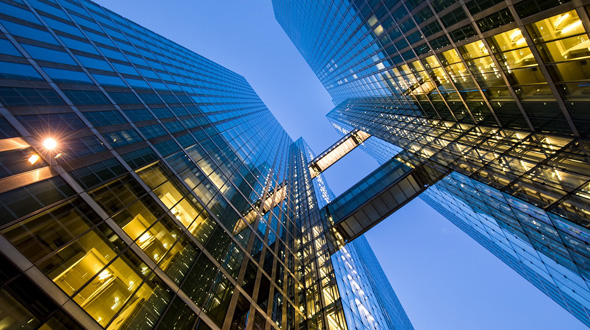
class A office building

Class A buildings are the highest quality, offering top-notch amenities and commanding the highest rents. Class B buildings are a step down in terms of quality and amenities but still provide functional office spaces at more affordable rates. Class C buildings are older and may require significant renovations but can offer cost-effective solutions for smaller businesses.

Office buildings, designed for business use, typically feature individual offices, meeting rooms, common areas, lifts, and parking facilities. Their height and size often depend on the location and the developer’s investment level.

Retail Spaces

Retail spaces are another vital type of commercial property, accommodating businesses that sell goods directly to consumers. They can vary significantly in size and format, from large department stores to small independent shops. Examples include big box stores, strip malls, and retail space shopping centers.
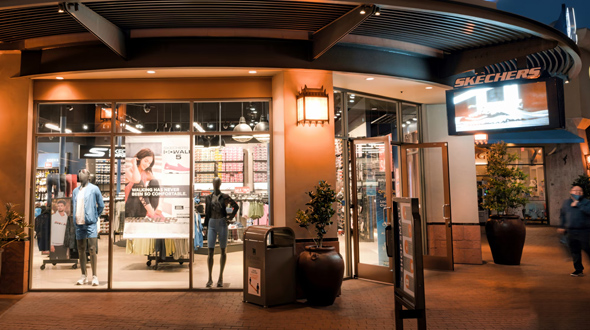
commercial retail spaces

Depending on their layout and purpose, retail spaces can be classified as multi-tenant or single-use. Multi-tenant buildings, like strip malls, house multiple retail businesses, providing a variety of shopping options in one location. Single-use retail spaces, such as big-box centers and pad sites, are typically occupied by a single business. Factors like size, concept, and tenant mix often dictate the type of shopping center.

These spaces are designed for customer efficiency, offering ample parking, easy access, and visible storefronts. Their flexible design caters to various retail businesses, from grocery stores to specialty shops.

Industrial Buildings

Industrial buildings encompass a broad range of structures, each tailored to specific operational needs. This category includes manufacturing plants, workshops, and warehouses. These buildings are crucial for the supply chain and logistics sectors, providing essential facilities for distribution and operations.

Warehouses, for instance, serve as storage facilities for businesses, playing a vital role in logistics and inventory management. They must often meet specific requirements, such as climate control, to protect stored goods.

Other types of industrial facilities include manufacturing and workshop spaces, which are equipped to handle heavy machinery and hazardous materials. Features like loading docks and large open floor spaces facilitate efficient business operations in industrial buildings.
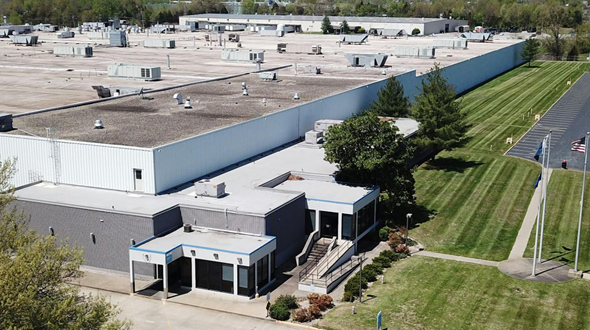
industrial commercial building

These buildings are essential for businesses producing goods, storing inventory, or requiring significant logistical support.

Multi-Use Properties

Multi-use properties combine commercial and residential property functions, offering diverse tenant spaces and investment opportunities. These properties may include a mix of retail spaces, offices, and residential units, providing flexibility and enhancing investment stability.

A multi-use commercial building must include both retail and residential spaces, with over 51% occupancy by commercial tenants. Typical tenants include restaurants, retailers, and healthcare facilities.

The diverse functions of multi-use properties make them attractive to a variety of tenants and investors. They provide the convenience of living and working in the same location, catering to modern lifestyle demands and offering stable investment returns.

Key Features of Commercial Buildings

Commercial buildings are designed to meet specific business requirements, ensuring optimal functionality. Customization allows building owners to tailor spaces to tenant needs, including office layout, specialized equipment, and necessary utilities.

Safety measures, including fire alarms, emergency exits, and security systems, protect assets and information in commercial buildings. Adaptability is also crucial, enabling modifications for accessibility features and flexible office layouts.

Ample parking and on-site amenities like lifts and energy-efficient technologies significantly enhance the attractiveness of commercial buildings.

Understanding Commercial Leases

commercial property lease

Commercial leases are agreements between business owners and building owners for renting commercial spaces. Unlike residential leases, commercial leases are less regulated, requiring thorough due diligence from tenants. They typically have longer terms than residential leases, often spanning several years.

Commercial leases are more complex, covering maintenance responsibilities, usage restrictions, and financial obligations. For instance, triple net leases place maintenance, property taxes, and insurance costs on tenants, reducing the owner’s expenses while offering flexibility and customization to meet both parties’ needs.

Commercial tenants may face additional costs beyond rent, such as common area maintenance charges and property taxes. Understanding these complexities is crucial for tenants to negotiate favorable lease terms and ensure their business operations run smoothly.

Factors to Consider When Choosing a Commercial Property

Selecting the right commercial property involves considering several important factors. The neighborhood and infrastructure critically influence a property’s value and business suitability. Key considerations during site selection include accessibility, zoning regulations, and utilities.

Conducting a thorough inspection of the building before purchase is essential to identify any hidden issues, such as mold or structural damage. Hiring a team of professionals, including real estate agents and attorneys, can facilitate the buying process and ensure all legal and regulatory requirements are met.

Benefits of Investing in Commercial Real Estate

Investing in commercial real estate offers numerous benefits, including higher annual returns than residential properties, typically averaging between the 6% and 12% range. Commercial properties also play a crucial role in job creation, providing employment during both the construction and operational phases.

benefits of investing in commercial real estate

Professional landlord-tenant relationships in commercial real estate lead to more respectful business interactions and better property maintenance. For example, retail tenants often invest in maintaining their stores, which aligns their interests with property owners and helps enhance property value.

Commercial real estate investments boost the local real estate tax base and fund public services, but they often require infrastructure improvements, benefiting the community and enhancing the investment’s value.

Environmental and Regulatory Compliance

Environmental compliance is essential for commercial buildings, including energy efficiency and waste management. Advanced technologies can enhance energy efficiency, reducing operational costs and environmental impact.

Modern commercial buildings integrate aesthetics and sustainability, contributing to overall environmental compliance. Sustainable landscaping practices and effective waste management further improve the environmental impact and attractiveness of these properties.

Commercial Property Summary

Commercial buildings are integral to our economy and communities, providing spaces for business operations and contributing significantly to economic growth. They come in various types, each serving distinct business needs and offering unique investment opportunities.

Understanding the definition, importance, and types of commercial properties, along with the benefits of investing in them, can help stakeholders make informed decisions. By recognizing the key features and environmental compliance requirements, one can appreciate the value and potential of commercial real estate.

Commercial Building Frequently Asked Questions

What defines a commercial building?

A commercial building is characterized as a structure specifically designed for conducting commercial activities, distinguishing it from properties that may generate income without actively engaging in commerce.

What are the main types of commercial properties?

The main types of commercial properties are office buildings, retail spaces, industrial facilities, and multi-use properties. Each type serves distinct business needs and plays a critical role in the economy.

Why are commercial buildings important for the economy?

Commercial buildings are vital for the economy as they create employment opportunities, generate revenue and foster innovation. Their presence stimulates local businesses and enhances economic growth.

What should I consider when choosing a commercial property?

When choosing a commercial property, it is crucial to consider location, accessibility, and zoning regulations and to conduct thorough inspections to ensure the property meets your business needs. These factors will significantly impact your investment’s success and efficiency.

What are the benefits of investing in commercial real estate?

Investing in commercial real estate offers higher returns, fosters professional landlord-tenant relationships, and enhances the local tax base and infrastructure. These advantages make it a compelling investment option.

Atlanta Commercial Roofing Contractors

Atlanta, GA
(404) 220-9288

The post What Is a Commercial Building appeared first on atlantacommercialroofingcontractors.com

Sunday, February 23, 2025

A Guide to Silicone Roof Coating

Silicone roof coating is widely used to extend the life of roofs by creating a durable, waterproof barrier. Ideal for various roof types, it solves common issues like leaks and ponding water. This guide will break down the benefits, drawbacks, and practical applications of silicone roof coatings, helping you make an informed decision.

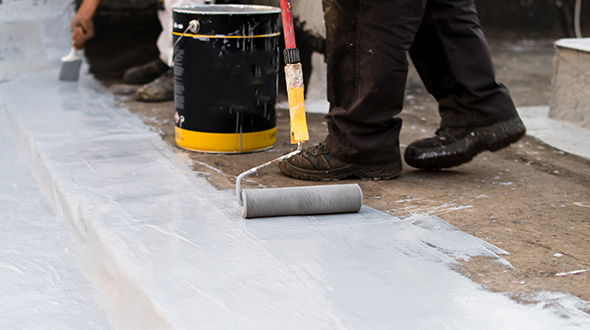
silicone roof coating systems with a focus on application

Key Takeaways

  • Silicone roof coatings create a seamless, waterproof barrier, enhancing roof durability and water resistance, particularly for flat roofing systems.
  • They reflect up to 90% of UV radiation, reducing cooling costs and environmental impact while extending roof lifespans.
  • Proper application and regular maintenance are critical for maximizing the effectiveness and longevity of silicone roof coatings, with attention needed for surface preparation and cleaning.

Understanding Silicone Roof Coating Systems

Silicone roof coating systems restore roofs by creating a seamless, waterproof barrier that extends their lifespan. These coatings are made from silicone resins and offer superior adhesion and flexibility, making them suitable for various roof types.

One of the standout features of silicone coatings is their versatility. They can be applied to a multitude of surfaces, including metal roofs, concrete roof decks, existing roof membranes, and built-up roofs. This adaptability makes them a go-to solution for many roofing professionals and homeowners alike.

Silicone roof coatings restore old roofs and improve their capacity to handle water pooling, which is common with flat roofs. However, silicone coatings can degrade over time, potentially causing adhesion problems with subsequent layers.

Water Resistance and Ponding Water

A key advantage of silicone roof coatings is their exceptional resistance to ponding water, making them ideal for flat roofs – and a leading commercial roof coating. These coatings create a seamless barrier that resists water intrusion, keeping your roof dry and protected even during heavy rains.

Silicone coatings withstand prolonged exposure to standing water, a common challenge for many roofing materials. However, maintaining their effectiveness requires proper design and application, especially in areas prone to frequent standing water.

UV Protection and Energy Efficiency

UV protection and energy efficiency in roofing

Silicone roof coatings excel in UV protection, reflecting up to 90% of UV radiation and significantly reducing heat absorption. This not only prevents UV damage but also enhances building energy efficiency by lowering cooling costs.

Their highly reflective nature lowers energy expenses by reducing HVAC system demand, ultimately extending their lifespan. By shielding roofs from harsh UV rays, silicone coatings help prolong roof life and save money while reducing greenhouse gas emissions.

Flexibility and Durability

Silicone roof coatings are flexible, accommodating thermal movements without cracking or peeling. Their impermeable membrane, combined with this flexibility, helps them withstand extreme weather conditions, wind-driven sand, and oxidation.

Due to superior materials and additives, silicone roof coatings can last 10 to 20 years. Their durability is enhanced by resistance to UV radiation, extreme temperatures, moisture, and chemicals, making them reliable for long-term roof protection and a top roof coating type.

Environmental Benefits

Silicone roof coatings have low volatile organic compounds (VOCs), making them environmentally safer. High-solids silicone coatings like High-Solids Silicone 412 are solvent-free, reducing environmental impact during application. This product is a single-component solution that enhances performance.

These coatings emit fewer VOCs and help maintain cooler buildings, reducing air conditioning needs and further lowering their environmental footprint. This combination of environmental friendliness and energy efficiency makes silicone roof coatings ideal for eco-conscious consumers.

Application Techniques for Silicone Roof Coatings

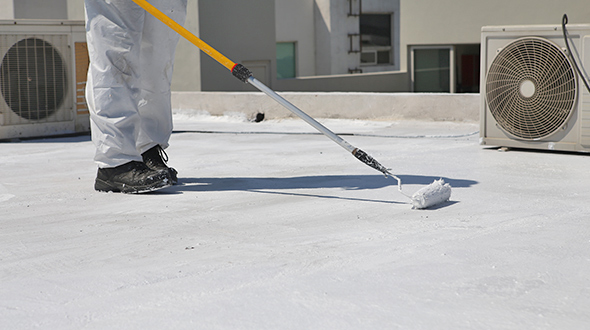
Applying silicone roof coatings involves several critical steps to ensure optimal performance and longevity. First, thoroughly clean the entire roof surface to remove any dirt, debris, or contaminants that could hinder adhesion. This often involves using solvents to clean the area around repairs.

After cleaning, thoroughly mix the silicone coating before application to ensure a consistent and effective layer. Using the right tools, such as rollers or brushes, helps achieve an even application. Applying the coating in multiple thin layers provides better coverage and enhances durability.

application techniques for silicone roof coatings

Proper surface preparation and application techniques are crucial for the longevity and effectiveness of silicone roof coatings. Following these steps helps achieve a seamless, durable, and long-lasting roof coating.

Maintenance Requirements

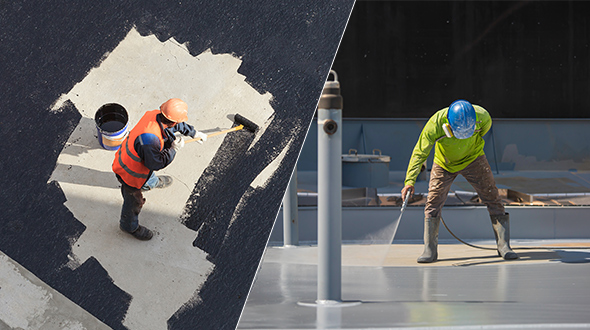
Regular maintenance maximizes the lifespan of silicone roof coatings. These coatings tend to attract dirt and debris, reducing their effectiveness over time. Regular cleaning preserves their reflective properties and prevents increased heat absorption.

Pressure-wash silicone roof coatings every 6-12 months to maintain optimal performance. Routine inspections and promptly addressing any damages also help extend the coating’s life and prevent costly repairs.

Safety Considerations

A safety concern with silicone roof coatings is their slipperiness when wet, posing a significant risk to individuals accessing the roof. This can lead to accidents if proper precautions are not taken.

To mitigate this risk, the Walk-Path System should be used to mark pedestrian areas clearly. This system provides safe walkways and reduces the chances of slips and falls, ensuring the roof remains accessible and safe for maintenance and inspections.

Cost-Effectiveness

Silicone roof coatings offer significant cost-saving benefits compared to traditional roofing methods. The faster application process leads to substantial labor cost savings. Additionally, silicone coatings can save about 65-75% in costs by reducing labor and waste.

The longevity and durability of silicone roof coatings result in lower replacement costs over time. By minimizing maintenance and repair expenses, these coatings offer a cost-effective solution for long-term roof protection.

Challenges with Silicone Roof Coatings

While silicone roof coatings offer numerous benefits, they also come with challenges. Recoating can be difficult due to the unique properties of silicone. Silicone coatings only adhere to silicone, necessitating thorough surface cleaning and sometimes specific primers to ensure proper adhesion.

challenges with silicone roof coatings

Contamination on the roof surface, such as dirt or oils, can hinder the performance of new silicone coatings. Proper surface preparation is crucial for achieving good adhesion when applying new coatings or making repairs.

Silicone Coating Summary

In summary, silicone roof coatings offer a plethora of benefits, including excellent water and UV resistance, flexibility, durability, and environmental friendliness. They provide significant cost savings and are relatively easy to apply with the right techniques.

However, challenges such as the need for regular maintenance and difficulties in recoating must be considered. Overall, silicone roof coatings present a viable and cost-effective solution for extending roof life and enhancing protection, making them a worthy investment for many.

Frequently Asked Questions

Is silicone roofing expensive?

Silicone roofing is generally less expensive than a full roof replacement, costing between $5 and $8 per square foot compared to $10-$15 per square foot for replacement. Thus, it can be a cost-effective option for roof maintenance.

How long will a silicone roof coating last?

A silicone roof coating can last an average of 10-15 years, effectively extending the life of your existing roof while providing superior protection against further damage.

What is one of the long-term benefits of silicone roof coatings for HVAC systems?

One of the long-term benefits of silicone roof coatings for HVAC systems is their ability to lower energy costs and reduce the workload on the systems, which can significantly extend their lifespan.

What is the primary reason to consider roof renovation instead of roof replacement?

The primary reason to consider roof renovation is that it can extend the life of your existing roof while saving you substantial costs compared to a full replacement. Renovation often addresses specific issues without the need for a complete overhaul.

What are the two primary types of roof coatings?

The two primary types of roof coatings are asphaltic coatings and elastomeric coatings. Each serves distinct purposes, with asphaltic coatings offering waterproofing and durability, while elastomeric coatings provide flexibility and UV protection.

Atlanta Commercial Roofing Contractors

Atlanta, GA
(404) 220-9288

The post A Guide to Silicone Roof Coating appeared first on atlantacommercialroofingcontractors.com
Sunday, January 26, 2025

Acrylic vs Silicone Roof Coating

Choosing the right type of roof coating is crucial for roof longevity and performance. Acrylic vs silicone roof coating: which one should you pick? This article breaks down their key differences, pros, and cons, helping you decide the best fit for your roofing needs.

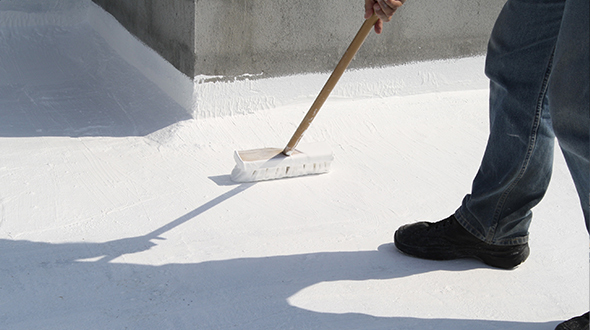
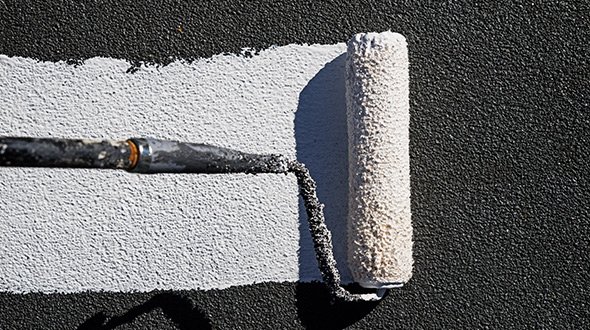
acrylic vs silicone roof coating

Key Takeaways

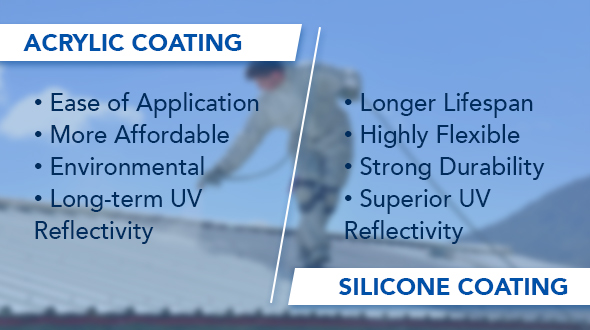
  • Acrylic roof coatings are cost-effective and easy to apply but can degrade over time due to ponding water and extreme temperatures.
  • Silicone roof coatings offer superior moisture resistance and longevity, making them ideal for harsh weather; however, they come with a higher initial cost and require specialized application techniques.
  • The choice between acrylic and silicone roof coatings should consider factors such as climate, budget, and long-term maintenance to ensure optimal performance for specific roofing needs.

Understanding Acrylic Roof Coatings

Acrylic roof coatings are liquid-applied, seamless membranes that adhere fully to the roof surface. Typically latex-based, they cure through air drying, which makes them user-friendly and easy to apply. Acrylic polymers in the coatings provide flexibility and resilience. Their ease of application is a key reason for their popularity in the commercial roofing industry.

Ideal for flat roofs, these coatings can be applied to various substrates, including metal, modified bitumen, built-up roofs, EPDM, TPO, PVC, concrete, and spray polyurethane foam. They enhance the roof’s aesthetic appeal and are known for being low in odor and cost-effective.

Acrylic roof coatings help prevent water damage, making them a practical choice for commercial roofing applications and an effective acrylic coating solution.

Pros and Cons of Acrylic Roof Coatings

pros and cons of roof coatings

Acrylic roof coatings offer several advantages, making them a popular choice for commercial roofing systems. They are cost-efficient and easy to apply, making them an attractive option for both contractors and building owners. Additionally, acrylic coating systems enhance the durability and longevity of the roofing materials.

However, despite their benefits, acrylic roof coatings also have some disadvantages to consider. These coatings are susceptible to damage from ponding water and can experience reduced durability in extreme temperatures.

Knowing the advantages and disadvantages will help you decide if they are the right roof coating system for your needs.

Advantages of Acrylic Roof Coatings

A key advantage of acrylic roof coatings is their affordability. They are generally more budget-friendly than other types while offering similar durability. Their cost-efficiency makes them a favored choice for commercial roof restoration projects, especially when budget constraints are a concern.

Acrylic roof coatings are also highly reflective, providing strong UV resistance, which can lead to lower cooling expenses. Reflecting UV rays helps maintain a cooler building environment, reducing the need for excessive air conditioning during hot months and preserving the roof’s aesthetic appearance.

Another advantage is the user-friendly application process. Due to acrylic roof coatings being water-based, these coatings minimize complications during application and can be applied using standard tools like brushes and rollers. This ease of installation saves time and reduces labor costs, making acrylic roof coatings a practical and economical solution for many commercial roofing projects.

Disadvantages of Acrylic Roof Coatings

Despite their benefits, acrylic roof coatings have drawbacks. One significant disadvantage is their susceptibility to damage from ponding water. In areas where water tends to accumulate, the tensile strength of acrylic coatings may not suffice, leading to degradation over time. This limitation makes them less suitable for flat roofs with frequent standing water.

Acrylic coatings are also prone to reduced durability in extreme temperatures. Freezing temperatures can cause brittleness, while high temperatures can lead to a loss of mil thickness and performance degradation. These vulnerabilities necessitate more frequent maintenance and reapplication compared to other options.

Susceptibility to ponding water and extreme temperatures can significantly affect the long-term performance of acrylic roof coatings. While they are a cost-effective and easy-to-apply solution, their limitations must be carefully considered to ensure they are the right roof coating system for your needs.

Exploring Silicone Roof Coatings

silicone roof coatings with image of a silicone-coated roof

Silicone roof coatings are renowned for their excellent moisture resistance and ability to protect against UV rays, rain, snow, and hail, making them a durable solution for various commercial roofing systems. Silicone and acrylic are the two most widely used types of commercial roof coatings, with silicone standing out for its flexibility and performance under harsh weather conditions.

Silicone roof coatings can adhere to surfaces such as metal, concrete, TPO, PVC, and modified bitumen. However, achieving a strong bond requires proper surface preparation, emphasizing the importance of professional application. Once applied, silicone coatings form a flexible, seamless membrane that expands and contracts with the roofing material, ensuring long-lasting protection.

The application process for silicone coatings is generally faster and safer as it does not require heat-based methods. Since it doesn’t require heat-based methods, safety risks are reduced, and the project’s overall efficiency is enhanced. Additionally, silicone coatings are widely recognized in the roof restoration industry for their ability to protect various roofing materials, making them a preferred choice for many applications.

Pros and Cons of Silicone Roof Coatings

Silicone roof coatings offer several benefits that make them an attractive option for commercial roofing systems. Their excellent moisture resistance and long lifespan, often exceeding 15 years with proper maintenance, are significant advantages. Silicone coatings also perform exceptionally well in areas with ponding water due to their ability to repel water.

However, silicone roof coatings also have drawbacks. One primary downside is their higher initial cost. The application process can be more complex, requiring specialized techniques and equipment, which can add to the overall cost.

Knowing these pros and cons will help you decide if silicone roof coatings are the right choice for your needs.

Benefits of Silicone Roof Coatings

Silicone roof coatings offer significant advantages, starting with their superior moisture resistance. This property makes them ideal for areas with frequent rain or snow, as they effectively prevent water penetration. Their resistance to ponding water silicone coatings ensures the roof remains protected even in the presence of standing water.

Another key benefit of silicone roof coatings is their longevity. These coatings typically last about 10 years, but they can exceed 15 years with proper maintenance. This extended lifespan reduces the need for frequent reapplications, making silicone coatings a cost-effective solution in the long run. Their durability and performance under ponding water conditions make them a reliable choice for various commercial roofing systems.

Drawbacks of Silicone Roof Coatings

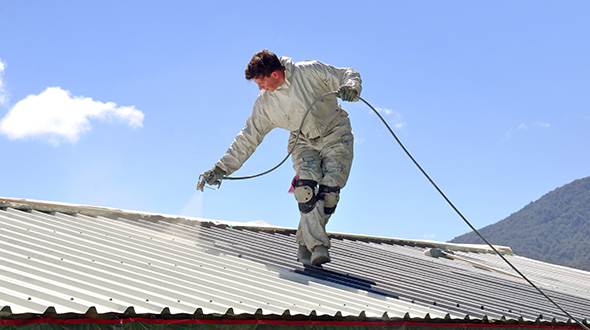
While silicone roof coatings have many benefits, they also come with certain drawbacks. One main disadvantage is their higher cost compared to other types of roof coatings. This higher initial investment can be a deterrent for some building owners, especially those with budget constraints. Additionally, the application of silicone coatings can be complicated due to the need for specialized spray equipment and techniques.

Another drawback is the potential for dirt accumulation on the roof surface. Over time, silicone coatings can attract and hold dirt, which may affect their appearance and reflective properties. Regular cleaning can mitigate this issue but adds to the maintenance requirements. Furthermore, silicone coatings can become slippery when wet, presenting safety concerns that need to be addressed, especially in high-traffic areas.

Silicone coatings may also require a primer when bonding to certain surfaces, which can add to the overall cost and complexity of the project. These factors must be carefully considered when evaluating silicone roof coatings for your needs.

Key Differences Between Acrylic and Silicone Roof Coatings

differences between acrylic and silicone roof coatings

When comparing silicone vs acrylic roof coatings, several key differences emerge. Silicone roof coatings generally have a longer lifespan than acrylic coatings, often lasting up to 20 years with proper application. They are also known for their environmentally friendly properties due to low solvent content and long life cycles. However, the choice between silicone and acrylic coatings depends on factors such as roof type, climate, and budget.

Climate conditions play a crucial role in the performance of roof coatings. Silicone coatings excel in extreme temperatures and areas with frequent ponding water, while acrylic coatings are better suited for sloped roofs and milder climates.

Knowing these key differences will help you make an informed decision when selecting the right roof coating system for your project.

Material Composition and Application

Acrylic roof coatings are composed of acrylic polymers, providing flexibility and ease of application. They can be applied using standard tools like brushes and rollers, making the installation process straightforward and cost-efficient. However, acrylic coatings should not be applied below freezing temperatures and require above 50°F for effective application.

In contrast, silicone roof coatings are highly flexible, allowing them to withstand natural expansion and contraction due to temperature changes. Modern silicone formulations often exceed 90% solids content, enhancing their performance and efficiency during application. However, silicone coatings require specialized application equipment and a more complex cleaning process post-application.

Silicone coatings also tend to accumulate dirt, potentially reducing their reflective capabilities over time. Surfaces coated with silicone can become very slippery when wet, leading to safety concerns that require marked pedestrian pathways. These differences in material composition and application methods are crucial when choosing between acrylic and silicone roof coatings.

Durability and Longevity

Silicone roof coatings are generally more durable and stable compared to acrylic roof coatings. Silicone coatings typically last between 10 to 15 years, whereas acrylic coatings last around 7 to 10 years, with only about 5 years in hot climates. This difference in lifespan is a significant factor to consider when evaluating the long-term cost efficiency of each type.

Acrylic roof coatings may lose thickness over time due to exposure to harsh weather and environmental elements, which can diminish their overall durability. This loss of thickness necessitates more frequent reapplications, adding to the long-term maintenance costs.

In contrast, silicone coatings maintain their integrity and performance over a longer period, making them a more durable solution for commercial roofing systems.

Reflectivity and UV Stability

Both silicone and acrylic coatings initially have similar UV reflectivity rates, but acrylic coatings maintain this better over time. Acrylic coatings generally have better long-term UV reflectivity compared to silicone coatings. When exposed to intense UV radiation, acrylics can chalk, degrade, or become brittle, while silicone coatings perform far superior in UV performance.

These coatings can reflect a significant percentage of harmful UV rays, helping reduce cooling costs in buildings. However, silicone’s ability to maintain reflectivity can be hindered by debris accumulation. This difference in UV stability and reflectivity is an essential consideration when choosing between acrylic and silicone roof coatings.

Environmental Impact

When it comes to environmental impact, acrylic roof coatings have a clear advantage over silicone roof coating due to their water-based formulation. Acrylic coatings have VOC (volatile organic compound) levels that are almost three times lower than those of silicone coatings, making them a more environmentally friendly option. This lower VOC emission positions acrylic roof coatings as a safer choice for the environment.

However, some high-solids silicone coatings have been formulated to have little to no solvents and low VOC emissions, which can improve their environmental performance. Despite this, acrylic coatings tend to be significantly more eco-friendly than traditional silicone options.

When considering the environmental impact, evaluating the specific formulations and their respective VOC levels is essential.

Cost Comparison

Cost is a significant factor when choosing between acrylic and silicone roof coatings. Typically, installing silicone roof coatings costs between $1.50 and $4.50 per square foot when done professionally. In contrast, acrylic roof coatings are generally more affordable, with installation costs ranging from $0.50 to $3.00 per square foot. This affordability makes acrylic coatings an attractive option for budget-conscious projects.

However, it’s important to consider the long-term costs. Acrylic coatings typically require more frequent maintenance and reapplication, which can increase long-term expenses. Silicone coatings, while having a higher initial cost, offer greater durability and longevity, potentially leading to cost savings over time.

Budget considerations should include both upfront costs and long-term maintenance expenses to determine the most cost-efficient solution.

Choosing the Right Roof Coating System

choosing the right roof coating system various roof coatings

Selecting the appropriate commercial roof coating depends on several factors, such as budget, climate, roof condition, and long-term maintenance plans. Acrylic and silicone roof coatings have different properties and advantages that can impact their effectiveness for specific applications. For instance, silicone coatings are ideal for flat roofs and areas prone to ponding water, while acrylic coatings are better suited for sloped roofs and milder climates.

Professional consultation is recommended to determine the best roof coating based on specific environmental factors and roof conditions. Roofing contractors can provide a free onsite roof evaluation to assess the roof surface and recommend the most suitable coating solution. This evaluation can help identify potential issues and ensure that the selected coating system will perform optimally for the specific needs of the commercial roof.

Furthermore, considering the long-term maintenance and durability of each silicone coating type is crucial. While silicone coatings may have a higher upfront cost, their longevity, and reduced maintenance requirements can make them a more cost-effective solution in the long run.

On the other hand, acrylic coatings offer affordability and ease of application, making them a practical choice for many commercial roofing projects. By weighing these factors, you can choose the right roof coating system that meets your specific needs and budget.

Acrylic vs Silicone Summary

In summary, both acrylic and silicone roof coatings offer unique advantages and disadvantages that make them suitable for different commercial roofing applications. Acrylic roof coatings are cost-efficient, easy to apply, and provide excellent UV resistance, making them a popular choice for many building owners. However, they are susceptible to damage from ponding water and extreme temperatures, requiring more frequent maintenance and reapplication.

On the other hand, silicone roof coatings offer superior moisture resistance, longevity, and performance under ponding water conditions, making them a durable solution for many commercial roofing systems. Despite their higher initial cost and more complex application process, their long-term benefits often outweigh these drawbacks. By carefully considering the specific needs of your roofing project, you can choose the most suitable coating solution that ensures optimal performance and cost-efficiency.

Acrylic vs Silicone Frequently Asked Questions

What are the main differences between acrylic and silicone roof coatings?

The main differences between acrylic and silicone roof coatings are their cost efficiency and performance underwater exposure. While acrylic is easier to apply and more affordable, silicone excels in moisture resistance and durability, particularly in ponding water situations.

Which roof coating is better for a flat roof?

Silicone roof coatings are ideal for flat roofs due to their superior performance in ponding water conditions and excellent moisture resistance. This makes them a reliable choice for long-lasting protection.

How long do acrylic and silicone roof coatings last?

Acrylic roof coatings generally endure for 7 to 10 years, while silicone roof coatings can last 10 to 15 years or more with proper maintenance. It’s essential to consider your climate and maintenance practices for optimal performance.

Are acrylic roof coatings environmentally friendly?

Acrylic roof coatings are environmentally friendly thanks to their water-based formulation and low VOC emissions, making them a sustainable choice for roofing solutions.

What factors should I consider when choosing a roof coating system?

When choosing a roof coating system, prioritize budget, climate, roof condition, and long-term maintenance plans. Consulting with a professional can help tailor the best solution for your needs.

Atlanta Commercial Roofing Contractors

Atlanta, GA
(404) 220-9288

The post Acrylic vs Silicone Roof Coating appeared first on atlantacommercialroofingcontractors.com
Wednesday, June 26, 2024

Roofing for Low Slope Roofs

When addressing roofing for low-slope structures, selecting the right materials and installation techniques is not just a choice—it’s a necessity. This article provides the essential knowledge you need on effective low-slope roofing, ensuring your building stays protected and performs well over time. Expect a focused look at the best practices for choosing and maintaining a low-slope roof.

roofing for low slope roofs

Key Takeaways

  • Low slope roofs, with a pitch below 2:12, require specific materials like TPO, PVC, EPDM, modified bitumen, or metal roofing systems for durability and to prevent water damage.
  • Proper installation techniques, such as fully adhered systems, mechanically fastened solutions, and heat-welded seams, are critical to the longevity and functionality of low-slope roofs.
  • When selecting a low-slope roofing system, important considerations include climate compatibility, roof traffic, durability, cost versus life expectancy, and innovations like modular systems and cool roofing technologies.

Understanding Low-Slope Roofing

When it comes to low-slope roofs, understanding the basics is akin to laying a strong foundation for your house. Imagine a roof with a gentle incline—that is the essence of a low-slope roof, characterized by a pitch below 2:12. This architectural choice has significant implications for material selection and installation, as it demands a keen eye and experience to prevent water damage and ensure longevity.

The Basics of Roof Slope

Diving deeper into the concept, roof pitch is the measurement that dictates how steep a roof is. Like a silent guardian, it influences everything from aesthetic appeal to the practicality of water runoff. Defined by its rise over a 12-inch span, roof pitch/slope is a critical factor in choosing the right roofing materials.

Roof pitch ratio (ex. 2:12) is a way to measure the steepness of a roof. Here’s how it works:

  • The first number (2 in this case) tells you how many inches the roof rises (goes up) for every 12 inches it runs (goes across).
  • The second number (12) is always the same and represents the horizontal distance of one linear foot.

So, a 2:12 pitch means that for every 12 inches you go horizontally (across), the roof goes up 2 inches.

Why Roof Pitch Matters

Here’s where it gets real: the pitch of your roof isn’t just about looks; it’s about protecting your property from the elements. A low-slope roof requires materials that can endure prolonged exposure to water, fend off UV rays, and withstand debris accumulation. It’s a delicate balance of functionality and design that ensures a roofing system can weather the storm.

Essential Materials for Low-Slope Roofs

low slope roof mateirlas TPO, PVC, and EPDM roofing membranes

When selecting materials for low-slope roofs, it’s not just about picking the toughest material but choosing the right ally for the battle against the elements. Membrane roofing, modified bitumen, and metal roofing systems lead the charge with their durability and weather resistance, making them the stalwarts of low-slope roofing.

Membrane Marvels: TPO, PVC, and EPDM

In the world of membrane roofing, TPO, PVC roofs, and EPDM stand tall as the trinity of protection, offering longevity and resilience to rooftop traffic. With lifespans stretching up to 40 years and heat-reflective surfaces to boot, these membranes are not just covers but shields against the harshest of climates.

Modified Bitumen: The Modern Twist on Asphalt

Modified bitumen systems offer the following benefits for modified bitumen roofs:

  • Flexibility and waterproofing prowess needed for low-slope roofs
  • Modern-day armor for buildings, combining traditional familiarity with innovative resilience
  • Available in variations like APP (plastic asphalt) and SBS (elastic asphalt) for tailored performance

Metal Roofing Mastery

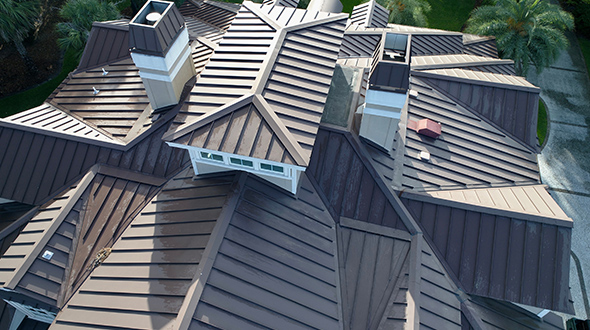
For those seeking the zenith of longevity and aesthetics, standing seam metal roofing is the crown jewel. Flaunting up to 50 years of life, this premium choice for low-slope roofs marries function and form with concealed fasteners and a palette of colors to accentuate any building’s silhouette with a standing seam metal roof.

standing seam metal roofing system

Installation Techniques for Peak Performance

Even the finest roofing materials are only as good as their installation. Techniques such as fully adhered systems, mechanically fastened solutions, and heat-welded seams are the key to ensuring your low-slope roof stands tall against time and nature.

Fully Adhered Systems (Adhesive)

These are single-ply roofs secured using exceptionally strong adhesive. Roofers apply the adhesive uniformly across the entire membrane, anchoring it firmly to the underlying layer. This comprehensive adhesion is the reason these roofs are termed “fully” adhered.

Fully adhered systems offer the following benefits:

  • Seamless look
  • Added noise dampening
  • Minimal maintenance
  • Fortification against wind uplift and water infiltration

With fewer seams and opportunities for leaks, this method not only beautifies the structure but also enhances its functionality.

Mechanically Fastened Solutions (Fasteners)

Mechanically fastened roofs are secured using specialized fasteners. For single-ply mechanically fastened roofs, these fasteners are generally screws, but their material, length, and other specifics are determined by the roof’s substrate. Different substrates like steel, concrete, wood, and lightweight gypsum decks each necessitate unique fastener types. Roofers also use plates with the fasteners to distribute the force applied to the membrane, ensuring a more secure and durable attachment.

In the face of high winds, uplift forces and demanding weather conditions, mechanically fastened solutions stand firm, anchoring the roof with reliability. Precision in sealing penetrations is the name of the game here, ensuring that leaks are kept at bay for a steadfast roofing system.

Heat-Welded Seams for Superior Seal

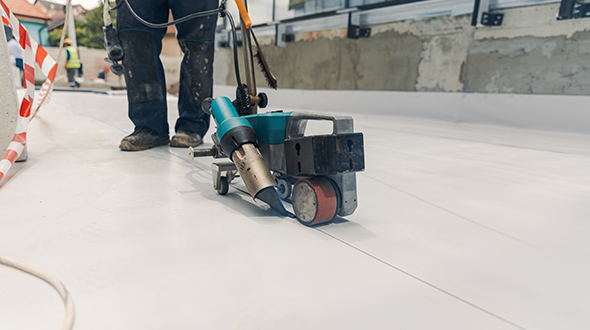
heat-welded single-ply tpo roofing seams

Heat-welded seams are the artisans of roofing, meticulously crafting an impenetrable barrier that locks out moisture and safeguards the roof’s integrity. With specialized equipment, roofers create bonds that are not only robust but also crucial in preventing the roof’s degradation over time.

Critical Considerations for Low-Slope Roofing

Certain elements are non-negotiable in the grand scheme of roofing. Climate, foot traffic, and the delicate dance of cost versus life expectancy are considerations that can make or break the success of a low-slope roofing system.

Climate Compatibility

The climate’s whims can test the mettle of roofing materials, which is why it is imperative to choose ones that can withstand the local weather patterns. From the sun-absorbing prowess of EPDM to the uplift resistance of fully adhered systems, climate compatibility is a cornerstone of roofing choice.

Foot Traffic and Durability

Commercial and industrial low-slope roofs, also known as flat roofs, are battlegrounds for durability. Materials must endure foot traffic and environmental stresses alike. It’s about choosing a roofing system that maintains structural integrity despite constant commercial activity.

Cost vs. Life Expectancy

The alchemy of cost-effectiveness in roofing involves balancing upfront investments with long-term benefits. Life expectancy and warranties play a pivotal role in determining whether a roofing system is a wise economic move or a penny-wise but pound-foolish decision.

Innovations in Low-Slope Roofing Systems

As the roofing industry marches forward, innovations such as prefabricated modular systems, cutting-edge materials, and the bur roofing system redefine what’s possible. These advancements not only streamline installation but also push the boundaries of energy efficiency and structural integrity.

Green Roofing Systems

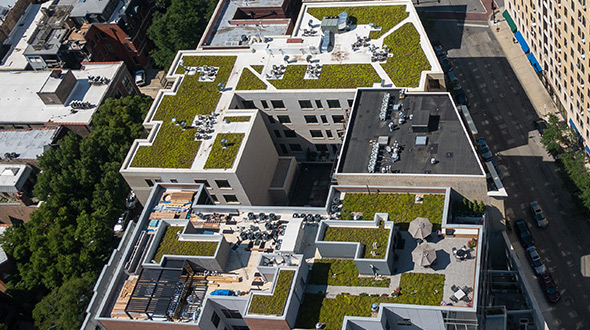
green roofing system

Green roofing systems are a testament to the harmonious blend of nature and architecture. Offering a plethora of benefits like:

  • insulation
  • urban heat reduction
  • stormwater management
  • improved air quality
  • increased biodiversity

These living roofs are not only visually stunning but also environmentally sound, albeit with the caveat of higher maintenance needs.

Cool Roofing Technologies

Cool roofing technologies are the unsung heroes in the fight against urban heat, employing reflective coatings and pigments that turn roofs into shields against the sun’s heat. With materials like PVC and TPO leading the charge, cool roofs are a smart choice for those looking to improve energy efficiency while mitigating their ecological footprint.

Preventing Common Low-Slope Roof Issues

A low-slope roof, also known as a flat roof, has one major enemy: stagnation—of water. Preventing common issues such as leaks and water accumulation is paramount for the roof’s health and the safety of those beneath it.

Ensuring Proper Drainage

A roof’s drainage system is its lifeline, ensuring that water is swiftly escorted away, thus averting the risks of structural overload. Regular maintenance and strategic design choices like additional drainage lines and tapered insulation crickets are essential for a dry and durable roof.

Mitigating Leak Risks

To keep leaks at bay, entrusting the installation to skilled roofers is a must. From flood testing to selecting fully adhered TPO roofing for its watertight seam, every step taken is a step towards securing a leak-free future for low-slope roofs.

The Selection Process: Finding Your Ideal Low-Slope Roof

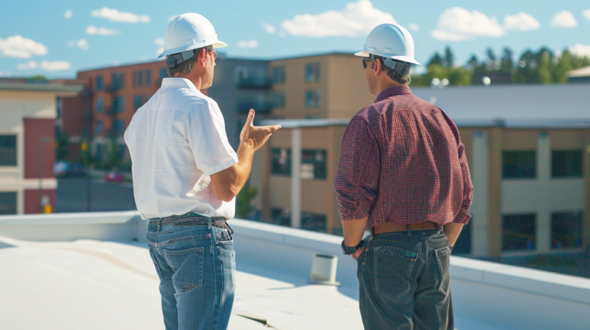
commercial roofer discussing low slope roof replacement

Embarking on the quest for the perfect low-slope roof is not a solo journey. It’s about partnering with the right commercial roofer, considering the building’s aesthetics, and understanding the intricacies of the roofing materials market. It’s a strategic process that balances personal preferences with practicality and expertise.

Assessing Your Roof’s Requirements

The first step in selecting a roofing material is understanding your roof’s unique needs. By measuring its pitch and considering the building’s design, you can narrow down the materials that will provide the durability and flexibility required for your specific situation.

Consulting with Roofing Professionals

Roofing professionals are the sage advisors in the world of roofing, offering thorough evaluations and tailored solutions. Their specialized inspections can reveal issues before they escalate, ensuring that your low-slope roofing project is not only successful but also enduring.

Low Slope Roofing Summary

As we reach the pinnacle of our roofing expedition, it becomes clear that the path to a resilient and efficient low-slope roof is paved with knowledge and precision. From understanding the basics of roof pitch to embracing innovative technologies, every step is crucial in crafting a roofing system that stands the test of time. Let this guide be your compass, leading you to a roofing solution that not only protects but also elevates your property.

Roofing for Low Slope Frequently Asked Questions

What are the best materials for a low-slope roof?

For their durability and weather resistance, membrane roofing options like TPO, PVC, and EPDM, as well as modified bitumen and metal roofing systems, are the best materials for a low-slope roof. Choose one of these materials based on your specific needs.

How does roof pitch affect roofing material selection?

Roof pitch significantly impacts the ability of roofing materials to shed water and resist water penetration, especially for low-slope roofs. The pitch determines the efficiency of water shedding and overall water resistance.

Are there any innovative roofing systems for low-slope roofs?

Indeed, there are various innovative options for low-slope roofing, such as green roofing systems, cool roofing technologies, and prefabricated modular systems, which are constantly evolving to provide more choices.

How can I prevent leaks in my low-slope roof?

To prevent leaks in your low slope roof, it’s essential to hire skilled roofers for proper installation, conduct thorough inspections, and choose materials with superior sealing properties, like fully adhered TPO roofing. This will help maintain the integrity of your roof and minimize the risk of leaks.

How do I start the process of selecting the right low-slope roofing material?

Start by consulting with roofing professionals to assess your roof’s specifications and requirements. Their expert advice will help guide you in selecting the ideal material for your low-slope roof.

Atlanta Commercial Roofing Contractors

Atlanta, GA
(404) 220-9288

The post Roofing for Low Slope Roofs appeared first on atlantacommercialroofingcontractors.com
Can Roof Shingles Be Painted?

Many property owners wonder whether painting their roof is a viable way to refresh its appearance without the expense of a full replacement....