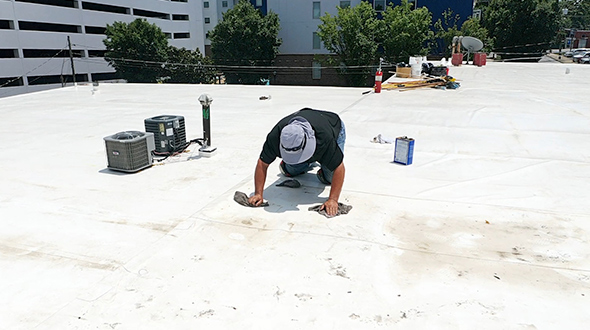
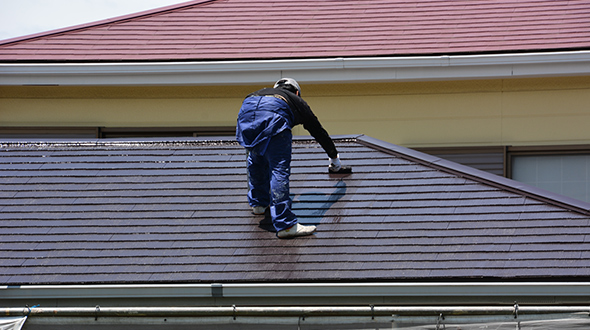
Showing posts with label Flat Roof. Show all posts

Sunday, February 23, 2025

A Guide to Silicone Roof Coating

Silicone roof coating is widely used to extend the life of roofs by creating a durable, waterproof barrier. Ideal for various roof types, it solves common issues like leaks and ponding water. This guide will break down the benefits, drawbacks, and practical applications of silicone roof coatings, helping you make an informed decision.
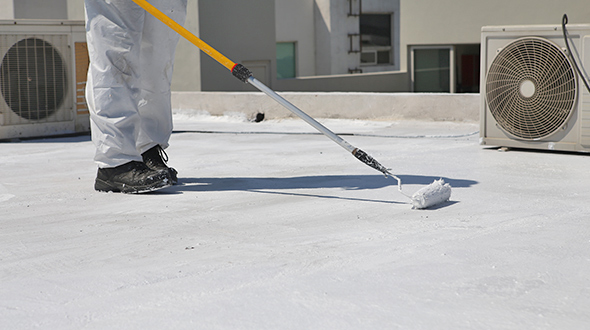
silicone roof coating systems with a focus on application

Key Takeaways

  • Silicone roof coatings create a seamless, waterproof barrier, enhancing roof durability and water resistance, particularly for flat roofing systems.
  • They reflect up to 90% of UV radiation, reducing cooling costs and environmental impact while extending roof lifespans.
  • Proper application and regular maintenance are critical for maximizing the effectiveness and longevity of silicone roof coatings, with attention needed for surface preparation and cleaning.

Understanding Silicone Roof Coating Systems

Silicone roof coating systems restore roofs by creating a seamless, waterproof barrier that extends their lifespan. These coatings are made from silicone resins and offer superior adhesion and flexibility, making them suitable for various roof types.

One of the standout features of silicone coatings is their versatility. They can be applied to a multitude of surfaces, including metal roofs, concrete roof decks, existing roof membranes, and built-up roofs. This adaptability makes them a go-to solution for many roofing professionals and homeowners alike.

Silicone roof coatings restore old roofs and improve their capacity to handle water pooling, which is common with flat roofs. However, silicone coatings can degrade over time, potentially causing adhesion problems with subsequent layers.

Water Resistance and Ponding Water

A key advantage of silicone roof coatings is their exceptional resistance to ponding water, making them ideal for flat roofs – and a leading commercial roof coating. These coatings create a seamless barrier that resists water intrusion, keeping your roof dry and protected even during heavy rains.

Silicone coatings withstand prolonged exposure to standing water, a common challenge for many roofing materials. However, maintaining their effectiveness requires proper design and application, especially in areas prone to frequent standing water.

UV Protection and Energy Efficiency
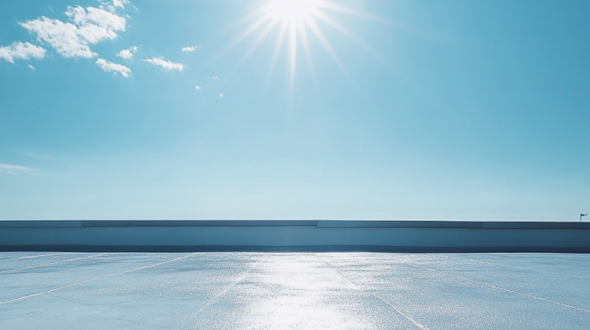
UV protection and energy efficiency in roofing

Silicone roof coatings excel in UV protection, reflecting up to 90% of UV radiation and significantly reducing heat absorption. This not only prevents UV damage but also enhances building energy efficiency by lowering cooling costs.

Their highly reflective nature lowers energy expenses by reducing HVAC system demand, ultimately extending their lifespan. By shielding roofs from harsh UV rays, silicone coatings help prolong roof life and save money while reducing greenhouse gas emissions.

Flexibility and Durability

Silicone roof coatings are flexible, accommodating thermal movements without cracking or peeling. Their impermeable membrane, combined with this flexibility, helps them withstand extreme weather conditions, wind-driven sand, and oxidation.

Due to superior materials and additives, silicone roof coatings can last 10 to 20 years. Their durability is enhanced by resistance to UV radiation, extreme temperatures, moisture, and chemicals, making them reliable for long-term roof protection and a top roof coating type.

Environmental Benefits

Silicone roof coatings have low volatile organic compounds (VOCs), making them environmentally safer. High-solids silicone coatings like High-Solids Silicone 412 are solvent-free, reducing environmental impact during application. This product is a single-component solution that enhances performance.

These coatings emit fewer VOCs and help maintain cooler buildings, reducing air conditioning needs and further lowering their environmental footprint. This combination of environmental friendliness and energy efficiency makes silicone roof coatings ideal for eco-conscious consumers.

Application Techniques for Silicone Roof Coatings

Applying silicone roof coatings involves several critical steps to ensure optimal performance and longevity. First, thoroughly clean the entire roof surface to remove any dirt, debris, or contaminants that could hinder adhesion. This often involves using solvents to clean the area around repairs.

After cleaning, thoroughly mix the silicone coating before application to ensure a consistent and effective layer. Using the right tools, such as rollers or brushes, helps achieve an even application. Applying the coating in multiple thin layers provides better coverage and enhances durability.
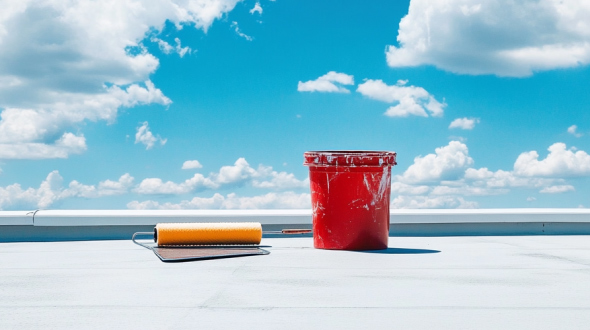
application techniques for silicone roof coatings

Proper surface preparation and application techniques are crucial for the longevity and effectiveness of silicone roof coatings. Following these steps helps achieve a seamless, durable, and long-lasting roof coating.

Maintenance Requirements

Regular maintenance maximizes the lifespan of silicone roof coatings. These coatings tend to attract dirt and debris, reducing their effectiveness over time. Regular cleaning preserves their reflective properties and prevents increased heat absorption.

Pressure-wash silicone roof coatings every 6-12 months to maintain optimal performance. Routine inspections and promptly addressing any damages also help extend the coating’s life and prevent costly repairs.

Safety Considerations

A safety concern with silicone roof coatings is their slipperiness when wet, posing a significant risk to individuals accessing the roof. This can lead to accidents if proper precautions are not taken.

To mitigate this risk, the Walk-Path System should be used to mark pedestrian areas clearly. This system provides safe walkways and reduces the chances of slips and falls, ensuring the roof remains accessible and safe for maintenance and inspections.

Cost-Effectiveness

Silicone roof coatings offer significant cost-saving benefits compared to traditional roofing methods. The faster application process leads to substantial labor cost savings. Additionally, silicone coatings can save about 65-75% in costs by reducing labor and waste.

The longevity and durability of silicone roof coatings result in lower replacement costs over time. By minimizing maintenance and repair expenses, these coatings offer a cost-effective solution for long-term roof protection.

Challenges with Silicone Roof Coatings

While silicone roof coatings offer numerous benefits, they also come with challenges. Recoating can be difficult due to the unique properties of silicone. Silicone coatings only adhere to silicone, necessitating thorough surface cleaning and sometimes specific primers to ensure proper adhesion.
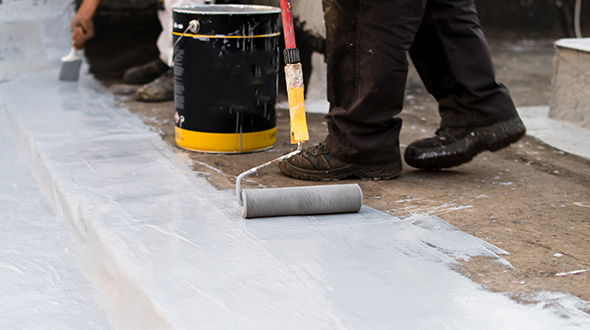
challenges with silicone roof coatings

Contamination on the roof surface, such as dirt or oils, can hinder the performance of new silicone coatings. Proper surface preparation is crucial for achieving good adhesion when applying new coatings or making repairs.

Silicone Coating Summary

In summary, silicone roof coatings offer a plethora of benefits, including excellent water and UV resistance, flexibility, durability, and environmental friendliness. They provide significant cost savings and are relatively easy to apply with the right techniques.

However, challenges such as the need for regular maintenance and difficulties in recoating must be considered. Overall, silicone roof coatings present a viable and cost-effective solution for extending roof life and enhancing protection, making them a worthy investment for many.

Frequently Asked Questions

Is silicone roofing expensive?

Silicone roofing is generally less expensive than a full roof replacement, costing between $5 and $8 per square foot compared to $10-$15 per square foot for replacement. Thus, it can be a cost-effective option for roof maintenance.

How long will a silicone roof coating last?

A silicone roof coating can last an average of 10-15 years, effectively extending the life of your existing roof while providing superior protection against further damage.

What is one of the long-term benefits of silicone roof coatings for HVAC systems?

One of the long-term benefits of silicone roof coatings for HVAC systems is their ability to lower energy costs and reduce the workload on the systems, which can significantly extend their lifespan.

What is the primary reason to consider roof renovation instead of roof replacement?

The primary reason to consider roof renovation is that it can extend the life of your existing roof while saving you substantial costs compared to a full replacement. Renovation often addresses specific issues without the need for a complete overhaul.

What are the two primary types of roof coatings?

The two primary types of roof coatings are asphaltic coatings and elastomeric coatings. Each serves distinct purposes, with asphaltic coatings offering waterproofing and durability, while elastomeric coatings provide flexibility and UV protection.

Atlanta Commercial Roofing Contractors

Atlanta, GA
(404) 220-9288

The post A Guide to Silicone Roof Coating appeared first on atlantacommercialroofingcontractors.com

Friday, March 29, 2024

Flat Roof Problems

Dealing with flat roof issues can be frustrating and costly. From leaks and ponding water to sun damage, these problems not only inconvenience you but are costly and pose threats to your property. This article provides practical solutions to address these issues effectively. You can expect clear advice on identifying and resolving common flat roof problems while ensuring the longevity of your roofing system.

flat roof problems - visible cracks and signs of damage

Key Takeaways

  • Flat roofs are susceptible to a range of issues, such as leaks, ponding water, blistering, and UV damage, which require regular inspection and maintenance to prevent and address.
  • Repair solutions include using quality materials, ensuring adequate drainage, addressing defects such as blisters, and protecting against UV damage with protective coatings.
  • Regular flat roof maintenance is vital for longevity, including semi-annual inspections, debris removal, and preventive measures such as using durable materials and appropriate sealants.

Flat Roof Issues: Identifying the Problem

Flat roofs are not immune to the adversities of weather and time and often grapple with various issues. Knowledge and a proactive approach are key in navigating these challenges and ensuring the longevity of your roof. Some common problems that can arise include:

  • Damage from a harsh climate
  • Rapid temperature fluctuations
  • Pest-related damages
  • Debris accumulation
  • Undue stress on the roofing system

Addressing these issues promptly is important to prevent further damage and maintain the integrity of your flat roof.

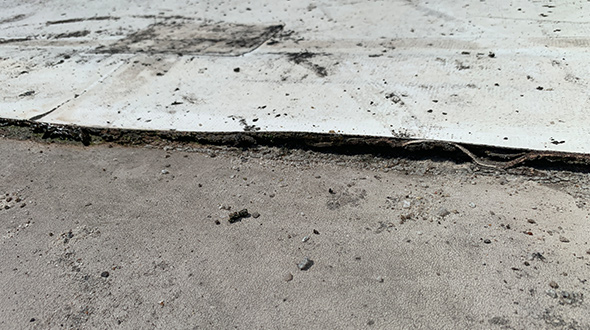
crack in seams of flat roof

But how can you identify these issues before they escalate in commercial buildings? Regular inspections are your first line of defense. Look for signs of mold, wet spots, and leaks inside your building. On the exterior, check for accumulated debris, visible damage, and signs of ponding water. Ignoring minor issues can lead to premature roof failure, a major consequence of neglect.

Let’s delve deeper into some common flat roof problems that most commercial flat roofs and homes with flat roofing systems may encounter.

Leaky Flat Roofs

Leaks are a common bane for flat roofs. Unlike sloped roofs, their design can reduce water-shedding effectiveness over time if not properly maintained. Multiple factors contribute to this issue, including:

  • Cracks in the roofing material
  • Holes from fallen branches
  • Improper installation
  • Damaged roof components such as vents, HVAC units, and skylights

Another primary cause of leaks in flat roofs is:

  • Open or damaged flashing, which requires sealing and biannual checks to prevent water ingress
  • Wear around skylights
  • Punctures in the roof membrane from debris like nails

As with many roofing issues, early detection is crucial in managing leaky flat roofs.

Ponding Water Dilemma

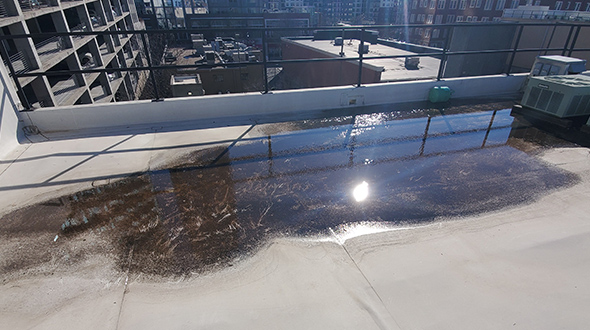
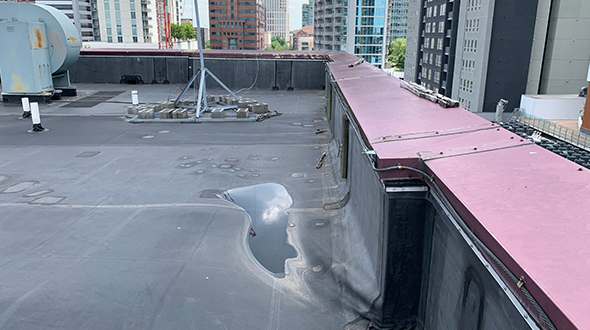
ponding water on a flat roof causing material deterioration

Ponding water is a frequent issue on flat roofs, primarily due to insufficient slope that does not facilitate proper water drainage or blockages that prevent water from draining within an acceptable timeframe. If left unaddressed, stagnant water can lead to material deterioration, growth of algae or vegetation, and ultimately, roof leaks and potential structural damage.

This issue is not just a symptom of a minor problem but can also indicate underlying complications, such as the building settling affecting the roof slope or compressed substrate boards. Therefore, it’s essential to regularly monitor and inspect your flat roof for signs of ponding water to ensure robust leak prevention.

The Blistering Problem

Blistering on flat roofs refers to the formation of bubbles or raised areas where the roof membrane has separated from the layer below. This usually occurs due to a decrease in the roof’s adhesive properties and thermal movement, allowing moisture to become trapped and form bubbles.

If left unattended, trapped moisture can cause blisters to grow and pop, leading to further damage, such as membrane cracks. It’s crucial to address these blisters promptly. If neglected, EPDM membrane blisters may tear and create more significant issues, marking improper installation and potential underlying damage.

UV Damage Consequences

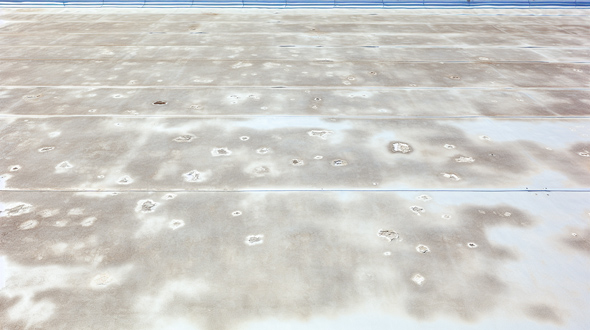
flat roof showing signs of UV damage and discoloration

UV damage is another significant concern for flat roofs. It manifests as:

  • Fading
  • Discoloration
  • Cracking
  • Brittleness of the roofing material

In warmer regions, flat roofing materials can deteriorate even faster due to intensified UV damage on flat roof surfaces, making solar panels a viable consideration for energy efficiency.

A common consequence of prolonged sun exposure is a condition called ‘alligatoring,’ where the flat roof begins to crack and bubble, resembling an alligator’s skin. To avoid such damage, it’s crucial to use UV-protective coatings or membranes and maintain these protective qualities through regular cleaning and maintenance.

Repairing Your Flat Roof: Solutions and Tips

The good news is that these flat roof problems can be repaired, and their recurrence can be minimized with proper maintenance. It’s generally best to consult professional roofing contractors for flat roof problems, as DIY fixes can sometimes lead to further damage and more costly repairs in the future.

When it comes to repair strategies, here are some key steps to follow:

  1. Use high-quality materials from reputable manufacturers.
  2. Ensure proper roof insulation to mitigate thermal shocks.
  3. Conduct regular inspections to catch problems early.

By following these steps, you can effectively address the issues we’ve identified.

Mending Leaks

When dealing with a leaking flat roof, the first step is to identify the source. For small leaks around flashing, vents, and seams, roofing cement can be used to seal these areas effectively. However, larger leaks may require a more durable repair, which can be achieved by applying a flat roof membrane in conjunction with roofing adhesive.

Remember, when encountering unusual findings during roof inspections, it’s best to consult with roofing professionals immediately. Promptly addressing leaks can save you from costly repairs down the line.

Improving Drainage

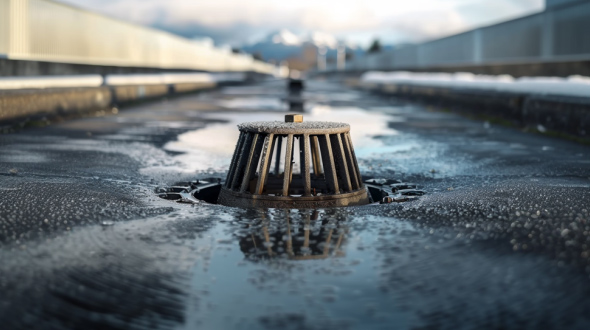
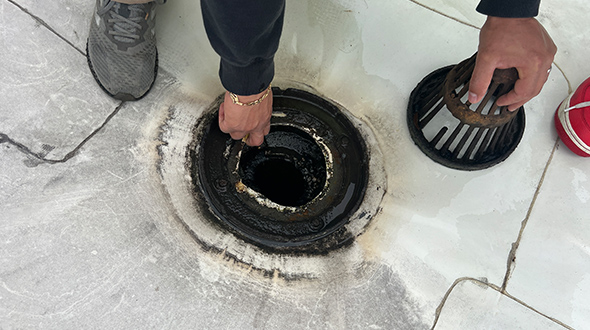
flat roof systems with good water drainage

The key to reducing the issue of ponding water on flat roofs is to improve drainage. This can help prevent water from accumulating and causing potential damage. Some effective solutions include:

  • Regular cleaning of the drainage system
  • Upgrading the drainage system
  • Installing scuppers
  • Replacing old gutters and pipes with new, more efficient ones

By implementing these measures, you can effectively address the issue of ponding water on your flat roof.

Adding extra drains or constructing tapered sections on a flat roof can significantly improve water flow and mitigate ponding issues. Flat roofs can also be retrofitted with tapered insulation systems to direct water toward drains and alleviate water accumulation.

Tackling Blisters and Cracks

Addressing blisters and cracks on flat roofs requires a professional touch. The professionals will ensure proper ventilation and the use of high-quality materials. The process involves:

  1. Cutting out the damaged areas
  2. Clearing any trapped water or debris
  3. Cleaning the area thoroughly
  4. Allowing it to dry fully

After drying the area where the blisters were removed, carefully slice the top to release any remaining moisture, apply roofing cement, and secure the surface. For deeper cracks, a combination of roofing mesh and cement is applied to ensure a durable repair.

Combating UV Damage

Combating UV damage on flat roofs involves applying UV-protective coatings or membranes to shield the roof from sun damage. Reflective roof coatings can deflect sunlight away from the building, reducing heat absorption and the subsequent impact of UV rays.

Cool roof coatings help reflect more sunlight and absorb less heat, which curtails the effects of UV rays on the roofing materials. The roof’s UV protection can be prolonged through the regular re-application of a roof coating every few years.

Routine cleaning of flat roofs contributes significantly to their maintenance by keeping surface temperatures low, thereby enhancing energy efficiency and roof life.

The Importance of Flat Roof Maintenance

Regular inspection and maintenance are crucial in preventing issues and extending the roof’s lifespan. Being proactive and regularly maintaining your flat roof is key to protecting your investment and ensuring the safety and security of your property. Most flat roof maintenance programs include thorough inspections every six months and after significant storm events.

commercial roofer performing maintenance on flat tpo roof

Keeping a clean roof makes it easier for maintenance teams to identify and address minor repairs before they become major problems. Let’s delve deeper into the importance of cleaning and inspecting your roof and the preventive measures you can take to maintain it.

Cleaning and Inspecting

Ideally, flat roofs should be inspected twice a year, once before and once after the rainy season, to detect early signs of wear, such as cracks, blisters, and punctures. Keeping the roof clean is essential for maintenance and can include debris removal through methods such as picking up, leaf-blowing, or pressure-washing. Clogged drains must be cleared to avoid poor drainage.

Professional roofing contractors should conduct annual inspections to check membrane integrity and provide targeted solutions for repair, including the application of sealants and the removal of vegetation to maintain commercial roof integrity or recommend a roof replacement if necessary.

Preventive Measures

Preventive measures are crucial in maintaining the longevity of your flat roof. Here are some tips to help you prevent damage:

  • Use durable materials like EPDM for UV protection
  • Apply proper sealants to prevent leaks and water damage
  • Apply materials dry to prevent blisters
  • Allow sealing substances to dry thoroughly after exposure to moisture

By following these tips, you can ensure the long-term durability of your flat roof.

Applying materials with reflective properties, such as certain types of sealants, helps to reduce heat absorption and can also lower energy costs. Also, pest-related damage can be prevented by sealing off roof access points, using bird deterrents or nets, and consulting a pest control expert if necessary.

Choosing the Right Flat Roof Repair Service

When it comes to choosing the right repair service for your flat roof, it’s important to verify that the contractor is fully licensed and insured. Verifying their qualifications provides legal protection and assures their professionalism. Experienced and qualified flat roof contractors contribute to the roof’s longevity and a thorough approach to maintenance and repair.

TPO flat roof repair service in Atlanta GA

Conduct research on the roofing company and obtain referrals and reviews to assess the contractor’s reliability and the satisfaction of past customers. Be wary of contractors presenting significantly lower quotes, as these may reflect compromises in material quality or workmanship.

Ensuring the details of the work are documented, and the warranty specifics are well understood helps to protect against future issues with the quality of the repair.

Flat Roof Problems Summary

In conclusion, maintaining a flat roof requires knowledge, proactive inspections, and timely repairs. From leaks to ponding water, blistering, and UV damage, various issues can affect the longevity of your roof. Regular cleaning, inspections, and preventive measures are key to ensuring the safety and durability of your roof. Choosing a professional, experienced, and reliable flat roof repair service is crucial in this process. Remember, a well-maintained flat roof is an investment that protects your property and ensures its longevity.

Flat Roof Frequently Asked Questions

These are the most common questions asked of our flat roof repair team in Atlanta:

What is the average life of a flat roof?

The average life of a flat roof is about 20 years, but proper maintenance and quality materials can extend its lifespan significantly.

What is a concern when using a flat roof?

A concern when using a flat roof is the lack of drainage, which can lead to clogging and water accumulation if not checked regularly. Be sure to inspect the roof frequently to prevent drainage issues.

What are the disadvantages of a flat roof?

Flat roofs have disadvantages such as reduced stability, poor drainage, and less insulation, which can lead to issues with maintenance, repairs, and energy efficiency. Consider these factors when deciding on a roofing type.

How can I fix leaks on my flat roof?

To fix leaks on your flat roof, you can use roofing cement for small leaks and a fiberglass membrane with roofing cement for larger ones. For complex leaks, it’s advisable to seek help from a professional roofing contractor.

How often should I inspect my flat roof?

You should inspect your flat roof twice a year, before and after the rainy season, to detect early signs of wear, such as cracks and blisters. Regular inspections are crucial for maintaining the roof’s integrity.

Atlanta Commercial Roofing Contractors
Atlanta, GA
(404) 220-9288

The post Flat Roof Problems appeared first on atlantacommercialroofingcontractors.com
Can Roof Shingles Be Painted?

Many property owners wonder whether painting their roof is a viable way to refresh its appearance without the expense of a full replacement....