Showing posts with label Silicone Roof Coating. Show all posts

Wednesday, September 24, 2025

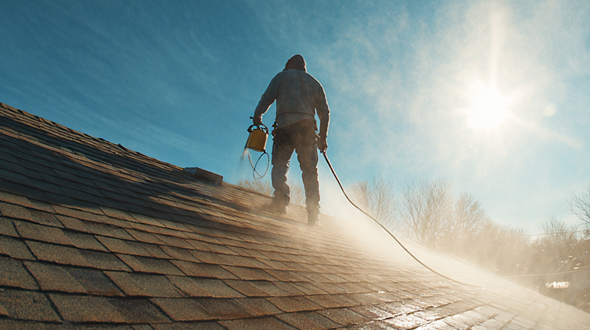
What Is the Best Roof Coating for Shingles?

Wondering what the best roof coating for shingles is? The best choice depends on your roof’s needs and your local climate. We’ll guide you through the top coatings like acrylic, silicone, polyurethane, and elastomeric, and explain their benefits to help you make the right choice.
what is the best roof coating for shingles

Key Takeaways

  • Roof coatings enhance shingle lifespan by acting as protective barriers against weather elements and can improve energy efficiency.
  • Different types of roof coatings, including acrylic, silicone, polyurethane, and elastomeric, offer unique benefits based on climate and performance needs.
  • Selecting the right roof coating involves considering factors such as material compatibility, climate suitability, durability, energy efficiency, and cost.

Why Roof Coatings Matter for Shingles

Roof coatings play a crucial role in maintaining and protecting roofs by:

  • Shielding against wind, rain, and snow, extending the roof’s lifespan, and postponing expensive replacements.
  • Acting as a waterproof barrier, it prevents water damage.
  • Inhibiting mold, mildew, and moss growth on shingles.
  • Rejuvenating older shingles by sealing leaks and enhancing overall performance, thereby avoiding premature roof replacement.

One of the most compelling benefits of roof coatings is their energy efficiency. An energy-efficient roof coating reflects sunlight and reduces heat absorption, which leads to overall lower cooling costs. Additionally, they can enhance the curb appeal of shingles by being tinted or pigmented to match your aesthetic preferences.

Investing in the right roof coating can significantly enhance the durability, performance, and appearance of your asphalt shingle roof.

Types of Roof Coatings for Shingles
types of roof coatings for shingles

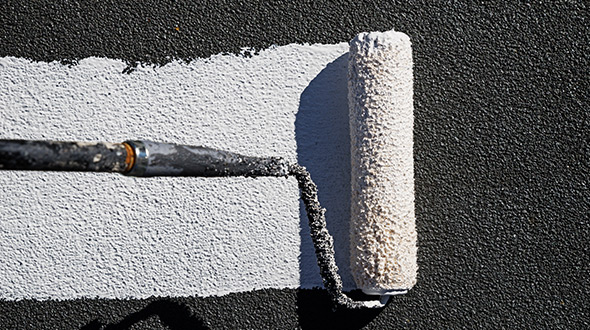
Shingle roof coatings vary to meet different needs, climates, and conditions. The most common coating types — acrylic, silicone, polyurethane, elastomeric — each offer unique benefits.

Knowing these options helps in choosing the coating that offers optimal protection and performance for your asphalt shingle roof.

Acrylic Roof Coatings

Acrylic roof coatings, known for their durability and lifespan of over 10 years, offer excellent UV protection, making them ideal for sunny and hot climates.

Acrylic coatings are also suitable for sloped roofs in moderate to harsh weather conditions, helping to keep shingles in good shape.

Silicone Roof Coatings

Silicone roof coatings excel in rainy or humid climates, offering superior resistance to weathering and extreme temperatures, even on wet roofs. They also resist UV rays, helping to keep surfaces cooler and reducing heat absorption. Silicone coatings provide an additional layer of protection for your roof.

However, they can become slippery when wet and might not adhere as well as other material options.

Polyurethane Roof Coatings

Polyurethane coatings, known for their strong impact resistance and protective properties, are suitable for high-traffic areas like commercial or industrial buildings. They come in two types: aromatic, which is thinner and offers less UV protection, and aliphatic, which is thicker and more effective.

However, they are generally less UV-resistant than other coatings.

Elastomeric Roof Coatings

Elastomeric roof coatings form a durable, waterproof, and reflective membrane once cured. Their benefits include:

  • High flexibility that prevents damage from cracking and peeling
  • Excellent weather resistance
  • UV protection
  • Leak prevention

These features make them specifically designed for various roof types and climates.

Key Considerations for Choosing the Right Roof Coating
shingle roof experiencing a rain storm

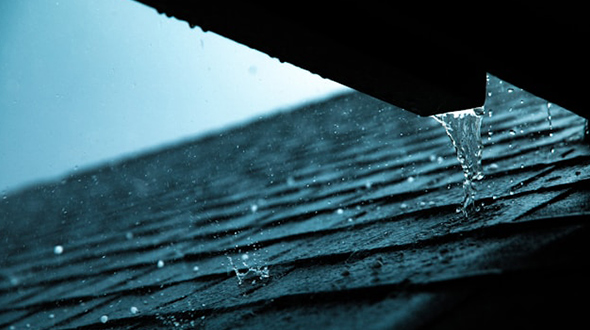
Choosing the right roof coating protects existing shingles from weather damage, enhances energy efficiency, and prolongs the roof’s shingle life with durable coats.

Consider factors such as lifespan, protection effectiveness, maintenance frequency, durability, and energy savings when choosing a roof coating.

Roof Material Compatibility

Compatibility is key because not all roof coatings suit every type of shingle. Incompatible coatings can lead to poor adhesion, uneven coverage, and a reduced lifespan of the roofing system.

Asphalt roof coatings are specifically formulated for asphalt roofs and can also be used on roofs needing additional strength.

Climate Suitability

Selecting the right roof coating ensures durability and protection in your specific local climate. Acrylic roof coatings suit drier climates, while polyurethane coatings offer excellent protection against water, moisture, and extreme weather conditions.

Elastomeric roof coatings are effective in areas with extreme climates, especially in locations with significant temperature changes.

Longevity and Durability

Acrylic roof coatings offer durability and excellent UV protection, extending the life of your roof and shingles. Silicone roof coatings last around 10 years and resist weathering and extreme temperatures.

Polyurethane roof coatings provide robust protection against abrasion and are known for their exceptional durability.

Energy Efficiency

Roof coatings can enhance solar reflectivity, contributing to energy savings. High Solar Reflectance Index (SRI) reflective coatings minimize heat absorption and the heat absorbed, significantly lowering energy costs by keeping buildings cooler.

Energy-efficient roof coatings reduce energy usage, lower indoor temperatures, and decrease the strain on HVAC systems.

Cost and Application

The total cost of roof coatings encompasses both the initial application and long-term maintenance expenses. Hiring a professional can add to the overall cost, but it may be necessary for large or steep roofs to ensure safety and even coverage.

GacoElastomeric is water-based, making it ideal for DIY enthusiasts thanks to its easy application, simple cleanup, and environmental friendliness..

Proper Application and Maintenance of Roof Coatings

Proper application and maintenance of roof coatings acts to ensure their effectiveness. These coatings expand and contract with roof movements, preventing damage during temperature fluctuations.

Regular maintenance, including reapplication and addressing damage, is necessary to assess the condition of the roof coatings and avoid costly repairs.

Surface Preparation

Before applying any roof coating, thoroughly clean the roof surfaces by removing dirt, leaves, debris, and loose material. Inspect for cracks, holes, seams, flashing, and areas around vents that need repair to ensure the right coating is applied effectively.

Ensure the roof is completely dry before applying the first coat of coating; this step is crucial for the coating’s effectiveness.

Coating Application

Using proper application techniques, such as rollers or sprayers, is essential for achieving uniform coverage when applied correctly. Follow the manufacturer’s guidelines regarding application thickness.

Start from one end and work systematically for even coverage.

Curing and Maintenance

During curing, avoid any foot traffic to allow the coating to set properly. This coating resists mildew and algae, ensuring a cleaner roof surface over time.

Regular maintenance is necessary to assess the condition of the roof coatings and decide on reapplication frequency.

Shingle Roof Coating Summary
roof coating for shingles

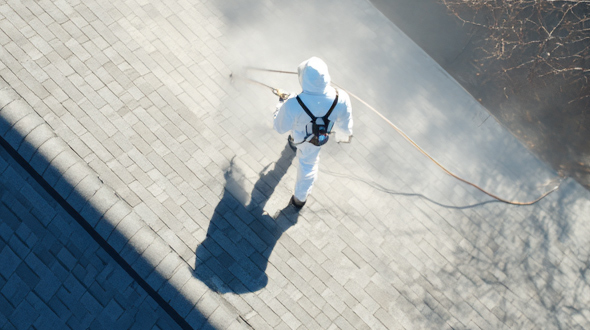
In conclusion, roof coatings are essential for protecting and extending the life of your asphalt shingle roof. They provide reliable protection against weather elements, enhance energy efficiency, and improve the overall appearance of your shingles. By understanding the different types of roof coatings and considering factors such as material compatibility, climate suitability, longevity, energy efficiency, and cost, you can make an informed decision that will benefit your roof for years to come.

Investing in the right roof coating and ensuring proper application and maintenance can save you money on repairs and replacements, while also providing peace of mind. Whether you choose acrylic, silicone, polyurethane, or elastomeric coatings, each option offers unique benefits that cater to different needs and conditions. Remember, a well-coated roof is a happy roof!

Roof Coating Frequently Asked Questions

What is an elastomeric roof coating?

An elastomeric roof coating is a flexible liquid that cures to create a durable, waterproof, and reflective membrane on flat roofs. This protection enhances the longevity and performance of your roofing system.

How long does the GacoElastomeric coating take to dry?

The GacoElastomeric coating dries quickly, typically within two hours. Therefore, you can expect a swift turnaround when applying this product.

What is the elongation capacity of AMES Maximum-Stretch roof coating?

The AMES Maximum-Stretch roof coating offers an impressive elongation capacity of 650%, ensuring outstanding resistance to cracking and peeling.

What is the warranty period for the Tremco TremPro Siliconized Elastomeric Coating?

A 20-year warranty backs the Tremco TremPro Siliconized Elastomeric Coating. This extensive coverage ensures long-term protection and peace of mind for your investment.

What technology does Gardner STA-KOOL Ultra Elastomeric Coating utilize?

Gardner STA-KOOL Ultra Elastomeric Coating utilizes Turbo-Dry and Cool-Core technologies to repel heat gain effectively, ensuring cooler interior environments. This innovative approach enhances energy efficiency and comfort.

Atlanta Commercial Roofing Contractors

Atlanta, GA
(404) 220-9288

The post What Is the Best Roof Coating for Shingles? appeared first on atlantacommercialroofingcontractors.com

Sunday, February 23, 2025

A Guide to Silicone Roof Coating

Silicone roof coating is widely used to extend the life of roofs by creating a durable, waterproof barrier. Ideal for various roof types, it solves common issues like leaks and ponding water. This guide will break down the benefits, drawbacks, and practical applications of silicone roof coatings, helping you make an informed decision.

silicone roof coating systems with a focus on application

Key Takeaways

  • Silicone roof coatings create a seamless, waterproof barrier, enhancing roof durability and water resistance, particularly for flat roofing systems.
  • They reflect up to 90% of UV radiation, reducing cooling costs and environmental impact while extending roof lifespans.
  • Proper application and regular maintenance are critical for maximizing the effectiveness and longevity of silicone roof coatings, with attention needed for surface preparation and cleaning.

Understanding Silicone Roof Coating Systems

Silicone roof coating systems restore roofs by creating a seamless, waterproof barrier that extends their lifespan. These coatings are made from silicone resins and offer superior adhesion and flexibility, making them suitable for various roof types.

One of the standout features of silicone coatings is their versatility. They can be applied to a multitude of surfaces, including metal roofs, concrete roof decks, existing roof membranes, and built-up roofs. This adaptability makes them a go-to solution for many roofing professionals and homeowners alike.

Silicone roof coatings restore old roofs and improve their capacity to handle water pooling, which is common with flat roofs. However, silicone coatings can degrade over time, potentially causing adhesion problems with subsequent layers.

Water Resistance and Ponding Water

A key advantage of silicone roof coatings is their exceptional resistance to ponding water, making them ideal for flat roofs – and a leading commercial roof coating. These coatings create a seamless barrier that resists water intrusion, keeping your roof dry and protected even during heavy rains.

Silicone coatings withstand prolonged exposure to standing water, a common challenge for many roofing materials. However, maintaining their effectiveness requires proper design and application, especially in areas prone to frequent standing water.

UV Protection and Energy Efficiency

UV protection and energy efficiency in roofing

Silicone roof coatings excel in UV protection, reflecting up to 90% of UV radiation and significantly reducing heat absorption. This not only prevents UV damage but also enhances building energy efficiency by lowering cooling costs.

Their highly reflective nature lowers energy expenses by reducing HVAC system demand, ultimately extending their lifespan. By shielding roofs from harsh UV rays, silicone coatings help prolong roof life and save money while reducing greenhouse gas emissions.

Flexibility and Durability

Silicone roof coatings are flexible, accommodating thermal movements without cracking or peeling. Their impermeable membrane, combined with this flexibility, helps them withstand extreme weather conditions, wind-driven sand, and oxidation.

Due to superior materials and additives, silicone roof coatings can last 10 to 20 years. Their durability is enhanced by resistance to UV radiation, extreme temperatures, moisture, and chemicals, making them reliable for long-term roof protection and a top roof coating type.

Environmental Benefits

Silicone roof coatings have low volatile organic compounds (VOCs), making them environmentally safer. High-solids silicone coatings like High-Solids Silicone 412 are solvent-free, reducing environmental impact during application. This product is a single-component solution that enhances performance.

These coatings emit fewer VOCs and help maintain cooler buildings, reducing air conditioning needs and further lowering their environmental footprint. This combination of environmental friendliness and energy efficiency makes silicone roof coatings ideal for eco-conscious consumers.

Application Techniques for Silicone Roof Coatings

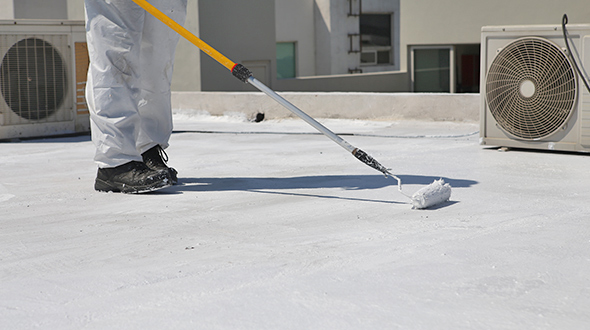
Applying silicone roof coatings involves several critical steps to ensure optimal performance and longevity. First, thoroughly clean the entire roof surface to remove any dirt, debris, or contaminants that could hinder adhesion. This often involves using solvents to clean the area around repairs.

After cleaning, thoroughly mix the silicone coating before application to ensure a consistent and effective layer. Using the right tools, such as rollers or brushes, helps achieve an even application. Applying the coating in multiple thin layers provides better coverage and enhances durability.

application techniques for silicone roof coatings

Proper surface preparation and application techniques are crucial for the longevity and effectiveness of silicone roof coatings. Following these steps helps achieve a seamless, durable, and long-lasting roof coating.

Maintenance Requirements

Regular maintenance maximizes the lifespan of silicone roof coatings. These coatings tend to attract dirt and debris, reducing their effectiveness over time. Regular cleaning preserves their reflective properties and prevents increased heat absorption.

Pressure-wash silicone roof coatings every 6-12 months to maintain optimal performance. Routine inspections and promptly addressing any damages also help extend the coating’s life and prevent costly repairs.

Safety Considerations

A safety concern with silicone roof coatings is their slipperiness when wet, posing a significant risk to individuals accessing the roof. This can lead to accidents if proper precautions are not taken.

To mitigate this risk, the Walk-Path System should be used to mark pedestrian areas clearly. This system provides safe walkways and reduces the chances of slips and falls, ensuring the roof remains accessible and safe for maintenance and inspections.

Cost-Effectiveness

Silicone roof coatings offer significant cost-saving benefits compared to traditional roofing methods. The faster application process leads to substantial labor cost savings. Additionally, silicone coatings can save about 65-75% in costs by reducing labor and waste.

The longevity and durability of silicone roof coatings result in lower replacement costs over time. By minimizing maintenance and repair expenses, these coatings offer a cost-effective solution for long-term roof protection.

Challenges with Silicone Roof Coatings

While silicone roof coatings offer numerous benefits, they also come with challenges. Recoating can be difficult due to the unique properties of silicone. Silicone coatings only adhere to silicone, necessitating thorough surface cleaning and sometimes specific primers to ensure proper adhesion.

challenges with silicone roof coatings

Contamination on the roof surface, such as dirt or oils, can hinder the performance of new silicone coatings. Proper surface preparation is crucial for achieving good adhesion when applying new coatings or making repairs.

Silicone Coating Summary

In summary, silicone roof coatings offer a plethora of benefits, including excellent water and UV resistance, flexibility, durability, and environmental friendliness. They provide significant cost savings and are relatively easy to apply with the right techniques.

However, challenges such as the need for regular maintenance and difficulties in recoating must be considered. Overall, silicone roof coatings present a viable and cost-effective solution for extending roof life and enhancing protection, making them a worthy investment for many.

Frequently Asked Questions

Is silicone roofing expensive?

Silicone roofing is generally less expensive than a full roof replacement, costing between $5 and $8 per square foot compared to $10-$15 per square foot for replacement. Thus, it can be a cost-effective option for roof maintenance.

How long will a silicone roof coating last?

A silicone roof coating can last an average of 10-15 years, effectively extending the life of your existing roof while providing superior protection against further damage.

What is one of the long-term benefits of silicone roof coatings for HVAC systems?

One of the long-term benefits of silicone roof coatings for HVAC systems is their ability to lower energy costs and reduce the workload on the systems, which can significantly extend their lifespan.

What is the primary reason to consider roof renovation instead of roof replacement?

The primary reason to consider roof renovation is that it can extend the life of your existing roof while saving you substantial costs compared to a full replacement. Renovation often addresses specific issues without the need for a complete overhaul.

What are the two primary types of roof coatings?

The two primary types of roof coatings are asphaltic coatings and elastomeric coatings. Each serves distinct purposes, with asphaltic coatings offering waterproofing and durability, while elastomeric coatings provide flexibility and UV protection.

Atlanta Commercial Roofing Contractors

Atlanta, GA
(404) 220-9288

The post A Guide to Silicone Roof Coating appeared first on atlantacommercialroofingcontractors.com
Can Roof Shingles Be Painted?

Many property owners wonder whether painting their roof is a viable way to refresh its appearance without the expense of a full replacement....