Showing posts with label Commercial Roof. Show all posts

Sunday, February 23, 2025

A Guide to Silicone Roof Coating

Silicone roof coating is widely used to extend the life of roofs by creating a durable, waterproof barrier. Ideal for various roof types, it solves common issues like leaks and ponding water. This guide will break down the benefits, drawbacks, and practical applications of silicone roof coatings, helping you make an informed decision.
silicone roof coating systems with a focus on application

Key Takeaways

  • Silicone roof coatings create a seamless, waterproof barrier, enhancing roof durability and water resistance, particularly for flat roofing systems.
  • They reflect up to 90% of UV radiation, reducing cooling costs and environmental impact while extending roof lifespans.
  • Proper application and regular maintenance are critical for maximizing the effectiveness and longevity of silicone roof coatings, with attention needed for surface preparation and cleaning.

Understanding Silicone Roof Coating Systems

Silicone roof coating systems restore roofs by creating a seamless, waterproof barrier that extends their lifespan. These coatings are made from silicone resins and offer superior adhesion and flexibility, making them suitable for various roof types.

One of the standout features of silicone coatings is their versatility. They can be applied to a multitude of surfaces, including metal roofs, concrete roof decks, existing roof membranes, and built-up roofs. This adaptability makes them a go-to solution for many roofing professionals and homeowners alike.

Silicone roof coatings restore old roofs and improve their capacity to handle water pooling, which is common with flat roofs. However, silicone coatings can degrade over time, potentially causing adhesion problems with subsequent layers.

Water Resistance and Ponding Water

A key advantage of silicone roof coatings is their exceptional resistance to ponding water, making them ideal for flat roofs – and a leading commercial roof coating. These coatings create a seamless barrier that resists water intrusion, keeping your roof dry and protected even during heavy rains.

Silicone coatings withstand prolonged exposure to standing water, a common challenge for many roofing materials. However, maintaining their effectiveness requires proper design and application, especially in areas prone to frequent standing water.

UV Protection and Energy Efficiency
UV protection and energy efficiency in roofing

Silicone roof coatings excel in UV protection, reflecting up to 90% of UV radiation and significantly reducing heat absorption. This not only prevents UV damage but also enhances building energy efficiency by lowering cooling costs.

Their highly reflective nature lowers energy expenses by reducing HVAC system demand, ultimately extending their lifespan. By shielding roofs from harsh UV rays, silicone coatings help prolong roof life and save money while reducing greenhouse gas emissions.

Flexibility and Durability

Silicone roof coatings are flexible, accommodating thermal movements without cracking or peeling. Their impermeable membrane, combined with this flexibility, helps them withstand extreme weather conditions, wind-driven sand, and oxidation.

Due to superior materials and additives, silicone roof coatings can last 10 to 20 years. Their durability is enhanced by resistance to UV radiation, extreme temperatures, moisture, and chemicals, making them reliable for long-term roof protection and a top roof coating type.

Environmental Benefits

Silicone roof coatings have low volatile organic compounds (VOCs), making them environmentally safer. High-solids silicone coatings like High-Solids Silicone 412 are solvent-free, reducing environmental impact during application. This product is a single-component solution that enhances performance.

These coatings emit fewer VOCs and help maintain cooler buildings, reducing air conditioning needs and further lowering their environmental footprint. This combination of environmental friendliness and energy efficiency makes silicone roof coatings ideal for eco-conscious consumers.

Application Techniques for Silicone Roof Coatings

Applying silicone roof coatings involves several critical steps to ensure optimal performance and longevity. First, thoroughly clean the entire roof surface to remove any dirt, debris, or contaminants that could hinder adhesion. This often involves using solvents to clean the area around repairs.

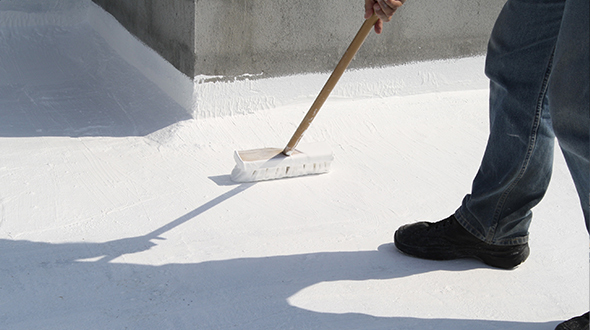
After cleaning, thoroughly mix the silicone coating before application to ensure a consistent and effective layer. Using the right tools, such as rollers or brushes, helps achieve an even application. Applying the coating in multiple thin layers provides better coverage and enhances durability.
application techniques for silicone roof coatings

Proper surface preparation and application techniques are crucial for the longevity and effectiveness of silicone roof coatings. Following these steps helps achieve a seamless, durable, and long-lasting roof coating.

Maintenance Requirements

Regular maintenance maximizes the lifespan of silicone roof coatings. These coatings tend to attract dirt and debris, reducing their effectiveness over time. Regular cleaning preserves their reflective properties and prevents increased heat absorption.

Pressure-wash silicone roof coatings every 6-12 months to maintain optimal performance. Routine inspections and promptly addressing any damages also help extend the coating’s life and prevent costly repairs.

Safety Considerations

A safety concern with silicone roof coatings is their slipperiness when wet, posing a significant risk to individuals accessing the roof. This can lead to accidents if proper precautions are not taken.

To mitigate this risk, the Walk-Path System should be used to mark pedestrian areas clearly. This system provides safe walkways and reduces the chances of slips and falls, ensuring the roof remains accessible and safe for maintenance and inspections.

Cost-Effectiveness

Silicone roof coatings offer significant cost-saving benefits compared to traditional roofing methods. The faster application process leads to substantial labor cost savings. Additionally, silicone coatings can save about 65-75% in costs by reducing labor and waste.

The longevity and durability of silicone roof coatings result in lower replacement costs over time. By minimizing maintenance and repair expenses, these coatings offer a cost-effective solution for long-term roof protection.

Challenges with Silicone Roof Coatings

While silicone roof coatings offer numerous benefits, they also come with challenges. Recoating can be difficult due to the unique properties of silicone. Silicone coatings only adhere to silicone, necessitating thorough surface cleaning and sometimes specific primers to ensure proper adhesion.
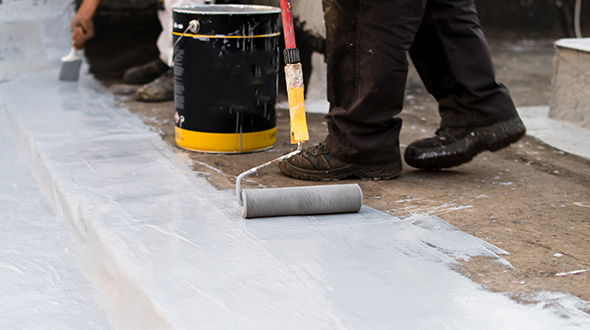
challenges with silicone roof coatings

Contamination on the roof surface, such as dirt or oils, can hinder the performance of new silicone coatings. Proper surface preparation is crucial for achieving good adhesion when applying new coatings or making repairs.

Silicone Coating Summary

In summary, silicone roof coatings offer a plethora of benefits, including excellent water and UV resistance, flexibility, durability, and environmental friendliness. They provide significant cost savings and are relatively easy to apply with the right techniques.

However, challenges such as the need for regular maintenance and difficulties in recoating must be considered. Overall, silicone roof coatings present a viable and cost-effective solution for extending roof life and enhancing protection, making them a worthy investment for many.

Frequently Asked Questions

Is silicone roofing expensive?

Silicone roofing is generally less expensive than a full roof replacement, costing between $5 and $8 per square foot compared to $10-$15 per square foot for replacement. Thus, it can be a cost-effective option for roof maintenance.

How long will a silicone roof coating last?

A silicone roof coating can last an average of 10-15 years, effectively extending the life of your existing roof while providing superior protection against further damage.

What is one of the long-term benefits of silicone roof coatings for HVAC systems?

One of the long-term benefits of silicone roof coatings for HVAC systems is their ability to lower energy costs and reduce the workload on the systems, which can significantly extend their lifespan.

What is the primary reason to consider roof renovation instead of roof replacement?

The primary reason to consider roof renovation is that it can extend the life of your existing roof while saving you substantial costs compared to a full replacement. Renovation often addresses specific issues without the need for a complete overhaul.

What are the two primary types of roof coatings?

The two primary types of roof coatings are asphaltic coatings and elastomeric coatings. Each serves distinct purposes, with asphaltic coatings offering waterproofing and durability, while elastomeric coatings provide flexibility and UV protection.

Atlanta Commercial Roofing Contractors

Atlanta, GA
(404) 220-9288

The post A Guide to Silicone Roof Coating appeared first on atlantacommercialroofingcontractors.com

Sunday, January 26, 2025

Acrylic vs Silicone Roof Coating

Choosing the right type of roof coating is crucial for roof longevity and performance. Acrylic vs silicone roof coating: which one should you pick? This article breaks down their key differences, pros, and cons, helping you decide the best fit for your roofing needs.

acrylic vs silicone roof coating

Key Takeaways

  • Acrylic roof coatings are cost-effective and easy to apply but can degrade over time due to ponding water and extreme temperatures.
  • Silicone roof coatings offer superior moisture resistance and longevity, making them ideal for harsh weather; however, they come with a higher initial cost and require specialized application techniques.
  • The choice between acrylic and silicone roof coatings should consider factors such as climate, budget, and long-term maintenance to ensure optimal performance for specific roofing needs.

Understanding Acrylic Roof Coatings

Acrylic roof coatings are liquid-applied, seamless membranes that adhere fully to the roof surface. Typically latex-based, they cure through air drying, which makes them user-friendly and easy to apply. Acrylic polymers in the coatings provide flexibility and resilience. Their ease of application is a key reason for their popularity in the commercial roofing industry.

Ideal for flat roofs, these coatings can be applied to various substrates, including metal, modified bitumen, built-up roofs, EPDM, TPO, PVC, concrete, and spray polyurethane foam. They enhance the roof’s aesthetic appeal and are known for being low in odor and cost-effective.

Acrylic roof coatings help prevent water damage, making them a practical choice for commercial roofing applications and an effective acrylic coating solution.

Pros and Cons of Acrylic Roof Coatings

pros and cons of roof coatings

Acrylic roof coatings offer several advantages, making them a popular choice for commercial roofing systems. They are cost-efficient and easy to apply, making them an attractive option for both contractors and building owners. Additionally, acrylic coating systems enhance the durability and longevity of the roofing materials.

However, despite their benefits, acrylic roof coatings also have some disadvantages to consider. These coatings are susceptible to damage from ponding water and can experience reduced durability in extreme temperatures.

Knowing the advantages and disadvantages will help you decide if they are the right roof coating system for your needs.

Advantages of Acrylic Roof Coatings

A key advantage of acrylic roof coatings is their affordability. They are generally more budget-friendly than other types while offering similar durability. Their cost-efficiency makes them a favored choice for commercial roof restoration projects, especially when budget constraints are a concern.

Acrylic roof coatings are also highly reflective, providing strong UV resistance, which can lead to lower cooling expenses. Reflecting UV rays helps maintain a cooler building environment, reducing the need for excessive air conditioning during hot months and preserving the roof’s aesthetic appearance.

Another advantage is the user-friendly application process. Due to acrylic roof coatings being water-based, these coatings minimize complications during application and can be applied using standard tools like brushes and rollers. This ease of installation saves time and reduces labor costs, making acrylic roof coatings a practical and economical solution for many commercial roofing projects.

Disadvantages of Acrylic Roof Coatings

Despite their benefits, acrylic roof coatings have drawbacks. One significant disadvantage is their susceptibility to damage from ponding water. In areas where water tends to accumulate, the tensile strength of acrylic coatings may not suffice, leading to degradation over time. This limitation makes them less suitable for flat roofs with frequent standing water.

Acrylic coatings are also prone to reduced durability in extreme temperatures. Freezing temperatures can cause brittleness, while high temperatures can lead to a loss of mil thickness and performance degradation. These vulnerabilities necessitate more frequent maintenance and reapplication compared to other options.

Susceptibility to ponding water and extreme temperatures can significantly affect the long-term performance of acrylic roof coatings. While they are a cost-effective and easy-to-apply solution, their limitations must be carefully considered to ensure they are the right roof coating system for your needs.

Exploring Silicone Roof Coatings

silicone roof coatings with image of a silicone-coated roof

Silicone roof coatings are renowned for their excellent moisture resistance and ability to protect against UV rays, rain, snow, and hail, making them a durable solution for various commercial roofing systems. Silicone and acrylic are the two most widely used types of commercial roof coatings, with silicone standing out for its flexibility and performance under harsh weather conditions.

Silicone roof coatings can adhere to surfaces such as metal, concrete, TPO, PVC, and modified bitumen. However, achieving a strong bond requires proper surface preparation, emphasizing the importance of professional application. Once applied, silicone coatings form a flexible, seamless membrane that expands and contracts with the roofing material, ensuring long-lasting protection.

The application process for silicone coatings is generally faster and safer as it does not require heat-based methods. Since it doesn’t require heat-based methods, safety risks are reduced, and the project’s overall efficiency is enhanced. Additionally, silicone coatings are widely recognized in the roof restoration industry for their ability to protect various roofing materials, making them a preferred choice for many applications.

Pros and Cons of Silicone Roof Coatings

Silicone roof coatings offer several benefits that make them an attractive option for commercial roofing systems. Their excellent moisture resistance and long lifespan, often exceeding 15 years with proper maintenance, are significant advantages. Silicone coatings also perform exceptionally well in areas with ponding water due to their ability to repel water.

However, silicone roof coatings also have drawbacks. One primary downside is their higher initial cost. The application process can be more complex, requiring specialized techniques and equipment, which can add to the overall cost.

Knowing these pros and cons will help you decide if silicone roof coatings are the right choice for your needs.

Benefits of Silicone Roof Coatings

Silicone roof coatings offer significant advantages, starting with their superior moisture resistance. This property makes them ideal for areas with frequent rain or snow, as they effectively prevent water penetration. Their resistance to ponding water silicone coatings ensures the roof remains protected even in the presence of standing water.

Another key benefit of silicone roof coatings is their longevity. These coatings typically last about 10 years, but they can exceed 15 years with proper maintenance. This extended lifespan reduces the need for frequent reapplications, making silicone coatings a cost-effective solution in the long run. Their durability and performance under ponding water conditions make them a reliable choice for various commercial roofing systems.

Drawbacks of Silicone Roof Coatings

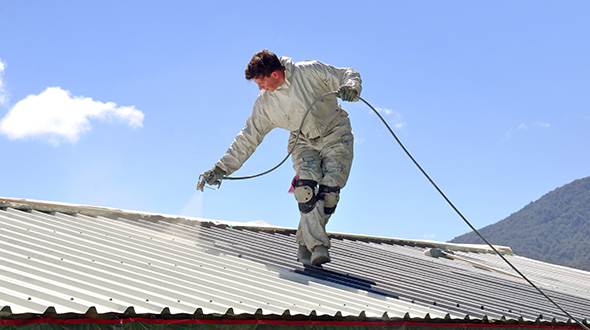
While silicone roof coatings have many benefits, they also come with certain drawbacks. One main disadvantage is their higher cost compared to other types of roof coatings. This higher initial investment can be a deterrent for some building owners, especially those with budget constraints. Additionally, the application of silicone coatings can be complicated due to the need for specialized spray equipment and techniques.

Another drawback is the potential for dirt accumulation on the roof surface. Over time, silicone coatings can attract and hold dirt, which may affect their appearance and reflective properties. Regular cleaning can mitigate this issue but adds to the maintenance requirements. Furthermore, silicone coatings can become slippery when wet, presenting safety concerns that need to be addressed, especially in high-traffic areas.

Silicone coatings may also require a primer when bonding to certain surfaces, which can add to the overall cost and complexity of the project. These factors must be carefully considered when evaluating silicone roof coatings for your needs.

Key Differences Between Acrylic and Silicone Roof Coatings

differences between acrylic and silicone roof coatings

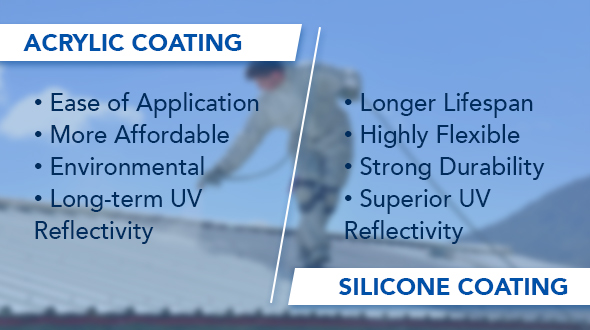
When comparing silicone vs acrylic roof coatings, several key differences emerge. Silicone roof coatings generally have a longer lifespan than acrylic coatings, often lasting up to 20 years with proper application. They are also known for their environmentally friendly properties due to low solvent content and long life cycles. However, the choice between silicone and acrylic coatings depends on factors such as roof type, climate, and budget.

Climate conditions play a crucial role in the performance of roof coatings. Silicone coatings excel in extreme temperatures and areas with frequent ponding water, while acrylic coatings are better suited for sloped roofs and milder climates.

Knowing these key differences will help you make an informed decision when selecting the right roof coating system for your project.

Material Composition and Application

Acrylic roof coatings are composed of acrylic polymers, providing flexibility and ease of application. They can be applied using standard tools like brushes and rollers, making the installation process straightforward and cost-efficient. However, acrylic coatings should not be applied below freezing temperatures and require above 50°F for effective application.

In contrast, silicone roof coatings are highly flexible, allowing them to withstand natural expansion and contraction due to temperature changes. Modern silicone formulations often exceed 90% solids content, enhancing their performance and efficiency during application. However, silicone coatings require specialized application equipment and a more complex cleaning process post-application.

Silicone coatings also tend to accumulate dirt, potentially reducing their reflective capabilities over time. Surfaces coated with silicone can become very slippery when wet, leading to safety concerns that require marked pedestrian pathways. These differences in material composition and application methods are crucial when choosing between acrylic and silicone roof coatings.

Durability and Longevity

Silicone roof coatings are generally more durable and stable compared to acrylic roof coatings. Silicone coatings typically last between 10 to 15 years, whereas acrylic coatings last around 7 to 10 years, with only about 5 years in hot climates. This difference in lifespan is a significant factor to consider when evaluating the long-term cost efficiency of each type.

Acrylic roof coatings may lose thickness over time due to exposure to harsh weather and environmental elements, which can diminish their overall durability. This loss of thickness necessitates more frequent reapplications, adding to the long-term maintenance costs.

In contrast, silicone coatings maintain their integrity and performance over a longer period, making them a more durable solution for commercial roofing systems.

Reflectivity and UV Stability

Both silicone and acrylic coatings initially have similar UV reflectivity rates, but acrylic coatings maintain this better over time. Acrylic coatings generally have better long-term UV reflectivity compared to silicone coatings. When exposed to intense UV radiation, acrylics can chalk, degrade, or become brittle, while silicone coatings perform far superior in UV performance.

These coatings can reflect a significant percentage of harmful UV rays, helping reduce cooling costs in buildings. However, silicone’s ability to maintain reflectivity can be hindered by debris accumulation. This difference in UV stability and reflectivity is an essential consideration when choosing between acrylic and silicone roof coatings.

Environmental Impact

When it comes to environmental impact, acrylic roof coatings have a clear advantage over silicone roof coating due to their water-based formulation. Acrylic coatings have VOC (volatile organic compound) levels that are almost three times lower than those of silicone coatings, making them a more environmentally friendly option. This lower VOC emission positions acrylic roof coatings as a safer choice for the environment.

However, some high-solids silicone coatings have been formulated to have little to no solvents and low VOC emissions, which can improve their environmental performance. Despite this, acrylic coatings tend to be significantly more eco-friendly than traditional silicone options.

When considering the environmental impact, evaluating the specific formulations and their respective VOC levels is essential.

Cost Comparison

Cost is a significant factor when choosing between acrylic and silicone roof coatings. Typically, installing silicone roof coatings costs between $1.50 and $4.50 per square foot when done professionally. In contrast, acrylic roof coatings are generally more affordable, with installation costs ranging from $0.50 to $3.00 per square foot. This affordability makes acrylic coatings an attractive option for budget-conscious projects.

However, it’s important to consider the long-term costs. Acrylic coatings typically require more frequent maintenance and reapplication, which can increase long-term expenses. Silicone coatings, while having a higher initial cost, offer greater durability and longevity, potentially leading to cost savings over time.

Budget considerations should include both upfront costs and long-term maintenance expenses to determine the most cost-efficient solution.

Choosing the Right Roof Coating System

choosing the right roof coating system various roof coatings

Selecting the appropriate commercial roof coating depends on several factors, such as budget, climate, roof condition, and long-term maintenance plans. Acrylic and silicone roof coatings have different properties and advantages that can impact their effectiveness for specific applications. For instance, silicone coatings are ideal for flat roofs and areas prone to ponding water, while acrylic coatings are better suited for sloped roofs and milder climates.

Professional consultation is recommended to determine the best roof coating based on specific environmental factors and roof conditions. Roofing contractors can provide a free onsite roof evaluation to assess the roof surface and recommend the most suitable coating solution. This evaluation can help identify potential issues and ensure that the selected coating system will perform optimally for the specific needs of the commercial roof.

Furthermore, considering the long-term maintenance and durability of each silicone coating type is crucial. While silicone coatings may have a higher upfront cost, their longevity, and reduced maintenance requirements can make them a more cost-effective solution in the long run.

On the other hand, acrylic coatings offer affordability and ease of application, making them a practical choice for many commercial roofing projects. By weighing these factors, you can choose the right roof coating system that meets your specific needs and budget.

Acrylic vs Silicone Summary

In summary, both acrylic and silicone roof coatings offer unique advantages and disadvantages that make them suitable for different commercial roofing applications. Acrylic roof coatings are cost-efficient, easy to apply, and provide excellent UV resistance, making them a popular choice for many building owners. However, they are susceptible to damage from ponding water and extreme temperatures, requiring more frequent maintenance and reapplication.

On the other hand, silicone roof coatings offer superior moisture resistance, longevity, and performance under ponding water conditions, making them a durable solution for many commercial roofing systems. Despite their higher initial cost and more complex application process, their long-term benefits often outweigh these drawbacks. By carefully considering the specific needs of your roofing project, you can choose the most suitable coating solution that ensures optimal performance and cost-efficiency.

Acrylic vs Silicone Frequently Asked Questions

What are the main differences between acrylic and silicone roof coatings?

The main differences between acrylic and silicone roof coatings are their cost efficiency and performance underwater exposure. While acrylic is easier to apply and more affordable, silicone excels in moisture resistance and durability, particularly in ponding water situations.

Which roof coating is better for a flat roof?

Silicone roof coatings are ideal for flat roofs due to their superior performance in ponding water conditions and excellent moisture resistance. This makes them a reliable choice for long-lasting protection.

How long do acrylic and silicone roof coatings last?

Acrylic roof coatings generally endure for 7 to 10 years, while silicone roof coatings can last 10 to 15 years or more with proper maintenance. It’s essential to consider your climate and maintenance practices for optimal performance.

Are acrylic roof coatings environmentally friendly?

Acrylic roof coatings are environmentally friendly thanks to their water-based formulation and low VOC emissions, making them a sustainable choice for roofing solutions.

What factors should I consider when choosing a roof coating system?

When choosing a roof coating system, prioritize budget, climate, roof condition, and long-term maintenance plans. Consulting with a professional can help tailor the best solution for your needs.

Atlanta Commercial Roofing Contractors

Atlanta, GA
(404) 220-9288

The post Acrylic vs Silicone Roof Coating appeared first on atlantacommercialroofingcontractors.com
Tuesday, December 24, 2024

Commercial Roof Insulation Options Explained

Want the best commercial roof insulation to reduce energy costs and protect your commercial building? Commercial roof insulation is a vital component of your roofing system, and knowing which best suits your roofing type is critical. This article covers the main types of insulation, their benefits, and tips for choosing the best one for your needs.

commercial roof insulation

Key Takeaways

  • Proper commercial roof insulation is crucial for energy efficiency, reducing heating and cooling costs, and extending the roof’s lifespan.
  • Key insulation options include spray foam, polyisocyanurate (Polyiso), extruded polystyrene (XPS), expanded polystyrene (EPS), and mineral wool, each offering unique benefits based on specific applications.
  • Choosing the right insulation involves considering factors like building type, climate, budget, and compliance with local regulations, while professional installation and maintenance are essential for long-term performance.

Understanding Commercial Roof Insulation

Commercial roofing insulation is essential and often required by building codes. Proper installation significantly reduces heating and cooling costs by limiting thermal transfer. This helps maintain comfortable indoor temperatures and enhances the building’s overall energy efficiency. The proper insulation can lower utility bills and extend your roof’s lifespan.

Conversely, neglecting proper insulation can cause long-term damage. Roofs without adequate insulation are more vulnerable to weather-related wear and tear, leading to premature replacement and higher maintenance costs. Understanding the importance of roof insulation enables informed decisions that benefit both your building and your finances.

Key Types of Commercial Roof Insulation

different types of commercial roof insulation materials

Choosing from the many commercial roofing insulation options can be overwhelming. Knowing the most common types simplifies the selection process. Material type, installation method, and R-value are crucial factors in determining the best insulation for your commercial roof.

We’ll explore common types of commercial roof insulation: spray foam, polyisocyanurate (Polyiso), extruded polystyrene (XPS), expanded polystyrene (EPS), and mineral wool. Each type offers unique benefits and suits different applications, making it important to understand their specific properties.

Spray Foam Insulation

Spray foam insulation is renowned for its high thermal resistance and soundproofing capabilities. It can achieve an R-value of up to 7.2 per inch, making it one of the most efficient insulators. Its ability to conform to irregular surfaces ensures complete coverage and reduces potential insulation gaps.

Beyond its thermal properties, spray foam insulation also offers structural benefits. It enhances dimensional stability, resists moisture, and provides fire resistance, making it a versatile choice for various commercial roofing applications. It also helps reduce energy bills, making it a cost-effective long-term option.

Polyisocyanurate (Polyiso) Insulation

Polyisocyanurate, or Polyiso, is another popular choice for commercial roofing insulation. It offers an initial R-value of 6.8 per inch, providing excellent thermal efficiency. Certain polyiso products maintain a stable R-value at various temperatures, ensuring consistent performance.

Polyiso is highly versatile and suitable for various roofing systems, including single-ply systems like PVC or TPO. The outer foil-facing layer enhances insulation efficiency and protects against environmental impacts. The tapered design of some Polyiso products ensures effective drainage on low-slope roofs, enhancing their utility.

Extruded Polystyrene (XPS) Insulation

Extruded polystyrene (XPS) insulation, often recognized by its color-coded dye, is a common choice for commercial roofs. XPS excels in moisture resistance, making it suitable for below-grade and various roofing assemblies, including flat and low-slope roofs.

XPS insulation maintains a stable R-value over time, ensuring consistent thermal performance throughout its lifespan. This stability, combined with its lightweight nature, makes XPS a reliable and efficient choice for commercial roofing projects.

Expanded Polystyrene (EPS) Insulation

Expanded polystyrene (EPS) insulation is known for its cost-effectiveness and lightweight properties. It provides similar insulation performance to XPS but at a lower cost, making it an attractive option for budget-conscious projects. EPS is compatible with various membrane systems, including PVC and EPDM, allowing versatile applications in roofing assemblies.

High-density EPS offers an R-value of 4.6 and comes with a 100% R-value warranty from Insulfoam, which makes EPS a reliable and durable choice for commercial roofing insulation.

Mineral Wool Insulation

Mineral wool insulation is renowned for its fire resistance and stability at high temperatures, making it ideal for demanding environments. Its water-repellent properties further enhance its suitability for various commercial roofing applications.

In addition to its thermal and fire-resistant properties, mineral wool also provides soundproofing benefits, contributing to a more comfortable indoor environment. These features make mineral wool a highly effective insulation option for commercial roofs.

Choosing the Right Insulation for Your Commercial Roof

right insulation for your commercial roof

Choosing the right insulation for your commercial roof involves considering factors like building type, age, local regulations, and budget. Climate is crucial, as regions with extreme temperatures need insulation with higher thermal resistance.

Budget constraints are significant, as some insulation materials with higher upfront costs can yield considerable energy savings over time. Compatibility with the chosen roofing system and adhesives is essential to avoid future installation issues. Consulting roofing professionals can provide insights tailored to your specific needs and requirements.

Installation Best Practices

Proper installation is crucial for achieving optimal thermal efficiency and longevity. For example, polyisocyanurate can be applied directly to steel decks to meet specific fire safety approvals.

Adequate attic ventilation prevents heat and moisture buildup, prolonging the life of roof insulation. Regular professional inspections can detect unnoticed issues, ensuring roof integrity and preventing costly repairs.

Maximizing Energy Efficiency with Roof Insulation

Energy-efficient roofing systems reduce energy expenditures by lowering the need for artificial heating and cooling. A well-insulated roof minimizes heat loss in winter and keeps interiors cool in summer, contributing to consistent indoor temperatures and comfort.

Investing in energy-efficient roofing can result in substantial long-term savings on energy bills. Following ASHRAE standards and energy codes ensures insulation selection and promotes energy efficiency in commercial buildings. Choosing eco-friendly insulation materials can enhance indoor air quality and reduce energy consumption.

Maintenance and Longevity of Roof Insulation

Regular maintenance of roof insulation is crucial to maintain its energy efficiency and longevity. Cover boards can protect roofing systems from mechanical damage, reduce maintenance costs, and extend the roof’s lifespan.

Regular inspections help identify issues like missing shingles and cracks, allowing for timely repairs. Monitoring granule loss in gutters and promptly removing moss and algae can prevent significant damage to roof materials.

The Role of Cover Boards in Roofing Systems

cover boards in roofing systems

Cover boards are essential components that protect the underlying insulation from damage and enhance overall roof performance. They shield roof insulation from mechanical damage, foot traffic, and environmental impacts, ensuring the long-term performance of the cover board.

Common types of cover boards include:

  • High-density polyiso
  • Low-density polyiso
  • Cement
  • Gypsum

Each type offers different performance benefits. Cover boards enhance the durability of flat and low-slope commercial roofing while improving moisture resistance and acoustic comfort.

Sustainable Insulation Options

Energy-efficient roofs significantly reduce a commercial building’s environmental impact by lowering carbon emissions. Sustainable roofing solutions benefit the environment, enhance a business’s reputation, and appeal to eco-conscious consumers.

Eco-friendly insulation materials, such as cellulosic fibers and wool, are sourced from renewable resources and often have a longer lifespan, reducing replacement frequency. Using recycled or reclaimed materials in insulation minimizes landfill waste and supports local economies.

Working with Professional Contractors

Hiring professional contractors ensures comprehensive roof health and optimal performance. Regular inspections, at least every two years, can identify potential issues early and recommend the best insulation options.

Professional contractors bring extensive experience and expertise, ensuring the roofing system is installed correctly and efficiently. Their knowledge of insulation materials and techniques helps tailor the project to meet specific needs and budget constraints.

Commercial Roof Insulation Summary

Understanding and selecting the right commercial roof insulation can lead to significant energy savings, increased lifespan of the roofing system, and enhanced building performance. From spray foam to mineral wool, each insulation type offers unique benefits. Proper installation and regular maintenance further ensure the longevity and efficiency of the insulation. By investing in sustainable and energy-efficient roofing solutions, businesses can not only reduce their environmental impact but also appeal to eco-conscious consumers.

Insulation Frequently Asked Questions

What is the most energy-efficient type of commercial roof insulation?

Spray foam insulation is the most energy-efficient type of commercial roof insulation, offering a high thermal resistance with an impressive R-value of up to 7.2 per inch. This makes it an optimal choice for maximizing energy efficiency in commercial buildings.

How often should I inspect my commercial roof insulation?

Regular inspections of your commercial roof insulation should occur at least once every two years to ensure its integrity and address any potential issues promptly. Adhering to this schedule will help maintain the overall health of your roof.

What factors should I consider when choosing roof insulation?

When choosing roof insulation, it is essential to consider the building type, age, local regulations, budget, climate, and compatibility with the roofing system and adhesives. These factors will ensure optimal performance and compliance with standards.

How does proper roof insulation contribute to energy efficiency?

Proper roof insulation enhances energy efficiency by minimizing heat loss in winter and maintaining cooler interior temperatures in summer, reducing reliance on heating and cooling systems and significant energy savings.

Are there eco-friendly insulation options for commercial roofs?

Eco-friendly insulation options for commercial roofs include materials like cellulose and wool, which are derived from renewable resources and contribute to reduced environmental impact through longevity. These choices not only enhance sustainability but also lower the need for frequent replacements.

Atlanta Commercial Roofing Contractors

Atlanta, GA
(404) 220-9288

The post Commercial Roof Insulation Options Explained appeared first on atlantacommercialroofingcontractors.com
Friday, March 29, 2024

Flat Roof Problems

Dealing with flat roof issues can be frustrating and costly. From leaks and ponding water to sun damage, these problems not only inconvenience you but are costly and pose threats to your property. This article provides practical solutions to address these issues effectively. You can expect clear advice on identifying and resolving common flat roof problems while ensuring the longevity of your roofing system.

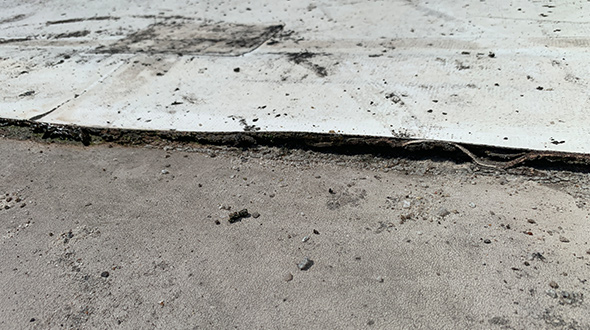
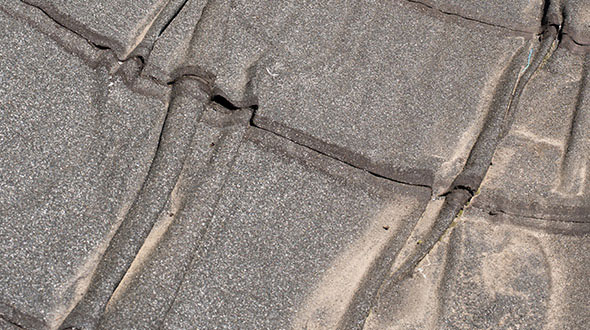
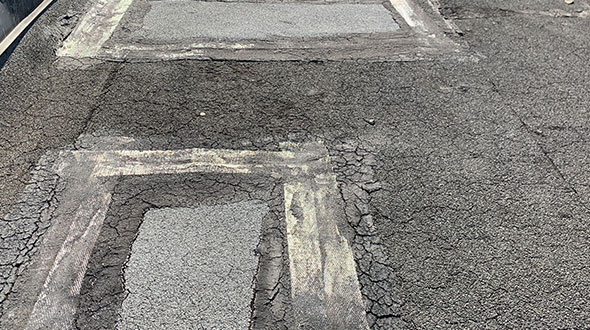
flat roof problems - visible cracks and signs of damage

Key Takeaways

  • Flat roofs are susceptible to a range of issues, such as leaks, ponding water, blistering, and UV damage, which require regular inspection and maintenance to prevent and address.
  • Repair solutions include using quality materials, ensuring adequate drainage, addressing defects such as blisters, and protecting against UV damage with protective coatings.
  • Regular flat roof maintenance is vital for longevity, including semi-annual inspections, debris removal, and preventive measures such as using durable materials and appropriate sealants.

Flat Roof Issues: Identifying the Problem

Flat roofs are not immune to the adversities of weather and time and often grapple with various issues. Knowledge and a proactive approach are key in navigating these challenges and ensuring the longevity of your roof. Some common problems that can arise include:

  • Damage from a harsh climate
  • Rapid temperature fluctuations
  • Pest-related damages
  • Debris accumulation
  • Undue stress on the roofing system

Addressing these issues promptly is important to prevent further damage and maintain the integrity of your flat roof.

crack in seams of flat roof

But how can you identify these issues before they escalate in commercial buildings? Regular inspections are your first line of defense. Look for signs of mold, wet spots, and leaks inside your building. On the exterior, check for accumulated debris, visible damage, and signs of ponding water. Ignoring minor issues can lead to premature roof failure, a major consequence of neglect.

Let’s delve deeper into some common flat roof problems that most commercial flat roofs and homes with flat roofing systems may encounter.

Leaky Flat Roofs

Leaks are a common bane for flat roofs. Unlike sloped roofs, their design can reduce water-shedding effectiveness over time if not properly maintained. Multiple factors contribute to this issue, including:

  • Cracks in the roofing material
  • Holes from fallen branches
  • Improper installation
  • Damaged roof components such as vents, HVAC units, and skylights

Another primary cause of leaks in flat roofs is:

  • Open or damaged flashing, which requires sealing and biannual checks to prevent water ingress
  • Wear around skylights
  • Punctures in the roof membrane from debris like nails

As with many roofing issues, early detection is crucial in managing leaky flat roofs.

Ponding Water Dilemma

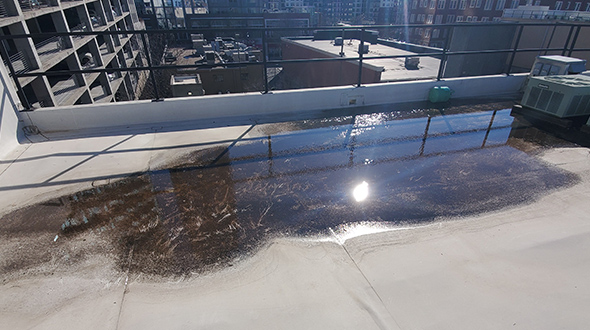
ponding water on a flat roof causing material deterioration

Ponding water is a frequent issue on flat roofs, primarily due to insufficient slope that does not facilitate proper water drainage or blockages that prevent water from draining within an acceptable timeframe. If left unaddressed, stagnant water can lead to material deterioration, growth of algae or vegetation, and ultimately, roof leaks and potential structural damage.

This issue is not just a symptom of a minor problem but can also indicate underlying complications, such as the building settling affecting the roof slope or compressed substrate boards. Therefore, it’s essential to regularly monitor and inspect your flat roof for signs of ponding water to ensure robust leak prevention.

The Blistering Problem

Blistering on flat roofs refers to the formation of bubbles or raised areas where the roof membrane has separated from the layer below. This usually occurs due to a decrease in the roof’s adhesive properties and thermal movement, allowing moisture to become trapped and form bubbles.

If left unattended, trapped moisture can cause blisters to grow and pop, leading to further damage, such as membrane cracks. It’s crucial to address these blisters promptly. If neglected, EPDM membrane blisters may tear and create more significant issues, marking improper installation and potential underlying damage.

UV Damage Consequences

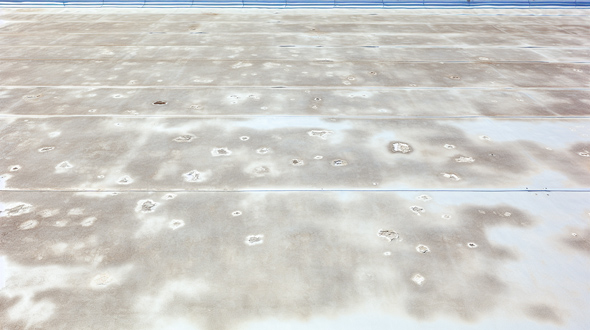
flat roof showing signs of UV damage and discoloration

UV damage is another significant concern for flat roofs. It manifests as:

  • Fading
  • Discoloration
  • Cracking
  • Brittleness of the roofing material

In warmer regions, flat roofing materials can deteriorate even faster due to intensified UV damage on flat roof surfaces, making solar panels a viable consideration for energy efficiency.

A common consequence of prolonged sun exposure is a condition called ‘alligatoring,’ where the flat roof begins to crack and bubble, resembling an alligator’s skin. To avoid such damage, it’s crucial to use UV-protective coatings or membranes and maintain these protective qualities through regular cleaning and maintenance.

Repairing Your Flat Roof: Solutions and Tips

The good news is that these flat roof problems can be repaired, and their recurrence can be minimized with proper maintenance. It’s generally best to consult professional roofing contractors for flat roof problems, as DIY fixes can sometimes lead to further damage and more costly repairs in the future.

When it comes to repair strategies, here are some key steps to follow:

  1. Use high-quality materials from reputable manufacturers.
  2. Ensure proper roof insulation to mitigate thermal shocks.
  3. Conduct regular inspections to catch problems early.

By following these steps, you can effectively address the issues we’ve identified.

Mending Leaks

When dealing with a leaking flat roof, the first step is to identify the source. For small leaks around flashing, vents, and seams, roofing cement can be used to seal these areas effectively. However, larger leaks may require a more durable repair, which can be achieved by applying a flat roof membrane in conjunction with roofing adhesive.

Remember, when encountering unusual findings during roof inspections, it’s best to consult with roofing professionals immediately. Promptly addressing leaks can save you from costly repairs down the line.

Improving Drainage

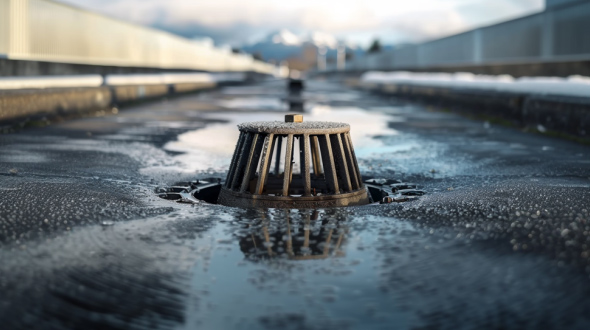
flat roof systems with good water drainage

The key to reducing the issue of ponding water on flat roofs is to improve drainage. This can help prevent water from accumulating and causing potential damage. Some effective solutions include:

  • Regular cleaning of the drainage system
  • Upgrading the drainage system
  • Installing scuppers
  • Replacing old gutters and pipes with new, more efficient ones

By implementing these measures, you can effectively address the issue of ponding water on your flat roof.

Adding extra drains or constructing tapered sections on a flat roof can significantly improve water flow and mitigate ponding issues. Flat roofs can also be retrofitted with tapered insulation systems to direct water toward drains and alleviate water accumulation.

Tackling Blisters and Cracks

Addressing blisters and cracks on flat roofs requires a professional touch. The professionals will ensure proper ventilation and the use of high-quality materials. The process involves:

  1. Cutting out the damaged areas
  2. Clearing any trapped water or debris
  3. Cleaning the area thoroughly
  4. Allowing it to dry fully

After drying the area where the blisters were removed, carefully slice the top to release any remaining moisture, apply roofing cement, and secure the surface. For deeper cracks, a combination of roofing mesh and cement is applied to ensure a durable repair.

Combating UV Damage

Combating UV damage on flat roofs involves applying UV-protective coatings or membranes to shield the roof from sun damage. Reflective roof coatings can deflect sunlight away from the building, reducing heat absorption and the subsequent impact of UV rays.

Cool roof coatings help reflect more sunlight and absorb less heat, which curtails the effects of UV rays on the roofing materials. The roof’s UV protection can be prolonged through the regular re-application of a roof coating every few years.

Routine cleaning of flat roofs contributes significantly to their maintenance by keeping surface temperatures low, thereby enhancing energy efficiency and roof life.

The Importance of Flat Roof Maintenance

Regular inspection and maintenance are crucial in preventing issues and extending the roof’s lifespan. Being proactive and regularly maintaining your flat roof is key to protecting your investment and ensuring the safety and security of your property. Most flat roof maintenance programs include thorough inspections every six months and after significant storm events.

commercial roofer performing maintenance on flat tpo roof

Keeping a clean roof makes it easier for maintenance teams to identify and address minor repairs before they become major problems. Let’s delve deeper into the importance of cleaning and inspecting your roof and the preventive measures you can take to maintain it.

Cleaning and Inspecting

Ideally, flat roofs should be inspected twice a year, once before and once after the rainy season, to detect early signs of wear, such as cracks, blisters, and punctures. Keeping the roof clean is essential for maintenance and can include debris removal through methods such as picking up, leaf-blowing, or pressure-washing. Clogged drains must be cleared to avoid poor drainage.

Professional roofing contractors should conduct annual inspections to check membrane integrity and provide targeted solutions for repair, including the application of sealants and the removal of vegetation to maintain commercial roof integrity or recommend a roof replacement if necessary.

Preventive Measures

Preventive measures are crucial in maintaining the longevity of your flat roof. Here are some tips to help you prevent damage:

  • Use durable materials like EPDM for UV protection
  • Apply proper sealants to prevent leaks and water damage
  • Apply materials dry to prevent blisters
  • Allow sealing substances to dry thoroughly after exposure to moisture

By following these tips, you can ensure the long-term durability of your flat roof.

Applying materials with reflective properties, such as certain types of sealants, helps to reduce heat absorption and can also lower energy costs. Also, pest-related damage can be prevented by sealing off roof access points, using bird deterrents or nets, and consulting a pest control expert if necessary.

Choosing the Right Flat Roof Repair Service

When it comes to choosing the right repair service for your flat roof, it’s important to verify that the contractor is fully licensed and insured. Verifying their qualifications provides legal protection and assures their professionalism. Experienced and qualified flat roof contractors contribute to the roof’s longevity and a thorough approach to maintenance and repair.

TPO flat roof repair service in Atlanta GA

Conduct research on the roofing company and obtain referrals and reviews to assess the contractor’s reliability and the satisfaction of past customers. Be wary of contractors presenting significantly lower quotes, as these may reflect compromises in material quality or workmanship.

Ensuring the details of the work are documented, and the warranty specifics are well understood helps to protect against future issues with the quality of the repair.

Flat Roof Problems Summary

In conclusion, maintaining a flat roof requires knowledge, proactive inspections, and timely repairs. From leaks to ponding water, blistering, and UV damage, various issues can affect the longevity of your roof. Regular cleaning, inspections, and preventive measures are key to ensuring the safety and durability of your roof. Choosing a professional, experienced, and reliable flat roof repair service is crucial in this process. Remember, a well-maintained flat roof is an investment that protects your property and ensures its longevity.

Flat Roof Frequently Asked Questions

These are the most common questions asked of our flat roof repair team in Atlanta:

What is the average life of a flat roof?

The average life of a flat roof is about 20 years, but proper maintenance and quality materials can extend its lifespan significantly.

What is a concern when using a flat roof?

A concern when using a flat roof is the lack of drainage, which can lead to clogging and water accumulation if not checked regularly. Be sure to inspect the roof frequently to prevent drainage issues.

What are the disadvantages of a flat roof?

Flat roofs have disadvantages such as reduced stability, poor drainage, and less insulation, which can lead to issues with maintenance, repairs, and energy efficiency. Consider these factors when deciding on a roofing type.

How can I fix leaks on my flat roof?

To fix leaks on your flat roof, you can use roofing cement for small leaks and a fiberglass membrane with roofing cement for larger ones. For complex leaks, it’s advisable to seek help from a professional roofing contractor.

How often should I inspect my flat roof?

You should inspect your flat roof twice a year, before and after the rainy season, to detect early signs of wear, such as cracks and blisters. Regular inspections are crucial for maintaining the roof’s integrity.

Atlanta Commercial Roofing Contractors
Atlanta, GA
(404) 220-9288

The post Flat Roof Problems appeared first on atlantacommercialroofingcontractors.com
Thursday, September 17, 2020

Modified Bitumen Roofing System Explained

Modified bitumen roofing system

Avoid spending resources on the wrong roofing system for your commercial property, and learn the benefits and properties of a modified bitumen roof. By knowing its advantages and how modified bitumen roofing systems protect your property or commercial building, you can make informed decisions when replacing your existing roofing system.

atlantacommercialroofingcontractors.com gathered the most helpful information about the modified bitumen product, its installation process, the warranty, material cost, frequently asked questions, and the potential problems with modified bitumen roofing systems.
Modified Bitumen – Production Process & Properties

Modified Bitumen (MB) roofing is an asphalt-based roofing system similar to Built-up-Roofing (BUR), designed for structures with low-slope roofs. Modified bitumen roofing membranes appeared first in Europe in the mid-’60s and since have been used in the US and Canada since the mid-’70s.

This roofing system gains its durability from its structure, consisting of a five-layer combination of components, including:

  • Insulation – Provides thermal resistance and temperature stability.
  • MB Membranes – These membranes are composed of copolymer with polyester or fiberglass reinforcement.
  • Modified-Base sheets – These are modified fiberglass base sheets coated with MB asphalt.
  • Adhesive – Combined with a bonding agent, this waterproofing material is applied hot or cold.
  • Surface – The surface to an MB roofing system increases weather-resistance and shields the roof from ultraviolet rays.

Note: While EPDM roofing material is made from recycled rubber (tires), modified bitumen is made from asphalt and modifying polymer blends.

There are two principal types of MB roofing, including:

APP (Atactic Polypropylene Bitumen) – The use of a thermoplastic polymer gives the asphalt a plastic-like quality. APP modified bitumen increases UV light protection and has greater water resistance.

When APP is torch-applied, the plastic starts melting at 300°F and can be mopped across the roof’s surface, making it easier for roofers to apply.

Modified bitumen app and sbs systems torch applied

SBS (Styrene-Butadiene Styrene) – The addition of styrene-butadiene styrene to bitumen gives it a synthetic rubber modification. When heated, SBS becomes sticky and fundamentally different, lacking the liquid flow of heated APP. Since SBS doesn’t melt the way APP does, it requires less heat, which makes it faster to install.

SBS systems can also be installed using cold adhesives, making it suitable for construction or roofing projects where open flames are prohibited.

Benefits of Modified Bitumen Roofing

Some benefits of a modified bitumen roof include:

  • Tear-Resistant – The principal advantage that MB roofing has over other commercial roofing systems is its tear resistance. This is due to the combination of fiberglass and/or polyester reinforcement layers under its surface. This trait makes modified bitumen roofing an ideal choice for low-slope roofing with high foot traffic or rooftop equipment.
  • Flexible – Flexible low-slope roofing is impact resistant and highly resistant to significant temperature shifts. MB can expand and contract without deforming or losing its structure.
  • Energy-Efficient – MB can be installed with a “cool roof” treatment like solar reflectance, resulting in reduced indoor cooling requirements.
  • Waterproof – Bitumen is naturally waterproof, and on a well-installed roof, MB is one of the most preferred commercial roofing choices.
  • Repair And Maintenance – Repair on an MB roofing system can be done quickly and efficiently using bitumen patches. Low-slope roofing failures usually occur on seals and flashing. However, with proper installation and a roofing maintenance program, such issues should be minimized.


Modified Bitumen Roofing Installation and Warranty

The installation of your modified bitumen roofing system, when properly installed, is a fast, non-intrusive process.

A modified bitumen roofing system can be installed using the torch method, asphalts, or cold adhesives. A standard SBS modified bitumen roof system is a two-ply system applied in rolls overlapping the edge of the previous roll. The following can influence the end result of the roofing system’s installation:

  • Proper roof slope for efficient draining
  • Correct installation and fastening of insulation (when used) to deter bulging and/or sagging
  • Correct application of adhesives (when used) to the substrate
  • Proper overlapping of MB material
  • Drip edge seamlessly connected around the perimeter of the roof

In addition to high-quality installation, a warranty is advantageous and very valuable when the installation or components of your roof fail. There are two types of warranties you should consider when installing or replacing this or any roofing system:

Contractor’s Warranty – This warranty covers the workmanship and installation of your roofing system by the contractor. The contractor can guarantee their work for a set time period (3, 5, 10-year period, etc.), or for the lifetime of the roofing system. A contractor’s warranty should contain the following:

  • A complete list of covered items
  • What actions or events may void the warranty
  • When/If the warranty expires

The above installation and warranty information underscore the necessity to thoroughly vet contractors before starting roofing installation/replacement.

Note: There is no industry standard for the duration of a contractor’s workmanship warranty.

Manufacturer’s Warranty – This warranty covers defects in the material used in your roofing system. Once installed, your contractor should provide you with a warranty certificate(s).

An example of material failure would be premature seam failure or blistering. Unless it is determined to result from poor or improper installation, a claim should be leveraged against the manufacturer’s warranty.

Modified bitumen roofing damaged from severe weather and temperature conditions

Modified Bitumen Roofing Cost

Collecting estimates for any roofing system can be a daunting experience. There can often be a significant disparity from one quote to the next, which validates the absolute necessity to collect at least three bids from reputable roofing contractors.

Prices for installing a modified bitumen roof system vary depending on the size/complexity of the roof, time of year, material brand and quality, method of installation, and the amount of labor required. You can expect to see pricing in the following ranges:

Tear-off – Unless your new roof is installed over your current roof, the old one will be removed.

This process can range between $100 and $200 per square (1 square = 100 square feet).

Tip: If this cost ends up bundled in material and installation pricing. Request that it be detailed separately in your estimate(s).

Modified Bitumen Material – will fall between $150 and $300 per square

Modified Bitumen Installation (Labor) – can range from $220 to $350 per square

Maintenance Contract – Commercial roofing maintenance program prices vary from contractor to contractor

Using the price ranges above, you can expect to see bids, including tear-off, material, and installation for a 1,000 square foot roof between $4,700 and $8,500.

Tip: In the roofing industry, installations are typically more expensive in late spring and summer months. Try to schedule your installation for the off-peak season (early spring and fall) if/when possible.

Disclaimer: The above prices are in no way meant to represent actual bid values and only serve as estimated market price ranges.

Modified Bitumen Roofing Problems

Most problems occurring with modified bitumen roofing systems can be traced back to the roof’s installation. The following are commonly reported issues:

  • Improper roof slope causing water pooling and degradation of materials
  • Seam separation/defects from improper application of adhesives
  • Insulation improperly fastened or installed
  • Blisters that develop when moisture penetrates the material
  • Incorrectly installed flashing
  • Membrane tears/punctures from wind-driven debris

You can avoid problems caused by a poor installation by contracting a roofing company with extensive training and experience with modified bitumen roofing systems.

Tip: Always request references from roofing contractors and followup with those references.

People Also Ask

Can you walk on a modified bitumen roofing system?

Yes. Well-installed MB roofing is designed to withstand foot traffic. For areas that support building equipment or heavier foot traffic, the roof can be appropriately reinforced.

How long do modified bitumen roofs last?

Up to 20 years. The life of your roofing system is significantly influenced by the quality of its installation and maintenance program.

Can modified bitumen roofs be repaired?

Yes. When modified bitumen roofs are damaged, there are several ways they can be efficiently repaired.

Repaired and weathered modified bitumen roofing system

Modified Bitumen Information Revealed

In this article, you discovered information on the definition, installation, cost, warranty, and potential issues with modified bitumen roofing systems.

By knowing how modified bitumen roofing systems are made, installed, and maintained, you can make informed decisions about having it installed on your building.

When you allow yourself to rely solely on what one roofing contractor says or presents, you are leaving yourself vulnerable to costly repairs after having inferior quality materials poorly installed on your building.

Sources:
asphaltroofing.org/cold-adhesive-sbs-modified-bitumen-roofing-applications/
remodelingexpense.com/costs/cost-of-modified-bitumen-roof/
homeadvisor.com/cost/roofing/flat-roof/
citeseerx.ist.psu.edu/viewdoc/download?doi=10.1.1.4.1966&rep=rep1&type=pdf

The post Modified Bitumen Roofing System Explained appeared first on atlantacommercialroofingcontractors.com
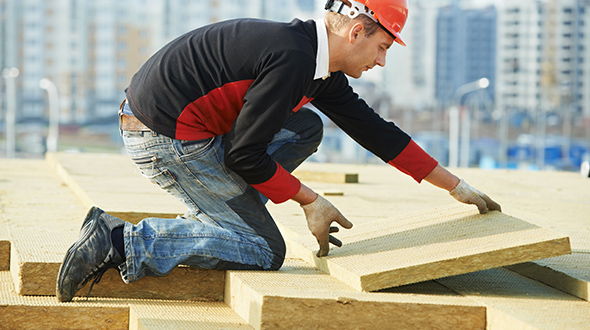
Monday, August 24, 2020

EPDM Roofing System Explained

New EPDM single ply membrane roofing system installation

Avoid spending your resources on the wrong roofing systems for your flat roof or commercial property. By knowing how EPDM roofing systems can protect your commercial building, you can make informed decisions when installing or replacing your roof.

atlantacommercialroofingcontractors.com gathered information about the definition, installation, warranty, cost, and potential problems with EPDM roofing systems while answering frequently asked questions.
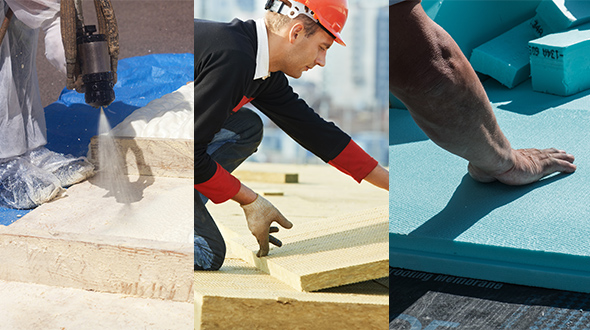
EPDM Roofing Explained – Production, Properties, and Benefits

EPDM (Ethylene Propylene Diene PolyMethylene) is a durable synthetic rubber roofing membrane composed of two primary ingredients, ethylene and propylene, derived from oil and natural gas.

The following will explain the composition, properties, and production of EPDM roofing systems for commercial and residential structures, including its use in the auto industry:

  • EPDM roofing material is classified as a single-ply membrane. However, most are comprised of two plies of material to produce one ply. This is done to prevent imperfections from occurring throughout the sheet.
  • There are two methods used to produce EPDM roofing material; calendaring or through a roller die extruder.
  • Sheet thickness is 45 mils, 60 mils, and 90 mils, which equates to about the thickness of a heavy-duty trash bag.
  • EPDM panels can be produced as narrow as 5 feet and as wide as 50 feet, while sheet length can reach 200 feet. This provides maximum coverage with minimal seams.
  • EPDM membranes are usually installed using deck adhesive, making them fully adhered (glued down) to the substrate. They can also be installed using a ballasted system or be mechanically attached to the substrate.
  • Overlapping EPDM seams can be sealed by applying adhesives, seam tape, or both.
  • EPDM membranes come in two primary colors, including black and white.
  • EPDM membranes are resistant to oil and chemicals expelled by commercial exhaust vents.
  • EPDM roofing material is naturally fire-resistant and is highly UV resistant.
  • EPDM roofing systems are highly resistant to wind uplift.
  • The life expectancy of EPDM roofing systems is between 22 and 35 years
  • The EPA recognizes that ballasted EPDM roofing systems can be a very effective means of lowering rooftop surface temperatures, reducing air conditioning requirements within the structure.

Play this video to see the manufacturing process of EPDM membranes.

While popular in the roofing industry, the principal application of EPDM is within the automotive industry. It is used to manufacture components like weatherstripping, coolant hoses, brake components, and motor oil.

EPDM Roofing Installation and Warranty

The installation of your EPDM roofing system, when properly installed, is a fast and non-intrusive process.

Installing an EPDM membrane is accomplished by fully adhering it (gluing down), and/or mechanically attached or ballasted; the following factors influence the quality of the roofing system’s installation:

  • Low roof slope for efficient draining
  • Correct installation and fastening of insulation (when used) to deter bulging and sagging
  • Correct application of adhesives to the substrate
  • Proper use of seam adhesive
  • Drip edge seamlessly connected around the perimeter of the roof

In addition to quality installation, a warranty is advantageous and very valuable when the installation or components of your roof may fail. There are two types of warranties to consider when installing or replacing any roofing system:

Contractor’s Warranty – This warranty covers workmanship and installation of your roofing system by the contractor. The company is guaranteeing its work for the roof’s lifetime.

A contractor’s warranty should contain the following:

  • A list of covered items
  • What can void the warranty
  • When/If the warranty expires

The above installation and warranty information underscore the necessity to thoroughly vet contractors.

Note: There is no industry standard regulating the duration of a contractor’s warranty.

Manufacturer’s Warranty – This warranty covers defects in the material used in your roofing system. Once installed, your contractor should provide you with a warranty certificate(s).

An example of material failure would be premature shrinkage. Unless it is determined to result from poor or improper installation, a claim should be leveraged against the manufacturer’s warranty.

Shrinkage of EPDM roofing material

EPDM Roofing Cost

Collecting estimates for any roofing system can be an overwhelming experience. There is often a significant disparity from one quote to the next, which validates the need to collect at least three bids from reputable roofing contractors.

Prices for installing an EPDM roof system vary depending on the size/complexity of the roof, time of year, material brand, material quality, method of installation, and the amount of labor involved. Expect to see pricing in the following ranges:

Tear-off – Unless your new roof is installed over your current roof, the old one will be removed. This process can cost between $100 and $200 per square (1 square = 100 square feet).

Suppose this cost is bundled in material and installation pricing. In that case, you can request that it be detailed separately in your estimate(s).

EPDM Material – will fall between $75 and $450 per square

EPDM Installation (Labor) – can range from $350 to $750 per square

Maintenance Contract – These commercial roofing maintenance programs prices vary from contractor to contractor

Using the price ranges above, you can expect to see bids, including tear-off, material, and installation for a 1,000 square foot roof between $5,250 and $14,000.

Tip: In the roofing industry, installations are generally more expensive in the spring and summer months. Schedule your installation for the off-peak season (early spring and fall) if/when possible.

Disclaimer: The above prices are in no way meant to represent actual bid values and only serve as estimated market price ranges.

EPDM Roofing Problems

Most problems occurring with EPDM roofing systems can be traced back to the roof’s installation. The following are commonly reported issues:

Pooling water can cause fast degradation of EPDM roofing material
  • Improper roof slope causing water pooling and degradation of materials
  • Seam separation from improper application of adhesives
  • Insulation improperly fastened or installed
  • Incorrectly installed flashing
  • Membrane tears from wind-driven debris

You can avoid problems caused by poor installation by contracting a roofing company with extensive training and experience with EPDM roofing systems.

Tip: Always request references from roofing contractors and followup with those references.

People Also Ask

Can you walk on an EPDM roofing system?

Yes. EPDM is designed to withstand light foot traffic. If you have areas on your roof with heavy foot traffic, have those areas reinforced to avoid rupturing your membrane.

Does EPDM need to be glued down?

Yes. EPDM membranes are fully adhered or “glued down.”

Which is better, EPDM or TPO?

Depends on the intended use and functionality of the property. Both systems have similar qualities. However, TPO is slightly more puncture resistant and can have a more comprehensive warranty.

Does EPDM shrink?

Yes. Despite its durability and reliability, over time, EPDM naturally shrinks.

How good is EPDM roofing?

EPDM roofing materials are extremely durable, resists mold, damages, and is easily repaired. With larger panels and fewer seams, it is very rare for an EPDM roof to leak prematurely.

Rubber EPDM roofing membranes are inherently waterproof

EPDM Information Revealed

In this article, you discovered essential information about the definition, installation, cost, warranty, and issues with EPDM roofing systems.

By knowing how EPDM roofing systems are produced, installed, and maintained, you can make informed decisions about having it installed on your building.

When you rely solely on what a roofing contractor says or presents, you are leaving yourself vulnerable to costly repairs after having inferior quality materials poorly installed on your building.

Sources:
epdmroofs.org/what-is-epdm/why-epdm/
homeadvisor.com/cost/roofing/rubber-membrane/
tporoofing.org/comparative-guide-to-tpo-vs-epdm-roofing/
energystar.gov/products/building_products/roof_products/other_types_roofing_that_can_save_energy

The post EPDM Roofing System Explained appeared first on atlantacommercialroofingcontractors.com
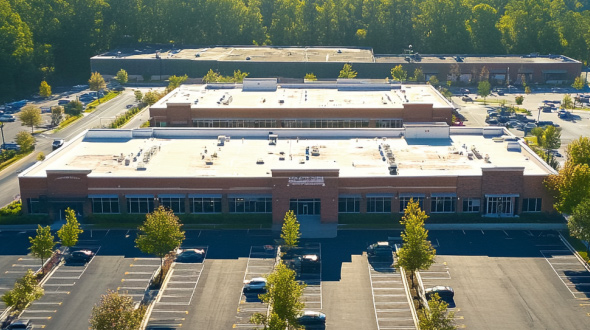
Tuesday, June 30, 2020

Commercial Roof Coatings

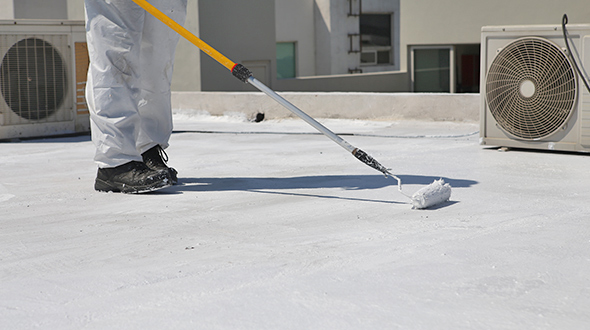
Commercial roof coating being applied with a roller on a flat roofing system

Prevent your failing commercial roof from shuttering your business, costing you valuable time and money. Commercial roof coatings can extend the life of your current roofing system by twenty years or more,

atlantacommercialroofingcontractors.com gathered information about commercial roof coating purpose, benefits, installation, types, and maintenance for you to make informed decisions when your commercial roof needs attention.
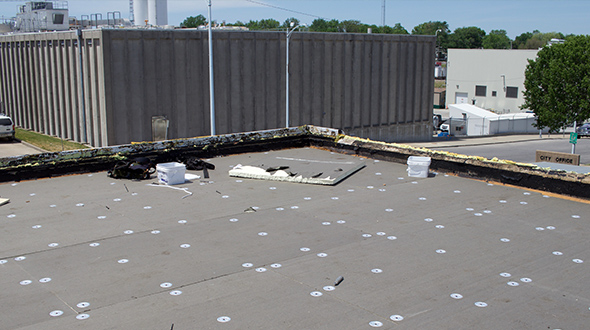
Commercial Roof Coating Purpose

The purpose of commercial roof coatings is to improve the performance of your roof and increase its lifespan.

Commercial roof coatings protect your property by creating a seamless layer of protection that self-adheres to your existing roofing system. The majority of these coatings are reflective and do not absorb UV rays, keeping your roof and property cooler (making your roofing system a “cool roof”), saving energy and money.

Commercial Roof Coating Benefits

As previously mentioned, commercial roof coatings can help you save money by reflecting UV rays. The benefits don’t stop there, consider the following when determining if a roof coating is the right choice for your building:

No Leaks – Commercial roof coatings eliminate leaks from your roofing system. You may rarely wind up with a leak, but they are easy to fix.

Cool Roof – High solar reflectance (albedo) is the most critical characteristic of a cool roof as it reflects sunlight and heat away from a building, reducing roof and internal temperatures. A high thermal emittance also positively contributes to lowering heat-island temperatures in climates that are warm and sunny.

These properties help roofs to absorb less heat and remain up to 50–60°F cooler than conventional materials during the summer months.

Resistant To Ponding – When your roofing system’s drains get partially or entirely interrupted, water will back up and settle in the lowest areas of the roof. Due to the coating’s seamless application, water penetration is prevented until you can correct the problem with the drainage system.

Commercial roof coating prevents leaks from ponding

Low-Cost Solution – A commercial roof coating application is an inexpensive alternative to roof replacement that, when properly applied, can significantly extend the life of your roofing system, making its cost-benefit even greater.

  • $8,000 to $16,000 is the range you can expect to pay for a 1,600 square foot flat roof installation (materials and labor).
  • $1,040 to $8,000 is the range you can expect to pay for a 1,600 square foot roof coating application (materials and labor).

Longevity – Creating a watertight barrier over your original roofing material can extend its lifespan by as much as 20 years.

Versatility – Commercial roof coatings can adhere to a wide range of substrates. Occasionally, a primer is needed for the coating to adhere to the substrate (more on this below).

Easy Installation – When applying a commercial roof coating, contractors will save time and headaches. At the same time, building owners can get their roof revamped faster for less money and without interrupting operations within the building.

While there are impressive benefits associated with nearly every aspect of commercial roof coatings, if your roof has suffered catastrophic damages or has completely failed, it may be necessary to replace it altogether.

Read more about installing a new roof at atlantacommercialroofingcontractors.com/commercial-roof-installation/

Commercial Roof Coating Installation

A roof coating installation is a simple process. As mentioned above, it is one of the benefits. The following will bring into focus just how easy it truly is:

Roof Inspection – A roof inspection is the first step in this process, and the professional performing it will be looking for the following:

  • Storm, animal, or impact damages
  • Shrinkage (membrane roofing systems)
  • Damaged sheet metal (metal roofing systems)
  • Damaged flashing
  • Loose protrusions
  • Drain blockages
  • Pooling water
  • Previous or current leak damage
  • Structural integrity

These inspections are most effective when performed within 48 hours after rainfall.

Roof Repairs – Once your inspection is done, you’ll have a list of damages or irregularities to fix. Before you can apply a roof coating, all problems must be halted and removed. If a roof coating is applied to a roof with wet insulation, loose protrusions, structural problems, etc., those problems will be sealed in and continue to cause problems.

Clean the Roof – Once all repairs are complete, the final activity before installation is to clear the roof of:

  • Tools and equipment
  • Debris
  • Dirt
  • Oil/Exhaust buildup
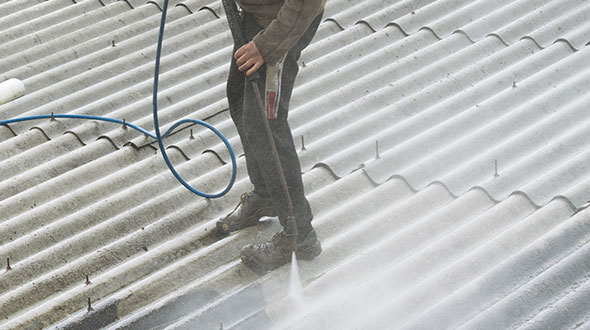
Commercial roof power washing before protective coating application

Remove everything that is not a part of the roofing system. Using a power-washer, brooms, and industrial vacuums are effective ways of cleaning your roof before coating application.

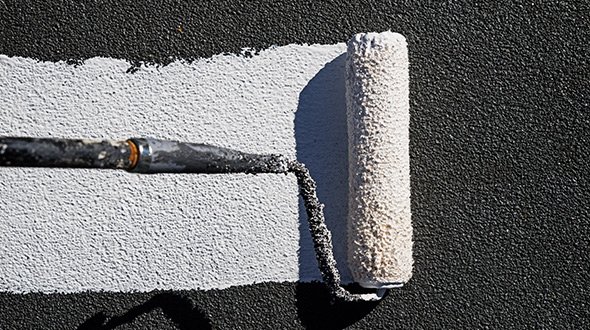
Install the Roof Coating – After the roof has been inspected, repaired, and cleaned, your roofer can properly apply your roof coating. Coatings can be applied by rolling them on or spraying them on the roof’s surface. Done correctly, the coating will cure over 24 hours, leaving your roofing system rejuvenated and sturdy for up to 20 years.

Commercial Roof Coating Types

The following are common types of roof coating that can be applied to your existing commercial roofing system:

Acrylic Coatings – Acrylic coatings come in solvent and water-based formulas, and the qualities of the coating depend on the selected formula. Acrylic coatings have outstanding weathering properties and reflect UV rays. The selection of a formula depends on the type of the roof, adhesion, regional temperature fluctuations, etc.

Silicone Coatings – Silicone coatings are commonly applied in regions subject to an abundance of rain, leaving the roof wet for long periods. These coatings are also highly effective at reflecting UV rays, helping commercial structures stay cool.

Butyl Elastomeric Coatings – Butyl elastomeric coatings are made from butyl rubber and possess excellent flex properties, adhesion to multiple substrates, and resistance to most weather and temperature conditions.

Read more about butyl elastomeric coatings at atlantacommercialroofingcontractors.com/butyl-elastomeric-roof-coating-explained/

Polyurethane Coatings – Polyurethane coatings are solvent-based and come in either aromatic or aliphatic variations. Polyurethane coatings have high abrasion resistance traits and are preferred on roofing systems with high foot traffic or regions that experience frequent hailstorms.

Commercial Roof Coating Maintenance

Should you acquire a maintenance program to cover your roof coating and roofing system?

Yes. In the same way you would contract a professional roofing service to maintain your roof without a roof coating, you should acquire an equivalent maintenance program once your roof coating is installed. Some of the benefits include:

  • Bi-annual inspections
  • Emergency inspections after severe weather
  • Light maintenance and repairs
  • Preventive maintenance
  • Gutter and drain cleaning
  • Debris removal

For more in-depth information about maintenance programs and services, read atlantacommercialroofingcontractors.com/maintenance-programs-services/

Commercial roof maintenance before applying a protective coating

Commercial Roof Recoating

One of the added benefits to getting a roof coating is that once you near the end of its lifespan, you can have it recoated, adding another 15 to 20 years to the life of your roofing system.

Note: Some municipalities have codes that address commercial roof recoating and may limit the number of times a roof can be coated before requiring repair or replacement. Visit your city’s website and search for “roofing codes” or call their “Office of Buildings/Construction” for more information.

Coating Your Commercial Roof

In this article, you discovered information about the purpose, benefits, installation, types, and maintenance programs associated with commercial roof coatings.

By informing yourself about commercial roof coatings, you can make well-informed decisions when it’s time to address roofing issues, or take action to prevent them.

Allowing your roof to remain fully exposed to the elements can dramatically reduce its lifespan, leading to premature problems and failure. Significant problems or premature replacement can lead to you exceeding your roofing budget and costing your company capital that could be used in other areas.

Sources:
homeadvisor.com/cost/roofing/seal-a-roof/
roofcalc.org/flat-roof-calculator/
henry.com/fileadmin/pdf/current/tds/HE280DC_techdata.pdf
www2.epa.gov/heat-islands/using-cool-roofs-reduce-heat-islands

The post Commercial Roof Coatings appeared first on atlantacommercialroofingcontractors.com
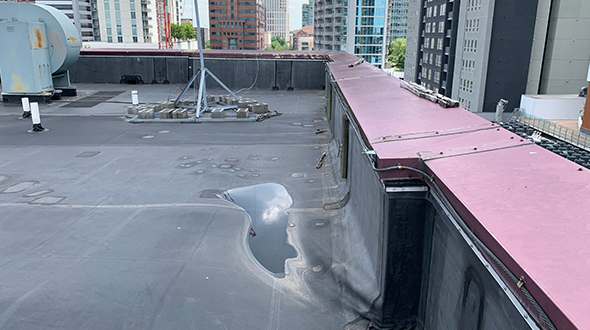
Can Roof Shingles Be Painted?

Many property owners wonder whether painting their roof is a viable way to refresh its appearance without the expense of a full replacement....