Showing posts with label Roof Coating. Show all posts

Wednesday, September 24, 2025

What Is the Best Roof Coating for Shingles?

Wondering what the best roof coating for shingles is? The best choice depends on your roof’s needs and your local climate. We’ll guide you through the top coatings like acrylic, silicone, polyurethane, and elastomeric, and explain their benefits to help you make the right choice.
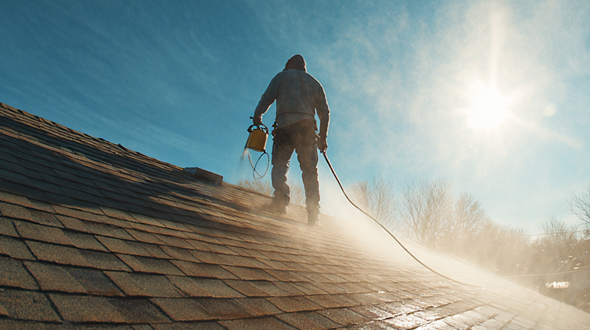
what is the best roof coating for shingles

Key Takeaways

  • Roof coatings enhance shingle lifespan by acting as protective barriers against weather elements and can improve energy efficiency.
  • Different types of roof coatings, including acrylic, silicone, polyurethane, and elastomeric, offer unique benefits based on climate and performance needs.
  • Selecting the right roof coating involves considering factors such as material compatibility, climate suitability, durability, energy efficiency, and cost.

Why Roof Coatings Matter for Shingles

Roof coatings play a crucial role in maintaining and protecting roofs by:

  • Shielding against wind, rain, and snow, extending the roof’s lifespan, and postponing expensive replacements.
  • Acting as a waterproof barrier, it prevents water damage.
  • Inhibiting mold, mildew, and moss growth on shingles.
  • Rejuvenating older shingles by sealing leaks and enhancing overall performance, thereby avoiding premature roof replacement.

One of the most compelling benefits of roof coatings is their energy efficiency. An energy-efficient roof coating reflects sunlight and reduces heat absorption, which leads to overall lower cooling costs. Additionally, they can enhance the curb appeal of shingles by being tinted or pigmented to match your aesthetic preferences.

Investing in the right roof coating can significantly enhance the durability, performance, and appearance of your asphalt shingle roof.

Types of Roof Coatings for Shingles
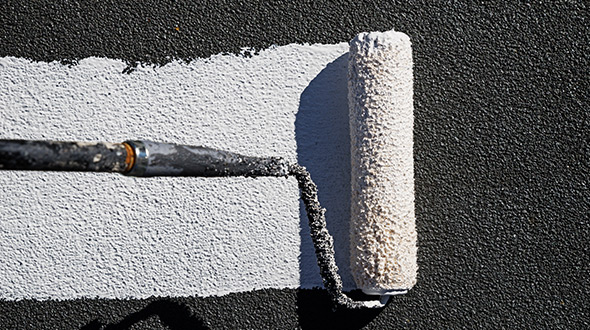
types of roof coatings for shingles

Shingle roof coatings vary to meet different needs, climates, and conditions. The most common coating types — acrylic, silicone, polyurethane, elastomeric — each offer unique benefits.

Knowing these options helps in choosing the coating that offers optimal protection and performance for your asphalt shingle roof.

Acrylic Roof Coatings

Acrylic roof coatings, known for their durability and lifespan of over 10 years, offer excellent UV protection, making them ideal for sunny and hot climates.

Acrylic coatings are also suitable for sloped roofs in moderate to harsh weather conditions, helping to keep shingles in good shape.

Silicone Roof Coatings

Silicone roof coatings excel in rainy or humid climates, offering superior resistance to weathering and extreme temperatures, even on wet roofs. They also resist UV rays, helping to keep surfaces cooler and reducing heat absorption. Silicone coatings provide an additional layer of protection for your roof.

However, they can become slippery when wet and might not adhere as well as other material options.

Polyurethane Roof Coatings

Polyurethane coatings, known for their strong impact resistance and protective properties, are suitable for high-traffic areas like commercial or industrial buildings. They come in two types: aromatic, which is thinner and offers less UV protection, and aliphatic, which is thicker and more effective.

However, they are generally less UV-resistant than other coatings.

Elastomeric Roof Coatings

Elastomeric roof coatings form a durable, waterproof, and reflective membrane once cured. Their benefits include:

  • High flexibility that prevents damage from cracking and peeling
  • Excellent weather resistance
  • UV protection
  • Leak prevention

These features make them specifically designed for various roof types and climates.

Key Considerations for Choosing the Right Roof Coating
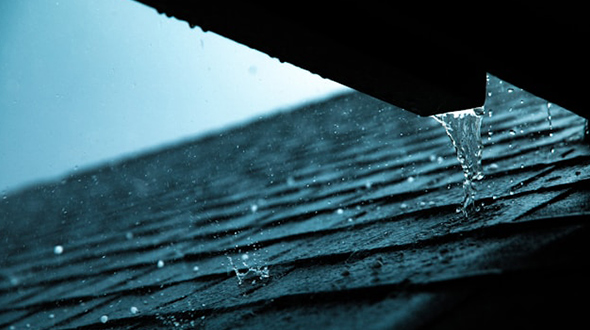
shingle roof experiencing a rain storm

Choosing the right roof coating protects existing shingles from weather damage, enhances energy efficiency, and prolongs the roof’s shingle life with durable coats.

Consider factors such as lifespan, protection effectiveness, maintenance frequency, durability, and energy savings when choosing a roof coating.

Roof Material Compatibility

Compatibility is key because not all roof coatings suit every type of shingle. Incompatible coatings can lead to poor adhesion, uneven coverage, and a reduced lifespan of the roofing system.

Asphalt roof coatings are specifically formulated for asphalt roofs and can also be used on roofs needing additional strength.

Climate Suitability

Selecting the right roof coating ensures durability and protection in your specific local climate. Acrylic roof coatings suit drier climates, while polyurethane coatings offer excellent protection against water, moisture, and extreme weather conditions.

Elastomeric roof coatings are effective in areas with extreme climates, especially in locations with significant temperature changes.

Longevity and Durability

Acrylic roof coatings offer durability and excellent UV protection, extending the life of your roof and shingles. Silicone roof coatings last around 10 years and resist weathering and extreme temperatures.

Polyurethane roof coatings provide robust protection against abrasion and are known for their exceptional durability.

Energy Efficiency

Roof coatings can enhance solar reflectivity, contributing to energy savings. High Solar Reflectance Index (SRI) reflective coatings minimize heat absorption and the heat absorbed, significantly lowering energy costs by keeping buildings cooler.

Energy-efficient roof coatings reduce energy usage, lower indoor temperatures, and decrease the strain on HVAC systems.

Cost and Application

The total cost of roof coatings encompasses both the initial application and long-term maintenance expenses. Hiring a professional can add to the overall cost, but it may be necessary for large or steep roofs to ensure safety and even coverage.

GacoElastomeric is water-based, making it ideal for DIY enthusiasts thanks to its easy application, simple cleanup, and environmental friendliness..

Proper Application and Maintenance of Roof Coatings

Proper application and maintenance of roof coatings acts to ensure their effectiveness. These coatings expand and contract with roof movements, preventing damage during temperature fluctuations.

Regular maintenance, including reapplication and addressing damage, is necessary to assess the condition of the roof coatings and avoid costly repairs.

Surface Preparation

Before applying any roof coating, thoroughly clean the roof surfaces by removing dirt, leaves, debris, and loose material. Inspect for cracks, holes, seams, flashing, and areas around vents that need repair to ensure the right coating is applied effectively.

Ensure the roof is completely dry before applying the first coat of coating; this step is crucial for the coating’s effectiveness.

Coating Application

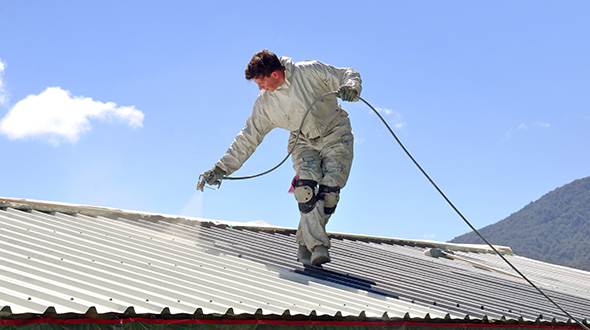
Using proper application techniques, such as rollers or sprayers, is essential for achieving uniform coverage when applied correctly. Follow the manufacturer’s guidelines regarding application thickness.

Start from one end and work systematically for even coverage.

Curing and Maintenance

During curing, avoid any foot traffic to allow the coating to set properly. This coating resists mildew and algae, ensuring a cleaner roof surface over time.

Regular maintenance is necessary to assess the condition of the roof coatings and decide on reapplication frequency.

Shingle Roof Coating Summary
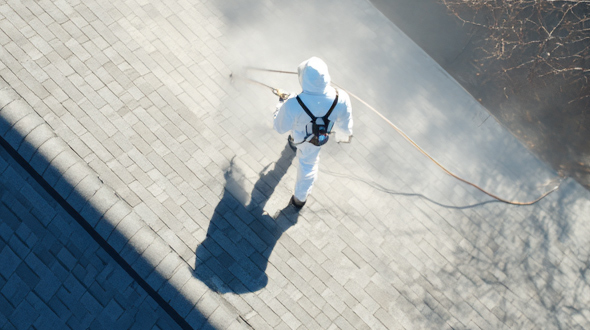
roof coating for shingles

In conclusion, roof coatings are essential for protecting and extending the life of your asphalt shingle roof. They provide reliable protection against weather elements, enhance energy efficiency, and improve the overall appearance of your shingles. By understanding the different types of roof coatings and considering factors such as material compatibility, climate suitability, longevity, energy efficiency, and cost, you can make an informed decision that will benefit your roof for years to come.

Investing in the right roof coating and ensuring proper application and maintenance can save you money on repairs and replacements, while also providing peace of mind. Whether you choose acrylic, silicone, polyurethane, or elastomeric coatings, each option offers unique benefits that cater to different needs and conditions. Remember, a well-coated roof is a happy roof!

Roof Coating Frequently Asked Questions

What is an elastomeric roof coating?

An elastomeric roof coating is a flexible liquid that cures to create a durable, waterproof, and reflective membrane on flat roofs. This protection enhances the longevity and performance of your roofing system.

How long does the GacoElastomeric coating take to dry?

The GacoElastomeric coating dries quickly, typically within two hours. Therefore, you can expect a swift turnaround when applying this product.

What is the elongation capacity of AMES Maximum-Stretch roof coating?

The AMES Maximum-Stretch roof coating offers an impressive elongation capacity of 650%, ensuring outstanding resistance to cracking and peeling.

What is the warranty period for the Tremco TremPro Siliconized Elastomeric Coating?

A 20-year warranty backs the Tremco TremPro Siliconized Elastomeric Coating. This extensive coverage ensures long-term protection and peace of mind for your investment.

What technology does Gardner STA-KOOL Ultra Elastomeric Coating utilize?

Gardner STA-KOOL Ultra Elastomeric Coating utilizes Turbo-Dry and Cool-Core technologies to repel heat gain effectively, ensuring cooler interior environments. This innovative approach enhances energy efficiency and comfort.

Atlanta Commercial Roofing Contractors

Atlanta, GA
(404) 220-9288

The post What Is the Best Roof Coating for Shingles? appeared first on atlantacommercialroofingcontractors.com

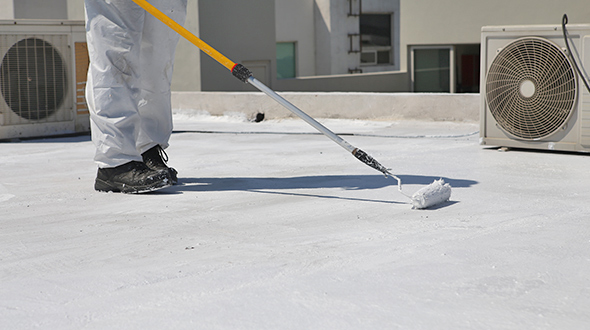
Sunday, February 23, 2025

A Guide to Silicone Roof Coating

Silicone roof coating is widely used to extend the life of roofs by creating a durable, waterproof barrier. Ideal for various roof types, it solves common issues like leaks and ponding water. This guide will break down the benefits, drawbacks, and practical applications of silicone roof coatings, helping you make an informed decision.

silicone roof coating systems with a focus on application

Key Takeaways

  • Silicone roof coatings create a seamless, waterproof barrier, enhancing roof durability and water resistance, particularly for flat roofing systems.
  • They reflect up to 90% of UV radiation, reducing cooling costs and environmental impact while extending roof lifespans.
  • Proper application and regular maintenance are critical for maximizing the effectiveness and longevity of silicone roof coatings, with attention needed for surface preparation and cleaning.

Understanding Silicone Roof Coating Systems

Silicone roof coating systems restore roofs by creating a seamless, waterproof barrier that extends their lifespan. These coatings are made from silicone resins and offer superior adhesion and flexibility, making them suitable for various roof types.

One of the standout features of silicone coatings is their versatility. They can be applied to a multitude of surfaces, including metal roofs, concrete roof decks, existing roof membranes, and built-up roofs. This adaptability makes them a go-to solution for many roofing professionals and homeowners alike.

Silicone roof coatings restore old roofs and improve their capacity to handle water pooling, which is common with flat roofs. However, silicone coatings can degrade over time, potentially causing adhesion problems with subsequent layers.

Water Resistance and Ponding Water

A key advantage of silicone roof coatings is their exceptional resistance to ponding water, making them ideal for flat roofs – and a leading commercial roof coating. These coatings create a seamless barrier that resists water intrusion, keeping your roof dry and protected even during heavy rains.

Silicone coatings withstand prolonged exposure to standing water, a common challenge for many roofing materials. However, maintaining their effectiveness requires proper design and application, especially in areas prone to frequent standing water.

UV Protection and Energy Efficiency

UV protection and energy efficiency in roofing

Silicone roof coatings excel in UV protection, reflecting up to 90% of UV radiation and significantly reducing heat absorption. This not only prevents UV damage but also enhances building energy efficiency by lowering cooling costs.

Their highly reflective nature lowers energy expenses by reducing HVAC system demand, ultimately extending their lifespan. By shielding roofs from harsh UV rays, silicone coatings help prolong roof life and save money while reducing greenhouse gas emissions.

Flexibility and Durability

Silicone roof coatings are flexible, accommodating thermal movements without cracking or peeling. Their impermeable membrane, combined with this flexibility, helps them withstand extreme weather conditions, wind-driven sand, and oxidation.

Due to superior materials and additives, silicone roof coatings can last 10 to 20 years. Their durability is enhanced by resistance to UV radiation, extreme temperatures, moisture, and chemicals, making them reliable for long-term roof protection and a top roof coating type.

Environmental Benefits

Silicone roof coatings have low volatile organic compounds (VOCs), making them environmentally safer. High-solids silicone coatings like High-Solids Silicone 412 are solvent-free, reducing environmental impact during application. This product is a single-component solution that enhances performance.

These coatings emit fewer VOCs and help maintain cooler buildings, reducing air conditioning needs and further lowering their environmental footprint. This combination of environmental friendliness and energy efficiency makes silicone roof coatings ideal for eco-conscious consumers.

Application Techniques for Silicone Roof Coatings

Applying silicone roof coatings involves several critical steps to ensure optimal performance and longevity. First, thoroughly clean the entire roof surface to remove any dirt, debris, or contaminants that could hinder adhesion. This often involves using solvents to clean the area around repairs.

After cleaning, thoroughly mix the silicone coating before application to ensure a consistent and effective layer. Using the right tools, such as rollers or brushes, helps achieve an even application. Applying the coating in multiple thin layers provides better coverage and enhances durability.

application techniques for silicone roof coatings

Proper surface preparation and application techniques are crucial for the longevity and effectiveness of silicone roof coatings. Following these steps helps achieve a seamless, durable, and long-lasting roof coating.

Maintenance Requirements

Regular maintenance maximizes the lifespan of silicone roof coatings. These coatings tend to attract dirt and debris, reducing their effectiveness over time. Regular cleaning preserves their reflective properties and prevents increased heat absorption.

Pressure-wash silicone roof coatings every 6-12 months to maintain optimal performance. Routine inspections and promptly addressing any damages also help extend the coating’s life and prevent costly repairs.

Safety Considerations

A safety concern with silicone roof coatings is their slipperiness when wet, posing a significant risk to individuals accessing the roof. This can lead to accidents if proper precautions are not taken.

To mitigate this risk, the Walk-Path System should be used to mark pedestrian areas clearly. This system provides safe walkways and reduces the chances of slips and falls, ensuring the roof remains accessible and safe for maintenance and inspections.

Cost-Effectiveness

Silicone roof coatings offer significant cost-saving benefits compared to traditional roofing methods. The faster application process leads to substantial labor cost savings. Additionally, silicone coatings can save about 65-75% in costs by reducing labor and waste.

The longevity and durability of silicone roof coatings result in lower replacement costs over time. By minimizing maintenance and repair expenses, these coatings offer a cost-effective solution for long-term roof protection.

Challenges with Silicone Roof Coatings

While silicone roof coatings offer numerous benefits, they also come with challenges. Recoating can be difficult due to the unique properties of silicone. Silicone coatings only adhere to silicone, necessitating thorough surface cleaning and sometimes specific primers to ensure proper adhesion.

challenges with silicone roof coatings

Contamination on the roof surface, such as dirt or oils, can hinder the performance of new silicone coatings. Proper surface preparation is crucial for achieving good adhesion when applying new coatings or making repairs.

Silicone Coating Summary

In summary, silicone roof coatings offer a plethora of benefits, including excellent water and UV resistance, flexibility, durability, and environmental friendliness. They provide significant cost savings and are relatively easy to apply with the right techniques.

However, challenges such as the need for regular maintenance and difficulties in recoating must be considered. Overall, silicone roof coatings present a viable and cost-effective solution for extending roof life and enhancing protection, making them a worthy investment for many.

Frequently Asked Questions

Is silicone roofing expensive?

Silicone roofing is generally less expensive than a full roof replacement, costing between $5 and $8 per square foot compared to $10-$15 per square foot for replacement. Thus, it can be a cost-effective option for roof maintenance.

How long will a silicone roof coating last?

A silicone roof coating can last an average of 10-15 years, effectively extending the life of your existing roof while providing superior protection against further damage.

What is one of the long-term benefits of silicone roof coatings for HVAC systems?

One of the long-term benefits of silicone roof coatings for HVAC systems is their ability to lower energy costs and reduce the workload on the systems, which can significantly extend their lifespan.

What is the primary reason to consider roof renovation instead of roof replacement?

The primary reason to consider roof renovation is that it can extend the life of your existing roof while saving you substantial costs compared to a full replacement. Renovation often addresses specific issues without the need for a complete overhaul.

What are the two primary types of roof coatings?

The two primary types of roof coatings are asphaltic coatings and elastomeric coatings. Each serves distinct purposes, with asphaltic coatings offering waterproofing and durability, while elastomeric coatings provide flexibility and UV protection.

Atlanta Commercial Roofing Contractors

Atlanta, GA
(404) 220-9288

The post A Guide to Silicone Roof Coating appeared first on atlantacommercialroofingcontractors.com
Sunday, January 26, 2025

Acrylic vs Silicone Roof Coating

Choosing the right type of roof coating is crucial for roof longevity and performance. Acrylic vs silicone roof coating: which one should you pick? This article breaks down their key differences, pros, and cons, helping you decide the best fit for your roofing needs.

acrylic vs silicone roof coating

Key Takeaways

  • Acrylic roof coatings are cost-effective and easy to apply but can degrade over time due to ponding water and extreme temperatures.
  • Silicone roof coatings offer superior moisture resistance and longevity, making them ideal for harsh weather; however, they come with a higher initial cost and require specialized application techniques.
  • The choice between acrylic and silicone roof coatings should consider factors such as climate, budget, and long-term maintenance to ensure optimal performance for specific roofing needs.

Understanding Acrylic Roof Coatings

Acrylic roof coatings are liquid-applied, seamless membranes that adhere fully to the roof surface. Typically latex-based, they cure through air drying, which makes them user-friendly and easy to apply. Acrylic polymers in the coatings provide flexibility and resilience. Their ease of application is a key reason for their popularity in the commercial roofing industry.

Ideal for flat roofs, these coatings can be applied to various substrates, including metal, modified bitumen, built-up roofs, EPDM, TPO, PVC, concrete, and spray polyurethane foam. They enhance the roof’s aesthetic appeal and are known for being low in odor and cost-effective.

Acrylic roof coatings help prevent water damage, making them a practical choice for commercial roofing applications and an effective acrylic coating solution.

Pros and Cons of Acrylic Roof Coatings

pros and cons of roof coatings

Acrylic roof coatings offer several advantages, making them a popular choice for commercial roofing systems. They are cost-efficient and easy to apply, making them an attractive option for both contractors and building owners. Additionally, acrylic coating systems enhance the durability and longevity of the roofing materials.

However, despite their benefits, acrylic roof coatings also have some disadvantages to consider. These coatings are susceptible to damage from ponding water and can experience reduced durability in extreme temperatures.

Knowing the advantages and disadvantages will help you decide if they are the right roof coating system for your needs.

Advantages of Acrylic Roof Coatings

A key advantage of acrylic roof coatings is their affordability. They are generally more budget-friendly than other types while offering similar durability. Their cost-efficiency makes them a favored choice for commercial roof restoration projects, especially when budget constraints are a concern.

Acrylic roof coatings are also highly reflective, providing strong UV resistance, which can lead to lower cooling expenses. Reflecting UV rays helps maintain a cooler building environment, reducing the need for excessive air conditioning during hot months and preserving the roof’s aesthetic appearance.

Another advantage is the user-friendly application process. Due to acrylic roof coatings being water-based, these coatings minimize complications during application and can be applied using standard tools like brushes and rollers. This ease of installation saves time and reduces labor costs, making acrylic roof coatings a practical and economical solution for many commercial roofing projects.

Disadvantages of Acrylic Roof Coatings

Despite their benefits, acrylic roof coatings have drawbacks. One significant disadvantage is their susceptibility to damage from ponding water. In areas where water tends to accumulate, the tensile strength of acrylic coatings may not suffice, leading to degradation over time. This limitation makes them less suitable for flat roofs with frequent standing water.

Acrylic coatings are also prone to reduced durability in extreme temperatures. Freezing temperatures can cause brittleness, while high temperatures can lead to a loss of mil thickness and performance degradation. These vulnerabilities necessitate more frequent maintenance and reapplication compared to other options.

Susceptibility to ponding water and extreme temperatures can significantly affect the long-term performance of acrylic roof coatings. While they are a cost-effective and easy-to-apply solution, their limitations must be carefully considered to ensure they are the right roof coating system for your needs.

Exploring Silicone Roof Coatings

silicone roof coatings with image of a silicone-coated roof

Silicone roof coatings are renowned for their excellent moisture resistance and ability to protect against UV rays, rain, snow, and hail, making them a durable solution for various commercial roofing systems. Silicone and acrylic are the two most widely used types of commercial roof coatings, with silicone standing out for its flexibility and performance under harsh weather conditions.

Silicone roof coatings can adhere to surfaces such as metal, concrete, TPO, PVC, and modified bitumen. However, achieving a strong bond requires proper surface preparation, emphasizing the importance of professional application. Once applied, silicone coatings form a flexible, seamless membrane that expands and contracts with the roofing material, ensuring long-lasting protection.

The application process for silicone coatings is generally faster and safer as it does not require heat-based methods. Since it doesn’t require heat-based methods, safety risks are reduced, and the project’s overall efficiency is enhanced. Additionally, silicone coatings are widely recognized in the roof restoration industry for their ability to protect various roofing materials, making them a preferred choice for many applications.

Pros and Cons of Silicone Roof Coatings

Silicone roof coatings offer several benefits that make them an attractive option for commercial roofing systems. Their excellent moisture resistance and long lifespan, often exceeding 15 years with proper maintenance, are significant advantages. Silicone coatings also perform exceptionally well in areas with ponding water due to their ability to repel water.

However, silicone roof coatings also have drawbacks. One primary downside is their higher initial cost. The application process can be more complex, requiring specialized techniques and equipment, which can add to the overall cost.

Knowing these pros and cons will help you decide if silicone roof coatings are the right choice for your needs.

Benefits of Silicone Roof Coatings

Silicone roof coatings offer significant advantages, starting with their superior moisture resistance. This property makes them ideal for areas with frequent rain or snow, as they effectively prevent water penetration. Their resistance to ponding water silicone coatings ensures the roof remains protected even in the presence of standing water.

Another key benefit of silicone roof coatings is their longevity. These coatings typically last about 10 years, but they can exceed 15 years with proper maintenance. This extended lifespan reduces the need for frequent reapplications, making silicone coatings a cost-effective solution in the long run. Their durability and performance under ponding water conditions make them a reliable choice for various commercial roofing systems.

Drawbacks of Silicone Roof Coatings

While silicone roof coatings have many benefits, they also come with certain drawbacks. One main disadvantage is their higher cost compared to other types of roof coatings. This higher initial investment can be a deterrent for some building owners, especially those with budget constraints. Additionally, the application of silicone coatings can be complicated due to the need for specialized spray equipment and techniques.

Another drawback is the potential for dirt accumulation on the roof surface. Over time, silicone coatings can attract and hold dirt, which may affect their appearance and reflective properties. Regular cleaning can mitigate this issue but adds to the maintenance requirements. Furthermore, silicone coatings can become slippery when wet, presenting safety concerns that need to be addressed, especially in high-traffic areas.

Silicone coatings may also require a primer when bonding to certain surfaces, which can add to the overall cost and complexity of the project. These factors must be carefully considered when evaluating silicone roof coatings for your needs.

Key Differences Between Acrylic and Silicone Roof Coatings

differences between acrylic and silicone roof coatings

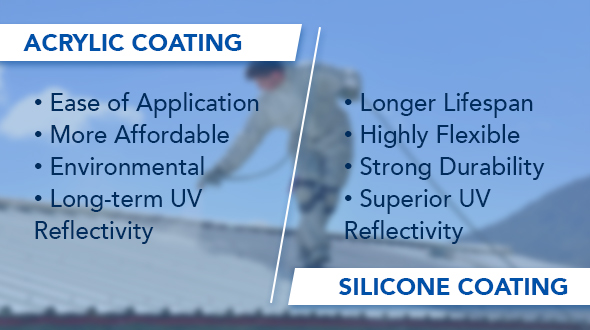
When comparing silicone vs acrylic roof coatings, several key differences emerge. Silicone roof coatings generally have a longer lifespan than acrylic coatings, often lasting up to 20 years with proper application. They are also known for their environmentally friendly properties due to low solvent content and long life cycles. However, the choice between silicone and acrylic coatings depends on factors such as roof type, climate, and budget.

Climate conditions play a crucial role in the performance of roof coatings. Silicone coatings excel in extreme temperatures and areas with frequent ponding water, while acrylic coatings are better suited for sloped roofs and milder climates.

Knowing these key differences will help you make an informed decision when selecting the right roof coating system for your project.

Material Composition and Application

Acrylic roof coatings are composed of acrylic polymers, providing flexibility and ease of application. They can be applied using standard tools like brushes and rollers, making the installation process straightforward and cost-efficient. However, acrylic coatings should not be applied below freezing temperatures and require above 50°F for effective application.

In contrast, silicone roof coatings are highly flexible, allowing them to withstand natural expansion and contraction due to temperature changes. Modern silicone formulations often exceed 90% solids content, enhancing their performance and efficiency during application. However, silicone coatings require specialized application equipment and a more complex cleaning process post-application.

Silicone coatings also tend to accumulate dirt, potentially reducing their reflective capabilities over time. Surfaces coated with silicone can become very slippery when wet, leading to safety concerns that require marked pedestrian pathways. These differences in material composition and application methods are crucial when choosing between acrylic and silicone roof coatings.

Durability and Longevity

Silicone roof coatings are generally more durable and stable compared to acrylic roof coatings. Silicone coatings typically last between 10 to 15 years, whereas acrylic coatings last around 7 to 10 years, with only about 5 years in hot climates. This difference in lifespan is a significant factor to consider when evaluating the long-term cost efficiency of each type.

Acrylic roof coatings may lose thickness over time due to exposure to harsh weather and environmental elements, which can diminish their overall durability. This loss of thickness necessitates more frequent reapplications, adding to the long-term maintenance costs.

In contrast, silicone coatings maintain their integrity and performance over a longer period, making them a more durable solution for commercial roofing systems.

Reflectivity and UV Stability

Both silicone and acrylic coatings initially have similar UV reflectivity rates, but acrylic coatings maintain this better over time. Acrylic coatings generally have better long-term UV reflectivity compared to silicone coatings. When exposed to intense UV radiation, acrylics can chalk, degrade, or become brittle, while silicone coatings perform far superior in UV performance.

These coatings can reflect a significant percentage of harmful UV rays, helping reduce cooling costs in buildings. However, silicone’s ability to maintain reflectivity can be hindered by debris accumulation. This difference in UV stability and reflectivity is an essential consideration when choosing between acrylic and silicone roof coatings.

Environmental Impact

When it comes to environmental impact, acrylic roof coatings have a clear advantage over silicone roof coating due to their water-based formulation. Acrylic coatings have VOC (volatile organic compound) levels that are almost three times lower than those of silicone coatings, making them a more environmentally friendly option. This lower VOC emission positions acrylic roof coatings as a safer choice for the environment.

However, some high-solids silicone coatings have been formulated to have little to no solvents and low VOC emissions, which can improve their environmental performance. Despite this, acrylic coatings tend to be significantly more eco-friendly than traditional silicone options.

When considering the environmental impact, evaluating the specific formulations and their respective VOC levels is essential.

Cost Comparison

Cost is a significant factor when choosing between acrylic and silicone roof coatings. Typically, installing silicone roof coatings costs between $1.50 and $4.50 per square foot when done professionally. In contrast, acrylic roof coatings are generally more affordable, with installation costs ranging from $0.50 to $3.00 per square foot. This affordability makes acrylic coatings an attractive option for budget-conscious projects.

However, it’s important to consider the long-term costs. Acrylic coatings typically require more frequent maintenance and reapplication, which can increase long-term expenses. Silicone coatings, while having a higher initial cost, offer greater durability and longevity, potentially leading to cost savings over time.

Budget considerations should include both upfront costs and long-term maintenance expenses to determine the most cost-efficient solution.

Choosing the Right Roof Coating System

choosing the right roof coating system various roof coatings

Selecting the appropriate commercial roof coating depends on several factors, such as budget, climate, roof condition, and long-term maintenance plans. Acrylic and silicone roof coatings have different properties and advantages that can impact their effectiveness for specific applications. For instance, silicone coatings are ideal for flat roofs and areas prone to ponding water, while acrylic coatings are better suited for sloped roofs and milder climates.

Professional consultation is recommended to determine the best roof coating based on specific environmental factors and roof conditions. Roofing contractors can provide a free onsite roof evaluation to assess the roof surface and recommend the most suitable coating solution. This evaluation can help identify potential issues and ensure that the selected coating system will perform optimally for the specific needs of the commercial roof.

Furthermore, considering the long-term maintenance and durability of each silicone coating type is crucial. While silicone coatings may have a higher upfront cost, their longevity, and reduced maintenance requirements can make them a more cost-effective solution in the long run.

On the other hand, acrylic coatings offer affordability and ease of application, making them a practical choice for many commercial roofing projects. By weighing these factors, you can choose the right roof coating system that meets your specific needs and budget.

Acrylic vs Silicone Summary

In summary, both acrylic and silicone roof coatings offer unique advantages and disadvantages that make them suitable for different commercial roofing applications. Acrylic roof coatings are cost-efficient, easy to apply, and provide excellent UV resistance, making them a popular choice for many building owners. However, they are susceptible to damage from ponding water and extreme temperatures, requiring more frequent maintenance and reapplication.

On the other hand, silicone roof coatings offer superior moisture resistance, longevity, and performance under ponding water conditions, making them a durable solution for many commercial roofing systems. Despite their higher initial cost and more complex application process, their long-term benefits often outweigh these drawbacks. By carefully considering the specific needs of your roofing project, you can choose the most suitable coating solution that ensures optimal performance and cost-efficiency.

Acrylic vs Silicone Frequently Asked Questions

What are the main differences between acrylic and silicone roof coatings?

The main differences between acrylic and silicone roof coatings are their cost efficiency and performance underwater exposure. While acrylic is easier to apply and more affordable, silicone excels in moisture resistance and durability, particularly in ponding water situations.

Which roof coating is better for a flat roof?

Silicone roof coatings are ideal for flat roofs due to their superior performance in ponding water conditions and excellent moisture resistance. This makes them a reliable choice for long-lasting protection.

How long do acrylic and silicone roof coatings last?

Acrylic roof coatings generally endure for 7 to 10 years, while silicone roof coatings can last 10 to 15 years or more with proper maintenance. It’s essential to consider your climate and maintenance practices for optimal performance.

Are acrylic roof coatings environmentally friendly?

Acrylic roof coatings are environmentally friendly thanks to their water-based formulation and low VOC emissions, making them a sustainable choice for roofing solutions.

What factors should I consider when choosing a roof coating system?

When choosing a roof coating system, prioritize budget, climate, roof condition, and long-term maintenance plans. Consulting with a professional can help tailor the best solution for your needs.

Atlanta Commercial Roofing Contractors

Atlanta, GA
(404) 220-9288

The post Acrylic vs Silicone Roof Coating appeared first on atlantacommercialroofingcontractors.com
Wednesday, July 13, 2022

Everything You Need to Know about Roof Coatings

Commercial roof coating Atlanta Ga

Avoid the unnecessary costs of roof replacement when a roof coating may solve your roofing problems. Knowing how roof coatings are applied to existing roofing systems can help you save money while extending the lifespan of your roof.

atlantacommercialroofingcontractors.com gathered the following information and tips about roof coatings and their advantages when applied to your roofing system.
What Are Roof Coatings?

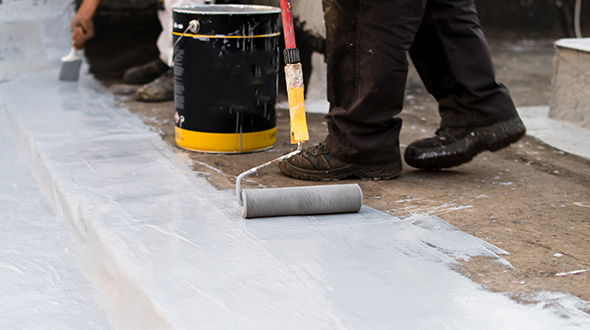
Roof coatings are monolithic, fully adhered, fluid-applied roofing membranes. Roof coatings are typically applied to cover, protect, and extend the lifespan of a structure’s roofing system. Many roof coatings are elastomeric, having elastic properties that allow them to stretch and constrict to their original shape without suffering any damage or deformities.

Are Roof Coatings Worth it?

Yes. Coatings are often seen as an economical way of increasing a roof’s reflectivity. Thus, reducing a structure’s cooling and heating costs. However, a coating is not always necessary if enough insulation is installed with the original roofing system.

Applying a roof coating can add extra protection to a roofing system’s components, adding years or decades to its lifespan.

Considering the lowered air conditioning and the building’s roof preservation, applying a roof coating is worth the investment as it will likely pay for itself over time.

What Are Types of Roof Coatings?

Commercial metal roof coating

Depending on the type, size, and geographical location of your roofing system, one of the following roof coatings may be applied to your roof:

Metal Roof Coating – Metal roof coatings stop leaks, eliminate stubborn rust, and turn hot metal surfaces into a cooler energy-saver. This could be considered metal roof restoration when preparations are made before this weather and heat-shielding coating is applied.

Note: Commercial metal roof coatings start saving you money immediately. Since it is a reflective roof, it can reduce roof temperatures by 30%. This means that heat isn’t transferred to your building, which significantly reduces energy use.

Flat Roof Coating – Flat roofs are typically plagued with leaking, ponding, drainage problems, and rapid deterioration. Whether your current roofing system is hot-tar, modified bitumen, built-up, single-ply, metal, or polyurethane foam, you can apply a roof coating that adds up to 20 more years of useful roof life.

Rubber Roof Coating – Silicone roof coatings are the preferred choice regarding UV protection and resistance to ponding water on rubber roofing systems. They erode much slower than other coatings without becoming brittle or hard.

Extend your existing roof’s lifespan while adding energy efficiency and extra protection for your commercial, industrial, agricultural, or residential structure. Rubber roof coatings can efficiently solve current problems and prevent them from recurring.

Elastomeric Roof Coating – These roof coatings are applied to your roofing system as a liquid. After application, the acrylics dry to a seamless, clean coating that significantly extends roof life.

Note: Correctly installed elastomeric roof coatings are practically weatherproof and can keep your property shielded from most weather conditions. The coating material is elastic, so it can expand and contract as the weather and temperature change.

Cool Roof Coating – Cool roof coatings, or cool roof paint (as it is known in the roofing industry), is a coating that’s applied to a variety of roofing systems to better reflect sunlight, keeping buildings cooler on the inside and significantly reducing energy costs.

Tip: Reducing a structure’s air-conditioning usage will naturally extend its cooling equipment’s lifespan, decreasing maintenance costs and saving you even more money.

When considering a roof coating, be mindful that mechanical fixes to your roofing system are always a better choice than coatings to stop leaks or repair cracks. If you discover leaks, cracks, or other damages, replace and repair them before applying a coating or sealant.

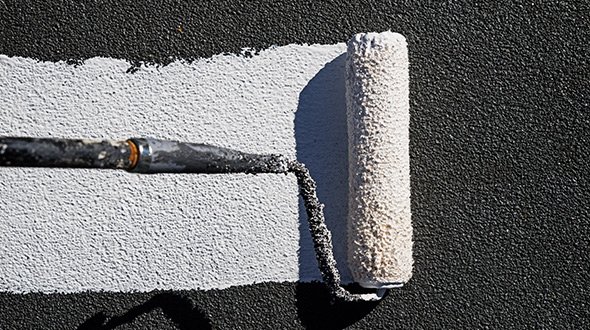
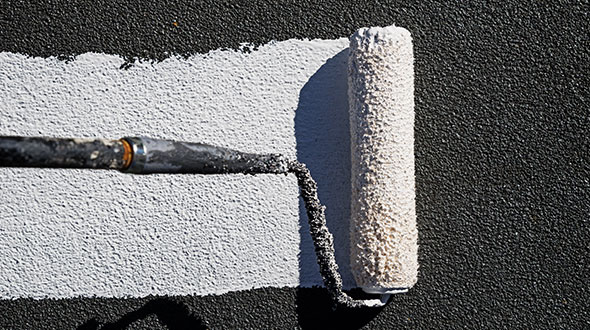
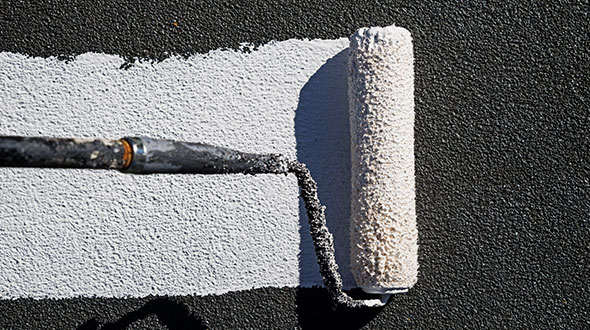
Roof coating applied with a roller on a commercial flat roofing system

Roof Coating Installation Costs

According to homeadvisor.com, you can expect to pay anywhere between $0.65 and $5 per square foot for an installed roof coating or sealing. Variables can include:

  • Type of roof
  • Type of coating or sealant
  • Condition of the current roof
  • Geographic location

Coating a flat or low-sloped roof is a common way to extend the life of your roof while reducing maintenance expenses and cutting down on cooling costs.

Note: Costs for roofing material and installation vary significantly and are heavily influenced by demand, supply chain interruptions, inflation, and fuel/transportation expenses.

Roof Coatings

In this article, you discovered essential information and tips about different types of roof coatings and their inherent benefits.

Installing a roof coating over your current roofing system can save you significant money in air conditioning costs and reduce your roof’s maintenance needs over time.

Not installing a roof coating can leave your roofing system more vulnerable, in need of constant repairs, and requiring a premature roof replacement.

Sources:
heatisland.lbl.gov/resources/roof-coatings
homeadvisor.com/cost/roofing/seal-a-roof/
energy.gov/energysaver/cool-roofs

The post Everything You Need to Know about Roof Coatings appeared first on atlantacommercialroofingcontractors.com
Tuesday, June 30, 2020

Commercial Roof Coatings

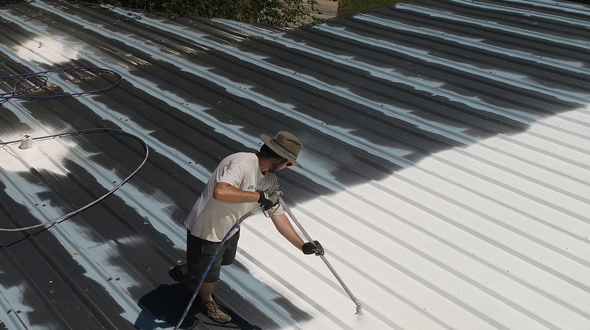
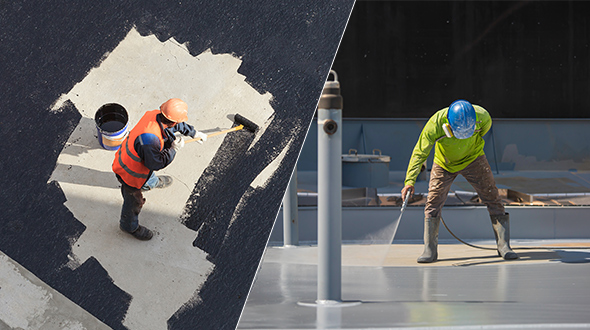
Commercial roof coating being applied with a roller on a flat roofing system

Prevent your failing commercial roof from shuttering your business, costing you valuable time and money. Commercial roof coatings can extend the life of your current roofing system by twenty years or more,

atlantacommercialroofingcontractors.com gathered information about commercial roof coating purpose, benefits, installation, types, and maintenance for you to make informed decisions when your commercial roof needs attention.
Commercial Roof Coating Purpose

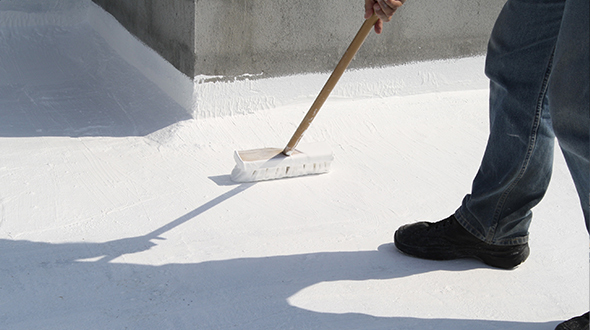
The purpose of commercial roof coatings is to improve the performance of your roof and increase its lifespan.

Commercial roof coatings protect your property by creating a seamless layer of protection that self-adheres to your existing roofing system. The majority of these coatings are reflective and do not absorb UV rays, keeping your roof and property cooler (making your roofing system a “cool roof”), saving energy and money.

Commercial Roof Coating Benefits

As previously mentioned, commercial roof coatings can help you save money by reflecting UV rays. The benefits don’t stop there, consider the following when determining if a roof coating is the right choice for your building:

No Leaks – Commercial roof coatings eliminate leaks from your roofing system. You may rarely wind up with a leak, but they are easy to fix.

Cool Roof – High solar reflectance (albedo) is the most critical characteristic of a cool roof as it reflects sunlight and heat away from a building, reducing roof and internal temperatures. A high thermal emittance also positively contributes to lowering heat-island temperatures in climates that are warm and sunny.

These properties help roofs to absorb less heat and remain up to 50–60°F cooler than conventional materials during the summer months.

Resistant To Ponding – When your roofing system’s drains get partially or entirely interrupted, water will back up and settle in the lowest areas of the roof. Due to the coating’s seamless application, water penetration is prevented until you can correct the problem with the drainage system.

Commercial roof coating prevents leaks from ponding

Low-Cost Solution – A commercial roof coating application is an inexpensive alternative to roof replacement that, when properly applied, can significantly extend the life of your roofing system, making its cost-benefit even greater.

  • $8,000 to $16,000 is the range you can expect to pay for a 1,600 square foot flat roof installation (materials and labor).
  • $1,040 to $8,000 is the range you can expect to pay for a 1,600 square foot roof coating application (materials and labor).

Longevity – Creating a watertight barrier over your original roofing material can extend its lifespan by as much as 20 years.

Versatility – Commercial roof coatings can adhere to a wide range of substrates. Occasionally, a primer is needed for the coating to adhere to the substrate (more on this below).

Easy Installation – When applying a commercial roof coating, contractors will save time and headaches. At the same time, building owners can get their roof revamped faster for less money and without interrupting operations within the building.

While there are impressive benefits associated with nearly every aspect of commercial roof coatings, if your roof has suffered catastrophic damages or has completely failed, it may be necessary to replace it altogether.

Read more about installing a new roof at atlantacommercialroofingcontractors.com/commercial-roof-installation/

Commercial Roof Coating Installation

A roof coating installation is a simple process. As mentioned above, it is one of the benefits. The following will bring into focus just how easy it truly is:

Roof Inspection – A roof inspection is the first step in this process, and the professional performing it will be looking for the following:

  • Storm, animal, or impact damages
  • Shrinkage (membrane roofing systems)
  • Damaged sheet metal (metal roofing systems)
  • Damaged flashing
  • Loose protrusions
  • Drain blockages
  • Pooling water
  • Previous or current leak damage
  • Structural integrity

These inspections are most effective when performed within 48 hours after rainfall.

Roof Repairs – Once your inspection is done, you’ll have a list of damages or irregularities to fix. Before you can apply a roof coating, all problems must be halted and removed. If a roof coating is applied to a roof with wet insulation, loose protrusions, structural problems, etc., those problems will be sealed in and continue to cause problems.

Clean the Roof – Once all repairs are complete, the final activity before installation is to clear the roof of:

  • Tools and equipment
  • Debris
  • Dirt
  • Oil/Exhaust buildup
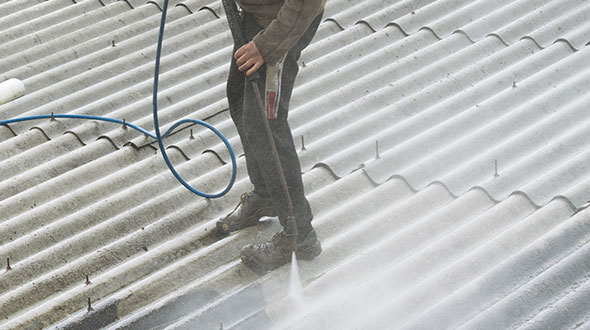
Commercial roof power washing before protective coating application

Remove everything that is not a part of the roofing system. Using a power-washer, brooms, and industrial vacuums are effective ways of cleaning your roof before coating application.

Install the Roof Coating – After the roof has been inspected, repaired, and cleaned, your roofer can properly apply your roof coating. Coatings can be applied by rolling them on or spraying them on the roof’s surface. Done correctly, the coating will cure over 24 hours, leaving your roofing system rejuvenated and sturdy for up to 20 years.

Commercial Roof Coating Types

The following are common types of roof coating that can be applied to your existing commercial roofing system:

Acrylic Coatings – Acrylic coatings come in solvent and water-based formulas, and the qualities of the coating depend on the selected formula. Acrylic coatings have outstanding weathering properties and reflect UV rays. The selection of a formula depends on the type of the roof, adhesion, regional temperature fluctuations, etc.

Silicone Coatings – Silicone coatings are commonly applied in regions subject to an abundance of rain, leaving the roof wet for long periods. These coatings are also highly effective at reflecting UV rays, helping commercial structures stay cool.

Butyl Elastomeric Coatings – Butyl elastomeric coatings are made from butyl rubber and possess excellent flex properties, adhesion to multiple substrates, and resistance to most weather and temperature conditions.

Read more about butyl elastomeric coatings at atlantacommercialroofingcontractors.com/butyl-elastomeric-roof-coating-explained/

Polyurethane Coatings – Polyurethane coatings are solvent-based and come in either aromatic or aliphatic variations. Polyurethane coatings have high abrasion resistance traits and are preferred on roofing systems with high foot traffic or regions that experience frequent hailstorms.

Commercial Roof Coating Maintenance

Should you acquire a maintenance program to cover your roof coating and roofing system?

Yes. In the same way you would contract a professional roofing service to maintain your roof without a roof coating, you should acquire an equivalent maintenance program once your roof coating is installed. Some of the benefits include:

  • Bi-annual inspections
  • Emergency inspections after severe weather
  • Light maintenance and repairs
  • Preventive maintenance
  • Gutter and drain cleaning
  • Debris removal

For more in-depth information about maintenance programs and services, read atlantacommercialroofingcontractors.com/maintenance-programs-services/

Commercial roof maintenance before applying a protective coating

Commercial Roof Recoating

One of the added benefits to getting a roof coating is that once you near the end of its lifespan, you can have it recoated, adding another 15 to 20 years to the life of your roofing system.

Note: Some municipalities have codes that address commercial roof recoating and may limit the number of times a roof can be coated before requiring repair or replacement. Visit your city’s website and search for “roofing codes” or call their “Office of Buildings/Construction” for more information.

Coating Your Commercial Roof

In this article, you discovered information about the purpose, benefits, installation, types, and maintenance programs associated with commercial roof coatings.

By informing yourself about commercial roof coatings, you can make well-informed decisions when it’s time to address roofing issues, or take action to prevent them.

Allowing your roof to remain fully exposed to the elements can dramatically reduce its lifespan, leading to premature problems and failure. Significant problems or premature replacement can lead to you exceeding your roofing budget and costing your company capital that could be used in other areas.

Sources:
homeadvisor.com/cost/roofing/seal-a-roof/
roofcalc.org/flat-roof-calculator/
henry.com/fileadmin/pdf/current/tds/HE280DC_techdata.pdf
www2.epa.gov/heat-islands/using-cool-roofs-reduce-heat-islands

The post Commercial Roof Coatings appeared first on atlantacommercialroofingcontractors.com
Can Roof Shingles Be Painted?

Many property owners wonder whether painting their roof is a viable way to refresh its appearance without the expense of a full replacement....