Showing posts with label Construction. Show all posts

Wednesday, April 23, 2025

The Performance Bond for Construction Explained

A performance bond in construction guarantees that contractors will finish projects as agreed. It protects project owners by covering financial losses if contractors fail to meet obligations. This guide explains what performance bonds are, why they matter, and how they work.
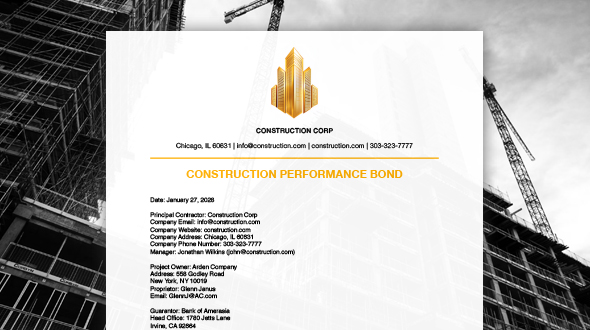
performance bond construction

Key Takeaways

  • Performance bonds are essential in construction, providing financial security and ensuring project completion to agreed standards, thus protecting all parties involved.
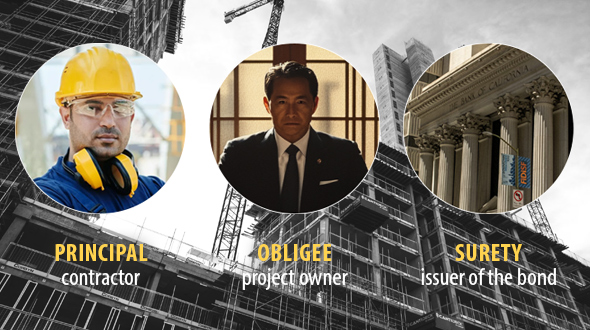
  • The three key parties involved in a performance bond are the principal (contractor), the obligee (project owner), and the surety (bond issuer), each with defined roles for accountability.
  • Cost factors for performance bonds include contract value, the contractor’s credit history, and additional fees, all of which influence the bond premium and overall project budgeting.

Understanding Performance Bonds in Construction

Performance bonds are a cornerstone of financial security in the construction industry. These bonds, provided by an insurer or bank, guarantee that a contractor will complete a project to the required standards and within the agreed timeframe. According to Atlanta Commercial Roofing Contractors, they serve as a safety net, ensuring the project’s specifications are met even if the contractor faces financial difficulties or defaults. A construction performance bond ensures that these obligations are fulfilled.

The significance of performance bonds is immense. They protect the project’s owner from potential financial losses by guaranteeing compensation if the contractor fails to fulfill their contractual obligations. In essence, performance bonds ensure that the construction project will be completed as outlined in the contract, safeguarding the interests of all parties involved.

Why Performance Bonds Are Crucial in Construction Projects

Performance bonds are not just about protecting project owners; they also safeguard subcontractors and suppliers by guaranteeing payments. This dual protection makes performance bond work indispensable in the construction industry, as it ensures that everyone involved in a project is compensated fairly, even if the contractor defaults.

Key Components of Performance Bonds
key components of performance bonds

Understanding the key components of performance bonds is essential for grasping how they function.

There are three primary parties involved in a performance bond:

  1. The principal is the contractor who must perform the contractual obligations.
  2. The obligee is the project owner who requires the bond for protection.
  3. The surety is the entity that issues the bond, guaranteeing the principal’s performance.

This tripartite relationship forms the backbone of performance bonds, ensuring that the project owner is protected and the contractor is held accountable. By clearly defining the roles and responsibilities of each party, performance bonds create a framework for successful project completion.

How Performance Bonds Work

The mechanics of performance bonds are designed to ensure project completion according to the contract’s agreed-upon terms. When a performance bond is included in a contract, it provides a financial guarantee that the contractor will complete the project as specified. If the contractor defaults, the surety steps in to either complete the project or compensate the project owner up to the bond limit.

The surety’s role is crucial in this process. Upon receiving a claim from the project owner, the surety investigates to assess the claim’s validity and the extent of the losses. If the claim is valid, the surety compensates the project owner and subsequently seeks reimbursement from the contractor. In some cases, the surety may help hire a new contractor to complete the project, ensuring that the project owner’s interests are protected.

A performance bond typically lasts twelve to thirty-six months, depending on the specifics outlined in the bond contract. This period ensures that the project is completed and any potential claims are addressed within a reasonable timeframe. By providing this structured approach, performance bonds help maintain the integrity and financial stability of construction projects.

Calculating Performance Bond Costs
calculating the cost of a constructionperformance bond

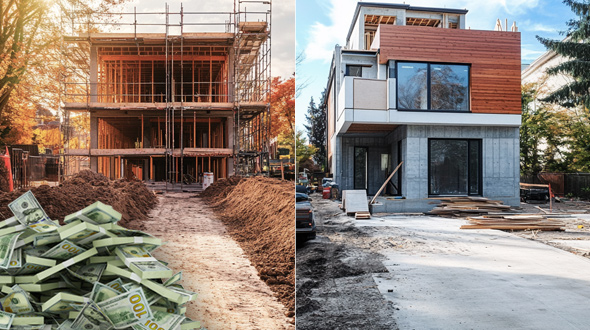
Calculating the cost of a performance bond involves several factors, including the contract value, the contractor’s credit score and financial health, and any additional fees. These elements collectively determine the bond premium, which is typically a small percentage of the total project value.

Understanding these factors is crucial for contractors to accurately estimate their performance bond costs and plan their finances accordingly.

Contract Value

The value of the contract is a primary factor in determining the cost of a performance bond. Generally, higher contract values result in increased bond premiums due to the larger required bond amounts. Performance bonds may use tiered rates, with premiums typically ranging from 1.5% to 3.5% of the total contract value, affecting the performance bond cost.

As the contract value increases, the bond premiums also rise, reflecting the higher financial risk involved. Contractors need to consider this when bidding on projects, as the bond costs can significantly impact the project’s overall profitability.

Credit Score and Financial Health

A contractor’s credit score and financial health are critical in determining performance and construction bond costs. Contractors with strong credit histories and sound financial records are often eligible for lower premium rates. Conversely, those with poor credit may face higher premiums, typically between 3% and 5% of the contract value.

Securing better bond rates involves maintaining accurate financial records, paying off debts, and improving credit scores. Demonstrating financial stability can significantly reduce performance bond costs and increase the likelihood of obtaining the necessary bonds for larger projects.

Additional Fees

In addition to the bond premium, contractors may incur various additional fees when obtaining performance bonds. These can include escrow fees, document fees, and charges for expedited processing and mailing. Understanding these additional costs is essential for contractors to accurately assess the total cost of performance bonds and plan their project budgets accordingly.

Methods to Obtain a Performance Bond
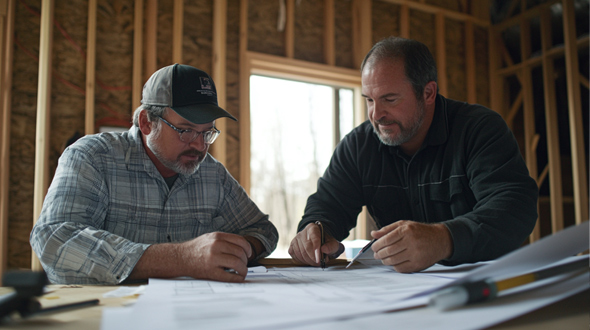
method to obtain a performance bond

Obtaining a performance bond involves a structured bonding process. The first step is to submit a bond application, which typically includes personal and financial information. For larger bonds, additional documentation such as a full contractor questionnaire, financial records, and a bank letter may be required to get a performance bond.

Contractors with good credit histories and solid financial health are more likely to obtain performance bonds successfully. However, those with poor credit may need to provide collateral, such as real estate or equipment, to secure the bond.

Working with a trusted construction CPA can help ensure that all financial documentation is complete and accurate, increasing the chances of bond approval.

Reducing Performance Bond Costs

Reducing performance bond costs is crucial for contractors to maintain profitability and competitiveness. One effective strategy is building long-term relationships with surety providers, which can lead to more favorable terms and lower premiums. Contractors should also focus on bidding for projects within their capacity to avoid overextending themselves.

Submitting detailed and accurate financial statements is another way to lower bond costs. By demonstrating financial stability and reliability, contractors can negotiate better rates and reduce the overall cost of performance bonds.

Differences Between Performance Bonds and Other Bonds

Performance, payment, and bid bonds each serve unique purposes in the construction industry. Payment and performance bonds guarantee a project’s timely and quality completion, protecting project owners from contractor defaults. Payment bonds ensure that subcontractors and suppliers receive their due payments, preventing non-payment issues.

Bid bonds, on the other hand, are linked to the pre-bid phase, which ensures that contractors commit to their bids and secure performance bonds if selected. While performance bonds and payment bonds are issued during the execution of the project, a bid bond is crucial during the bidding process to guarantee the contractor’s ability to fulfill contractual obligations, including contract bonds.

Together, these construction bonds form a comprehensive security solution for construction projects.

When Are Performance Bonds Required?

Performance bonds are required in various situations to ensure project completion and financial protection. For federal government contracts exceeding $150,000, performance bonds are mandated to guarantee compliance with the terms of the contract. Many states also require performance bonds for public construction projects to protect against contractor defaults.

In addition to public projects, some private contracts may stipulate performance bonds for large-scale developments. General contractors often require performance bonds from subcontractors on larger projects to ensure that all aspects of the project are covered and completed successfully.

Benefits of Performance Bonds for Project Owners

benefits of performance bonds for project owners

Performance bonds offer significant benefits for project owners, primarily by providing financial protection in case of contractor default. If a contractor does not meet their obligations, the surety has options. They can either finish the project themselves or pay the project owner for losses up to the bond amount. This ensures the project owner does not suffer financial losses due to contractor issues.

Moreover, performance bonds guarantee that contractors fulfill their contractual obligations, providing peace of mind and reducing the risk of project delays or failures. For project owners, the assurance of work completion and the involvement of a reliable surety bond make payment bond guarantees an invaluable tool in construction projects.

Construction Performance Bond Summary

Performance bonds are essential in the construction industry, providing financial guarantees and ensuring project completion. They protect project owners, subcontractors, and suppliers by mitigating risks and ensuring that contractors meet their contractual obligations. Understanding the costs, components, and methods of obtaining performance bonds is crucial for contractors to succeed in their projects.

By leveraging performance bonds, contractors can enhance their market credibility, and project owners can secure the successful completion of their projects. This comprehensive guide has covered the key aspects of performance bonds, helping you navigate the complexities of the bonding process and make informed decisions.

Performance Bond Frequently Asked Questions

What is a performance bond?

A performance bond is a surety bond issued by an insurer or bank that ensures a contractor will fulfill a project’s requirements, thereby safeguarding the project owner from financial losses.

Why are performance bonds important in construction projects?

Performance bonds are essential in construction projects as they ensure financial security and risk mitigation by guaranteeing that contractors will complete their work according to the contract terms, thereby protecting all parties involved.

How are performance bond costs calculated?

Performance bond costs are calculated as a percentage of the total project value and are influenced by the contractor’s credit score, financial health, and any additional fees. Thus, understanding these factors is crucial for accurately estimating bond costs.

What are the key components of a performance bond?

The key components of a performance bond are the principal (contractor), the obligee (the project owner), and the surety (the entity issuing the bond), each fulfilling distinct roles and responsibilities in the agreement. Understanding these components is essential for ensuring the bond’s effectiveness.

When are performance bonds required?

Performance bonds are typically required for federal contracts over $150,000, public construction projects, and significant private developments, as well as by general contractors from subcontractors on larger assignments.

Atlanta Commercial Roofing Contractors

Atlanta, GA
(404) 220-9288

The post The Performance Bond for Construction Explained appeared first on atlantacommercialroofingcontractors.com

Thursday, March 20, 2025

What Is a Commercial Building?

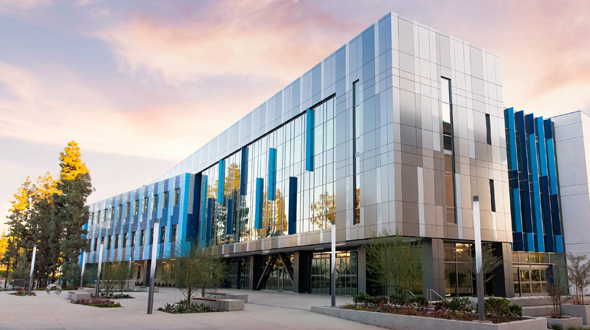
A commercial building is a structure where business activities, such as offices, retail stores, and restaurants, occur. These buildings differ from residential or industrial properties. In this Atlanta Commercial Roofing Contractors article, we’ll explore what defines a commercial building, what commercial building types are, and why they are vital for the economy. Understanding what is a commercial building can help clarify its significance in real estate investing, urban development, and economic growth.

what is a commercial building

Key Takeaways

  • Commercial buildings are defined as structures that house business operations, supporting various functions such as retail, offices, and industrial activities.
  • Investing in commercial real estate offers substantial benefits, including higher returns, job creation, and enhanced property maintenance through professional landlord-tenant relationships.
  • Key factors in selecting commercial properties include location, infrastructure, and suitable zoning regulations, ensuring alignment with business needs and operational efficiency.

Defining Commercial Buildings

Commercial buildings are defined as structures where commercial activities occur, setting them apart from properties that might generate income without active commerce. The primary purpose of these buildings is to house business operations and generate income through activities such as retail, offices, and restaurants. This makes them distinct from residential or purely industrial properties.

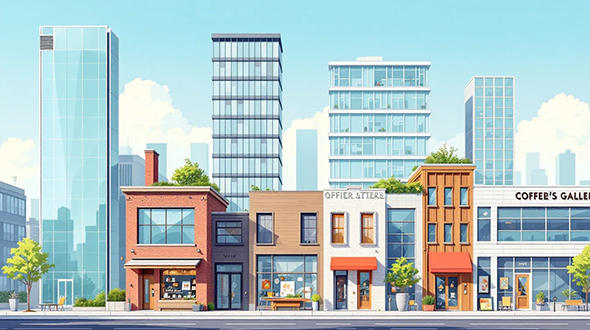
The variety of commercial buildings is vast, ranging from single-story retail stores to towering office skyscrapers. They support various commercial functions, including office spaces, retail establishments, warehouses, and multi-business venues. Each type is designed to cater to specific business needs, ensuring optimal functionality and efficiency.

Knowing what defines a commercial building benefits real estate developers, business owners, and investors. This knowledge aids in planning, development, and regulatory compliance, ensuring these structures support business activities and boost economic growth.

Importance of Commercial Buildings

importance of commercial buildings in urban development and business economics

Commercial buildings are the backbone of the economy, providing spaces where business operations can thrive. They contribute significantly to local and national economies by creating employment opportunities and generating substantial revenue. High-quality commercial properties attract new businesses, driving direct investments and job creation.

These properties also foster innovation by offering flexible spaces that cater to startups and entrepreneurial ventures. For instance, modern office buildings often come equipped with co-working spaces and shared amenities, encouraging collaboration and creativity among commercial tenants. This adaptability makes them ideal for fostering new ideas and business growth.

Beyond their economic contributions, commercial buildings enhance the quality of life in communities. They create vibrant business areas that promote social interaction and activities. Urban centers with a concentration of commercial properties tend to attract more investments, aiding city growth and development.

Recognizing the importance of commercial buildings is vital for those in business planning, real estate, or urban development.

Types of Commercial Properties

various types of commercial properties, including office and retail spaces

Commercial properties encompass a diverse range of types, each serving different business needs. The main categories include:

  • Office buildings
  • Retail spaces
  • Industrial facilities
  • Multi-use properties

This diversity allows for various business types to find suitable spaces that meet their specific requirements.

Each type of commercial property has its unique characteristics and purposes. Office buildings provide spaces for administrative and professional services, while retail spaces cater to businesses selling goods directly to consumers. Industrial buildings support manufacturing and logistics operations, and multi-use properties combine residential and commercial functions.

Examining the details of these categories reveals their distinct features and benefits.

Office Buildings

Office buildings vary widely in structure, from single-story buildings to high-rise skyscrapers. In urban areas, office buildings can span several million square feet, while suburban office buildings are usually smaller and may be grouped in office parks. These buildings are categorized into three classes: Class A, Class B, and Class C, reflecting their quality and rental rates.

class A office building

Class A buildings are the highest quality, offering top-notch amenities and commanding the highest rents. Class B buildings are a step down in terms of quality and amenities but still provide functional office spaces at more affordable rates. Class C buildings are older and may require significant renovations but can offer cost-effective solutions for smaller businesses.

Office buildings, designed for business use, typically feature individual offices, meeting rooms, common areas, lifts, and parking facilities. Their height and size often depend on the location and the developer’s investment level.

Retail Spaces

Retail spaces are another vital type of commercial property, accommodating businesses that sell goods directly to consumers. They can vary significantly in size and format, from large department stores to small independent shops. Examples include big box stores, strip malls, and retail space shopping centers.

commercial retail spaces

Depending on their layout and purpose, retail spaces can be classified as multi-tenant or single-use. Multi-tenant buildings, like strip malls, house multiple retail businesses, providing a variety of shopping options in one location. Single-use retail spaces, such as big-box centers and pad sites, are typically occupied by a single business. Factors like size, concept, and tenant mix often dictate the type of shopping center.

These spaces are designed for customer efficiency, offering ample parking, easy access, and visible storefronts. Their flexible design caters to various retail businesses, from grocery stores to specialty shops.

Industrial Buildings

Industrial buildings encompass a broad range of structures, each tailored to specific operational needs. This category includes manufacturing plants, workshops, and warehouses. These buildings are crucial for the supply chain and logistics sectors, providing essential facilities for distribution and operations.

Warehouses, for instance, serve as storage facilities for businesses, playing a vital role in logistics and inventory management. They must often meet specific requirements, such as climate control, to protect stored goods.

Other types of industrial facilities include manufacturing and workshop spaces, which are equipped to handle heavy machinery and hazardous materials. Features like loading docks and large open floor spaces facilitate efficient business operations in industrial buildings.

industrial commercial building

These buildings are essential for businesses producing goods, storing inventory, or requiring significant logistical support.

Multi-Use Properties

Multi-use properties combine commercial and residential property functions, offering diverse tenant spaces and investment opportunities. These properties may include a mix of retail spaces, offices, and residential units, providing flexibility and enhancing investment stability.

A multi-use commercial building must include both retail and residential spaces, with over 51% occupancy by commercial tenants. Typical tenants include restaurants, retailers, and healthcare facilities.

The diverse functions of multi-use properties make them attractive to a variety of tenants and investors. They provide the convenience of living and working in the same location, catering to modern lifestyle demands and offering stable investment returns.

Key Features of Commercial Buildings

Commercial buildings are designed to meet specific business requirements, ensuring optimal functionality. Customization allows building owners to tailor spaces to tenant needs, including office layout, specialized equipment, and necessary utilities.

Safety measures, including fire alarms, emergency exits, and security systems, protect assets and information in commercial buildings. Adaptability is also crucial, enabling modifications for accessibility features and flexible office layouts.

Ample parking and on-site amenities like lifts and energy-efficient technologies significantly enhance the attractiveness of commercial buildings.

Understanding Commercial Leases

commercial property lease

Commercial leases are agreements between business owners and building owners for renting commercial spaces. Unlike residential leases, commercial leases are less regulated, requiring thorough due diligence from tenants. They typically have longer terms than residential leases, often spanning several years.

Commercial leases are more complex, covering maintenance responsibilities, usage restrictions, and financial obligations. For instance, triple net leases place maintenance, property taxes, and insurance costs on tenants, reducing the owner’s expenses while offering flexibility and customization to meet both parties’ needs.

Commercial tenants may face additional costs beyond rent, such as common area maintenance charges and property taxes. Understanding these complexities is crucial for tenants to negotiate favorable lease terms and ensure their business operations run smoothly.

Factors to Consider When Choosing a Commercial Property

Selecting the right commercial property involves considering several important factors. The neighborhood and infrastructure critically influence a property’s value and business suitability. Key considerations during site selection include accessibility, zoning regulations, and utilities.

Conducting a thorough inspection of the building before purchase is essential to identify any hidden issues, such as mold or structural damage. Hiring a team of professionals, including real estate agents and attorneys, can facilitate the buying process and ensure all legal and regulatory requirements are met.

Benefits of Investing in Commercial Real Estate

Investing in commercial real estate offers numerous benefits, including higher annual returns than residential properties, typically averaging between the 6% and 12% range. Commercial properties also play a crucial role in job creation, providing employment during both the construction and operational phases.

benefits of investing in commercial real estate

Professional landlord-tenant relationships in commercial real estate lead to more respectful business interactions and better property maintenance. For example, retail tenants often invest in maintaining their stores, which aligns their interests with property owners and helps enhance property value.

Commercial real estate investments boost the local real estate tax base and fund public services, but they often require infrastructure improvements, benefiting the community and enhancing the investment’s value.

Environmental and Regulatory Compliance

Environmental compliance is essential for commercial buildings, including energy efficiency and waste management. Advanced technologies can enhance energy efficiency, reducing operational costs and environmental impact.

Modern commercial buildings integrate aesthetics and sustainability, contributing to overall environmental compliance. Sustainable landscaping practices and effective waste management further improve the environmental impact and attractiveness of these properties.

Commercial Property Summary

Commercial buildings are integral to our economy and communities, providing spaces for business operations and contributing significantly to economic growth. They come in various types, each serving distinct business needs and offering unique investment opportunities.

Understanding the definition, importance, and types of commercial properties, along with the benefits of investing in them, can help stakeholders make informed decisions. By recognizing the key features and environmental compliance requirements, one can appreciate the value and potential of commercial real estate.

Commercial Building Frequently Asked Questions

What defines a commercial building?

A commercial building is characterized as a structure specifically designed for conducting commercial activities, distinguishing it from properties that may generate income without actively engaging in commerce.

What are the main types of commercial properties?

The main types of commercial properties are office buildings, retail spaces, industrial facilities, and multi-use properties. Each type serves distinct business needs and plays a critical role in the economy.

Why are commercial buildings important for the economy?

Commercial buildings are vital for the economy as they create employment opportunities, generate revenue and foster innovation. Their presence stimulates local businesses and enhances economic growth.

What should I consider when choosing a commercial property?

When choosing a commercial property, it is crucial to consider location, accessibility, and zoning regulations and to conduct thorough inspections to ensure the property meets your business needs. These factors will significantly impact your investment’s success and efficiency.

What are the benefits of investing in commercial real estate?

Investing in commercial real estate offers higher returns, fosters professional landlord-tenant relationships, and enhances the local tax base and infrastructure. These advantages make it a compelling investment option.

Atlanta Commercial Roofing Contractors

Atlanta, GA
(404) 220-9288

The post What Is a Commercial Building appeared first on atlantacommercialroofingcontractors.com

Wednesday, January 23, 2019

Metal Roofing Advantages and Disadvantages

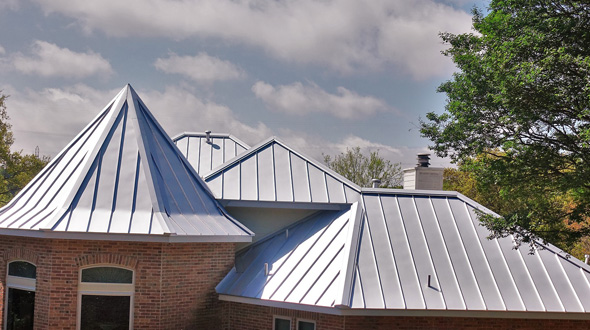
Adaptable metal roofing system residential structure

What if it were possible that a roof can last up to 70 years? Whether for a school, apartment building, church, commercial building, or even your home, metal roofing systems will consistently outperform other options as related to its lifespan.

The advantages of metal roofing far outweigh the disadvantages. When the time comes to replace your roof, consider the benefits and getting a quote for a metal roofing system.

Atlanta Commercial Roofing Contractors gathered the following list of advantages and disadvantages for metal roofing, and answers frequently asked questions about it.

Advantages of Metal Roofing

With such options like vertical seams, standing seams, snap lock systems, multiple designs, and a vast selection of colors to choose from, metal roofing has come a long way in the past few decades and has become a popular choice for both commercial and residential buildings.

The following are some of the primary advantages metal roofing can offer:

Durability – When installed and properly maintained, metal roofing can last as long as the structure it covers (40 to 70 years or more). It is also highly resistant to large volumes of rainwater, rot, mold, and mildew.

A maintenance contract is always suggested, as the better maintained a roof is, the longer it will last and more durable it will be.

Product Warranty – While warranties may vary, there are companies that will cover a metal roof installation for up to 50 years.

Fire Resistance – Metal roofing materials are noncombustible and resist approaching fire.

Energy Efficient – As the sun’s radiant heat is reflected by metal roofing, less energy is required for air conditioning.

100% Recyclable – While other roofing materials cannot be recycled, all metal roofing material is completely recyclable.

Adaptable – Since metal roofing can come in virtually any shape and boasts a wide color selection, it can be installed to meet the aesthetic needs of any neighborhood or region.

Paint Finishing – With many manufacturers, the finish on your metal roof is typically covered by a 30-year limited warranty.

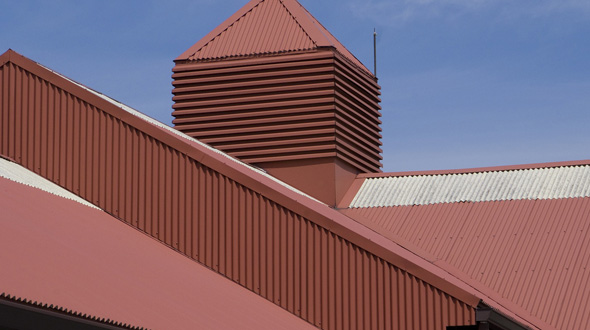
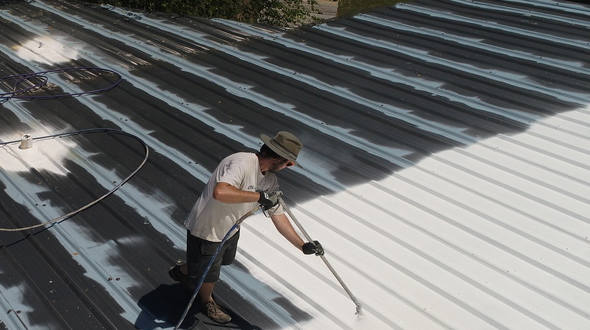
Painted metal roofing system on commercial building

Roof Pitch – Metal roofing materials can be installed at a minimal roof pitch without failing or leaking. Generally, you’ll find a 3-by-12 standard in which for each foot, the roof rises 3 inches.

Roof Weight – The weight of the roof to be installed can have a significant impact on the engineering of the support structure below it. Metal roofing weighs on average one-tenth of materials such as conventional or concrete tiles.

Roofing Installation Time – Because metal roofing materials come in multiple large sections or panels, an experienced contractor can install the roof quickly and easily.

Wind and Hail – Metal roofing is an excellent choice in regions that experience high winds and frequent hail storms. Many of these regions will have a gauge (thickness/weight) requirement for the installation of a metal roofing system.

Unexposed Seams – Due to the way metal roofing material interlocks, the seams are often not exposed. This dramatically reduces the chance of moisture reaching the roof deck, and likewise reduces the possibility of having leaks.

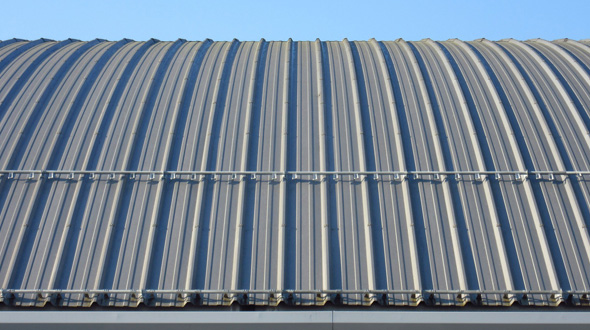
Commercial metal roofing system advantages

Disadvantages of Metal Roofing

While the advantages of metal roofing are many, there are a few disadvantages. As stated above, metal roofing has come a long way, and manufacturers have made improvements to address much of the following:

Price – Considered the most significant disadvantage, metal roofing can cost from $200 – $600 per 100sq. feet, which is the cost of other premium roofing materials.

This disadvantage is lessened by the durability and longevity of metal roofing. As previously stated, a well installed and maintained metal roofing system can last as long as the structure below it.

Denting – The necessity to go to the roof may come about to service chimneys, satellite dishes, HVAC units, generators, or vent pipes. Depending on how the roof was installed and the support structure below it, the plumber or technician may wind up denting your roof.

Likewise, if the gauge of the roofing is too low in a region prone to hail storms, severe denting and damage may occur during violent hail storms.

Noise – It’s metal, and like the drum in a band, it can get loud during rain or hail storms. However, the use of plywood sheathing and sound-reducing insulation during installation is an effective method of noise control.

Poor Installation/Leaks – If a metal roofing system begins to leak, it is likely that the installation was not performed correctly. Exposed fasteners, screws driven in the wrong place, and the use of improper washers to seal them can all result in leaks.

Manufacturer’s instructions need to be followed precisely by experienced and professional roofing companies.

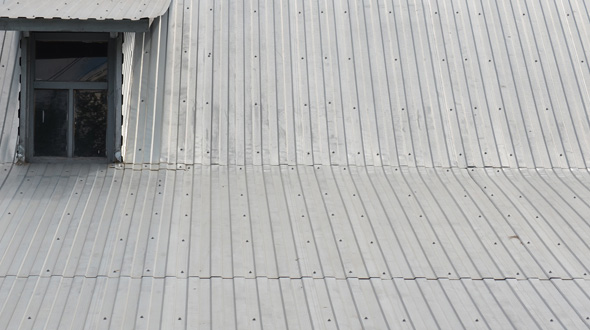
Durable metal roofing system fastened to structure

Repairs – Since metal roofing is installed in large panels, replacing damaged panels or parts can be more difficult than doing so with other roofing systems.

Lightning Strikes – There is an urban myth which states that metal roofs are more prone to lightning strikes than other types of roofing. While this assumption is inaccurate, for your peace of mind, a lightning protection company can easily ground your metal roof.

Expansion and Contraction – Metal reacts to the hot and cold temperatures. When it gets hot, metal expands, and when it gets cold, it contracts. This “see-saw” effect can cause fasteners to come loose and eventually fail. However, newer materials are taking this movement into account and using fastening systems which accommodate it.

Insulation – Unless the roofing system is installed over an insulating material, metal roofing offers very little value as an insulator.

Fire – As stated in “advantages,” Metal roofing is excellent at resisting approaching fires. The same cannot be said for fires that start within the structure though.

Firemen sometimes have to cut through a roof to effectively extinguish a fire. With metal roofing, this process is much more difficult and time-consuming in a situation where time is of the utmost importance.

People Also Ask

Q: Do Metal Roofs Need Maintenance?
A: Yes – All roofing systems need maintenance. Metal roofing systems, however, do not require maintenance as often as other roofing systems. Periodic inspections can be made to determine the need for any repairs or maintenance.

Q: Are Metal Roofs Noisy?
A: No – When installed with strong sheathing and noise resistant insulation, metal roofing systems can reduce noises from rain, hail, etc. much better than other roofing systems.

Q: What Is The Best Color Of Metal Roof For Energy Savings?
A: Light colored roofing systems reflect more of the sun’s heat than darker colors. In fact, a light colored roof can be anywhere from 10 – 50 degrees cooler than a dark one.

Q: Are Metal Roofs More Energy Efficient?
A: Yes – In the summer months, they reflect the heat making it easier to cool the structure. During winter months, these roofing systems (when installed properly) provide excellent insulating properties.

Durable metal roofing system

Q: Can You Install A Metal Roof On A Flat Roof?
A: Yes – Metal is one of the most widely used materials for flat roof systems.

Q: What Is The Minimum Pitch For A Corrugated Metal Roof?
A: 5 degrees. Below this number, the roofing system begins to present severe limitations. Manufacturers will typically not provide any guarantees when the slope runs below 5 degrees.

Metal Roofing Systems Last Longer

Schools, churches, apartment buildings, commercial and industrial structures all need a durable and lasting roofing system. Incredibly, metal roofing can deliver up to 70 years of protection to your building.

In this article, you’ve discovered the advantages and disadvantages of installing a metal roofing system, the importance of a maintenance contract, and found answers to common questions about metal roofing.

A financial commitment of this proportion requires you to weigh advantages, disadvantages, cost, and return on investment. As metal roofing systems offer incredible advantages, including the ability to last the lifetime of the building, they can be one of the best investments for your new roof.

Sources:

http://www.cchrc.org/sites/default/files/docs/metal_roofing.pdf
https://www.remodelingcosts.org/cost-of-standing-seam-metal-roof-plus-pros-and-cons/
https://en.wikipedia.org/wiki/Metal_roof
http://sccomm.uga.edu/recommendations/roofers.html

The post Metal Roofing Advantages and Disadvantages appeared first on atlantacommercialroofingcontractors.com
Friday, December 14, 2018

Information to Protect Your Property from Wildfire

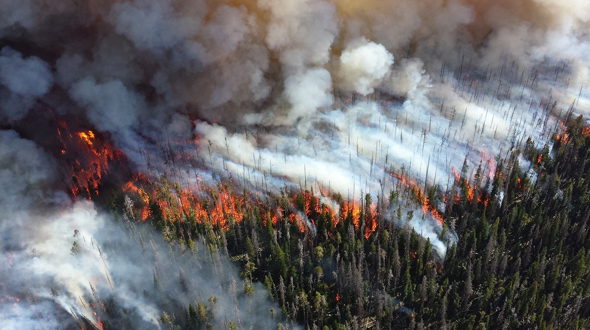
Wildfire burning uncontrolled in forest

Over 9 billion dollars worth of damage was done in the California wildfires in 2018 alone. In the previous year’s fires, 8,000 homes, more than 200 commercial buildings, and 40 irreplaceable souls were lost.

Wildfires are becoming more commonplace and destructive, and all measures you can take to protect your property should be known.

As environmental conditions deteriorate, atlantacommercialroofingcontractors.com advocates learning the causes, facts, and ways to protect your property against wildfire.
Wildfire Information

When a fire ignites in a forest or in the fields, little time is needed for it to gain momentum and grow to monstrous proportions. Weather, winds, and combustible vegetation all contribute to the movement and ferocity of a wildfire.

The following information will shed some light on wildfires:

Wildfire Definition – An uncontrolled fire occurring and spreading in wildland areas, which can reach and destroy residential, community, and commercial property.

These fires may also be referred to as forest fires, brush fires, wildland fires, grass fires, or vegetation fires.

What Causes Wildfires? – Of all the potential causes of wildfires, human carelessness is the most frequent cause.

While lightning strikes, heat from the sun, and power line arcs are potential causes, the following activities are the most frequent reasons for wildfires:

• Arson (the intentional ignition of a fire)
• Discarded Lit Cigarettes
• Camp Fires Improperly Extinguished
• Improper Burning of Debris
• Controlled Fires that Escape Control
• Playing with Matches
• Lighting Fireworks

Wildfire causes discarded lit cigarette

Wildfire Facts – The following information highlights essential facts about how wildfires benefit nature, how they spread and the damage they are capable of causing:

• Fuel for wildfires include all vegetation (grass, shrubs, plants, and trees).
• Wind plays a crucial role in the growth, direction, and speed of a wildfire.
• Embers can travel and ignite new fires up to a mile from the fire they originated from.
• Wildfires (under optimal conditions) are able to achieve speeds of up to 20mph.
• Wildfires can consume homes, commercial buildings, and any structure with combustible material.
• In 2018 alone, more than eight and a half million acres were burned by wildfires in the United States.

Watch this video to learn more about what fuels a wildfire.

Protect Your Property from Wildfires

While you cannot control the direction, speed, and size of a wildfire, there are measures you can take to harden your property and minimize potential damages.

The Roof – The most vulnerable element of any structure is the roof and regardless of anything else you do, a flammable roof will mean the difference between your property or building not surviving and surviving a wildfire.

As embers can travel vast distances, they may land on your roof and ignite a blaze that quickly engulfs and destroys the structure. If your roof is made from flammable material or is in need of repairs, consider re-roofing the property

Wildfire embers ignite combustible material in gutters and roof

A roof constructed from non-flammable material with a high UL fire-resistance and smoke protection rating such as composition, asphalt shingles, metal, tile, or slate offer the best possible protection from embers igniting a fire on your roof.

Have your roof inspected by a professional to verify that there are no gaps, damaged material, or spaces between the decking and covering. The goal is to eliminate anything that could catch embers or burning objects.

Exterior Vents – Embers can get in through vent openings. Use a non-flammable eighth-inch metal mesh to cover them. For vents in eaves and cornices, baffles should be used as mesh covering will not provide enough protection.

The Gutters – leaves, pine needles, and debris that collect in gutters can cause severe damages to your property in a few ways:

During heavy rainfall, water can accumulate in your gutters and potentially cause structural damage and leaks in your roof.

During an approaching wildfire, embers may find their way to the gutters and ignite the debris creating a dangerous scenario.

This problem can be curbed by installing aluminum gutters with leaf guards or gutter guards. Even with these precautions, your gutters should be inspected and cleaned on a frequent basis.

The Walls – Combustible siding materials will defeat the purpose of installing a non-flammable roof. Fireproof your home or building by using non-flammable materials such as stucco, aluminum wall siding, fiber cement, or other material with a UL fire-resistance rating in accordance with building codes for your municipality.

For siding material such as these to achieve maximum efficiency, they must extend from the foundation to the roof and make a seamless connection to doors and windows.

Wildfire protection non flammable building material Atlanta Ga

The Windows – As the radiant heat from a wildfire approaches, cracking glass windows and melting plastic skylights can become a significant liability by allowing entry to embers and igniting anything flammable.

Installing dual-pane windows (with one or both panes of tempered glass) will provide better resistance to increasing temperatures.

Make sure that window and door frame assemblies are fire-resistant as well.

Fireproofing The Perimeter – Anything organic can be considered fuel for a wildfire. Ideally, there should be a perimeter extending at least 5 feet from the structure in which combustibles have been reduced or eliminated.

The following will help you identify potential hazards:

• Wooden gates or fences should be attached to a metal or masonry barrier. If attached to the structure, they could carry the fire to it.
• Firewood stacks and propane tanks should be kept a minimum of 30 feet from the structure.
• Replace organic mulch with gravel or stone mulch within the perimeter.
• Trees and shrubs should be well-watered, seasonally pruned, and inspected annually for signs of drought, disease, or infestation.
• Grass must be kept healthy, well-watered, and cut. In areas prone to wildfires, alternative non-organic landscaping is recommended.

Resources for Immediate Wildfire Assistance

• If you are trapped in your home or business during a wildfire, call 9-1-1 for assistance and rescue
• Call the American Red Cross at (800) 733-2767 or to find a location near you, visit redcross.org/find-your-local-chapter.html
• For federal disaster financial assistance, visit usa.gov/disaster-financial-help
• Disaster assistance may also be applied for at disasterassistance.gov/get-assistance/find-assistance

Reduce the Effects of a Fire Disaster

The massive amount of damage that wildfires have caused out west and throughout the United States is staggering. Countless businesses, homes, forests, and lives have been lost.

Uncontrolled wildfire burning through forest

In this article, you discovered the definition, potential causes, and facts about wildfires, as well as measures to take to protect your home or business from becoming a wildfire statistic.

Wildfires are becoming more frequent, larger, and more deadly. If your property is situated in an area that is prone or has the potential for wildfires, your inaction to protect your assets could very well cost you everything.

Sources:
https://fas.org/sgp/crs/misc/IF10244.pdf
https://www.ready.gov/wildfires
https://disastersafety.org/wp-content/uploads/2017/03/WF_California_IBHS.pdf

https://plus.google.com/116818386229074671451

Atlanta Commercial Roofing Contractors
1075 Peachtree Street NE Ste 3650 Atlanta, GA 30309
(404) 220-9288


The post Information to Protect Your Property from Wildfire appeared first on atlantacommercialroofingcontractors.com
Friday, November 30, 2018

Commercial Roof Repair, Insurance Claims, and Hiring Contractors

Commercial roofing system repair Atlanta Ga

After a severe weather event, leaks in a commercial roof can become problematic very quickly. Besides disrupting business and making a mess, they can cause electrical problems, structural damage, and lead to roof failure if not promptly addressed.

When the roof of your commercial building, hotel, office, warehouse, or retail location is damaged or develops a leak, it should be treated as an emergency and handled immediately.

In this article, atlantacommercialroofingcontractors.com discusses weather-related roof damage, insurance company assessments, and how to hire a roofing contractor.
Causes of Commercial Roof Damage and Leaks

During or after a severe weather event, damages to your roofing system may become very obvious in the form of saturated walls, drips, or even streams of water cascading to the floor.

Hailstorms, hurricanes, and tornadoes in particular can beat up your roofing system, causing severe structural damages, such that extensive repairs or even roof replacement may be necessary.

Commercial roof damage assessment repair Atlanta Ga

However, sometimes a severe weather event isn’t necessary to expose an emergency situation. Over time, your roof must frequently endure extreme temperature fluctuations, and eventually, all it takes is a rain shower on a mid-summer afternoon to rapidly cool a nearly 200-degree roof and presto! You’ve got leaks and an emergency on your hands.

Roof Assessments and Insurance Inspections

If your roof damage emergency is the result of an act of God, before any major work begins, you must file the insurance claim. To do so, gather your policy number(s), facts about the situation, and call your insurance carrier to request an assessment.

During an evaluation inspection, the adjuster must determine the following when assessing the total of your loss:

• What is the extent of the damage?
• How much material is needed for repairs?
or
• Was the roof damaged sufficiently to declare it a total loss?
• How much material is required for replacement?

To ensure that you will receive the maximum benefit from your insurance policy, call a professional roofing contractor to have your own independent assessment done.

Request a Reinspection – If you find discrepancies between the insurance adjuster’s findings and those of the roofing contractor, you have the right to request a reinspection or contract an insurance public adjuster.

Reinspections are common practice, in which the insurance adjuster will meet with the roofing contractor to review the damages done to your roof.

Commercial roof repair inspection Atlanta Georgia

Upon approval of the claim to repair or replace your roof, your insurance provider may select the roofing contractor to complete the work. They may also leave that determination up to you.

Note: In areas where a disaster has occurred, insurance companies may set up and follow special temporary procedures to expedite repairs and rebuilding. In these scenarios, it is important to keep receipts and records for temporary repairs, as the insurance company will likely reimburse you.

Hiring A Roofing Contractor – What to Look For

Natural disasters and severe weather events tend to attract some of the worst characters in the roofing business that prey on unsuspecting property owners who are under pressure to get things back to normal.

Replacing the roof of a building is a significant investment that needs to be done right, by a contractor that can be fully vetted and held accountable for the quality of their work. When fielding bids from contractors to repair or replace your roof, consider the following factors into the decision-making process.

Does the contractor have:

• A written proposal?
• A valid business license?
• Proof of insurance
• A permanent business location?
• In-depth knowledge and understanding of your roofing system?
• Up-to-date industry education?
• Financial stability?
• Material and installation warranties?
• A maintenance proposal?
• An effective safety training program?
• In-state references?

Also look for:

• Manufacturer certifications.
• Proof of continuous training.
• Roofing association memberships.
• Industry awards and recognition.
• Good and bad press or reviews.

Be wary of contractors which:

• Provide a seemingly unrealistic high or low bid.
• Only provides out-of-state references.
• Request money before any on-site material delivery.
• Only deal in cash.
• Cannot verify their company information and statements.

A fast way to address all of the above is to request a “Roofing Contractor Qualification Statement.” This document collects in-depth company information, references, history, and financial stability neatly organized to facilitate your evaluation of that company.

Managing Your Commercial Roof Seamlessly

The weather and harsh conditions a commercial roofing system must endure dramatically influences its lifespan and necessity for repairs. When the need arises, and it eventually may, you should be prepared to quickly file a claim and call in a professional roofing contractor.

With the above information, you can now identify an emergency roofing situation, effectively work with your insurance company, and thoroughly vet the contractors bidding for your job.

Without your prompt action, your commercial building will suffer significant losses or temporary closure when severe weather leaves your roofing system vulnerable, damaged, destroyed, and leaking.

Sources:
https://www.fema.gov/
http://www.nrca.net/
https://disastersafety.org/ibhs/hiring-a-professional-commercial-contractor/
http://www.everybodyneedsaroof.com/Roofing-Information-For-Building-Owners

https://plus.google.com/116818386229074671451

Atlanta Commercial Roofing Contractors
1075 Peachtree Street NE Ste 3650 Atlanta, GA 30309
(404) 220-9288


The post Commercial Roof Repair, Insurance Claims, and Hiring Contractors appeared first on atlantacommercialroofingcontractors.com

Monday, September 10, 2018

Roof Maintenance Tips


Your roof is an incredibly important part of your home that’s utilized more often than you may realize. Roofs provide us with shelter from the elements as well as insulation for our homes. For that reason, making sure your roof is properly maintained is very important.

Trees, moisture and weather damage can cause costly problems for your roof, so it’s a good idea to prevent any issues before they start. Here are a few roof maintenance tips you can use to keep your roof in excellent condition.

Maintain Your Roof
Roofs are designed to last. Depending on the type you have, you may not need a new roof for another 20 to 30 years from when it was installed. But, in order to make the most of your roof’s lifespan, you’ll need to perform regular roof maintenance and inspection. Not to mention, catching a roofing problem before it becomes a big deal could save you money in potential damage! Performing routine inspection and maintenance on your roof should be done twice a year. 

Read More: Roof Maintenance Tips

Can Roof Shingles Be Painted?

Many property owners wonder whether painting their roof is a viable way to refresh its appearance without the expense of a full replacement....