Showing posts with label PVC Membrane. Show all posts

Tuesday, April 23, 2024

Single Ply Roof Membrane System Explained

Choosing the ideal roofing material can be daunting, but for many projects, single-ply roof membrane systems offer a solution that combines durability with cost-efficiency. Whether you’re evaluating PVC, TPO, or EPDM options, these membranes are lauded for their ease of installation and ability to protect your structure from the elements. This guide will compare the top single-ply materials, discuss what to consider when selecting them, and examine their long-term benefits—cutting through the complexity to help you make a well-informed decision for your roofing needs.
single ply roof membrane system

Key Takeaways

  • Single-ply roofing systems, characterized by their simplicity and durability, are popular for commercial and industrial buildings. Various varieties, such as TPO, PVC, and EPDM, offer unique benefits and applications.
  • Choosing the right single-ply membrane involves considering factors like the building’s design, structure, location, and environmental exposure, balancing cost with performance and compliance with building standards.
  • Regular maintenance and professional installation are crucial for maximizing the lifespan and performance of single-ply roofing systems, which, with proper care, maintenance, and potential restoration techniques, can last up to 30 years.

Understanding Single Ply Roofing Systems

In the vast world of roofing systems, single-ply roofing systems occupy a special place. These systems consist of a single-ply roofing membrane, a single layer of waterproofing material that stands guard between the structure and external elements. Made from materials such as PVC, TPO, or EPDM, these membranes are the unsung heroes of commercial and industrial buildings, protecting them from the wrath of the elements while offering a touch of aesthetic appeal.

The popularity of single-ply roofing systems stems from their lightweight design, ease of installation, and satisfactory service life. They are well suited for commercial and industrial applications, adapting to varying conditions and performance demands with flexible color options. Certain single-ply membranes even provide superior puncture resistance and are suitable in chemically aggressive environments, representing continuous improvements in TPO composition and design.

Thermoplastic vs. Thermoset Membranes

In the realm of single-ply roofing membranes, two categories reign supreme: thermoplastic and thermoset. On the one hand, we have TPO membranes made from synthetic polymers and reinforcing scrim. TPO is the popular kid in the world of commercial roofing, thanks to its cost-effectiveness and ability to weld its seams. Its reflective surface is resistant to UV radiation and wear, standing up to the test of time and weather with remarkable resilience.

On the other hand, we have EPDM, a thermoset membrane composed of ethylene and propylene. This membrane is a testament to the wonders of flexibility, affordability, and performance in a range of temperatures. However, each of these membranes has its unique advantages and disadvantages, which is why understanding them is crucial for making a well-informed decision.

Common Applications

Single-ply roofing systems are the chameleons of the commercial roofing systems world. Due to their versatility, they adapt to various types of installations. Whether it’s a small commercial installation where the lightweight and durable PVC membrane is the perfect fit or a low-slope roof that demands durability and reliability, single-ply roofing systems rise to the occasion.

Not just that, these systems also find extensive use in industrial facilities, accommodating the unique demands of such environments with ease.

Key Factors to Consider When Choosing a Single Ply Roof Membrane
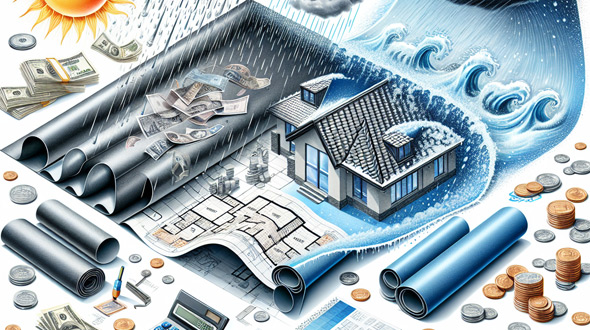
key factors for choosing single ply roof membrane

The world of single-ply roofing systems is diverse, and choosing the right membrane isn’t always straightforward. It’s not just about selecting a membrane but choosing a solution that fits your unique needs. Factors to consider include:

  • The type of structure
  • Substrate material
  • Location
  • Anticipated loads and stresses
  • The client’s risk tolerance related to the building’s use and geotechnical conditions

Taking these factors into account will help you make an informed decision.

To ensure safety and performance, the chosen single-ply membrane must comply with building codes and industry standards, including criteria for fire, wind, and impact resistance. Let’s not forget the importance of the manufacturer’s reputation and the support they offer, such as warranty programs. After all, a roofing membrane is an investment, and it’s essential to balance cost considerations, including initial investment and desired performance, with the overall budget for the roofing project.

Climate and Environmental Conditions

Climate and environmental conditions are crucial in choosing a single-ply roofing system. For instance, EPDM is an exemplary single-ply roofing material that can endure extreme temperatures from -20°F up to 200°F, proving its mettle in cold climates with its heat-absorbing black surface that helps melt snow.

However, the battle with the elements is not always about temperature. UV radiation can severely degrade single-ply membranes by attacking adhesives, leading to weakened seams and potential leaks. To counter this, white single-ply membranes, with their high reflectivity, come to the rescue by reducing cooling costs and keeping buildings cooler in warm climates.

Some single-ply membranes are chosen for their chemical resistance and durability against chemical exposures, which are perfect for restaurants and the like.

Building Design and Structure

A building’s design and structure are like a puzzle, and the single-ply roofing system, which includes membrane roofing systems, must fit into it perfectly. These membranes can adapt to unique roof designs and withstand building movement due to thermal expansion and contraction. This adaptability is crucial in ensuring the membrane’s longevity and effectiveness while keeping the roof from leaking.

Oftentimes, a cover board may be necessary to provide optimal performance of the roof’s insulation, adding to the roof structure’s load-bearing capacity. This insulation layer serves as a protective shield for the insulation, enhancing its effectiveness and ensuring the roofing system’s overall performance.

Budget and Cost Efficiency

While single-ply roofing systems offer many benefits, it’s essential to consider your budget and the overall cost efficiency of your chosen system. Installation requirements, roofing contractor expertise, and special considerations such as building design and environmental factors are major contributors to the initial cost.

Analyzing the initial cost in conjunction with long-term maintenance needs is essential for understanding the overall cost efficiency of single-ply roofing materials. For instance, TPO roofing, known for its high puncture resistance, fire resistance, and strong seams, offers unique benefits and reduces maintenance costs over time, making it a perfect option for many properties.

Advantages and Disadvantages of Single Ply Roofing Materials
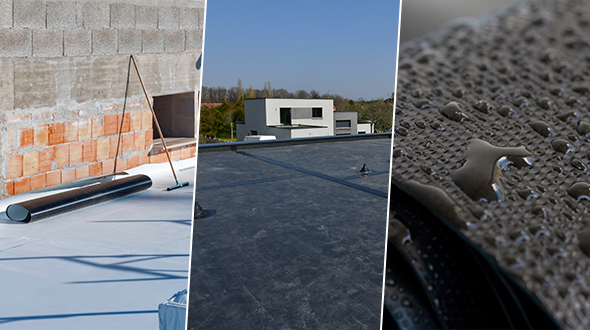
comparison of TPO, EPDM, and PVC membranes

Like all things, single-ply roofing materials have their advantages and disadvantages. On the one hand, they are sought after for their sustainable attributes, including:

  • High recycled content
  • Low VOC emissions
  • Recyclability
  • Energy-efficient properties that reduce heating and cooling costs

On the other hand, certain materials, such as EPDM membranes, are less durable compared to TPO and PVC options. However, TPO membrane has not been on the market as long as EPDM, indicating a shorter track record.

To help you navigate which is best for your situation, below are the unique qualities, advantages, and disadvantages of the three single-ply membranes.

TPO Membranes

TPO roofing systems are a shining star in the world of single-ply roofing systems. They’re a three-layered membrane that incorporates a TPO polymer base, a polyester-reinforced scrim, and a TPO compounded top ply. This offers a level of flexibility that’s compatible with different roof types and capable of withstanding building movement.

The advantages of TPO roofing are numerous:

  • High solar reflectivity, leading to greater energy efficiency
  • UV resistance, prolonging roof life
  • Resistance to wear
  • Seams welded with hot air, providing superior leak protection
  • Aesthetic versatility, available in multiple colors to enhance various building designs

However, the quality of seam welding can be a drawback if not properly executed, indicating the necessity of expert installation to mitigate potential seam issues.

EPDM Membranes

EPDM membranes have their own set of benefits and limitations. Here are some of the benefits:

  • Durability
  • They are effective in cold climates due to their heat-absorbing black surface, which helps melt snow.
  • Reliable choice for areas experiencing harsh winters

However, every rose has its thorns. EPDM roofing systems can be more susceptible to punctures than some other single-ply materials. They can also incur damage from regular foot traffic and wind-driven debris, which are potential disadvantages. Standard methods of installing EPDM include full adhesion, mechanical attachment, or ballasting, with seams sealed by gluing or taping. This highlights the importance of proper installation and maintenance to ensure the longevity and effectiveness of EPDM roofs.

PVC Membranes

Last but not least, PVC membranes offer their own advantages. These membranes are highly resistant to chemicals and animal fats, making them suitable for environments like restaurants. Their chemical resistance properties enhance their durability, making them a reliable choice for challenging environments.

However, despite their advantages, PVC roofing material has a higher price point than other single-ply roofing options. This makes it a more significant investment, but its durability and chemical resistance often justify the cost in the long run.

Installation Methods for Single Ply Roofing Systems
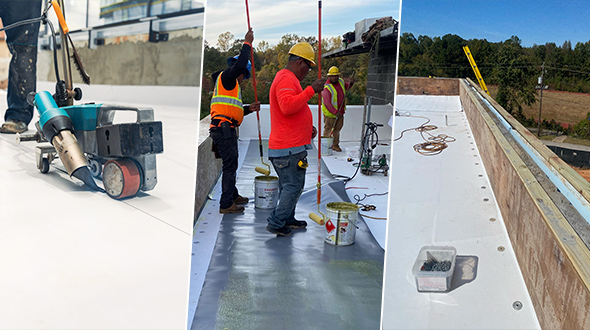
installation methods for single ply roofing

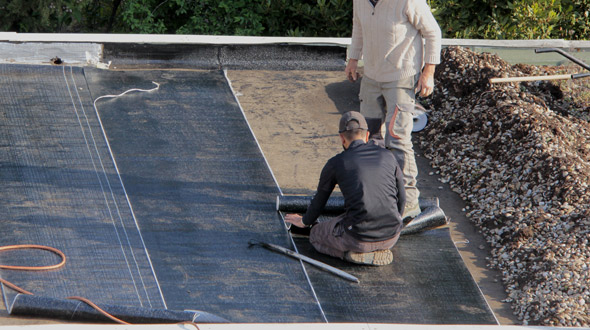
When it comes to installing single-ply roofing systems, there are several methods to choose from. These include fully adhered, mechanically attached, and ballasted methods. Each method has its unique advantages and challenges. Single-ply roofing sheets are ideally designed for low-slope roofs and feature fewer seams compared to other roofing systems, which allows for a more straightforward installation process.

However, challenges in installing single-ply roofing include:

  • The need for proper installation techniques to ensure seam integrity
  • The material becomes less pliable in cold weather
  • Potential issues such as blisters and wrinkles
  • Extended curing times for water-based adhesives

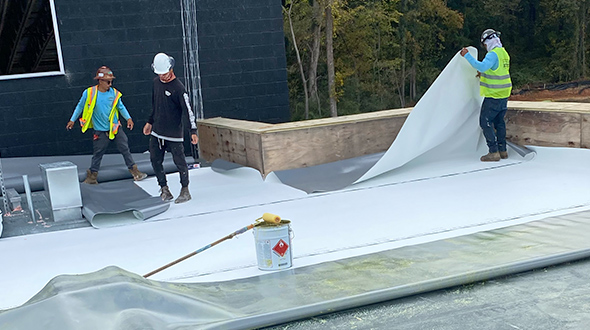
Fully Adhered

The fully adhered installation method involves the following:

  1. Unfolding the membrane
  2. Applying adhesive to both the underside of the membrane and the insulation or coverboard
  3. Pressing the membrane into place once the adhesive is tacky

Single-ply membranes are directly glued to the insulation boards in fully adhered systems. These insulation boards are then secured to the roof deck below.

Adhesion of the single-ply membranes to the roof substrate can be achieved using different types of adhesives, such as water-based contact adhesives, moisture-cure urethane adhesives, or solvent-based adhesives. Specific single-ply roofing accessories are employed to ensure water tightness around areas with complex geometry, like pipes and edge transitions.

Mechanically Attached

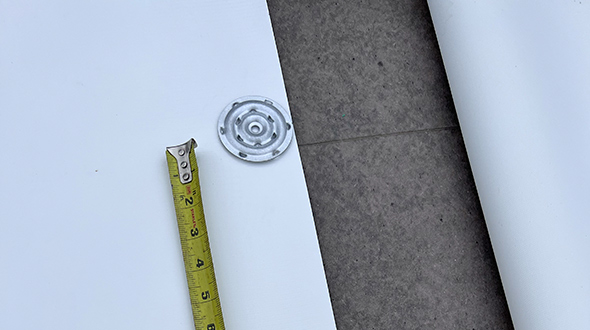
Mechanically attached single-ply systems are another option. In these systems, the membrane is screwed into the metal decking. The seams of mechanically attached systems are fused using heat or adhesive.

This is the most common type of single-ply installation known for its ease of installation and cost-effectiveness.

Ballasted

Ballasted membranes simplify the installation process. These membranes are not anchored to the decking material; they are held in place by a heavy layer of gravel. This loose-laid nature simplifies the installation process, making them a preferred choice for specific applications.

Maximizing the Performance of Your Single Ply Roof Membrane

The performance of a single-ply roofing system is not just about the type of membrane used or the installation method chosen. It’s also about proper maintenance and timely repairs. With the right care, TPO roofs can have a potential lifespan of 20-30 years, and PVC roofing membranes can last up to 30 years or more. These systems generally require fewer repairs than others, contributing to their longer service life.

Regularly removing debris like leaves and twigs from the roof can prevent issues such as leaks and mold growth, which are detrimental to the roofing membrane’s condition.

Proper Installation
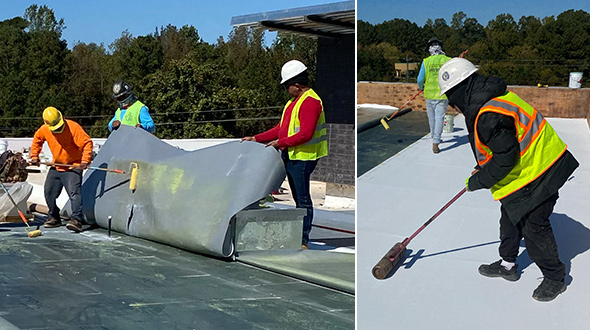
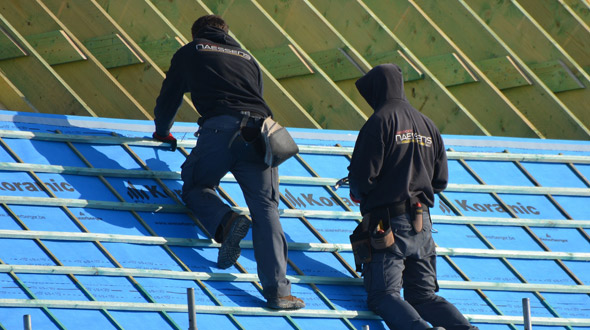
single ply roofing membrane installation

Working with seasoned professionals who have years of experience minimizes installation errors. Experienced contractors possess the critical skill set necessary for high-quality roofing installation. They are up-to-date with industry best practices and are evaluated for their competency, thus ensuring the quality of the installation. Moreover, professional roofing contractors offer warranties that cover materials and labor, offering protection against workmanship errors and material defects.

Choosing roofing contractors with a positive reputation in the local community can provide additional assurance of reliable and trusted work. Professional roofers adhere to the best safety practices, which is crucial as roofing installments involve working at heights and managing hazardous materials. Engaging a professional roofing service in the commercial roofing market can lead to savings by having proper insurance coverage and compliance with building codes, thereby mitigating the risk of unnecessary future costs from accidents or non-compliance.

Regular Maintenance

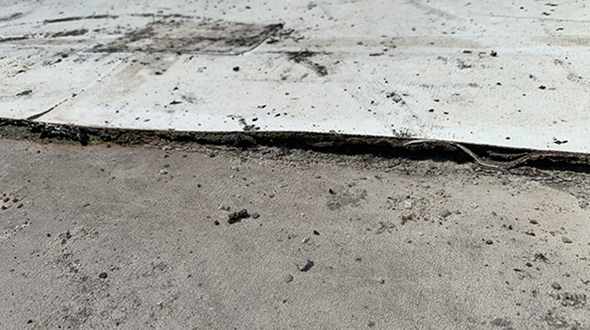
Proper maintenance is key to the longevity of single-ply roofing systems. Routine inspections, ideally conducted twice annually, can help detect and fix potential issues before they escalate into major problems.

Routine maintenance tasks for single-ply roofing membranes include:

  • Checking drainage channels
  • Ensuring the integrity of waterproofing
  • Inspecting flashing and expansion joints
  • Assessing roof fasteners

Establishing a semi-annual maintenance plan is key to extending the life of single-ply roofing membranes. To mitigate common issues such as ponding water and UV degradation, it is important to maintain proper drainage, conduct regular inspections, and consider the application of protective coatings.
maintenance and repairs of single ply roof membrane

Repair and Restoration Options

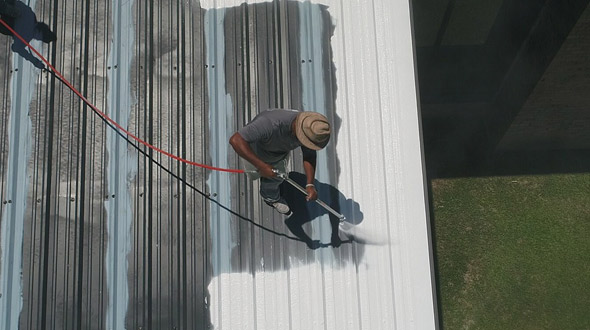
Repairs on single-ply roofing should be conducted promptly and with the correct materials to ensure the membrane’s long-term integrity. But beyond repairs, single-ply roofing systems can also be restored using fluid-applied roof restorations such as Spray Polyurethane Foam (SPF) or a roof coating system. This can significantly extend the systems’ life.

Silicone coatings and acrylic elastomeric coatings are other options for restoring single-ply roofing systems. These restorative coatings not only extend the life of the roofing systems but also enhance their performance. So, whether it’s a minor repair or a major restoration, the goal is to maximize the performance and extend the life of your single-ply roofing system.

Single Ply Roof Summary

In conclusion, single-ply roofing systems offer a versatile, durable, cost-effective solution for commercial and industrial applications. They can adapt to diverse environmental conditions and building designs, making them a popular choice in the roofing industry. However, choosing the right membrane, ensuring proper installation, conducting regular maintenance, and exploring repair and restoration options are crucial to maximizing the performance and extending the life of these roofing systems. With the proper care and maintenance, a single-ply roofing system can prove to be a long-lasting and reliable investment for your building.

Single Ply Roofing Frequently Asked Questions

What are single-ply roofing systems?

Single-ply roofing systems are composed of a single layer of waterproofing membrane, typically made of PVC, TPO, or EPDM, providing protection against external elements.

What’s the difference between thermoplastic and thermoset membranes?

The main difference between thermoplastic and thermoset membranes is that thermoplastic membranes offer a reflective surface resistant to UV radiation and wear, while thermoset membranes offer flexibility, affordability, and performance in a range of temperatures.

What factors should I consider when choosing a single-ply roof membrane?

When choosing a single-ply roof membrane, consider project-specific factors, building codes, manufacturer reputation, cost, environmental conditions, building design and structure, and budget and cost efficiency. These factors will help you make an informed decision.

What are the installation methods for single-ply roofing systems?

You can install single-ply roofing systems using fully adhered, mechanically attached, or ballasted methods. Each method has its own advantages and considerations.

How can I maximize the performance of my single-ply roof membrane?

To maximize the performance of your single-ply roof membrane, focus on proper installation, regular maintenance, and exploring repair and restoration options. Working with experienced professionals and conducting routine inspections can help prolong the life of your roofing system.

Atlanta Commercial Roofing Contractors

Atlanta, GA
(404) 220-9288

The post Single Ply Roof Membrane System Explained appeared first on atlantacommercialroofingcontractors.com

Wednesday, September 27, 2023

The PVC Roofing System Explained

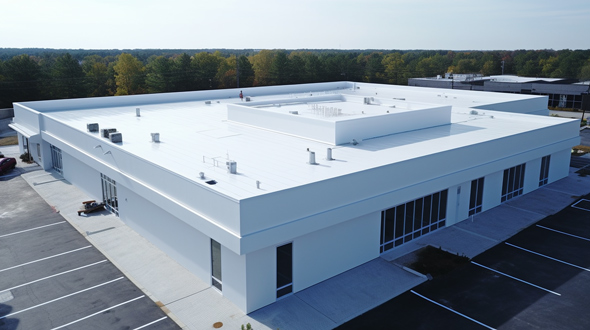
Are you looking for a roofing solution that combines durability, energy efficiency, and resistance to fire? PVC roofing systems might be the answer you’ve hoped to find. In this blog post, we’ll uncover the benefits of a PVC roofing system, compare it to other roofing systems, and guide you through the process of choosing and installing a PVC roofing system for your commercial or industrial building. Let’s dive in!

PVC roofing system

PVC Roof Summary

  • PVC roofing offer increased durability, chemical and fire resistance, and improved energy efficiency – resulting in a less costly cooling bill.

  • Some drawbacks of PVC to consider are that the membrane degrades as it ages, colder climates can cause cracking, and membrane incompatibility can make repairs harder.

  • Installation methods for PVC roofs vary. The replacement cost must be considered in conjunction with maintenance & repair costs to make an informed decision.

  • When selecting a commercial roofing contractor, it is important to consider their PVC experience, overall reputation & customer service.

Understanding PVC Roofing Systems

PVC roofing systems, or polyvinyl chloride roofing systems, have been gaining popularity as a durable and reliable choice for commercial roofing system applications in commercial and industrial buildings. These PVC roof systems consist of single-ply PVC membranes that offer high durability and resistance to fire, chemicals, and hurricane-level winds, making PVC roofs an excellent option for a roof system.

PVC roofing membrane material

Invented in the 1960s by Sika Sarnafil, PVC roofing has come a long way since its initial use for shoe heels and shower curtains.

Components of PVC Roofing Systems

PVC roofing systems are comprised of three primary components: the top sheet, reinforcement scrim, and base sheet. The top sheet is a performance layer that is exposed to the environment. It can be affected by various things, such as wind-borne dirt, airborne contaminants, UV radiation, and foot traffic. Sandwiched between the top sheet and the base sheet is the reinforcement scrim, a weft-inserted, anti-wicking fabric.

The base sheet serves as the foundation, providing strength and stability to the PVC roofing system.

Common Applications

PVC membranes are widely used in low-slope roofs for commercial and industrial buildings. They are one of the two most popular single-ply roofing system options for commercial white roofing membranes alongside TPO membranes. As a roofing membrane, PVC roofing membranes have been praised for their recyclability and environmental product declarations.

Their performance has been assessed based on product design, product manufacturing, membrane durability, corporate governance, and innovation according to the NSF/ANSI 347 standard.

PVC Roofing Membrane, Installation, and Cost

Comparing the available options is wise when considering a roofing system for your commercial or industrial building. Outside of TPO, PVC is a single-ply roofing system that property owners and commercial roofers install due to their material properties, ease of installation, and fair cost.

In this section, we’ll delve into these factors to help you make an informed decision.

Material Properties of PVC Membrane

The PVC membrane consists of two PVC plies that sandwich a polyester reinforcement sheet. The PVC roofing material consists of polyvinyl chloride, a form of plastic, and other additives that strengthen and give it a high tear strength rating. PVC is known for its durability, long service life, and resistance to chemicals, fire, wind, and water.

PVC Installation Method

steps of PVC roofing installation method for a flat roof

The installation methods for PVC roofing are similar to that of other single-ply, flat roof membranes. PVC roofing systems and membranes can be installed using fully adhered, mechanically fastened, or ballasted methods. The seams of PVC membranes are joined together through heat welding, resulting in strong and durable connections.

The choice of installation method will depend on factors such as the specific needs of the project, as well as the expertise and preferences of the contractor.

Cost Considerations

The cost is a significant consideration when comparing PVC and other roofing systems. Generally, TPO roofing systems can have a lower initial cost than PVC ones. The price of PVC roofing typically ranges from $4.00 to $12.00 per square foot when installed, depending on the quality and thickness of the membrane.

However, it’s important to consider other factors, such as maintenance and repair costs, as well as the expected lifespan of the roofing system, when making a decision.

Advantages of PVC Roofing Materials

There are several advantages to using PVC roofing materials. First and foremost, PVC systems offer durability and longevity thanks to their robust construction and resistance to weathering, UV rays, and other external conditions.

Second, PVC membranes are highly resistant to chemicals and fire, making them an excellent choice for areas prone to chemical spills or fires. Lastly, PVC roofing materials contribute to improved energy efficiency due to their high reflectivity, reducing the amount of heat the roof absorbs.

Durability and Longevity

PVC systems are known for their high tear and break strength, contributing to their durability and longevity. With proper maintenance, single-ply PVC roofing systems can last between 20 to 30 years, with an average lifespan of 25 years.

This extended service life means that building owners can enjoy peace of mind knowing that their investment in a PVC roofing system will provide long-lasting protection and performance.

Chemical and Fire Resistance

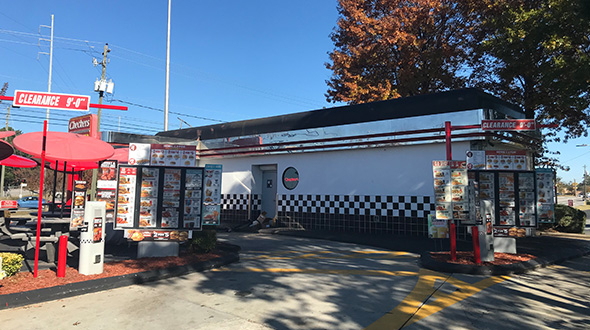
PVC offers exceptional resistance to chemicals and fire. They can withstand exposure to grease, fuels, air conditioning coolants, and other harsh chemicals. The PVC roofing membrane is also inherently fire-resistant and does not facilitate combustion. This combination of chemical and fire resistance makes PVC roofing membranes a safe and reliable option for various industries and environments – such as restaurants.

restaurant with a PVC roofing material installed on its roof

Energy Efficiency

One of the standout features of PVC roofing is its energy efficiency. PVC roofing materials exhibit high Solar Reflectance Index (SRI) values, which measure the ability of a roofing surface to inhibit heat transfer into a building when exposed to full sun. The higher the SRI value, the better the roofing material’s energy efficiency.

As a result, PVC roofing systems can help reduce energy costs by decreasing the energy needed to cool the building.

Disadvantages of PVC Roofing Materials

The PVC roofing system has some disadvantages to be mindful of before deciding. The geographic region of your property, the length of time you will own the property, and the type of other materials and exposures your roof may have are considerations you will want to make. Below, we discuss these factors.

Climate Challenges

For those in colder climates, PVC might not be the best option, as the frigid and icy conditions can make your PVC susceptible to shrinking, cracking, and punctures. Hence, avoiding walking on your PVC roof is recommended when the temperature drops below 45 degrees. To deal with the cracking, try to schedule all your maintenance and repair tasks for a warmer winter day, or better yet, postpone them until the spring or summer season.

Also, PVC roofing membranes can shrink over time, leading to issues such as pulling at the seams and flashings. This can potentially lead to leaks if not addressed promptly.

Problems Can Occur With Age

While PVC roofs are built to last up to two decades, it’s important to factor in repairs once the roof hits the 10-year mark. Older PVC can be challenging to mend, and the hot air welds used for application and repairs don’t work as effectively on aged roofs, and newer sealants tend to degrade more quickly. However, if your roof is still in overall great condition, skilled contractors should be able to overcome and navigate these issues effectively.

Compatibility and Repair Issues

PVC roofing materials can react negatively with certain types of roofing products, such as asphalt-based products. This can limit the types of materials that can be used with a PVC roofing system. Moreover, PVC is produced by a variety of manufacturers, each using its unique mix of plasticizers to create distinct compounds. This results in difficulties when attempting to weld one brand’s PVC membrane to another’s, leading to potential complications during repair work on PVC membranes.

Factors to Consider When Choosing a PVC Roofing System

building owner assessing their current roof

To select the right PVC roofing system for your building, it’s crucial to consider several factors. These factors include assessing your current roof, considering location and climate, and planning for future usage.

By carefully evaluating these aspects, you can make an informed decision and ensure that your new PVC roofing system will meet the specific needs and requirements of your building.

Assessing Your Current Roof

Before deciding on a PVC roofing system, it’s important to evaluate your existing roof. Factors such as age, condition, and your current system should be considered. Inspecting your current roof for any signs of wear and tear, such as missing shingles, cracked tiles, or other damage, is also advisable.

If your current roof is in satisfactory condition and is suitable for a PVC roofing system, you may be able to install a PVC roofing system without needing to replace your current roof.

Location and Climate

The location and climate of your building play a significant role in determining the most suitable PVC roofing system. Factors such as local weather patterns, the amount of sunlight the roof will be exposed to, and temperature extremes should be taken into consideration. Accounting for location and climate will ensure that your PVC roofing system operates at its best and has a long lifespan.

By considering the local climate and weather conditions, you can ensure that your PVC roofing is installed correctly.

Future Usage Plans

Finally, it’s essential to consider your future usage plans for the building when choosing a PVC roofing system. Factors such as the anticipated lifespan of the roof, the anticipated maintenance requirements, and the potential for future modifications should be considered.

Considering these factors, you can make a more informed decision and select a PVC roofing system that will meet your current and future needs.

Hiring a Commercial Roofing Specialist

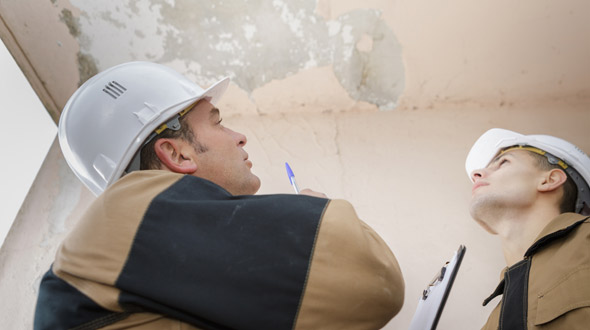
commercial roofing specialist inspecting a roof

Once you’ve decided on a PVC roofing system, hiring a qualified commercial roofing specialist is crucial to ensure proper installation and maintenance. A commercial roofing specialist will assist you in selecting the appropriate roofing system for your building and guide its installation and upkeep.

They will also have the knowledge to guide you toward the most suitable roofing materials and methodologies for your specific needs.

The Role of a Commercial Roofing Specialist

A commercial roofing specialist is responsible for inspecting, repairing, replacing, and maintaining the roofs of commercial properties. A roofing professional’s expertise enables them to identify and address potential issues before they become significant problems, saving money on costly repairs.

Additionally, a commercial roofing specialist can ensure that your PVC roofing system is installed and maintained correctly, resulting in a longer lifespan and compliance with building codes and safety regulations.

Selecting the Right Contractor

When selecting a commercial roofing contractor for a PVC roof, it’s essential to evaluate their PVC experience, overall reputation, and customer service. Additionally, it’s advisable to verify that they are partnered with prominent manufacturers.

Scheduling a consultation with a commercial roofing specialist can provide valuable insight into the installation process and help you choose the most suitable roofing system for your building. By carefully considering these factors and asking the right questions, you can ensure that you select the best contractor for your PVC roofing system installation.

PVC Summary

In conclusion, PVC roofing systems offer a durable, energy-efficient, and chemically resistant solution for commercial and industrial buildings. By carefully considering factors such as your current roof, location and climate, and future usage plans, you can select the right PVC roofing system for your building. Partnering with a qualified commercial roofing specialist will ensure proper installation and maintenance, providing peace of mind and a long-lasting roofing solution.

Frequently Asked PVC Roof Questions

Is PVC roofing any good?

PVC roofing is an excellent choice due to its durability, chemical and fire resistance, and its efficient installation. You could find it the perfect option for your cool roof system.

What are the issues with PVC roofing?

PVC roofing can often have issues such as separating seams and loose fasteners, leading to leaks and water penetration.

We recommend hiring a professional roofing contractor for a proper PVC roof installation.

Does PVC roofing need underlayment?

Yes, PVC roofing requires underlayment to prevent condensation from getting trapped beneath the roofing material and is necessary for proper protection and ventilation.

How long does clear PVC roofing last?

Clear PVC roofing has an impressive lifespan of up to 30 years, depending on the installation and maintenance practices. Most PVC roofs last around 20-25 years.

What are the primary components of PVC roofing systems?

PVC roofing systems are composed of a top sheet, reinforcement scrim, and base sheet, forming the primary components of this roofing system.

Atlanta Commercial Roofing Contractors
Atlanta, GA
(404) 220-9288

The post The PVC Roofing System Explained appeared first on atlantacommercialroofingcontractors.com
Wednesday, June 26, 2019

3 Leaky Roof Causes and Solutions

Leaky commercial roof inspection and evaluation

The materials, and equipment found on a commercial roof are susceptible to the elements, leaks and costly damage. Taking measures to fix and prevent that damage, can save a ton of money and dramatically extend the life of your commercial roofing system.

atlantacommercialroofingcontractors.com gathered information about 3 common commercial roof leak causes, solutions, and how to prevent them altogether.
Commercial Roofing Penetration and Leaks

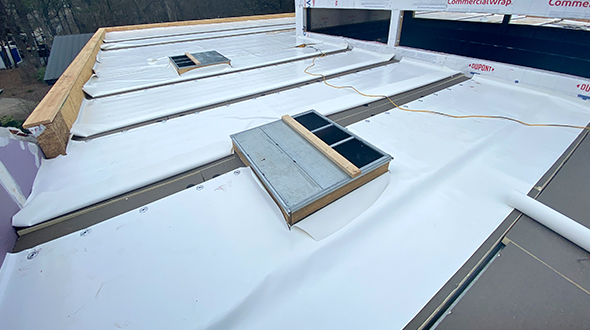
Industry-wide, the most common roofing complaints are for leaking roofing systems. Commercial roof penetrations are often the culprit and may include vent pipes, drains, wiring connections, or any related equipment that creates an opening or hole in the roofing system.

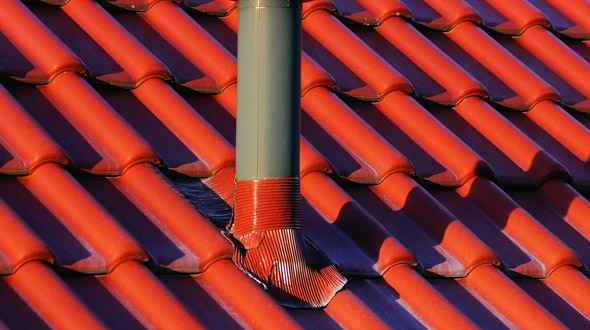
Commercial roof vent penetration with flashing

Cause – Leaks generally occur around the penetration or joint, and when its waterproofing (flashing, pitch pans, etc.) are poorly or improperly installed. However, severe weather events and nuisance wildlife can compromise the integrity of the installation.

Pitch pan and flashing on a commercial roof

Solution – After discovering which penetration is causing the leak, one of the following should be repaired or replaced:

• Flashing – The waterproof layer of material keeping water from leaking through joints, vents, or appliance connection points. Read more about Types and Purpose of Commercial Roof Flashing at atlantacommercialroofingcontractors.com/types-purpose-flashing/
• Pitch Pans – Used as sealants around rooftop penetrations and pipes exiting through a roof.

Depending on the roofing system, the combination of a pitch pan and flashing may be necessary to seal the penetration.

Make sure to verify that the object penetrating the roofing system is firmly held in place. The slightest vibration or movement over time will cancel out even the best waterproofing, allowing water into your property.

Poor Commercial Roofing System Installation (Bad Contractor)

If your roofing system was poorly installed, you can expect to experience everything from minor/major leaks, and partial or complete failure if your contractor neglected quality control checks, manufacturers guidelines, or necessary procedures.

Cause – Poor commercial roofing installations are generally the result of inexperienced, unqualified, or negligent contractors who cut corners, rush through installations, and neglect manufacturers and general safety guidelines.

Commercial roof structure and installation

Solution – Use strict guidelines when vetting roofing contractors to repair or replace a roofing system. To qualify a roofing company, do the following:

• Check the company’s references.
• Visit locations of their previous installations.
• Read through their online reviews.
• Search for complaints and resolutions through the Better Business Bureau at bbb.org.
• Verify the company’s license to operate in your city.
• Request proof of insurance coverage.
• (Once contracted) Request copies of all permits attained to allow the lawful repair or replacement of your roofing system.
• Request information about their warranty policy.

Reputable roofing contractors will make all of this readily available for your review.

If you suspect that your roof was poorly installed, have it inspected and thoroughly documented to hold the roofing company accountable for the repair or replacement of their faulty work.

You can learn more about common Mistakes that Most Roofers Won’t Tell You by visiting atlantacommercialroofingcontractors.com/15-mistakes-roofers-wont-tell-you/

Commercial Roofing System Scrapes, Punctures, and Holes

TPO, EPDM, and PVC membrane systems are vulnerable to being scraped, punctured, and developing holes that go unnoticed until severe damage has occurred.

Commercial roof membrane system repair and replacement

Cause – The causes for scrapes, punctures, and holes in your roofing system may include:

• Storm Debris
• Foot Traffic
• Equipment Maintenance, Repair, and Replacement
• Wildlife
• Poor Roof Installation
• Defective Material
• Inferior Quality Repairs or Patchwork

Over time, this type of damage can lead to rotting or destabilizing your roofing system’s support structure. This can result in catastrophic loss if it leads to a complete roofing system failure.

Solution – The following measures will help prevent scrapes, punctures, and holes from causing significant damages to your building:

• Install raised walkways, rooftop pavers, or walk pads from roof access points to machinery and equipment.
• Have pathways reinforced where walkways are not possible.
• Schedule thorough inspections after equipment maintenance, severe weather events, or the discovery of wildlife activity.
• Restrict roof access to maintenance and technical crew members.
• Have the roof inspected annually for signs of shrinkage, expansion, weathering, or other signs of trouble.

If left unmanaged, this type of damage has the potential to void the manufacturers and maintenance warranties.

When having your roof repaired, the expansion and contraction of materials from temperature and weather conditions must be taken into account. In many cases, the source of a leaky roof is the poor or inadequate repair of a previous issue.

Leaky Roof Prevention

Among the best measures of leak prevention for a roofing system is not to ignore it. Routine inspections and a roof maintenance plan are far less costly than a partial or total roof replacement.

Installation of Commercial roofing system

Take immediate action when damage occurs. Problems with roofing systems don’t go away on their own, and are exacerbated when avoided or repairs are delayed.

Commercial Roof Leaks

If you don’t know how to address these common leaky roof issues, your building could be severely compromised and require extensive repairs well before its time.

In this article, you discovered 3 common leaky roof scenarios, what causes them, and how to quickly solve them.

Allowing problems with your leaking roof to persist will lead to structural damages, rot, mold, mildew, and very costly repairs. In the case of roofing systems, everything you can do to fix and prevent leaks is far less expensive than repairing structural damage to the building or having to replace your roof entirely.

Sources:
https://www.copper.org/applications/architecture/arch_dhb/arch-details/flashings_copings/roof_penetrations.html
https://www.nachi.org/roofs.htm

The post 3 Leaky Roof Causes and Solutions appeared first on atlantacommercialroofingcontractors.com
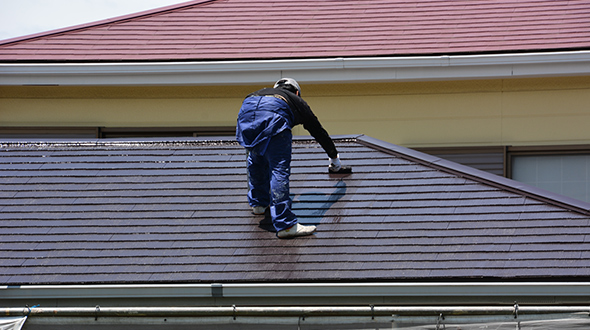
Can Roof Shingles Be Painted?

Many property owners wonder whether painting their roof is a viable way to refresh its appearance without the expense of a full replacement....