Wednesday, April 23, 2025

The Performance Bond for Construction Explained

A performance bond in construction guarantees that contractors will finish projects as agreed. It protects project owners by covering financial losses if contractors fail to meet obligations. This guide explains what performance bonds are, why they matter, and how they work.
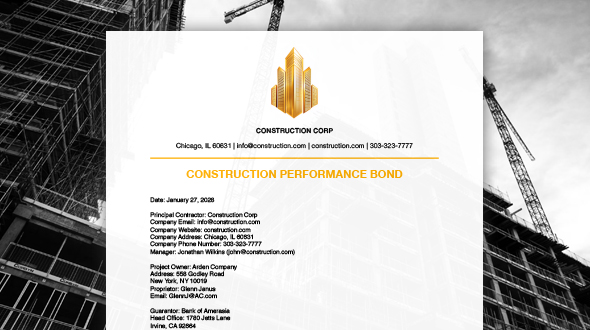
performance bond construction

Key Takeaways

  • Performance bonds are essential in construction, providing financial security and ensuring project completion to agreed standards, thus protecting all parties involved.
  • The three key parties involved in a performance bond are the principal (contractor), the obligee (project owner), and the surety (bond issuer), each with defined roles for accountability.
  • Cost factors for performance bonds include contract value, the contractor’s credit history, and additional fees, all of which influence the bond premium and overall project budgeting.

Understanding Performance Bonds in Construction

Performance bonds are a cornerstone of financial security in the construction industry. These bonds, provided by an insurer or bank, guarantee that a contractor will complete a project to the required standards and within the agreed timeframe. According to Atlanta Commercial Roofing Contractors, they serve as a safety net, ensuring the project’s specifications are met even if the contractor faces financial difficulties or defaults. A construction performance bond ensures that these obligations are fulfilled.

The significance of performance bonds is immense. They protect the project’s owner from potential financial losses by guaranteeing compensation if the contractor fails to fulfill their contractual obligations. In essence, performance bonds ensure that the construction project will be completed as outlined in the contract, safeguarding the interests of all parties involved.

Why Performance Bonds Are Crucial in Construction Projects

Performance bonds are not just about protecting project owners; they also safeguard subcontractors and suppliers by guaranteeing payments. This dual protection makes performance bond work indispensable in the construction industry, as it ensures that everyone involved in a project is compensated fairly, even if the contractor defaults.

Key Components of Performance Bonds

key components of performance bonds

Understanding the key components of performance bonds is essential for grasping how they function.

There are three primary parties involved in a performance bond:

  1. The principal is the contractor who must perform the contractual obligations.
  2. The obligee is the project owner who requires the bond for protection.
  3. The surety is the entity that issues the bond, guaranteeing the principal’s performance.

This tripartite relationship forms the backbone of performance bonds, ensuring that the project owner is protected and the contractor is held accountable. By clearly defining the roles and responsibilities of each party, performance bonds create a framework for successful project completion.

How Performance Bonds Work

The mechanics of performance bonds are designed to ensure project completion according to the contract’s agreed-upon terms. When a performance bond is included in a contract, it provides a financial guarantee that the contractor will complete the project as specified. If the contractor defaults, the surety steps in to either complete the project or compensate the project owner up to the bond limit.

The surety’s role is crucial in this process. Upon receiving a claim from the project owner, the surety investigates to assess the claim’s validity and the extent of the losses. If the claim is valid, the surety compensates the project owner and subsequently seeks reimbursement from the contractor. In some cases, the surety may help hire a new contractor to complete the project, ensuring that the project owner’s interests are protected.

A performance bond typically lasts twelve to thirty-six months, depending on the specifics outlined in the bond contract. This period ensures that the project is completed and any potential claims are addressed within a reasonable timeframe. By providing this structured approach, performance bonds help maintain the integrity and financial stability of construction projects.

Calculating Performance Bond Costs
calculating the cost of a constructionperformance bond

Calculating the cost of a performance bond involves several factors, including the contract value, the contractor’s credit score and financial health, and any additional fees. These elements collectively determine the bond premium, which is typically a small percentage of the total project value.

Understanding these factors is crucial for contractors to accurately estimate their performance bond costs and plan their finances accordingly.

Contract Value

The value of the contract is a primary factor in determining the cost of a performance bond. Generally, higher contract values result in increased bond premiums due to the larger required bond amounts. Performance bonds may use tiered rates, with premiums typically ranging from 1.5% to 3.5% of the total contract value, affecting the performance bond cost.

As the contract value increases, the bond premiums also rise, reflecting the higher financial risk involved. Contractors need to consider this when bidding on projects, as the bond costs can significantly impact the project’s overall profitability.

Credit Score and Financial Health

A contractor’s credit score and financial health are critical in determining performance and construction bond costs. Contractors with strong credit histories and sound financial records are often eligible for lower premium rates. Conversely, those with poor credit may face higher premiums, typically between 3% and 5% of the contract value.

Securing better bond rates involves maintaining accurate financial records, paying off debts, and improving credit scores. Demonstrating financial stability can significantly reduce performance bond costs and increase the likelihood of obtaining the necessary bonds for larger projects.

Additional Fees

In addition to the bond premium, contractors may incur various additional fees when obtaining performance bonds. These can include escrow fees, document fees, and charges for expedited processing and mailing. Understanding these additional costs is essential for contractors to accurately assess the total cost of performance bonds and plan their project budgets accordingly.

Methods to Obtain a Performance Bond
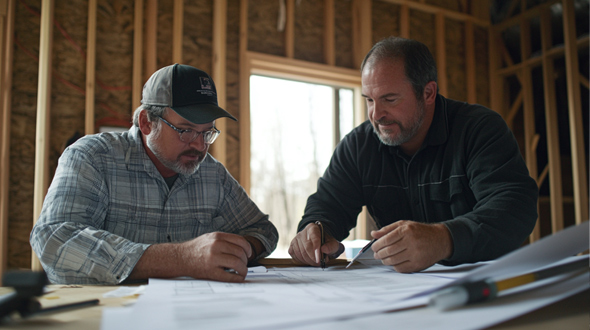
method to obtain a performance bond

Obtaining a performance bond involves a structured bonding process. The first step is to submit a bond application, which typically includes personal and financial information. For larger bonds, additional documentation such as a full contractor questionnaire, financial records, and a bank letter may be required to get a performance bond.

Contractors with good credit histories and solid financial health are more likely to obtain performance bonds successfully. However, those with poor credit may need to provide collateral, such as real estate or equipment, to secure the bond.

Working with a trusted construction CPA can help ensure that all financial documentation is complete and accurate, increasing the chances of bond approval.

Reducing Performance Bond Costs

Reducing performance bond costs is crucial for contractors to maintain profitability and competitiveness. One effective strategy is building long-term relationships with surety providers, which can lead to more favorable terms and lower premiums. Contractors should also focus on bidding for projects within their capacity to avoid overextending themselves.

Submitting detailed and accurate financial statements is another way to lower bond costs. By demonstrating financial stability and reliability, contractors can negotiate better rates and reduce the overall cost of performance bonds.

Differences Between Performance Bonds and Other Bonds

Performance, payment, and bid bonds each serve unique purposes in the construction industry. Payment and performance bonds guarantee a project’s timely and quality completion, protecting project owners from contractor defaults. Payment bonds ensure that subcontractors and suppliers receive their due payments, preventing non-payment issues.

Bid bonds, on the other hand, are linked to the pre-bid phase, which ensures that contractors commit to their bids and secure performance bonds if selected. While performance bonds and payment bonds are issued during the execution of the project, a bid bond is crucial during the bidding process to guarantee the contractor’s ability to fulfill contractual obligations, including contract bonds.

Together, these construction bonds form a comprehensive security solution for construction projects.

When Are Performance Bonds Required?

Performance bonds are required in various situations to ensure project completion and financial protection. For federal government contracts exceeding $150,000, performance bonds are mandated to guarantee compliance with the terms of the contract. Many states also require performance bonds for public construction projects to protect against contractor defaults.

In addition to public projects, some private contracts may stipulate performance bonds for large-scale developments. General contractors often require performance bonds from subcontractors on larger projects to ensure that all aspects of the project are covered and completed successfully.

Benefits of Performance Bonds for Project Owners

benefits of performance bonds for project owners

Performance bonds offer significant benefits for project owners, primarily by providing financial protection in case of contractor default. If a contractor does not meet their obligations, the surety has options. They can either finish the project themselves or pay the project owner for losses up to the bond amount. This ensures the project owner does not suffer financial losses due to contractor issues.

Moreover, performance bonds guarantee that contractors fulfill their contractual obligations, providing peace of mind and reducing the risk of project delays or failures. For project owners, the assurance of work completion and the involvement of a reliable surety bond make payment bond guarantees an invaluable tool in construction projects.

Construction Performance Bond Summary

Performance bonds are essential in the construction industry, providing financial guarantees and ensuring project completion. They protect project owners, subcontractors, and suppliers by mitigating risks and ensuring that contractors meet their contractual obligations. Understanding the costs, components, and methods of obtaining performance bonds is crucial for contractors to succeed in their projects.

By leveraging performance bonds, contractors can enhance their market credibility, and project owners can secure the successful completion of their projects. This comprehensive guide has covered the key aspects of performance bonds, helping you navigate the complexities of the bonding process and make informed decisions.

Performance Bond Frequently Asked Questions

What is a performance bond?

A performance bond is a surety bond issued by an insurer or bank that ensures a contractor will fulfill a project’s requirements, thereby safeguarding the project owner from financial losses.

Why are performance bonds important in construction projects?

Performance bonds are essential in construction projects as they ensure financial security and risk mitigation by guaranteeing that contractors will complete their work according to the contract terms, thereby protecting all parties involved.

How are performance bond costs calculated?

Performance bond costs are calculated as a percentage of the total project value and are influenced by the contractor’s credit score, financial health, and any additional fees. Thus, understanding these factors is crucial for accurately estimating bond costs.

What are the key components of a performance bond?

The key components of a performance bond are the principal (contractor), the obligee (the project owner), and the surety (the entity issuing the bond), each fulfilling distinct roles and responsibilities in the agreement. Understanding these components is essential for ensuring the bond’s effectiveness.

When are performance bonds required?

Performance bonds are typically required for federal contracts over $150,000, public construction projects, and significant private developments, as well as by general contractors from subcontractors on larger assignments.

Atlanta Commercial Roofing Contractors

Atlanta, GA
(404) 220-9288

The post The Performance Bond for Construction Explained appeared first on atlantacommercialroofingcontractors.com

Thursday, March 20, 2025

What Is a Commercial Building?

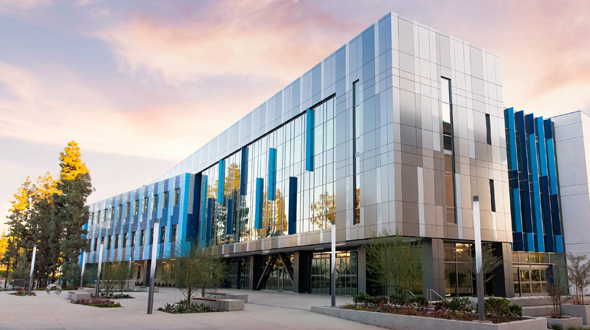
A commercial building is a structure where business activities, such as offices, retail stores, and restaurants, occur. These buildings differ from residential or industrial properties. In this Atlanta Commercial Roofing Contractors article, we’ll explore what defines a commercial building, what commercial building types are, and why they are vital for the economy. Understanding what is a commercial building can help clarify its significance in real estate investing, urban development, and economic growth.

what is a commercial building

Key Takeaways

  • Commercial buildings are defined as structures that house business operations, supporting various functions such as retail, offices, and industrial activities.
  • Investing in commercial real estate offers substantial benefits, including higher returns, job creation, and enhanced property maintenance through professional landlord-tenant relationships.
  • Key factors in selecting commercial properties include location, infrastructure, and suitable zoning regulations, ensuring alignment with business needs and operational efficiency.

Defining Commercial Buildings

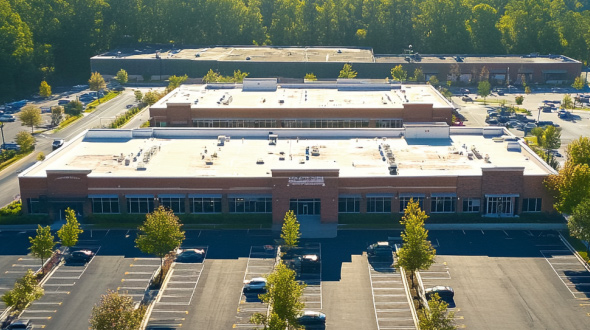
Commercial buildings are defined as structures where commercial activities occur, setting them apart from properties that might generate income without active commerce. The primary purpose of these buildings is to house business operations and generate income through activities such as retail, offices, and restaurants. This makes them distinct from residential or purely industrial properties.

The variety of commercial buildings is vast, ranging from single-story retail stores to towering office skyscrapers. They support various commercial functions, including office spaces, retail establishments, warehouses, and multi-business venues. Each type is designed to cater to specific business needs, ensuring optimal functionality and efficiency.

Knowing what defines a commercial building benefits real estate developers, business owners, and investors. This knowledge aids in planning, development, and regulatory compliance, ensuring these structures support business activities and boost economic growth.

Importance of Commercial Buildings

importance of commercial buildings in urban development and business economics

Commercial buildings are the backbone of the economy, providing spaces where business operations can thrive. They contribute significantly to local and national economies by creating employment opportunities and generating substantial revenue. High-quality commercial properties attract new businesses, driving direct investments and job creation.

These properties also foster innovation by offering flexible spaces that cater to startups and entrepreneurial ventures. For instance, modern office buildings often come equipped with co-working spaces and shared amenities, encouraging collaboration and creativity among commercial tenants. This adaptability makes them ideal for fostering new ideas and business growth.

Beyond their economic contributions, commercial buildings enhance the quality of life in communities. They create vibrant business areas that promote social interaction and activities. Urban centers with a concentration of commercial properties tend to attract more investments, aiding city growth and development.

Recognizing the importance of commercial buildings is vital for those in business planning, real estate, or urban development.

Types of Commercial Properties

various types of commercial properties, including office and retail spaces

Commercial properties encompass a diverse range of types, each serving different business needs. The main categories include:

  • Office buildings
  • Retail spaces
  • Industrial facilities
  • Multi-use properties

This diversity allows for various business types to find suitable spaces that meet their specific requirements.

Each type of commercial property has its unique characteristics and purposes. Office buildings provide spaces for administrative and professional services, while retail spaces cater to businesses selling goods directly to consumers. Industrial buildings support manufacturing and logistics operations, and multi-use properties combine residential and commercial functions.

Examining the details of these categories reveals their distinct features and benefits.

Office Buildings

Office buildings vary widely in structure, from single-story buildings to high-rise skyscrapers. In urban areas, office buildings can span several million square feet, while suburban office buildings are usually smaller and may be grouped in office parks. These buildings are categorized into three classes: Class A, Class B, and Class C, reflecting their quality and rental rates.

class A office building

Class A buildings are the highest quality, offering top-notch amenities and commanding the highest rents. Class B buildings are a step down in terms of quality and amenities but still provide functional office spaces at more affordable rates. Class C buildings are older and may require significant renovations but can offer cost-effective solutions for smaller businesses.

Office buildings, designed for business use, typically feature individual offices, meeting rooms, common areas, lifts, and parking facilities. Their height and size often depend on the location and the developer’s investment level.

Retail Spaces

Retail spaces are another vital type of commercial property, accommodating businesses that sell goods directly to consumers. They can vary significantly in size and format, from large department stores to small independent shops. Examples include big box stores, strip malls, and retail space shopping centers.

commercial retail spaces

Depending on their layout and purpose, retail spaces can be classified as multi-tenant or single-use. Multi-tenant buildings, like strip malls, house multiple retail businesses, providing a variety of shopping options in one location. Single-use retail spaces, such as big-box centers and pad sites, are typically occupied by a single business. Factors like size, concept, and tenant mix often dictate the type of shopping center.

These spaces are designed for customer efficiency, offering ample parking, easy access, and visible storefronts. Their flexible design caters to various retail businesses, from grocery stores to specialty shops.

Industrial Buildings

Industrial buildings encompass a broad range of structures, each tailored to specific operational needs. This category includes manufacturing plants, workshops, and warehouses. These buildings are crucial for the supply chain and logistics sectors, providing essential facilities for distribution and operations.

Warehouses, for instance, serve as storage facilities for businesses, playing a vital role in logistics and inventory management. They must often meet specific requirements, such as climate control, to protect stored goods.

Other types of industrial facilities include manufacturing and workshop spaces, which are equipped to handle heavy machinery and hazardous materials. Features like loading docks and large open floor spaces facilitate efficient business operations in industrial buildings.

industrial commercial building

These buildings are essential for businesses producing goods, storing inventory, or requiring significant logistical support.

Multi-Use Properties

Multi-use properties combine commercial and residential property functions, offering diverse tenant spaces and investment opportunities. These properties may include a mix of retail spaces, offices, and residential units, providing flexibility and enhancing investment stability.

A multi-use commercial building must include both retail and residential spaces, with over 51% occupancy by commercial tenants. Typical tenants include restaurants, retailers, and healthcare facilities.

The diverse functions of multi-use properties make them attractive to a variety of tenants and investors. They provide the convenience of living and working in the same location, catering to modern lifestyle demands and offering stable investment returns.

Key Features of Commercial Buildings

Commercial buildings are designed to meet specific business requirements, ensuring optimal functionality. Customization allows building owners to tailor spaces to tenant needs, including office layout, specialized equipment, and necessary utilities.

Safety measures, including fire alarms, emergency exits, and security systems, protect assets and information in commercial buildings. Adaptability is also crucial, enabling modifications for accessibility features and flexible office layouts.

Ample parking and on-site amenities like lifts and energy-efficient technologies significantly enhance the attractiveness of commercial buildings.

Understanding Commercial Leases

commercial property lease

Commercial leases are agreements between business owners and building owners for renting commercial spaces. Unlike residential leases, commercial leases are less regulated, requiring thorough due diligence from tenants. They typically have longer terms than residential leases, often spanning several years.

Commercial leases are more complex, covering maintenance responsibilities, usage restrictions, and financial obligations. For instance, triple net leases place maintenance, property taxes, and insurance costs on tenants, reducing the owner’s expenses while offering flexibility and customization to meet both parties’ needs.

Commercial tenants may face additional costs beyond rent, such as common area maintenance charges and property taxes. Understanding these complexities is crucial for tenants to negotiate favorable lease terms and ensure their business operations run smoothly.

Factors to Consider When Choosing a Commercial Property

Selecting the right commercial property involves considering several important factors. The neighborhood and infrastructure critically influence a property’s value and business suitability. Key considerations during site selection include accessibility, zoning regulations, and utilities.

Conducting a thorough inspection of the building before purchase is essential to identify any hidden issues, such as mold or structural damage. Hiring a team of professionals, including real estate agents and attorneys, can facilitate the buying process and ensure all legal and regulatory requirements are met.

Benefits of Investing in Commercial Real Estate

Investing in commercial real estate offers numerous benefits, including higher annual returns than residential properties, typically averaging between the 6% and 12% range. Commercial properties also play a crucial role in job creation, providing employment during both the construction and operational phases.

benefits of investing in commercial real estate

Professional landlord-tenant relationships in commercial real estate lead to more respectful business interactions and better property maintenance. For example, retail tenants often invest in maintaining their stores, which aligns their interests with property owners and helps enhance property value.

Commercial real estate investments boost the local real estate tax base and fund public services, but they often require infrastructure improvements, benefiting the community and enhancing the investment’s value.

Environmental and Regulatory Compliance

Environmental compliance is essential for commercial buildings, including energy efficiency and waste management. Advanced technologies can enhance energy efficiency, reducing operational costs and environmental impact.

Modern commercial buildings integrate aesthetics and sustainability, contributing to overall environmental compliance. Sustainable landscaping practices and effective waste management further improve the environmental impact and attractiveness of these properties.

Commercial Property Summary

Commercial buildings are integral to our economy and communities, providing spaces for business operations and contributing significantly to economic growth. They come in various types, each serving distinct business needs and offering unique investment opportunities.

Understanding the definition, importance, and types of commercial properties, along with the benefits of investing in them, can help stakeholders make informed decisions. By recognizing the key features and environmental compliance requirements, one can appreciate the value and potential of commercial real estate.

Commercial Building Frequently Asked Questions

What defines a commercial building?

A commercial building is characterized as a structure specifically designed for conducting commercial activities, distinguishing it from properties that may generate income without actively engaging in commerce.

What are the main types of commercial properties?

The main types of commercial properties are office buildings, retail spaces, industrial facilities, and multi-use properties. Each type serves distinct business needs and plays a critical role in the economy.

Why are commercial buildings important for the economy?

Commercial buildings are vital for the economy as they create employment opportunities, generate revenue and foster innovation. Their presence stimulates local businesses and enhances economic growth.

What should I consider when choosing a commercial property?

When choosing a commercial property, it is crucial to consider location, accessibility, and zoning regulations and to conduct thorough inspections to ensure the property meets your business needs. These factors will significantly impact your investment’s success and efficiency.

What are the benefits of investing in commercial real estate?

Investing in commercial real estate offers higher returns, fosters professional landlord-tenant relationships, and enhances the local tax base and infrastructure. These advantages make it a compelling investment option.

Atlanta Commercial Roofing Contractors

Atlanta, GA
(404) 220-9288

The post What Is a Commercial Building appeared first on atlantacommercialroofingcontractors.com

Sunday, February 23, 2025

A Guide to Silicone Roof Coating

Silicone roof coating is widely used to extend the life of roofs by creating a durable, waterproof barrier. Ideal for various roof types, it solves common issues like leaks and ponding water. This guide will break down the benefits, drawbacks, and practical applications of silicone roof coatings, helping you make an informed decision.

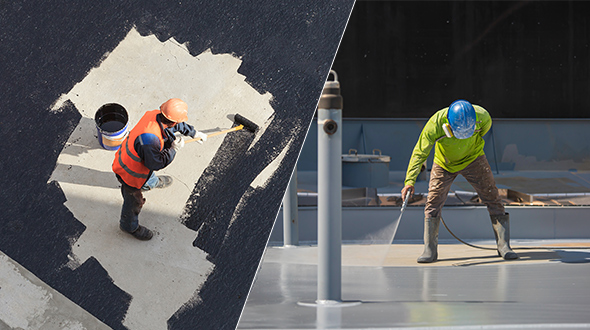
silicone roof coating systems with a focus on application

Key Takeaways

  • Silicone roof coatings create a seamless, waterproof barrier, enhancing roof durability and water resistance, particularly for flat roofing systems.
  • They reflect up to 90% of UV radiation, reducing cooling costs and environmental impact while extending roof lifespans.
  • Proper application and regular maintenance are critical for maximizing the effectiveness and longevity of silicone roof coatings, with attention needed for surface preparation and cleaning.

Understanding Silicone Roof Coating Systems

Silicone roof coating systems restore roofs by creating a seamless, waterproof barrier that extends their lifespan. These coatings are made from silicone resins and offer superior adhesion and flexibility, making them suitable for various roof types.

One of the standout features of silicone coatings is their versatility. They can be applied to a multitude of surfaces, including metal roofs, concrete roof decks, existing roof membranes, and built-up roofs. This adaptability makes them a go-to solution for many roofing professionals and homeowners alike.

Silicone roof coatings restore old roofs and improve their capacity to handle water pooling, which is common with flat roofs. However, silicone coatings can degrade over time, potentially causing adhesion problems with subsequent layers.

Water Resistance and Ponding Water

A key advantage of silicone roof coatings is their exceptional resistance to ponding water, making them ideal for flat roofs – and a leading commercial roof coating. These coatings create a seamless barrier that resists water intrusion, keeping your roof dry and protected even during heavy rains.

Silicone coatings withstand prolonged exposure to standing water, a common challenge for many roofing materials. However, maintaining their effectiveness requires proper design and application, especially in areas prone to frequent standing water.

UV Protection and Energy Efficiency

UV protection and energy efficiency in roofing

Silicone roof coatings excel in UV protection, reflecting up to 90% of UV radiation and significantly reducing heat absorption. This not only prevents UV damage but also enhances building energy efficiency by lowering cooling costs.

Their highly reflective nature lowers energy expenses by reducing HVAC system demand, ultimately extending their lifespan. By shielding roofs from harsh UV rays, silicone coatings help prolong roof life and save money while reducing greenhouse gas emissions.

Flexibility and Durability

Silicone roof coatings are flexible, accommodating thermal movements without cracking or peeling. Their impermeable membrane, combined with this flexibility, helps them withstand extreme weather conditions, wind-driven sand, and oxidation.

Due to superior materials and additives, silicone roof coatings can last 10 to 20 years. Their durability is enhanced by resistance to UV radiation, extreme temperatures, moisture, and chemicals, making them reliable for long-term roof protection and a top roof coating type.

Environmental Benefits

Silicone roof coatings have low volatile organic compounds (VOCs), making them environmentally safer. High-solids silicone coatings like High-Solids Silicone 412 are solvent-free, reducing environmental impact during application. This product is a single-component solution that enhances performance.

These coatings emit fewer VOCs and help maintain cooler buildings, reducing air conditioning needs and further lowering their environmental footprint. This combination of environmental friendliness and energy efficiency makes silicone roof coatings ideal for eco-conscious consumers.

Application Techniques for Silicone Roof Coatings

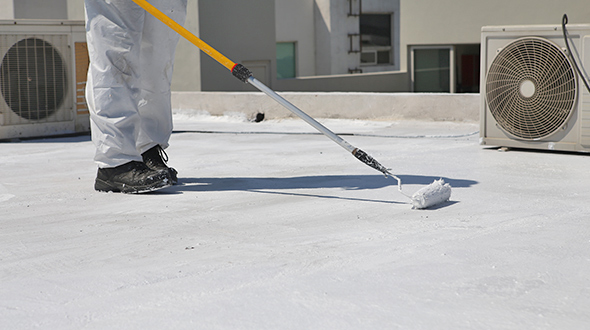
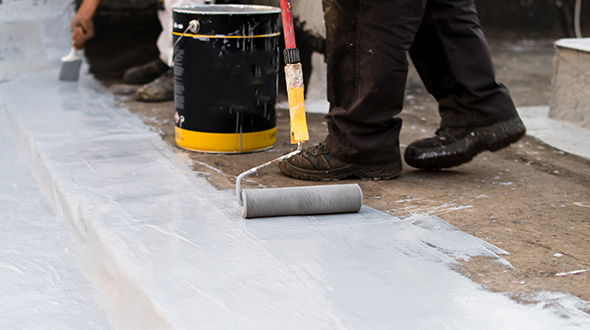
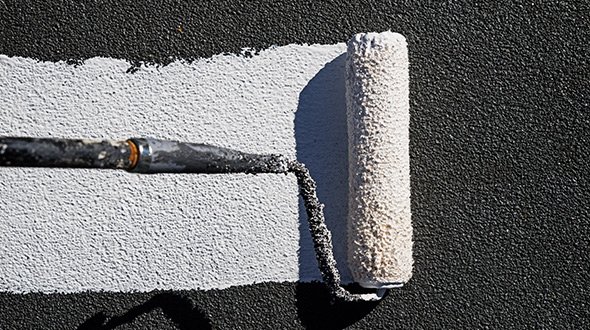
Applying silicone roof coatings involves several critical steps to ensure optimal performance and longevity. First, thoroughly clean the entire roof surface to remove any dirt, debris, or contaminants that could hinder adhesion. This often involves using solvents to clean the area around repairs.

After cleaning, thoroughly mix the silicone coating before application to ensure a consistent and effective layer. Using the right tools, such as rollers or brushes, helps achieve an even application. Applying the coating in multiple thin layers provides better coverage and enhances durability.

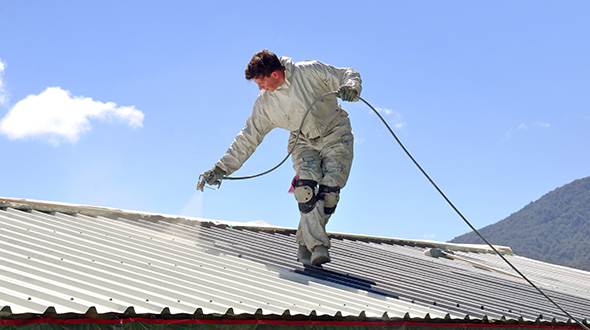
application techniques for silicone roof coatings

Proper surface preparation and application techniques are crucial for the longevity and effectiveness of silicone roof coatings. Following these steps helps achieve a seamless, durable, and long-lasting roof coating.

Maintenance Requirements

Regular maintenance maximizes the lifespan of silicone roof coatings. These coatings tend to attract dirt and debris, reducing their effectiveness over time. Regular cleaning preserves their reflective properties and prevents increased heat absorption.

Pressure-wash silicone roof coatings every 6-12 months to maintain optimal performance. Routine inspections and promptly addressing any damages also help extend the coating’s life and prevent costly repairs.

Safety Considerations

A safety concern with silicone roof coatings is their slipperiness when wet, posing a significant risk to individuals accessing the roof. This can lead to accidents if proper precautions are not taken.

To mitigate this risk, the Walk-Path System should be used to mark pedestrian areas clearly. This system provides safe walkways and reduces the chances of slips and falls, ensuring the roof remains accessible and safe for maintenance and inspections.

Cost-Effectiveness

Silicone roof coatings offer significant cost-saving benefits compared to traditional roofing methods. The faster application process leads to substantial labor cost savings. Additionally, silicone coatings can save about 65-75% in costs by reducing labor and waste.

The longevity and durability of silicone roof coatings result in lower replacement costs over time. By minimizing maintenance and repair expenses, these coatings offer a cost-effective solution for long-term roof protection.

Challenges with Silicone Roof Coatings

While silicone roof coatings offer numerous benefits, they also come with challenges. Recoating can be difficult due to the unique properties of silicone. Silicone coatings only adhere to silicone, necessitating thorough surface cleaning and sometimes specific primers to ensure proper adhesion.

challenges with silicone roof coatings

Contamination on the roof surface, such as dirt or oils, can hinder the performance of new silicone coatings. Proper surface preparation is crucial for achieving good adhesion when applying new coatings or making repairs.

Silicone Coating Summary

In summary, silicone roof coatings offer a plethora of benefits, including excellent water and UV resistance, flexibility, durability, and environmental friendliness. They provide significant cost savings and are relatively easy to apply with the right techniques.

However, challenges such as the need for regular maintenance and difficulties in recoating must be considered. Overall, silicone roof coatings present a viable and cost-effective solution for extending roof life and enhancing protection, making them a worthy investment for many.

Frequently Asked Questions

Is silicone roofing expensive?

Silicone roofing is generally less expensive than a full roof replacement, costing between $5 and $8 per square foot compared to $10-$15 per square foot for replacement. Thus, it can be a cost-effective option for roof maintenance.

How long will a silicone roof coating last?

A silicone roof coating can last an average of 10-15 years, effectively extending the life of your existing roof while providing superior protection against further damage.

What is one of the long-term benefits of silicone roof coatings for HVAC systems?

One of the long-term benefits of silicone roof coatings for HVAC systems is their ability to lower energy costs and reduce the workload on the systems, which can significantly extend their lifespan.

What is the primary reason to consider roof renovation instead of roof replacement?

The primary reason to consider roof renovation is that it can extend the life of your existing roof while saving you substantial costs compared to a full replacement. Renovation often addresses specific issues without the need for a complete overhaul.

What are the two primary types of roof coatings?

The two primary types of roof coatings are asphaltic coatings and elastomeric coatings. Each serves distinct purposes, with asphaltic coatings offering waterproofing and durability, while elastomeric coatings provide flexibility and UV protection.

Atlanta Commercial Roofing Contractors

Atlanta, GA
(404) 220-9288

The post A Guide to Silicone Roof Coating appeared first on atlantacommercialroofingcontractors.com

Sunday, January 26, 2025

Acrylic vs Silicone Roof Coating

Choosing the right type of roof coating is crucial for roof longevity and performance. Acrylic vs silicone roof coating: which one should you pick? This article breaks down their key differences, pros, and cons, helping you decide the best fit for your roofing needs.

acrylic vs silicone roof coating

Key Takeaways

  • Acrylic roof coatings are cost-effective and easy to apply but can degrade over time due to ponding water and extreme temperatures.
  • Silicone roof coatings offer superior moisture resistance and longevity, making them ideal for harsh weather; however, they come with a higher initial cost and require specialized application techniques.
  • The choice between acrylic and silicone roof coatings should consider factors such as climate, budget, and long-term maintenance to ensure optimal performance for specific roofing needs.

Understanding Acrylic Roof Coatings

Acrylic roof coatings are liquid-applied, seamless membranes that adhere fully to the roof surface. Typically latex-based, they cure through air drying, which makes them user-friendly and easy to apply. Acrylic polymers in the coatings provide flexibility and resilience. Their ease of application is a key reason for their popularity in the commercial roofing industry.

Ideal for flat roofs, these coatings can be applied to various substrates, including metal, modified bitumen, built-up roofs, EPDM, TPO, PVC, concrete, and spray polyurethane foam. They enhance the roof’s aesthetic appeal and are known for being low in odor and cost-effective.

Acrylic roof coatings help prevent water damage, making them a practical choice for commercial roofing applications and an effective acrylic coating solution.

Pros and Cons of Acrylic Roof Coatings

pros and cons of roof coatings

Acrylic roof coatings offer several advantages, making them a popular choice for commercial roofing systems. They are cost-efficient and easy to apply, making them an attractive option for both contractors and building owners. Additionally, acrylic coating systems enhance the durability and longevity of the roofing materials.

However, despite their benefits, acrylic roof coatings also have some disadvantages to consider. These coatings are susceptible to damage from ponding water and can experience reduced durability in extreme temperatures.

Knowing the advantages and disadvantages will help you decide if they are the right roof coating system for your needs.

Advantages of Acrylic Roof Coatings

A key advantage of acrylic roof coatings is their affordability. They are generally more budget-friendly than other types while offering similar durability. Their cost-efficiency makes them a favored choice for commercial roof restoration projects, especially when budget constraints are a concern.

Acrylic roof coatings are also highly reflective, providing strong UV resistance, which can lead to lower cooling expenses. Reflecting UV rays helps maintain a cooler building environment, reducing the need for excessive air conditioning during hot months and preserving the roof’s aesthetic appearance.

Another advantage is the user-friendly application process. Due to acrylic roof coatings being water-based, these coatings minimize complications during application and can be applied using standard tools like brushes and rollers. This ease of installation saves time and reduces labor costs, making acrylic roof coatings a practical and economical solution for many commercial roofing projects.

Disadvantages of Acrylic Roof Coatings

Despite their benefits, acrylic roof coatings have drawbacks. One significant disadvantage is their susceptibility to damage from ponding water. In areas where water tends to accumulate, the tensile strength of acrylic coatings may not suffice, leading to degradation over time. This limitation makes them less suitable for flat roofs with frequent standing water.

Acrylic coatings are also prone to reduced durability in extreme temperatures. Freezing temperatures can cause brittleness, while high temperatures can lead to a loss of mil thickness and performance degradation. These vulnerabilities necessitate more frequent maintenance and reapplication compared to other options.

Susceptibility to ponding water and extreme temperatures can significantly affect the long-term performance of acrylic roof coatings. While they are a cost-effective and easy-to-apply solution, their limitations must be carefully considered to ensure they are the right roof coating system for your needs.

Exploring Silicone Roof Coatings

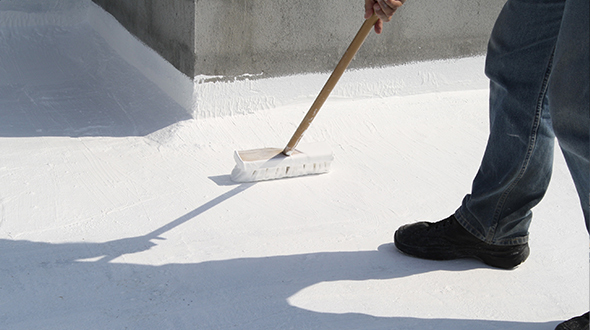
silicone roof coatings with image of a silicone-coated roof

Silicone roof coatings are renowned for their excellent moisture resistance and ability to protect against UV rays, rain, snow, and hail, making them a durable solution for various commercial roofing systems. Silicone and acrylic are the two most widely used types of commercial roof coatings, with silicone standing out for its flexibility and performance under harsh weather conditions.

Silicone roof coatings can adhere to surfaces such as metal, concrete, TPO, PVC, and modified bitumen. However, achieving a strong bond requires proper surface preparation, emphasizing the importance of professional application. Once applied, silicone coatings form a flexible, seamless membrane that expands and contracts with the roofing material, ensuring long-lasting protection.

The application process for silicone coatings is generally faster and safer as it does not require heat-based methods. Since it doesn’t require heat-based methods, safety risks are reduced, and the project’s overall efficiency is enhanced. Additionally, silicone coatings are widely recognized in the roof restoration industry for their ability to protect various roofing materials, making them a preferred choice for many applications.

Pros and Cons of Silicone Roof Coatings

Silicone roof coatings offer several benefits that make them an attractive option for commercial roofing systems. Their excellent moisture resistance and long lifespan, often exceeding 15 years with proper maintenance, are significant advantages. Silicone coatings also perform exceptionally well in areas with ponding water due to their ability to repel water.

However, silicone roof coatings also have drawbacks. One primary downside is their higher initial cost. The application process can be more complex, requiring specialized techniques and equipment, which can add to the overall cost.

Knowing these pros and cons will help you decide if silicone roof coatings are the right choice for your needs.

Benefits of Silicone Roof Coatings

Silicone roof coatings offer significant advantages, starting with their superior moisture resistance. This property makes them ideal for areas with frequent rain or snow, as they effectively prevent water penetration. Their resistance to ponding water silicone coatings ensures the roof remains protected even in the presence of standing water.

Another key benefit of silicone roof coatings is their longevity. These coatings typically last about 10 years, but they can exceed 15 years with proper maintenance. This extended lifespan reduces the need for frequent reapplications, making silicone coatings a cost-effective solution in the long run. Their durability and performance under ponding water conditions make them a reliable choice for various commercial roofing systems.

Drawbacks of Silicone Roof Coatings

While silicone roof coatings have many benefits, they also come with certain drawbacks. One main disadvantage is their higher cost compared to other types of roof coatings. This higher initial investment can be a deterrent for some building owners, especially those with budget constraints. Additionally, the application of silicone coatings can be complicated due to the need for specialized spray equipment and techniques.

Another drawback is the potential for dirt accumulation on the roof surface. Over time, silicone coatings can attract and hold dirt, which may affect their appearance and reflective properties. Regular cleaning can mitigate this issue but adds to the maintenance requirements. Furthermore, silicone coatings can become slippery when wet, presenting safety concerns that need to be addressed, especially in high-traffic areas.

Silicone coatings may also require a primer when bonding to certain surfaces, which can add to the overall cost and complexity of the project. These factors must be carefully considered when evaluating silicone roof coatings for your needs.

Key Differences Between Acrylic and Silicone Roof Coatings

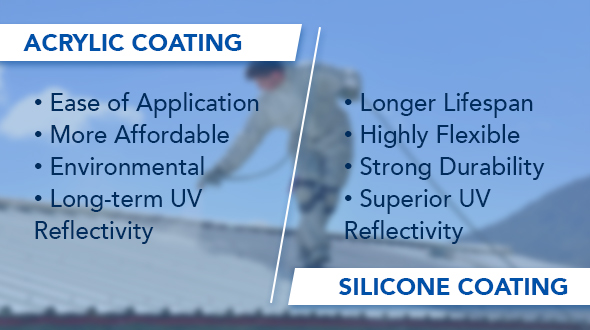
differences between acrylic and silicone roof coatings

When comparing silicone vs acrylic roof coatings, several key differences emerge. Silicone roof coatings generally have a longer lifespan than acrylic coatings, often lasting up to 20 years with proper application. They are also known for their environmentally friendly properties due to low solvent content and long life cycles. However, the choice between silicone and acrylic coatings depends on factors such as roof type, climate, and budget.

Climate conditions play a crucial role in the performance of roof coatings. Silicone coatings excel in extreme temperatures and areas with frequent ponding water, while acrylic coatings are better suited for sloped roofs and milder climates.

Knowing these key differences will help you make an informed decision when selecting the right roof coating system for your project.

Material Composition and Application

Acrylic roof coatings are composed of acrylic polymers, providing flexibility and ease of application. They can be applied using standard tools like brushes and rollers, making the installation process straightforward and cost-efficient. However, acrylic coatings should not be applied below freezing temperatures and require above 50°F for effective application.

In contrast, silicone roof coatings are highly flexible, allowing them to withstand natural expansion and contraction due to temperature changes. Modern silicone formulations often exceed 90% solids content, enhancing their performance and efficiency during application. However, silicone coatings require specialized application equipment and a more complex cleaning process post-application.

Silicone coatings also tend to accumulate dirt, potentially reducing their reflective capabilities over time. Surfaces coated with silicone can become very slippery when wet, leading to safety concerns that require marked pedestrian pathways. These differences in material composition and application methods are crucial when choosing between acrylic and silicone roof coatings.

Durability and Longevity

Silicone roof coatings are generally more durable and stable compared to acrylic roof coatings. Silicone coatings typically last between 10 to 15 years, whereas acrylic coatings last around 7 to 10 years, with only about 5 years in hot climates. This difference in lifespan is a significant factor to consider when evaluating the long-term cost efficiency of each type.

Acrylic roof coatings may lose thickness over time due to exposure to harsh weather and environmental elements, which can diminish their overall durability. This loss of thickness necessitates more frequent reapplications, adding to the long-term maintenance costs.

In contrast, silicone coatings maintain their integrity and performance over a longer period, making them a more durable solution for commercial roofing systems.

Reflectivity and UV Stability

Both silicone and acrylic coatings initially have similar UV reflectivity rates, but acrylic coatings maintain this better over time. Acrylic coatings generally have better long-term UV reflectivity compared to silicone coatings. When exposed to intense UV radiation, acrylics can chalk, degrade, or become brittle, while silicone coatings perform far superior in UV performance.

These coatings can reflect a significant percentage of harmful UV rays, helping reduce cooling costs in buildings. However, silicone’s ability to maintain reflectivity can be hindered by debris accumulation. This difference in UV stability and reflectivity is an essential consideration when choosing between acrylic and silicone roof coatings.

Environmental Impact

When it comes to environmental impact, acrylic roof coatings have a clear advantage over silicone roof coating due to their water-based formulation. Acrylic coatings have VOC (volatile organic compound) levels that are almost three times lower than those of silicone coatings, making them a more environmentally friendly option. This lower VOC emission positions acrylic roof coatings as a safer choice for the environment.

However, some high-solids silicone coatings have been formulated to have little to no solvents and low VOC emissions, which can improve their environmental performance. Despite this, acrylic coatings tend to be significantly more eco-friendly than traditional silicone options.

When considering the environmental impact, evaluating the specific formulations and their respective VOC levels is essential.

Cost Comparison

Cost is a significant factor when choosing between acrylic and silicone roof coatings. Typically, installing silicone roof coatings costs between $1.50 and $4.50 per square foot when done professionally. In contrast, acrylic roof coatings are generally more affordable, with installation costs ranging from $0.50 to $3.00 per square foot. This affordability makes acrylic coatings an attractive option for budget-conscious projects.

However, it’s important to consider the long-term costs. Acrylic coatings typically require more frequent maintenance and reapplication, which can increase long-term expenses. Silicone coatings, while having a higher initial cost, offer greater durability and longevity, potentially leading to cost savings over time.

Budget considerations should include both upfront costs and long-term maintenance expenses to determine the most cost-efficient solution.

Choosing the Right Roof Coating System

choosing the right roof coating system various roof coatings

Selecting the appropriate commercial roof coating depends on several factors, such as budget, climate, roof condition, and long-term maintenance plans. Acrylic and silicone roof coatings have different properties and advantages that can impact their effectiveness for specific applications. For instance, silicone coatings are ideal for flat roofs and areas prone to ponding water, while acrylic coatings are better suited for sloped roofs and milder climates.

Professional consultation is recommended to determine the best roof coating based on specific environmental factors and roof conditions. Roofing contractors can provide a free onsite roof evaluation to assess the roof surface and recommend the most suitable coating solution. This evaluation can help identify potential issues and ensure that the selected coating system will perform optimally for the specific needs of the commercial roof.

Furthermore, considering the long-term maintenance and durability of each silicone coating type is crucial. While silicone coatings may have a higher upfront cost, their longevity, and reduced maintenance requirements can make them a more cost-effective solution in the long run.

On the other hand, acrylic coatings offer affordability and ease of application, making them a practical choice for many commercial roofing projects. By weighing these factors, you can choose the right roof coating system that meets your specific needs and budget.

Acrylic vs Silicone Summary

In summary, both acrylic and silicone roof coatings offer unique advantages and disadvantages that make them suitable for different commercial roofing applications. Acrylic roof coatings are cost-efficient, easy to apply, and provide excellent UV resistance, making them a popular choice for many building owners. However, they are susceptible to damage from ponding water and extreme temperatures, requiring more frequent maintenance and reapplication.

On the other hand, silicone roof coatings offer superior moisture resistance, longevity, and performance under ponding water conditions, making them a durable solution for many commercial roofing systems. Despite their higher initial cost and more complex application process, their long-term benefits often outweigh these drawbacks. By carefully considering the specific needs of your roofing project, you can choose the most suitable coating solution that ensures optimal performance and cost-efficiency.

Acrylic vs Silicone Frequently Asked Questions

What are the main differences between acrylic and silicone roof coatings?

The main differences between acrylic and silicone roof coatings are their cost efficiency and performance underwater exposure. While acrylic is easier to apply and more affordable, silicone excels in moisture resistance and durability, particularly in ponding water situations.

Which roof coating is better for a flat roof?

Silicone roof coatings are ideal for flat roofs due to their superior performance in ponding water conditions and excellent moisture resistance. This makes them a reliable choice for long-lasting protection.

How long do acrylic and silicone roof coatings last?

Acrylic roof coatings generally endure for 7 to 10 years, while silicone roof coatings can last 10 to 15 years or more with proper maintenance. It’s essential to consider your climate and maintenance practices for optimal performance.

Are acrylic roof coatings environmentally friendly?

Acrylic roof coatings are environmentally friendly thanks to their water-based formulation and low VOC emissions, making them a sustainable choice for roofing solutions.

What factors should I consider when choosing a roof coating system?

When choosing a roof coating system, prioritize budget, climate, roof condition, and long-term maintenance plans. Consulting with a professional can help tailor the best solution for your needs.

Atlanta Commercial Roofing Contractors

Atlanta, GA
(404) 220-9288

The post Acrylic vs Silicone Roof Coating appeared first on atlantacommercialroofingcontractors.com
Tuesday, December 24, 2024

Commercial Roof Insulation Options Explained

Want the best commercial roof insulation to reduce energy costs and protect your commercial building? Commercial roof insulation is a vital component of your roofing system, and knowing which best suits your roofing type is critical. This article covers the main types of insulation, their benefits, and tips for choosing the best one for your needs.

commercial roof insulation

Key Takeaways

  • Proper commercial roof insulation is crucial for energy efficiency, reducing heating and cooling costs, and extending the roof’s lifespan.
  • Key insulation options include spray foam, polyisocyanurate (Polyiso), extruded polystyrene (XPS), expanded polystyrene (EPS), and mineral wool, each offering unique benefits based on specific applications.
  • Choosing the right insulation involves considering factors like building type, climate, budget, and compliance with local regulations, while professional installation and maintenance are essential for long-term performance.

Understanding Commercial Roof Insulation

Commercial roofing insulation is essential and often required by building codes. Proper installation significantly reduces heating and cooling costs by limiting thermal transfer. This helps maintain comfortable indoor temperatures and enhances the building’s overall energy efficiency. The proper insulation can lower utility bills and extend your roof’s lifespan.

Conversely, neglecting proper insulation can cause long-term damage. Roofs without adequate insulation are more vulnerable to weather-related wear and tear, leading to premature replacement and higher maintenance costs. Understanding the importance of roof insulation enables informed decisions that benefit both your building and your finances.

Key Types of Commercial Roof Insulation

different types of commercial roof insulation materials

Choosing from the many commercial roofing insulation options can be overwhelming. Knowing the most common types simplifies the selection process. Material type, installation method, and R-value are crucial factors in determining the best insulation for your commercial roof.

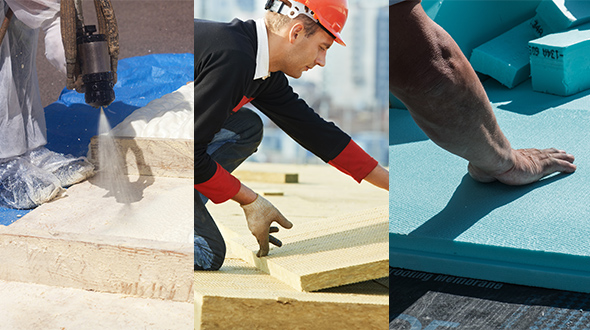
We’ll explore common types of commercial roof insulation: spray foam, polyisocyanurate (Polyiso), extruded polystyrene (XPS), expanded polystyrene (EPS), and mineral wool. Each type offers unique benefits and suits different applications, making it important to understand their specific properties.

Spray Foam Insulation

Spray foam insulation is renowned for its high thermal resistance and soundproofing capabilities. It can achieve an R-value of up to 7.2 per inch, making it one of the most efficient insulators. Its ability to conform to irregular surfaces ensures complete coverage and reduces potential insulation gaps.

Beyond its thermal properties, spray foam insulation also offers structural benefits. It enhances dimensional stability, resists moisture, and provides fire resistance, making it a versatile choice for various commercial roofing applications. It also helps reduce energy bills, making it a cost-effective long-term option.

Polyisocyanurate (Polyiso) Insulation

Polyisocyanurate, or Polyiso, is another popular choice for commercial roofing insulation. It offers an initial R-value of 6.8 per inch, providing excellent thermal efficiency. Certain polyiso products maintain a stable R-value at various temperatures, ensuring consistent performance.

Polyiso is highly versatile and suitable for various roofing systems, including single-ply systems like PVC or TPO. The outer foil-facing layer enhances insulation efficiency and protects against environmental impacts. The tapered design of some Polyiso products ensures effective drainage on low-slope roofs, enhancing their utility.

Extruded Polystyrene (XPS) Insulation

Extruded polystyrene (XPS) insulation, often recognized by its color-coded dye, is a common choice for commercial roofs. XPS excels in moisture resistance, making it suitable for below-grade and various roofing assemblies, including flat and low-slope roofs.

XPS insulation maintains a stable R-value over time, ensuring consistent thermal performance throughout its lifespan. This stability, combined with its lightweight nature, makes XPS a reliable and efficient choice for commercial roofing projects.

Expanded Polystyrene (EPS) Insulation

Expanded polystyrene (EPS) insulation is known for its cost-effectiveness and lightweight properties. It provides similar insulation performance to XPS but at a lower cost, making it an attractive option for budget-conscious projects. EPS is compatible with various membrane systems, including PVC and EPDM, allowing versatile applications in roofing assemblies.

High-density EPS offers an R-value of 4.6 and comes with a 100% R-value warranty from Insulfoam, which makes EPS a reliable and durable choice for commercial roofing insulation.

Mineral Wool Insulation

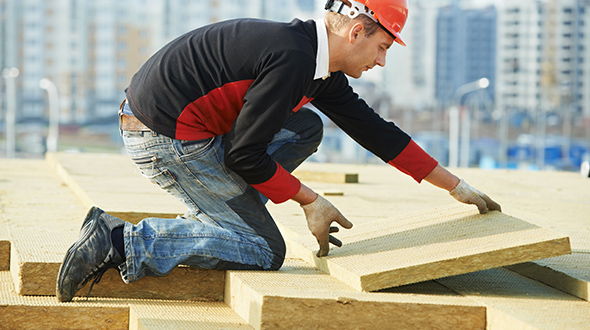
Mineral wool insulation is renowned for its fire resistance and stability at high temperatures, making it ideal for demanding environments. Its water-repellent properties further enhance its suitability for various commercial roofing applications.

In addition to its thermal and fire-resistant properties, mineral wool also provides soundproofing benefits, contributing to a more comfortable indoor environment. These features make mineral wool a highly effective insulation option for commercial roofs.

Choosing the Right Insulation for Your Commercial Roof

right insulation for your commercial roof

Choosing the right insulation for your commercial roof involves considering factors like building type, age, local regulations, and budget. Climate is crucial, as regions with extreme temperatures need insulation with higher thermal resistance.

Budget constraints are significant, as some insulation materials with higher upfront costs can yield considerable energy savings over time. Compatibility with the chosen roofing system and adhesives is essential to avoid future installation issues. Consulting roofing professionals can provide insights tailored to your specific needs and requirements.

Installation Best Practices

Proper installation is crucial for achieving optimal thermal efficiency and longevity. For example, polyisocyanurate can be applied directly to steel decks to meet specific fire safety approvals.

Adequate attic ventilation prevents heat and moisture buildup, prolonging the life of roof insulation. Regular professional inspections can detect unnoticed issues, ensuring roof integrity and preventing costly repairs.

Maximizing Energy Efficiency with Roof Insulation

Energy-efficient roofing systems reduce energy expenditures by lowering the need for artificial heating and cooling. A well-insulated roof minimizes heat loss in winter and keeps interiors cool in summer, contributing to consistent indoor temperatures and comfort.

Investing in energy-efficient roofing can result in substantial long-term savings on energy bills. Following ASHRAE standards and energy codes ensures insulation selection and promotes energy efficiency in commercial buildings. Choosing eco-friendly insulation materials can enhance indoor air quality and reduce energy consumption.

Maintenance and Longevity of Roof Insulation

Regular maintenance of roof insulation is crucial to maintain its energy efficiency and longevity. Cover boards can protect roofing systems from mechanical damage, reduce maintenance costs, and extend the roof’s lifespan.

Regular inspections help identify issues like missing shingles and cracks, allowing for timely repairs. Monitoring granule loss in gutters and promptly removing moss and algae can prevent significant damage to roof materials.

The Role of Cover Boards in Roofing Systems

cover boards in roofing systems

Cover boards are essential components that protect the underlying insulation from damage and enhance overall roof performance. They shield roof insulation from mechanical damage, foot traffic, and environmental impacts, ensuring the long-term performance of the cover board.

Common types of cover boards include:

  • High-density polyiso
  • Low-density polyiso
  • Cement
  • Gypsum

Each type offers different performance benefits. Cover boards enhance the durability of flat and low-slope commercial roofing while improving moisture resistance and acoustic comfort.

Sustainable Insulation Options

Energy-efficient roofs significantly reduce a commercial building’s environmental impact by lowering carbon emissions. Sustainable roofing solutions benefit the environment, enhance a business’s reputation, and appeal to eco-conscious consumers.

Eco-friendly insulation materials, such as cellulosic fibers and wool, are sourced from renewable resources and often have a longer lifespan, reducing replacement frequency. Using recycled or reclaimed materials in insulation minimizes landfill waste and supports local economies.

Working with Professional Contractors

Hiring professional contractors ensures comprehensive roof health and optimal performance. Regular inspections, at least every two years, can identify potential issues early and recommend the best insulation options.

Professional contractors bring extensive experience and expertise, ensuring the roofing system is installed correctly and efficiently. Their knowledge of insulation materials and techniques helps tailor the project to meet specific needs and budget constraints.

Commercial Roof Insulation Summary

Understanding and selecting the right commercial roof insulation can lead to significant energy savings, increased lifespan of the roofing system, and enhanced building performance. From spray foam to mineral wool, each insulation type offers unique benefits. Proper installation and regular maintenance further ensure the longevity and efficiency of the insulation. By investing in sustainable and energy-efficient roofing solutions, businesses can not only reduce their environmental impact but also appeal to eco-conscious consumers.

Insulation Frequently Asked Questions

What is the most energy-efficient type of commercial roof insulation?

Spray foam insulation is the most energy-efficient type of commercial roof insulation, offering a high thermal resistance with an impressive R-value of up to 7.2 per inch. This makes it an optimal choice for maximizing energy efficiency in commercial buildings.

How often should I inspect my commercial roof insulation?

Regular inspections of your commercial roof insulation should occur at least once every two years to ensure its integrity and address any potential issues promptly. Adhering to this schedule will help maintain the overall health of your roof.

What factors should I consider when choosing roof insulation?

When choosing roof insulation, it is essential to consider the building type, age, local regulations, budget, climate, and compatibility with the roofing system and adhesives. These factors will ensure optimal performance and compliance with standards.

How does proper roof insulation contribute to energy efficiency?

Proper roof insulation enhances energy efficiency by minimizing heat loss in winter and maintaining cooler interior temperatures in summer, reducing reliance on heating and cooling systems and significant energy savings.

Are there eco-friendly insulation options for commercial roofs?

Eco-friendly insulation options for commercial roofs include materials like cellulose and wool, which are derived from renewable resources and contribute to reduced environmental impact through longevity. These choices not only enhance sustainability but also lower the need for frequent replacements.

Atlanta Commercial Roofing Contractors

Atlanta, GA
(404) 220-9288

The post Commercial Roof Insulation Options Explained appeared first on atlantacommercialroofingcontractors.com
Friday, October 25, 2024

TPO vs EPDM Roofing

Deciding between TPO vs EPDM roofing? We’ll compare their costs, durability, and energy efficiency to help you make the right choice for your building.

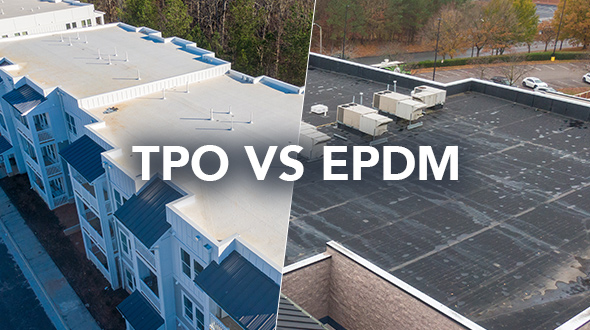
tpo vs epdm roofing systems

Key Takeaways

  • TPO roofing offers superior energy efficiency and is lightweight, featuring hot-air welded seams for enhanced durability, puncture, and leak protection.
  • EPDM roofing is more cost-effective in the long run due to its longevity, typically lasting over 30 years with proper maintenance.
  • Both TPO and EPDM are environmentally friendly options, with TPO being fully recyclable and having lower chemical emissions, while EPDM also boasts good insulating properties.

Understanding TPO and EPDM Roofing Systems

TPO stands for Thermoplastic Polyolefin. It is a single-ply reflective membrane commonly used in flat-top and semi-flat commercial buildings. It comprises a single layer of synthetics and a reinforced scrim, making it lightweight and easy to install. TPO roofing is known for its energy-efficient properties and substantially reduced cooling costs. The TPO membrane is a popular choice for many roofing applications.

EPDM roofing, short for Ethylene Propylene Diene Monomer, is a synthetic rubber roof membrane celebrated for its flexibility and economical nature. The EPDM roofing membrane, composed of ethylene, propylene, and carbon black, is renowned for its resistance to heat aging, ozone, and hail, making it a reliable option for various weather conditions.

Designed for low-slope roofs, both TPO and EPDM are ideal for many commercial buildings. With years of satisfactory performance, ease of installation, and economical aspects, these roofing materials have become staples in the roofing industry.

Advantages of EPDM Roofing Systems

Cost-effectiveness makes EPDM roofing systems a practical choice for budget-conscious projects. Despite the lower initial investment, EPDM roofs offer remarkable longevity, often exceeding 30 years with proper maintenance. This long lifespan translates into significant cost savings over time, as fewer replacements and repairs are needed.

advantages of EPDM roofing system

Energy efficiency is another significant advantage of EPDM roofing membranes. These roofs help reduce heating and cooling expenses due to their excellent insulating properties, which contribute to overall energy efficiency. EPDM roofing systems offer versatile installation options, enabling customized applications to fit specific project needs.

Advantages of TPO Roofing Systems

TPO roofing systems stand out for their reflective properties, making them an ideal choice for energy-efficient commercial applications. The lighter color of TPO roofs reflects UV light, reducing cooling costs and enhancing energy efficiency. This makes TPO an attractive option for businesses looking to lower their energy bills.

Besides being energy-efficient, TPO roofing is lightweight and available in wide sheets, simplifying installation. TPO membranes are highly resistant to ozone and UV exposure compared to other materials, enhancing their longevity and performance. The seams of TPO roofing are hot-air welded, enhancing leak protection and ensuring durability under various weather conditions when properly installed.

Comparative Analysis: EPDM vs. TPO

When deciding between EPDM and TPO roofing systems, several factors come into play, including cost, longevity, durability, and energy efficiency.

Let’s break down these aspects to provide a clearer comparison.

Cost Comparison

Cost often plays a primary role in choosing a roofing system. EPDM tends to be less expensive than TPO in terms of initial installation costs. The cost of EPDM roofing is approximately $8-$22 per square foot, making it compelling to budget projects and a cost-effective option for many projects.

TPO costs range between $10-$30 per square foot, and its’ reflective properties can lower long-term energy costs by reducing cooling expenses.

While EPDM may have a higher upfront cost, its long lifespan and minimal maintenance requirements make it an economical choice in the long run. Considering initial costs, maintenance requirements, and long-term energy savings are the critical factors when comparing these roofing systems.

Longevity and Durability

Selecting a roofing system requires considering longevity and durability. EPDM roofs exposed to limited impact generally last longer than TPO roofs – often exceeding 30 years with proper maintenance. This longevity makes EPDM a reliable choice at their price point. Susceptibility to leaks at its seams is the one drawback of EPDM. Lastly, EPDM is known for its resistance to environmental stressors such as freezing temperatures, hail, and UV radiation, which enhances its durability appeal.

TPO roofing systems, on the other hand, have an estimated lifespan ranging from 20 to 30 years. TPO roofs provide greater puncture resistance than EPDM, offering up to three times the puncture resistance. TPO shines in the durability department, which makes it ideal for high-traffic and rugged environments. However, as TPO ages, it can lose flexibility and become prone to cracking, which can decrease its durability over time.

Energy Efficiency

Energy efficiency is another critical consideration. TPO’s reflective white surface helps reduce cooling costs by reflecting solar energy, making it an energy-efficient choice for flat and semi-flat commercial buildings. This heat-reflective property is especially beneficial in warmer climates, where reducing cooling costs is a priority.

While not as reflective as TPO, EPDM still offers excellent insulating properties, which can help reduce heating costs in colder climates. When choosing between EPDM and TPO, consider the specific energy efficiency needs of your building and the climate in which it is located.

Installation Considerations

Proper installation significantly affects the performance and longevity of both EPDM and TPO roofing systems. Three methods can be used to install EPDM roofing: fully adhered, mechanically attached, and ballasted. This flexibility enables customized installations tailored to the project’s specific needs.

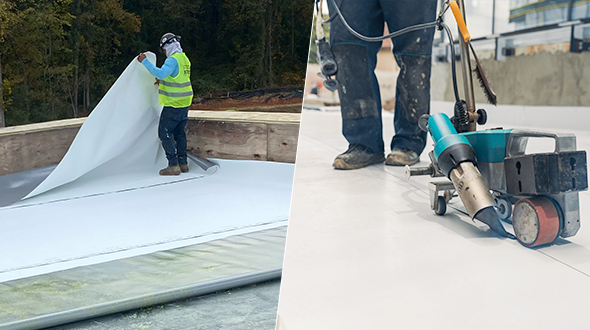
TPO roofing can be installed mechanically attached or fully adhered, with heat welding used to join the seams. TPO’s thermoplastic material facilitates easy heat welding and pliable working, making it ideal for quick and efficient installation projects.

membrane TPO roofing system installation

EPDM is lightweight, negating the need for extra support, and can be quickly and easily installed without requiring an electrical source. Hiring an experienced commercial roofing contractor ensures proper installation and warranty coverage for both EPDM and TPO roofing systems.

Maintenance and Repair

Maintenance and repair play essential roles in any roofing system. EPDM roofing systems have low maintenance needs, requiring infrequent inspections and repairs. However, a primary weakness of EPDM roofing systems is their susceptibility to leaks at seams, which can require attentive maintenance.

TPO roofing systems resist mildew and algae growth, reducing maintenance efforts. TPO is very puncture-resistant, but seams improperly welded can be an issue. Routine inspections and timely repairs ensure long-term performance and durability for both types.

Environmental Impact

Environmental considerations are gaining importance in the roofing industry. TPO roofing is entirely recyclable, bolstering its environmentally friendly reputation. It does not contain chlorine, making it a safer choice for the environment, and tends to emit fewer chemicals compared to other materials such as PVC.

EPDM roofing is also fully recyclable, ensuring the material can be repurposed rather than ending up in landfills. Both TPO and EPDM offer environmentally friendly options, but TPO’s lower chemical emissions give it a slight edge in this regard.

Choosing the Right Roofing System for Your Project

Selecting the right roofing system for your project involves considering factors like climate, budget, and building design. Geographic location, building usage, and external factors such as solar panel installation can also influence the decision between EPDM and TPO roofing systems.

selecting the right roofing system for a project

For flat-top buildings, consider the type of material, warranty, and financial cost. Selecting the right roofing system for flat roofs will ensure long-term performance and your ultimate satisfaction.

TPO vs EPDM Summary

In summary, both EPDM and TPO roofing systems offer unique benefits. EPDM is known for its cost-effectiveness, longevity, and versatility, making it a solid choice for budget-conscious projects. TPO stands out for its energy efficiency, puncture resistance, ease of installation, and environmental benefits.

Choosing between EPDM and TPO ultimately depends on your specific project needs, including climate, budget, and building design. By understanding each roofing system’s key differences and benefits, you can make an informed decision that will serve your building well for years to come.

TPO vs EPDM Frequently Asked Questions

What are the main differences between TPO and EPDM roofing systems?

The main differences between TPO and EPDM roofing systems lie in their properties: TPO offers superior energy efficiency and reflective capability, whereas EPDM is valued for its combined durability and cost-effectiveness. Additionally, TPO installation is generally easier and provides enhanced puncture resistance.

Which roofing system is more cost-effective in the long run?

EPDM roofing is more cost-effective in the long run because of its longer lifespan and low maintenance needs, making it a smart investment despite a higher initial expense.

How does the installation process differ between TPO and EPDM?

The installation process for TPO involves mechanical fasteners and heat welding, whereas EPDM can be installed using fully adhered, mechanically attached, or ballasted methods. This difference in installation techniques allows for varying flexibility depending on project needs.

Are both TPO and EPDM roofing systems environmentally friendly?

Both TPO and EPDM roofing systems are environmentally friendly, as they are both recyclable, with TPO also emitting fewer chemicals than PVC. This makes them suitable choices for sustainable roofing solutions.

What factors should I consider when choosing between TPO and EPDM for my building?

When choosing between TPO and EPDM for your building, consider your local climate, budget constraints, design preferences, energy efficiency requirements, and long-term maintenance needs. It’s crucial also to evaluate the environmental impact of each option.

Atlanta Commercial Roofing Contractors

Atlanta, GA
(404) 220-9288

The post TPO vs EPDM Roofing appeared first on atlantacommercialroofingcontractors.com
Can Roof Shingles Be Painted?

Many property owners wonder whether painting their roof is a viable way to refresh its appearance without the expense of a full replacement....