Tuesday, February 26, 2019

15 Common Mistakes Most Roofers Won’t Tell You About

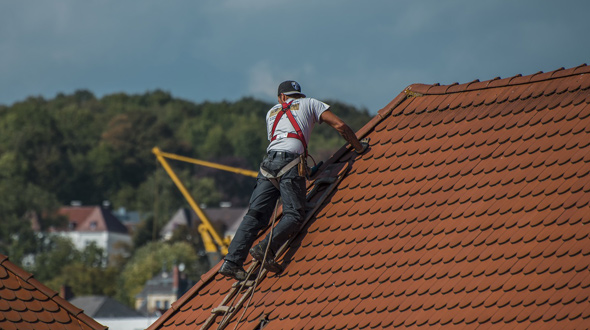
Ceramic-tile-roofing system installation

Do you know the blatant and hidden roofing job signs most likely leading to expensive repairs and/or roof failure? Most roofers won’t tell you about these common mistakes, but we will.

For the investment that a new roof requires, you would like to be able to expect a complete and mistake free installation. Avoid the expensive surprises and premature roof failure by knowing what to look for and can go wrong.

atlantacommercialroofingcontractors.com gathered a list of the 15 more common mistakes roofers make during the installation process.

Mismatched Roofing Shingles

One of the more visible mistakes a roofer can make is to use mismatched shingles. This obvious mistake occurs when a roofing contractor uses multiple dealers and purchases supplies from more than one supplier.

This can be avoided by selecting a roofing contractor that consistently uses the same roofing supplies distributor.

Layers of Shingles

Depending on the municipality your property is located in, it may or may not be unlawful to install a new roofing system without first tearing off the old one.
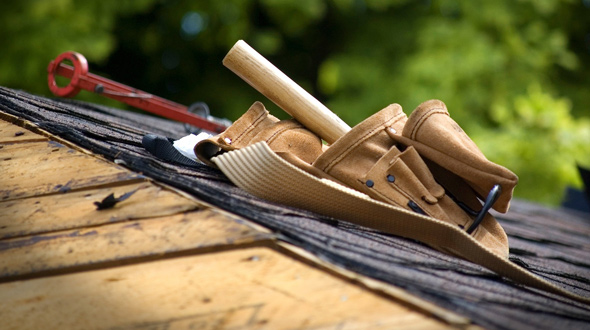
Roofing system repair and replacement of shingles

By tearing off the old roofing system, your contractor can fully inspect your roof deck for any weaknesses, gaps, and other potential issues. An added benefit is that your roof deck will not have to support the weight of two systems.

On the contrary, some commercial roofing systems are engineered to overlay an existing roofing system. Before this happens, the number of layers is checked and decking is tested for it soundness.

This cost-savings method prevents a complete tear-off and related debris hauling process, but should only be used on a commercial roofing system and in accordance with all local and state laws.

Incorrect Use of Roofing Nails

Roofing systems that utilize nails to secure it to the roof deck have specific guidelines for the size and use of nails. The following are common mistakes that could lead to your insurance company refusing to pay a claim in the event of roof failure.
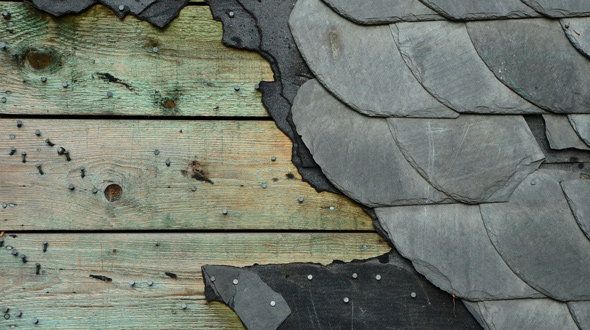
Roofing system improper use of nails during installation

• Nails without barbed shanks.
• Nails are too short.
• Nail Heads are too small.
• Not enough nails used. (the average is four per shingle and six for higher slopes or premium installations)
• Nails driven above the self-sealing strip.
• Nails driven into knotholes or gaps in the roof deck.

All of the above can result in the acceleration of a roof’s deterioration.

Incorrect Shingle Overhang at the Eves

Shingle overhang at the eaves should be between 6 and 10mm. More than this can result in the shingles being blown off during high winds or severe storms. Less than 6mm can result in water infiltration of the roof deck and leaks within the structure.
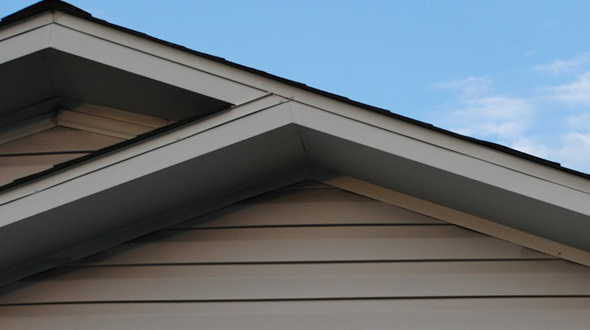
Roofing system correct shingle overhang

This mistake can be avoided by proper shingle installation and with the addition of a drip edge flashing to protect the edges of the deck from water infiltration. This flashing can be secured with a shingle adhesive.

Neglecting the Installation or Reusing the Drip Edge Flashing

Drip edge flashings help ensure a roof’s success at keeping the outside elements outside. Here are some of the benefits:

• Stops wind-driven rain from gaining access at the edge of the roof.
• Provides a surface for water to drip from which prevents saturation and decay of the deck or fascia board
• Drip edge flashings stop insects from entering the attic.
• Since they extend slightly past the edge of the roof, they support and keep shingles from sagging or breaking.
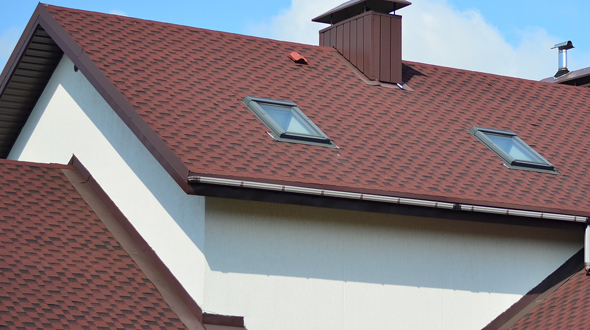
Roofing system drip edge and gutters

When replacing your roofing system, ensure that all drip edge flashings are replaced. This expense is minimal considering the cost of a new roof, and serves to protect your investment.

Improper or Missing Starter Shingles (Starter Strips)

Both rookie contractors and do-it-yourselfers frequently make this mistake. A starter section of shingles should be laid along the eves.

Without starter shingles, water will make its way to the roof deck through the cutouts of the bottom shingles.

Improper Installation of Underlayment

Roofing underlayment is a layer of water-resistant or waterproofed material that is installed directly onto your roof deck. The underlayment is applied under all other roofing materials as an added layer of protection from severe weather and the elements.
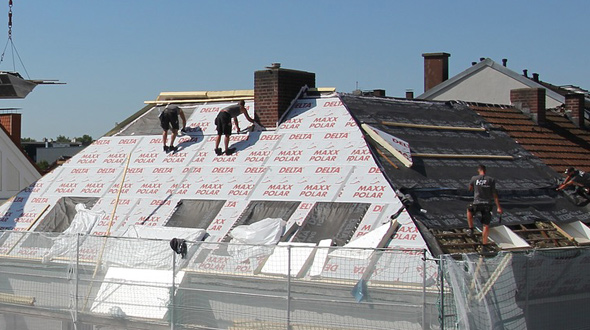
Roofing system installation of underlayment

There are three principal types of roofing underlayment:

• Asphalt-saturated felt
• Non-bitumen synthetic underlayment, or synthetic underlayment.
• Rubberized asphalt underlayment

Asphalt-saturated felt, and synthetic underlayment are both water-resistant, while rubberized asphalt underlayment is waterproof.

Neglecting the Attic

Your roof is a system made up of various parts, including the attic space. Without proper attic ventilation, moisture can build up over time causing your roofing system to prematurely wear out, and ruining your insulation, resulting in sharp increases in your energy bill.

Improper Roof Slope

The use of materials that don’t suit the slope of your roof will leave your structure susceptible to water penetration.

As an example: For an installation of asphalt, wood, or tile shingle roofing systems, it is recommended to have 4 units rise per 12 units of run.

Roof Gutter Sag

Roof gutters are vital to guiding water away from your roof. When they sag, come loose, are installed too low, or do not sufficiently slope, they can back up or overflow, allowing water to enter the structure.
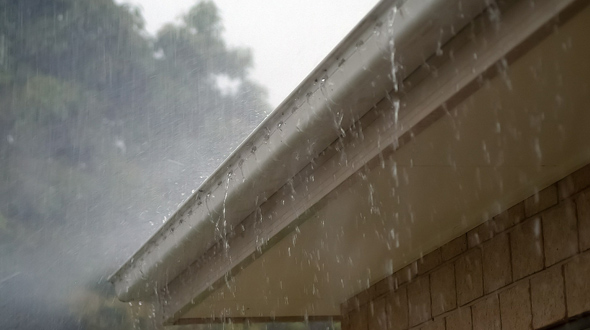
Roofing system rain gutters properly installed

Insufficient Securing of Roof Valley Flashing

Since roof valleys typically handle large volumes of water runoff, they are more prone to leaks. When roof valley flashings are improperly installed, the roofing system can buckle, leading to water leaks and costly repairs.

In addition to the proper installation of roof valley flashing, using the appropriate amount of sealant and adhesive material will work to prevent water penetration.

Not Planning for Ice Dams

In colder climates, ice dams form at the roofline which forces water under the shingles. Thawing and refreezing can wreak havoc on a roofing system without proper insulation.
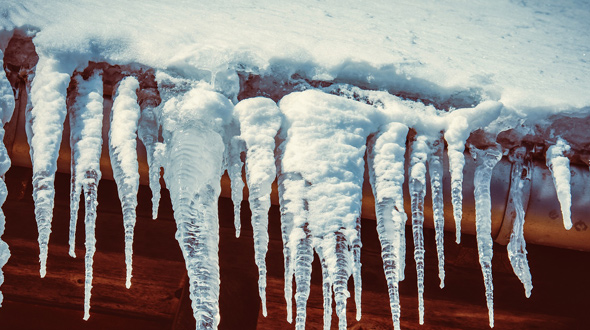
Roofing system eaves and gutter with ice dams

Damage can be significantly reduced or prevented by applying an additional underlayment from the roofline to about three to four feet up the roof. This provides an extra layer of protection from melting ice water.

Ignoring the Manufacturer’s Guidelines

Roofing manufacturers have detailed regulations on how their roofing systems must be installed. Deviations from these regulations may determine whether a manufacturer will honor their warranty in the event of the roof’s failure before the guaranteed lifespan.

Skipping the Roofing Permit

Most municipalities require a permit for new roof installation. The building owner or property owner is ultimately the one held liable for failing to obtain a permit.

Having a roof installed without a permit may result in fines, refusal of insurance coverage, or even the forced complete removal of the new roof.

Insufficient Roofing Contractor Insurance

If your contractor does not carry enough insurance to pay for damages or injuries, you may be held responsible for covering these costs.
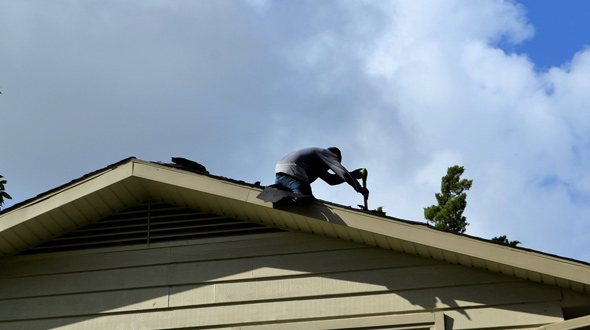
Roofing system repair and replacement contractor insurance

All reputable roofing contractors will willingly provide proof of their insurance policy. Likewise, their insurance company may be contacted to confirm their coverages.

Avoid a Bad Roofing Job

Knowing the signs of a lousy roofing job and contractor will help you avoid expensive surprises and premature roof failure.

In this article, you discovered 15 of the most common roofing mistakes that can lead to leaks, weather damages, and roof failure.

If you don’t know what to watch for during the installation of your new roof, you are leaving too many windows for mistakes that can cause serious damages to your property and potentially result in the failure or loss of your new roof.

Sources:
https://www.fema.gov/media-library-data/20130726-1706-25045-9347/chapter8.pdf
https://dopl.utah.gov/licensing/contracting_avoid_costly_mistakes.html
http://www.ashireporter.org/homeinspection/articles/don-t-miss-the-shingle-stagger-/1973
https://www.handymantips.org/major-roofing-mistakes/

https://plus.google.com/116818386229074671451
Atlanta Commercial Roofing Contractors
1075 Peachtree Street NE Ste 3650 Atlanta, GA 30309
(404) 220-9288

Atlanta Commercial Roofing Contractors
400 17th St NW Ste 2224, Atlanta, GA 30318
(404) 220-9288

  The post 15 Common Mistakes Most Roofers Won’t Tell You About appeared first on atlantacommercialroofingcontractors.com

Wednesday, January 23, 2019

Metal Roofing Advantages and Disadvantages

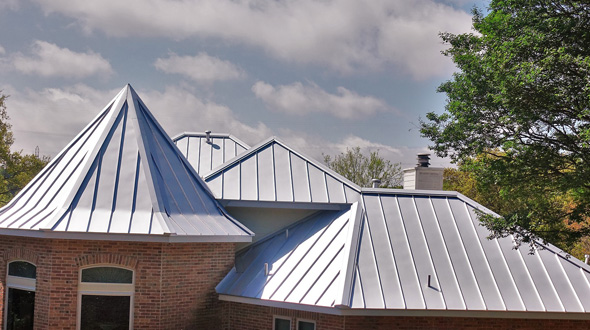
Adaptable metal roofing system residential structure

What if it were possible that a roof can last up to 70 years? Whether for a school, apartment building, church, commercial building, or even your home, metal roofing systems will consistently outperform other options as related to its lifespan.

The advantages of metal roofing far outweigh the disadvantages. When the time comes to replace your roof, consider the benefits and getting a quote for a metal roofing system.

Atlanta Commercial Roofing Contractors gathered the following list of advantages and disadvantages for metal roofing, and answers frequently asked questions about it.

Advantages of Metal Roofing

With such options like vertical seams, standing seams, snap lock systems, multiple designs, and a vast selection of colors to choose from, metal roofing has come a long way in the past few decades and has become a popular choice for both commercial and residential buildings.

The following are some of the primary advantages metal roofing can offer:

Durability – When installed and properly maintained, metal roofing can last as long as the structure it covers (40 to 70 years or more). It is also highly resistant to large volumes of rainwater, rot, mold, and mildew.

A maintenance contract is always suggested, as the better maintained a roof is, the longer it will last and more durable it will be.

Product Warranty – While warranties may vary, there are companies that will cover a metal roof installation for up to 50 years.

Fire Resistance – Metal roofing materials are noncombustible and resist approaching fire.

Energy Efficient – As the sun’s radiant heat is reflected by metal roofing, less energy is required for air conditioning.

100% Recyclable – While other roofing materials cannot be recycled, all metal roofing material is completely recyclable.

Adaptable – Since metal roofing can come in virtually any shape and boasts a wide color selection, it can be installed to meet the aesthetic needs of any neighborhood or region.

Paint Finishing – With many manufacturers, the finish on your metal roof is typically covered by a 30-year limited warranty.

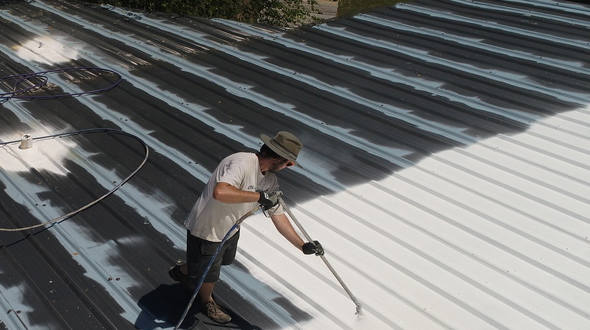
Painted metal roofing system on commercial building

Roof Pitch – Metal roofing materials can be installed at a minimal roof pitch without failing or leaking. Generally, you’ll find a 3-by-12 standard in which for each foot, the roof rises 3 inches.

Roof Weight – The weight of the roof to be installed can have a significant impact on the engineering of the support structure below it. Metal roofing weighs on average one-tenth of materials such as conventional or concrete tiles.

Roofing Installation Time – Because metal roofing materials come in multiple large sections or panels, an experienced contractor can install the roof quickly and easily.

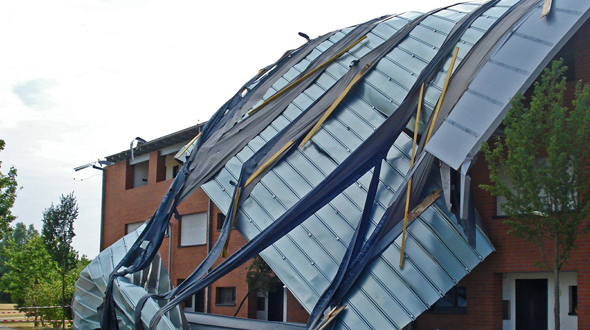
Wind and Hail – Metal roofing is an excellent choice in regions that experience high winds and frequent hail storms. Many of these regions will have a gauge (thickness/weight) requirement for the installation of a metal roofing system.

Unexposed Seams – Due to the way metal roofing material interlocks, the seams are often not exposed. This dramatically reduces the chance of moisture reaching the roof deck, and likewise reduces the possibility of having leaks.

Commercial metal roofing system advantages

Disadvantages of Metal Roofing

While the advantages of metal roofing are many, there are a few disadvantages. As stated above, metal roofing has come a long way, and manufacturers have made improvements to address much of the following:

Price – Considered the most significant disadvantage, metal roofing can cost from $200 – $600 per 100sq. feet, which is the cost of other premium roofing materials.

This disadvantage is lessened by the durability and longevity of metal roofing. As previously stated, a well installed and maintained metal roofing system can last as long as the structure below it.

Denting – The necessity to go to the roof may come about to service chimneys, satellite dishes, HVAC units, generators, or vent pipes. Depending on how the roof was installed and the support structure below it, the plumber or technician may wind up denting your roof.

Likewise, if the gauge of the roofing is too low in a region prone to hail storms, severe denting and damage may occur during violent hail storms.

Noise – It’s metal, and like the drum in a band, it can get loud during rain or hail storms. However, the use of plywood sheathing and sound-reducing insulation during installation is an effective method of noise control.

Poor Installation/Leaks – If a metal roofing system begins to leak, it is likely that the installation was not performed correctly. Exposed fasteners, screws driven in the wrong place, and the use of improper washers to seal them can all result in leaks.

Manufacturer’s instructions need to be followed precisely by experienced and professional roofing companies.

Durable metal roofing system fastened to structure

Repairs – Since metal roofing is installed in large panels, replacing damaged panels or parts can be more difficult than doing so with other roofing systems.

Lightning Strikes – There is an urban myth which states that metal roofs are more prone to lightning strikes than other types of roofing. While this assumption is inaccurate, for your peace of mind, a lightning protection company can easily ground your metal roof.

Expansion and Contraction – Metal reacts to the hot and cold temperatures. When it gets hot, metal expands, and when it gets cold, it contracts. This “see-saw” effect can cause fasteners to come loose and eventually fail. However, newer materials are taking this movement into account and using fastening systems which accommodate it.

Insulation – Unless the roofing system is installed over an insulating material, metal roofing offers very little value as an insulator.

Fire – As stated in “advantages,” Metal roofing is excellent at resisting approaching fires. The same cannot be said for fires that start within the structure though.

Firemen sometimes have to cut through a roof to effectively extinguish a fire. With metal roofing, this process is much more difficult and time-consuming in a situation where time is of the utmost importance.

People Also Ask

Q: Do Metal Roofs Need Maintenance?
A: Yes – All roofing systems need maintenance. Metal roofing systems, however, do not require maintenance as often as other roofing systems. Periodic inspections can be made to determine the need for any repairs or maintenance.

Q: Are Metal Roofs Noisy?
A: No – When installed with strong sheathing and noise resistant insulation, metal roofing systems can reduce noises from rain, hail, etc. much better than other roofing systems.

Q: What Is The Best Color Of Metal Roof For Energy Savings?
A: Light colored roofing systems reflect more of the sun’s heat than darker colors. In fact, a light colored roof can be anywhere from 10 – 50 degrees cooler than a dark one.

Q: Are Metal Roofs More Energy Efficient?
A: Yes – In the summer months, they reflect the heat making it easier to cool the structure. During winter months, these roofing systems (when installed properly) provide excellent insulating properties.

Durable metal roofing system

Q: Can You Install A Metal Roof On A Flat Roof?
A: Yes – Metal is one of the most widely used materials for flat roof systems.

Q: What Is The Minimum Pitch For A Corrugated Metal Roof?
A: 5 degrees. Below this number, the roofing system begins to present severe limitations. Manufacturers will typically not provide any guarantees when the slope runs below 5 degrees.

Metal Roofing Systems Last Longer

Schools, churches, apartment buildings, commercial and industrial structures all need a durable and lasting roofing system. Incredibly, metal roofing can deliver up to 70 years of protection to your building.

In this article, you’ve discovered the advantages and disadvantages of installing a metal roofing system, the importance of a maintenance contract, and found answers to common questions about metal roofing.

A financial commitment of this proportion requires you to weigh advantages, disadvantages, cost, and return on investment. As metal roofing systems offer incredible advantages, including the ability to last the lifetime of the building, they can be one of the best investments for your new roof.

Sources:

http://www.cchrc.org/sites/default/files/docs/metal_roofing.pdf
https://www.remodelingcosts.org/cost-of-standing-seam-metal-roof-plus-pros-and-cons/
https://en.wikipedia.org/wiki/Metal_roof
http://sccomm.uga.edu/recommendations/roofers.html

The post Metal Roofing Advantages and Disadvantages appeared first on atlantacommercialroofingcontractors.com
Friday, December 14, 2018

Information to Protect Your Property from Wildfire

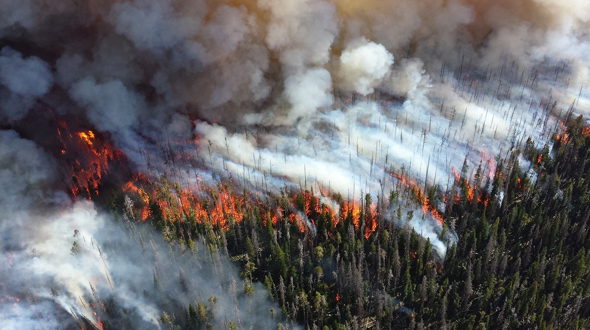
Wildfire burning uncontrolled in forest

Over 9 billion dollars worth of damage was done in the California wildfires in 2018 alone. In the previous year’s fires, 8,000 homes, more than 200 commercial buildings, and 40 irreplaceable souls were lost.

Wildfires are becoming more commonplace and destructive, and all measures you can take to protect your property should be known.

As environmental conditions deteriorate, atlantacommercialroofingcontractors.com advocates learning the causes, facts, and ways to protect your property against wildfire.
Wildfire Information

When a fire ignites in a forest or in the fields, little time is needed for it to gain momentum and grow to monstrous proportions. Weather, winds, and combustible vegetation all contribute to the movement and ferocity of a wildfire.

The following information will shed some light on wildfires:

Wildfire Definition – An uncontrolled fire occurring and spreading in wildland areas, which can reach and destroy residential, community, and commercial property.

These fires may also be referred to as forest fires, brush fires, wildland fires, grass fires, or vegetation fires.

What Causes Wildfires? – Of all the potential causes of wildfires, human carelessness is the most frequent cause.

While lightning strikes, heat from the sun, and power line arcs are potential causes, the following activities are the most frequent reasons for wildfires:

• Arson (the intentional ignition of a fire)
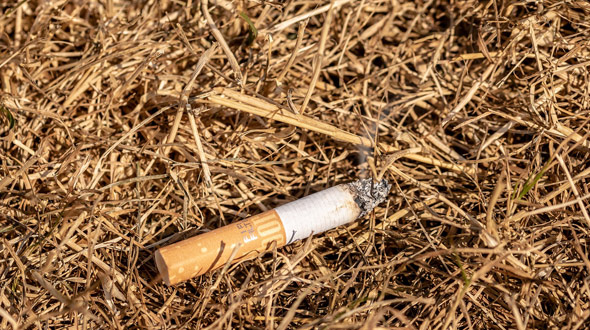
• Discarded Lit Cigarettes
• Camp Fires Improperly Extinguished
• Improper Burning of Debris
• Controlled Fires that Escape Control
• Playing with Matches
• Lighting Fireworks

Wildfire causes discarded lit cigarette

Wildfire Facts – The following information highlights essential facts about how wildfires benefit nature, how they spread and the damage they are capable of causing:

• Fuel for wildfires include all vegetation (grass, shrubs, plants, and trees).
• Wind plays a crucial role in the growth, direction, and speed of a wildfire.
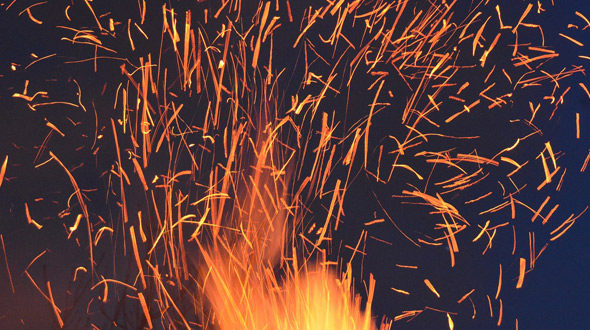
• Embers can travel and ignite new fires up to a mile from the fire they originated from.
• Wildfires (under optimal conditions) are able to achieve speeds of up to 20mph.
• Wildfires can consume homes, commercial buildings, and any structure with combustible material.
• In 2018 alone, more than eight and a half million acres were burned by wildfires in the United States.

Watch this video to learn more about what fuels a wildfire.

Protect Your Property from Wildfires

While you cannot control the direction, speed, and size of a wildfire, there are measures you can take to harden your property and minimize potential damages.

The Roof – The most vulnerable element of any structure is the roof and regardless of anything else you do, a flammable roof will mean the difference between your property or building not surviving and surviving a wildfire.

As embers can travel vast distances, they may land on your roof and ignite a blaze that quickly engulfs and destroys the structure. If your roof is made from flammable material or is in need of repairs, consider re-roofing the property

Wildfire embers ignite combustible material in gutters and roof

A roof constructed from non-flammable material with a high UL fire-resistance and smoke protection rating such as composition, asphalt shingles, metal, tile, or slate offer the best possible protection from embers igniting a fire on your roof.

Have your roof inspected by a professional to verify that there are no gaps, damaged material, or spaces between the decking and covering. The goal is to eliminate anything that could catch embers or burning objects.

Exterior Vents – Embers can get in through vent openings. Use a non-flammable eighth-inch metal mesh to cover them. For vents in eaves and cornices, baffles should be used as mesh covering will not provide enough protection.

The Gutters – leaves, pine needles, and debris that collect in gutters can cause severe damages to your property in a few ways:

During heavy rainfall, water can accumulate in your gutters and potentially cause structural damage and leaks in your roof.

During an approaching wildfire, embers may find their way to the gutters and ignite the debris creating a dangerous scenario.

This problem can be curbed by installing aluminum gutters with leaf guards or gutter guards. Even with these precautions, your gutters should be inspected and cleaned on a frequent basis.

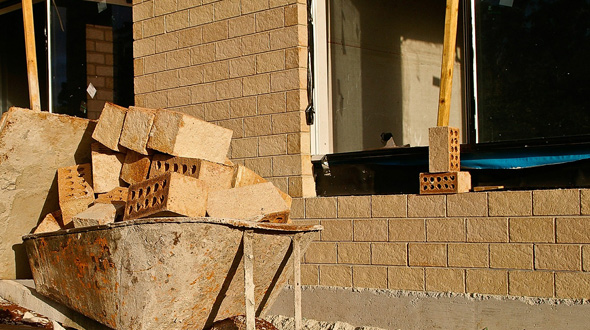
The Walls – Combustible siding materials will defeat the purpose of installing a non-flammable roof. Fireproof your home or building by using non-flammable materials such as stucco, aluminum wall siding, fiber cement, or other material with a UL fire-resistance rating in accordance with building codes for your municipality.

For siding material such as these to achieve maximum efficiency, they must extend from the foundation to the roof and make a seamless connection to doors and windows.

Wildfire protection non flammable building material Atlanta Ga

The Windows – As the radiant heat from a wildfire approaches, cracking glass windows and melting plastic skylights can become a significant liability by allowing entry to embers and igniting anything flammable.

Installing dual-pane windows (with one or both panes of tempered glass) will provide better resistance to increasing temperatures.

Make sure that window and door frame assemblies are fire-resistant as well.

Fireproofing The Perimeter – Anything organic can be considered fuel for a wildfire. Ideally, there should be a perimeter extending at least 5 feet from the structure in which combustibles have been reduced or eliminated.

The following will help you identify potential hazards:

• Wooden gates or fences should be attached to a metal or masonry barrier. If attached to the structure, they could carry the fire to it.
• Firewood stacks and propane tanks should be kept a minimum of 30 feet from the structure.
• Replace organic mulch with gravel or stone mulch within the perimeter.
• Trees and shrubs should be well-watered, seasonally pruned, and inspected annually for signs of drought, disease, or infestation.
• Grass must be kept healthy, well-watered, and cut. In areas prone to wildfires, alternative non-organic landscaping is recommended.

Resources for Immediate Wildfire Assistance

• If you are trapped in your home or business during a wildfire, call 9-1-1 for assistance and rescue
• Call the American Red Cross at (800) 733-2767 or to find a location near you, visit redcross.org/find-your-local-chapter.html
• For federal disaster financial assistance, visit usa.gov/disaster-financial-help
• Disaster assistance may also be applied for at disasterassistance.gov/get-assistance/find-assistance

Reduce the Effects of a Fire Disaster

The massive amount of damage that wildfires have caused out west and throughout the United States is staggering. Countless businesses, homes, forests, and lives have been lost.

Uncontrolled wildfire burning through forest

In this article, you discovered the definition, potential causes, and facts about wildfires, as well as measures to take to protect your home or business from becoming a wildfire statistic.

Wildfires are becoming more frequent, larger, and more deadly. If your property is situated in an area that is prone or has the potential for wildfires, your inaction to protect your assets could very well cost you everything.

Sources:
https://fas.org/sgp/crs/misc/IF10244.pdf
https://www.ready.gov/wildfires
https://disastersafety.org/wp-content/uploads/2017/03/WF_California_IBHS.pdf

https://plus.google.com/116818386229074671451

Atlanta Commercial Roofing Contractors
1075 Peachtree Street NE Ste 3650 Atlanta, GA 30309
(404) 220-9288


The post Information to Protect Your Property from Wildfire appeared first on atlantacommercialroofingcontractors.com
Friday, November 30, 2018

Commercial Roof Repair, Insurance Claims, and Hiring Contractors

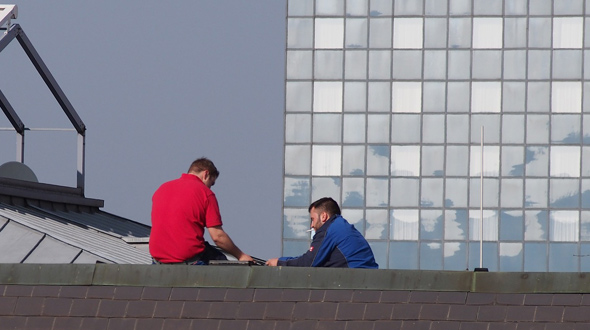
Commercial roofing system repair Atlanta Ga

After a severe weather event, leaks in a commercial roof can become problematic very quickly. Besides disrupting business and making a mess, they can cause electrical problems, structural damage, and lead to roof failure if not promptly addressed.

When the roof of your commercial building, hotel, office, warehouse, or retail location is damaged or develops a leak, it should be treated as an emergency and handled immediately.

In this article, atlantacommercialroofingcontractors.com discusses weather-related roof damage, insurance company assessments, and how to hire a roofing contractor.
Causes of Commercial Roof Damage and Leaks

During or after a severe weather event, damages to your roofing system may become very obvious in the form of saturated walls, drips, or even streams of water cascading to the floor.

Hailstorms, hurricanes, and tornadoes in particular can beat up your roofing system, causing severe structural damages, such that extensive repairs or even roof replacement may be necessary.

Commercial roof damage assessment repair Atlanta Ga

However, sometimes a severe weather event isn’t necessary to expose an emergency situation. Over time, your roof must frequently endure extreme temperature fluctuations, and eventually, all it takes is a rain shower on a mid-summer afternoon to rapidly cool a nearly 200-degree roof and presto! You’ve got leaks and an emergency on your hands.

Roof Assessments and Insurance Inspections

If your roof damage emergency is the result of an act of God, before any major work begins, you must file the insurance claim. To do so, gather your policy number(s), facts about the situation, and call your insurance carrier to request an assessment.

During an evaluation inspection, the adjuster must determine the following when assessing the total of your loss:

• What is the extent of the damage?
• How much material is needed for repairs?
or
• Was the roof damaged sufficiently to declare it a total loss?
• How much material is required for replacement?

To ensure that you will receive the maximum benefit from your insurance policy, call a professional roofing contractor to have your own independent assessment done.

Request a Reinspection – If you find discrepancies between the insurance adjuster’s findings and those of the roofing contractor, you have the right to request a reinspection or contract an insurance public adjuster.

Reinspections are common practice, in which the insurance adjuster will meet with the roofing contractor to review the damages done to your roof.

Commercial roof repair inspection Atlanta Georgia

Upon approval of the claim to repair or replace your roof, your insurance provider may select the roofing contractor to complete the work. They may also leave that determination up to you.

Note: In areas where a disaster has occurred, insurance companies may set up and follow special temporary procedures to expedite repairs and rebuilding. In these scenarios, it is important to keep receipts and records for temporary repairs, as the insurance company will likely reimburse you.

Hiring A Roofing Contractor – What to Look For

Natural disasters and severe weather events tend to attract some of the worst characters in the roofing business that prey on unsuspecting property owners who are under pressure to get things back to normal.

Replacing the roof of a building is a significant investment that needs to be done right, by a contractor that can be fully vetted and held accountable for the quality of their work. When fielding bids from contractors to repair or replace your roof, consider the following factors into the decision-making process.

Does the contractor have:

• A written proposal?
• A valid business license?
• Proof of insurance
• A permanent business location?
• In-depth knowledge and understanding of your roofing system?
• Up-to-date industry education?
• Financial stability?
• Material and installation warranties?
• A maintenance proposal?
• An effective safety training program?
• In-state references?

Also look for:

• Manufacturer certifications.
• Proof of continuous training.
• Roofing association memberships.
• Industry awards and recognition.
• Good and bad press or reviews.

Be wary of contractors which:

• Provide a seemingly unrealistic high or low bid.
• Only provides out-of-state references.
• Request money before any on-site material delivery.
• Only deal in cash.
• Cannot verify their company information and statements.

A fast way to address all of the above is to request a “Roofing Contractor Qualification Statement.” This document collects in-depth company information, references, history, and financial stability neatly organized to facilitate your evaluation of that company.

Managing Your Commercial Roof Seamlessly

The weather and harsh conditions a commercial roofing system must endure dramatically influences its lifespan and necessity for repairs. When the need arises, and it eventually may, you should be prepared to quickly file a claim and call in a professional roofing contractor.

With the above information, you can now identify an emergency roofing situation, effectively work with your insurance company, and thoroughly vet the contractors bidding for your job.

Without your prompt action, your commercial building will suffer significant losses or temporary closure when severe weather leaves your roofing system vulnerable, damaged, destroyed, and leaking.

Sources:
https://www.fema.gov/
http://www.nrca.net/
https://disastersafety.org/ibhs/hiring-a-professional-commercial-contractor/
http://www.everybodyneedsaroof.com/Roofing-Information-For-Building-Owners

https://plus.google.com/116818386229074671451

Atlanta Commercial Roofing Contractors
1075 Peachtree Street NE Ste 3650 Atlanta, GA 30309
(404) 220-9288


The post Commercial Roof Repair, Insurance Claims, and Hiring Contractors appeared first on atlantacommercialroofingcontractors.com
Monday, September 10, 2018

Roof Maintenance Tips


Your roof is an incredibly important part of your home that’s utilized more often than you may realize. Roofs provide us with shelter from the elements as well as insulation for our homes. For that reason, making sure your roof is properly maintained is very important.

Trees, moisture and weather damage can cause costly problems for your roof, so it’s a good idea to prevent any issues before they start. Here are a few roof maintenance tips you can use to keep your roof in excellent condition.

Maintain Your Roof
Roofs are designed to last. Depending on the type you have, you may not need a new roof for another 20 to 30 years from when it was installed. But, in order to make the most of your roof’s lifespan, you’ll need to perform regular roof maintenance and inspection. Not to mention, catching a roofing problem before it becomes a big deal could save you money in potential damage! Performing routine inspection and maintenance on your roof should be done twice a year. 

Read More: Roof Maintenance Tips

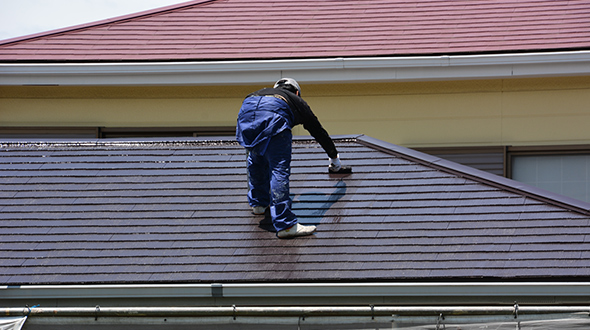
Can Roof Shingles Be Painted?

Many property owners wonder whether painting their roof is a viable way to refresh its appearance without the expense of a full replacement....