Thursday, September 22, 2022

How to Tornado-Proof a House

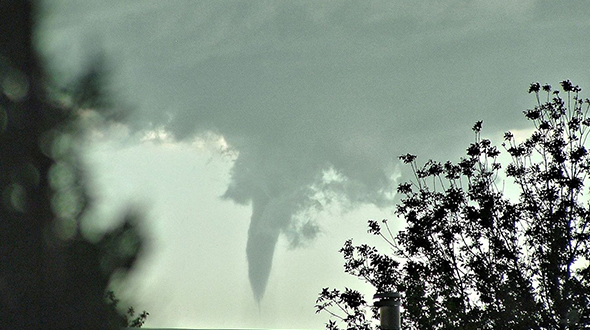
Typical home construction is vulnerable to tornado damage

Avoid losing your life or home when a tornado rips through your neighborhood. Knowing how to protect yourself and your home from the destructive forces unleashed by a tornado will help you prevent life-threatening injuries and the loss of your home.

atlantacommercialroofingcontractors.com gathered the following information and tips on how to build or upgrade your home to withstand the intense winds and debris clouds generated by a tornado.

How a Tornado Destroys a Home

EF-2 and EF-3 tornadoes with 111 mph-165 mph winds can obliterate your home in four seconds. Flying debris can shatter windows and create other openings in exterior walls. Once such an opening is made, air enters the home and pressurizes it like over-inflating a balloon, potentially blowing off the roof and collapsing the remaining structure.

Few, if any, above-ground structures can survive an EF-4 or EF-5 tornado with 166 mph and greater winds. Underground shelters are designed and advised for this scale of destructive force.

Ways to Tornado-Proof Your Home

What steps can you take to protect your home from tornadoes? The following precautions, upgrades, and tips (some mandated by building codes in high-risk areas) are similar to those you would take in preparation for hurricane season:

1. Install Impact-Resistant Windows

Install impact-resistant windows. Such windows are considerably more expensive to buy but can be customized to the space and provide better protection than ordinary windows. Depending on where your house is located, these windows may be required by local building codes.

If impact-resistant windows are not an option, you can install hurricane shutters, which can also be completely customized (sizes, materials, and colors) to fit any residence.

Note: Some people believe they should open their windows and doors to normalize interior and exterior pressure during a tornado, but that’s the wrong thing to do. Doing so makes the inside of the house pressurized, like inflating a balloon until it pops. The air pushes off the roof or a wall and causes the structure to collapse or be blown away.

Roofing materials should be rated to resist high winds, and the system should be secured to the structure using hurricane clips, which create a stronger (more stable) connection between the roof and the house.

Hurricane clips are required by building codes in hurricane-prone regions. When repairing, upgrading, or replacing your roof, ensure all roof and wall framings are secured with hurricane framing clips. All other materials should be wind-rated and impact resistant.
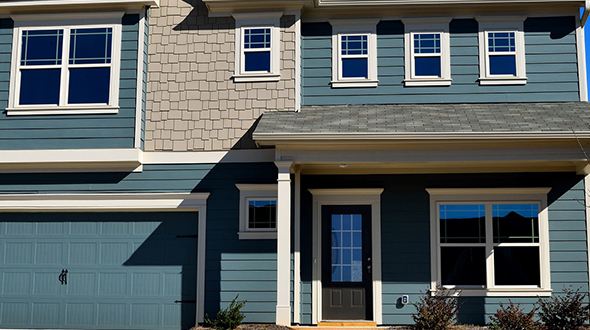
Upgrades and reinforcements are necessary for a home to survive a tornado

3. Secure the Home’s Doors

Ensure that entry doors have a two-inch deadbolt lock mechanism and three hinges, with screws long enough to secure the door and frame to the wall framing. A door secured in this fashion is more likely to resist intense winds and wind-driven debris impacts.

Note: Your garage door, the largest potential opening in your home, is another vulnerable component. If the garage door fails, is left open, or is taken out, it compromises the structure of your home. Install wood or metal reinforcements for added structural support.

4. Install a Storm Shelter

When deciding where to locate or construct a home storm shelter, consider the envelope of the structure. The basement is the safest location, followed by the center of the home (anywhere with little potential for compromised doors and windows).

Note: A tornado’s duration and aftermath are entirely unpredictable. Prepare your home shelter by stocking it with essentials like a battery-powered radio, a flashlight, spare batteries, water, and ready-to-eat food like energy bars (anything you don’t have to cook).

Tip: Be sure to safely store a few hundred dollars in cash. ATM machines may not work if there is a power failure along with the tornado.

What is the EF Scale?

The Enhanced Fujita Scale or EF Scale, used since February 1, 2007, is used to assign a tornado a ‘rating’ based on its estimated wind speeds and damage.

When tornado-related damage is surveyed, it is compared to several Damage Indicators (DIs) and Degrees of Damage (DoD) which help better define the range of wind speeds the tornado likely produced. From that, a rating (from EF0 to EF5) is assigned.

SCALE

CLASS

WIND SPEED MPH

DESCRIPTION

EF-0

weak

65-85

Gale

EF-1

weak

86-110

Moderate

EF-2

strong

111-135

Significant

EF-3

strong

136-165

Severe

EF-4

violent

166-200

Devastating

EF-5

violent

> 200

Incredible


Note:
Dr. T. Theodore Fujita first introduced The Fujita Scale in the Satellite and Mesometeorology Research Project (SMRP) Research Paper, #91, published in February 1971 and titled, “Proposed Characterization of Tornadoes and Hurricanes by Area and Intensity.”

Tornado-Proof House

In this article, you discovered life-saving information and tips on how to build or upgrade your home to resist the destructive forces of tornadoes.

Investing in your home’s infrastructure and preparing for severe weather events like tornadoes can keep you and your loved ones out of harm’s way and sheltered in a safe location.

Ignoring the potential of a deadly hurricane strike in your neighborhood will leave you unprepared and vulnerable to life-threatening weather conditions and injuries.

Sources:
weather.gov/tae/ef_scale
depts.ttu.edu/nwi/Pubs/FScale/Fujita01.php
basc.pnnl.gov/information/design-windstorm-and-tornado-protection
ready.gov/sites/default/files/2020-04/tornado-protection_selecting-refuge-area-in-buildings.pdf


The post How to Tornado-Proof a House appeared first on atlantacommercialroofingcontractors.com

Friday, August 12, 2022

How To Use a Safety Harness on a Roof

Roofing safety includes using a body harness to prevent falls and injury

Avoid severe injury and death from falling off a roof. Knowing how to use a safety harness when on a roof can save you from catastrophic injuries.

atlantacommercialroofingcontractors.com gathered the following information and tips about using safety harnesses and other life-saving equipment.

What is a Roofing Harness?

A safety harness is a roofer’s best protection from deadly falls. Selecting the correct fall protection harness and properly using it will protect you from falls and serious injuries. Fall protection harnesses are only one option among several fall protection systems. However, they are widely used by residential and commercial roofers.

How To Use a Roof Safety Harness

The following are the main steps to properly use a roofing safety harness.

Check Your Harness – Before using any safety harness, make sure the webbing is in good shape and not frayed.

Fall Clearance Calculation – One of the most critical safety factors is verifying that you have an adequate fall clearance distance (typically three times your height).

Attach Your Harness – Attach thigh, hip, waist, chest, and shoulder straps and clip onto an anchor point that will hold you from falling off the roof.

Hook on Your Lifeline and Rope Grab – The lifeline and rope grab are different ropes. A lifeline is a line connecting your lanyard and rope grab to the harness and anchor point. The rope grab helps you keep yourself stable on the roof.

Lanyard (Fall Protection) – Your lanyard is the fall protection that’s required to ensure you stay safe on the roof. It’s a simple shock-absorbing system that helps reduce the severity of a fall.

Tip: All commercial and residential roofing companies must have their crews trained in fall prevention and the proper use of Personal Protective Equipment (PPE).

How Does a Safety Harness Work?

Similar to a repelling harness, the adjustable buckles and straps are strategically located in body areas that will easily support the wearer’s weight. These key areas of the body include the shoulders, chest, pelvis, and upper thighs.

Safety harnesses work by distributing the force of a fall over a large area of the body, ensuring that the roofer remains suspended in an upright position after a fall has occurred. In short, safety harnesses are designed to catch a person in case of falling while working at height.

Do Roofers Have to Wear a Harness?

Where OSHA is concerned, there is NO SAFE DISTANCE from a roof’s edge. To protect roofers and roofing maintenance workers, you must have rails, fall arrest systems, or a warning line/safety monitor, no matter where you are working.

What is the Difference Between a Harness and a Safety Belt?

A safety or body belt fits only around a person’s waist, whereas a safety or body harness fits around a person’s legs, arms, and torso.

Note: Per OSHA, Body or safety belts are not acceptable in a Personal Fall Arrest System (PFAS) because they can cause severe injury during a fall.

Are Safety Harnesses Considered PPE?

Yes. Personal Protective Equipment (PPE) includes anything used or worn (including clothing) to minimize risks to a person’s health and safety. This can consist of respiratory protective equipment, hearing protection, eye protection, protective clothing, and safety harness systems.

Fall Protection Training (OSHA)

Roofing safety includes using a harness to protect workers from falls

According to the Occupational Safety and Health Administration (OSHA), employers must provide fall protection training for all workers who may be exposed to fall hazards. Such training must be conducted by a trained/qualified person and include information on recognizing fall hazards and on what procedures to follow to minimize them.

Training must address how to properly inspect, erect, disassemble, and maintain the fall protection equipment used in an installation, repair, replacement, or inspection job. Retraining is required when:

  • Previous training becomes obsolete (changes in work conditions, fall protection systems, or equipment)
  • When worker performance indicates a need for it

Employers must certify that workers have been trained by documenting it in accordance with OSHA’s Certification of Training.

Can Roofers Fall Through a Roof?

Yes. While many more roofers fall off the eaves and rakes than fall through the decking of a deteriorating roof, roof opening, or skylight. However, the Bureau of Labor Statistics (BLS) notes that the recent number of employees falling through roof openings and failures is on the rise.

Roof Safety Harness

In this article, you discovered essential information and tips on proper safety harnesses usage for any roofing activities.

Knowing how to properly use and attach a safety harness will minimize or prevent the possibility of severe injury resulting from a fall off a roof.

Ignoring the requirement for safety harnesses while working on a roof can result in catastrophic injuries, hospitalization, and death from a fall.

Sources:
cdc.gov/niosh/docs/90-100/default.html
osha.gov

The post How To Use a Safety Harness on a Roof appeared first on atlantacommercialroofingcontractors.com

Wednesday, July 13, 2022

Everything You Need to Know about Roof Coatings

Commercial roof coating Atlanta Ga

Avoid the unnecessary costs of roof replacement when a roof coating may solve your roofing problems. Knowing how roof coatings are applied to existing roofing systems can help you save money while extending the lifespan of your roof.

atlantacommercialroofingcontractors.com gathered the following information and tips about roof coatings and their advantages when applied to your roofing system.

What Are Roof Coatings?

Roof coatings are monolithic, fully adhered, fluid-applied roofing membranes. Roof coatings are typically applied to cover, protect, and extend the lifespan of a structure’s roofing system. Many roof coatings are elastomeric, having elastic properties that allow them to stretch and constrict to their original shape without suffering any damage or deformities.

Are Roof Coatings Worth it?

Yes. Coatings are often seen as an economical way of increasing a roof’s reflectivity. Thus, reducing a structure’s cooling and heating costs. However, a coating is not always necessary if enough insulation is installed with the original roofing system.

Applying a roof coating can add extra protection to a roofing system’s components, adding years or decades to its lifespan.

Considering the lowered air conditioning and the building’s roof preservation, applying a roof coating is worth the investment as it will likely pay for itself over time.

What Are Types of Roof Coatings?

Commercial metal roof coating

Depending on the type, size, and geographical location of your roofing system, one of the following roof coatings may be applied to your roof:

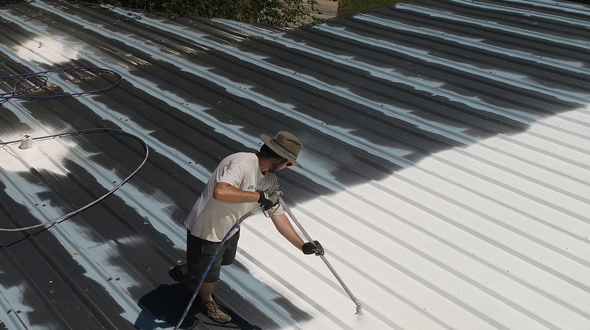
Metal Roof Coating – Metal roof coatings stop leaks, eliminate stubborn rust, and turn hot metal surfaces into a cooler energy-saver. This could be considered metal roof restoration when preparations are made before this weather and heat-shielding coating is applied.

Note: Commercial metal roof coatings start saving you money immediately. Since it is a reflective roof, it can reduce roof temperatures by 30%. This means that heat isn’t transferred to your building, which significantly reduces energy use.

Flat Roof Coating – Flat roofs are typically plagued with leaking, ponding, drainage problems, and rapid deterioration. Whether your current roofing system is hot-tar, modified bitumen, built-up, single-ply, metal, or polyurethane foam, you can apply a roof coating that adds up to 20 more years of useful roof life.

Rubber Roof Coating – Silicone roof coatings are the preferred choice regarding UV protection and resistance to ponding water on rubber roofing systems. They erode much slower than other coatings without becoming brittle or hard.

Extend your existing roof’s lifespan while adding energy efficiency and extra protection for your commercial, industrial, agricultural, or residential structure. Rubber roof coatings can efficiently solve current problems and prevent them from recurring.

Elastomeric Roof Coating – These roof coatings are applied to your roofing system as a liquid. After application, the acrylics dry to a seamless, clean coating that significantly extends roof life.

Note: Correctly installed elastomeric roof coatings are practically weatherproof and can keep your property shielded from most weather conditions. The coating material is elastic, so it can expand and contract as the weather and temperature change.

Cool Roof Coating – Cool roof coatings, or cool roof paint (as it is known in the roofing industry), is a coating that’s applied to a variety of roofing systems to better reflect sunlight, keeping buildings cooler on the inside and significantly reducing energy costs.

Tip: Reducing a structure’s air-conditioning usage will naturally extend its cooling equipment’s lifespan, decreasing maintenance costs and saving you even more money.

When considering a roof coating, be mindful that mechanical fixes to your roofing system are always a better choice than coatings to stop leaks or repair cracks. If you discover leaks, cracks, or other damages, replace and repair them before applying a coating or sealant.

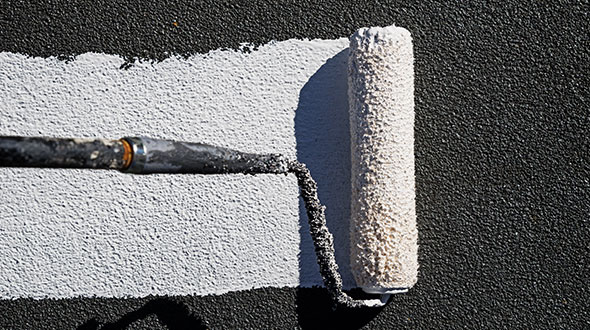
Roof coating applied with a roller on a commercial flat roofing system

Roof Coating Installation Costs

According to homeadvisor.com, you can expect to pay anywhere between $0.65 and $5 per square foot for an installed roof coating or sealing. Variables can include:

  • Type of roof
  • Type of coating or sealant
  • Condition of the current roof
  • Geographic location

Coating a flat or low-sloped roof is a common way to extend the life of your roof while reducing maintenance expenses and cutting down on cooling costs.

Note: Costs for roofing material and installation vary significantly and are heavily influenced by demand, supply chain interruptions, inflation, and fuel/transportation expenses.

Roof Coatings

In this article, you discovered essential information and tips about different types of roof coatings and their inherent benefits.

Installing a roof coating over your current roofing system can save you significant money in air conditioning costs and reduce your roof’s maintenance needs over time.

Not installing a roof coating can leave your roofing system more vulnerable, in need of constant repairs, and requiring a premature roof replacement.

Sources:
heatisland.lbl.gov/resources/roof-coatings
homeadvisor.com/cost/roofing/seal-a-roof/
energy.gov/energysaver/cool-roofs

The post Everything You Need to Know about Roof Coatings appeared first on atlantacommercialroofingcontractors.com

Thursday, June 16, 2022

How To Roof with Shingles

Roofing with shingles requires experienced installers and quality material

Avoid catastrophic structural damage and loss of revenue from an improperly installed shingle roofing system. Knowing how a shingle roof is installed will help you do it or get it done right the first time.

atlantacommercialroofingcontractors.com gathered the following information and tips about how to properly install a shingle roofing system on your residential or commercial building.

Laying Shingles

Shingles protect sloping roofs and the structure beneath from the effects of rain, snow, and hail while providing an attractive covering for the structure. Installing an impermeable roofing layer of shingles is an efficient way to avoid leaks and structural water damage. Proper shingle installation will provide you with 20 to 30 years of unwavering protection. Consider the following steps and tips:

1. Remove or “Tear Off” Your Old Roofing System – Removing your old roofing system allows you to thoroughly inspect the structural integrity of the roof deck and make any necessary repairs before moving forward. For new construction, the roof deck should be inspected before installing a roofing system on it.

Do not proceed with any roofing activities (Tear off or installation) until all applicable permits have been acquired by you or your roofing company. Failure to obtain these permits may result in the forced removal of any and all unpermitted work performed.

2. Verify or Instal Insulation – This component is not actually on your roof but underneath it. In your structure’s attic is or should be installed a crucial layer of insulation. This insulation minimizes internal heat loss and protects the multiple layers of your roof from extreme temperatures that can quickly damage and break down roofing materials.

3. Verify Attic Ventilation – Ventilation allows hot, moist air to escape from your attic instead of being trapped underneath your roof. Ventilation problems can result in mold and severe damage to your roofing frame and deck.

4. Inspect or repair the Roof Deck – Resting on the structure’s framing is the roof deck. Sheets of plywood typically make up the deck, connecting and stabilizing the trusses and joints of the framing, providing a solid and secure surface to layer the rest of the roof onto.

5. Instal a Water Barrier (Underlayment) – There needs to be a protective waterproofing layer between the roof deck and shingles. This water barrier is an adhesive layer applied directly to the roof deck, which protects against water infiltration from melting ice or wind-driven rain.

6. Instal a Starter Strip – A starting layer or strip of shingles lines the edge of every shingle roofing system. This component is laid down beneath the underlayment to seal the roof’s edges. This layer is meant to defend the rest of the roofing system against strong winds and reduce or eliminate shingle blow-off.

7. Shingle Installation – Shingles protect your structure from the sun, water, and other weather conditions. The granules on shingles are typically made up of fiberglass, providing form and strength. Here’s how to install or “lay” them:

  • Lay the first row of shingles directly covering the narrow starter strip
  • Lay the second row of shingles offset to facilitate drainage and provide structure
  • Shingle around stacks, vents, and chimneys as necessary
  • Interlace the flashing and shingles around the chimney

Repeat this process, moving up the roof deck until reaching the roof ridge.

Note: Shingles can be made from wood, slate, flagstone, metal, plastic, and composite materials like fiber cement, fiberglass, and asphalt.

8. Instal Flashing – Flashing is typically made from sheet metal and is installed where seams are located (valleys, walls, chimneys, etc.). Flashing is installed to prevent water from penetrating and damaging your roof.

9. Instal the Ridge Cap(s) – This is a shingle (or series of shingles) that runs along the ridge line of a sloped roofing system. It’s installed over the joint of two edges and keeps rain and snow from seeping or running into the roof. Ridge caps also allow heat and moisture to escape from the attic space.

Tip: Inform yourself about the shingle manufacturer’s installation requirements (spacing, attachment method, underlayment, and inspections) to preserve material and installation warranties.

Roofing System Installation

Shingle roof installation requires an experienced roofing contractor

When quoting a roofing installation, repair, or replacement (assuming you will not do the work), be sure to thoroughly vet the bidding roofing companies. Consider asking the following questions:

  • Are they licensed to operate in your area?
  • Is the company bonded?
  • Are they insured?
  • How long have they been in business?
  • Does the roofer have references?
  • What warranties are available?

Tip: Read and consider customer reviews and complaints, then inquire about how the company handled or resolved them.

Shingle Roof Installation

In this article, you discovered shingle roofing system information and tips to help you properly install a shingle roof on your structure.

Proper roofing installation is essential to protect your building and ensure that the roof has the longevity to reach its full potential lifespan.

Prevent poor or incorrect shingle roof installation that leads to leaks, costly structural damage, and eventual catastrophic roofing system failure.

Sources:
et.byu.edu/~bcc32/CM211/notes/roofing/ShingleInstallation.pdf
pages.drexel.edu/~kms35/roof_components.htm
rmrc.wisc.edu/ug-mat-roofing-shingle-scrap/
checkbook.org/v2/docs/roofers/all-areas-roofers-parts-of-a-roof.pdf

The post How To Roof with Shingles appeared first on atlantacommercialroofingcontractors.com

Tuesday, May 17, 2022

How To Find and Fix a Roof Leak

Some roof leaks can be easily repaired but others will need a professional roofer

Prevent costly structural damages and messy repairs due to a leaking roof. Knowing how to find and fix a roof leak can save you considerable money and avoid unnecessary angst.

atlantacommercialroofingcontractors.com gathered the following information about how to pinpoint leaking areas in your roofing system and promptly repair them.

Leaking Roofing Systems

Whether you have a sloped residential roof, an industrial metal roof, or a commercial flat “membrane” roof, they have one thing in common: they all use gravity, slopes, and drainage systems to move water away from the roof.

A roofing system can fail when any of the following occur:

  • Membrane seals separate
  • Fasteners corrode
  • Roofing components suffer storm damage
  • Wind-driven objects perforate the roofing system
  • Falling tree impacts the roof and structure.
  • Wildlife interrupts the roof’s drainage system
  • Gutters and downspouts are clogged by falling leaves
  • Hail, snow, or ice buildup damage the roof
  • The roofing system was poorly installed
  • Annual inspections are ignored
  • Minor repairs are put off
  • Water begins pooling
  • Fire damage

Roofing systems are engineered to protect the structure they cover. However, with time, water can find ways to circumvent your roofing system and leak into your structure. Here’s how to find and fix a leak in your roofing system:

Leak Detection

Sometimes, roof leaks are blatantly obvious, leaving watermarks and stained ceiling tiles in their wake. However, roof leaks can start off unnoticeable and suddenly turn into a severe flooding situation. Here are some effective ways to detect roofing system leaks:

  • Drips
  • Ceiling tile stains
  • Water-stained/damaged wall
  • Excessive dampness/humidity

Tip: Most roofing system problems and leaks can be prevented by acquiring a maintenance program from your roofer.

How Do I Find a Leak in My Roof?

Once you have determined that your roofing system has a problem, head outside and visually inspect your roof:

  • Start with parts of the roof higher than the location of internal indications or stains
  • Look for any signs of roof penetrations
  • Inspect the roof’s flashing for damages
  • Examine roof vents

If you see any damaged areas on your roof, tiles, corrugated iron sheets, membrane, or shingles, this could be the leak’s origin. If your roofing system has multiple layers like built-up roofing (BUR) or modified bitumen (Mod-Bit), sneaky leaks can travel across your roofing system using gravity which keeps water moving downward and transpiration or evaporation to move it upward or horizontally.

Note: Water leaks can be highly elusive when they trace along rafters, support columns, or follow erratic paths before emerging as leaks. If you have trouble finding the source of your leak, call a professional roofer to help.

Tip: Membrane roofing systems (EPDM, TPO, etc.) typically have long-running seams where sheets overlap and are sealed together. Leaks can occur when these seams separate.

How Do I Fix a Leak in My Roof?

Roofing systems can leak from broken panels ruptured membranes or dislodged tiles

There are infinite ways your roofing system can start leaking and just as many methods to fix them. The following are quick fixes that can buy you time until a professional roofer can evaluate and repair the roofing system:

Fix Step Flashing – If your roof flashing rusts through or comes loose, water will run behind it and into the structure. Rusted, slipped, or damaged flashing needs to be replaced. That involves removing shingles, prying siding loose, then removing and replacing the step flashing.

Repair Small Holes – Tiny holes in roofing systems are sneaky because they can cause rot, a leaky roof, and other minimal damage for years before you even detect the signs of an active leak. You might find holes left over from a satellite dish base or antenna mounting bracket, or just about anything previously fastened to the roof.

Note: Any exposed or misplaced roofing repair nails or mounted fastening nails should be removed and the holes patched.

Tip: Small holes are simple to fix. However, the fix isn’t to just inject caulk into the hole. This leaky roof problem will be corrected with flashing.

Repair Leaks around Chimneys – Flashing around chimneys can rust through and cause horrendous damage to the chimney and the building’s structure. A quick and short-term fix is to slip new flashing under the old rusted flashing material.

Replace or Patch Shingles, Membranes, and Asphalt – Provided you have the necessary material to match, patch, or replace a part of your roofing system, you may be able to temporarily halt small roof leaks.

Note: For shingle roofs, once fastening nails are removed, the damaged shingle should slide out. Scrape away any residue cement and level or remove any protruding nails. Once the new shingle is in position, lift the corners of the overlapping shingles and fasten the top of the new replacement in each corner. Cover the nail heads with roofing cement and smooth the overlapping shingle edges.

Tip: If you do not have extra roofing material or components to repair your damaged roofing system, call a professional roofer to handle the repair and preserve the roofing system’s warranty.

How Long Can You Ignore a Leaking Roof?

There is no definitive answer to how long you can ignore a leaking roof before causing severe and sometimes irreparable structural damage. Multiple variables can contribute to roofing leaks, structural damages, and roofing system failure. It is always recommended to play it safe and repair or get your roof leak fixed immediately.

DIY Roof Repair

In this article, you discovered how to detect and locate the source of a leaking roof and how to immediately fix it or get it fixed.

By promptly fixing leaks in your roofing system, you are preventing structural damages and helping your roof properly function up to and beyond its life expectancy.

Ignoring roof leaks of any size can result in costly structural damages, roofing system failure, and loss of business when your structure must be closed for repair.

Sources:
mit.edu/parmstr/Public/NRCan/CanBldgDigests/cbd179_e.html
kenosha.extension.wisc.edu/files/2010/06/Leaky_roofs.pdf
sites.udel.edu/csweeny/2021/08/16/roof-restorations-and-replacement-is-it-time/

The post How To Find and Fix a Roof Leak appeared first on atlantacommercialroofingcontractors.com

Wednesday, April 20, 2022

Flat Roof Drainage Systems Explained

Commercial roofing drain system

Avoid structural damage to your building due to your flat roof drainage system failing to do its job. Knowing how flat roofing systems drain will help you determine a course of action when yours stops working.

atlantacommercialroofingcontractors.com gathered the following information about flat roof drainage systems, their pros, and their cons.

How Do Flat Roofs Drain?

Flat roofs don’t benefit from sloped roofing systems and gravity to assist them with water removal. They require a drainage system to help remove and channel the water. There are three flat roof drainage systems that work in perfect harmony with flat roofs, and each one has its pros and cons:

Scuppers

Commercial flat roofing scupper drainage system

Scuppers are found on many commercial and residential flat roofs. Scupper drains are equally effective and important as other drain systems. Special attention should be given to their location and installation on flat roofs.

What is a scupper? Scuppers are drain openings placed in low-lying areas on the side of a roof for water drainage. A scupper can be installed through a side wall or a parapet wall.

Scupper Pros:

  • No leaf or debris build-up, everything washes away from or blows off the roof
  • Water shoots away from the building instead of down the side
  • Can add architectural/curb appeal to the roofline with custom-built or molded scuppers
  • Minimal cost
  • Easy to almost no maintenance required
  • No clogging issues if the scupper is large or wide enough

Scupper Cons:

  • If downspouts are installed below your scuppers, they will need to be checked and cleaned regularly since they can easily clog.
  • Scuppers may not be as effective in severe downpours and seasonal snowmelt.

Scuppers can be easily installed and maintained by your roofing company.

Gutters

Commercial flat roofing gutter drainage system

The majority of roofing systems are installed with a gutter system for water drainage. This is the most popular drainage system with the goal of draining water from the roof, moving it to the ground, and ejecting it away from the structure’s foundation.

Don’t be misled to think that gutters are not effective for a flat roofing system. Though flat roofs are nearly level in comparison with pitched roofing systems, they are not entirely flat.

They do possess very low slopes that help them drain water. Gutters can collect the water that naturally falls off your roof into an open gutter system. They then channel the water off and away from the home or commercial building. Gutter systems are by far the most cost-effective drainage solution for flat roofs, but they require regular cleanings and periodic maintenance for the best results.

Gutter Pros:

  • Inexpensive and common, gutters are the easiest drainage system to find, customize, and install.
  • This system helps divert water from inconveniently pouring off the roof in heavier rains, protecting walls, doorways, and windows.
  • Gutters, with their downspouts, work wonders in keeping water away from the structure, preventing severe water damage.

Gutter Cons:

  • Gutters typically pull away from fascia boards with time.
  • Gutters are highly susceptible to debilitating damage from ice, heavy debris, and severe weather.

Gutter drainage systems should be maintained and cleaned multiple times per year (especially prior to and after the rainy season in your region).

Interior Drains

Commercial flat roofing drainage system

This type of drainage system is often found on the roofs of large buildings, but it may also be used for residential homes. These drain systems are typically built into the structure before the roofing system is installed on it. In this respect, they are like a sink or shower drain. They use an interior system of pipes, are typically found below the roof, and carry water away from the home’s foundation. These drains are commonly located in the center of the roof.

Interior Drain Pros:

  • The pipe system is protected by the roof and walls of the building. This minimizes risks of pipe bursts, failure, cracking, or freezing.
  • This flat roof drainage system effectively protects your walls and foundation from suffering any severe water damage.
  • This drain system is somewhat customizable and can easily boost your curb appeal with custom fittings.

Interior Drain Cons:

  • Interior drain installation is the costliest of all flat roof drainage systems.
  • While these drains are less susceptible to damage or clogging, you will need to have a professional roofing technician or a certified plumber make any repairs to damage that may occur.
  • You’ll need to remain cautious since debris can easily clog up the system. Installing strainers/filters and routinely checking the system can help prevent blockages. If ignored, you may have to deal with standing water on your roof.

The Right Drainage System for Your Flat Roof

Any of these systems can effectively divert water from your flat roof, provided it is correctly installed and properly maintained. It’s important to strongly consider each drainage system’s strengths and weaknesses before making your decision, including cost, durability, and maintenance requirements. When in doubt, consult your roofer and consider your building type and location to help you come up with the best drainage system for your flat roofing system.

Flat Roof Drainage

In this article, you discovered three of the ways flat roofing systems efficiently drain and expel rainwater and snowmelt.

Knowing how your roofing system drains water away can help you determine when your roof may need maintenance, cleaning, and even repairs.

Ignoring your roofing system’s drains can lead to severe structural problems and costly repairs when they stop functioning correctly.

Sources:
web.mit.edu/parmstr/Public/NRCan/CanBldgDigests/cbd151_e.html
digitalcommons.calpoly.edu/cgi/viewcontent.cgi?referer=&httpsredir=1&article=1069&context=aen_fac
extension.psu.edu/rainwater-cisterns-design-construction-and-treatment

The post Flat Roof Drainage Systems Explained appeared first on atlantacommercialroofingcontractors.com

Thursday, March 17, 2022

9 Easy Ways to Increase Your Home’s Curb Appeal

Increase curb appeal by upgrading your homes appearance

Avoid losing money on your most valuable investment by not knowing how to increase its curb appeal. Knowing how to raise your home’s curb appeal will help you take it to market and get the value you deserve.

atlantacommercialroofingcontractors.com gathered the following information about easy ways to raise your home’s curb appeal and its overall value.

1. Install Outdoor Lighting

Besides being a deterrent to wannabe thieves and vandals, installing walkway and garden lighting highlights your front yard’s features and makes your home a more welcoming place.

2. Replace Your Home’s Hardware

You can sharpen the image of your home by replacing or updating its hardware. Some of the items you can replace include:

  • Porchlight fixtures
  • Door handles
  • Locks
  • Mailbox
  • Street numbers

Tip: Make sure the features you replace match. This gives an image that the appearance of your home was planned and not haphazardly thrown together.

3. Shutters and Accent Trim

Increase curb appeal by matching shutters and trim

A fast way to add definition to your home and highlight its features is to install shutters for your windows and run accent trim around the features you want to draw attention to.

Tip: Use contrasting colors for trim and shutters to give them a more significant impact.

4. Replace Gutters and Downspouts

Nothing screams “rundown home” more than dented or peeling gutters and downspouts. Quickly perk up the appearance of your home and guarantee the diversion of rainwater from your roofing system with updated gutters and downspouts.

5. Repair or Replace Your Roofing System

Increase curb appeal by installing a new roofing system

A home’s roofing system is typically one of the deciding factors when closing its sale. Prospective buyers tend to run away from homes in need of significant or expensive roof repairs.

A leaking roofing system is often responsible for causing extensive structural damages requiring costly repairs.

Ultimately, a new or repaired roofing system not only looks good and increases its curb appeal but adds a sense of security to your home.

Note: Your roofing system carries considerable weight when your home is being evaluated for its market value.

Tip: The value of an existing or new roofing system is considered hard equity and can be added to the value of the home.

6. Repaint Your Home

One of the fastest ways to clean up the appearance of a home is to give it a fresh coat of paint. Painting gives you the opportunity to:

  • Find and fix exterior damages or flaws
  • Update the home’s appearance
  • Change its color scheme
  • Highlight exterior features
  • Thoroughly clean up its exterior

Note: Small structural defects or flaws are often only detected when repainting.

Tip: Repainting your home can have the most significant impact on its curb appeal.

7. Renew Your Landscape

Your home’s landscaping can be a significant attraction or deterrent to potential buyers. Some of the following are common ways to update your landscape:

  • Install or plant a hardy lawn/turf
  • Plant trees, shrubs, and plants
  • Install a pathway
  • Install lighting (see #1)
  • Add a water feature to your garden or lawn
  • Replace your cracked driveway
  • Install edging or barriers along pathways and sidewalks
  • Highlight your garden with flowering shrubs and plants

Tip: In regions with water restrictions, consider installing a southwestern style landscape with gravel, rocks, and drought-tolerant plants like cactus.

8. Install Window Boxes

Increase curb appeal by installing window boxes

Installing window boxes is an incredible way to increase your home’s garden space while increasing its curb appeal. The following flowering plant species look good and are highly desirable for use in window boxes:

  • Marigolds (Tagetes)
  • Tulips (Tulipa)
  • Daisies (Bellis perennis)
  • Gerbera Daisies (Gerbera)
  • Snapdragons (Antirrhinum)
  • Lilacs (Syringa)
  • Gardenias (Gardenia)

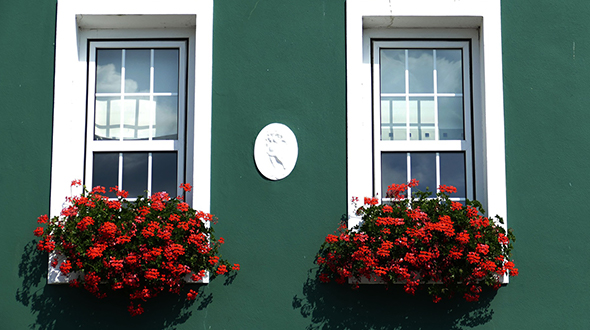
Tip: Match the color of your window boxes with your home’s shutters and accent trim to provide a sense of continuity to the home’s exterior.

9. Make Your Garden Stand Out

Increase curb appeal by planting a blooming garden

A lush, healthy, vibrant, and flowering garden can make even a mediocre home look good. Consider the following to sharpen your garden’s appearance:

  • Enrich the garden’s soil
  • Adjust the soil’s pH to help plants thrive
  • Ensure proper draining for excess water
  • Mulch your garden
  • Install a small fountain or water feature
  • Use stones, bricks, or barriers to define garden space
  • Plant flowering shrub and plant species
  • Plant a small or dwarf specimen tree

Tip: Use flowering evergreen shrubs to outline your garden, driveway, and pathway.

Increased Curb Appeal

In this article, you discovered simple ways to increase your home’s value by making it significantly more attractive, thus increasing its curb appeal.

By taking steps to increase your home’s curb appeal, you are likely simultaneously growing its overall market value.

Ignoring your home’s appearance and maintenance needs can cause its market value to plummet, leaving you with significant losses on your most important financial investment.

Sources:
newswire.caes.uga.edu/story/5761/curb-appeal.html
gardeningsolutions.ifas.ufl.edu/design/outdoor-living/curb-appeal.html
ucanr.edu/blogs/blogcore/postdetail.cfm?postnum=38557
pdxscholar.library.pdx.edu/cgi/viewcontent.cgi?article=1044&context=busadmin_fac

The post 9 Easy Ways to Increase Your Home’s Curb Appeal appeared first on atlantacommercialroofingcontractors.com

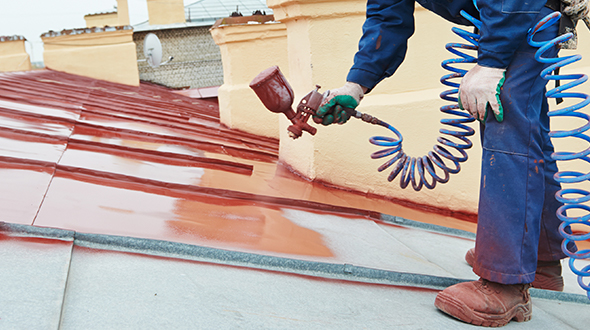
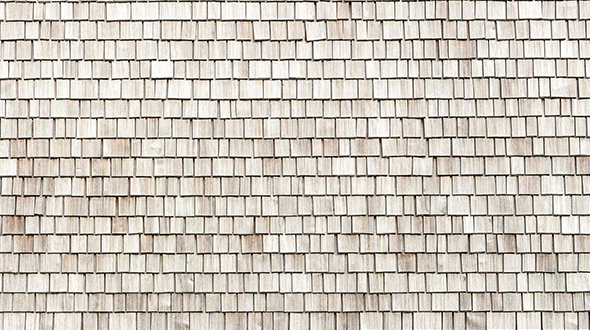
Can Roof Shingles Be Painted?

Many property owners wonder whether painting their roof is a viable way to refresh its appearance without the expense of a full replacement....