Wednesday, June 26, 2024

Roofing for Low Slope Roofs

When addressing roofing for low-slope structures, selecting the right materials and installation techniques is not just a choice—it’s a necessity. This article provides the essential knowledge you need on effective low-slope roofing, ensuring your building stays protected and performs well over time. Expect a focused look at the best practices for choosing and maintaining a low-slope roof.
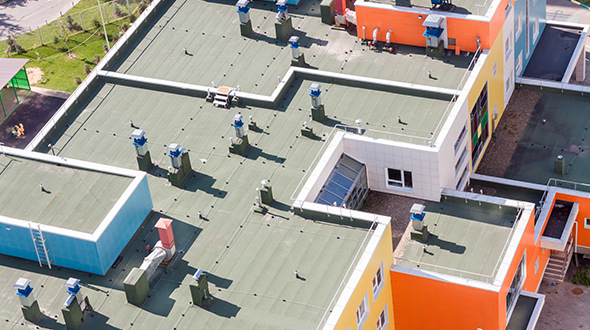
roofing for low slope roofs

Key Takeaways

  • Low slope roofs, with a pitch below 2:12, require specific materials like TPO, PVC, EPDM, modified bitumen, or metal roofing systems for durability and to prevent water damage.
  • Proper installation techniques, such as fully adhered systems, mechanically fastened solutions, and heat-welded seams, are critical to the longevity and functionality of low-slope roofs.
  • When selecting a low-slope roofing system, important considerations include climate compatibility, roof traffic, durability, cost versus life expectancy, and innovations like modular systems and cool roofing technologies.

Understanding Low-Slope Roofing

When it comes to low-slope roofs, understanding the basics is akin to laying a strong foundation for your house. Imagine a roof with a gentle incline—that is the essence of a low-slope roof, characterized by a pitch below 2:12. This architectural choice has significant implications for material selection and installation, as it demands a keen eye and experience to prevent water damage and ensure longevity.

The Basics of Roof Slope

Diving deeper into the concept, roof pitch is the measurement that dictates how steep a roof is. Like a silent guardian, it influences everything from aesthetic appeal to the practicality of water runoff. Defined by its rise over a 12-inch span, roof pitch/slope is a critical factor in choosing the right roofing materials.

Roof pitch ratio (ex. 2:12) is a way to measure the steepness of a roof. Here’s how it works:

  • The first number (2 in this case) tells you how many inches the roof rises (goes up) for every 12 inches it runs (goes across).
  • The second number (12) is always the same and represents the horizontal distance of one linear foot.

So, a 2:12 pitch means that for every 12 inches you go horizontally (across), the roof goes up 2 inches.

Why Roof Pitch Matters

Here’s where it gets real: the pitch of your roof isn’t just about looks; it’s about protecting your property from the elements. A low-slope roof requires materials that can endure prolonged exposure to water, fend off UV rays, and withstand debris accumulation. It’s a delicate balance of functionality and design that ensures a roofing system can weather the storm.

Essential Materials for Low-Slope Roofs
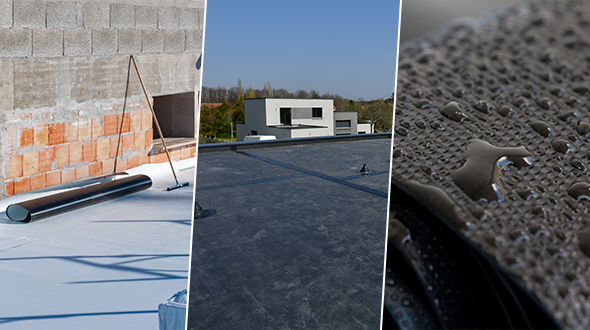
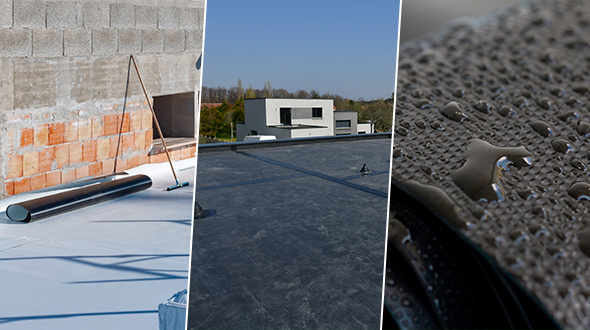
low slope roof mateirlas TPO, PVC, and EPDM roofing membranes

When selecting materials for low-slope roofs, it’s not just about picking the toughest material but choosing the right ally for the battle against the elements. Membrane roofing, modified bitumen, and metal roofing systems lead the charge with their durability and weather resistance, making them the stalwarts of low-slope roofing.

Membrane Marvels: TPO, PVC, and EPDM

In the world of membrane roofing, TPO, PVC roofs, and EPDM stand tall as the trinity of protection, offering longevity and resilience to rooftop traffic. With lifespans stretching up to 40 years and heat-reflective surfaces to boot, these membranes are not just covers but shields against the harshest of climates.

Modified Bitumen: The Modern Twist on Asphalt

Modified bitumen systems offer the following benefits for modified bitumen roofs:

  • Flexibility and waterproofing prowess needed for low-slope roofs
  • Modern-day armor for buildings, combining traditional familiarity with innovative resilience
  • Available in variations like APP (plastic asphalt) and SBS (elastic asphalt) for tailored performance

Metal Roofing Mastery

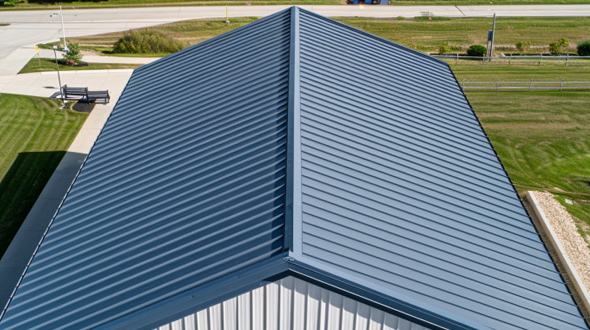
For those seeking the zenith of longevity and aesthetics, standing seam metal roofing is the crown jewel. Flaunting up to 50 years of life, this premium choice for low-slope roofs marries function and form with concealed fasteners and a palette of colors to accentuate any building’s silhouette with a standing seam metal roof.
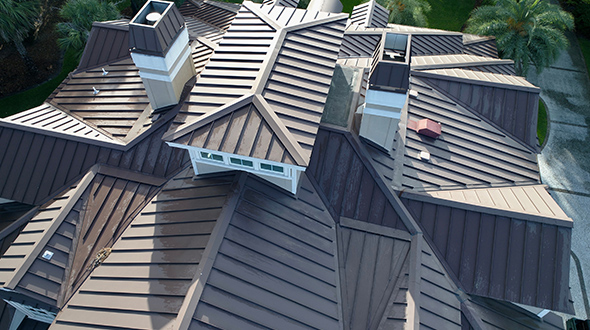
standing seam metal roofing system

Installation Techniques for Peak Performance

Even the finest roofing materials are only as good as their installation. Techniques such as fully adhered systems, mechanically fastened solutions, and heat-welded seams are the key to ensuring your low-slope roof stands tall against time and nature.

Fully Adhered Systems (Adhesive)

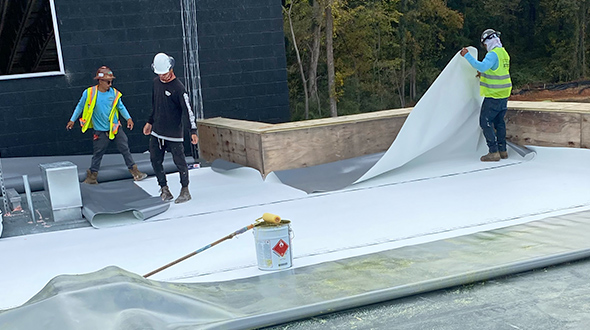
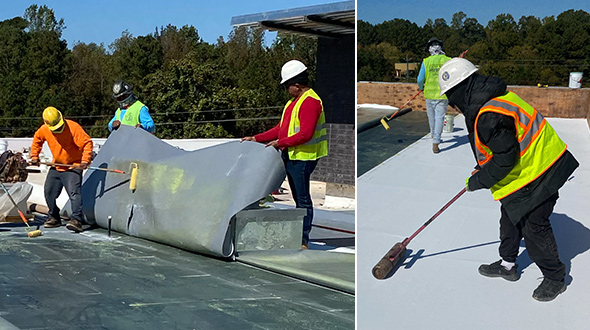
These are single-ply roofs secured using exceptionally strong adhesive. Roofers apply the adhesive uniformly across the entire membrane, anchoring it firmly to the underlying layer. This comprehensive adhesion is the reason these roofs are termed “fully” adhered.

Fully adhered systems offer the following benefits:

  • Seamless look
  • Added noise dampening
  • Minimal maintenance
  • Fortification against wind uplift and water infiltration

With fewer seams and opportunities for leaks, this method not only beautifies the structure but also enhances its functionality.

Mechanically Fastened Solutions (Fasteners)

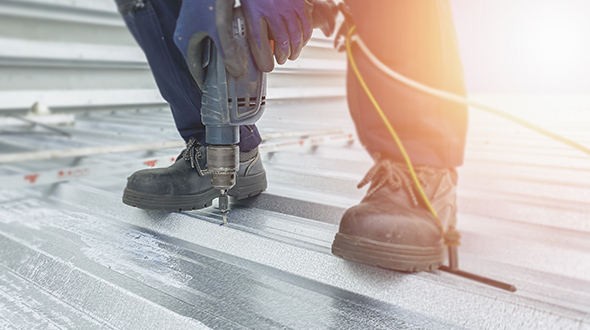
Mechanically fastened roofs are secured using specialized fasteners. For single-ply mechanically fastened roofs, these fasteners are generally screws, but their material, length, and other specifics are determined by the roof’s substrate. Different substrates like steel, concrete, wood, and lightweight gypsum decks each necessitate unique fastener types. Roofers also use plates with the fasteners to distribute the force applied to the membrane, ensuring a more secure and durable attachment.

In the face of high winds, uplift forces and demanding weather conditions, mechanically fastened solutions stand firm, anchoring the roof with reliability. Precision in sealing penetrations is the name of the game here, ensuring that leaks are kept at bay for a steadfast roofing system.

Heat-Welded Seams for Superior Seal
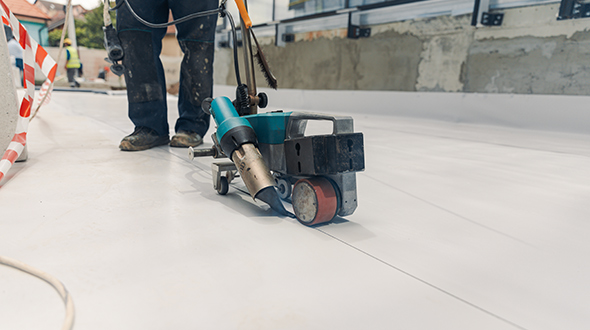
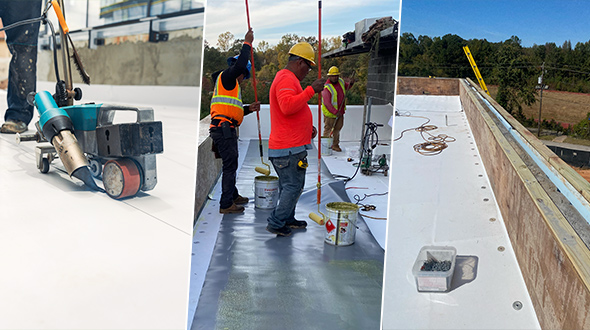
heat-welded single-ply tpo roofing seams

Heat-welded seams are the artisans of roofing, meticulously crafting an impenetrable barrier that locks out moisture and safeguards the roof’s integrity. With specialized equipment, roofers create bonds that are not only robust but also crucial in preventing the roof’s degradation over time.

Critical Considerations for Low-Slope Roofing

Certain elements are non-negotiable in the grand scheme of roofing. Climate, foot traffic, and the delicate dance of cost versus life expectancy are considerations that can make or break the success of a low-slope roofing system.

Climate Compatibility

The climate’s whims can test the mettle of roofing materials, which is why it is imperative to choose ones that can withstand the local weather patterns. From the sun-absorbing prowess of EPDM to the uplift resistance of fully adhered systems, climate compatibility is a cornerstone of roofing choice.

Foot Traffic and Durability

Commercial and industrial low-slope roofs, also known as flat roofs, are battlegrounds for durability. Materials must endure foot traffic and environmental stresses alike. It’s about choosing a roofing system that maintains structural integrity despite constant commercial activity.

Cost vs. Life Expectancy

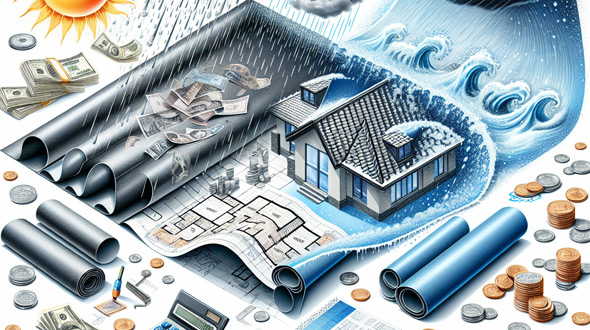
The alchemy of cost-effectiveness in roofing involves balancing upfront investments with long-term benefits. Life expectancy and warranties play a pivotal role in determining whether a roofing system is a wise economic move or a penny-wise but pound-foolish decision.

Innovations in Low-Slope Roofing Systems

As the roofing industry marches forward, innovations such as prefabricated modular systems, cutting-edge materials, and the bur roofing system redefine what’s possible. These advancements not only streamline installation but also push the boundaries of energy efficiency and structural integrity.

Green Roofing Systems
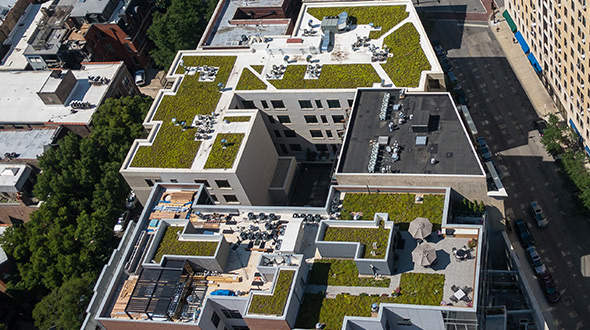
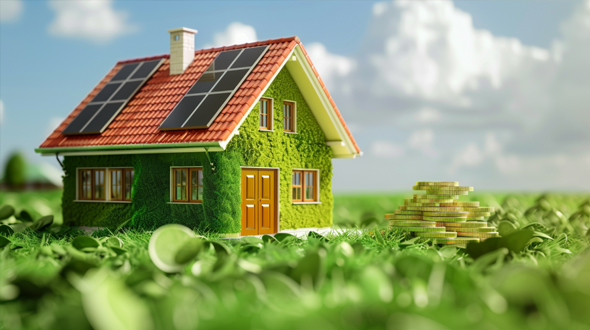
green roofing system

Green roofing systems are a testament to the harmonious blend of nature and architecture. Offering a plethora of benefits like:

  • insulation
  • urban heat reduction
  • stormwater management
  • improved air quality
  • increased biodiversity

These living roofs are not only visually stunning but also environmentally sound, albeit with the caveat of higher maintenance needs.

Cool Roofing Technologies

Cool roofing technologies are the unsung heroes in the fight against urban heat, employing reflective coatings and pigments that turn roofs into shields against the sun’s heat. With materials like PVC and TPO leading the charge, cool roofs are a smart choice for those looking to improve energy efficiency while mitigating their ecological footprint.

Preventing Common Low-Slope Roof Issues

A low-slope roof, also known as a flat roof, has one major enemy: stagnation—of water. Preventing common issues such as leaks and water accumulation is paramount for the roof’s health and the safety of those beneath it.

Ensuring Proper Drainage

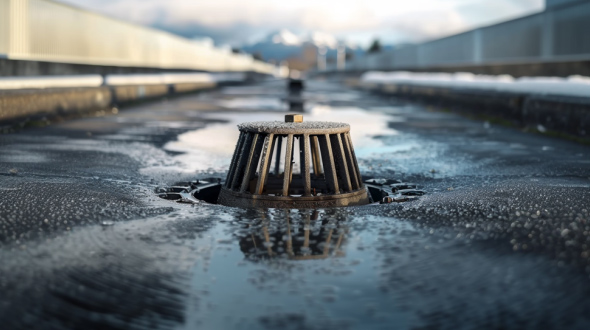
A roof’s drainage system is its lifeline, ensuring that water is swiftly escorted away, thus averting the risks of structural overload. Regular maintenance and strategic design choices like additional drainage lines and tapered insulation crickets are essential for a dry and durable roof.

Mitigating Leak Risks

To keep leaks at bay, entrusting the installation to skilled roofers is a must. From flood testing to selecting fully adhered TPO roofing for its watertight seam, every step taken is a step towards securing a leak-free future for low-slope roofs.

The Selection Process: Finding Your Ideal Low-Slope Roof
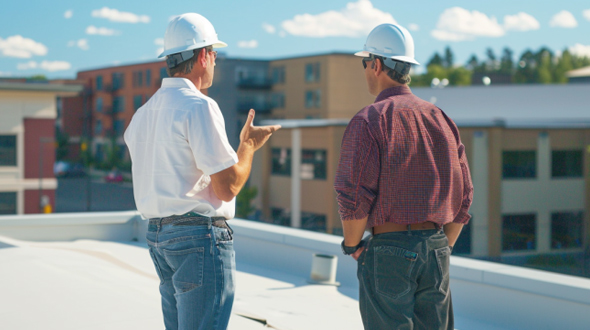
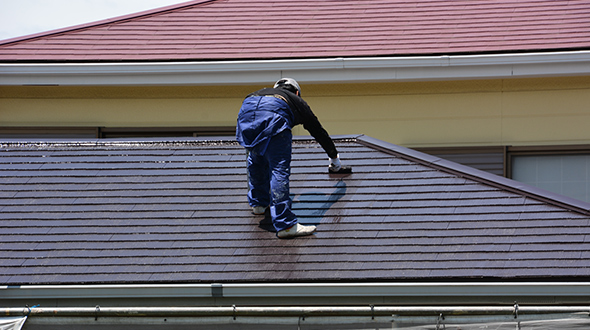
commercial roofer discussing low slope roof replacement

Embarking on the quest for the perfect low-slope roof is not a solo journey. It’s about partnering with the right commercial roofer, considering the building’s aesthetics, and understanding the intricacies of the roofing materials market. It’s a strategic process that balances personal preferences with practicality and expertise.

Assessing Your Roof’s Requirements

The first step in selecting a roofing material is understanding your roof’s unique needs. By measuring its pitch and considering the building’s design, you can narrow down the materials that will provide the durability and flexibility required for your specific situation.

Consulting with Roofing Professionals

Roofing professionals are the sage advisors in the world of roofing, offering thorough evaluations and tailored solutions. Their specialized inspections can reveal issues before they escalate, ensuring that your low-slope roofing project is not only successful but also enduring.

Low Slope Roofing Summary

As we reach the pinnacle of our roofing expedition, it becomes clear that the path to a resilient and efficient low-slope roof is paved with knowledge and precision. From understanding the basics of roof pitch to embracing innovative technologies, every step is crucial in crafting a roofing system that stands the test of time. Let this guide be your compass, leading you to a roofing solution that not only protects but also elevates your property.

Roofing for Low Slope Frequently Asked Questions

What are the best materials for a low-slope roof?

For their durability and weather resistance, membrane roofing options like TPO, PVC, and EPDM, as well as modified bitumen and metal roofing systems, are the best materials for a low-slope roof. Choose one of these materials based on your specific needs.

How does roof pitch affect roofing material selection?

Roof pitch significantly impacts the ability of roofing materials to shed water and resist water penetration, especially for low-slope roofs. The pitch determines the efficiency of water shedding and overall water resistance.

Are there any innovative roofing systems for low-slope roofs?

Indeed, there are various innovative options for low-slope roofing, such as green roofing systems, cool roofing technologies, and prefabricated modular systems, which are constantly evolving to provide more choices.

How can I prevent leaks in my low-slope roof?

To prevent leaks in your low slope roof, it’s essential to hire skilled roofers for proper installation, conduct thorough inspections, and choose materials with superior sealing properties, like fully adhered TPO roofing. This will help maintain the integrity of your roof and minimize the risk of leaks.

How do I start the process of selecting the right low-slope roofing material?

Start by consulting with roofing professionals to assess your roof’s specifications and requirements. Their expert advice will help guide you in selecting the ideal material for your low-slope roof.

Atlanta Commercial Roofing Contractors

Atlanta, GA
(404) 220-9288

The post Roofing for Low Slope Roofs appeared first on atlantacommercialroofingcontractors.com

Thursday, May 30, 2024

What is a Cool Roof?

What is a cool roof? Simply put, it’s a type of roofing that reflects the sun’s heat rather than absorbing it, leading to a cooler and more comfortable indoor environment. This article will guide you through the science, materials, and benefits of cool roofs, equip you with essential knowledge, and prepare you to consider whether a cool roof suits your building.

what is a cool roof

Key Takeaways

  • Cool roofs utilize materials with high solar reflectance and thermal emittance to reflect sunlight and release heat, thereby lowering building temperatures and improving energy efficiency.
  • Despite offering significant energy savings, particularly in hot, sunny climates, cool roofs also offer an array of benefits, including lower energy usage, reduced heat island effect, and improved indoor comfort and health.
  • When considering cool roofs, it’s essential to factor in climate, building type, installation costs, and available financial incentives; professional installation is recommended to ensure quality materials, correct installation, and protective warranties.

Defining Cool Roofs: The Basics

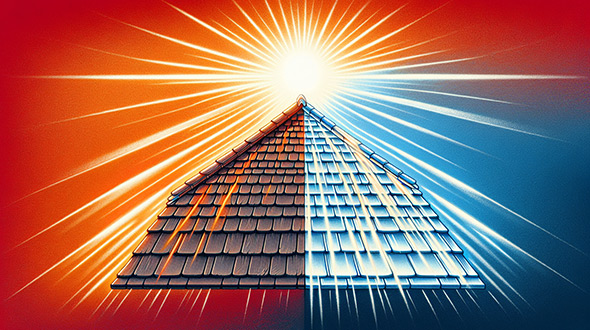
Imagine a roof that, instead of absorbing sunlight and raising the temperature within your home or office, reflects that sunlight and keeps your indoor spaces cooler. That, in essence, is a cool roof. Unlike traditional roofs, which can absorb heat and contribute to the heating of both your building and the surrounding air, cool roofs are designed to reflect sunlight and release heat, thus keeping your building cooler.

This is achieved by using materials that have high solar reflectance and thermal emittance, allowing these roofs to keep their surface temperatures lower than those of their traditional counterparts. The good news is that advancements in cool roof materials now allow for various colors, including darker hues, to retain these energy-efficient properties without compromising on aesthetics.

Essential Components of Cool Roofs

high solar reflectance and thermal emittance properties

Two key components drive the effectiveness of cool roofs: high solar reflectance and high thermal emittance. Due to their superior solar reflectance, their design enables them to reflect more solar energy than conventional roofs. This doesn’t mean your roof has to be white or a light color, as recent advancements in roofing materials allow cool roofs to come in various colors while still maintaining high solar reflectance.

Additionally, cool roofs have the following benefits:

  • High solar reflectance, which reduces heat absorption
  • High thermal emittance, which allows for effective heat discharge
  • Greater energy efficiency
  • Cooler indoor temperatures

These benefits make cool roofs a great choice for improving energy efficiency and maintaining comfortable indoor temperatures, proving how cool roofs work.

Types of Cool Roof Materials and Coatings

The cool roof market offers a plethora of materials and coatings, including:

  • Membranes
  • Shingles
  • Stone or rock
  • Metal
  • Tile

All of these materials possess high solar reflectance. They not only come in various colors but they are also engineered with technologies that maintain high solar reflectance and thermal emittance, regardless of their hue.

However, it’s worth noting that in warm, moist climates, light-colored cool roofs may display algae or mold growth more than dark roofs. This calls for coatings with mold-prevention chemicals. Fortunately, multiple roofing products meet the cool roof criteria based on their solar reflectance, broadening the range of options for various roof coverings.

Advantages of Cool Roofs for Homeowners and Businesses

Cool roofs offer a myriad of benefits for both homeowners and building owners. From reducing energy consumption to extending roof lifespan, these innovative roofing systems are a game-changer in our increasingly eco-conscious world. Allow us to explore these benefits in greater detail.

Energy Savings and Environmental Impact

reduced energy consumption and energy savings

One of the most significant benefits of cool roofs is their energy-saving potential. These roofs yield significant energy savings by reflecting more sunlight and absorbing less heat, especially in hot, sunny climates. Cool roofs decrease the need for air conditioning due to their ability to reflect more sunlight and absorb less heat. The benefits of cool roofs include:

  • Up to 15% reduction in energy use for air conditioning in single-story homes
  • Lower electricity bills

Furthermore, cool roofs offer several environmental benefits, including:

  • Reducing total energy consumption
  • Lowering air pollution and greenhouse gas emissions
  • Contributing to the reduction of the urban heat island effect
  • Preventing heat accumulation in built environments
  • Influencing the formation of ground-level ozone, which is heat-dependent.

Comfort and Health Benefits

Beyond energy savings, cool roofs also offer substantial comfort and health benefits. They can lower maximum indoor temperatures in non-air-conditioned buildings by up to 3.3 degrees Celsius (5.9 degrees Fahrenheit), improving indoor comfort during warmer climates. A white-coated cool roof can stay up to approximately 55 degrees cooler than a traditional dark roof on a typical summer afternoon, reducing heat transfer into the building and cooling costs.

Moreover, reducing indoor temperatures through cool roofing can alleviate health issues such as heat exhaustion and respiratory difficulties, especially in warm climates. By lessening the incidence of heat-induced mortality and heat-related illnesses, cool roofs can positively impact human health.

Factors to Consider When Installing a Cool Roof

Several aspects must be evaluated before proceeding with cool roof installation. Firstly, cool roof efficiency is highly dependent on the climate, being more effective in hot, sunny conditions. Hence, assessing your geographical location and prevailing weather conditions is critical to the decision-making process.

Secondly, selecting a cool roof should account for the building’s type, existing roof insulation, and any specifics regarding the roof slope. Balancing the energy savings and other benefits with any potential costs linked with cool roof installation is also a necessary step.

Costs and Financial Incentives for Cool Roofs

financial incentives for cool roofs

When it comes to costs, cool roofs can be more cost-effective when installed on a new building or during the replacement of an old roof, although adding them during a roof’s lifespan or as a coating is also possible. Installation costs for cool roofs vary, with expenses ranging from $0.15 to $3 per square foot, depending on whether you’re applying a cool roof coating, which is less expensive, or installing single-ply cool roof membranes, which are on the higher end of the cost spectrum.

The good news is that homeowners can benefit from a 26% federal tax credit for residential solar cool roof installations. Additionally, various local, state, and federal programs offer financial incentives for cool roof installation, such as the SRP Cool Roof Rebate Program, which provides a rebate of 30 cents per square foot, subject to certain conditions.

How to Choose the Right Cool Roof Product

Selecting a suitable cool roof product entails more than merely choosing a color. Online databases are valuable tools for researching the various cool roof products available in the market. A noteworthy resource is the Cool Roof Rating Council (CRRC), which maintains a comprehensive online database that lists cool roof products and their performance ratings, aiding in comparison and selection.

Nevertheless, choosing an appropriate cool roof product should consider location and climate, as performance requirements can significantly differ. It’s also crucial to assess specific needs such as building type, roof design, and energy-saving goals in relation to the qualities and performance ratings of cool roof products listed by the CRRC.

Green (Vegetative) Roofs: An Alternative Approach

For those looking for alternatives to cool roofs, a conventional roof with a green roof system might be a viable option. These roofs can be categorized as extensive, simpler, lightweight, low-maintenance systems, or intensive, which are more complex, replicating traditional parks or gardens and requiring more maintenance and structural support. A typical green roof includes multiple layers, including a vegetative layer, a growing medium, and a drainage layer, among others.

green vegetative cool roof

Beyond providing cooling and insulation to buildings, green roofs also offer environmental benefits by enhancing aesthetics, supporting natural habitats, and potentially benefiting mental and physical health. They present a unique approach to roofing that combines aesthetics, functionality, and environmental consciousness.

Hiring a Professional vs. DIY Installation

Though the concept of DIY cool roof installation might seem attractive, opting for professional roofers offers numerous advantages. For starters, professional roofers have access to high-quality materials that are essential for a durable and long-lasting roof. They also employ proper installation techniques, ensuring that every aspect of the roof is installed correctly for optimal durability.

Moreover, professional roof installations come with warranties that offer additional protection for homeowners. Experienced roofers are trained to follow industry best practices and manufacturer guidelines, which contributes to a structurally sound roof. They can also provide regular maintenance services that can significantly extend a roof’s lifespan.

Cool Roof Summary

In conclusion, cool roofs present a compelling solution to the increasing demand for energy efficiency and environmental consciousness. With their ability to reflect sunlight and release heat, these innovative roofing systems not only reduce energy consumption and greenhouse gas emissions but also provide comfort and health benefits. Whether you’re a homeowner or a business owner, it’s certainly worth considering a cool roof for your building.

Cool Roof Frequently Asked Questions

What is a cool roof?

A cool roof is a roofing system that reflects sunlight and releases heat, keeping buildings cooler and more energy-efficient than traditional roofs.

What are the benefits of cool roofs?

Cool roofs offer reduced energy consumption, decreased greenhouse gas emissions, improved indoor comfort, and extended roof lifespan, making them a highly beneficial choice for buildings.

What factors should I consider when installing a cool roof?

When installing a cool roof, consider your geographical location, building type, existing roof insulation, roof slope, and cost. These factors will help you make an informed decision.

How much does it cost to install a cool roof?

Installing a cool roof can range from $0.15 to $3 per square foot, depending on the type of cool roof system you choose. Consider your options carefully to find the best fit for your budget.

Can I install a cool roof myself?

No, hiring a professional roofer is recommended for proper installation, access to high-quality materials, and warranty protection.

Atlanta Commercial Roofing Contractors

Atlanta, GA
(404) 220-9288

The post What is a Cool Roof? appeared first on atlantacommercialroofingcontractors.com
Tuesday, April 23, 2024

Single Ply Roof Membrane System Explained

Choosing the ideal roofing material can be daunting, but for many projects, single-ply roof membrane systems offer a solution that combines durability with cost-efficiency. Whether you’re evaluating PVC, TPO, or EPDM options, these membranes are lauded for their ease of installation and ability to protect your structure from the elements. This guide will compare the top single-ply materials, discuss what to consider when selecting them, and examine their long-term benefits—cutting through the complexity to help you make a well-informed decision for your roofing needs.

single ply roof membrane system

Key Takeaways

  • Single-ply roofing systems, characterized by their simplicity and durability, are popular for commercial and industrial buildings. Various varieties, such as TPO, PVC, and EPDM, offer unique benefits and applications.
  • Choosing the right single-ply membrane involves considering factors like the building’s design, structure, location, and environmental exposure, balancing cost with performance and compliance with building standards.
  • Regular maintenance and professional installation are crucial for maximizing the lifespan and performance of single-ply roofing systems, which, with proper care, maintenance, and potential restoration techniques, can last up to 30 years.

Understanding Single Ply Roofing Systems

In the vast world of roofing systems, single-ply roofing systems occupy a special place. These systems consist of a single-ply roofing membrane, a single layer of waterproofing material that stands guard between the structure and external elements. Made from materials such as PVC, TPO, or EPDM, these membranes are the unsung heroes of commercial and industrial buildings, protecting them from the wrath of the elements while offering a touch of aesthetic appeal.

The popularity of single-ply roofing systems stems from their lightweight design, ease of installation, and satisfactory service life. They are well suited for commercial and industrial applications, adapting to varying conditions and performance demands with flexible color options. Certain single-ply membranes even provide superior puncture resistance and are suitable in chemically aggressive environments, representing continuous improvements in TPO composition and design.

Thermoplastic vs. Thermoset Membranes

In the realm of single-ply roofing membranes, two categories reign supreme: thermoplastic and thermoset. On the one hand, we have TPO membranes made from synthetic polymers and reinforcing scrim. TPO is the popular kid in the world of commercial roofing, thanks to its cost-effectiveness and ability to weld its seams. Its reflective surface is resistant to UV radiation and wear, standing up to the test of time and weather with remarkable resilience.

On the other hand, we have EPDM, a thermoset membrane composed of ethylene and propylene. This membrane is a testament to the wonders of flexibility, affordability, and performance in a range of temperatures. However, each of these membranes has its unique advantages and disadvantages, which is why understanding them is crucial for making a well-informed decision.

Common Applications

Single-ply roofing systems are the chameleons of the commercial roofing systems world. Due to their versatility, they adapt to various types of installations. Whether it’s a small commercial installation where the lightweight and durable PVC membrane is the perfect fit or a low-slope roof that demands durability and reliability, single-ply roofing systems rise to the occasion.

Not just that, these systems also find extensive use in industrial facilities, accommodating the unique demands of such environments with ease.

Key Factors to Consider When Choosing a Single Ply Roof Membrane

key factors for choosing single ply roof membrane

The world of single-ply roofing systems is diverse, and choosing the right membrane isn’t always straightforward. It’s not just about selecting a membrane but choosing a solution that fits your unique needs. Factors to consider include:

  • The type of structure
  • Substrate material
  • Location
  • Anticipated loads and stresses
  • The client’s risk tolerance related to the building’s use and geotechnical conditions

Taking these factors into account will help you make an informed decision.

To ensure safety and performance, the chosen single-ply membrane must comply with building codes and industry standards, including criteria for fire, wind, and impact resistance. Let’s not forget the importance of the manufacturer’s reputation and the support they offer, such as warranty programs. After all, a roofing membrane is an investment, and it’s essential to balance cost considerations, including initial investment and desired performance, with the overall budget for the roofing project.

Climate and Environmental Conditions

Climate and environmental conditions are crucial in choosing a single-ply roofing system. For instance, EPDM is an exemplary single-ply roofing material that can endure extreme temperatures from -20°F up to 200°F, proving its mettle in cold climates with its heat-absorbing black surface that helps melt snow.

However, the battle with the elements is not always about temperature. UV radiation can severely degrade single-ply membranes by attacking adhesives, leading to weakened seams and potential leaks. To counter this, white single-ply membranes, with their high reflectivity, come to the rescue by reducing cooling costs and keeping buildings cooler in warm climates.

Some single-ply membranes are chosen for their chemical resistance and durability against chemical exposures, which are perfect for restaurants and the like.

Building Design and Structure

A building’s design and structure are like a puzzle, and the single-ply roofing system, which includes membrane roofing systems, must fit into it perfectly. These membranes can adapt to unique roof designs and withstand building movement due to thermal expansion and contraction. This adaptability is crucial in ensuring the membrane’s longevity and effectiveness while keeping the roof from leaking.

Oftentimes, a cover board may be necessary to provide optimal performance of the roof’s insulation, adding to the roof structure’s load-bearing capacity. This insulation layer serves as a protective shield for the insulation, enhancing its effectiveness and ensuring the roofing system’s overall performance.

Budget and Cost Efficiency

While single-ply roofing systems offer many benefits, it’s essential to consider your budget and the overall cost efficiency of your chosen system. Installation requirements, roofing contractor expertise, and special considerations such as building design and environmental factors are major contributors to the initial cost.

Analyzing the initial cost in conjunction with long-term maintenance needs is essential for understanding the overall cost efficiency of single-ply roofing materials. For instance, TPO roofing, known for its high puncture resistance, fire resistance, and strong seams, offers unique benefits and reduces maintenance costs over time, making it a perfect option for many properties.

Advantages and Disadvantages of Single Ply Roofing Materials

comparison of TPO, EPDM, and PVC membranes

Like all things, single-ply roofing materials have their advantages and disadvantages. On the one hand, they are sought after for their sustainable attributes, including:

  • High recycled content
  • Low VOC emissions
  • Recyclability
  • Energy-efficient properties that reduce heating and cooling costs

On the other hand, certain materials, such as EPDM membranes, are less durable compared to TPO and PVC options. However, TPO membrane has not been on the market as long as EPDM, indicating a shorter track record.

To help you navigate which is best for your situation, below are the unique qualities, advantages, and disadvantages of the three single-ply membranes.

TPO Membranes

TPO roofing systems are a shining star in the world of single-ply roofing systems. They’re a three-layered membrane that incorporates a TPO polymer base, a polyester-reinforced scrim, and a TPO compounded top ply. This offers a level of flexibility that’s compatible with different roof types and capable of withstanding building movement.

The advantages of TPO roofing are numerous:

  • High solar reflectivity, leading to greater energy efficiency
  • UV resistance, prolonging roof life
  • Resistance to wear
  • Seams welded with hot air, providing superior leak protection
  • Aesthetic versatility, available in multiple colors to enhance various building designs

However, the quality of seam welding can be a drawback if not properly executed, indicating the necessity of expert installation to mitigate potential seam issues.

EPDM Membranes

EPDM membranes have their own set of benefits and limitations. Here are some of the benefits:

  • Durability
  • They are effective in cold climates due to their heat-absorbing black surface, which helps melt snow.
  • Reliable choice for areas experiencing harsh winters

However, every rose has its thorns. EPDM roofing systems can be more susceptible to punctures than some other single-ply materials. They can also incur damage from regular foot traffic and wind-driven debris, which are potential disadvantages. Standard methods of installing EPDM include full adhesion, mechanical attachment, or ballasting, with seams sealed by gluing or taping. This highlights the importance of proper installation and maintenance to ensure the longevity and effectiveness of EPDM roofs.

PVC Membranes

Last but not least, PVC membranes offer their own advantages. These membranes are highly resistant to chemicals and animal fats, making them suitable for environments like restaurants. Their chemical resistance properties enhance their durability, making them a reliable choice for challenging environments.

However, despite their advantages, PVC roofing material has a higher price point than other single-ply roofing options. This makes it a more significant investment, but its durability and chemical resistance often justify the cost in the long run.

Installation Methods for Single Ply Roofing Systems

installation methods for single ply roofing

When it comes to installing single-ply roofing systems, there are several methods to choose from. These include fully adhered, mechanically attached, and ballasted methods. Each method has its unique advantages and challenges. Single-ply roofing sheets are ideally designed for low-slope roofs and feature fewer seams compared to other roofing systems, which allows for a more straightforward installation process.

However, challenges in installing single-ply roofing include:

  • The need for proper installation techniques to ensure seam integrity
  • The material becomes less pliable in cold weather
  • Potential issues such as blisters and wrinkles
  • Extended curing times for water-based adhesives

Fully Adhered

The fully adhered installation method involves the following:

  1. Unfolding the membrane
  2. Applying adhesive to both the underside of the membrane and the insulation or coverboard
  3. Pressing the membrane into place once the adhesive is tacky

Single-ply membranes are directly glued to the insulation boards in fully adhered systems. These insulation boards are then secured to the roof deck below.

Adhesion of the single-ply membranes to the roof substrate can be achieved using different types of adhesives, such as water-based contact adhesives, moisture-cure urethane adhesives, or solvent-based adhesives. Specific single-ply roofing accessories are employed to ensure water tightness around areas with complex geometry, like pipes and edge transitions.

Mechanically Attached

Mechanically attached single-ply systems are another option. In these systems, the membrane is screwed into the metal decking. The seams of mechanically attached systems are fused using heat or adhesive.

This is the most common type of single-ply installation known for its ease of installation and cost-effectiveness.

Ballasted

Ballasted membranes simplify the installation process. These membranes are not anchored to the decking material; they are held in place by a heavy layer of gravel. This loose-laid nature simplifies the installation process, making them a preferred choice for specific applications.

Maximizing the Performance of Your Single Ply Roof Membrane

The performance of a single-ply roofing system is not just about the type of membrane used or the installation method chosen. It’s also about proper maintenance and timely repairs. With the right care, TPO roofs can have a potential lifespan of 20-30 years, and PVC roofing membranes can last up to 30 years or more. These systems generally require fewer repairs than others, contributing to their longer service life.

Regularly removing debris like leaves and twigs from the roof can prevent issues such as leaks and mold growth, which are detrimental to the roofing membrane’s condition.

Proper Installation

single ply roofing membrane installation

Working with seasoned professionals who have years of experience minimizes installation errors. Experienced contractors possess the critical skill set necessary for high-quality roofing installation. They are up-to-date with industry best practices and are evaluated for their competency, thus ensuring the quality of the installation. Moreover, professional roofing contractors offer warranties that cover materials and labor, offering protection against workmanship errors and material defects.

Choosing roofing contractors with a positive reputation in the local community can provide additional assurance of reliable and trusted work. Professional roofers adhere to the best safety practices, which is crucial as roofing installments involve working at heights and managing hazardous materials. Engaging a professional roofing service in the commercial roofing market can lead to savings by having proper insurance coverage and compliance with building codes, thereby mitigating the risk of unnecessary future costs from accidents or non-compliance.

Regular Maintenance

Proper maintenance is key to the longevity of single-ply roofing systems. Routine inspections, ideally conducted twice annually, can help detect and fix potential issues before they escalate into major problems.

Routine maintenance tasks for single-ply roofing membranes include:

  • Checking drainage channels
  • Ensuring the integrity of waterproofing
  • Inspecting flashing and expansion joints
  • Assessing roof fasteners

Establishing a semi-annual maintenance plan is key to extending the life of single-ply roofing membranes. To mitigate common issues such as ponding water and UV degradation, it is important to maintain proper drainage, conduct regular inspections, and consider the application of protective coatings.

maintenance and repairs of single ply roof membrane

Repair and Restoration Options

Repairs on single-ply roofing should be conducted promptly and with the correct materials to ensure the membrane’s long-term integrity. But beyond repairs, single-ply roofing systems can also be restored using fluid-applied roof restorations such as Spray Polyurethane Foam (SPF) or a roof coating system. This can significantly extend the systems’ life.

Silicone coatings and acrylic elastomeric coatings are other options for restoring single-ply roofing systems. These restorative coatings not only extend the life of the roofing systems but also enhance their performance. So, whether it’s a minor repair or a major restoration, the goal is to maximize the performance and extend the life of your single-ply roofing system.

Single Ply Roof Summary

In conclusion, single-ply roofing systems offer a versatile, durable, cost-effective solution for commercial and industrial applications. They can adapt to diverse environmental conditions and building designs, making them a popular choice in the roofing industry. However, choosing the right membrane, ensuring proper installation, conducting regular maintenance, and exploring repair and restoration options are crucial to maximizing the performance and extending the life of these roofing systems. With the proper care and maintenance, a single-ply roofing system can prove to be a long-lasting and reliable investment for your building.

Single Ply Roofing Frequently Asked Questions

What are single-ply roofing systems?

Single-ply roofing systems are composed of a single layer of waterproofing membrane, typically made of PVC, TPO, or EPDM, providing protection against external elements.

What’s the difference between thermoplastic and thermoset membranes?

The main difference between thermoplastic and thermoset membranes is that thermoplastic membranes offer a reflective surface resistant to UV radiation and wear, while thermoset membranes offer flexibility, affordability, and performance in a range of temperatures.

What factors should I consider when choosing a single-ply roof membrane?

When choosing a single-ply roof membrane, consider project-specific factors, building codes, manufacturer reputation, cost, environmental conditions, building design and structure, and budget and cost efficiency. These factors will help you make an informed decision.

What are the installation methods for single-ply roofing systems?

You can install single-ply roofing systems using fully adhered, mechanically attached, or ballasted methods. Each method has its own advantages and considerations.

How can I maximize the performance of my single-ply roof membrane?

To maximize the performance of your single-ply roof membrane, focus on proper installation, regular maintenance, and exploring repair and restoration options. Working with experienced professionals and conducting routine inspections can help prolong the life of your roofing system.

Atlanta Commercial Roofing Contractors

Atlanta, GA
(404) 220-9288

The post Single Ply Roof Membrane System Explained appeared first on atlantacommercialroofingcontractors.com
Friday, March 29, 2024

Flat Roof Problems

Dealing with flat roof issues can be frustrating and costly. From leaks and ponding water to sun damage, these problems not only inconvenience you but are costly and pose threats to your property. This article provides practical solutions to address these issues effectively. You can expect clear advice on identifying and resolving common flat roof problems while ensuring the longevity of your roofing system.

flat roof problems - visible cracks and signs of damage

Key Takeaways

  • Flat roofs are susceptible to a range of issues, such as leaks, ponding water, blistering, and UV damage, which require regular inspection and maintenance to prevent and address.
  • Repair solutions include using quality materials, ensuring adequate drainage, addressing defects such as blisters, and protecting against UV damage with protective coatings.
  • Regular flat roof maintenance is vital for longevity, including semi-annual inspections, debris removal, and preventive measures such as using durable materials and appropriate sealants.

Flat Roof Issues: Identifying the Problem

Flat roofs are not immune to the adversities of weather and time and often grapple with various issues. Knowledge and a proactive approach are key in navigating these challenges and ensuring the longevity of your roof. Some common problems that can arise include:

  • Damage from a harsh climate
  • Rapid temperature fluctuations
  • Pest-related damages
  • Debris accumulation
  • Undue stress on the roofing system

Addressing these issues promptly is important to prevent further damage and maintain the integrity of your flat roof.

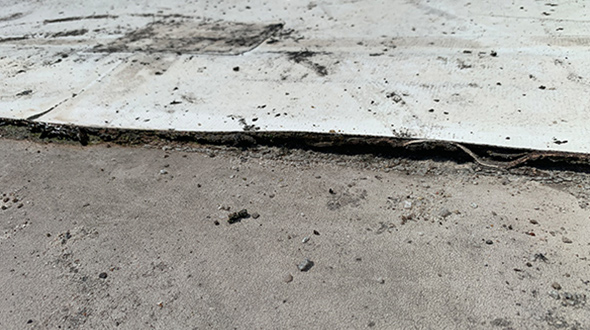
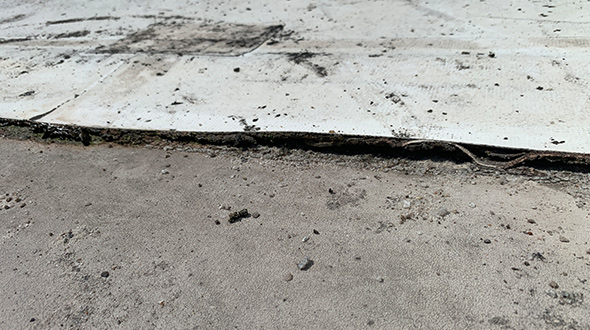
crack in seams of flat roof

But how can you identify these issues before they escalate in commercial buildings? Regular inspections are your first line of defense. Look for signs of mold, wet spots, and leaks inside your building. On the exterior, check for accumulated debris, visible damage, and signs of ponding water. Ignoring minor issues can lead to premature roof failure, a major consequence of neglect.

Let’s delve deeper into some common flat roof problems that most commercial flat roofs and homes with flat roofing systems may encounter.

Leaky Flat Roofs

Leaks are a common bane for flat roofs. Unlike sloped roofs, their design can reduce water-shedding effectiveness over time if not properly maintained. Multiple factors contribute to this issue, including:

  • Cracks in the roofing material
  • Holes from fallen branches
  • Improper installation
  • Damaged roof components such as vents, HVAC units, and skylights

Another primary cause of leaks in flat roofs is:

  • Open or damaged flashing, which requires sealing and biannual checks to prevent water ingress
  • Wear around skylights
  • Punctures in the roof membrane from debris like nails

As with many roofing issues, early detection is crucial in managing leaky flat roofs.

Ponding Water Dilemma

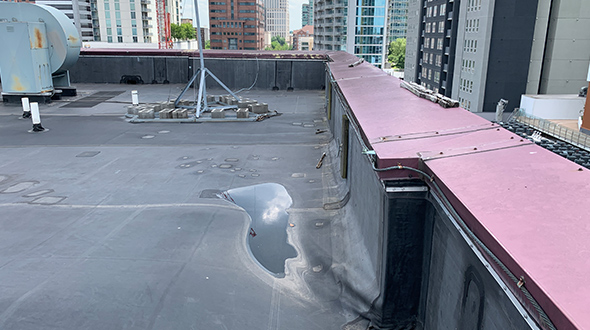
ponding water on a flat roof causing material deterioration

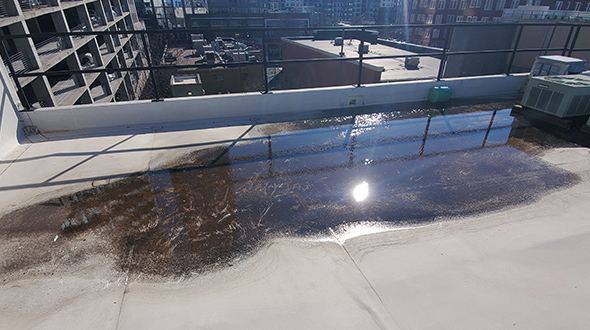
Ponding water is a frequent issue on flat roofs, primarily due to insufficient slope that does not facilitate proper water drainage or blockages that prevent water from draining within an acceptable timeframe. If left unaddressed, stagnant water can lead to material deterioration, growth of algae or vegetation, and ultimately, roof leaks and potential structural damage.

This issue is not just a symptom of a minor problem but can also indicate underlying complications, such as the building settling affecting the roof slope or compressed substrate boards. Therefore, it’s essential to regularly monitor and inspect your flat roof for signs of ponding water to ensure robust leak prevention.

The Blistering Problem

Blistering on flat roofs refers to the formation of bubbles or raised areas where the roof membrane has separated from the layer below. This usually occurs due to a decrease in the roof’s adhesive properties and thermal movement, allowing moisture to become trapped and form bubbles.

If left unattended, trapped moisture can cause blisters to grow and pop, leading to further damage, such as membrane cracks. It’s crucial to address these blisters promptly. If neglected, EPDM membrane blisters may tear and create more significant issues, marking improper installation and potential underlying damage.

UV Damage Consequences

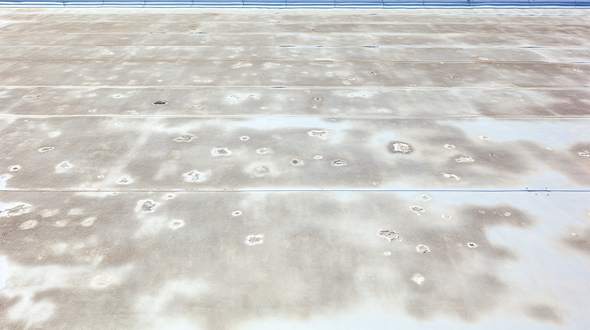
flat roof showing signs of UV damage and discoloration

UV damage is another significant concern for flat roofs. It manifests as:

  • Fading
  • Discoloration
  • Cracking
  • Brittleness of the roofing material

In warmer regions, flat roofing materials can deteriorate even faster due to intensified UV damage on flat roof surfaces, making solar panels a viable consideration for energy efficiency.

A common consequence of prolonged sun exposure is a condition called ‘alligatoring,’ where the flat roof begins to crack and bubble, resembling an alligator’s skin. To avoid such damage, it’s crucial to use UV-protective coatings or membranes and maintain these protective qualities through regular cleaning and maintenance.

Repairing Your Flat Roof: Solutions and Tips

The good news is that these flat roof problems can be repaired, and their recurrence can be minimized with proper maintenance. It’s generally best to consult professional roofing contractors for flat roof problems, as DIY fixes can sometimes lead to further damage and more costly repairs in the future.

When it comes to repair strategies, here are some key steps to follow:

  1. Use high-quality materials from reputable manufacturers.
  2. Ensure proper roof insulation to mitigate thermal shocks.
  3. Conduct regular inspections to catch problems early.

By following these steps, you can effectively address the issues we’ve identified.

Mending Leaks

When dealing with a leaking flat roof, the first step is to identify the source. For small leaks around flashing, vents, and seams, roofing cement can be used to seal these areas effectively. However, larger leaks may require a more durable repair, which can be achieved by applying a flat roof membrane in conjunction with roofing adhesive.

Remember, when encountering unusual findings during roof inspections, it’s best to consult with roofing professionals immediately. Promptly addressing leaks can save you from costly repairs down the line.

Improving Drainage

flat roof systems with good water drainage

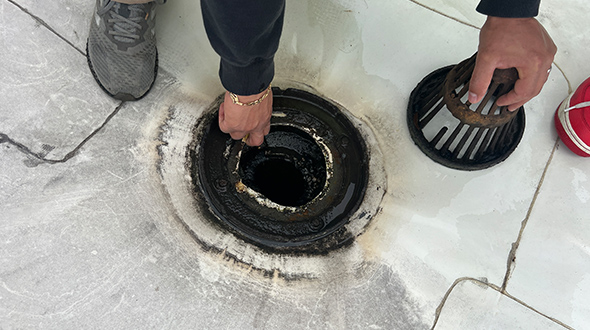
The key to reducing the issue of ponding water on flat roofs is to improve drainage. This can help prevent water from accumulating and causing potential damage. Some effective solutions include:

  • Regular cleaning of the drainage system
  • Upgrading the drainage system
  • Installing scuppers
  • Replacing old gutters and pipes with new, more efficient ones

By implementing these measures, you can effectively address the issue of ponding water on your flat roof.

Adding extra drains or constructing tapered sections on a flat roof can significantly improve water flow and mitigate ponding issues. Flat roofs can also be retrofitted with tapered insulation systems to direct water toward drains and alleviate water accumulation.

Tackling Blisters and Cracks

Addressing blisters and cracks on flat roofs requires a professional touch. The professionals will ensure proper ventilation and the use of high-quality materials. The process involves:

  1. Cutting out the damaged areas
  2. Clearing any trapped water or debris
  3. Cleaning the area thoroughly
  4. Allowing it to dry fully

After drying the area where the blisters were removed, carefully slice the top to release any remaining moisture, apply roofing cement, and secure the surface. For deeper cracks, a combination of roofing mesh and cement is applied to ensure a durable repair.

Combating UV Damage

Combating UV damage on flat roofs involves applying UV-protective coatings or membranes to shield the roof from sun damage. Reflective roof coatings can deflect sunlight away from the building, reducing heat absorption and the subsequent impact of UV rays.

Cool roof coatings help reflect more sunlight and absorb less heat, which curtails the effects of UV rays on the roofing materials. The roof’s UV protection can be prolonged through the regular re-application of a roof coating every few years.

Routine cleaning of flat roofs contributes significantly to their maintenance by keeping surface temperatures low, thereby enhancing energy efficiency and roof life.

The Importance of Flat Roof Maintenance

Regular inspection and maintenance are crucial in preventing issues and extending the roof’s lifespan. Being proactive and regularly maintaining your flat roof is key to protecting your investment and ensuring the safety and security of your property. Most flat roof maintenance programs include thorough inspections every six months and after significant storm events.

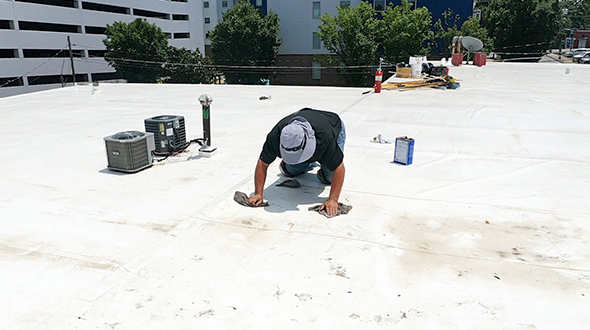
commercial roofer performing maintenance on flat tpo roof

Keeping a clean roof makes it easier for maintenance teams to identify and address minor repairs before they become major problems. Let’s delve deeper into the importance of cleaning and inspecting your roof and the preventive measures you can take to maintain it.

Cleaning and Inspecting

Ideally, flat roofs should be inspected twice a year, once before and once after the rainy season, to detect early signs of wear, such as cracks, blisters, and punctures. Keeping the roof clean is essential for maintenance and can include debris removal through methods such as picking up, leaf-blowing, or pressure-washing. Clogged drains must be cleared to avoid poor drainage.

Professional roofing contractors should conduct annual inspections to check membrane integrity and provide targeted solutions for repair, including the application of sealants and the removal of vegetation to maintain commercial roof integrity or recommend a roof replacement if necessary.

Preventive Measures

Preventive measures are crucial in maintaining the longevity of your flat roof. Here are some tips to help you prevent damage:

  • Use durable materials like EPDM for UV protection
  • Apply proper sealants to prevent leaks and water damage
  • Apply materials dry to prevent blisters
  • Allow sealing substances to dry thoroughly after exposure to moisture

By following these tips, you can ensure the long-term durability of your flat roof.

Applying materials with reflective properties, such as certain types of sealants, helps to reduce heat absorption and can also lower energy costs. Also, pest-related damage can be prevented by sealing off roof access points, using bird deterrents or nets, and consulting a pest control expert if necessary.

Choosing the Right Flat Roof Repair Service

When it comes to choosing the right repair service for your flat roof, it’s important to verify that the contractor is fully licensed and insured. Verifying their qualifications provides legal protection and assures their professionalism. Experienced and qualified flat roof contractors contribute to the roof’s longevity and a thorough approach to maintenance and repair.

TPO flat roof repair service in Atlanta GA

Conduct research on the roofing company and obtain referrals and reviews to assess the contractor’s reliability and the satisfaction of past customers. Be wary of contractors presenting significantly lower quotes, as these may reflect compromises in material quality or workmanship.

Ensuring the details of the work are documented, and the warranty specifics are well understood helps to protect against future issues with the quality of the repair.

Flat Roof Problems Summary

In conclusion, maintaining a flat roof requires knowledge, proactive inspections, and timely repairs. From leaks to ponding water, blistering, and UV damage, various issues can affect the longevity of your roof. Regular cleaning, inspections, and preventive measures are key to ensuring the safety and durability of your roof. Choosing a professional, experienced, and reliable flat roof repair service is crucial in this process. Remember, a well-maintained flat roof is an investment that protects your property and ensures its longevity.

Flat Roof Frequently Asked Questions

These are the most common questions asked of our flat roof repair team in Atlanta:

What is the average life of a flat roof?

The average life of a flat roof is about 20 years, but proper maintenance and quality materials can extend its lifespan significantly.

What is a concern when using a flat roof?

A concern when using a flat roof is the lack of drainage, which can lead to clogging and water accumulation if not checked regularly. Be sure to inspect the roof frequently to prevent drainage issues.

What are the disadvantages of a flat roof?

Flat roofs have disadvantages such as reduced stability, poor drainage, and less insulation, which can lead to issues with maintenance, repairs, and energy efficiency. Consider these factors when deciding on a roofing type.

How can I fix leaks on my flat roof?

To fix leaks on your flat roof, you can use roofing cement for small leaks and a fiberglass membrane with roofing cement for larger ones. For complex leaks, it’s advisable to seek help from a professional roofing contractor.

How often should I inspect my flat roof?

You should inspect your flat roof twice a year, before and after the rainy season, to detect early signs of wear, such as cracks and blisters. Regular inspections are crucial for maintaining the roof’s integrity.

Atlanta Commercial Roofing Contractors
Atlanta, GA
(404) 220-9288

The post Flat Roof Problems appeared first on atlantacommercialroofingcontractors.com
Monday, February 26, 2024

Metal Roof Damage

Suspecting metal roof damage can be unsettling, given your investment in this long-lasting roofing system. This guide addresses how to spot and respond to damage, from hail impacts to corrosion, and how to prevent these issues actively. With a focus on practical advice, we’ll help you weigh the metal roofing pros and cons and navigate the steps needed to maintain a durable, weather-resistant metal roof.

metal roof with hail damage

Metal Roof Damage Key Takeaways

  • Metal roofs can suffer from leaks, dents, and rust due to environmental factors. However, understanding the common signs of damage like discoloration, unusual noise, and wrinkling panels is vital for early detection and repair.
  • Preventative measures such as proper installation, regular maintenance, and protective coatings can significantly extend the life and performance of metal roofs, proving more cost-effective over time compared to post-damage reparations.
  • Repair techniques for metal roof damage include smoothing out dents, sealing punctures, and applying rust-preventative coatings. In contrast, severe damage might require a complete replacement, emphasizing the importance of regular roof inspections and maintenance.

Understanding Metal Roof Damage: Common Causes and Signs

Before diving into prevention and repair strategies, it’s vital to comprehend the potential issues that can occur. Metal roofs, though robust, are not immune to the wrath of nature or the passage of time. Various factors can lead to issues such as leaks, dents, and rust.

These issues often manifest in visible signs such as:

  • Discoloration
  • Unusual noise during windy conditions
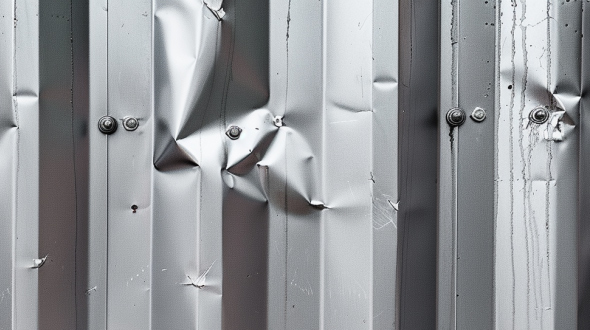
  • Wrinkling or waviness in metal panels
  • Roof seams diverging

Each of these signs points to a different type of damage. For example, discoloration often signals corrosion and rust, while unusual noise can highlight loose or missing metal roof panels. Recognizing these indicators is crucial for swift and efficient damage control.

Hailstorms and Metal Roofs

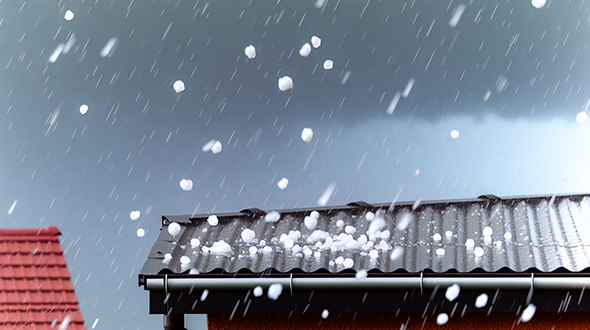
a hailstorm affecting a metal roof

Hailstorms, though brief, can leave a lasting mark on metal roofs. The damage from a hail storm can range from cosmetic dents to functional punctures, with the latter being less common with smaller hailstones. However, even cosmetic damage can lead to more severe problems over time if not addressed promptly.

The slope and underlying structure of a metal roof, along with the thickness and gauge of the metal used, can significantly influence its ability to withstand hail damage. Metal roofs can be assessed for hail impact resistance through the UL 2218 testing standard, which involves dropping steel balls onto the panels to simulate hail. Finishes, such as matte, and features, like embossed metal or stiffening ribs, can help conceal hail-induced dents.

For better hail protection, metal roofing panels with high tensile strength, a suitable gauge like a minimum of 26 gauge steel, and the highest UL Impact resistance rating, such as Class 4, are advisable.

Wind-Related Damage

Wind, though seemingly harmless, can wreak havoc on a metal roof. Expansion and contraction of the metal caused by temperature changes can lead to:

  • Loose or missing fasteners increase the roof’s vulnerability to wind uplift
  • Dislodged or damaged roofing components
  • Flying debris during storms potentially causes punctures or significant structural damage to metal roofs.

Nevertheless, the correct installation and roof deck selection can significantly contribute to wind damage resistance. Some metal roofs can withstand wind gusts up to 140 mph, and certain designs are preferred in hurricane-prone areas. This again emphasizes the need for professional installation and careful selection of roofing materials.

Corrosion and Rust

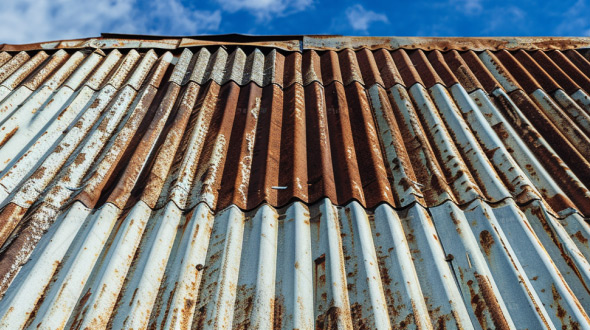
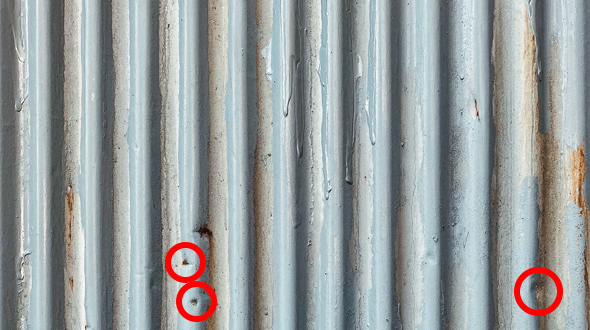
corrosion and rust damage to a metal roof

Corrosion and rust are familiar foes of metal roofs. The primary culprit behind these issues is water, as the presence of oxygen in water and moisture can create iron oxide on any iron mass, such as steel. This process is accelerated by the presence of electrolytes such as acidic rain or salty water, especially prevalent near oceans.

Materials such as aluminum and Galvalume, a combination of aluminum and zinc, are more resistant to the corrosive effects of seawater and rust, making them suitable for environments like coastal areas. Additionally, stucco-embossed metal roofs can help reduce the visibility of corrosion and rust, aiding longevity and aesthetic appearance.

Preventative Measures for Metal Roof Damage

As with any preventive measure, averting damage to a metal roof proves more cost-effective over time than dealing with issues post-occurrence. A properly installed metal roof can last for decades, demonstrating significant long-term cost-effectiveness. Key preventative measures include proper installation, regular maintenance and inspections, and the use of protective coatings and treatments.

These measures all contribute to the longevity of a metal roof:

  • Proper installation ensures secure fasteners and leak prevention
  • Regular maintenance and inspections facilitate the early detection and repair of issues
  • Protective coatings and treatments bolster the roof’s defense against environmental elements

The significance of these preventive measures cannot be emphasized enough.

Proper Installation

Correct installation lays the foundation for a durable metal roof. A properly installed and securely tightened fastener is crucial for reducing the risk of wind uplift and preventing panels from becoming loose or detaching. A meticulous inspection of components such as washers and screws is part of proper installation, ensuring that no fasteners are exposed to avoid leaks or other damage.

proper installation of metal roof

Moreover, a properly installed metal roof can offer the following benefits:

  • Last as long as the house itself, with potential lifespans of 40 to 70 years
  • Less likely to incur damage from falling limbs and projectiles
  • Do not spark or ignite during lightning strikes

Thus, working with a local expert specializing in metal roofing is recommended to ensure the installation is done correctly, maximizing the roof’s lifespan.

Regular Maintenance and Inspections

Consistent maintenance and inspections form the crux of maintaining a sturdy metal roof. Performing regular maintenance and inspections every six months can help detect early signs of problems such as:

  • Wind damage
  • Leaking
  • Denting
  • Scuffing
  • Scratching
  • Corrosion

Proper maintenance ensures the longevity of a standing seam metal roof and extends the lifespan of an asphalt shingle roof.

Structural maintenance should include checking and fixing fasteners, rivets, screws, and seams at least once every two years, while gutters and drains should be cleaned annually to prevent water-related issues; maintenance frequency may increase in extreme climates.

Keeping the roof clear of branches, leaves, and other debris is essential to avoid scuffs or scratches, and regular cleaning of the roof surface helps to extend the roof’s life and maintain its appearance.

Regularly inspecting for punctures from fallen debris and acting promptly at the initial signs of rust is essential to stop further roof degradation. For safety, employing an aerial work platform, using a harness and safety line, or considering a drone for hard-to-reach areas is recommended to avoid accidents.

Protective Coatings and Treatments

Protective coatings and treatments are pivotal in averting damage to metal roofs. These are essential for shielding metal roofs from:

  • Sun
  • Wind
  • Rain
  • Corrosion
  • Rust

High-quality metal roof coatings, such as epoxy and rubber-fortified acrylics, are designed to encapsulate the commercial roof and withstand significant expansion and contraction, making them excellent prepared roof covering materials.

Spray polyurethane foam (SPF) can be installed over metal roofs to increase R-value and provide moisture damage control through closed-cell insulation. Silicone roof coating systems offer a renewed warranty and are a cost-effective repair option for intact or minimally damaged seams. Besides leak prevention, coatings can enhance thermal performance and insulation, which benefits metal roofs in extreme temperatures.

Protective coatings can be customized in color and formulation to meet specific aesthetic preferences and design requirements for metal roofing systems. Periodic maintenance of metal roof coatings can significantly prolong the roof’s lifespan, sometimes extending it to 20 years or more.

Repairing Metal Roof Damage: Solutions and Techniques

Sometimes, despite our best efforts, issues can arise. When they do, knowing how to repair metal roof damage efficiently and effectively is key. This may involve addressing dents and punctures, fixing leaks and seam separation, and treating rust and corrosion. Severe damage may require extensive measures, such as a complete roof system replacement, which can range from $5 to $9 per square foot.

While these costs might seem high, they are often a necessary investment to ensure the longevity of the roof and the safety of the building’s occupants. Complete seam blowouts and excessive saturation over 25% of the roof area are examples of severe damage that may necessitate a full replacement.

Addressing Dents and Punctures

Dents and punctures can be a common sight after a severe storm. Assessing the size and depth of these damages is crucial to determine whether a patch is necessary or if a full panel replacement is needed. Minor dents can often be smoothed out with tools such as a rubber mallet, while more significant depressions may require a body filler to restore the metal’s surface to its original form.

metal roof repair process

For punctures, a metal patch carefully sealed with urethane sealant is typically the best course of action. This helps to maintain the integrity of the roof and prevent future leakage. Remember, it’s crucial to address even minor damages promptly to prevent them from escalating into more severe issues.

Fixing Leaks and Seam Separation

Leaks and seam separations can cause significant damage if left unaddressed. A thorough inspection by a professional roofing contractor is essential for detecting these issues in metal roofing systems. Roof leaks in metal roofs can often be repaired by replacing worn-out or damaged screws and fasteners, which are typically the weak points where water can infiltrate.

In addition to replacing damaged components, installing a roof coating system is an effective method for preventing leaks and contributing to roof restoration. This involves power washing the roof and applying an extra coating over seams and fasteners after preparation. This not only fixes the current leaks but also helps prevent future ones, making it a worthwhile investment in the long run.

Treating Rust and Corrosion

Rust and corrosion, if left unchecked, can seriously compromise the integrity of a metal roof. When rust appears, it signifies the failure of the protective coating and necessitates immediate remedial action. The most common areas for rust to develop are around the fixings or roof screws and at roof sheet overlaps, particularly if the screw heads are damaged during installation.

Small amounts of rust can be treated by:

  1. Scrubbing with a wire brush
  2. Cleaning with hot, soapy water
  3. Thoroughly drying the area
  4. Preparing it for a protective coating

Once the rust has been cleaned off, silicone-based paint should be applied to the metal substrate and screw heads to provide a barrier against future corrosion. This ensures that the roof remains strong and durable, capable of withstanding harsh weather conditions.

Choosing the Right Metal Roofing Material for Your Needs

Choosing the suitable metal roofing material for your needs can significantly impact the longevity and durability of your roof. Different materials come with distinct benefits and drawbacks; what works best for one building might not be suitable for another. Factors such as the type of metal, installation quality, and the local climate where the house is located can all play a role in determining the lifespan of a metal roof.

By assessing your local climate and weather conditions and comparing the properties of different materials, you can ensure that you choose the best metal roofing material for your needs. Whether you live in a hail-prone area or a hot and sunny region, there’s a metal roofing material that’s just right for you.

Assessing Your Climate and Weather Conditions

Consideration of local climate and weather conditions is key when selecting a metal roofing material. For instance, in hail-prone areas, choosing metal roofing with a high UL Impact Rating is crucial, indicating robustness against hail damage. Design features like corrugation can better withstand repeated impacts.

In hot climates, metal roofs are advantageous thanks to their ability to reflect UV rays and heat, which contributes to lowering cooling costs and preventing excessive heat absorption into buildings. It’s also worth considering the use of thermal coatings on metal roofs in extreme temperature environments to improve their insulative properties significantly.

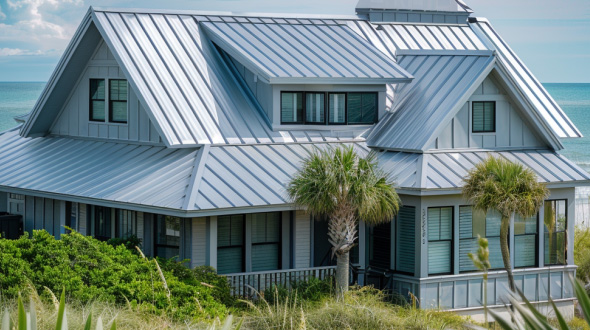
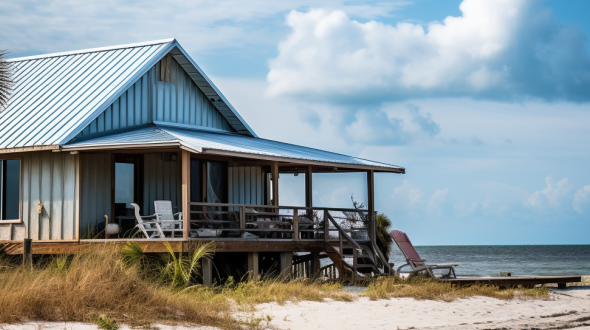
metal roof in coastal region near beach

For buildings in coastal regions, aluminum roofing is often the preferred choice due to its enhanced resistance to seawater corrosion compared to other metal roofing materials like steel.

Comparing Metal Roofing Materials

When comparing metal roofing materials, several factors come into play. Metal roofing materials, such as steel, typically come in varying gauges—24 to 26 gauge—suitable for residential applications, with a lower gauge indicating thicker and potentially more durable material. Higher-grade metal sheets offer improved resistance to rust and corrosion, contributing to the overall longevity and durability of the roofing material.

Materials like steel and aluminum each have their own advantages. Here are some key points to consider:

  • Steel is known for its inherent strength and lower cost.
  • Aluminum is advantageous for certain architectural needs due to its lighter weight and high strength-to-weight ratio.
  • The industry standard UL 2218 assesses the impact resistance of metal roofing materials, aiding in determining their durability against hail and debris.

Consider these factors carefully to make an informed decision that suits your specific requirements.

Insurance Considerations for Metal Roofs

Insurance is a crucial factor to consider in the context of metal roofs. Understanding the coverage provided by your insurance company, including hail damage coverage, potential discounts for impact-resistant roofs, and the difference between actual cash value and replacement cost coverage, can save you a lot of trouble down the line. In fact, a metal roofing system with a Class 4 rating for impact resistance may even lead to reductions in homeowners insurance premiums.

However, being aware of the specific terms related to hail damage coverage for metal roofs is important. Some insurance policies for metal roofs include a wind and hail deductible, often 2% of the home’s value, and may even include a cosmetic damage exclusion for incidents like hail or wind. To avoid any future misunderstandings, engage in detailed discussions with your insurance provider before agreeing to any terms.

Hail Damage and Insurance Claims

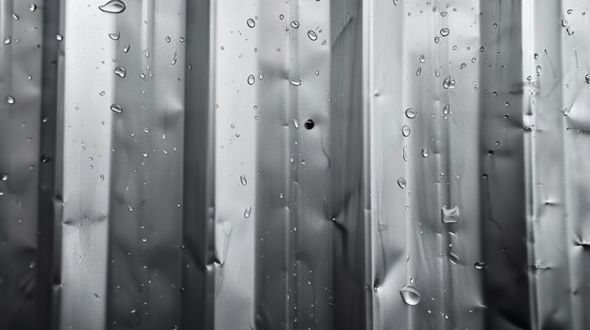
metal roof hail damage

Hail damage insurance claims for metal roofs can vary based on the extent and type of damage. Insurance policies may cover damage caused by hail, so it’s crucial to understand the specific terms related to hail damage coverage. The claims can vary based on whether the damage is considered cosmetic, such as dents or structural. In cases where dents lead to cracking paint or substrate perforation, they may be deemed a failure and thus covered by the policy.

However, cosmetic damage exclusions can reduce insurance premiums but exclude coverage for aesthetic damage from hail that does not impair the structural integrity of the metal roof. This can lead to reduced premiums and a lack of coverage for such damage. To avoid misunderstandings about coverage limitations, homeowners must engage in detailed discussions with their insurance providers before agreeing to hail damage waivers.

Potential Discounts for Impact-Resistant Roofs

Opting for an impact-resistant metal roof offers the potential benefit of insurance premium discounts. Metal roofing systems with a Class 4 rating for impact resistance, recognized under the UL 2218 standard, may lead to reductions in homeowners insurance premiums. Homeowners in hail-prone regions could potentially save up to 30% on their insurance premiums by installing a Class 4 impact-resistant metal roof.

Although not mandatory in every state, an increasing number of insurance providers are offering discounts for homes equipped with impact-resistant roofs. To acquire an insurance premium discount, homeowners must verify that their metal roof meets specific UL or FM impact resistance standards and may need to fill out a discount eligibility form. This is another reason why choosing the right metal roofing material can make a significant difference in the long run.

Metal Roof Summary

Whether you’re a homeowner or a business owner, understanding the nuances of metal roof care is crucial to prolonging its lifespan and maintaining its appeal. From understanding the common causes and signs of damage, such as hailstorms, wind, and corrosion, to preventative measures like proper installation, regular maintenance, and protective coatings, each aspect plays a significant role in maintaining the health and longevity of your metal roof.

Choosing the right metal roofing material, understanding your climate and weather conditions, and keeping insurance considerations in mind are equally important. Remember, a well-maintained metal roof isn’t just a cover over your head—it’s a testament to the strength and resilience of your building, capable of withstanding the test of time and the elements. So why not give it the care it deserves?

Metal Roofing Damage FAQ’s

Read ‘An In-Depth Look at Metal Roofing‘ for more insight. But read below for the most common metal roof damage questions we hear:

Do metal roofs damage quickly?

Metal roofs are highly durable, but their unique characteristics can cause significant damage over time if left unaddressed. Regular maintenance is vital in preventing this.

What is considered functional damage to a metal roof?

Functional damage to a metal roof is any damage that affects its ability to shed water or form a barrier to the elements. This includes damage caused by hailstorms.

Does insurance cover metal roofs?

Yes, insurance typically covers metal roofs and may even offer a discount for their installation.

What is the role of protective coatings and treatments in preventing metal roof damage?

Protective coatings and treatments are crucial in preventing metal roof damage by shielding the roof from environmental elements, preventing corrosion and rust, and enhancing thermal performance.

How can I repair dents and punctures in my metal roof?

To repair dents in your metal roof, use a rubber mallet for small dents and a body filler for larger ones. For punctures, use a metal patch sealed with urethane sealant for a lasting fix.

Atlanta Commercial Roofing Contractors
Atlanta, GA
(404) 220-9288

The post Metal Roof Damage appeared first on atlantacommercialroofingcontractors.com

Sunday, January 28, 2024

Metal Roofing Pros and Cons

Metal roofing offers durability and sustainability but presents challenges like higher initial costs and noise. In this exploration of metal roofing pros and cons, we provide clear insights to help guide your roofing choice without unnecessary complexity.

metal roof with solar panels

Key Takeaways

  • Metal roofing offers a long lifespan, strong weather resistance, and adaptability and is made from eco-friendly, recyclable materials – often integrating well with solar panel installations.
  • Metal roofing has certain drawbacks, such as higher upfront costs, louder noise during rain, and susceptibility to denting, which can be mitigated with proper installation and maintenance.
  • Metal roofs provide a range of customization options, from diverse material choices like steel, aluminum, copper, and zinc to a wide color palette and various profile designs suiting different architectural styles.

The Benefits of Metal Roofing

Regarding roofing options, metal roofing stands out for its impressive lifespan, weather resistance, and eco-friendly materials. Let’s delve a bit deeper into these advantages.

1. Impressive Lifespan

Undeniably, metal roofs, including metal shingles, have a remarkable lifespan, outlasting traditional asphalt shingles for several decades. The properties of a metal roof are inclined to resist large volumes of rainwater and the typical resulting rot, mold, and mildew. This longevity reduces the need for frequent replacements, making metal roofs a sound investment for some property owners.

2. Weather and Fire Resistance

metal roof withstanding heavy snow

Despite the severity of weather conditions, metal roofing remains resilient. With the ability to withstand strong winds, hail, and heavy snow, metal roofs offer reliable protection for your property. Some might wonder if metal roofs attract lightning, but this concern is just a myth and should not overshadow the numerous benefits of metal roofing. In addition, metal roofing systems are noncombustible and resist fire. For this reason, properties like restaurants that have frequent open flames may want to consider the benefit of a metal roof.

3. Pitch Adaptable and Weight Efficient

Metal roofs are conducive for low-pitch roofs, whereas conventional shingles will leak when there is a minimum roof pitch. Also, metal roofing is lighter than alternate durable roofing systems, therefore not having an impact or compromising the engineering of the support structure.

4. Eco-Friendly Materials

recycled content in metal roofing materials

With sustainability being paramount in our modern world, metal roofs don’t disappoint. Made from eco-friendly materials, often containing a high percentage of recycled content, energy-efficiency metal roofs are also 100% recyclable at the end of their life. They also provide an ideal surface for solar panels, enhancing their eco-friendly appeal.

The Drawbacks of Metal Roofing

Despite the numerous benefits of metal roofs, there are also some cons of metal to consider. These include a higher initial cost, potential noise, susceptibility to denting, and problems arising from inept installers.

1. Higher Initial Cost

metal roof cost comparison

Although metal roofs offer many long-term benefits, they come with a higher upfront cost than asphalt shingles. This is their most significant con; however, their durability and energy efficiency may offset this expense over time if the property remains in possession by the same owner.

2. Noise Concerns

The sound of rain on a metal roof can be a concern but don’t be too quick to dismiss this option. With proper insulation and installation, the noise can be significantly reduced.

3. Denting and Damage

dented and damaged metal roof

Even though metal roofs are durable, they can still sustain dents and damage from hail or falling debris. Also, the necessity to service chimneys, satellite dishes, HVAC units, vent pipes, generators, and other equipment can require technicians on your roof. Property owners with high traffic roofs be aware, however, with proper maintenance and care, this can be minimized.

Tip: In a region prone to violent hail storms, consider a heavier, thicker gauge metal to prevent severe denting and damage during storms.

4. Poor Installation Causes Leaks

Poor workmanship during installation can surely lead to a leaking roof. As the hot and cold weather causes the metal roofing system to expand and contract, causing fasteners to come loose and create space for water to penetrate the structure. Manufacturer’s instructions must be carefully followed, and an experienced and professional roofing contractor will help prevent future headaches and save you money and frustration in the long run.

Tip: A maintenance contract for your metal roof is always suggested, as the better maintained a roof is, the longer it will last.

Material Options for Metal Roofing

The diversity of metal roofing materials, including metal roofing panels, is another appealing aspect of metal roofing. These roofing material options include steel, aluminum, copper, and zinc, each with its own set of benefits and drawbacks.

Steel Roofing

Steel roofing is a popular choice due to its strength and durability. Plus, options like galvanized and Galvalume steel offer added corrosion resistance, making it an excellent choice for many properties.

Aluminum Roofing

Aluminum roofing, while more expensive than steel, is highly corrosion-resistant, making it an excellent choice for coastal areas. Plus, its lightweight nature makes it easier to install.

Copper and Zinc Roofing

Copper and zinc roofing materials offer a distinctive look for those seeking a more unique aesthetic. While they come with a higher price tag, their exceptional longevity and stunning appearance can make them worth the investment for a certain demographic.

For more insight into the costs of these metal roofing systems, see this in-depth look at metal roofing article.

Customization and Aesthetic Appeal

The broad spectrum of customization possibilities is another notable advantage of metal roofing. From color choices to profile selection, you can achieve the desired look for your property.

variety of metal roofing materials

Color Choices

Metal roofs come in various colors, allowing you to match your roof to your property’s exterior. Whether you prefer a classic black or a vibrant red, there’s a color to suit every taste.

Profile Selection

Beyond color, the profile of your metal roof can significantly impact its overall look. Some popular profiles for metal roofs include:

  • Standing seam
  • Corrugated
  • Ribbed
  • Shingle
  • Tile

From profiles that mimic traditional materials like wood shakes and clay tiles to those with a modern edge, the options are endless.

Installation Considerations and Challenges

Despite the advantages of metal roofing, there are also installation factors and challenges to consider. These include the need for professional expertise, such as hiring metal roofing pros and understanding potential restrictions from homeowners associations. In this context, it’s essential to weigh the roofing pros and cons before making a decision.

Expertise Required

Installing a metal roof is not a DIY project. It requires skilled professionals to ensure the roof is properly installed, preventing issues such as leaks or poor performance.

Potential HOA Restrictions

Before installing a metal roof, it’s important to check with your local homeowners association for any restrictions. This can save you from potential headaches down the road.

Metal Roofing in Coastal Areas

Metal roofing is a viable choice for residents of coastal areas. With corrosion-resistant materials and protective coatings, your roof can withstand the unique challenges of coastal living.

metal roof home in coastal area by the beach

Corrosion Resistance

In coastal environments, salt air can cause rust and deterioration. However, corrosion-resistant materials like aluminum, copper, and zinc can withstand the harsh marine environment, ensuring your roof lasts for years.

Protective Coatings

Protective coatings can be applied to further enhance the corrosion resistance of your metal roof. These coatings provide an extra layer of protection against the elements, ensuring your roof remains durable and long-lasting.

Metal Roof Pros and Cons Summary

To wrap up, metal roofing offers numerous benefits, including durability, energy efficiency, and a wide range of customization options. However, it’s essential to consider potential drawbacks, such as higher initial costs and noise concerns, and to understand the installation requirements and potential HOA restrictions. For those living in coastal areas, corrosion-resistant materials and protective coatings can ensure your roof withstands the elements.

Metal Roof Frequently Asked Questions

These are a few of the most common metal roof FAQ’s:

What are the disadvantages of metal roofing?

Metal roofing can be as much as two or three times more expensive than other roofing materials, be noisy, and show inconsistent color match. It also faces the possibility of oil canning. Keep these factors in mind when considering metal roofing.

Is it worth it to put on a metal roof?

Yes, it’s worth investing in a metal roof due to its durability, longevity, potential energy savings, and increased property resale value.

Do metal roofs leak more than shingles?

No, metal roofs are less prone to leaking than shingles as long as they are installed correctly. This makes them a durable and low-maintenance choice for your roof.

What is the life expectancy of a metal roof?

On average, a metal roof can last between 40-70 years, with some materials like copper roofing lasting even longer. Multiple factors can affect the longevity of the roof.

What are the benefits of metal roofing?

Metal roofing provides durability, energy efficiency, low maintenance, and a long lifespan, making it an excellent choice for long-term protection and cost savings.

Atlanta Commercial Roofing Contractors
Atlanta, GA
(404) 220-9288

The post Metal Roofing Pros and Cons appeared first on atlantacommercialroofingcontractors.com
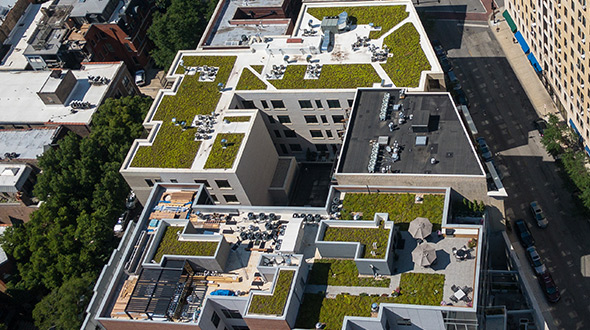
Can Roof Shingles Be Painted?

Many property owners wonder whether painting their roof is a viable way to refresh its appearance without the expense of a full replacement....