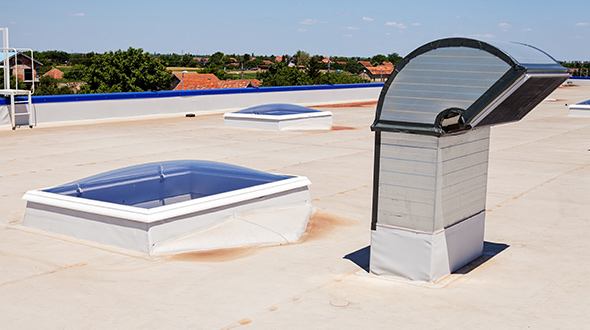
Tuesday, July 28, 2020

Commercial Roof Replacement

Commercial roof replacement process and roof types

Avoid unexpected, expensive surprises when you replace your worn out commercial roof. By knowing the variable costs in a commercial roofing system replacement, you can ask the right questions to get a more accurate idea of the project cost.

atlantacommercialroofingcontractors.com gathered information about commercial roof replacement, what aspects of the project are variable in cost, what you can expect to spend on a new roofing system, and some of the available commercial roofing types.

Commercial Roofing System Replacement

The replacement of a commercial roofing system is a rare event for building owners and managers. When a roof is installed and maintained correctly, it can last for decades before needing replacement.

The following information will help you reach an informed decision about how to project roof replacement cost variables, and which type of roofing system to install:

Commercial Roof Accessibility

When replacing your commercial roof, access to your property and the roof can impact project costs as much as the roof type. Consider the following:

Commercial Building Height – Roof replacement for a 2-story commercial building will be much less costly than a 10-story commercial building. This is due, in part, to the need for cranes to remove old roofing material and lift new material to the work area.

Access to Building Property – Property access also has an impact on the project. The ability to freely move equipment to the property near the building will influence the logistics and project cost.

Material Storage Areas – Material storage is also a determining factor. Large “lay down” areas near the building facilitate the logistics of the roofing project and can lower its cost.

Building Occupant Safety – Building occupancy can pose a series of challenges to the roofing project. The safety and productivity of the building’s occupants must be considered at all times. If this requires roof replacement activities to occur after regular business hours, additional costs will likely be added to the project.

The easier it is to access your roof, execute the removal of the old roof, and install the new commercial roofing system, the less costly the project will be.

Commercial Roof Substrate Condition

Roof replacement costs can be heavily influenced by the condition of the substrate material. A commercial roof substrate may be composed of:

  • A concrete, wood, or metal deck
  • Plywood or cover board
  • Insulation

Damages to the substrate must be repaired before roof replacement. This cost is a variable, as even the most experienced roofers with the best detection technology may not identify substrate damages until the old roofing materials are removed.
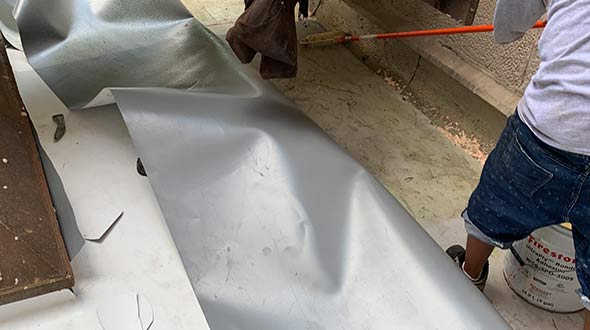
Commercial roofing substrate preparation

Local, Regional, and State Commercial Roofing Code Requirements

The location of your commercial building may make your roofing system subject to code requirements, including more robust fasteners at more frequent intervals, insulation, substrate, ventilation, and/or slope requirements.

An example of this would be commercial structures along the coast of Florida. Codes in these areas require commercial roofing systems to be designed to withstand higher wind loads. For these roofing systems, more durable fasteners at closer intervals would be required, increasing the cost of the roof replacement project.

Commercial Roof Load-Bearing Capacity

Another crucial factor in determining the cost of replacing your commercial roofing system is the calculation of its dead, live, and transient load capacity.

Calculating your roof load capacity is one of, if not the most crucial aspect when determining the construct of the roof’s substrate and selection of a roofing system. Your roof must be able to support its projected dead load (HVAC units, ducts, vents, exhaust units, etc.), live load (installers, repairmen, and technicians), and transient load (rain, wind, and snow).

Read more about commercial roof loads at atlantacommercialroofingcontractors.com/what-is-commercial-roof-load-why-you-need-to-know/

Commercial Roofing Types

No two roofs are the same. Thus, there are several commercial roofing systems to choose from. The following are some of the more popular commercial roofing types, installation information, and typical price range:

TPO, PVC, and EPDM Single-Ply Membrane Systems Can Cost from $3.50 to $8 per square foot

TPO, PVC, and EPDM are all known as single-ply roofing systems, they require fewer installation steps and are installed with a straightforward process:

  • The old roofing system is removed
  • The substrate is cleared of anything that may damage the selected membrane
  • The membrane is rolled out onto the roof
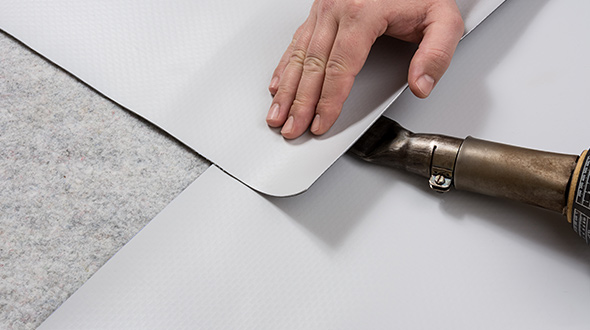
  • The membrane is then adhered to the roof using tape, glue, or heat (for thermoplastic material)
  • The membrane is also adhered to itself where its edges overlap
  • Protrusions are sealed
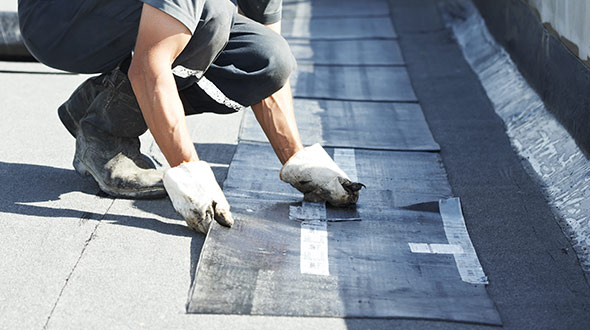
Commercial roofing single ply system

The time it takes to install a membrane, or single-ply roofing system also depends on the width of the membrane. The wider it is, the fewer seams there are to seal in the roofing system, which also leaves fewer opportunities for leaks and eventual substrate damage.

A BUR/Asphalt System Can Cost from $5 to $9 per square foot

Built-up roofing systems are among the oldest in modern times. BUR systems are durable and effective at resisting leaks while repelling water. The installation process occurs in the following steps:

  • The old roofing system is removed
  • Base sheets are laid down and attached to the roofing deck
  • Felt is then glued to the base sheets using an adhesive, concrete, asphalt, or tar
  • Gravel or cap sheets are installed over the felt
  • A top layer of asphalt completes the installation
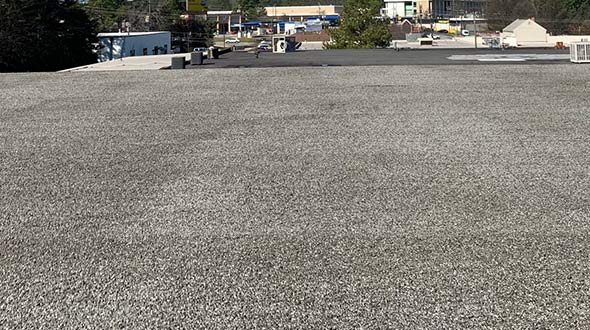
Commercial roofing built up system

A BUR system creates a robust roof, able to keep severe weather and the elements from entering the building it protects.

A Metal Roofing System Can Cost from $5 to $14 per square foot

One of the most long-lived roofing options (forty + years), metal roofing is also one of the more expensive options. The following details how a metal roofing system is installed:

  • The existing roof is removed
  • The roof deck is built/prepped (framework and insulation installation)
  • The flashing and eaves are installed
  • Metal panels are laid out and fastened to the roof deck (fastening depends on which material the panels are composed of; aluminum, copper, steel, etc.)
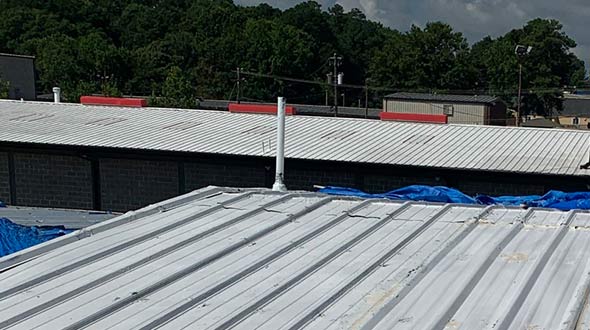
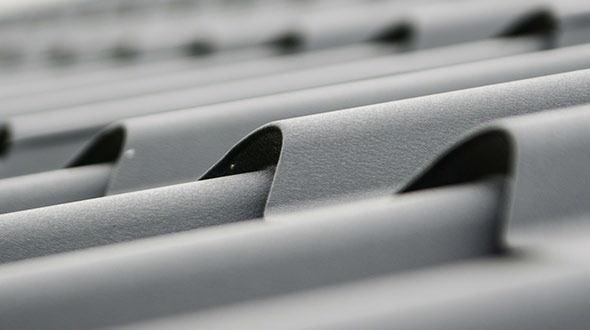
Commercial roofing metal panel roof

Metal roofing comes in panels or steel shingles. Steel shingles are installed in the same manner as slate, clay, or concrete shingles.

A Modified Bitumen System Can Cost from $4 to $8 per square foot

Modified bitumen is a result of the evolution of asphalt roofing. It is a form of membrane flat roofing. The system is durable and can sustain substantial foot traffic without wear. The following is the installation processes of a “torch-down” modified bitumen roofing system:

  • The existing roof is removed
  • The substrate is cleared of any debris
  • Heavy roofing felt is rolled out and nailed down
  • Flashings and primer are installed
  • The first sheet is rolled out along the edge of the roof for trimming and fitting
  • The sheet is then rolled back up
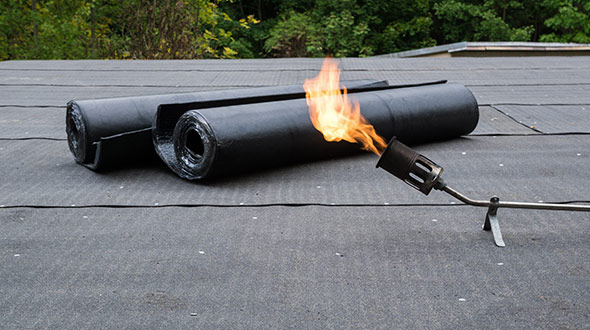
  • A torch is used to slightly melt the bitumen as the first sheet is rolled back out
  • Overlapping sheets are then applied in the same manner until the roof is covered and sealed
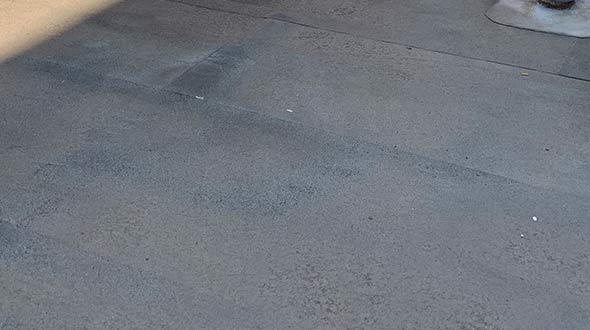
Commercial roofing modified bitumen system

Before selecting modified bitumen, verify that the existing substrate is compatible. Improper adhesion can lead to leaks and likely failure of the new modified bitumen system.

Disclaimer: The preceding price ranges are for comparative purposes only and should not be considered a part of any bid or quote for roofing installation, repair, or replacement.

Replacing Your Commercial Roofing System

In this article, you discovered information about replacing a commercial roofing system, the variables involved in calculating the cost, and commercial roofing types with their price ranges.

By knowing what to look for in a commercial roofing replacement estimate, you can avoid surprises by asking informed questions about installation variables.

When you choose to rely solely on a contractor’s bid or estimate, you may be in for a surprise when unforeseen damages and difficulties cause your roofing project to go quickly over budget.

Sources:
asphaltroofing.org/bur-multi-ply-built-up-roofing/
roofcalc.org/metal-roofing-prices/
nrc.gov/docs/ML1214/ML12146A122.pdf

The post Commercial Roof Replacement appeared first on atlantacommercialroofingcontractors.com

Tuesday, June 30, 2020

Commercial Roof Coatings

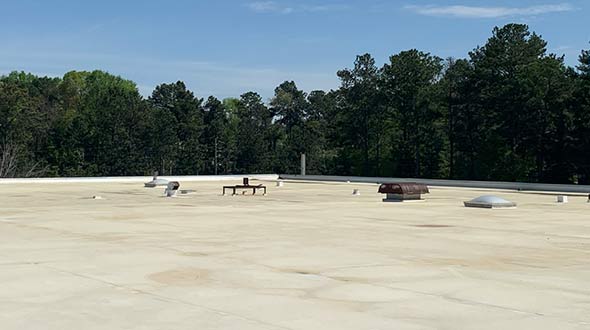
Commercial roof coating being applied with a roller on a flat roofing system

Prevent your failing commercial roof from shuttering your business, costing you valuable time and money. Commercial roof coatings can extend the life of your current roofing system by twenty years or more,

atlantacommercialroofingcontractors.com gathered information about commercial roof coating purpose, benefits, installation, types, and maintenance for you to make informed decisions when your commercial roof needs attention.

Commercial Roof Coating Purpose

The purpose of commercial roof coatings is to improve the performance of your roof and increase its lifespan.

Commercial roof coatings protect your property by creating a seamless layer of protection that self-adheres to your existing roofing system. The majority of these coatings are reflective and do not absorb UV rays, keeping your roof and property cooler (making your roofing system a “cool roof”), saving energy and money.

Commercial Roof Coating Benefits

As previously mentioned, commercial roof coatings can help you save money by reflecting UV rays. The benefits don’t stop there, consider the following when determining if a roof coating is the right choice for your building:

No Leaks – Commercial roof coatings eliminate leaks from your roofing system. You may rarely wind up with a leak, but they are easy to fix.

Cool Roof – High solar reflectance (albedo) is the most critical characteristic of a cool roof as it reflects sunlight and heat away from a building, reducing roof and internal temperatures. A high thermal emittance also positively contributes to lowering heat-island temperatures in climates that are warm and sunny.

These properties help roofs to absorb less heat and remain up to 50–60°F cooler than conventional materials during the summer months.

Resistant To Ponding – When your roofing system’s drains get partially or entirely interrupted, water will back up and settle in the lowest areas of the roof. Due to the coating’s seamless application, water penetration is prevented until you can correct the problem with the drainage system.

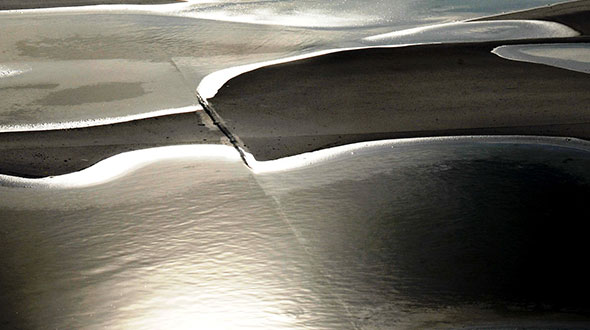
Commercial roof coating prevents leaks from ponding

Low-Cost Solution – A commercial roof coating application is an inexpensive alternative to roof replacement that, when properly applied, can significantly extend the life of your roofing system, making its cost-benefit even greater.

  • $8,000 to $16,000 is the range you can expect to pay for a 1,600 square foot flat roof installation (materials and labor).
  • $1,040 to $8,000 is the range you can expect to pay for a 1,600 square foot roof coating application (materials and labor).

Longevity – Creating a watertight barrier over your original roofing material can extend its lifespan by as much as 20 years.

Versatility – Commercial roof coatings can adhere to a wide range of substrates. Occasionally, a primer is needed for the coating to adhere to the substrate (more on this below).

Easy Installation – When applying a commercial roof coating, contractors will save time and headaches. At the same time, building owners can get their roof revamped faster for less money and without interrupting operations within the building.

While there are impressive benefits associated with nearly every aspect of commercial roof coatings, if your roof has suffered catastrophic damages or has completely failed, it may be necessary to replace it altogether.

Read more about installing a new roof at atlantacommercialroofingcontractors.com/commercial-roof-installation/

Commercial Roof Coating Installation

A roof coating installation is a simple process. As mentioned above, it is one of the benefits. The following will bring into focus just how easy it truly is:

Roof Inspection – A roof inspection is the first step in this process, and the professional performing it will be looking for the following:

  • Storm, animal, or impact damages
  • Shrinkage (membrane roofing systems)
  • Damaged sheet metal (metal roofing systems)
  • Damaged flashing
  • Loose protrusions
  • Drain blockages
  • Pooling water
  • Previous or current leak damage
  • Structural integrity

These inspections are most effective when performed within 48 hours after rainfall.

Roof Repairs – Once your inspection is done, you’ll have a list of damages or irregularities to fix. Before you can apply a roof coating, all problems must be halted and removed. If a roof coating is applied to a roof with wet insulation, loose protrusions, structural problems, etc., those problems will be sealed in and continue to cause problems.

Clean the Roof – Once all repairs are complete, the final activity before installation is to clear the roof of:

  • Tools and equipment
  • Debris
  • Dirt
  • Oil/Exhaust buildup
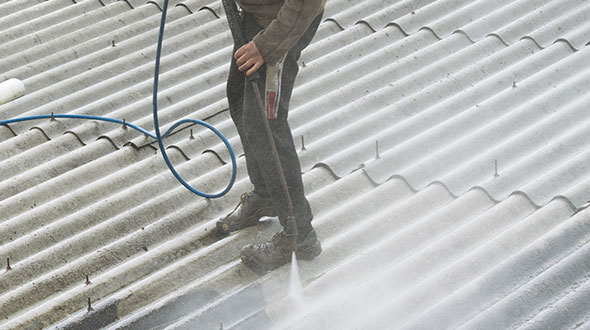
Commercial roof power washing before protective coating application

Remove everything that is not a part of the roofing system. Using a power-washer, brooms, and industrial vacuums are effective ways of cleaning your roof before coating application.

Install the Roof Coating – After the roof has been inspected, repaired, and cleaned, your roofer can properly apply your roof coating. Coatings can be applied by rolling them on or spraying them on the roof’s surface. Done correctly, the coating will cure over 24 hours, leaving your roofing system rejuvenated and sturdy for up to 20 years.

Commercial Roof Coating Types

The following are common types of roof coating that can be applied to your existing commercial roofing system:

Acrylic Coatings – Acrylic coatings come in solvent and water-based formulas, and the qualities of the coating depend on the selected formula. Acrylic coatings have outstanding weathering properties and reflect UV rays. The selection of a formula depends on the type of the roof, adhesion, regional temperature fluctuations, etc.

Silicone Coatings – Silicone coatings are commonly applied in regions subject to an abundance of rain, leaving the roof wet for long periods. These coatings are also highly effective at reflecting UV rays, helping commercial structures stay cool.

Butyl Elastomeric Coatings – Butyl elastomeric coatings are made from butyl rubber and possess excellent flex properties, adhesion to multiple substrates, and resistance to most weather and temperature conditions.

Read more about butyl elastomeric coatings at atlantacommercialroofingcontractors.com/butyl-elastomeric-roof-coating-explained/

Polyurethane Coatings – Polyurethane coatings are solvent-based and come in either aromatic or aliphatic variations. Polyurethane coatings have high abrasion resistance traits and are preferred on roofing systems with high foot traffic or regions that experience frequent hailstorms.

Commercial Roof Coating Maintenance

Should you acquire a maintenance program to cover your roof coating and roofing system?

Yes. In the same way you would contract a professional roofing service to maintain your roof without a roof coating, you should acquire an equivalent maintenance program once your roof coating is installed. Some of the benefits include:

  • Bi-annual inspections
  • Emergency inspections after severe weather
  • Light maintenance and repairs
  • Preventive maintenance
  • Gutter and drain cleaning
  • Debris removal

For more in-depth information about maintenance programs and services, read atlantacommercialroofingcontractors.com/maintenance-programs-services/

Commercial roof maintenance before applying a protective coating

Commercial Roof Recoating

One of the added benefits to getting a roof coating is that once you near the end of its lifespan, you can have it recoated, adding another 15 to 20 years to the life of your roofing system.

Note: Some municipalities have codes that address commercial roof recoating and may limit the number of times a roof can be coated before requiring repair or replacement. Visit your city’s website and search for “roofing codes” or call their “Office of Buildings/Construction” for more information.

Coating Your Commercial Roof

In this article, you discovered information about the purpose, benefits, installation, types, and maintenance programs associated with commercial roof coatings.

By informing yourself about commercial roof coatings, you can make well-informed decisions when it’s time to address roofing issues, or take action to prevent them.

Allowing your roof to remain fully exposed to the elements can dramatically reduce its lifespan, leading to premature problems and failure. Significant problems or premature replacement can lead to you exceeding your roofing budget and costing your company capital that could be used in other areas.

Sources:
homeadvisor.com/cost/roofing/seal-a-roof/
roofcalc.org/flat-roof-calculator/
henry.com/fileadmin/pdf/current/tds/HE280DC_techdata.pdf
www2.epa.gov/heat-islands/using-cool-roofs-reduce-heat-islands

The post Commercial Roof Coatings appeared first on atlantacommercialroofingcontractors.com

Sunday, May 31, 2020

Commercial Roof Installation

Commercial roofing system installation

Don’t let the wrong roofing system or a poorly installed one cripple your business. Knowing what goes into installing or replacing a commercial roof will help you make informed decisions when it is time to act.

atlantacommercialroofingcontractors.com gathered information about commercial roof installation, replacement, and answers some common commercial roofing FAQs.

Commercial Roofing System Installation

Installing a roof on a new commercial building or replacing an old one may seem procedurally simple enough. However, some roofing system installation differences should be addressed.

TPO, PVC, and EPDM Membrane System Installation

Also known as single-ply roofing systems, these systems require fewer steps and are installed with a relatively straightforward process:

  1. The roof is cleared of any material that may damage the membrane
  2. The membrane is rolled out onto the roof (single-ply roofing material typically comes in rolls)
  3. The membrane is then adhered to the roof using tape, glue, or heat (for thermoplastic material)
  4. The membrane is also adhered to itself where its edges overlap
  5. Protrusions are sealed

The time it takes to install a membrane or single-ply roofing system will also depend on the width of the material. The wider the material is, the fewer seams in the roofing system, which also translates to fewer opportunities for leaks and roof failure.

Elastomeric Coatings and Spray Polyurethane Foam (SPF) System Installation

Both Mesh Reinforced Elastomeric Coatings (MREC) and SPF coatng systems are intended to extend the life (up to 20 years) of an existing roofing system. Their installation includes:

Mesh Reinforced Elastomeric Coatings (MREC) – Composed of acrylic, elastomeric, and polyester reinforcing mats, MREC mats are applied in multiple layers until the desired thickness is reached.

Sprayed Polyurethane Foam (SPF) – SPF coatings may be acrylic, polyurethane, silicone, aggregate, or mineral granules. SPF coatings are sprayed onto a roof and should be applied by skilled workers.

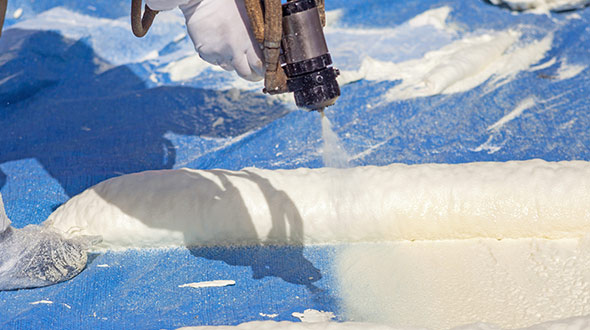
Commercial roof sprayed polyurethane foam installation
  • SPF can be applied directly to the roof deck or existing roofing system
  • An SPF membrane is created by spraying a two-part liquid material onto the substrate
  • The mixture expands and solidifies creating a waterproof polyurethane foam

Besides the protective nature of SPF coatings, the thickness and slope of the roof can be controlled during application.

BUR/Asphalt System Installation

Built-up roofing systems are among the oldest roofing processes in modern times. BUR systems are durable, they look nice, and are effective at resisting leaks and repelling water. The installation process occurs in four steps:

  1. Base sheets are laid down and attached to the roofing deck
  2. Felt is glued to the base sheets using adhesive, concrete, asphalt, or tar
  3. Gravel or cap sheets are then installed over the felt
  4. A final layer of asphalt completes the installation process

A properly installed BUR system creates a virtually impenetrable roof, able to keep severe weather and the elements from getting into the building it protects.

Modified Bitumen System Installation

Modified bitumen is an evolution of asphalt roofing that is a form of membrane flat roofing. The roofing system can sustain substantial foot traffic without wear. The following are the installation processes of torch-down and peel-and-stick modified bitumen roofing systems:

Torch-Down Modified Bitumen

  1. The roof is cleared of debris
  2. Heavy roofing felt is installed and nailed down
  3. Flashing and primer are installed
  4. The first sheet is rolled out along the edge of the roof (trimmed and fitted)
  5. The sheet is rolled back up
  6. A torch is used to slightly melt the bitumen as the sheet is rolled back out
  7. Overlapping sheets are applied in the same manner until the roof is covered and sealed
Commercial roof torch down modified bitumen installation

Peel-and-Stick

  1. The roof is cleared of debris
  2. Heavy roofing felt is installed and nailed down
  3. Flashing and primer are installed
  4. The first sheet is rolled out along the edge of the roof (trimmed and fitted)
  5. The sheet is rolled back up
  6. The protective film is removed to expose the adhesive and rolled into place
  7. Sheets are overlapped by about six inches until covering the entire roof
  8. The system is pressed into place using a weighted roller
  9. The roof edges are sealed with roofing cement and rolled again to seal the layers together

Before installing modified bitumen, verify that the existing material on the roof is compatible (previous systems using rubber can be eaten away, causing weaknesses and potential failure of the new modified bitumen system).

Metal Panel Roofing System Installation

One of the most durable roofing options (up to forty years), metal roofing is also one of the more expensive options. The following detail how a metal roofing system is installed:

  1. The existing roof may need to be removed (depending on municipal codes and/or roof load capacity)
  2. The roof deck is prepared (framework and insulation installation)
  3. Flashing and eaves are installed
  4. Metal panels are laid out and fastened to the roof (how they are fastened depends on which material the panels are composed of; aluminum, copper, steel, etc.)

Metal roofing can be installed using panels or steel shingles. Steel shingles are installed the same way as slate, clay, or concrete shingles.

Commercial metal roofing system installation

New Commercial Building Roofing System Installation

A commercial building’s roof is its primary defense against damaging weather and natural hazards. Architects, builders, and building owners decide early in the designing stages which roofing system will be installed. Some of the factors that lead to a decision are:

  • What equipment will be installed on the roof
  • What is the needed roof load
  • What type and how many protrusions will be needed (vents, exhaust pipes, skylights, drains, etc.)
  • How and where will the roof shed water
  • What is the expected foot traffic on the roof (walkways and reinforcements may be required)
  • What is the anticipated lifespan of the roofing system
  • Which commercial roofing system offers the best performance for future building activities (the roof used for an office building may not serve that used for a restaurant)
  • Regional weather patterns (wind, rain, snow, hail, ice, and heat)
  • Natural disasters (tornadoes, hurricanes, wildfires, earthquakes, etc.)

Many regions across the country experience one sort or another of natural disasters or recurring weather events. In many cases, these regions have developed laws or ordinances that require specific materials to be used when installing a new commercial roofing system.

Read more about what a commercial roof load is at atlantacommercialroofingcontractors.com/what-is-commercial-roof-load-why-you-need-to-know/

Replacing A Commercial Roofing System

For building managers, replacing a commercial roofing system is a rare event to see in one’s career. A well-installed and maintained roofing system can last decades before needing replacement.

When it comes time to replace the roof on your commercial building, the following steps will help you hire the right contractor to install the right roof for your building’s needs.

Bidding Process: Request bids from at least 3 contractors. By doing so, you can compare their prices, suggestions, more importantly, their work history, quality, and online reviews.

Roofing System Selection: The roofing system you select should accommodate the structure and purpose of your commercial building. An honest, professional roofer will help you determine which roofing system will serve your building best and advise you whether or not replacement is necessary.

Selecting a roofing system for your commercial building will require you to determine the best fit for your building, which system fits within your budget, which one offers the best protection and durability, and which maintenance program makes the most sense.

Roofing System Tear Off: If your current roof has reached the end of its life, it must be removed before installing a new one. This process exposes any flaws or defects in the roofing deck, which must be addressed before installing a new roof.

Roofing System Installation: Since every roofing installation is unique, a definitive installation timeline is difficult to project. The following should be taken into consideration when determining how long your installation will take:

  • Roof deck repair (if required)
  • The type of commercial roofing system
  • The size of the roof (the larger the roof, the longer it will take)
  • Unexpected weather events

Sometimes, when a permit is required to replace your roof, there may be stipulations that affect how and when the work can be done. To avoid delays, fines, and further punitive measures, permit requirements must be adhered to at all times.

Roofing System Guarantees, Warranties, and Maintenance Programs: Once your roofing system installation is complete, you should receive a:

  • Guarantee covering the installation of your roof
  • Warranty covering parts and materials
  • Maintenance program proposal from your roofer to periodically perform inspections and minor repairs

Read more about what goes into a commercial roofing maintenance program at atlantacommercialroofingcontractors.com/maintenance-programs-services/

Commercial Roofing System FAQs

The following are answers to common FAQs based on general roofing information. Since no two commercial roofing systems are exactly alike, your specific situation may require further investigation for a more accurate response.

Question: How long will a commercial roofing system last?

Answer: A well-installed and maintained commercial roofing system can last from 30 years to the life of the structure it protects. The longevity of a roof depends mostly on the quality of its materials, installation, and maintenance program.

Question: My roof is leaking, what should I do?

Answer: Immediately contact your roofer. Whether you have a maintenance program or not, leaks must be addressed immediately to prevent structural damage to the roofing system and building.

Commercial building roof leak evaluation for replacement

Question: What is the difference between a commercial and residential roof?

Answer: Similar roofing systems can be applied to both commercial and residential structures. However, most commercial roofs will require a higher roof load to support HVAC and other equipment. They may appear very similar but are structurally different.

Read more about why you need to know your commercial roof load at atlantacommercialroofingcontractors.com/what-is-commercial-roof-load-why-you-need-to-know/

Commercial Roofing System Installation Process

In this article, you discovered information about new commercial building roof installation, commercial roofing replacement, and answers to common roofing questions.

By knowing what is involved in the commercial roofing installation or replacement process, you can make informed decisions when it’s time to select a roofing contractor and the best roofing system for your commercial building.

Not knowing what to do when you need a new roof can lead to the wrong roof installed, possible municipal code violations, expensive fines, and continuous roofing maintenance problems.

Sources:
wbdg.org/guides-specifications/building-envelope-design-guide/roofing-systems
buildings.com/article-details/articleid/4937/title/the-basics-of-roof-maintenance
asphaltroofing.org/bur-multi-ply-built-up-roofing/
whysprayfoam.org/spray-foam/roofing-systems/
amtrustfinancial.com/getmedia/7d774cf7-d8f4-455f-8b0d-a0d03a1c23fb/IBHS-Commercial-Roof-Best-Practices-Guide.pdf

The post Commercial Roof Installation appeared first on atlantacommercialroofingcontractors.com

Tuesday, April 14, 2020

Commercial Roof Collapse Warning Signs

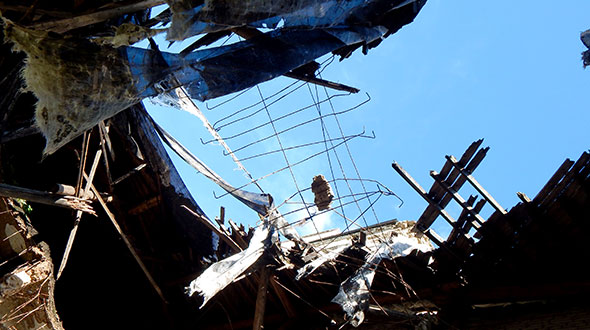
Damaged commercial roof collapse

Avoid catastrophic financial loss and indefinite business closure from a collapsed roof at your building or commercial property. By knowing the signs that indicate an imminent roof collapse, and what preventative measures you can take.

atlantacommercialroofingcontractors.com gathered information about the signs that precede a roof collapse and what you can do to prevent it.

Sagging Roof or Ceiling

Contact your roofing company immediately if your ceiling and/or roof starts to sag. This is an alarming sign of structural failure that needs to be investigated and corrected before your roof fails altogether.

If you do not have a roofer, read Commercial Roof Repair, Insurance Claims, and Hiring Contractors to learn what qualifying questions to ask and what attributes to look for when hiring a roofing contractor.

My Roof Is Leaking or Signs of Water on the Ceiling

A leaking roof is never a good sign. Roof leaks are evidence that water is reaching your roof’s support structure and potentially causing devastating damages.

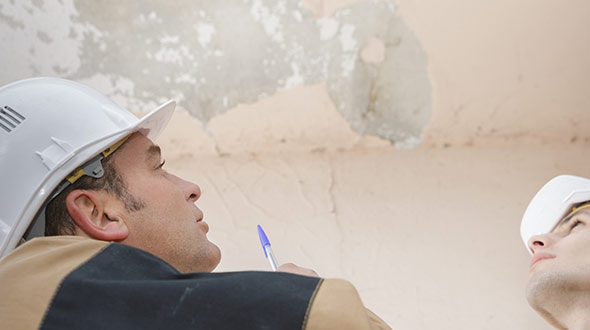
Once you spot a leak, you should have your roofer identify the source and evaluate the extent of structural damage sustained, if any.

Note: Any time your roof is leaking is cause for alarm. This problem needs to be fixed fast.

Sprinkler Heads and Ceiling Tiles Out of Alignment

If you notice your ceiling tiles or sprinkler heads out of alignment, your ceiling has shifted. Your ceiling isn’t supposed to move. If you notice a misalignment of your ceiling tiles or sprinklers, you need to find out why and correct it fast.

Doors and Windows Have Become Difficult to Open or Close

Similar to ceiling tiles or sprinkler heads out of alignment, if your doors and windows have become increasingly difficult to open or close, structural shifting has likely occurred.

If this is the case, this shifting can cause your roof’s support system to buckle and fail. Ironically, when you detect a problem with doors and windows, immediately call your roofer.

Cracks in The Exterior Walls of The Building

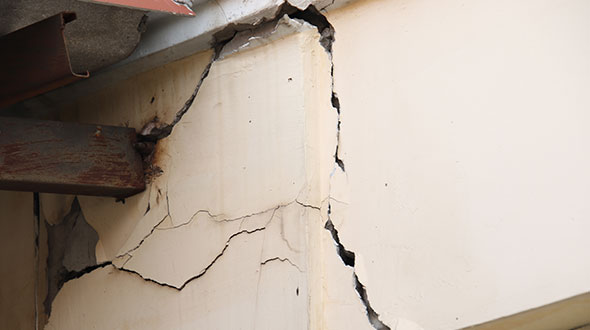
Cracks in the masonry on the exterior of your building are a clear indication that something is terribly wrong structurally. Among other possibilities, it could be a signal that your roof has become unstable and nearing failure.

Commercial roof collapse warning signs

To avoid catastrophic damages, have the building engineers inspect the structure and get your roofer on the scene to evaluate the integrity of the roof.

Note: Cracks in the interior walls, support columns, and/or ceiling also indicate severe structural problems. These cracks don’t happen without reason and should be promptly investigated.

Severe Weather Damage

Depending on the region you are located in, many weather-related factors can cause or contribute to the failure of your roof:

• Hurricanes
• Tornadoes
• Wind Storms
• Hail Storms
• Wildfires
• Snow Accumulation
• Extreme Temperature Fluctuations

Your roof should be inspected immediately following such weather events. In fact, if you have enough advance warning, have your roof thoroughly examined beforehand.

Note: If you live in areas prone to specific weather events, make sure that your roof/building insurance will cover damages from such events.

Read more about insurance claims following storm damage at atlantacommercialroofingcontractors.com/commercial-roof-storm-damage-insurance-claims/

New Equipment Installation

The installation of new or updated equipment on your roof may add considerable weight to it. In some cases, you may exceed your commercial roof load and put the integrity of your roof and building at risk.

Equipment on commercial roof contributing to an impending collapse

When planning to install equipment on your roof, calculate your roof’s dead load, live load, and transient load capacity to avoid exceeding your total roof load capacity.

Read more about why you should know your commercial roof load at atlantacommercialroofingcontractors.com/what-is-commercial-roof-load-why-you-need-to-know/

Ponding Water

Ponding water may occur from clogged drain systems, a poorly installed roof, or a poorly maintained roof. Regardless of the reason, ponding water adds an incredible amount of weight to your roof structure.

In fact, one gallon of water weighs 8.34 pounds (100 gallons of rainwater can add 834 pounds of dead weight to your roof). When this water accumulates and persists, your roof’s load may be exceeded and lead to its failure.

Creaking and Popping Sounds

Some people believe that popping and creaking sounds are normal in buildings and simply dismiss them. Never assume that your building is just settling. If you hear these types of sounds, have your building engineer and roofer investigate them immediately, they may be occurring because of structural defects or failure.

The Building Has Shifted

If the following signs occur, it may be an indication that your building has shifted:

• The floors have become uneven
• The building “feels” like it has tilted
• Support columns and vertical installations appear to be angled

If your building has shifted on a structural level, there is a risk that your roof will suffer complete failure. Not to mention the risk of your building collapsing.

When the signs mentioned above are noticed, even in the slightest, your building engineer should be called to immediately investigate the cause.

Commercial roof inspection to prevent collapse

Commercial Roof Collapse

If your commercial roof collapses, you will be forced to stop all production and completely close the building until your roof is replaced, and OSHA inspectors allow its occupation.

Your insurance claim can be denied if the insurance adjuster finds that the collapse was due to a lack of maintenance or a structural failure that could have been prevented.

Read about why commercial roofing maintenance programs are necessary and how they save you money at atlantacommercialroofingcontractors.com/maintenance-programs-services/

Signs of A Potential Roof Collapse

In this article, you discovered many of the signs that indicate an imminent roof collapse and what you can do to prevent it from happening.

By recognizing roof failure warning signs and promptly resolving them, you are protecting your business’ assets and avoiding a potentially lethal situation.

Your failure to act on signs of your roof’s structural failure can result in catastrophic production and financial losses when the roof collapses.

Sources:
eng-resources.uncc.edu/failurecasestudies/building-failure-cases/hartford-civic-center/
fo.umich.edu/pdf/Protecting_Buildings_from_Freeze.pdf
web.wpi.edu/Pubs/E-project/Available/E-project-081409-132533/unrestricted/IQP-Final.pdf
citeseerx.ist.psu.edu/viewdoc/download?doi=10.1.1.531.7105&rep=rep1&type=pdf

The post Commercial Roof Collapse Warning Signs appeared first on atlantacommercialroofingcontractors.com

Monday, March 23, 2020

Commercial Flat Roof Problems And Solutions

Commercial flat roof debris problem

Allowing problems with your commercial flat roof to persist, may cause it to fail, resulting in devastating financial and productivity losses. Knowing how to address and solve problems with your flat roof will help it far exceed its life expectancy and save you money in the long run.

atlantacommercialroofingcontractors.com gathered information about commercial flat roof problems and what you can do to solve them.

Ponding Water – Flat Roof Problem

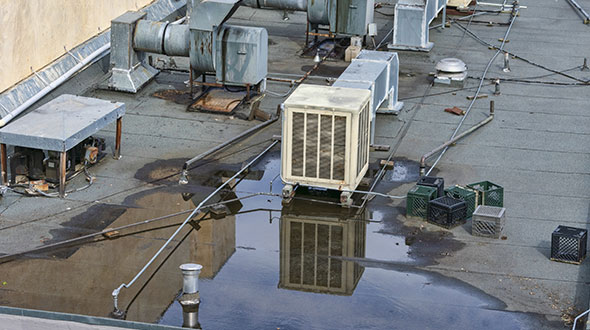
The majority of flat roofs are not “flat.” They have just enough of a pitch or slope to drain water from the roof. When water is obstructed by debris or misdirected by damages in the roof, it will naturally find low points in the roof to pond.

If ponding water is left on the roof, it can cause leaks, moss, and algae growth and result in severe damages to the roofing system.

Ponding Water Solutions – The following are actions you can take to correct and prevent water from ponding on your flat roof:

• Keep the roofing system, and all drains free from debris and stored equipment/supplies
• Inspect your roof frequently and immediately after severe weather
• Maintain a commercial roofing maintenance program
• Immediately call for repairs when you detect a problem with your roof (no matter how insignificant it may appear to be)

Read more about commercial roofing programs and services at atlantacommercialroofingcontractors.com/maintenance-programs-services/

Commercial flat roof with ponding water after severe weather

Tip: If your roofing system uses downspouts, check the entry at the roof connection and the exit at ground level. Make sure they are free of debris or anything that could block water from exiting the roof.

Debris – Flat Roof Problem

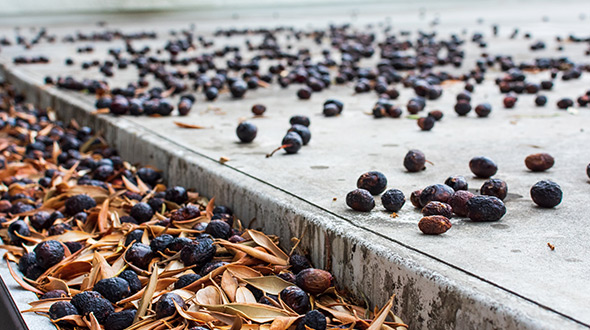
When debris (leaves, branches, dust, pollen, etc.) collect on your commercial flat roof, the damages they cause can grow exponentially if not removed quickly.

Debris can clog drains, create barriers that pond water, scratch or tear your roofing system membrane, hold moisture, and deteriorate the roof beneath.

Debris Solutions – The following actions will help you eliminate debris from accumulating and damaging your commercial roofing system:

• Hire a tree service to prune your trees away from the roof and remove dead or diseased limbs
• Inspect your roof frequently
• Create a roof cleaning (clearing) schedule that occurs between regular maintenance visits
• Avoid storing equipment and/or supplies on your roof

Note: When any equipment maintenance is performed on the roof, inspect the work and surrounding area upon its completion to ensure no tools or parts were left behind or unsecured.

Buckling – Flat Roof Problem

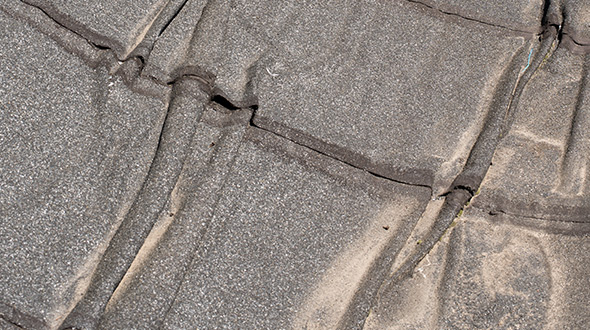
Buckling can occur if your commercial structure settles or shifts. A flat roof’s integrity relies on a continuous membrane, and that membrane will settle and shift with your structure, potentially causing it to buckle. The membrane may also buckle if your commercial flat roof was poorly installed.

Commercial flat roof buckling after severe temperature fluctuations

Buckling Solutions – Your first line of defense from a buckling roof membrane is early detection. This can be achieved by:

• Maintaining your commercial roofing maintenance program
• Following a frequent inspection schedule
• If you suspect that the building has settled or shifted, you should consult an engineer and have a building inspection performed.
• If you suspect that your roofing system is defective, consult your roofer and hold the installers accountable for their work.

Note: The impact of a tree falling on your building, a vehicle crashing into it, or heavy objects carried by severe weather systems can cause this commercial flat roof problem as well.

Shrinkage – Flat Roof Problem

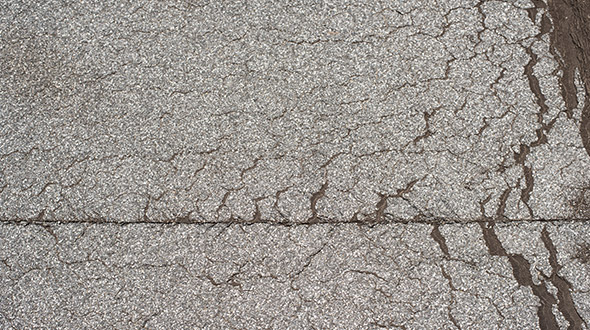
Also known as “alligatoring,” shrinkage occurs in regions where temperatures fluctuate from extremely cold to extremely hot and cause a flat roof membrane to crack, tear, and literally pull itself apart at its seams.

Shrinkage Solutions – While we cannot control the weather, like buckling, early detection of this problem is how to stop it or slow it down. Increase your roof inspection schedule during:

• Seasons with temperature swings between extreme cold and extreme heat
• Rainy seasons accompanied by hot weather

Commercial flat roof shrinkage problem

Note: Neglecting a shrinkage problem will lead to severe structural damage, leaks, and the potential failure of the entire roofing system.

Leaks – Flat Roof Problem

Leaks in your commercial flat roof can be caused by ponding water, debris, buckling, shrinkage, poor maintenance, improper installation, and much, much more.

Solutions for Leaks – You can solve leak issues on your commercial roof by eliminating the factors that cause them. However, one of your most essential tools in leak fixing and prevention is routine preventative maintenance.

For more information about commercial roofing leak problems, visit atlantacommercialroofingcontractors.com/3-leaky-roof-causes-solutions/

Flat Roof Problems

In this article, you discovered several commercial flat roof problems and what actions you can take to solve them.

By regularly inspecting and quickly resolving your flat roof problems, you may be adding years to the life of your roof, protecting your business operations, and maximizing your roofing investment.

Ignoring roofing problems or procrastinating solving them can result in catastrophic damages to your commercial property, workflow interruption, and significant financial losses.

Sources:
nachi.org/roofs.htm
thehelpfulengineer.com/index.php/2011/12/flat-roofs-common-problems-and-solutions/
citeseerx.ist.psu.edu/viewdoc/download?doi=10.1.1.680.9641&rep=rep1&type=pdf

The post Commercial Flat Roof Problems And Solutions appeared first on atlantacommercialroofingcontractors.com

Tuesday, February 25, 2020

Butyl Elastomeric Roof Coating Explained

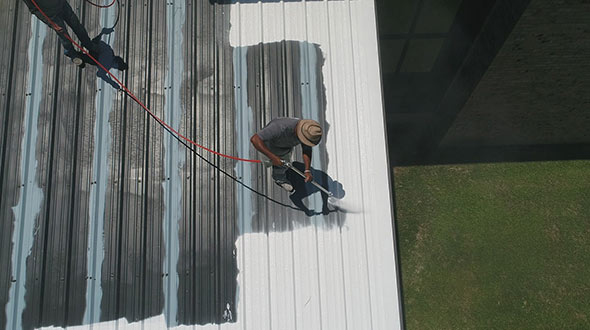
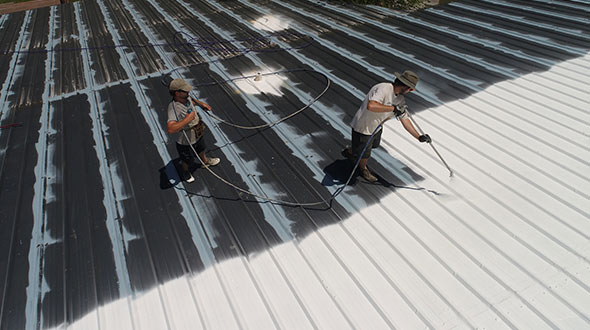
Roofers spraying butyl elastomeric coating on a commercial metal roof

Without a protective coating your roofing system may deteriorate prematurely and lead to repairs that can be avoided. By applying a butyl elastomeric roof coating, you are providing your roof with superior resistance to the elements and severe weather.

atlantacommercialroofingcontractors.com gathered information about the definition, application, and advantages of butyl elastomeric roof coatings.

What Is A Butyl Elastomeric Roof Coating

A butyl elastomeric roof coating is a liquid sealant applied to the entirety of your flat, metal roof, or single-ply membrane roofing system. This sealant is highly effective at preserving and protecting your roofing system from the elements, while substantially extending the life of your roof.

Isobutylene was discovered by Michael Faraday in 1825 and developed into butyl rubber by William Sparks and Robert Thomas in 1937. Currently, the majority of the global supply of butyl rubber is being produced by two companies. ExxonMobil and Polymer Corporation.

Butyl is a synthetic rubber, or elastomer, that is impermeable to air and possesses excellent flex properties. Besides being made into a liquid to weatherproof your roofing system, butyl is also used as or to make:

• Solvents
• Adhesives
• Fiber Optic Compounds
• Fuel Additives
• Speakers and Audio Equipment
• Gas Masks
• Sporting Equipment
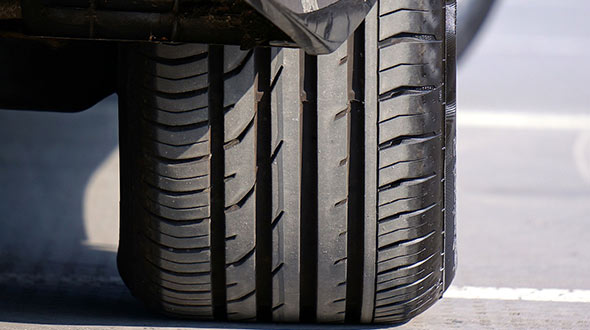
• Tire Inner liners and Innertubes
• Window Insulation
• Gloves
• Chewing Gum

Butyl synthetic rubber compounds are used to make numerous protective or insulating compounds

The versatility of butyl is unquestionable, and its flex properties, when applied as a roof coating, make it an ideal protective addition to almost any roofing system.

What Are The Advantages of A Butyl Elastomeric Roof Coating

After investing in a new roof or repairing an existing roof, the need for protecting that investment becomes apparent. The advantages of applying a butyl elastomeric roof coating include:

• Once applied, it is a seamless, durable membrane.
• Completely waterproof
• Excellent flex/elongation properties
• Resists cracking from shrinkage
• Withstands ponding in low slope roofs
• Excellent adhesion to multiple substrates
• Reduces building cooling/heating costs
• Reflects UV rays, preventing premature degradation
• The coating can come with pesticides and mildewcides
• Can stop weathered roofing systems from leaking and further degrading

As this coating is applied to the entirety of a roofing system, it protects the roofing material, flashing, pitch pans, penetrations, and joints. By creating a watertight and element repelling coating, the life of the roof can far exceed expectations. This makes butyl an ideal restoration solution for nearly all commercial roofing substrates. A butyl elastomeric roof coating can be applied to the following commercial roofing substrates:

• Metal
• Modified Bitumen
• Built-Up Roofing (BUR)
• Polyurethane Foam
• Single-Ply (TPO, PVC, EPDM)
• Concrete

Furthermore, once the coating is applied, it will provide superior resistance against most weather conditions. Because it acts similarly to rubber, it stretches when temperatures rise and returns to its original shape as it gets colder. This is how a butyl elastomeric coating resists cracking.

How Is A Butyl Elastomeric Coating Installed

Here’s an overview of how a butyl elastomeric coating is installed on a roof:

1. The roof must be dry, clean, and free of oil, grease, or dirt. Any previous coatings or paint peeling from their surface should be removed.

2. All seams, joints, trim, hardware, and fastening points are hand-painted with a brush to ensure complete coverage and protection.

3. Larger spaces are covered using sprayers or rollers

Typically, more than one coat of butyl is applied to the roofing system for better adhesion and coverage.

Roofers applying butyl elastomeric coating to a metal roof

Does A Butyl Elastomeric Coating Require Maintenance

Yes. To maintain the seal – created by the coating – and ensure your roofing system’s longevity, periodic maintenance and cleaning are highly recommended.

Immediately after the following events impact your roof, a professional roofing company should be called to inspect your roof and make any necessary repairs:

• Tornadoes
• Hurricanes
• Hail storms
• Lightning strikes
• Earthquakes
• Long periods of extreme temperature fluctuations
• Vehicle or tree impacts to your building
• Animals nesting
• Insect infestation

Your roof (with or without a butyl elastomeric coating) should be inspected twice annually, once during mid to late fall, and again in late winter or early spring. This inspection/maintenance schedule will help detect and prevent small issues from becoming expensive problems down the road.

Butyl Elastomeric Roof Coating

In this article you discovered what a butyl elastomeric roof coating is, its advantages, and its application.

By installing a butyl elastomeric roof coating on your newly installed or current roofing system, you are providing an extra layer of defense to your commercial property, and extending the life of your roofing system by countless years.

Leaving your roofing system fully exposed to the elements can result in its premature failure and costly repair or replacement.

Sources:
academia.edu/12098985/Exxon_butyl_rubber_compounding_and_applications_manual
pslc.ws/mactest/pib.htm
0-pubchem.ncbi.nlm.nih.gov.mypanther-lib.pvamu.edu/compound/Butyl%20rubber#section=Information-Sources
rci-online.org/wp-content/uploads/2001-05-schaak.pdf

The post Butyl Elastomeric Roof Coating Explained appeared first on atlantacommercialroofingcontractors.com

Monday, January 27, 2020

The Difference Between PVC and TPO Roofing Systems

TPO and PVC roofing system differences

Without knowing the pros and cons of TPO and PVC, you risk buying a roofing system that’s not suitable for your specific property needs. Even though the membranes may appear to be the same, PVC and TPO roofing systems are quite different.

atlantacommercialroofingcontractors.com gathered essential information about the composition and differences between PVC and TPO roofing systems.

PVC vs. TPO – What Is Their Composition?

Looking at a completed PVC or TPO installation, you may think the material looks identical. Still, the two are very different in composition.

PVC (Polyvinyl Chloride) – This membrane consists of two PVC plies that sandwich a polyester reinforcement sheet. Included in the manufacturing of PVC plies are:

• Ultra-violet light inhibitors
• Color pigments
• Fiberglass or polyester reinforcement
• Plasticizers (for plasticity and flexibility)
• Biocides (help deter mold, bacteria, algae, rodents, and insects)

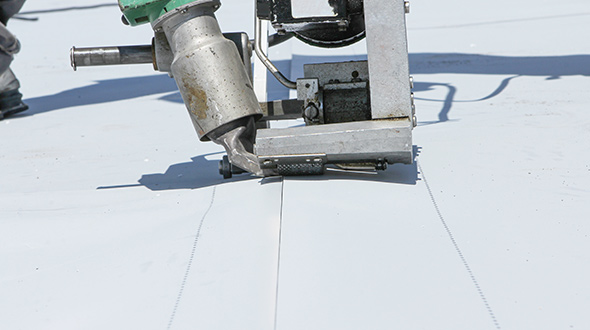
Hot-air welded seams help PVC roofing remain watertight under a variety of severe weather conditions.

TPO (Thermoplastic Polyolefin) – To produce the TPO membrane, manufacturers will polymerize polypropylene and ethylene-propylene rubber. Like PVC, two TPO plies sandwich a polyester reinforcement sheet. The following are used in the production of TPO plies:

• Ultra-violet light inhibitors
• Color pigments
• Fiberglass
• Talc

Due to the composition of the membrane, plasticizers are not required for its plasticity or flexibility. When designed using the right processes, they perform very well, even in harsh conditions.

Like PVC, TPO employs hot-air welded seams to stay watertight during severe weather and pooling of water. To learn more about TPO roofing system, visit atlantacommercialroofingcontractors.com/tpo-roofing-system-explained/

PVC vs. TPO – Performance Comparison

The following chart will help you compare the performance of TPO and PVC roofing materials and determine the best selection for your new commercial roofing system installation:

Comparison Metric

PVC

TPO

Result

Composition

Polyvinyl Chloride

Thermoplastic Polyolefin

No Advantage

Years in Production as Roofing Material

60+ years with several reformulations

30+ years with multiple reformulations

No Advantage

Roof Temperature Impact

Cooling

Cooling

No Advantage

Membrane Thickness

From .036 to .090

From .045 to .080

No Advantage

Seaming Method

Heat Welded

Heat Welded

No Advantage

Material Reinforcement

Polyester Reinforcement (scrim reinforced)

Polyester Reinforcement (scrim reinforced)

No Advantage

Chemical Resistance

Excellent (nonreactive to most chemicals)

Good (may react to oil or grease exhaust)

PVC

Fire Resistance

Excellent

Poor

PVC

Tear Strength (pound force p/ in)

45 lbf

55 lbf

TPO

Break Strength (pound force p/ in)

200 lbf

220 lbf

TPO

Slippery When Wet

Yes

Yes

No Advantage

Average Cost Installed

Can range from $5 to $12 per square foot depending on membrane thickness

Can range from $7 to $13 per square foot depending on membrane thickness

PVC

In addition to the information above, the following should be taken into consideration:

TPO presents superior results for tear and break strengths, while PVC outperforms in chemical resistance, fire resistance, and overall cost. Restaurants or buildings with grease traps on the roof would be better served by a PVC roofing system.

Comparison of TPO and PVC commercial roofing membranes

When it comes to durability, the thickness of TPO and PVC membranes influence their lifespan and pricing significantly. It is strongly recommended that the thickest membrane available (within your budget constraints) be utilized.

Tip: Do not base your roofing system selection on price alone. If you choose to install TPO products, have your contractor provide information about the manufacturer. Work with contractors whose manufacturers have 20 years or more in TPO production and offer a clear warranty policy on their products.

PVC vs. TPO – Warranties

For the purchase of a PVC or TPO roofing system installation, there will be two warranties to take into consideration before closing any deal. First is the manufacturer’s warranty. This warranty will typically cover any defects in the manufacturing of the roofing membrane.

The second warranty is provided by the roofing contractor to cover his workmanship. This warranty should include what items are covered and what actions will void the warranty.

TPO and PVC roofing membrane pros and cons

Since the coverage and duration of these warranties depend on the contractor and the roofing system manufacturer, this is on a case-by-case scenario and there is no clear advantage for TPO or PVC.

Tip: Only agree to the installation of a TPO or PVC roofing system once you are satisfied with the coverages promised by the manufacturer’s and contractor’s warranties. Upon completion of the installation, ensure that your warranty certificates and descriptions are kept with your roofing documentation.

PVC and TPO Roof Differences

In this article, you discovered the differences in composition, performance, and durability of TPO and PVC roofing systems.

By knowing how TPO membranes differ from PVC membranes, you can make informed decisions regarding the appropriate roofing system for your commercial building.

Without considering your building’s needs and which roofing system best meets them, you risk making a capital investment on a roof that will likely fail prematurely.

Sources:
astm.org/SNEWS/AUGUST_2003/obeoli_aug03.html
everybodyneedsaroof.com/thermoplastic-membranes
firestonebpco.com/us-en/roofing/tpo-roofing-systems
vinylroofs.org/
rci-online.org/wp-content/uploads/2003-09-whelan.pdf

The post The Difference Between PVC and TPO Roofing Systems appeared first on atlantacommercialroofingcontractors.com

Can Roof Shingles Be Painted?

Many property owners wonder whether painting their roof is a viable way to refresh its appearance without the expense of a full replacement....