Friday, July 26, 2019

Commercial Roof Storm Damage and Insurance Claims

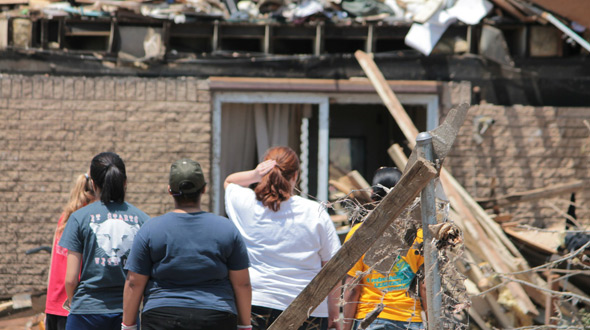
Insurance claim for tornado damage to commercial roofing system

Is your commercial roof damaged and leaking from storm damage? When the time comes for the insurance company to pay for repairs, know how storms damage commercial roofing to ensure you are getting your maximum payout.

atlantacommercialroofingcontractors.com gathered information on damages caused by different weather events and how to stop your insurance company from underpaying your claim.

Storms and Commercial Roof Damage

Depending on the severity and duration of a storm, the extent of damages to your commercial roof may vary. The following are types of storms that can cause catastrophic losses:

Roof Damage from Rain Storms

Heavy rainstorms put a roof to the test, exposing its vulnerabilities and flaws. During a rainstorm, be on the lookout for:

• Leaks in the corners of the structure.
• Water coming through vents, skylights, and other roof penetrations.
• Wet spots in the ceiling.

If there is a problem with the roof’s drainage, water may pool on the roof, adding weight to the roofing system and accelerating deterioration of roofing materials, leading to the failure of the roofing system.
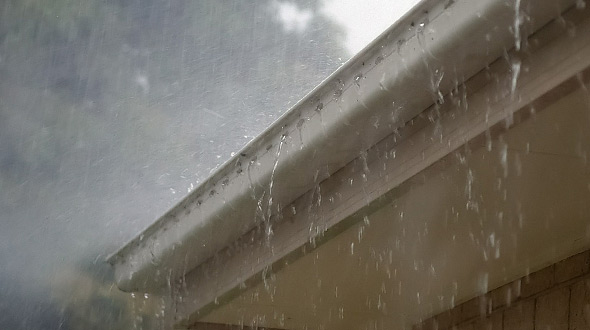
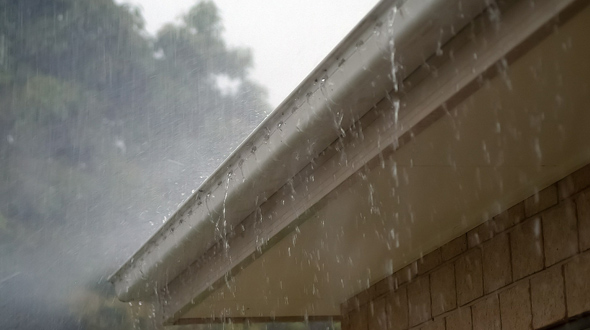
Rain gutters and commercial roofing system damaged in severe weather

Roof Damage from Wind Storms

Wind storms are capable of causing both hidden and visible damage to your roofing system, such as:

• Lift (This is suction created as wind blows over your roof).
• Blowing equipment over, breaking, puncturing, or tearing portions of the roofing material.
• Blowing damaging debris onto and across the roof.
• Causing overhanging trees to scrape or fall onto the roof.

The majority of wind damage doesn’t become evident until the next rainfall, when water leaks through the roofing system.

Roof Damage from Hail Storms

Hail storms are fast, violent, and accompanied by high wind. They can cause significant damage to roofing systems, structures, vegetation, vehicles, or anything left unsheltered. After a hail storm has passed look for the following:

• Pockmarks, dents, and cracks along seams, fastening points, and flashing.
• Damage to gutters and downspouts. Large cracks or dents can compromise their function.
• Damage to equipment mounts and roof penetrations.
• Fallen trees, branches, and other debris potentially cracking, puncturing, or tearing roofing material.
• Significant accumulations of hail adding weight to the roofing system.
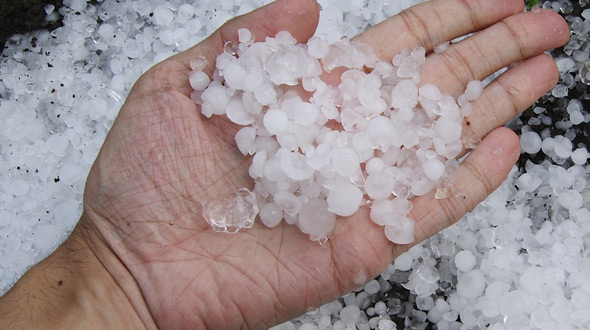
Commercial roofing system insurance claim damaged by hail storm

Pea-sized or marble-sized hail may not cause any obvious damage. Sizes reaching that of a dime or a quarter can cause significant damage. However, when the size of the hail reaches that of a golf ball or a softball, catastrophic damages are likely to occur.

Roof Damage from Tornadoes

The concentrated winds and updraft of a tornado are capable of turning any, and everything unanchored into a lethal projectile. Rated on the Enhanced Fujita (EF) scale from 0 to 5, tornadoes may cause the following damages:

• Partial or complete removal of a roofing system.
• Lift and damage to membrane seals and flashing.
• Gutters and downspouts ripped away.
• Equipment unanchored and dragged across the roof.
• Projectiles (trees, road signs, vehicles, etc.) thrust onto the roof.
• Partial or total destruction of the building.

To learn more about the Enhanced Fujita scale, visit spc.noaa.gov/efscale/

Roof Damage from Hurricanes

Potentially the most damaging of storms are hurricanes. They pack the winds of tornadoes with the destructive force of the heaviest of rain storms.

• Partial or complete removal of a roofing system with catastrophic flooding as a result.
• Lift and damage to membrane seals and flashing.
• Gutters and downspouts overloaded and potentially ripped away.
• Wind-driven rain can be forced beneath roofing material and flashings causing interior damage and leaks without damaging the roof covering.
• Projectiles can be thrust onto the roof.
• Blockages in the draining system may cause water to accumulate, overloading the roof weight capacity, and collapsing it.

Hurricanes are ranked from Category 1, with winds of 74-95 mph, to Category 5, with winds of 157 mph or more. Category 5 hurricanes are capable of severely damaging a city’s entire infrastructure, making areas uninhabitable for weeks or even months.
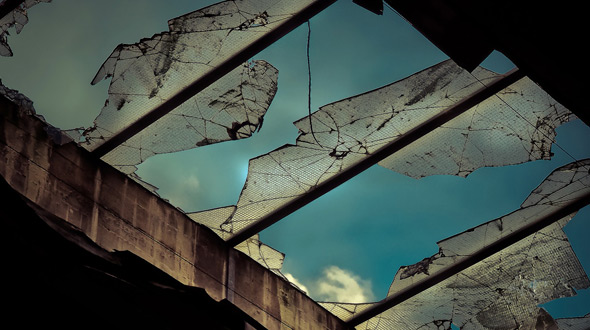
Insurance claim for storm damage to commercial roofing system

Visit the Storm Prediction Center, as preemptive action and awareness of hurricanes, tornadoes, and storms can help protect and prepare your property for violent weather damage.

Roof Damage from Extreme Heat Waves

Heat waves can cause a particular type of roof damage. Extreme or prolonged periods of heat can cause roofing material to expand, and as temperatures cool at night, the expanded materials contract. As this process of expansion and contraction repeats, the following damages may occur:

• Cracking or loss of flashing seal
• Opening of seams or welds
• Tearing, shrinking, or pulling apart of roofing membranes

While all roofing systems are vulnerable to shrinkage, TPO, EPDM, and some PVC membrane systems are particularly susceptible and suffer more significant heat-related damages.

Learn more about this and “5 Must Know Commercial Roofing Problems and Solutions”
at atlantacommercialroofingcontractors.com/5-must-know-commercial-roofing-problems-solutions/

Insurance Claims after Storm Damage

After a storm has passed and damages are detected, it’s time to act. The longer you wait to file a claim, the more you risk having your claim underpaid or denied.

The following will help you file an insurance claim for a storm-damaged commercial roof:

Documentation of the damage – Hire a professional roofing contractor to perform a roofing system inspection, and document every aspect of the damage with photos, video, and narrative descriptions.

Filing the claim – Once the inspection is complete, the roofer who performed the inspection can help you assemble the claim and submit it. This part of the process is straightforward and can usually be completed on your insurer’s website or by contacting a claims representative.

Inspection by the insurer’s adjuster – your insurer will send their own adjuster to evaluate the damage. When possible, invite your roofer to the inspection site to advocate and represent your interest to the insurance adjuster.

Approval, refusal, and negotiations – if the insurance company’s adjuster approves your claim, you will receive damage compensation. If refused or only partially approved, your roofer or a public insurance adjuster can help you negotiate better terms before reaching a final settlement.

Commercial Roof Repair after Storm Damage

Knowing how storms damage a roof can help you file your claim and recover the money necessary to restore your property correctly.

In this article, you discovered how different severe weather events can damage a roofing system, the process for filing an insurance claim, and how to prevent your insurance company from underpaying your claim.

If your commercial roofing system is leaking after a storm, identify all potential damages, and promptly file your claim to ensure the proper repair and settlement is achieved.

Sources:
https://www.spc.noaa.gov/efscale/
https://www.weather.gov/mfl/saffirsimpson
http://citeseerx.ist.psu.edu/viewdoc/download?doi=10.1.1.558.184&rep=rep1&type=pdf

The post Commercial Roof Storm Damage and Insurance Claims appeared first on atlantacommercialroofingcontractors.com

Wednesday, June 26, 2019

3 Leaky Roof Causes and Solutions

Leaky commercial roof inspection and evaluation

The materials, and equipment found on a commercial roof are susceptible to the elements, leaks and costly damage. Taking measures to fix and prevent that damage, can save a ton of money and dramatically extend the life of your commercial roofing system.

atlantacommercialroofingcontractors.com gathered information about 3 common commercial roof leak causes, solutions, and how to prevent them altogether.

Commercial Roofing Penetration and Leaks

Industry-wide, the most common roofing complaints are for leaking roofing systems. Commercial roof penetrations are often the culprit and may include vent pipes, drains, wiring connections, or any related equipment that creates an opening or hole in the roofing system.

Commercial roof vent penetration with flashing

Cause – Leaks generally occur around the penetration or joint, and when its waterproofing (flashing, pitch pans, etc.) are poorly or improperly installed. However, severe weather events and nuisance wildlife can compromise the integrity of the installation.

Pitch pan and flashing on a commercial roof

Solution – After discovering which penetration is causing the leak, one of the following should be repaired or replaced:

• Flashing – The waterproof layer of material keeping water from leaking through joints, vents, or appliance connection points. Read more about Types and Purpose of Commercial Roof Flashing at atlantacommercialroofingcontractors.com/types-purpose-flashing/
• Pitch Pans – Used as sealants around rooftop penetrations and pipes exiting through a roof.

Depending on the roofing system, the combination of a pitch pan and flashing may be necessary to seal the penetration.

Make sure to verify that the object penetrating the roofing system is firmly held in place. The slightest vibration or movement over time will cancel out even the best waterproofing, allowing water into your property.

Poor Commercial Roofing System Installation (Bad Contractor)

If your roofing system was poorly installed, you can expect to experience everything from minor/major leaks, and partial or complete failure if your contractor neglected quality control checks, manufacturers guidelines, or necessary procedures.

Cause – Poor commercial roofing installations are generally the result of inexperienced, unqualified, or negligent contractors who cut corners, rush through installations, and neglect manufacturers and general safety guidelines.

Commercial roof structure and installation

Solution – Use strict guidelines when vetting roofing contractors to repair or replace a roofing system. To qualify a roofing company, do the following:

• Check the company’s references.
• Visit locations of their previous installations.
• Read through their online reviews.
• Search for complaints and resolutions through the Better Business Bureau at bbb.org.
• Verify the company’s license to operate in your city.
• Request proof of insurance coverage.
• (Once contracted) Request copies of all permits attained to allow the lawful repair or replacement of your roofing system.
• Request information about their warranty policy.

Reputable roofing contractors will make all of this readily available for your review.

If you suspect that your roof was poorly installed, have it inspected and thoroughly documented to hold the roofing company accountable for the repair or replacement of their faulty work.

You can learn more about common Mistakes that Most Roofers Won’t Tell You by visiting atlantacommercialroofingcontractors.com/15-mistakes-roofers-wont-tell-you/

Commercial Roofing System Scrapes, Punctures, and Holes

TPO, EPDM, and PVC membrane systems are vulnerable to being scraped, punctured, and developing holes that go unnoticed until severe damage has occurred.

Commercial roof membrane system repair and replacement

Cause – The causes for scrapes, punctures, and holes in your roofing system may include:

• Storm Debris
• Foot Traffic
• Equipment Maintenance, Repair, and Replacement
• Wildlife
• Poor Roof Installation
• Defective Material
• Inferior Quality Repairs or Patchwork

Over time, this type of damage can lead to rotting or destabilizing your roofing system’s support structure. This can result in catastrophic loss if it leads to a complete roofing system failure.

Solution – The following measures will help prevent scrapes, punctures, and holes from causing significant damages to your building:

• Install raised walkways, rooftop pavers, or walk pads from roof access points to machinery and equipment.
• Have pathways reinforced where walkways are not possible.
• Schedule thorough inspections after equipment maintenance, severe weather events, or the discovery of wildlife activity.
• Restrict roof access to maintenance and technical crew members.
• Have the roof inspected annually for signs of shrinkage, expansion, weathering, or other signs of trouble.

If left unmanaged, this type of damage has the potential to void the manufacturers and maintenance warranties.

When having your roof repaired, the expansion and contraction of materials from temperature and weather conditions must be taken into account. In many cases, the source of a leaky roof is the poor or inadequate repair of a previous issue.

Leaky Roof Prevention

Among the best measures of leak prevention for a roofing system is not to ignore it. Routine inspections and a roof maintenance plan are far less costly than a partial or total roof replacement.

Installation of Commercial roofing system

Take immediate action when damage occurs. Problems with roofing systems don’t go away on their own, and are exacerbated when avoided or repairs are delayed.

Commercial Roof Leaks

If you don’t know how to address these common leaky roof issues, your building could be severely compromised and require extensive repairs well before its time.

In this article, you discovered 3 common leaky roof scenarios, what causes them, and how to quickly solve them.

Allowing problems with your leaking roof to persist will lead to structural damages, rot, mold, mildew, and very costly repairs. In the case of roofing systems, everything you can do to fix and prevent leaks is far less expensive than repairing structural damage to the building or having to replace your roof entirely.

Sources:
https://www.copper.org/applications/architecture/arch_dhb/arch-details/flashings_copings/roof_penetrations.html
https://www.nachi.org/roofs.htm

The post 3 Leaky Roof Causes and Solutions appeared first on atlantacommercialroofingcontractors.com

Monday, May 27, 2019

5 Must Know Commercial Roofing Problems and Solutions

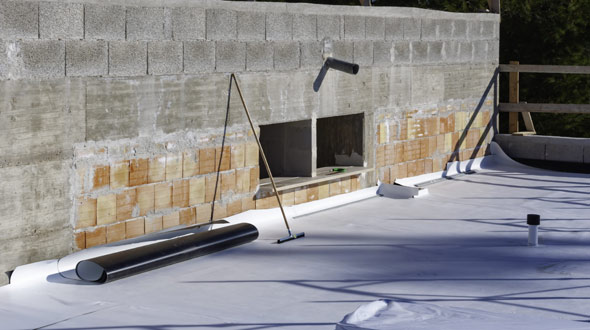
Commercial roofing membrane system with flashing

Not knowing the proper solutions to these common roof issues will leave you at the mercy of a roofer, and out of a lot a money.

Commercial roofing is susceptible to the elements, harsh weather, and many forms of damage. By taking measures to fix and prevent that damage, you can dramatically extend the life of your roofing system.

atlantacommercialroofingcontractors.com gathered information about 5 common commercial roofing problems, their solutions, and how to prevent them.

#1 Commercial Roofing Problem – Leaks

Leaking roofing systems are among the most common complaints industry-wide. Until it rains, most building owners don’t even realize there’s a problem.

While each and every problem listed in this article would likely result in leaks, the principal cause of leaks is often poorly installed flashing and pitch pans.

Flashing – This is a waterproof layer of material that keeps water from leaking into your roofing system at joints, vents, or appliance connection points.

Pitch Pans – These are used as sealants around rooftop penetrations and pipes protruding through a roof, and may not be properly sealed.

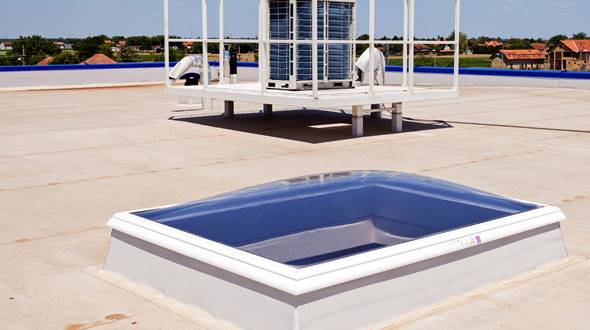
Commercial roofing system skylight pitch pan

Solution: Locate the defective flashing or pitch pan and have them repaired by your roofing maintenance provider, or reputable commercial roofing contractor.

While this problem may be an isolated occurrence, have the rest of the roof inspected for signs of embrittlement, damage, or poor installation of its flashing, seams, and pitch pans.

Read more about the types and purpose of commercial roof flashing at atlantacommercialroofingcontractors.com/types-purpose-flashing/

#2 Commercial Roofing Problem – Scrapes, Punctures, and Holes

Scrapes, punctures, and large holes can be caused by foot traffic, storm debris, and wildlife. This type of damage can go unnoticed and build up over the years, affecting the support structure of the roofing system; left untreated, this leads to rot, mold, and a potential roof system failure.

This type of damage can also result in the voiding of manufacturers and maintenance warranties.

Solution: Install raised pathways or walk pads to and from equipment, vents, or frequently visited areas of the roof. If this type of pathway is not viable, have the roofing system reinforced in these areas to accommodate the increased traffic.

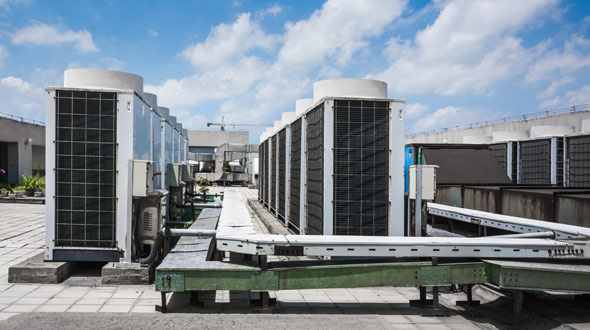
Commercial roofing system elevated walkway between air conditioning units

Have the roof inspected after any maintenance, severe storm or other activity which may lead to scrapes, punctures, and holes.

When being repaired, expansion and contraction of the roofing material and underlaying insulation must be taken into account to avoid further damage and future membrane tears.

#3 Commercial Roofing Problem – Poor Installation

The poor installation of your roofing system can lead to a myriad of problems. Everything from leaks, to complete failure is possible when your contractor neglects necessary, procedures, manufacturers guidelines, and quality control checks.

Commercial roofing membrane system installation

Solution: Do your homework. Check references, visit previous roof installations, read online reviews, and verify the company’s legal licensing and ability to work in your city.

If your roof was poorly installed, have the roof inspected and all discrepancies documented. The roofing company can then be held accountable for the correction, repair, or replacement of the faulty work.

Read about some common mistakes that most roofers won’t tell you about by visiting atlantacommercialroofingcontractors.com/15-mistakes-roofers-wont-tell-you/

#4 Commercial Roofing Problem – Shrinkage

In locations where temperatures frequently soar and plunge, the material and components of your roofing system may contract and later expand. Shrinkage can cause cracking, tearing, and the pulling apart of seams, membranes, and essential elements like flashing.

While all roofing systems are susceptible to shrinkage, TPO, EPDM, and PVC membrane systems are particularly vulnerable.

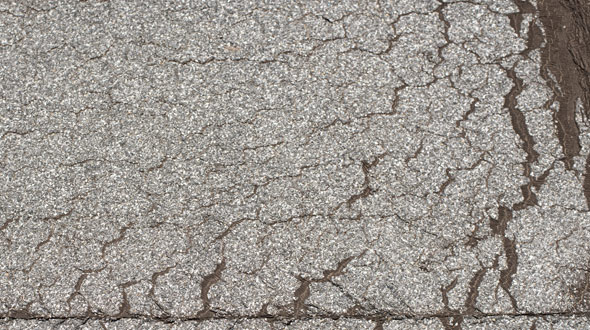
Commercial roofing system with shrinkage and integrity loss

Solution: Have your roof inspected frequently to detect potential problems with shrinkage early on. Allowing this problem to persist will result in more expensive repairs, if not the replacement of the entire roof.

#5 Commercial Roofing Problem – Wind Uplift

Wind uplift can be devastating to materials and the integrity of a property. An uplift force is upward pressure applied to a structure that has the potential to raise it. Wind uplift occurs when the air pressure under a roof is greater than the air pressure above it.

When your roof is susceptible to wind uplift, there are two potential outcomes you may experience during severe weather conditions:

Partial Roof Removal – This occurs when a small portion of the roof is removed by sustained winds, and would only need to be repaired rather than replaced.

Complete Roof Removal – This outcome is usually associated with tornadoes and hurricanes. It is the near complete or complete removal of your roofing system, requiring the installation of a new roofing system.

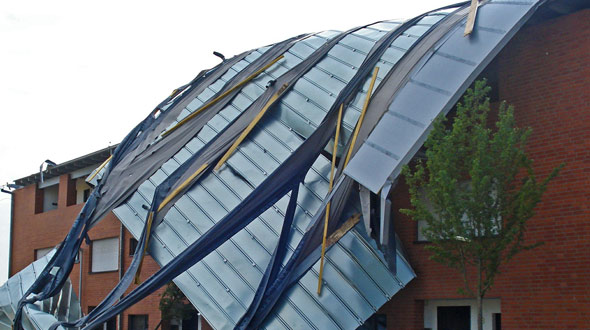
Commercial roofing complete removal after tornado

Susceptibility to uplift is greater in roofing systems with poorly sealed seams and flashing. Another factor is the height of the building; ground wind speeds are typically much lower than those at higher altitudes.

Solution: Have a seamless or fully adhered roofing system installed. For existing systems, have all seams and flashing inspected and resealed if they show any signs of wind penetration.

Commercial Roofing Damage Prevention

The prevention of damage to your roofing system relies partly on the attention you give it. A maintenance plan and regular inspections are preemptive measures that will save you substantially.

Besides an annual inspection, a reputable contractor should be called to evaluate your roof after the following:

• Severe weather, including hail storms, tornadoes, hurricanes, and sustained high winds.
• Tree or branches falling on the roof or slamming into the building.
• Heavy debris blown onto the roof.
• Any time the structure suffers a significant jolt, including vehicle collisions and earthquakes.

If you do not possess a maintenance contract or plan for your roofing system, it is highly recommended to acquire one before your roof sustains irreversible damage.

Protect your Commercial Roofing System

You can extend the life of your roofing system and protect the significant investment it represents by taking simple measures to ensure its durability and stop minor problems from becoming major expenses.

In this article, you discovered essential information about 5 of the most common commercial roofing problems, how to solve them, and how to prevent them.

Your failure to keep a roofing maintenance contract or disregard for annual and emergency inspections could result in the failure of your roofing system, interruption of your business activities, and major financial losses that could be prevented.

Sources:
http://rci-online.org/wp-content/uploads/2014-CTS-chamberlain.pdf
https://www.nachi.org/epdm.htm

The post 5 Must Know Commercial Roofing Problems and Solutions appeared first on atlantacommercialroofingcontractors.com

Friday, April 26, 2019

Types and Purpose of Commercial Roof Flashing

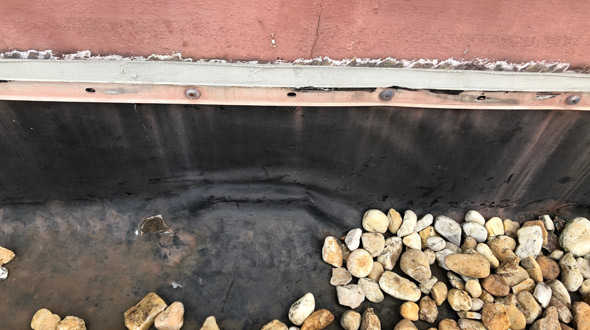
Commercial roofing system weatherproof  flashing

Don’t let wet spots on your ceiling or streaks down your wall make your property look ugly and worth less money. Your leaky roof is often times the result of a failure in the roofing system’s flashing.

Without sufficient flashing, a roofing system cannot repel the elements, will ultimately fail and begin to leak. When installing a new roof or repairing a current one, it is essential that the flashing be compatible with the roofing system and be installed properly.

atlantacommercialroofingcontractors.com examines the purpose, types, and application of flashing used in commercial roofing systems.

What Is Flashing?

Flashing is a layer of waterproof material that keeps water from penetrating your roofing system at joints, vents, exhausts or appliance connection points. While caulk is used to fill small gaps around doors and windows, it has an entirely different purpose, and shouldn’t be confused with flashing.

Waterproof flashing on a commercial roofing system

Water naturally runs downhill to the lowest point of gravity. For flashing to work correctly, all seams must be installed facing downhill. Properly installed, the upper edge of flashing should be covered or protected by tarpaper, TPO, or whichever membrane or material is used in the roofing system.

Flashing Material

Numerous materials can be applied as flashing. The two criteria commonly used when determining which material to use are:

1 – The material won’t degrade from being in contact with other incompatible material.

2 – The material is impermeable to water.

The following materials are commonly used as flashing in both commercial and residential roofing systems:

Plastic and Rubber – While primarily used as caulk, plastic and rubber are excellent water-repellants when applied as flashing.

Commercial roofing system caulked rubber waterproof flashing

PVC and TPO – Both PVC and TPO are popular types of roofing systems, and the same material can be used as incredibly effective and durable flashing.

Roofing Felt – Asphalt-saturated roofing felt can be used as flashing, but is not as durable as other options.

Aluminum – Durable, easy to form, and somewhat inexpensive. When left in contact with alkaline material like concrete, or treated lumber, aluminum flashing will corrode.

Galvanized Steel – Not as durable as other options, but it is very inexpensive.

Copper and Lead-Coated Copper – More difficult to bend and form than aluminum, but much more durable. Copper flashing is typically used during the installation of solar panel piping, wiring and sensor connections.

Lead – Because of its super-flexibility and durability, lead is a popular choice in the roofing industry (a favorite of masons for chimney flashing). There are potential health risks, but the use of lead flashing continues, and when properly installed can last for up to 200 years.

While most flashing is sold in rolls that vary in thicknesses and can be cut, bent, and shaped at the job site. Pre-molded flashings are also available for standard-sized exhaust pipes, vents, and fittings.

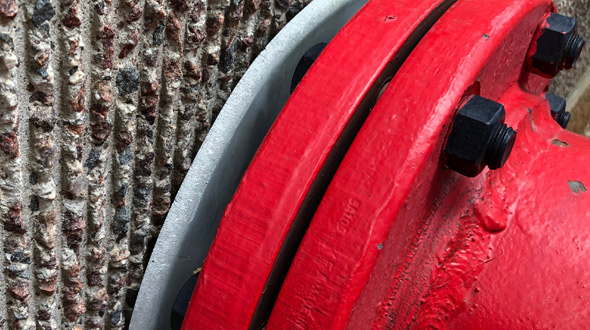
Commercial roofing pre molded flashing for water main entry

Flashing Types for Roofing Systems

The following are the names and descriptions of different types of flashing used in commercial and residential roofing systems:

Ridge Flashing – This flashing is applied at the “peak” of a dually sloped roof.

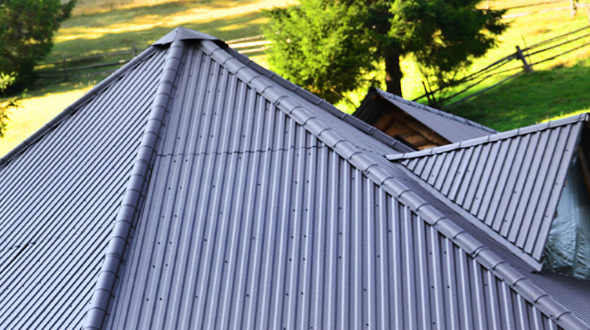
Commercial roofing system ridge flashing

Bargeboard – This is the flashing along sloped roof edges.

Wall Abutment – This is where roof edges meet walls.

Corner Flashing – This flashing is used where walls meet, and it runs from roof to floor.

Inverted Corner Flashing – This flashing is used when the corner of a structure meets a wall. Instead of wrapping around the corner as in “corner flashing,” it is applied to the structure and the wall in an “inverted corner” from roof to floor.

Eaves Flashing – This flashing runs along the length of flat edges of a roofing system.

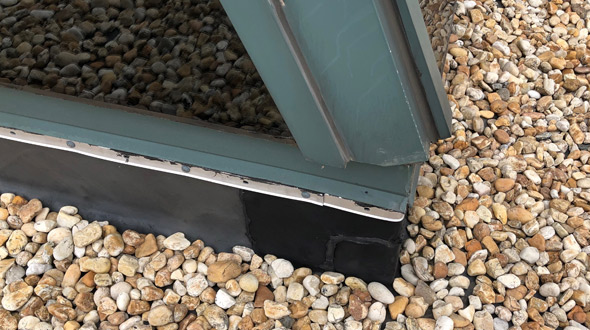
Commercial roofing system metal eaves flashing

Drip Cill Flashing – This is the flashing which runs along the lower perimeter (at the foundation).

Commercial roofing system pvc drip cill flashing

Valley Flashing – The point where two downward slopes meet is where valley flashing is applied.

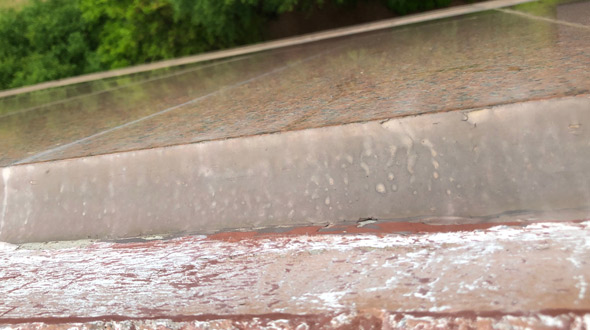
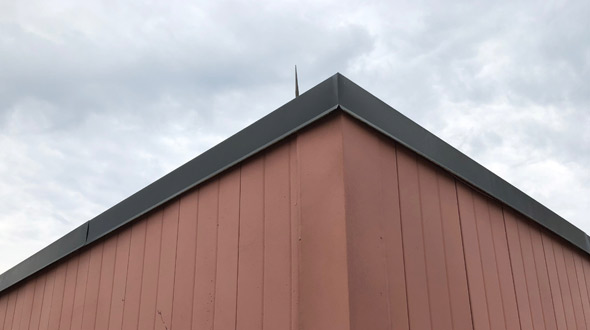
Commercial roofing system valley flashing

Step Flashing – Commonly used in place of wall abutments or chimney and skylight flashing (on slopes), step flashing is the downward overlapping alternate layering of roofing and flashing material.

Metal Edge Flashing – Also known as “drip edge flashing,” this is installed around the perimeter of a roofing system to direct the flow of water off of it without entering the structure . To learn more about commercial edge flashing and coping visit disastersafety.org/ibhs/commercial-roofs-flashing-coping/

Saddle Flashing – This is the flashing used where joists meet walls or other support structures, wrapping around connection points to form a water-tight seal.

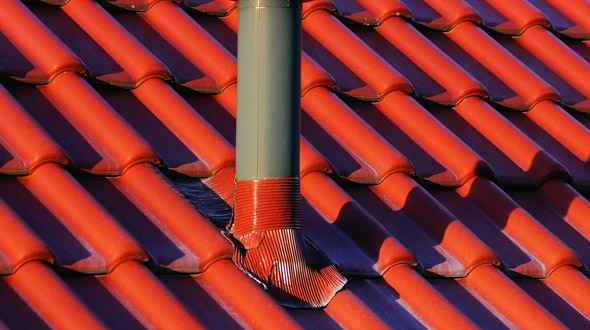
Vent Pipe/Exhaust Flashing – This flashing provides a water-tight seal at the point where vent or exhaust pipes protrude through a roof.

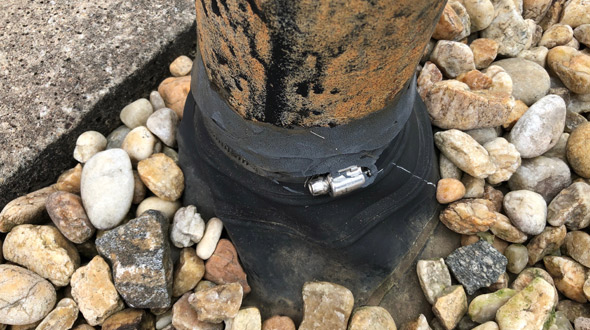
Commercial roofing system vent pipe and exhaust flashing

Cap Flashing – This flashing is usually composed of metal and is used to shield the upper edges of membrane base flashing along the top of a wall or column.

As you can see, flashing is a critical element in a roofing system. There are a few more essential components that comprise a complete roofing system. To learn these, and for more commercial roofing information and tips, visit atlantacommercialroofingcontractors.com/info/

Roof Flashing Weatherproofs Your Structure

Don’t let your building unnecessarily look run-down and develop water damage from preventable water infiltration and leaks. Keeping the elements outside is what a successful roofing system does, and it dramatically relies on properly applied flashing.

In this article, you discovered what roofing system flashing is, what it is used for, the different types, and its application.

The use of the wrong flashing material on a roofing system may lead to leaks and its ultimate failure. Save money and avoid unexpected interruptions of your business by having the appropriate flashing material properly installed in your commercial roofing system.

Sources:
http://web.mit.edu/parmstr/Public/NRCan/CanBldgDigests/cbd069_e.html
https://www.nachi.org/flashing-part1-12.htm

The post Types and Purpose of Commercial Roof Flashing appeared first on atlantacommercialroofingcontractors.com

Wednesday, March 27, 2019

TPO Roofing System Explained

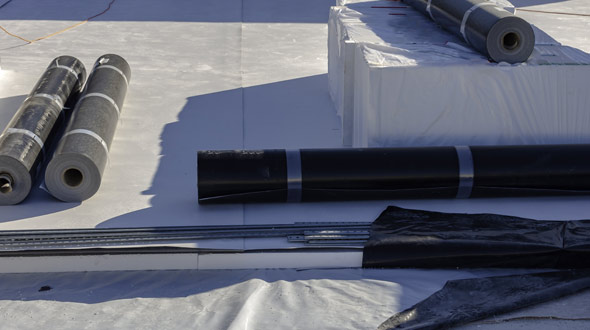
TPO roofing system material and equipment for installation

Is TPO the best flat roof system for your property? This question is frequently asked by property owners that need a new roof, and we have the answer.

As a relative newcomer to the roofing materials industry, TPO roofing systems have gained extraordinary popularity and are being used throughout the United States. Due to its durability and cost efficiency, TPO should be considered when re-roofing or installing a new roofing system.

atlantacommercialroofingcontractors.com takes an in-depth look at the definition, installation, warranty, cost, and problems associated with TPO roofing systems while answering some of the most frequently asked questions about it.

TPO Roofing Explained – Production, Properties, and Benefits

TPO is Thermoplastic Polyolefin, and it is one of several single-ply roofing systems.

The following will help you understand the composition, properties, and production of TPO membranes for both commercial and residential structures.

• A TPO membrane may be produced by calendering with lamination (this is the process of combining materials at high heat and pressure by passing them through rollers), extrusion with lamination (a process to make long shapes with constant cross sections, similar to squeezing toothpaste from a tube), or through extrusion-coating techniques.
• Sheet thickness is usually 40 mils to 100 mils. That’s about the thickness of a heavy duty trash bag.
• Sheets are typically produced in widths ranging from 6 feet to 12 feet.
• The composition of TPO sheets is a blend of polypropylene, ethylene propylene polymers, and polyester reinforcement.
• Overlapping seams are sealed by heat welding which uses hot air.
• The majority of TPO membranes are white but can come in a variety of colors.
• TPO roofing is resistant to oils and chemicals carried by commercial exhaust vents.
• TPO roofing material contains flame retardants and UV absorbing elements.
• TPO roofing systems receive high wind ratings when properly installed.
• TPO roofing has a life expectancy of about 30 years, however, only having been in use for three decades, its full potential lifespan is still being evaluated. As time passes, production of the system and its method of installation have naturally worked out the bugs, thus improving the product and increasing its longevity.

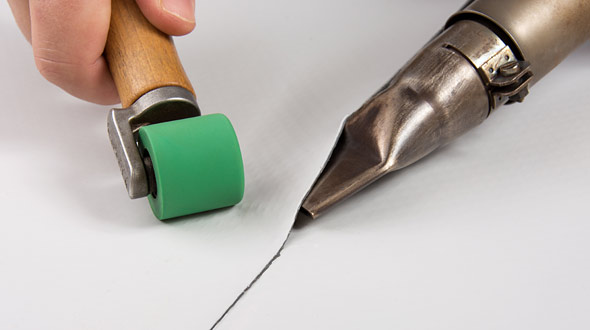
TPO roofing system proper seam welding technique

TPO Roofing Installation and Warranty

The installation of a TPO roofing system, when done by an experienced roofing company, is fast, clean, and virtually nonintrusive.

How your roofing system is installed will determine its ability to withstand the elements and ultimately its lifespan.

Affixing the TPO membrane is accomplished by making it fully adhered, and mechanically attached or ballasted; the following factors greatly influence the quality of the roofing system’s installation:

• Proper roof slope for a efficient draining.
• Strategic installation and fastening of insulation (when used) to deter bulging or sagging.
• Proper application of adhesives.
• Proper use of a seam welder (to prevent future leaks in the seams).
• All welds checked using a seam probe.
• Drip edge seamlessly connected around the perimeter of the roof.

In addition to a quality installation, a strong warranty is advantageous and very valuable. There are two warranties to consider when installing any new roofing system:

Manufacturer’s Warranty – This warranty covers manufacturing defects in the material used for your roofing system. Once the installation is complete, your contractor should provide you with a warranty certificate.

An example of material failure would be the separation of the lamination from the TPO membrane during hot weather. Unless it is determined to be a result of faulty installation, a claim should be made against the manufacturer’s warranty.

Contractor’s Warranty – This warranty covers the workmanship and installation of your roofing system.

While there is no industry standard for the duration of a contractor’s warranty, it should contain the following:

• A list of what items are covered.
• What actions or situations would void the warranty.
• When the warranty expires.

The above installation and warranty information underscore the necessity to thoroughly vet contractors.

TPO Roofing Cost

Pricing any roofing system can be a daunting experience. Often there is a significant disparity from one quote to the next, validating the need to collect a minimum of three bids from reputable roofing contractors.

Prices for installing a TPO roof system will vary depending on the time of year, brand, quality of the materials, method of installation, and the amount of labor involved. You can expect to see price quotes in the following ranges:

Tear-off costs can run between $100 and $200 per square. In some cases, the contractor will bundle this into material and installation pricing.

A tear-off is when the existing roofing system is completely removed to install a new system. Depending on the type of roofing system being installed and the condition of the existing roof, the new system may be installed over the existing one.

TPO material will see a price range between $150 and $500 per square.

TPO installation labor costs will range from $500 and $900 per square.

Maintenance contract pricing varies from contractor to contractor.

Roofers and their suppliers price materials in terms of ‘squares,’ whereas
1 square = 100 square feet.

So as an example, the price range of the bids you receive, including tear-off, material, and installation for a 1,000 square foot roof may fall within $7,500 to $16,000.

Note: Across the industry, roofing installations are more expensive in the spring and summer time. To save money, try to schedule an installation for the off-peak season (early spring and fall).

TPO Roofing Problems

The majority of problems that arise with TPO roofing systems occur as a result of poor installation.

Here are some commonly reported issues:

• Roof slope is too low, resulting in pooling water. (which degrades materials faster)
• Insulation (under the membrane) not installed correctly and is causing bulges.
• Seam separation from improper welding, allowing water penetration.
• Torn membrane from debris striking the roof.

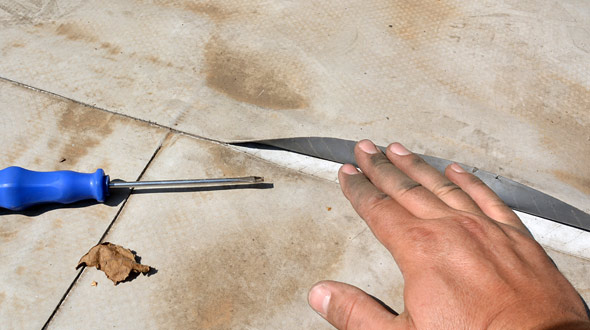
TPO roofing system badly welded seam to be repaired

For proper installation, it is essential to hire a roofing company that has extensive training and experience with TPO roofing systems.

People Also Ask

Question: Is TPO better than EPDM?
Answer: Inconclusive. Depending on which aspect of the two roofing systems you wish to compare, and your roofing requirements, the answer may vary.

While EPDM and TPO offer very similar benefits, TPO with its stronger and more durable seams (adhered to the roof), make it a desirable option.

Question: What is the difference between PVC and TPO?
Answer: Visually, the two roofing systems are virtually identical.

Performance-based, the two systems produce similar results until puncture resistance, environmental impact, and eventual “known” problems are taken into account. In this scenario, the TPO system is a superior option. However, when price and warranty terms are considered, PVC edges out TPO. Both are great products that check different boxes and satisfy different needs.

Question: How long has TPO roofing been around?
Answer: Since 1989.

Question: What colors does TPO roofing come in?
Answer: Standard colors are white, tan, and grey. However, TPO can be found in different shades of grey, brown, green, red, tan, and gold.

Question: Is TPO roofing flammable?
Answer: Yes. However, as with all roofing systems, TPO roofing is required to meet FM and UL fire ratings.

A distinct difference and advantage of TPO is that it does not release dioxins when burned and contains flame retardants.

TPO Information Revealed

When being presented options and quotes for new roofing systems, property owners frequently ask “What is TPO?” As you’ve discovered, it’s one of the most popular thermoplastic roof membranes in today’s roofing industry.

In this article, you were presented valuable information about the installation, warranty, cost, life expectancy, problems associated with TPO roofing systems, and answers to frequently asked questions.

By asking the right questions and being informed when selecting a roofing system and the contractor to install it, you will benefit from getting the best roofing solution and warranty at the best available price.

Sources:
http://www.everybodyneedsaroof.com/thermoplastic-membranes
http://mrca.org/aws/MRCA/asset_manager/get_file/161617?ver=344
http://firestonebp.ca/roofing/tpo-roofing-systems/tpo-installation-methods/
http://www.nrca.net/
http://www.azsfb.gov/sfb/Performance%20Specifications/Roofing%2009202018/07%2054%2023%20-%20TPO.pdf
https://plus.google.com/116818386229074671451
Atlanta Commercial Roofing Contractors
1075 Peachtree Street NE Ste 3650 Atlanta, GA 30309
(404) 220-9288

Atlanta Commercial Roofing Contractors
400 17th St NW Ste 2224, Atlanta, GA 30318
(404) 220-9288

  The post TPO Roofing System Explained appeared first on atlantacommercialroofingcontractors.com

Tuesday, February 26, 2019

15 Common Mistakes Most Roofers Won’t Tell You About

Ceramic-tile-roofing system installation

Do you know the blatant and hidden roofing job signs most likely leading to expensive repairs and/or roof failure? Most roofers won’t tell you about these common mistakes, but we will.
For the investment that a new roof requires, you would like to be able to expect a complete and mistake free installation. Avoid the expensive surprises and premature roof failure by knowing what to look for and can go wrong.

atlantacommercialroofingcontractors.com gathered a list of the 15 more common mistakes roofers make during the installation process.

Mismatched Roofing Shingles

One of the more visible mistakes a roofer can make is to use mismatched shingles. This obvious mistake occurs when a roofing contractor uses multiple dealers and purchases supplies from more than one supplier.

This can be avoided by selecting a roofing contractor that consistently uses the same roofing supplies distributor.

Layers of Shingles

Depending on the municipality your property is located in, it may or may not be unlawful to install a new roofing system without first tearing off the old one.

Roofing system repair and replacement of shingles

By tearing off the old roofing system, your contractor can fully inspect your roof deck for any weaknesses, gaps, and other potential issues. An added benefit is that your roof deck will not have to support the weight of two systems.

On the contrary, some commercial roofing systems are engineered to overlay an existing roofing system. Before this happens, the number of layers is checked and decking is tested for it soundness.

This cost-savings method prevents a complete tear-off and related debris hauling process, but should only be used on a commercial roofing system and in accordance with all local and state laws.

Incorrect Use of Roofing Nails

Roofing systems that utilize nails to secure it to the roof deck have specific guidelines for the size and use of nails. The following are common mistakes that could lead to your insurance company refusing to pay a claim in the event of roof failure.

Roofing system improper use of nails during installation

• Nails without barbed shanks.
• Nails are too short.
• Nail Heads are too small.
• Not enough nails used. (the average is four per shingle and six for higher slopes or premium installations)
• Nails driven above the self-sealing strip.
• Nails driven into knotholes or gaps in the roof deck.

All of the above can result in the acceleration of a roof’s deterioration.

Incorrect Shingle Overhang at the Eves

Shingle overhang at the eaves should be between 6 and 10mm. More than this can result in the shingles being blown off during high winds or severe storms. Less than 6mm can result in water infiltration of the roof deck and leaks within the structure.

Roofing system correct shingle overhang

This mistake can be avoided by proper shingle installation and with the addition of a drip edge flashing to protect the edges of the deck from water infiltration. This flashing can be secured with a shingle adhesive.

Neglecting the Installation or Reusing the Drip Edge Flashing

Drip edge flashings help ensure a roof’s success at keeping the outside elements outside. Here are some of the benefits:

• Stops wind-driven rain from gaining access at the edge of the roof.
• Provides a surface for water to drip from which prevents saturation and decay of the deck or fascia board
• Drip edge flashings stop insects from entering the attic.
• Since they extend slightly past the edge of the roof, they support and keep shingles from sagging or breaking.

Roofing system drip edge and gutters

When replacing your roofing system, ensure that all drip edge flashings are replaced. This expense is minimal considering the cost of a new roof, and serves to protect your investment.

Improper or Missing Starter Shingles (Starter Strips)

Both rookie contractors and do-it-yourselfers frequently make this mistake. A starter section of shingles should be laid along the eves.

Without starter shingles, water will make its way to the roof deck through the cutouts of the bottom shingles.

Improper Installation of Underlayment

Roofing underlayment is a layer of water-resistant or waterproofed material that is installed directly onto your roof deck. The underlayment is applied under all other roofing materials as an added layer of protection from severe weather and the elements.

Roofing system installation of underlayment

There are three principal types of roofing underlayment:

• Asphalt-saturated felt
• Non-bitumen synthetic underlayment, or synthetic underlayment.
• Rubberized asphalt underlayment

Asphalt-saturated felt, and synthetic underlayment are both water-resistant, while rubberized asphalt underlayment is waterproof.

Neglecting the Attic

Your roof is a system made up of various parts, including the attic space. Without proper attic ventilation, moisture can build up over time causing your roofing system to prematurely wear out, and ruining your insulation, resulting in sharp increases in your energy bill.

Improper Roof Slope

The use of materials that don’t suit the slope of your roof will leave your structure susceptible to water penetration.

As an example: For an installation of asphalt, wood, or tile shingle roofing systems, it is recommended to have 4 units rise per 12 units of run.

Roof Gutter Sag

Roof gutters are vital to guiding water away from your roof. When they sag, come loose, are installed too low, or do not sufficiently slope, they can back up or overflow, allowing water to enter the structure.

Roofing system rain gutters properly installed

Insufficient Securing of Roof Valley Flashing

Since roof valleys typically handle large volumes of water runoff, they are more prone to leaks. When roof valley flashings are improperly installed, the roofing system can buckle, leading to water leaks and costly repairs.

In addition to the proper installation of roof valley flashing, using the appropriate amount of sealant and adhesive material will work to prevent water penetration.

Not Planning for Ice Dams

In colder climates, ice dams form at the roofline which forces water under the shingles. Thawing and refreezing can wreak havoc on a roofing system without proper insulation.

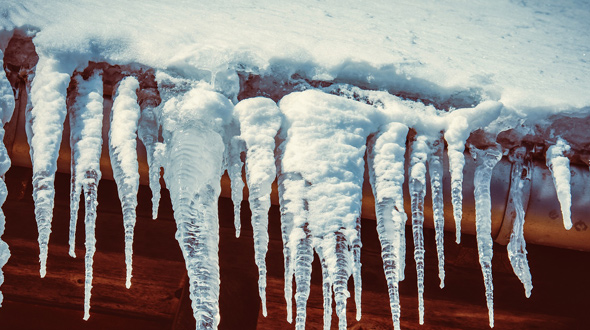
Roofing system eaves and gutter with ice dams

Damage can be significantly reduced or prevented by applying an additional underlayment from the roofline to about three to four feet up the roof. This provides an extra layer of protection from melting ice water.

Ignoring the Manufacturer’s Guidelines

Roofing manufacturers have detailed regulations on how their roofing systems must be installed. Deviations from these regulations may determine whether a manufacturer will honor their warranty in the event of the roof’s failure before the guaranteed lifespan.

Skipping the Roofing Permit

Most municipalities require a permit for new roof installation. The building owner or property owner is ultimately the one held liable for failing to obtain a permit.

Having a roof installed without a permit may result in fines, refusal of insurance coverage, or even the forced complete removal of the new roof.

Insufficient Roofing Contractor Insurance

If your contractor does not carry enough insurance to pay for damages or injuries, you may be held responsible for covering these costs.

Roofing system repair and replacement contractor insurance

All reputable roofing contractors will willingly provide proof of their insurance policy. Likewise, their insurance company may be contacted to confirm their coverages.

Avoid a Bad Roofing Job

Knowing the signs of a lousy roofing job and contractor will help you avoid expensive surprises and premature roof failure.

In this article, you discovered 15 of the most common roofing mistakes that can lead to leaks, weather damages, and roof failure.

If you don’t know what to watch for during the installation of your new roof, you are leaving too many windows for mistakes that can cause serious damages to your property and potentially result in the failure or loss of your new roof.

Sources:
https://www.fema.gov/media-library-data/20130726-1706-25045-9347/chapter8.pdf
https://dopl.utah.gov/licensing/contracting_avoid_costly_mistakes.html
http://www.ashireporter.org/homeinspection/articles/don-t-miss-the-shingle-stagger-/1973
https://www.handymantips.org/major-roofing-mistakes/

https://plus.google.com/116818386229074671451
Atlanta Commercial Roofing Contractors
1075 Peachtree Street NE Ste 3650 Atlanta, GA 30309
(404) 220-9288

Atlanta Commercial Roofing Contractors
400 17th St NW Ste 2224, Atlanta, GA 30318
(404) 220-9288

  The post 15 Common Mistakes Most Roofers Won’t Tell You About appeared first on atlantacommercialroofingcontractors.com

Wednesday, January 23, 2019

Metal Roofing Advantages and Disadvantages

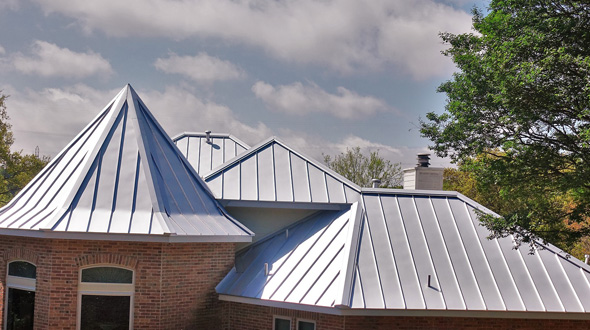
Adaptable metal roofing system residential structure

What if it were possible that a roof can last up to 70 years? Whether for a school, apartment building, church, commercial building, or even your home, metal roofing systems will consistently outperform other options as related to its lifespan.

The advantages of metal roofing far outweigh the disadvantages. When the time comes to replace your roof, consider the benefits and getting a quote for a metal roofing system.

Atlanta Commercial Roofing Contractors gathered the following list of advantages and disadvantages for metal roofing, and answers frequently asked questions about it.

Advantages of Metal Roofing

With such options like vertical seams, standing seams, snap lock systems, multiple designs, and a vast selection of colors to choose from, metal roofing has come a long way in the past few decades and has become a popular choice for both commercial and residential buildings.

The following are some of the primary advantages metal roofing can offer:

Durability – When installed and properly maintained, metal roofing can last as long as the structure it covers (40 to 70 years or more). It is also highly resistant to large volumes of rainwater, rot, mold, and mildew.

A maintenance contract is always suggested, as the better maintained a roof is, the longer it will last and more durable it will be.

Product Warranty – While warranties may vary, there are companies that will cover a metal roof installation for up to 50 years.

Fire Resistance – Metal roofing materials are noncombustible and resist approaching fire.

Energy Efficient – As the sun’s radiant heat is reflected by metal roofing, less energy is required for air conditioning.

100% Recyclable – While other roofing materials cannot be recycled, all metal roofing material is completely recyclable.

Adaptable – Since metal roofing can come in virtually any shape and boasts a wide color selection, it can be installed to meet the aesthetic needs of any neighborhood or region.

Paint Finishing – With many manufacturers, the finish on your metal roof is typically covered by a 30-year limited warranty.

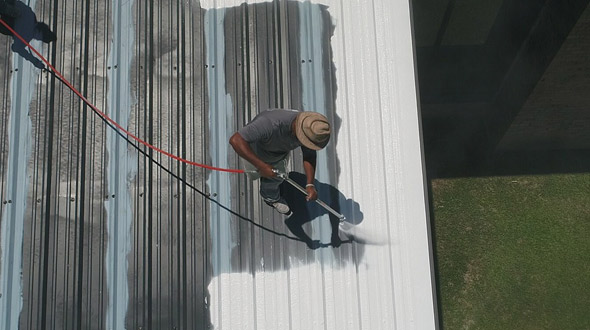
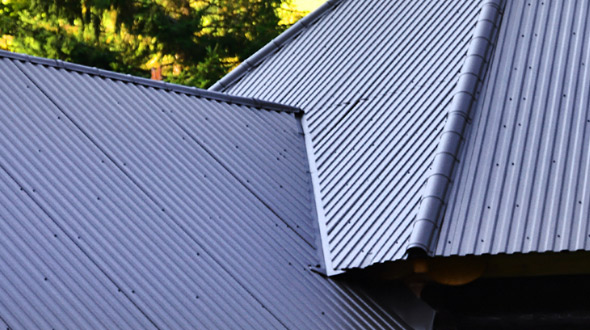
Painted metal roofing system on commercial building

Roof Pitch – Metal roofing materials can be installed at a minimal roof pitch without failing or leaking. Generally, you’ll find a 3-by-12 standard in which for each foot, the roof rises 3 inches.

Roof Weight – The weight of the roof to be installed can have a significant impact on the engineering of the support structure below it. Metal roofing weighs on average one-tenth of materials such as conventional or concrete tiles.

Roofing Installation Time – Because metal roofing materials come in multiple large sections or panels, an experienced contractor can install the roof quickly and easily.

Wind and Hail – Metal roofing is an excellent choice in regions that experience high winds and frequent hail storms. Many of these regions will have a gauge (thickness/weight) requirement for the installation of a metal roofing system.

Unexposed Seams – Due to the way metal roofing material interlocks, the seams are often not exposed. This dramatically reduces the chance of moisture reaching the roof deck, and likewise reduces the possibility of having leaks.

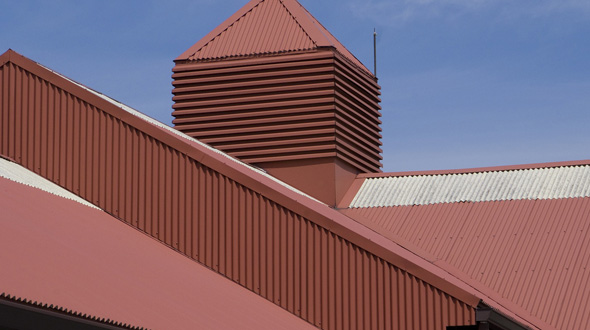
Commercial metal roofing system advantages

Disadvantages of Metal Roofing

While the advantages of metal roofing are many, there are a few disadvantages. As stated above, metal roofing has come a long way, and manufacturers have made improvements to address much of the following:

Price – Considered the most significant disadvantage, metal roofing can cost from $200 – $600 per 100sq. feet, which is the cost of other premium roofing materials.

This disadvantage is lessened by the durability and longevity of metal roofing. As previously stated, a well installed and maintained metal roofing system can last as long as the structure below it.

Denting – The necessity to go to the roof may come about to service chimneys, satellite dishes, HVAC units, generators, or vent pipes. Depending on how the roof was installed and the support structure below it, the plumber or technician may wind up denting your roof.

Likewise, if the gauge of the roofing is too low in a region prone to hail storms, severe denting and damage may occur during violent hail storms.

Noise – It’s metal, and like the drum in a band, it can get loud during rain or hail storms. However, the use of plywood sheathing and sound-reducing insulation during installation is an effective method of noise control.

Poor Installation/Leaks – If a metal roofing system begins to leak, it is likely that the installation was not performed correctly. Exposed fasteners, screws driven in the wrong place, and the use of improper washers to seal them can all result in leaks.

Manufacturer’s instructions need to be followed precisely by experienced and professional roofing companies.

Durable metal roofing system fastened to structure

Repairs – Since metal roofing is installed in large panels, replacing damaged panels or parts can be more difficult than doing so with other roofing systems.

Lightning Strikes – There is an urban myth which states that metal roofs are more prone to lightning strikes than other types of roofing. While this assumption is inaccurate, for your peace of mind, a lightning protection company can easily ground your metal roof.

Expansion and Contraction – Metal reacts to the hot and cold temperatures. When it gets hot, metal expands, and when it gets cold, it contracts. This “see-saw” effect can cause fasteners to come loose and eventually fail. However, newer materials are taking this movement into account and using fastening systems which accommodate it.

Insulation – Unless the roofing system is installed over an insulating material, metal roofing offers very little value as an insulator.

Fire – As stated in “advantages,” Metal roofing is excellent at resisting approaching fires. The same cannot be said for fires that start within the structure though.

Firemen sometimes have to cut through a roof to effectively extinguish a fire. With metal roofing, this process is much more difficult and time-consuming in a situation where time is of the utmost importance.

People Also Ask

Q: Do Metal Roofs Need Maintenance?
A: Yes – All roofing systems need maintenance. Metal roofing systems, however, do not require maintenance as often as other roofing systems. Periodic inspections can be made to determine the need for any repairs or maintenance.

Q: Are Metal Roofs Noisy?
A: No – When installed with strong sheathing and noise resistant insulation, metal roofing systems can reduce noises from rain, hail, etc. much better than other roofing systems.

Q: What Is The Best Color Of Metal Roof For Energy Savings?
A: Light colored roofing systems reflect more of the sun’s heat than darker colors. In fact, a light colored roof can be anywhere from 10 – 50 degrees cooler than a dark one.

Q: Are Metal Roofs More Energy Efficient?
A: Yes – In the summer months, they reflect the heat making it easier to cool the structure. During winter months, these roofing systems (when installed properly) provide excellent insulating properties.

Durable metal roofing system

Q: Can You Install A Metal Roof On A Flat Roof?
A: Yes – Metal is one of the most widely used materials for flat roof systems.

Q: What Is The Minimum Pitch For A Corrugated Metal Roof?
A: 5 degrees. Below this number, the roofing system begins to present severe limitations. Manufacturers will typically not provide any guarantees when the slope runs below 5 degrees.

Metal Roofing Systems Last Longer

Schools, churches, apartment buildings, commercial and industrial structures all need a durable and lasting roofing system. Incredibly, metal roofing can deliver up to 70 years of protection to your building.

In this article, you’ve discovered the advantages and disadvantages of installing a metal roofing system, the importance of a maintenance contract, and found answers to common questions about metal roofing.

A financial commitment of this proportion requires you to weigh advantages, disadvantages, cost, and return on investment. As metal roofing systems offer incredible advantages, including the ability to last the lifetime of the building, they can be one of the best investments for your new roof.

Sources:

http://www.cchrc.org/sites/default/files/docs/metal_roofing.pdf
https://www.remodelingcosts.org/cost-of-standing-seam-metal-roof-plus-pros-and-cons/
https://en.wikipedia.org/wiki/Metal_roof
http://sccomm.uga.edu/recommendations/roofers.html

The post Metal Roofing Advantages and Disadvantages appeared first on atlantacommercialroofingcontractors.com

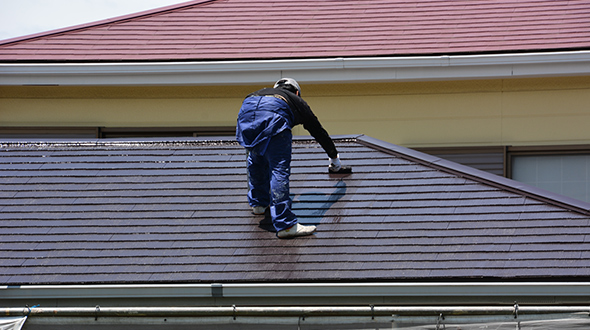
Can Roof Shingles Be Painted?

Many property owners wonder whether painting their roof is a viable way to refresh its appearance without the expense of a full replacement....